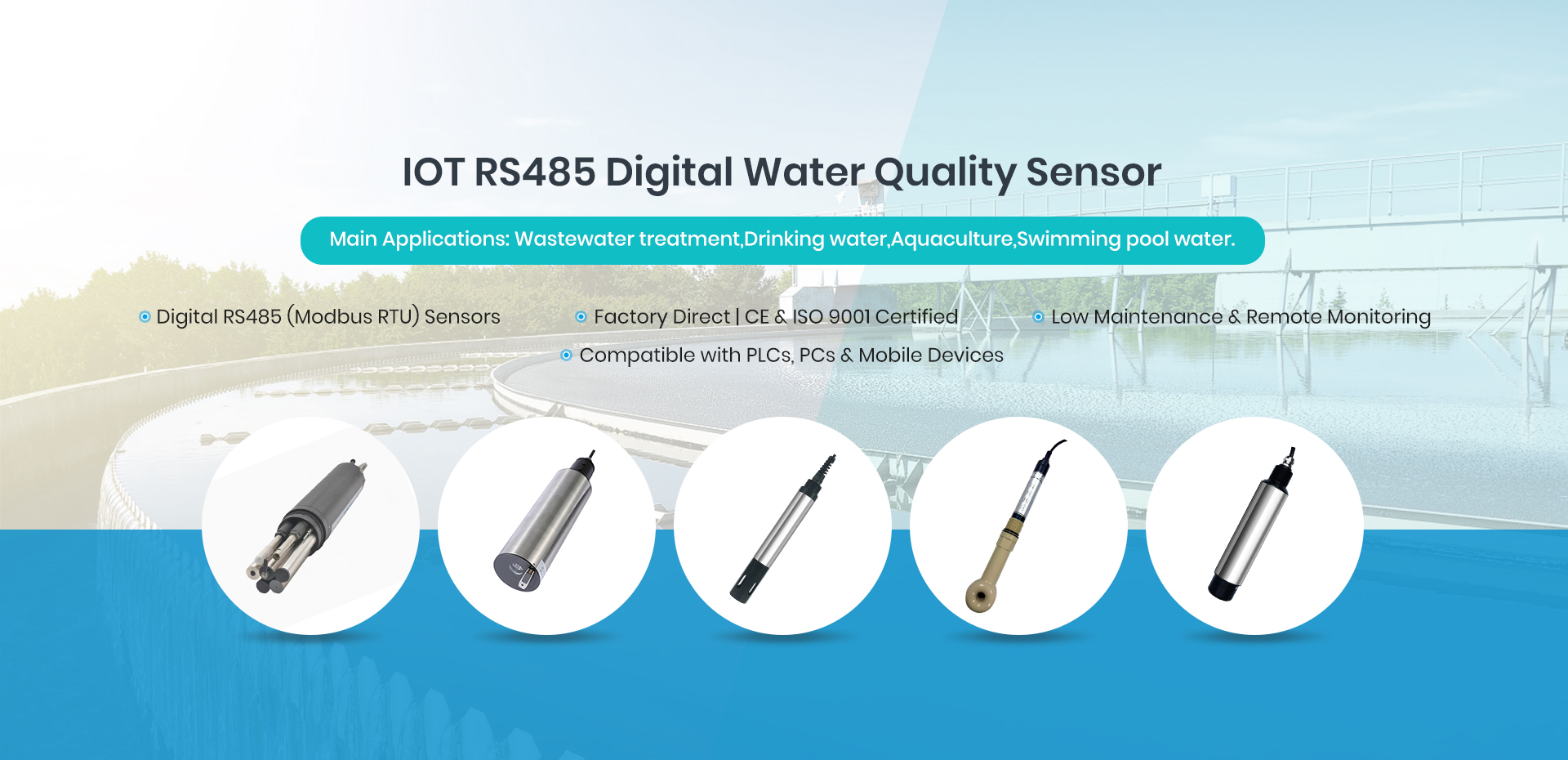
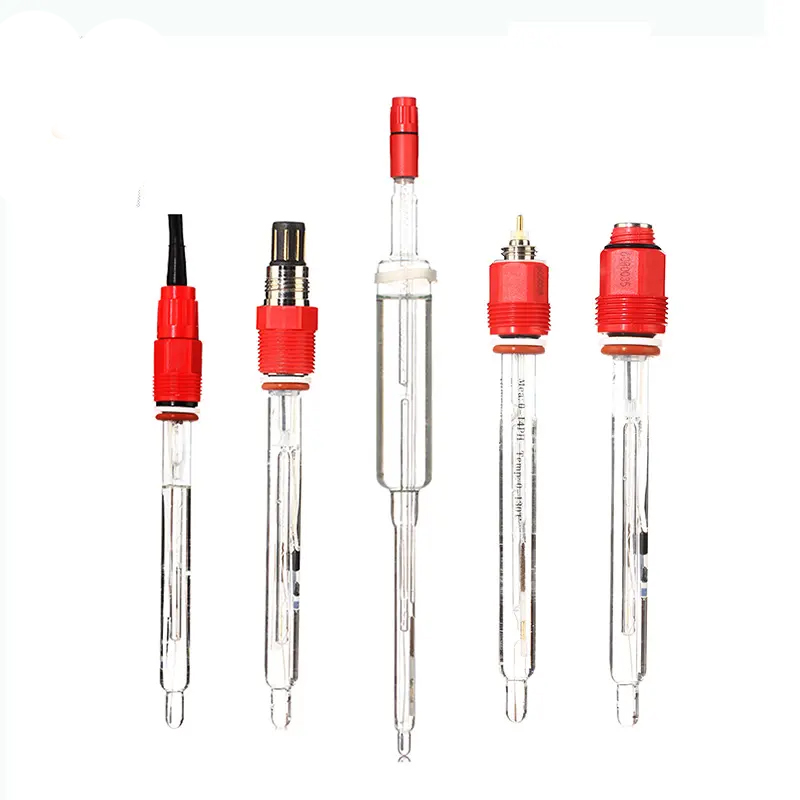
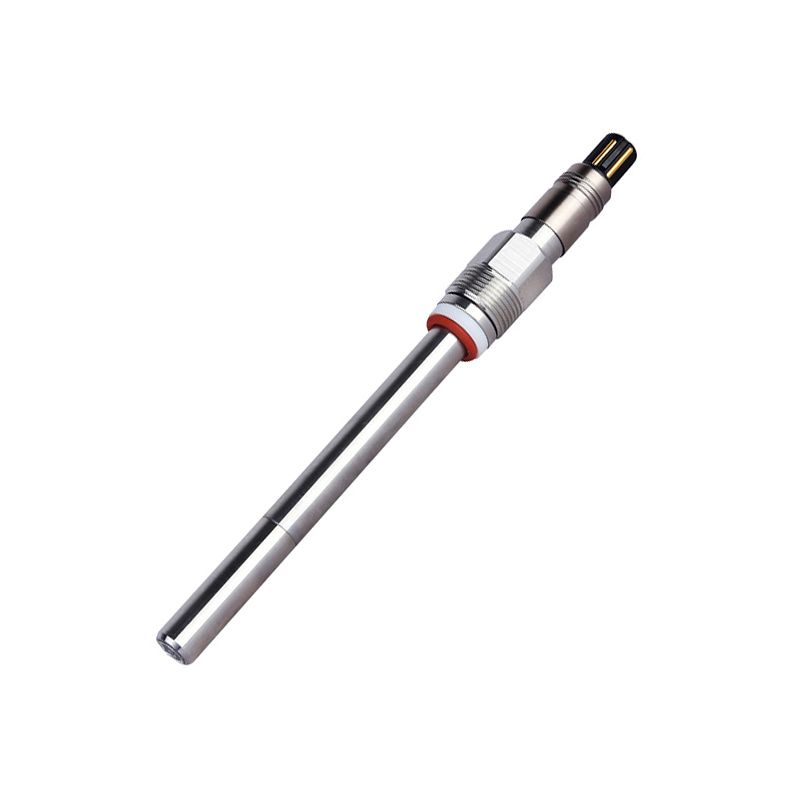
High-Temp S8 Connector Sensor
Engineered for extreme thermal process stability and steam sterilizable conditions in pilot-scale fermentation.
Product DetailsPre-calibrated, industrial-grade sensors ready for immediate integration into SCADA, edge servers, or direct cloud pipelines.
Engineered for extreme thermal process stability and steam sterilizable conditions in pilot-scale fermentation.
Product Details
Integrated internal thermal resistor for automatic temperature compensation across harsh liquid media.
Product Details
Certified sanitary design maintaining low drift during multi-cycle CIP and SIP biopharma processes.
Product Details
Robust glass junction formulated to withstand pressurized industrial pipelines and aggressive caustic exposure.
Product Details
Flagship high-temperature electrode accredited with the prestigious Shanghai Brand certification.
Product Details
Polarographic dissolved oxygen sensor specifically tailored for bioreactor agitation and strict aerobic loops.
Product Details
Smart digital communication module outputting RS485 Modbus RTU directly into wireless telemetry hardware.
Product Details
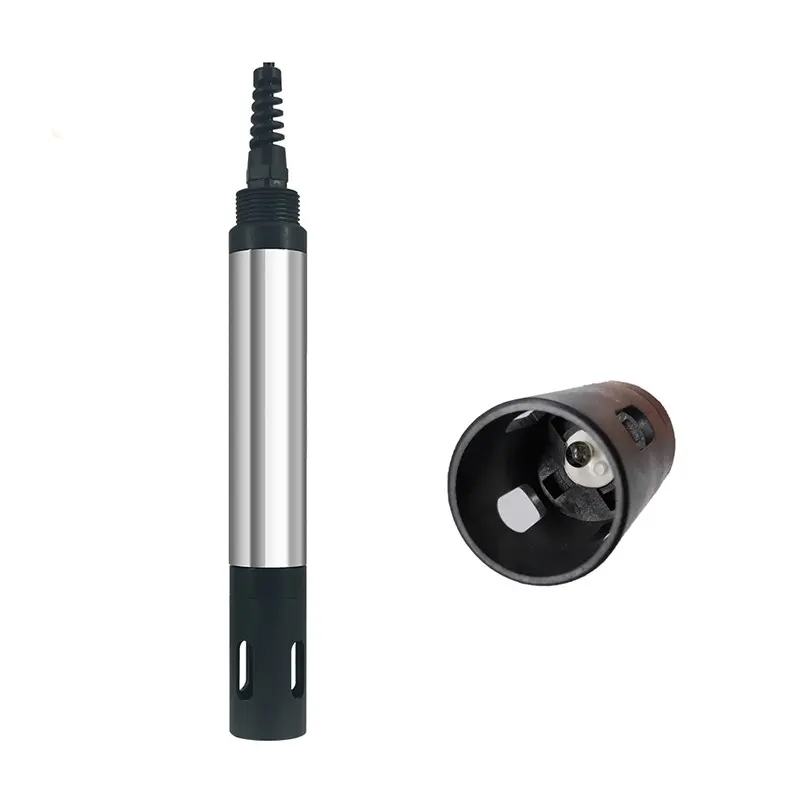
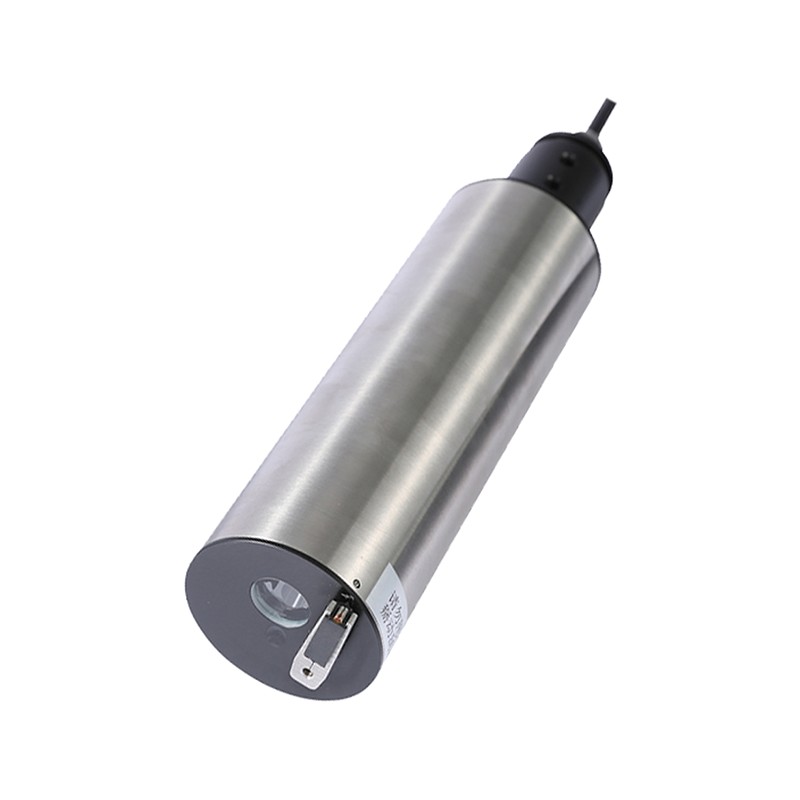
Infrared 90-degree scattered light turbidity sensor featuring an automatic wiper module to mitigate biofouling.
Product DetailsEvaluating the technological shift from tethered galvanic probes to stand-alone, battery-driven optical telemetry.
Dissolved Oxygen (DO) is arguably the single most critical thermodynamic and biological indicator in fluid systems worldwide. In modern municipal aeration basins, recirculating aquaculture systems (RAS), environmental surface waters, and pharmaceutical bioprocesses, real-time DO measurements regulate oxygen delivery, safeguard biological health, and manage system power costs. Historically, analytical instrumentation was tethered to heavy AC electrical enclosures and trench cabling, presenting massive capital expenditure (CAPEX) hurdles in large-scale deployments.
The contemporary commercial landscape has shifted rapidly toward WiFi-enabled, battery-powered dissolved oxygen sensors. This engineering transition is fueled by the convergence of three foundational technologies:
Unlike electrochemical Clarke-type or polarographic cells, optical DO sensors do not consume oxygen during measurement, eliminating the need for continuous fluid stirring. Their solid-state lumophore caps maintain stable calibration curves across years rather than weeks, dramatically minimizing operational maintenance.
Deploying smart power sequencing—where high-draw optical measurement and 2.4 GHz WiFi transmission occur in micro-burst wake periods followed by deep-sleep current draws (<15 µA)—allows internal lithium cells to achieve operational field life spanning 12 to 36 months without intervention.
By integrating onboard microcontrollers running lightweight TCP/IP stacks, modern wireless DO nodes push real-time mg/L, % saturation, and temperature arrays straight through plant-wide WiFi meshes to SCADA or cloud IoT platforms, sidestepping intermediate external transmitters.
According to industrial automation indices, adopting self-powered wireless instrumentation slashes installation expenditure by up to 68% per measuring point by eliminating trenching, conduit laying, and marshalling cabinet wiring. This paradigm shift enables industrial operators to scale sensor density across thousands of square meters without expanding physical electrical footprints.
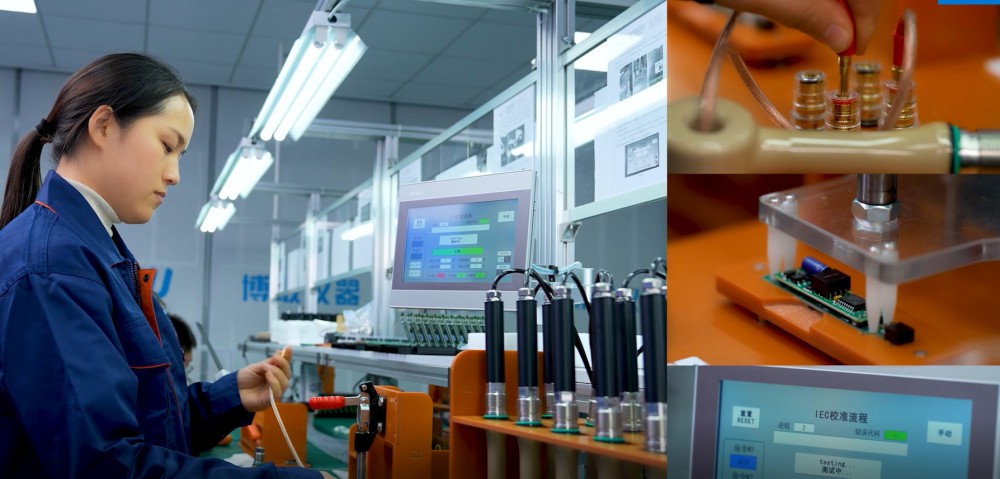
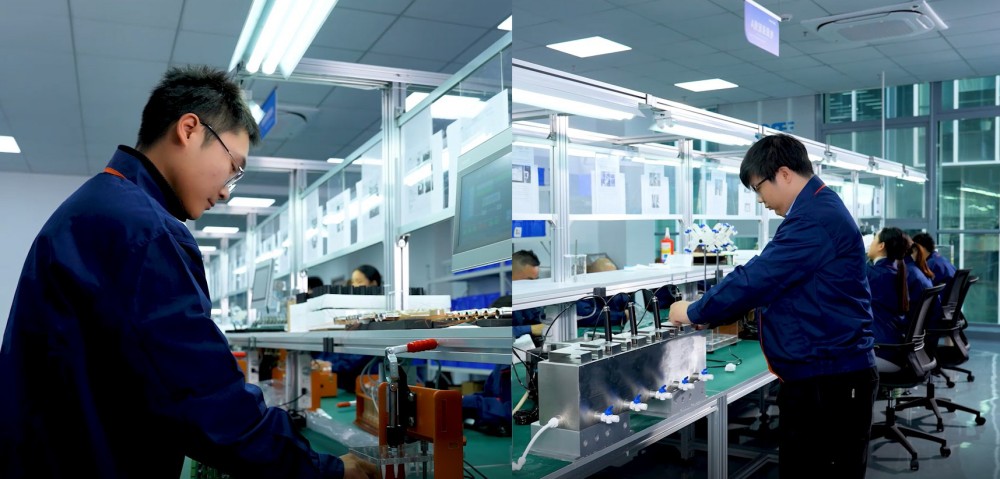
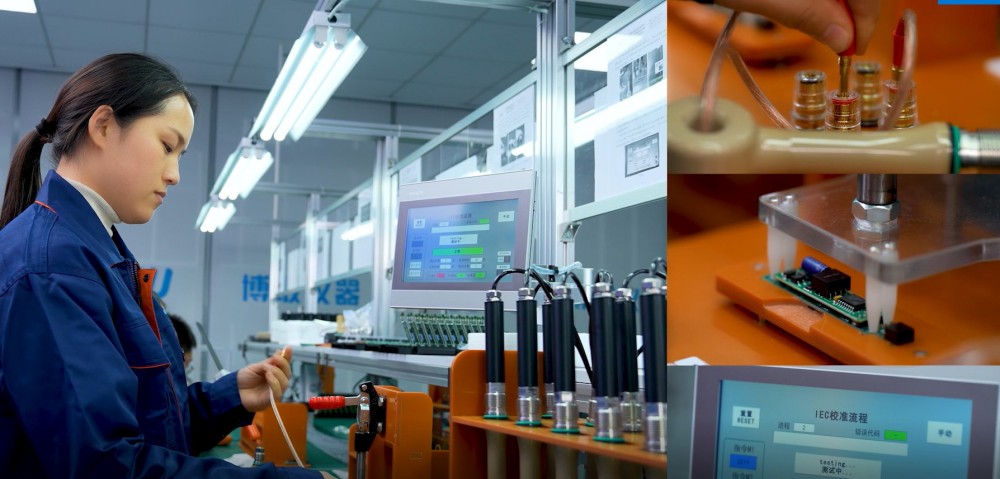
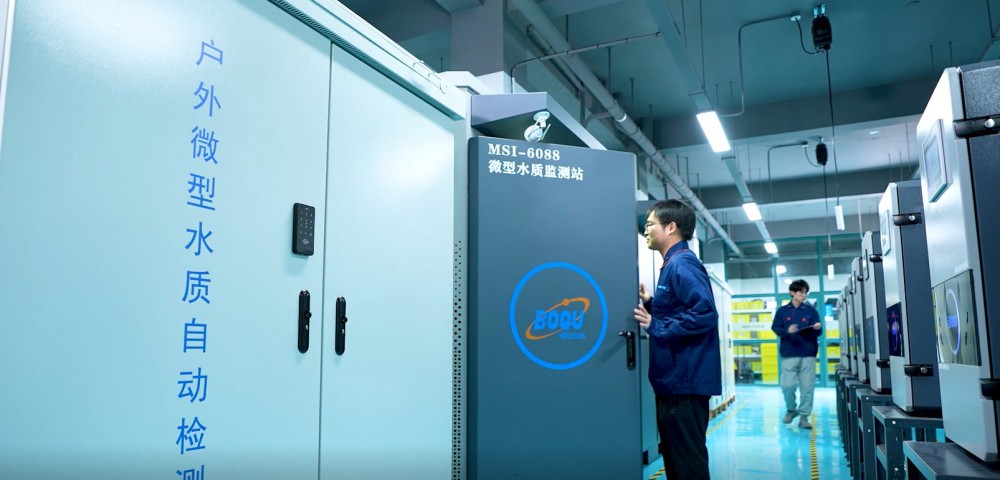
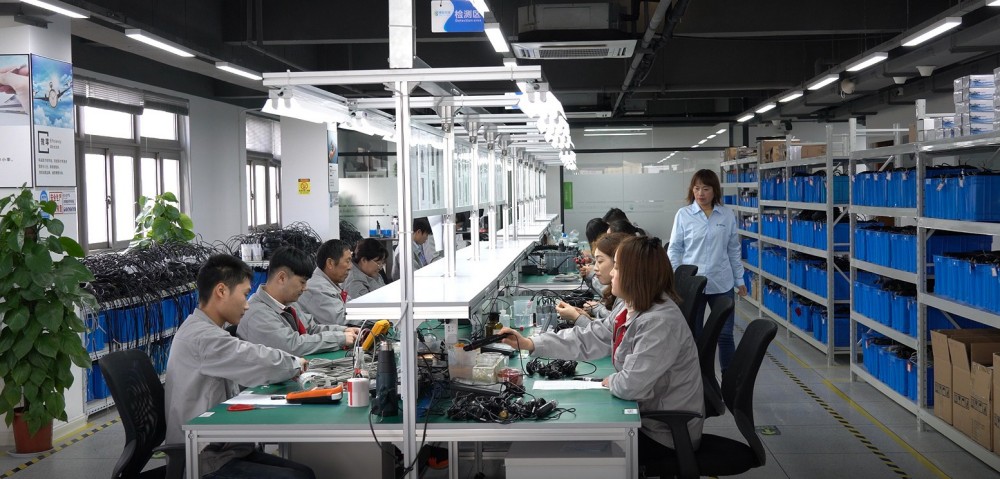
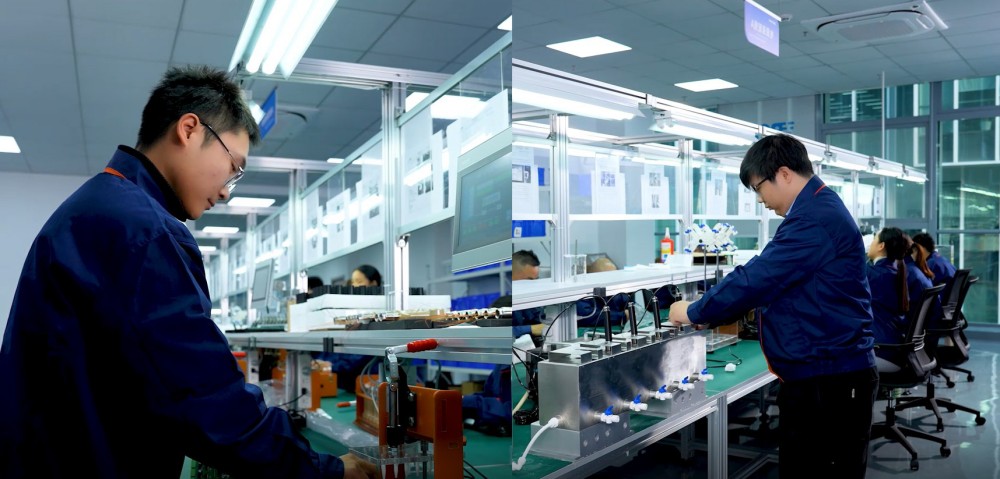
Operating two advanced facilities in Kangqiao and Lingang, Shanghai, dedicated to electrochemical and optical instrumentation research and high-volume production.
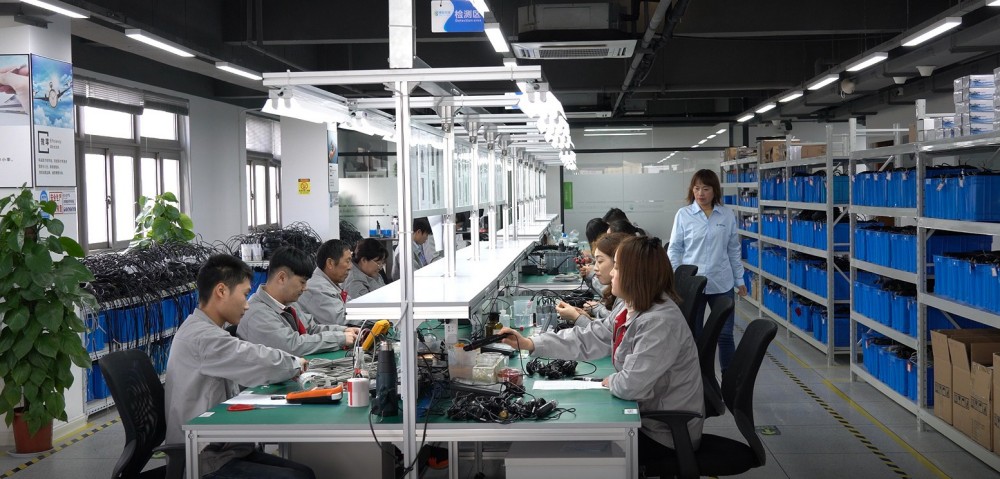
Strict quality-control processes managed under audited ISO 9001 and ISO 14001 frameworks, with CE, SGS, and FDA registration across all core product lines.
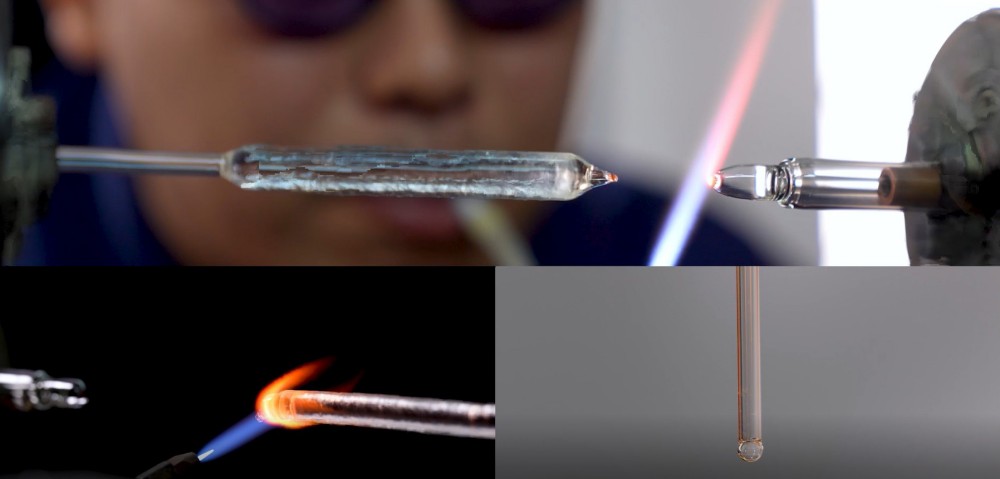
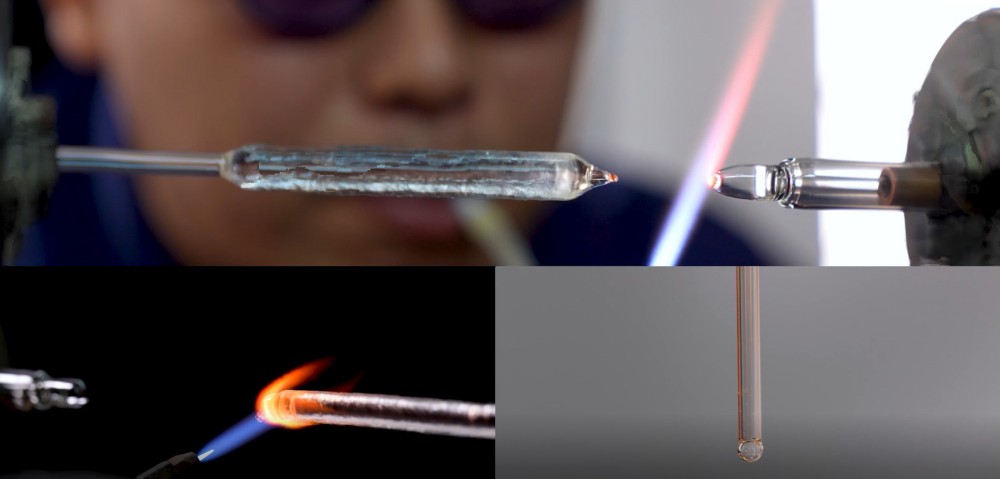
Home to China's first specialized high-temperature water quality sensor laboratory, providing validation against repeated 130°C SIP thermal cycles.
Custom PCB schematics, antenna designs, specialized battery chemistry integrations, custom sensor housings, and private labeling with quick turnaround.
Engineered to conquer challenging conditions across diverse operating environments—from brackish tidal waters to biopharmaceutical fermentation lines.
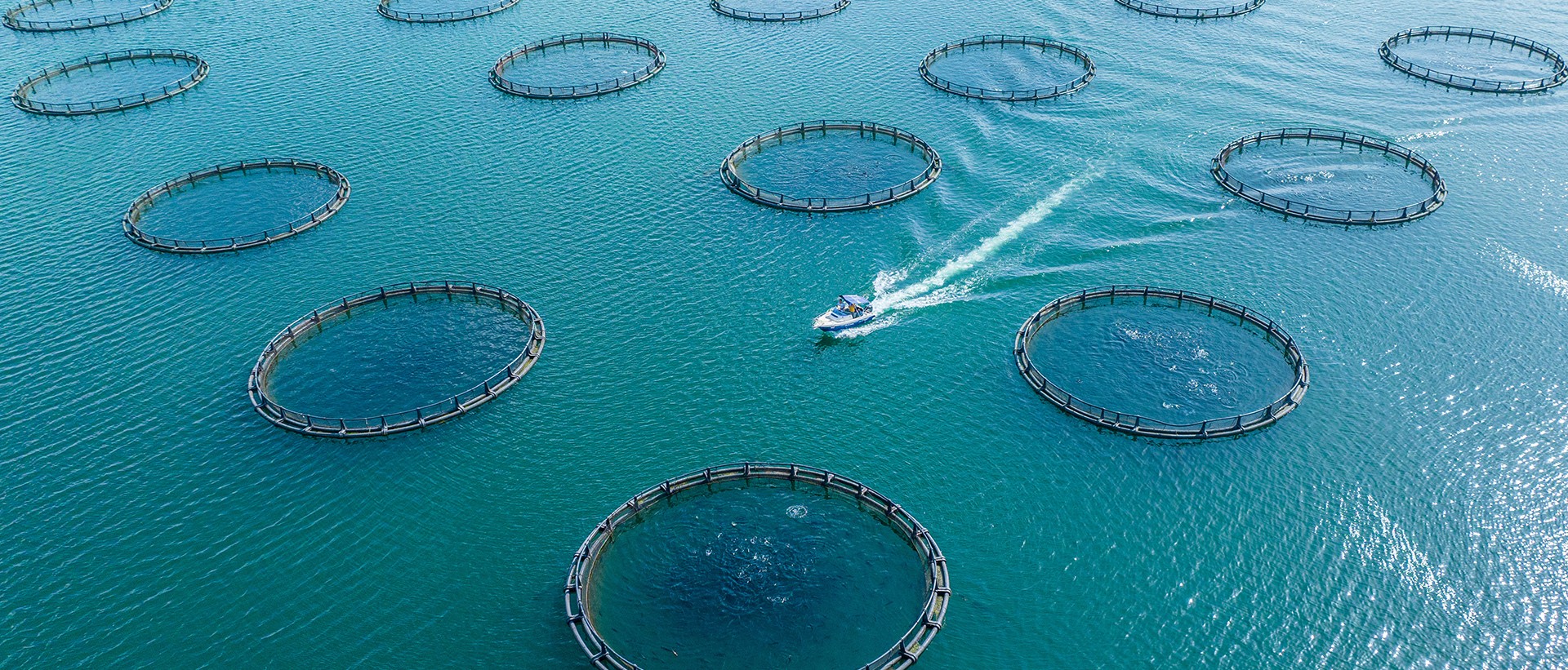
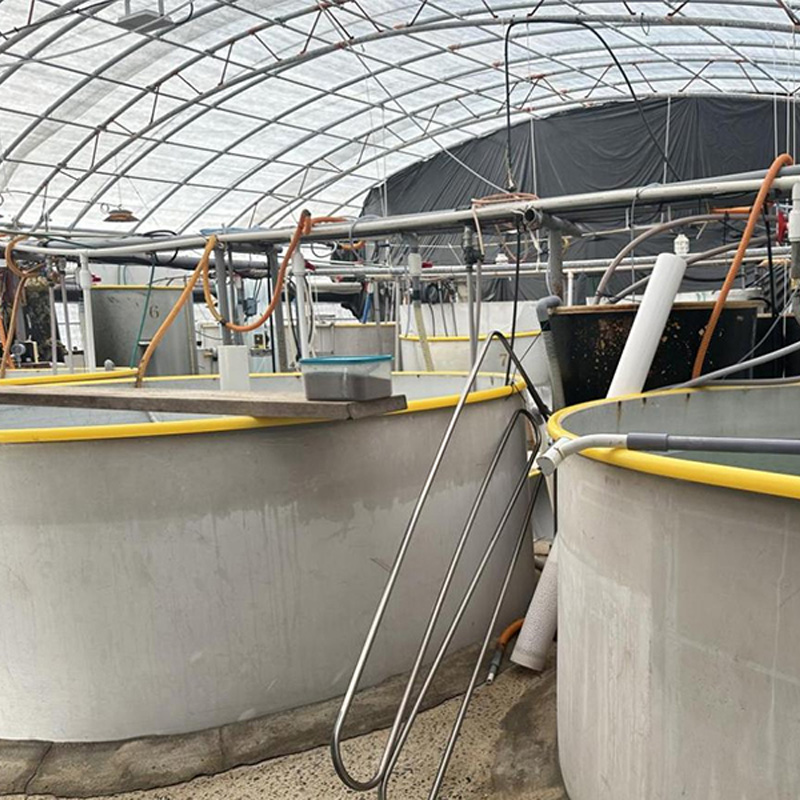
Oxygen crashes in high-density shrimp and finfish operations can cause catastrophic mortality within an hour. Self-powered WiFi DO probes placed on tethered buoys transmit continuous telemetry. Built-in alarm relays trigger emergency paddlewheels and oxygenation systems automatically over the WiFi mesh.
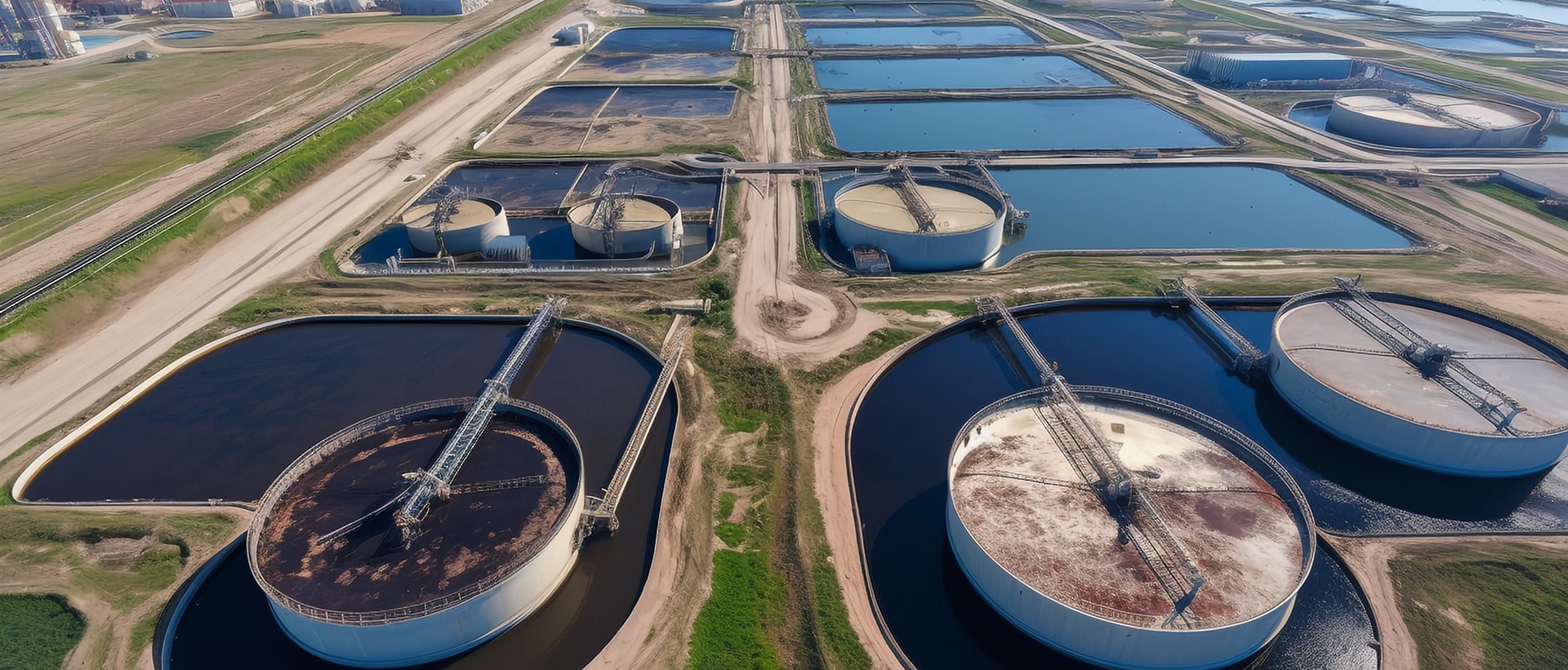
Aeration blowers often consume 50% to 70% of a wastewater facility's entire electrical budget. Wireless optical DO sensors placed along biological aeration trenches provide fine-grained dissolved oxygen profiles, allowing VFD blowers to modulate speeds precisely and trim power overhead.
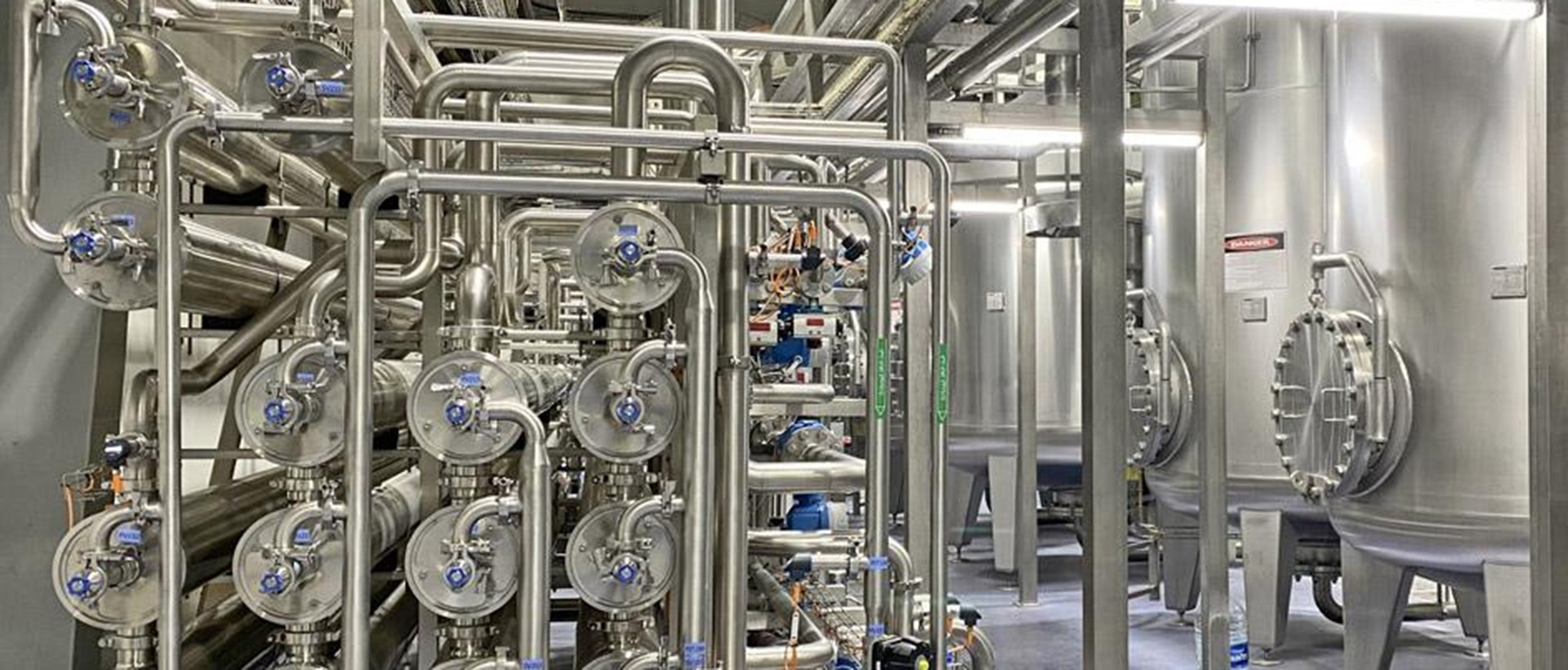
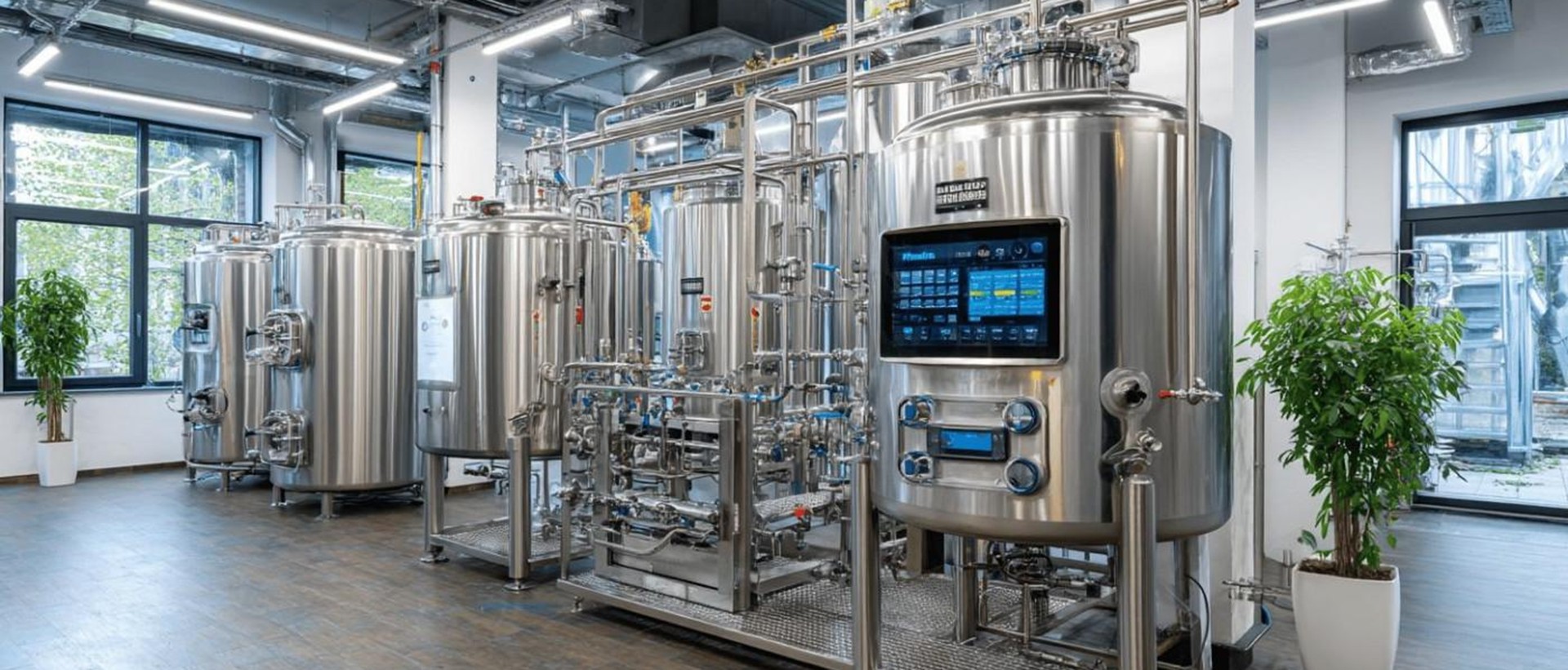
Microbial production rates depend on tight dissolved oxygen bands. Polarographic DO models like the DOG-208FA, combined with smart wireless adapters, provide continuous monitoring through standard bioreactor ports, maintaining sensor integrity during autoclave and steam cycles.
Monitoring wide-area lakes and natural catchments requires instrumentation that operates without utility access. Battery-backed wireless DO units combined with low-profile solar trickle pads deliver real-time data on seasonal thermoclines and algal blooms.
In closed-loop deep water culture (DWC) systems, hypoxic root zones invite pathogen development. Submersible wireless DO sensors keep solution oxygen levels balanced, feeding data back into central nutrient dosing systems without cable clutter.
In high-pressure steam boilers, dissolved oxygen levels must stay below parts-per-billion (ppb) thresholds to prevent corrosion. Battery-buffered trace analyzers keep watch over economizer inflows and deaerator effluent lines, supporting plant reliability.
A reference guide to help process engineers match measurement principles with site constraints.
| Evaluation Parameter | Optical Luminescence (WiFi / Battery) | Polarographic Membrane (DOG-208FA Class) | Galvanic Electrochemical |
|---|---|---|---|
| Measuring Range | 0 - 20.00 mg/L (ppm); 0 - 200% Saturation | 0 - 40.00 mg/L (ppm); 0 - 400% Saturation | 0 - 20.00 mg/L (ppm); 0 - 100% Saturation |
| Flow Dependency | Zero flow required (Non-consuming) | Requires minimal flow (> 0.3 m/s) | Requires moderate flow to prevent localized depletion |
| Wireless Protocol | WiFi 802.11 b/g/n (2.4 GHz) / MQTT / Modbus TCP | RS485 to Wireless Gateway Converter | Direct analog voltage to RF Transmitter |
| Battery Longevity | Up to 24 months (at 15-min wake cycles) | External DC or Hybrid Battery Node | Limited by continuous polarization demands |
| Calibration Frequency | 12 - 24 Months (Factory Calibrated Cap) | 2 - 4 Weeks (Membrane + Electrolyte check) | 1 - 2 Weeks (Electrolyte & Lead Anode depletion) |
| Thermal Resistance | 0 to 50°C (Process Media) | 0 to 130°C (Sterilization Capable) | -5 to 45°C (Standard Processes) |
Advancements underway at our Shanghai R&D center to expand autonomous sensing horizons.
Transitioning from basic data relays to edge-inferencing firmware that monitors luminescence decay curves in real time. Sensors predict cap exhaustion and biofouling onset weeks before measurement drift occurs.
Adopting IEEE 802.11ah (WiFi HaLow) running on sub-gigahertz channels to multiply wireless range up to 1 kilometer through concrete process plants, pairing long reach with low battery consumption.
Pairing high-capacity lithium battery buffers with micro hydro-kinetic and ambient solar trickle units, moving process telemetry nodes toward self-sustaining lifecycle profiles.
Developing low-draw ultrasonic transducer collars and electro-chlorination micro-rings around the optical cap, preventing biofilm buildup in warm, biologically active waters.
Clear, direct answers regarding hardware validation, power configurations, and integration options.
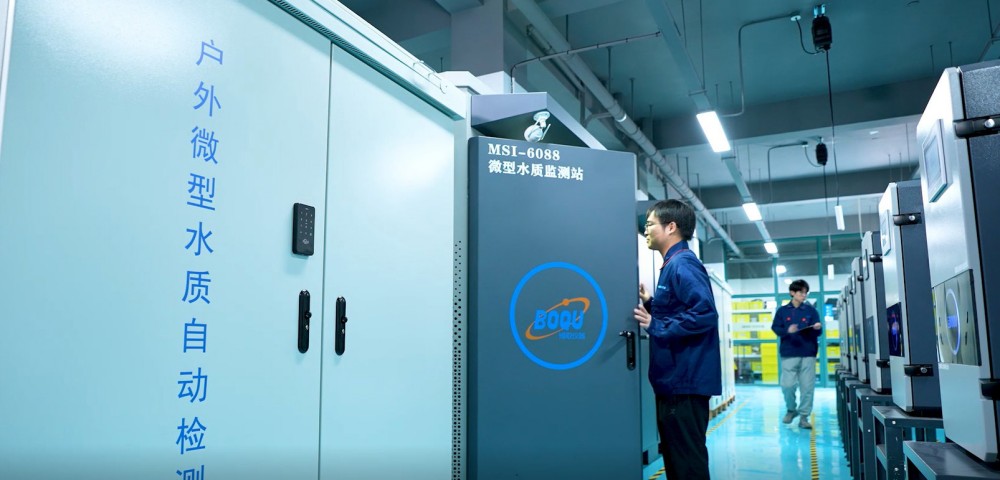
Shanghai Boqu Instrument Co., Ltd. is an original manufacturer established in 2007. We engineer, assemble, and calibrate all instruments across our two Shanghai production facilities (Kangqiao and Lingang), spanning 4,632 m² of workshop space with 200+ employees and an output exceeding 100,000 units annually. Buyers work directly with our engineering and export departments.
Battery longevity relies on an event-driven duty cycle. The optical measurement circuitry wakes up for only 300 to 500 milliseconds to pulse the LED lumophore and capture phase-shift telemetry. The integrated microcontroller then connects to the local WiFi access point, pushes a lightweight JSON/MQTT payload, and drops into deep sleep (<15 µA). At 15-minute intervals, a standard lithium cell pack can deliver 18 to 24 months of unattended operation.
Submersible wireless sensor bodies are built with IP68 ratings using corrosion-resistant materials such as POM (Polyoxymethylene), titanium alloy, or 316L stainless steel. For marine installations, internal firmware compensates for salinity offsets using co-located conductivity metrics or static salinity register inputs.
Our wireless dissolved oxygen sensors support Modbus TCP, MQTT, and direct HTTP POST commands over standard 2.4 GHz WiFi networks. For hybrid facilities, our base instruments also supply standard RS485 Modbus RTU, 4-20 mA current loops, and programmable dry-contact relays.
Yes. For sanitary bioreactors subject to Clean-In-Place (CIP) and Steam-In-Place (SIP) thermal regimes up to 130°C, we provide specialized high-temperature sensors such as the DOG-208FA and pH5806. Validated in our dedicated high-temperature laboratory, these sensors maintain accurate calibration throughout repeated sterilization cycles.
Our in-house R&D team accommodates custom cable lengths, specialized mounting fittings (tri-clamp, flow-through, immersion), custom firmware payload schemas, bespoke battery capacities, private labeling, and targeted calibration certifications across international quality standards.
Reliable water quality instrumentation deployed by over 2,000 corporate clients across five continents.

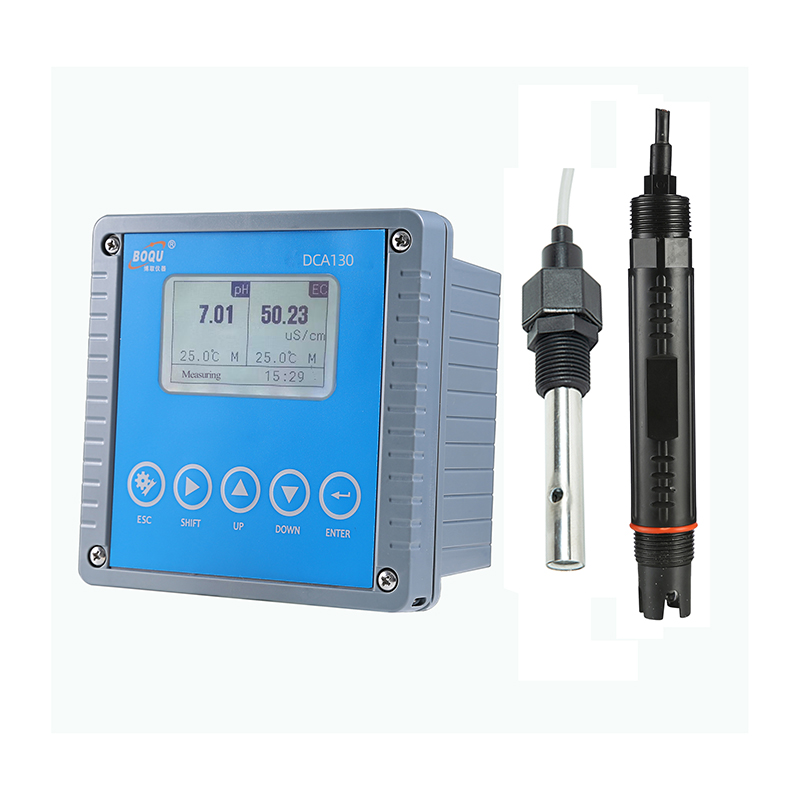
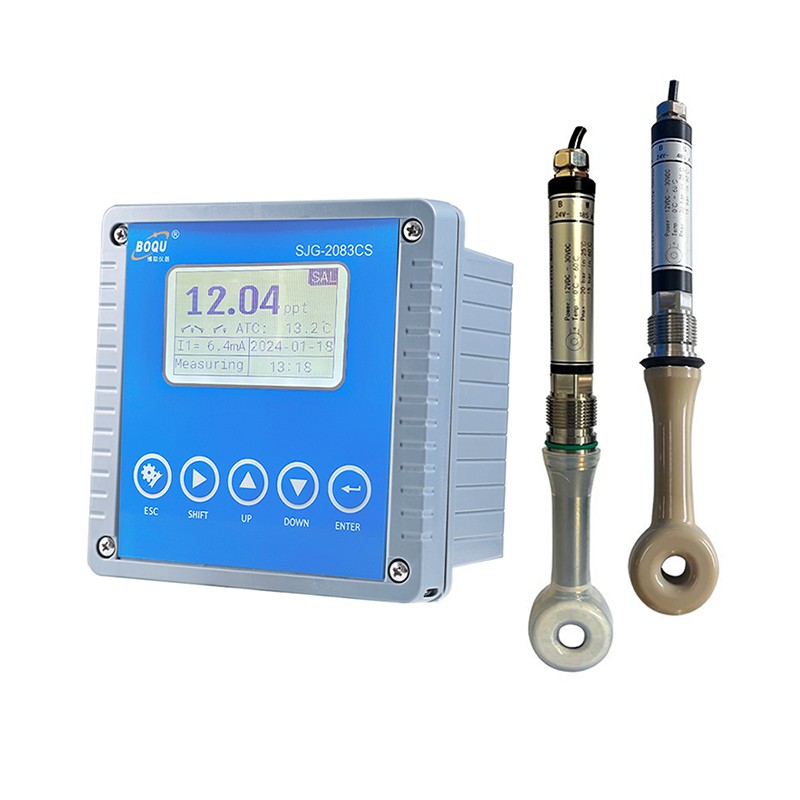
Simultaneous monitoring of pH and electrical conductivity on a unified controller display.
Product Details
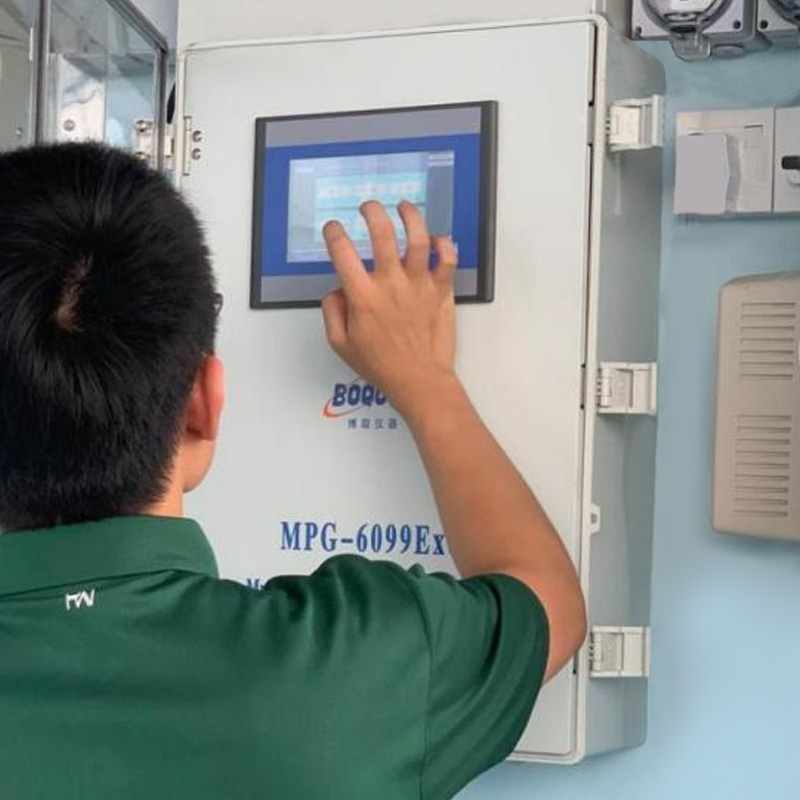
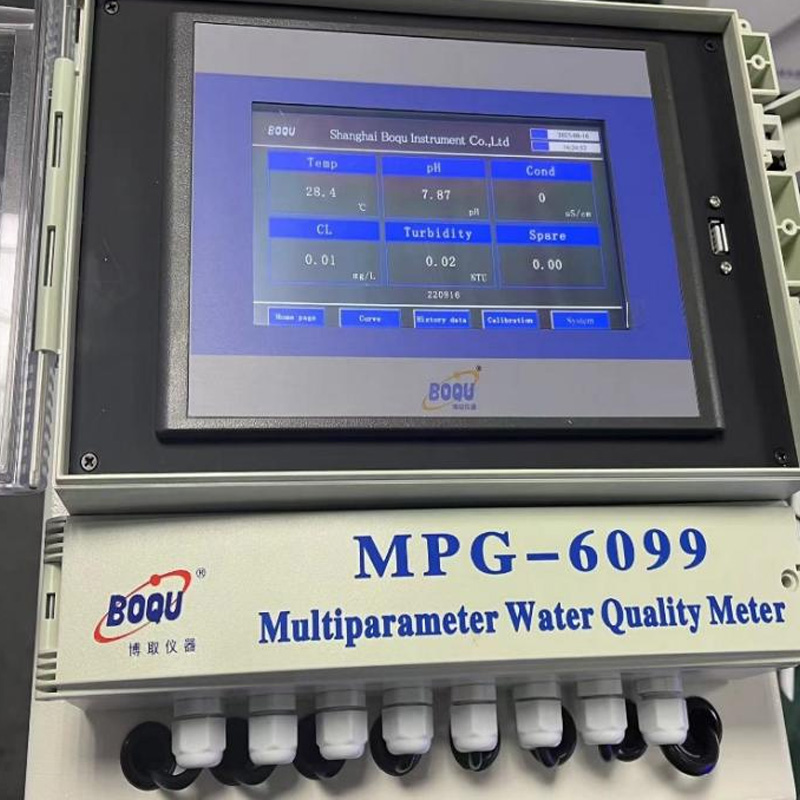
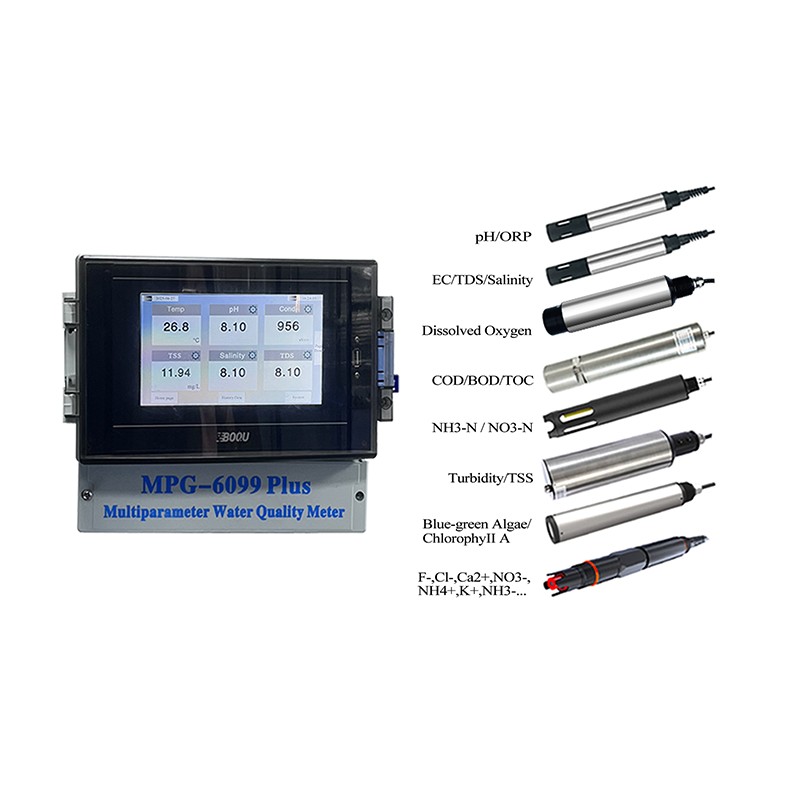
Multi-parameter cabinet analyzing pH, DO, turbidity, and conductivity for secondary water supply networks.
Product Details
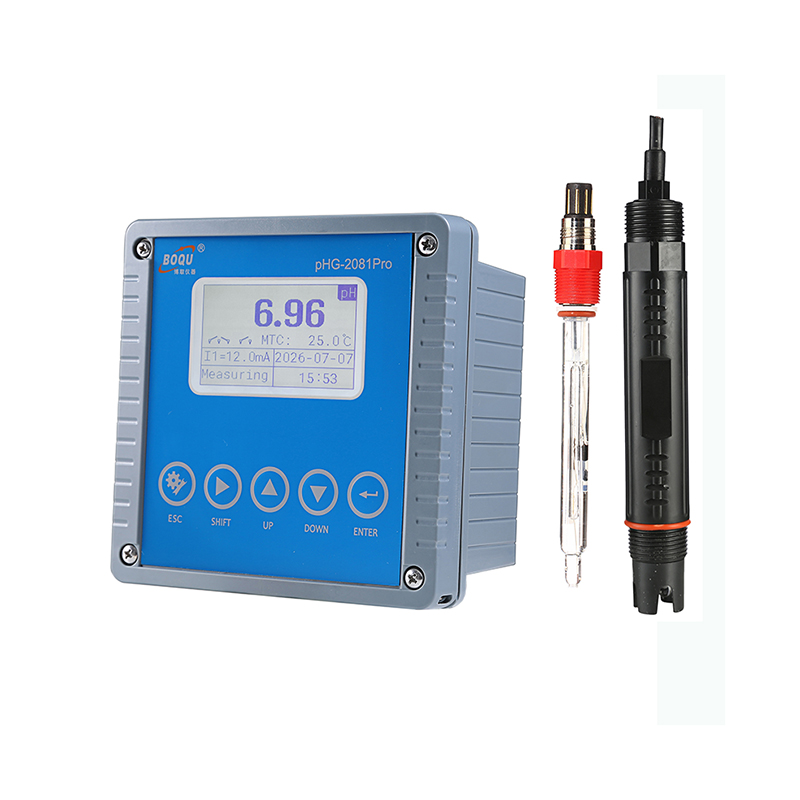
Dedicated process transmitter delivering 4-20 mA, RS485 Modbus, and dual-relay alarm automation.
Product Details
Inductive conductivity transmitter calibrated for acid/alkali mixing control and CIP wash pipelines.
Product Details
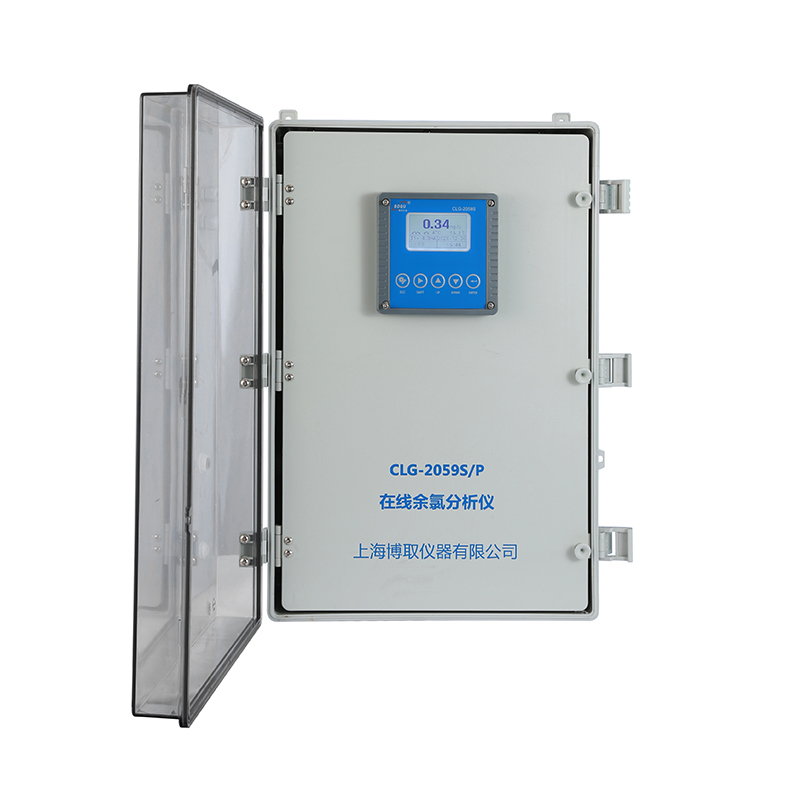
Constant-voltage amperometric measurement verifying disinfection thresholds without reagent inputs.
Product Details
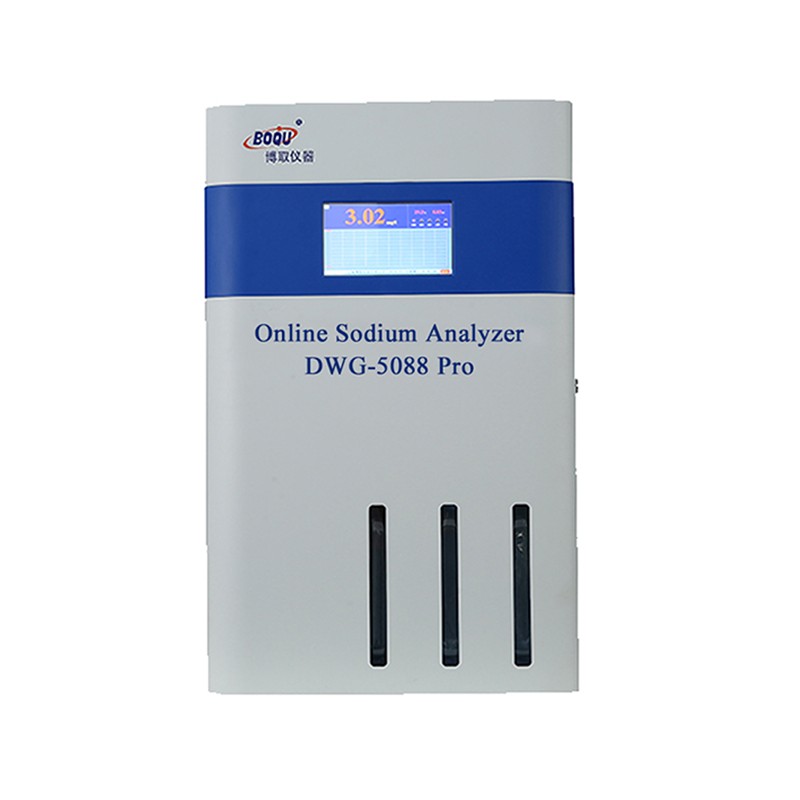
Colorimetric trace-level analysis safeguarding high-pressure turbines against silicate scaling and corrosion.
Product Details
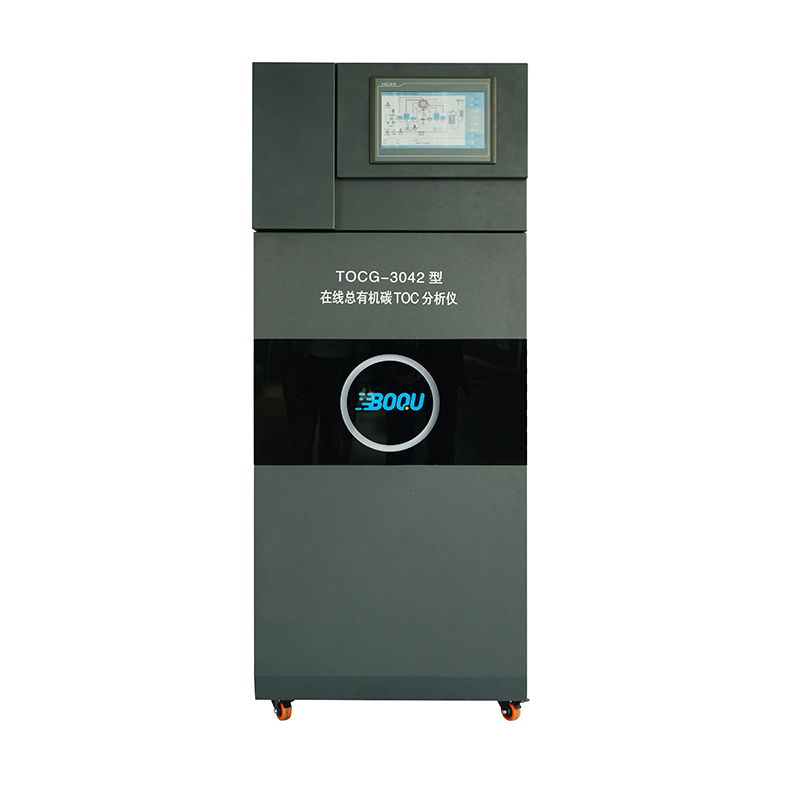
Continuous TOC tracking in pharmaceutical purified water loops and sensitive surface water streams.
Product Details
Automated wet-chemistry system with auto-calibration routines engineered for regulatory discharge points.
Product DetailsConnect with our technical application specialists to review system specs, explore protocol options, and request wholesale factory pricing.