
Precision Water Quality & Chlorine Monitoring Electrodes
Factory-calibrated digital electrochemical and optical sensors engineered with zero chemical reagent requirements, automatic temperature/pH compensation, and direct Modbus RS485 connectivity.

Online Residual Chlorine Analyzer System
Continuous constant-voltage amperometric sensor for municipal tap water, bottled beverage disinfection, and secondary distribution loops.
Explore Product
China High Temperature (0-130℃) pH Sensor With Temperature
Solid gel electrolyte with pressurized reference barrier, ensuring accurate chlorine-pH dynamic equilibrium compensation in hot water streams.
Explore Product
Wholesale High-temperature S8 Connector pH Sensor
Standard industrial PG13.5 thread with IP68 waterproof S8 plug, optimized for rapid replacement in continuous sanitization water manifolds.
Explore Product
Wholesale High Temperature (0-130℃) pH Sensor Supplier
Diffusion-resistant double diaphragm design avoiding poisoning by chloride ions and oxidative hypochlorite complexes.
Explore Product
China High-temperature pH Sensor Used Pharmaceutical Fermentation
Sanitary grade 316L stainless housing certified for SIP/CIP steam sterilization in clean-in-place water purification cycles.
Explore Product
MPG-6099Plus Multi-Parameter Water Station
Combines free chlorine, pH, turbidity, conductivity, and dissolved oxygen on a pre-piped flow panel for smart municipal pipelines.
Explore Product
IOT-485-pH Digital Smart Probe Transmitter
Internal microprocessor calculating calibration coefficients directly, preventing low-impedance cable noise over 500m transmission distances.
Explore Product
pH5806 High Temperature Shanghai Brand Certified Sensor
Patented micro-pore ceramic diaphragm with specialized high-alkali glass membrane, designed for rugged industrial sanitization loops.
Explore ProductStrategic B2B Procurement: Global Engineering Criteria for Chlorine Sensors
A technical guide for EPC contractors, municipal water authorities, and industrial procurement executives evaluating factory-direct chlorine sensing architectures.
The Paradigm Shift in Disinfection Quality Monitoring
In contemporary water engineering, continuous chlorine disinfection control is no longer a localized quality check—it is a critical compliance and process safety metric. Procurement authorities evaluating a Wholesale Water Chlorine Sensor Manufacturer & Factories require instrumentation that balances ultra-low detection limits with minimal OPEX. Historically, traditional DPD (N,N-diethyl-p-phenylenediamine) colorimetric analyzers dominated municipal installations. However, the recurring cost of proprietary liquid reagents, frequent chemical pump failures, and hazardous chemical disposal mandates have prompted global utility operators to migrate rapidly toward reagentless amperometric and potentiostatic three-electrode systems.
When establishing bulk wholesale contracts, corporate buyers focus on five primary technical vectors: sensor response time (T90), cross-sensitivity resistance, long-term calibration stability, fluid hydrodynamic dependency, and digital protocol compatibility. In high-stakes environments such as municipal secondary water supply networks, hyperscale data center cooling towers, and food processing rinse loops, an undetected sensor failure can result in microbial biofilm development (including Legionella pneumophila) or, conversely, chemical corrosion and toxic chlorination byproduct formation such as trihalomethanes (THMs).
Electrochemical Longevity
Electrode geometries designed with specialized micro-porous PTFE membranes and noble metal cathodes (gold/platinum) prevent mineral calcification and bio-film fouling in high-hardness water.
Nernstian Dynamic Compensation
Integrated high-speed microcontrollers automatically calculate free hypochlorous acid (HOCl) dissociation curves using real-time pH and temperature inputs from co-located electrodes.
Standardized Interoperability
Native RS485 Modbus RTU, 4-20mA HART, and wireless LoRaWAN/NB-IoT options interface directly into SCADA, DCS, or enterprise cloud analytics without intermediate signal converters.
Macro Industrial Solutions: Precision Chlorine Control Across Vertical Sectors
Engineered deployment models resolving unique physicochemical process hurdles in municipal, industrial, and high-purity water operations.
1. Municipal Drinking Water Treatment & Transmission Mains
Public water systems operate under strict regulatory guidelines (such as US EPA Rule 40 CFR Part 141 and WHO Guidelines for Drinking-water Quality), requiring finished water disinfectant residuals between 0.2 mg/L and 4.0 mg/L at all consumer delivery points. Chlorine decay in expansive distribution networks is affected by pipeline age, residence time, temperature shifts, and organic load. BOQU constant-voltage chlorine analyzers utilize automated hydrodynamic flow cells that maintain a constant Reynolds number across the sensing face, preventing measurement distortion caused by pipeline hydraulic fluctuations.
2. Industrial Cooling Towers & Evaporative Condensers
Recirculating cooling systems represent extreme measurement environments: severe calcium hardness, variable conductivity (500–5,000 µS/cm), presence of biocides, and organic scaling inhibitors. Open-amperometric bare-electrode sensors in these environments suffer rapid electrode fouling. BOQU provides membrane-covered polarographic and advanced potentiostatic chlorine sensors equipped with automatic hydrodynamic micro-bead cleaning chambers. The continuous mechanical scouring action of specialized glass or inert beads prevents calcium carbonate passivity on the working electrode surface, providing reliable biocide dosage regulation to combat Legionella colonization.
3. Commercial Aquatics, Water Parks & Wellness Resorts
Recreational water facilities face rapid bather-load fluctuations that spike combined chlorine (chloramines), causing noxious odors and mucosal eye irritation. BOQU dual-channel analyzers measure both Free Chlorine and Total Chlorine simultaneously, computing Combined Chlorine via differential mathematical firmware. By pairing chlorine detection with high-speed oxidation-reduction potential (ORP) feedback, pool chemical automation systems execute proportional hypochlorite and UV disinfection control without chemical over-dosing.
4. Food, Beverage & Aseptic Packaging Sanitization
In poultry processing, fresh-cut produce wash systems, and dairy Clean-In-Place (CIP) rinse cycles, chlorine dioxide (ClO₂) and sodium hypochlorite must be maintained at tight PPM thresholds. Organic contamination from agricultural debris rapidly exhausts active chlorine. BOQU high-temperature and food-grade compliant sensors feature FDA-compliant sanitary connections (Tri-Clamp) and withstand aggressive sanitizing chemicals, transmitting instant alarms to automated dosing skids if disinfectant drops below verified pathogen kill rates.
Electrochemical Technology Roadmap: The Evolution of Active Chlorine Sensing
A rigorous comparative analysis of colorimetric DPD, open-cell amperometry, membrane polarography, and 3-electrode potentiostatic architectures.
Sensing Principles: Overcoming Chemical Dissociation Realities
When chlorine gas or hypochlorite dissolves in water, it hydrolyzes to form hypochlorous acid (HOCl) and hypochlorite ions (OCl⁻). The thermodynamic equilibrium is directly dictated by pH: at pH 6.5, roughly 90% of free chlorine exists as the potent biocide HOCl; by pH 7.5, HOCl drops to approximately 50%; and at pH 8.5, less than 10% remains as HOCl. Because amperometric sensors electrochemically reduce HOCl at the working electrode surface, uncompensated sensors generate massive errors when process pH shifts, even if total free chlorine remains static.
To resolve this, BOQU's factory-calibrated analyzers integrate a secondary differential pH input. The high-speed internal DSP solves the equilibrium reaction equations continuously:
By performing dynamic logarithmic scaling on the raw nanoampere reduction current, the transmitter outputs true Free Chlorine PPM values from pH 5.5 to pH 9.5 without requiring buffer reagents or acid conditioning.
| Detection Metric | Traditional DPD Colorimetric | Membrane Polarographic Sensor | BOQU Constant-Voltage 3-Electrode |
|---|---|---|---|
| Reagent Consumption | High (Buffer + Indicator monthly) | None (Internal Gel only) | Zero (Completely Reagentless) |
| Measurement Cycle | Discontinuous (2 to 5 minutes) | Continuous Real-time (T90 < 60s) | Instantaneous Continuous (T90 < 15s) |
| pH Dependency | Buffered chemically in chamber | Requires tight manual calibration | Automated software compensation (5.5-9.5) |
| Flow Rate Sensitivity | Independent (batch sample) | High (Requires constant 30-50 L/h) | Integrated constant-head flow cell (Stable) |
| Electrode Passivation | N/A (Optical cuvette fouling) | Moderate (Membrane replacement 6 mo) | Low (Electrochemical self-cleaning / pulse) |
| Annual Consumables Cost | $1,800 – $3,500 USD | $300 – $600 USD | < $100 USD (Purely periodic calibration) |
Open-Cell Amperometry
Two bare electrodes measuring active reduction current. Fast response but highly vulnerable to flow fluctuations and mineral scaling.
Membrane-Covered Cell
PTFE/Pore-diffusion membranes isolate the electrolyte from suspended solids, stabilizing readings in cooling towers and effluent discharge.
3-Electrode Closed Loop
Auxiliary counter electrode dynamically maintains working electrode potential, eliminating baseline drift and reference electrode poisoning.
Digital Smart Transmitters
On-board neural network drift modeling, automatic sensor health self-diagnostics, predictive calibration warnings, and cloud edge communication.
Global Commercial Capacity: Direct Factory Production & Scale
Inside Shanghai BOQU Instrument's manufacturing hubs in Kangqiao and Lingang: engineering excellence certified by ISO 9001, ISO 14001, and CE.
Complete End-to-End Vertical Manufacturing
Unlike trading intermediaries or white-label repackagers, Shanghai BOQU Instrument Co., Ltd. (founded in 2007) maintains complete operational control across its dual manufacturing bases covering over 4,632 m² of specialized precision facilities in Pudong, Shanghai. From electrode glass blowing, noble metal coating (sputtering gold and platinum working surfaces), surface mount technology (SMT) for PCB transmitter electronics, to high-pressure CNC flow cell milling, each manufacturing phase is executed in-house.
Every wholesale water chlorine sensor batch undergoes a rigorous 48-hour continuous burn-in and dynamic aging protocol. Sensors are cycled through automated multi-point concentration baths (0.2 ppm, 1.0 ppm, 5.0 ppm, 10.0 ppm free chlorine) across shifting temperatures (5°C to 50°C) to record exact slope coefficients onto the embedded sensor EEPROM before hermetic packaging.
Global Project Executions: Proven Disinfection Reliability
Documented deployments across five continents where BOQU water quality analyzers uphold stringent public health and process parameters.
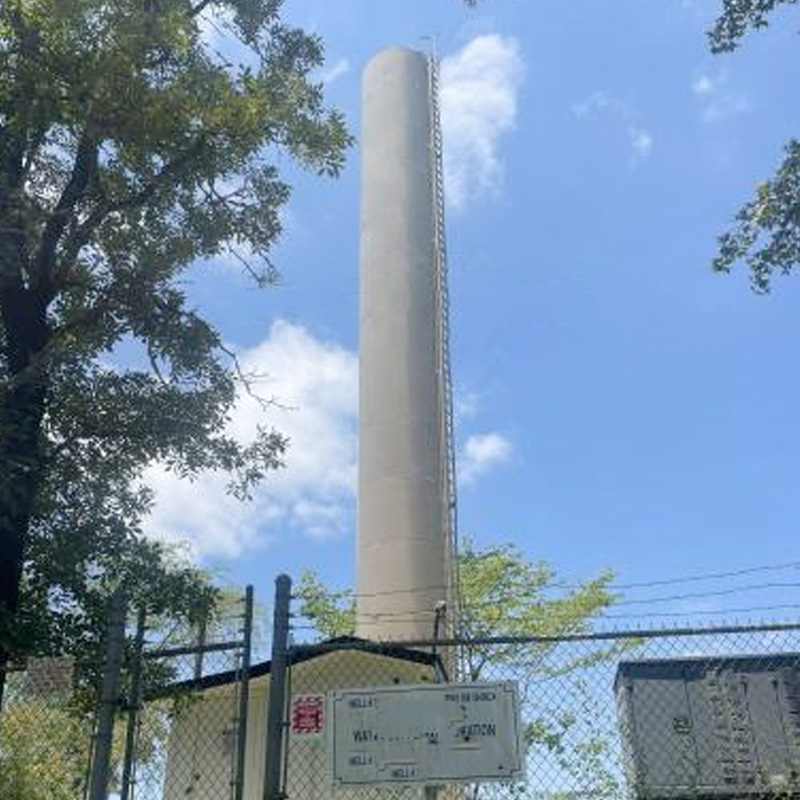 United States
Municipal Potable Water Supply
Continuous residual chlorine compliance across a multi-reservoir secondary pumping network, adhering to WHO and EPA disinfectant residual safety margins.
Review Engineering Spec →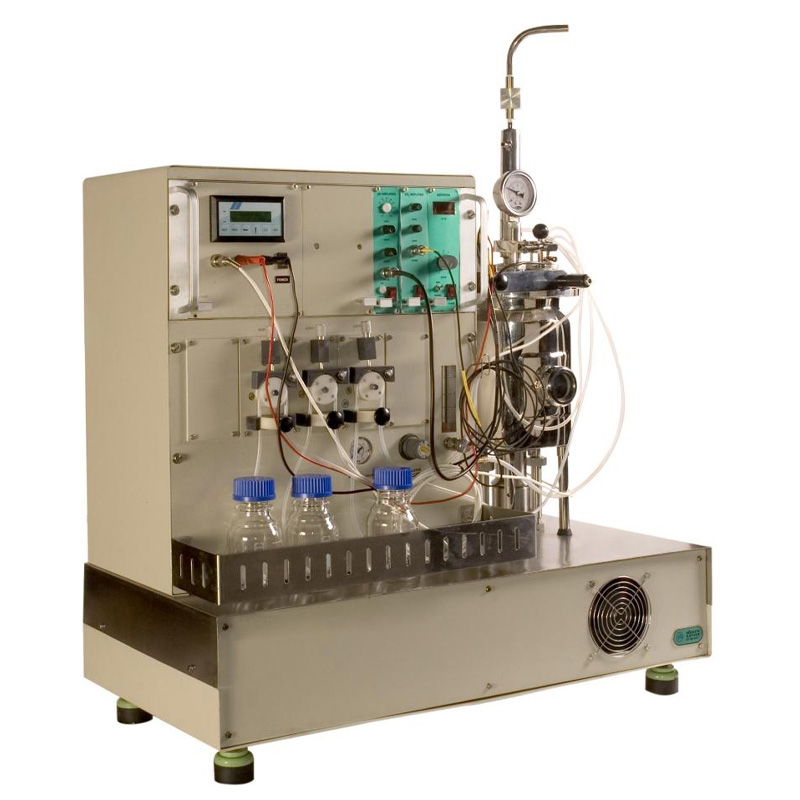 India
Bio-Pharmaceutical Clean Water Loops
Deploying specialized high-temperature sensors in pure water sanitization lines with automated steam cycle validation.
Review Engineering Spec →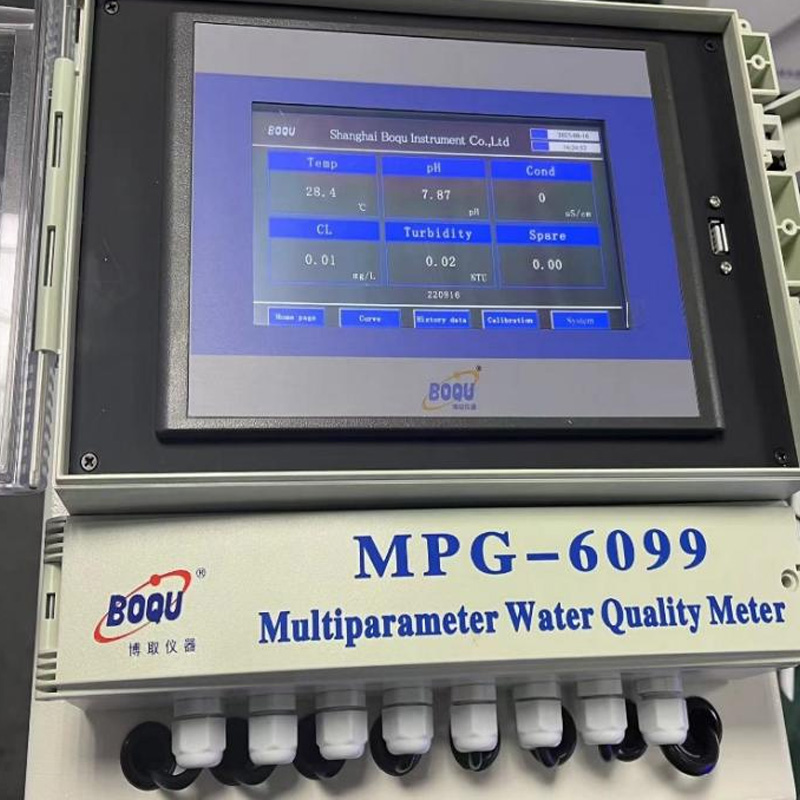 Vietnam
Industrial Park Effluent Dechlorination
Regulating sodium bisulfite dosing pumps before environmental discharge to fulfill QCVN Class A environmental standards.
Review Engineering Spec →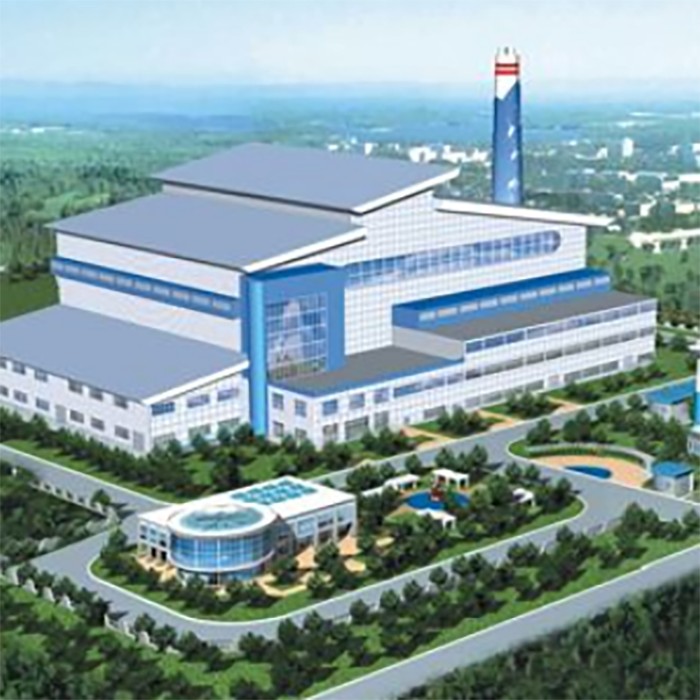 China
Thermal Power Cooling Circuits
High-salinity cooling loop biocide chlorination control, safeguarding condenser heat exchangers against organic fouling and macroinvertebrate colonization.
Review Engineering Spec →Localized Support & Global Compliance Guarantees
International certifications ensuring regulatory acceptance and field reliability for turnkey system integrations.
Meeting International Potable & Industrial Standards
Global deployments require rigorous adherence to region-specific water quality mandates. BOQU instruments are engineered to comply with US EPA Method 334.0 (Determination of Residual Chlorine in Drinking Water Using On-line Chlorine Analyzers), ISO 7393-2, and DIN 19643 requirements for public bath water systems. All sensors are manufactured under third-party audited ISO 9001 Quality Management and ISO 14001 Environmental Management systems, accompanied by full CE electromagnetic conformity, RoHS compliance, and FDA-grade wetted-material traceability.
OEM Private Labeling
Custom laser-etched branding, tailored housing colors, proprietary connector configurations (M12, S8, BNC, Variopin), and custom cable assemblies.
Custom Firmware & Protocols
Tailored Modbus register mapping, baud rate customization, and specialized firmware integration for direct communication with bespoke cloud architectures.
24/7 Global Engineering Desk
Dedicated application engineering support offering process fluid assessments, installation blueprint consultations, and swift warranty replacement protocols.
Comprehensive Factory Catalog: Analyzers & Specialized Transmitters
Complementary water quality analytical instrumentation for power plants, wastewater facilities, fermentation bioreactors, and distribution stations.

DOG-208FA High Temperature DO Sensor
Polarographic dissolved oxygen electrode built to endure continuous steam sterilization in sanitary fermentation broths.
Explore Product
ZDYG-2088-01QX Online Turbidity & TSS Sensor
Infrared 860nm scattered light optical sensor with mechanical wiper cleaning system, preventing bio-fouling in sewage outfalls.
Explore Product
DCA130 Online pH & EC Dual Channel Controller
Space-saving DIN-rail/panel unit measuring pH and electrical conductivity simultaneously for RO feeds and fertigation loops.
Explore Product
pHG-2081Pro Industrial Online pH/ORP Analyzer
Robust IP65 field-mount analyzer offering isolated 4-20mA and RS485 outputs with dual high/low relay trip points for acid neutralization.
Explore Product
SJG-2083CS Acid & Alkali Concentration Meter
Toroidal electrodeless conductivity sensor measuring chemical concentration (NaOH, HCl, H₂SO₄) without corrosive electrode degradation.
Explore Product
Online Silicate & Phosphate SWAS Analyzer
Ultra-low trace level spectrophotometric detection preventing boiler turbine blade silica deposition in superheated steam plants.
Explore Product
TOC-3042 Online Total Organic Carbon Analyzer
UV persulfate oxidation method engineered for WFI (Water for Injection) systems and high-purity semiconductor rinse lines.
Explore Product
Online COD / TP / TN / NH₃-N Effluent Monitor
Automated wet-chemistry cabinet analyzer executing EPA-aligned catalytic digestion for municipal wastewater compliance data-upload.
Explore ProductFrequently Asked Questions: Water Chlorine Sensor Manufacturing & Wholesale
Direct technical answers addressing system specifications, chemical cross-interferences, calibration intervals, and commercial factory policies.
What is the core operational difference between Free Chlorine and Total Chlorine sensors?
Free Chlorine refers strictly to the dissolved molecular chlorine (Cl₂), hypochlorous acid (HOCl), and hypochlorite ions (OCl⁻) available for rapid microbiological inactivation. Total Chlorine encompasses both Free Chlorine and Combined Chlorine (chloramines formed when chlorine binds with organic ammonia compounds).
Electrochemical free chlorine sensors utilize selective membranes and polarizing potentials calibrated specifically for the reduction of HOCl. Total chlorine monitoring, by contrast, requires an internal reagent or specialized multi-junction electrolyte that releases potassium iodide (KI) to convert chloramines into iodine, which is then measured amperometrically. BOQU provides both dedicated free chlorine systems and dual-parameter differential setups.
Why is pH compensation critical for amperometric chlorine sensors?
Amperometric sensors measure the diffusion and electrical reduction current of hypochlorous acid (HOCl), which possesses roughly 80 to 100 times the oxidizing potency of hypochlorite ions (OCl⁻). As water pH fluctuates between 6.5 and 8.5, the chemical equilibrium between HOCl and OCl⁻ shifts dramatically based on the acid dissociation constant (pKa ≈ 7.53).
Without dynamic pH compensation, an increase in pH from 7.0 to 8.0 will cause the raw sensor signal to drop by approximately 50%, even though the actual amount of active sanitizing chlorine in the system has not changed. BOQU's online controllers incorporate integrated pH sensors that dynamically adjust the calculated chlorine PPM in real-time using embedded logarithmic algorithms.
How does sample water flow velocity affect sensor accuracy?
Amperometric chlorine measurement is a consumption-based reaction: chlorine molecules migrating to the cathode are reduced, creating a micro-depletion layer at the electrode boundary. If sample flow is stagnant or erratic, the depletion zone thickens, resulting in artificially depressed concentration readings.
To eliminate flow dependency, BOQU designs specialized constant-head overflow flow cells that regulate flow velocity past the sensing membrane at a stable 30 to 60 liters per hour. This guarantees a stable diffusion layer thickness, preventing false dosage alarms triggered by main line pressure variances.
What are the typical maintenance and calibration intervals for BOQU chlorine sensors?
In clean municipal potable water, BOQU constant-voltage amperometric sensors operate with minimal drift, requiring single-point DPD comparison calibration every 30 to 60 days. In industrial cooling towers or high-solids wastewater, routine visual inspection and manual zero-point calibration are recommended every 14 to 30 days.
Membrane caps and internal electrolyte gels typically feature an operational lifespan of 6 to 12 months, depending on process temperature and chemical oxidizers present. Replacement takes under 5 minutes without returning the probe to the factory.
What MOQ, lead times, and OEM customization options are offered to wholesale buyers?
As a direct manufacturer, BOQU supports both low Minimum Order Quantities (MOQ starting at 1 unit for prototype testing) and wholesale volume orders exceeding 1,000 units per month. Standard production lead times range from 3 to 7 working days for catalog configurations.
Comprehensive OEM/ODM support includes custom cable lengths, specific thread fittings (PG13.5, 3/4" NPT, Tri-Clamp), private-label housing silkscreening, and personalized transmitter boot-screens with customized firmware registers.
Which chemical compounds cause cross-interference in electrochemical chlorine analysis?
Electrochemical sensors can experience cross-interference from other strong oxidizers sharing similar redox potentials. Strong oxidizers such as ozone (O₃), chlorine dioxide (ClO₂), bromine, and peracetic acid (PAA) will generate reduction currents that register as chlorine equivalents.
Additionally, high concentrations of heavy metals (like iron and manganese) or sulfide complexes can poison bare gold electrodes. In such applications, BOQU application engineers specify specialized diffusion-barrier membrane electrodes or optical colorimetric configurations designed to bypass target interferences.
Consult With a Factory Application Specialist
Planning a municipal upgrade, industrial cooling skid fabrication, or looking to establish an OEM sensor partnership? Connect with BOQU's senior instrumentation engineering team for tailored wiring schematics, chemical compatibility assessments, and factory-direct volume pricing.