
Core Instrumentation Selection
Direct-from-Factory Analytical Sensor Catalog
Ruggedized optical absorption sensors, steam-sterilizable process electrodes, and complete turn-key SWAS field analyzers engineered under certified ISO 9001 quality protocols.

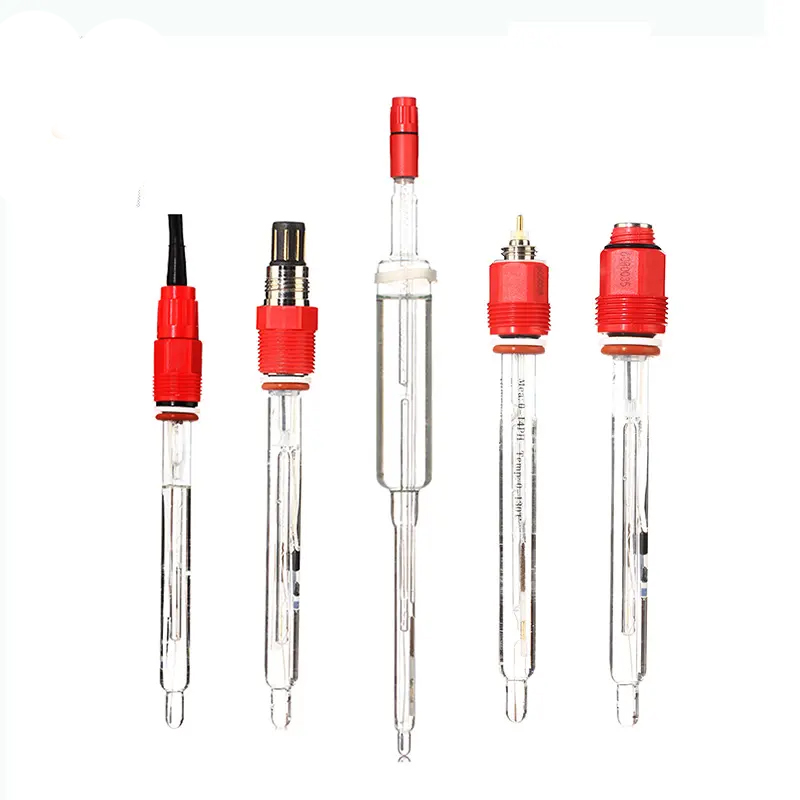
High-Temperature S8 Connector pH Sensor

0-130℃ High-Temp Precision pH Sensor

Industrial 0-130℃ Sensor Line

pH5806 Steam-Sterilizable Sensor

DOG-208FA Fermentation DO Sensor

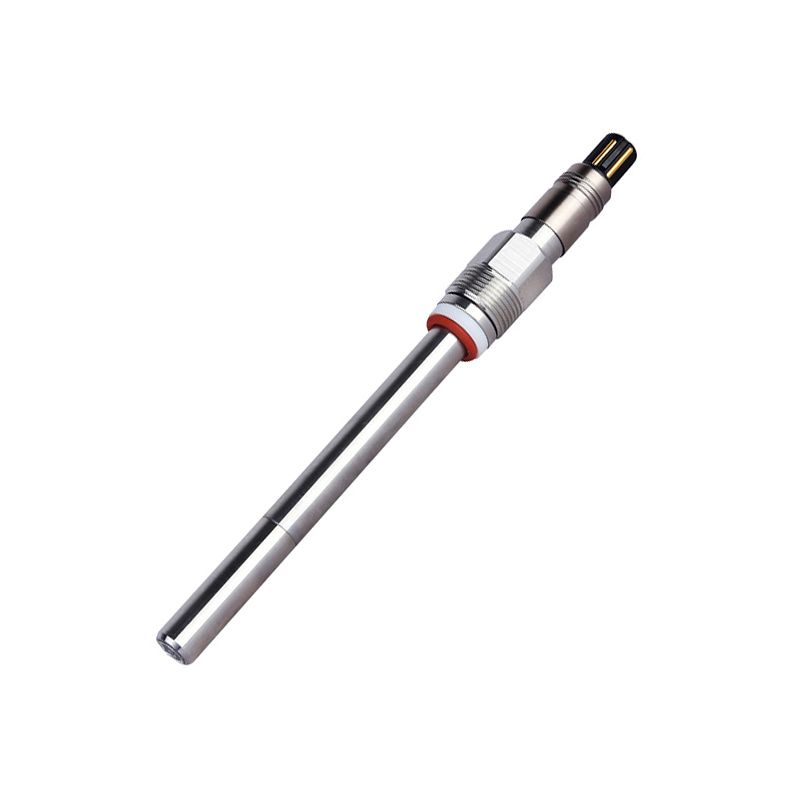
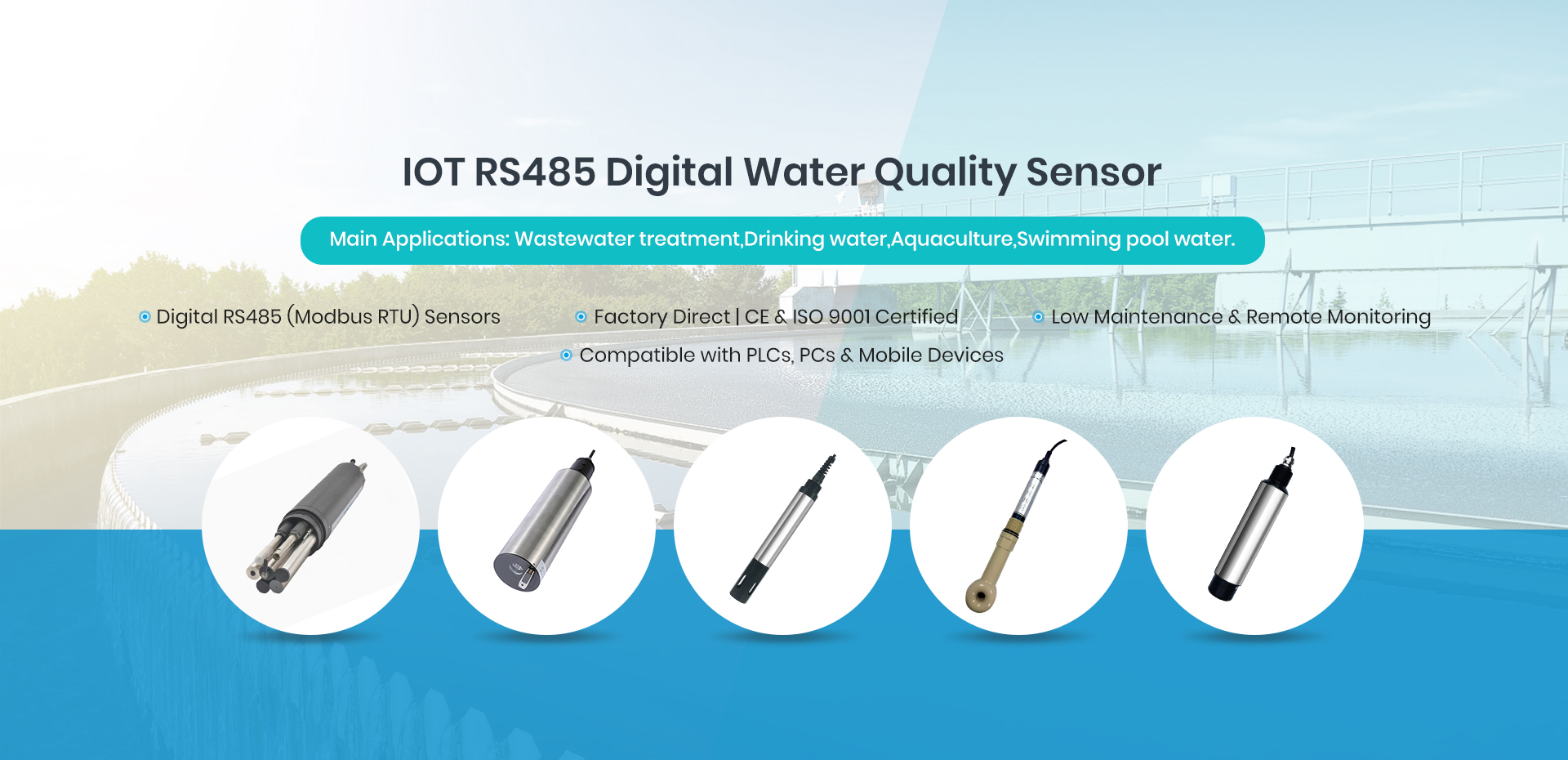
IOT-485-pH Digital Bus Sensor

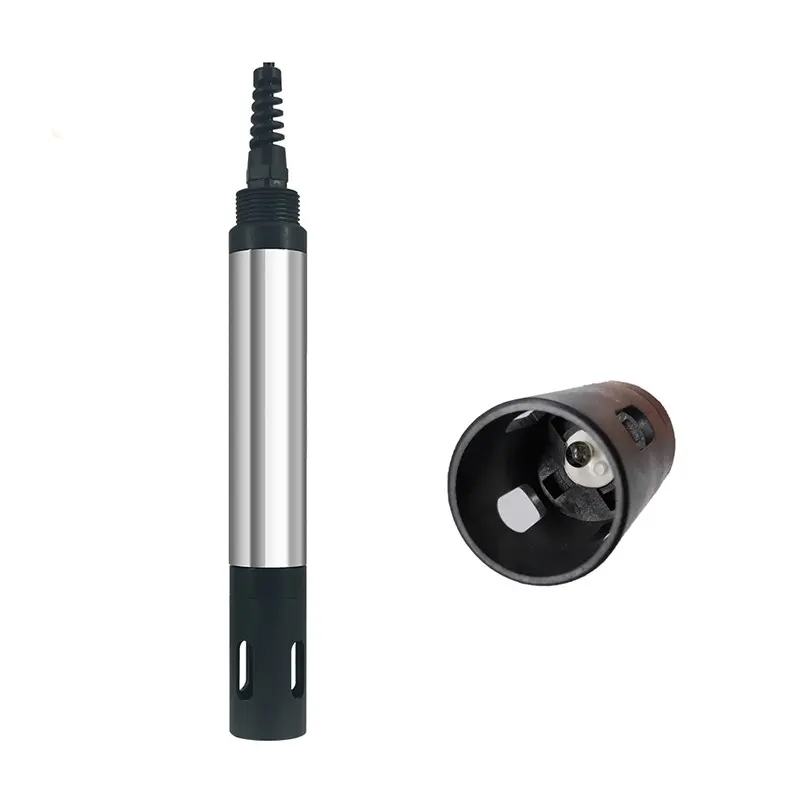
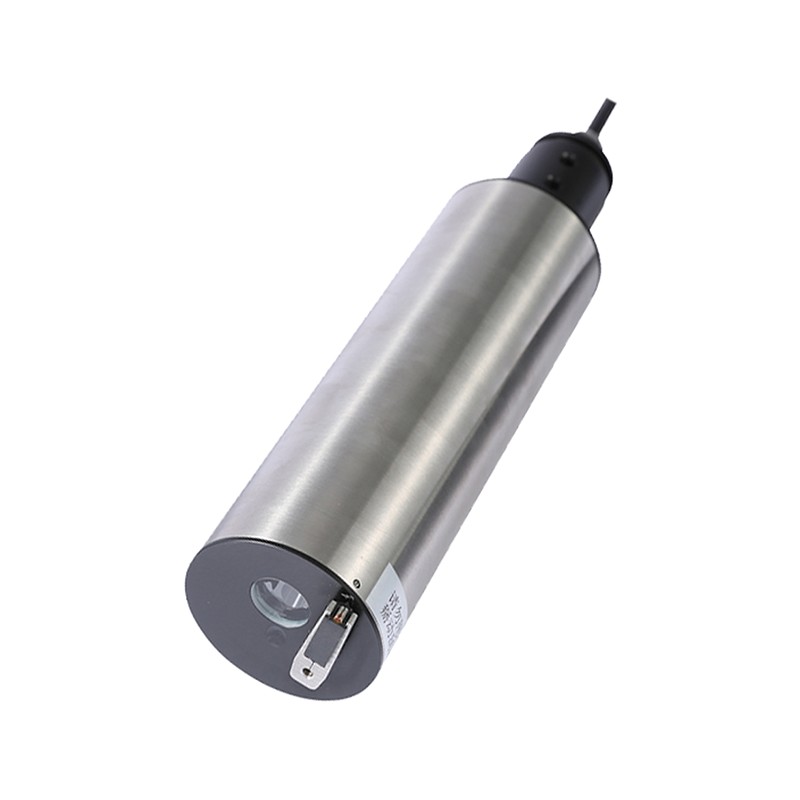
ZDYG-2088-01QX Optical Turbidity / TSS
Industrial Status & Market Dynamics
The Global Evolution of Chemical Oxygen Demand Analytics
Examining the structural migration from wet-chemical dichromate digestion to clean, continuous UV254 spectral absorption in environmental and process management.
Regulatory Paradigm Shifts
Global environmental authorities—including the US EPA, EU Industrial Emissions Directive (IED), and China's Ministry of Ecology and Environment—have intensified standards for real-time reporting of effluent contamination. Traditional standard methods relying on hazardous potassium dichromate digestion create secondary hazardous chemical waste streams, take upwards of two hours to deliver readings, and fail process interlock requirements. Wholesale procurement has decisively rotated toward reagent-free optical monitoring solutions.
Sub-Second Response Cycles
Modern wastewater treatment plants (WWTP) and industrial effluent discharge gates cannot afford a 120-minute analytical latency. UV COD analyzers exploit the intrinsic light absorption of organic compounds containing aromatic rings and conjugated double bonds at a 254 nm wavelength. Utilizing high-frequency pulsed xenon lamps or solid-state UV LEDs, modern sensors calculate COD and TOC equivalence within seconds, enabling automated, closed-loop coagulant dosing and biological aeration control.
Decentralized IoT & Cloud Analytics
Modern water utility operators no longer depend on manual batch sampling. Wholesale buyers demand native RS485 Modbus RTU or 4-20mA HART protocols built directly into submersible digital optical heads. The consolidation of turbidity-compensation channels (typically measured at 550 nm or 860 nm) alongside UV254 absorption allows these sensors to autonomously compensate for suspended solids and bio-fouling without requiring bulky auxiliary cabinets or continuous sample conditioning pumps.
Precision Scale & Engineering Prowess
Why Shanghai BOQU Dominates the OEM/Wholesale Ecosystem
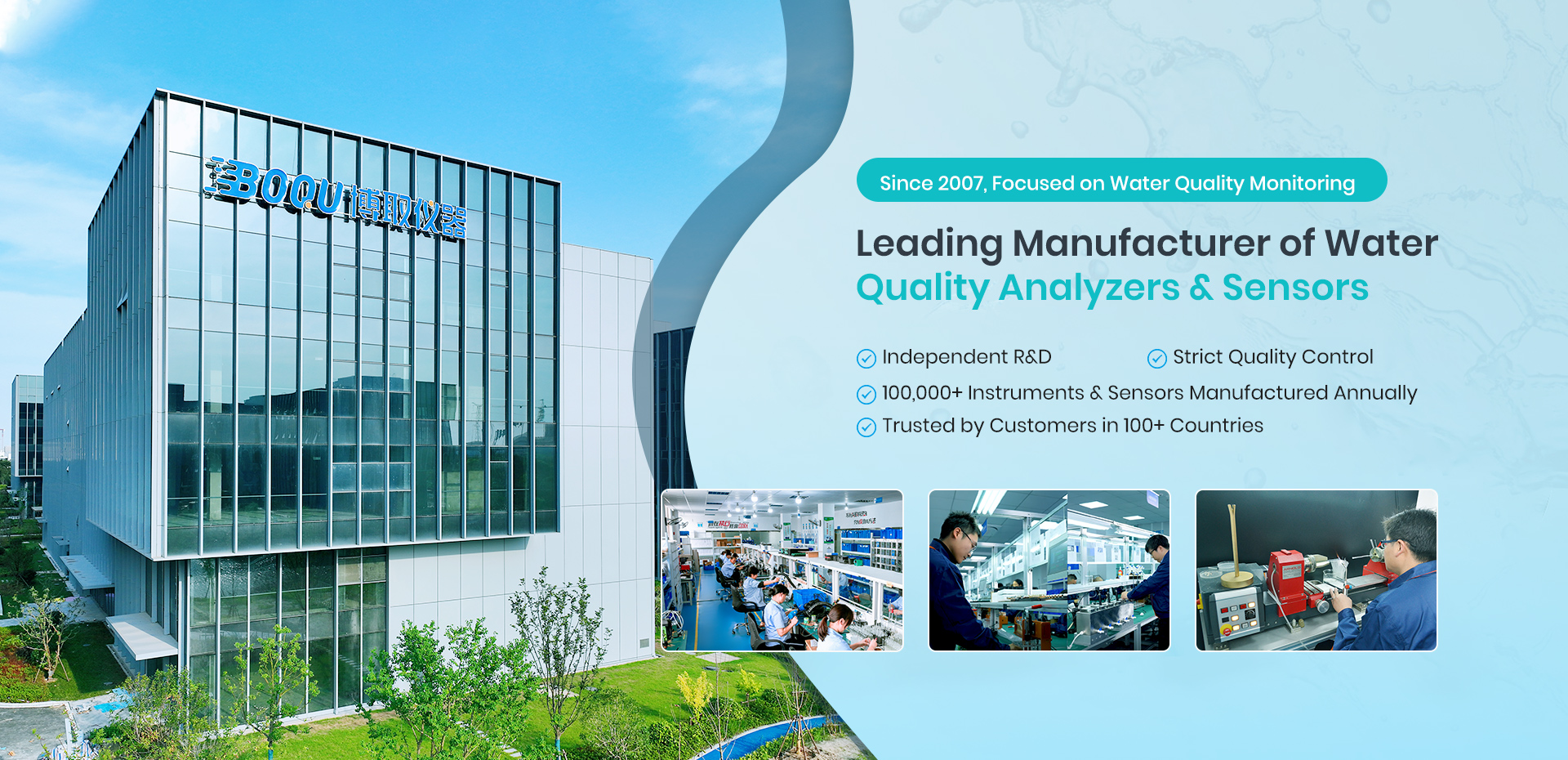
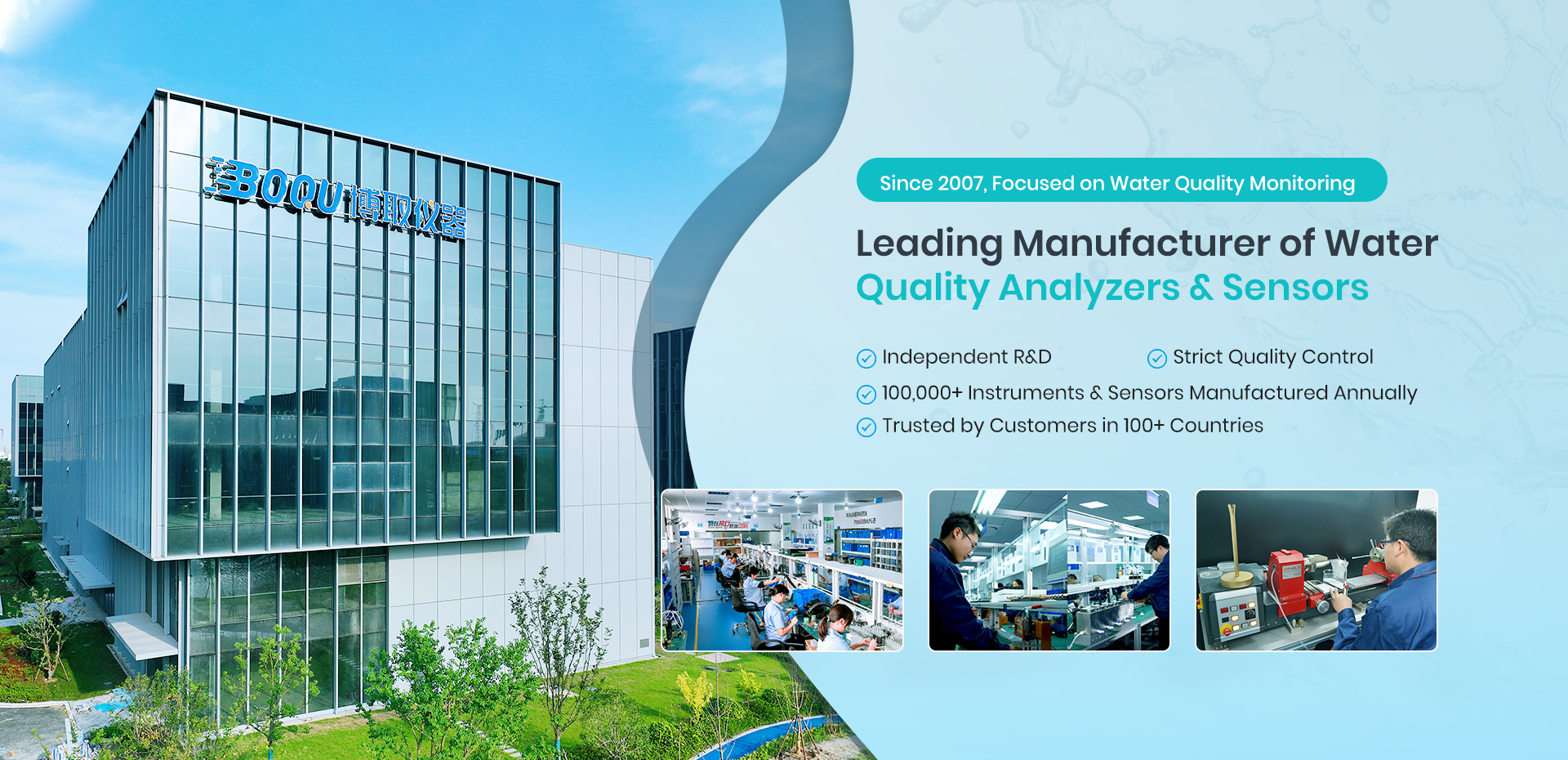
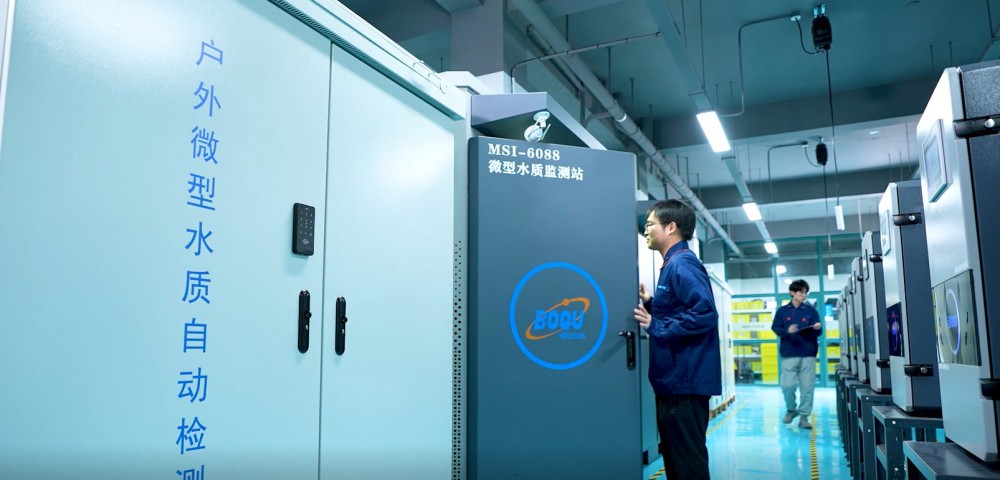
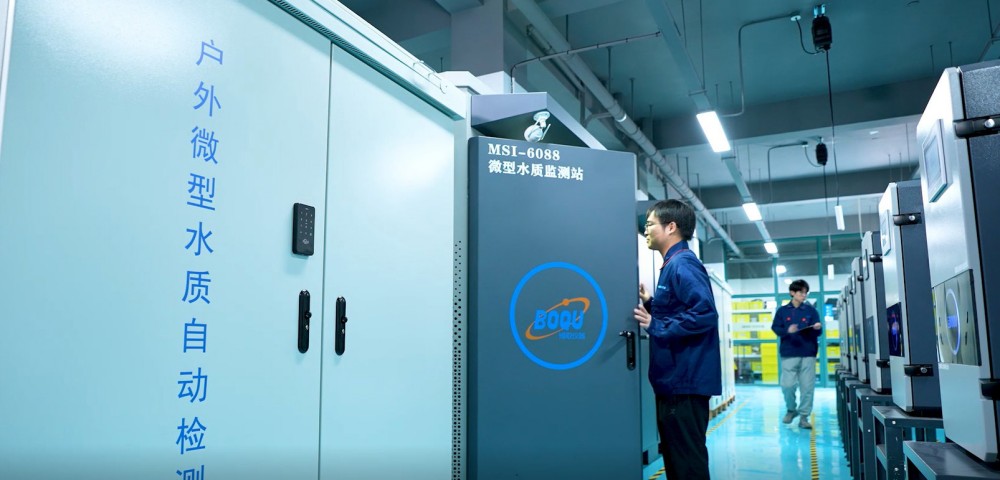
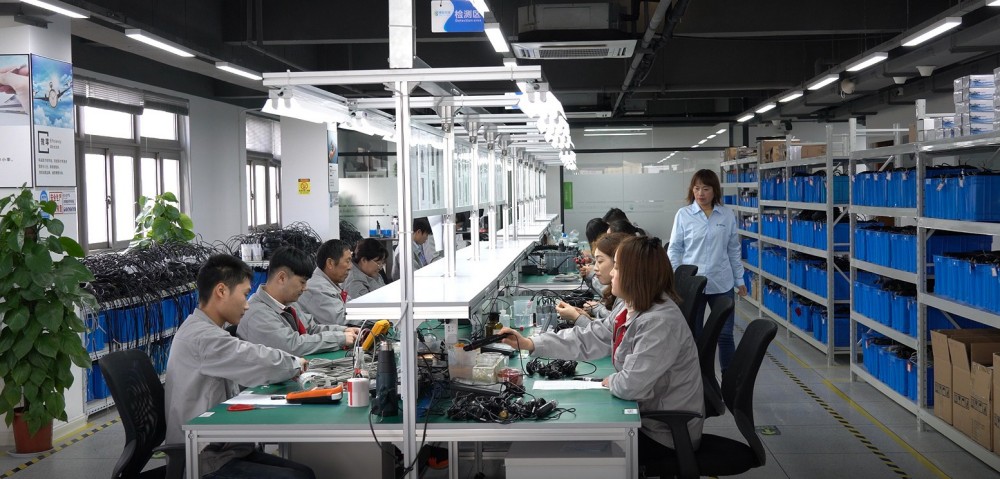
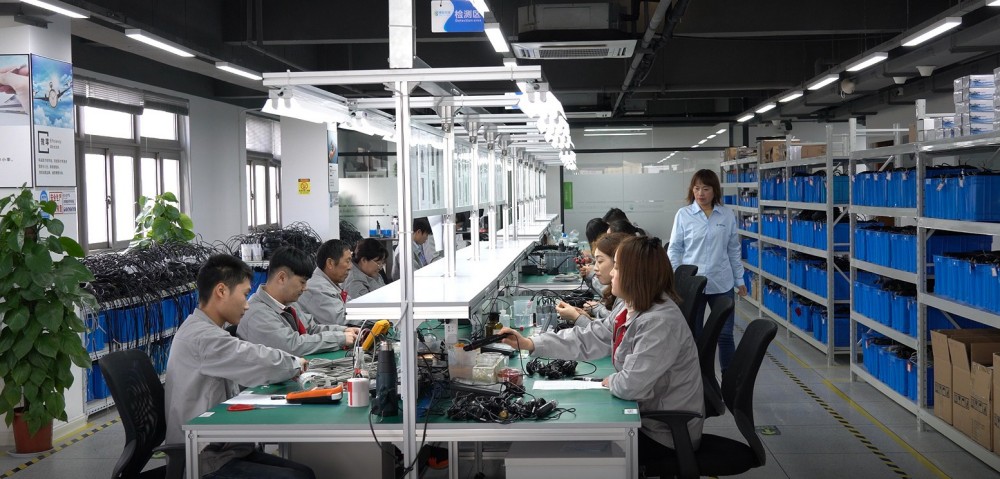
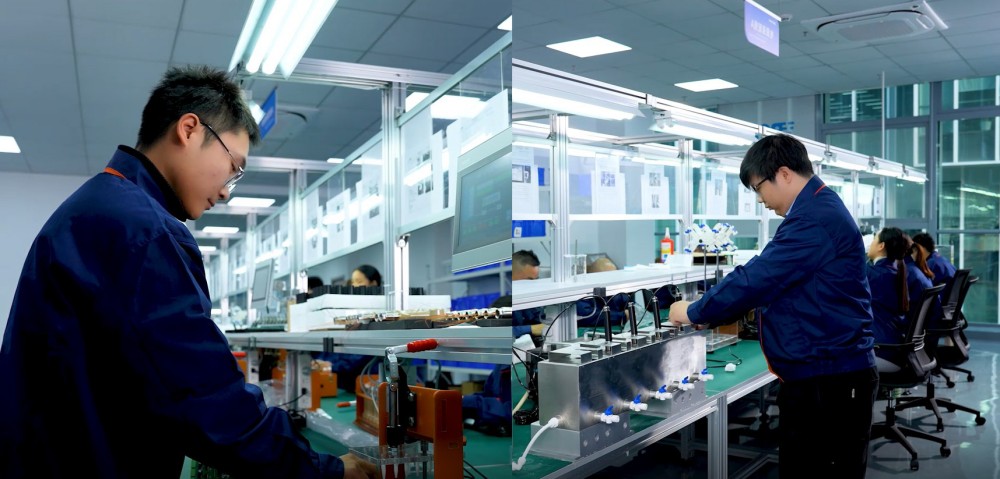
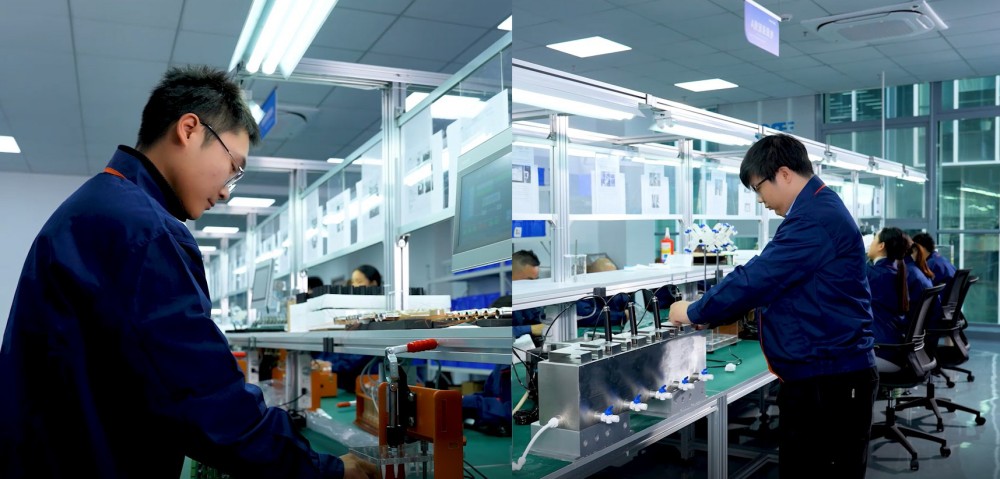
Operating 4,632 m² of specialized production floorspace with dual automated manufacturing plants located across Kangqiao and Lingang high-tech industrial zones.
Complete Vertical Integration
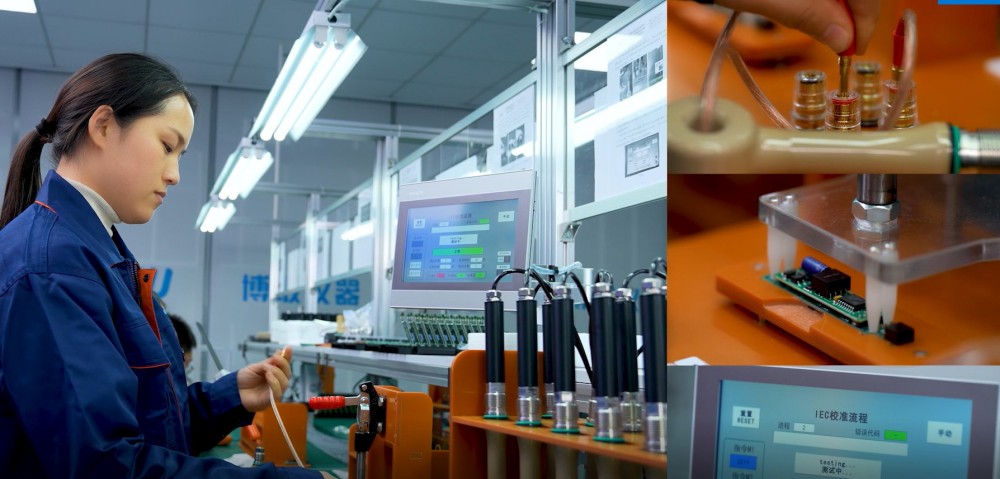
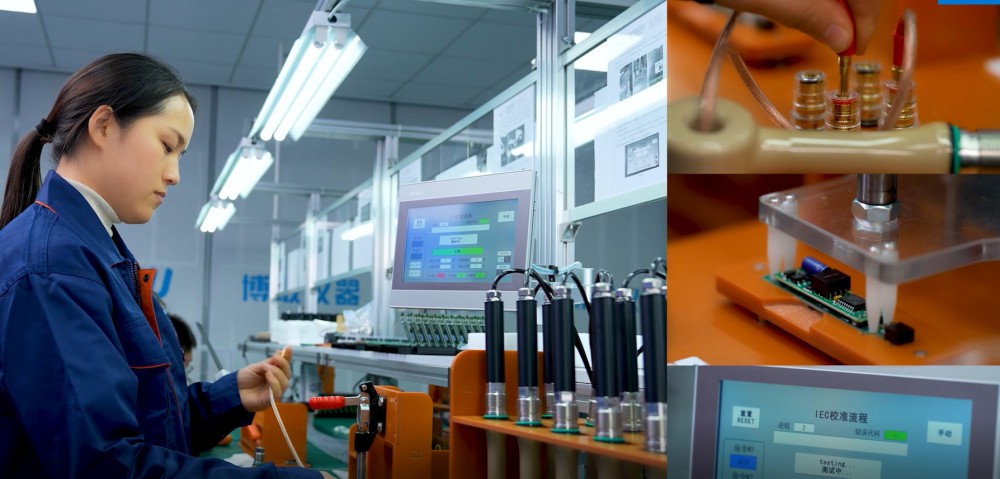
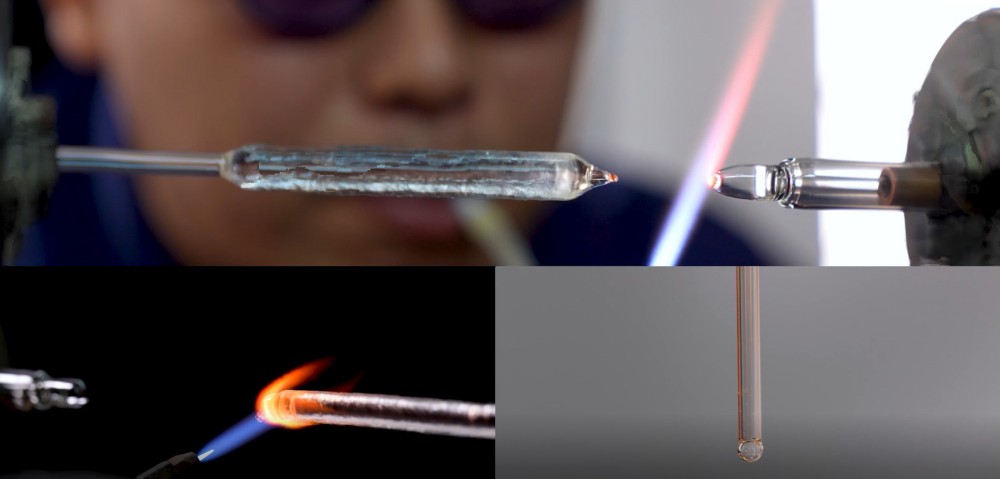
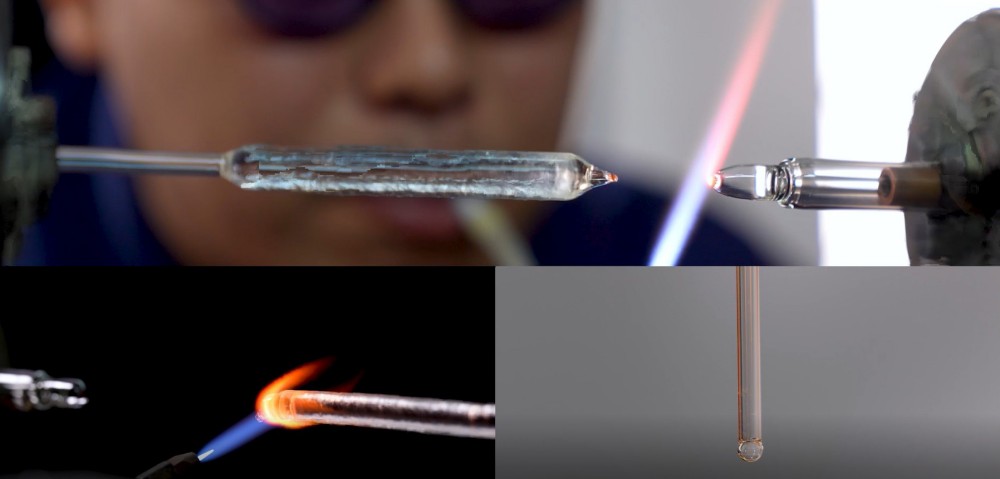
Unlike trading assemblers, BOQU executes end-to-end component engineering: proprietary blown glass electrodes, CNC-machined titanium and 316L stainless steel sensor housings, surface-mount PCB assembly, optoelectronic tuning, and internal firmware synthesis. This deep integration isolates wholesale supply partners from geopolitical supply-chain disruption and third-party markup friction.
High-Temperature & Harsh Media Lab
Home to China's premier specialized high-temperature water quality sensor calibration laboratory, our facilities subject instrumentation to rigorous thermal stress tests (0–130°C cycling), high-pressure batch sterilization cycles, and hyper-saline immersion protocols to ensure zero-drift integrity prior to container dispatch.
Comprehensive OEM / ODM Flexibility
We empower international instrumentation brands, EPC contractors, and distributor networks with full-spectrum custom engineering. We configure unique optical path lengths (1 mm to 50 mm), custom Modbus registry maps, localized menu languages, private-label branding, specialized cable jacket chemistries, and custom mechanical mounting adapters.
Engineering Specification Guide
UV Absorption vs. Wet Chemistry Digestion Architecture
Procurement evaluation benchmark for plant instrumentation engineers, system integrators, and project procurement managers.
| Evaluation Parameter | UV254 Optical Absorption Sensor | Automated Wet-Chemical COD (Dichromate) | Electrochemical / Microbial Fuel Cells |
|---|---|---|---|
| Measurement Principle | Dual-beam UV (254 nm) & VIS (550/860 nm) extinction | Thermal digestion with K₂Cr₂O₄ / H₂SO₄, colorimetric finish | Biofilm anodic oxidation / electron transfer rate |
| Cycle Duration | Instantaneous (< 10 seconds continuous) | 30 – 120 minutes per batch cycle | 15 – 45 minutes stabilization |
| Chemical Reagent Demand | Zero (Purely electro-optical spectroscopy) | High (Requires ongoing toxic, hazardous waste management) | Nutrient buffer delivery needed |
| Maintenance Overhead | Minimal (Automatic pneumatic or wiper brush cleaning) | Intensive (Pump tube replacements, chemical handling) | Biological calibration & membrane care |
| Operating Expenditure (OPEX) | Virtually zero consumables over 3-5 year lifespan | $1,500 – $4,500 annually in proprietary reagents | Moderate sensor head replacements |
| Typical Applications | Effluent outfalls, aeration basins, surface waters, RO inlets | Official regulatory compliance discharge points | Pilot plant biochemical treatment studies |
Deployment Topologies
Critical Field Applications & Global Integration Cases
Field-validated implementations across high-demand industrial sectors in over 100 countries.
Wastewater Treatment & Effluent Gate
Installed directly at municipal aeration tanks and industrial discharge canals across Southeast Asia and the Americas, UV COD analyzers monitor biological load trends in real time. Integrated mechanical wiping blades prevent bio-slime accumulation, providing SCADA engineers with uncorrupted trend curves for predictive sludge return control and compliance alerting.
Biopharma & Chemical Process Facilities
In high-purity water operations, CIP rinses, and chemical manufacturing pipelines, fast optical organic load detection identifies tank wash-out completion and upstream filter breakthrough. Pairing UV analyzers with BOQU's high-temperature pH5806 electrodes creates an impervious barrier against product contamination and expensive process deviations.
Drinking Water Distribution Networks
Potable water supply networks utilize optical organic analysis to measure Natural Organic Matter (NOM) before chemical chlorination. Because NOM serves as a direct precursor to toxic Disinfection Byproducts (DBPs) such as trihalomethanes (THMs), real-time UV absorption enables dynamic dosing of coagulants, protecting public municipal grids.
Strategic Horizons
Industry Megatrends & Strategic Global Buyer Requirements
Market drivers steering wholesale investments toward automated optical water analysis systems through 2030.
Reagentless Green Mandates
Corporate ESG directives are forcing global industrial facilities to eradicate toxic chemical storage. Wet chemical analyzers consume litres of mercury and hexavalent chromium reagents each month. The shift toward UV COD optical analyzers eliminates toxic chemical inventory, disposal manifests, and worker exposure hazards across global distribution portfolios.
Edge AI Spectral Deconvolution
Leading municipal utilities and EPC procurement consortia demand embedded smart algorithms capable of continuous spectral deconvolution. BOQU's next-generation sensor heads feature onboard algorithmic baseline correction, auto-distinguishing between genuine dissolved organic spikes, sudden inorganic turbidity surges, and temporary air bubble interference.
Modbus-Direct Smart Sensor Nodes
Traditional setups required a dedicated transmitter box for each individual probe, multiplying control cabinet real estate and installation wiring costs. Contemporary EPC project tenders specify Modbus RTU sensors that communicate directly with plant PLC/SCADA fabrics or cloud telemetry modems, dramatically shrinking capital expenditures.
Technical Due Diligence
Wholesale & Engineering Consultation (FAQ)
Direct responses from Shanghai BOQU's chief engineers and international export division.
How does an optical UV COD analyzer correlate with standard dichromate lab titration?
UV COD analysis operates under the Beer-Lambert law, quantifying absorbance at 254 nm where aromatic and unsaturated organic molecules strongly attenuate light. While potassium dichromate chemically digests virtually all organic species through high-heat reflux, UV absorption measures the optically active fraction. In industrial and municipal effluents where the organic matrix profile remains relatively consistent, a multi-point linear or polynomial calibration curve correlates UV absorbance (SAC254) directly with chemical oxygen demand (mg/L COD). BOQU analyzers allow multi-point field calibration to align optical readings directly with your laboratory's regulatory benchmark.
How do BOQU UV analyzers overcome suspended solids, particulate turbidity, and window bio-fouling?
Our analyzers incorporate dual-beam or multi-wavelength optical geometry. A secondary reference beam (typically 550 nm or 860 nm in the near-infrared spectrum) measures particulate scatter without absorbing organic bands. The onboard digital processor dynamically subtracts the turbidity component from the primary UV signal. To combat physical bio-growth and mineral scaling, BOQU probes feature an automated mechanical wiping mechanism or a pulsed pneumatic jet clean system, sustaining measurement fidelity without manual operator intervention.
Is Shanghai BOQU Instrument a primary manufacturer or a third-party trader?
Shanghai BOQU Instrument Co., Ltd. is an authentic original equipment manufacturer founded in 2007. We independently own and operate two complete production bases spanning 4,632 m² in Kangqiao and Lingang, Shanghai. We maintain full internal ownership of glassblowing shops, high-temperature calibration laboratories, automated SMT pick-and-place lines, and final assembly benches, producing over 100,000 analytical instruments annually.
What OEM/ODM customization capabilities are provided for global wholesale distributors?
BOQU delivers comprehensive turnkey OEM/ODM services. We engineer custom sensor body materials (Titanium Grade 2, 316L Stainless Steel, PEEK, or PTFE), bespoke optical path lengths (1mm for heavy raw wastewater, 50mm for pure water/surface monitoring), custom-branded housing sleeves, private-label controller packaging, proprietary communication register mappings, and customized user interfaces in English, Spanish, Russian, French, or Chinese.
What certifications and quality compliance systems govern your export manufacturing?
BOQU operates under audited ISO 9001 (Quality Management) and ISO 14001 (Environmental Management) standards. Our instruments hold European CE conformity marks, RoHS compliance, SGS factory audit verifications, and FDA-grade compliance for food and pharmaceutical contact surfaces. Furthermore, our proprietary pH5806 high-temperature electrode holds the prestigious Shanghai Brand certification for high-temperature stability.
Factory Inventory Showcase
High-Demand Process & Water Analysis Solutions
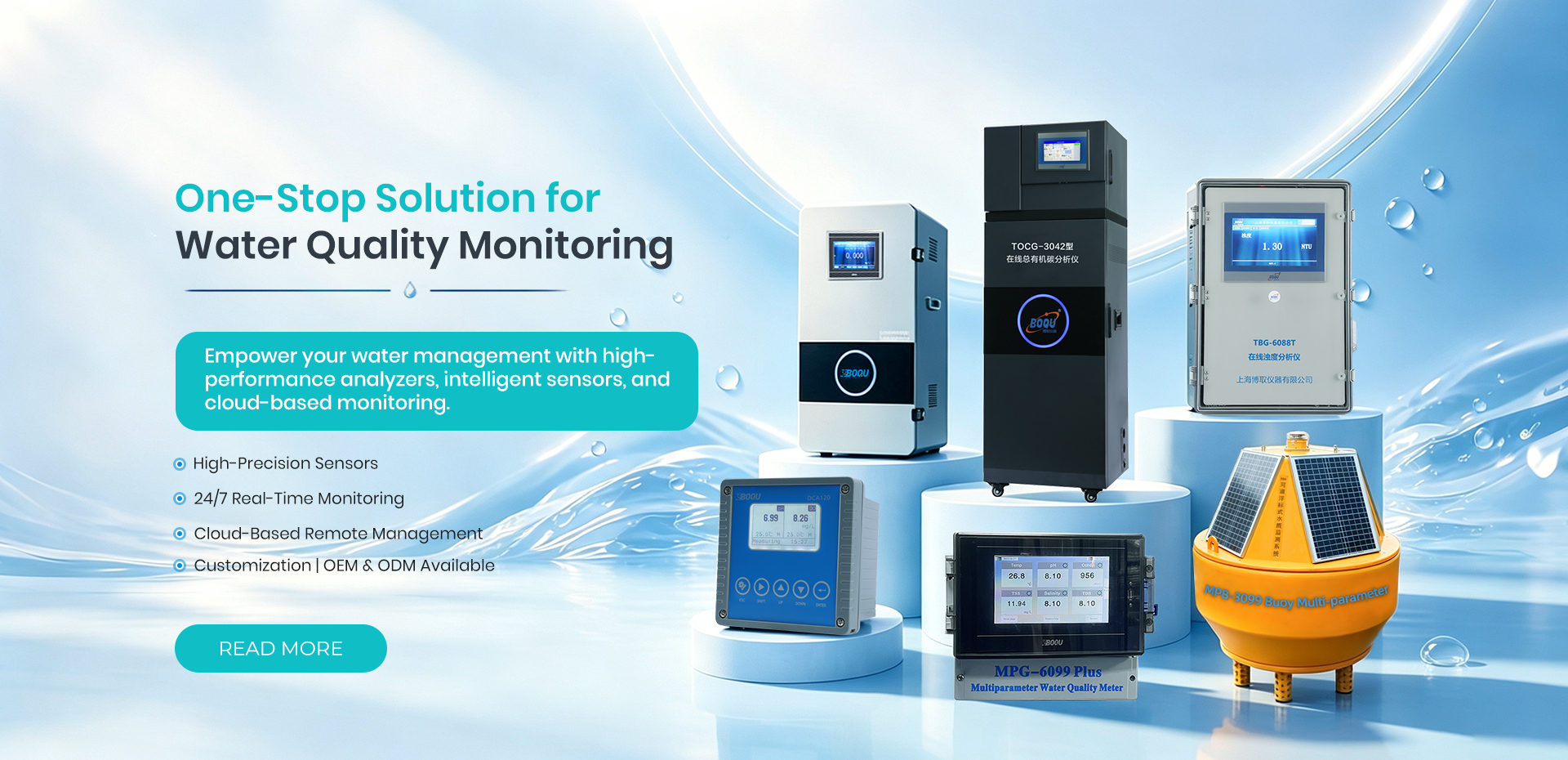
Explore our high-performance process transmitters, dual-channel controllers, and compliance monitors built for harsh industrial environments.

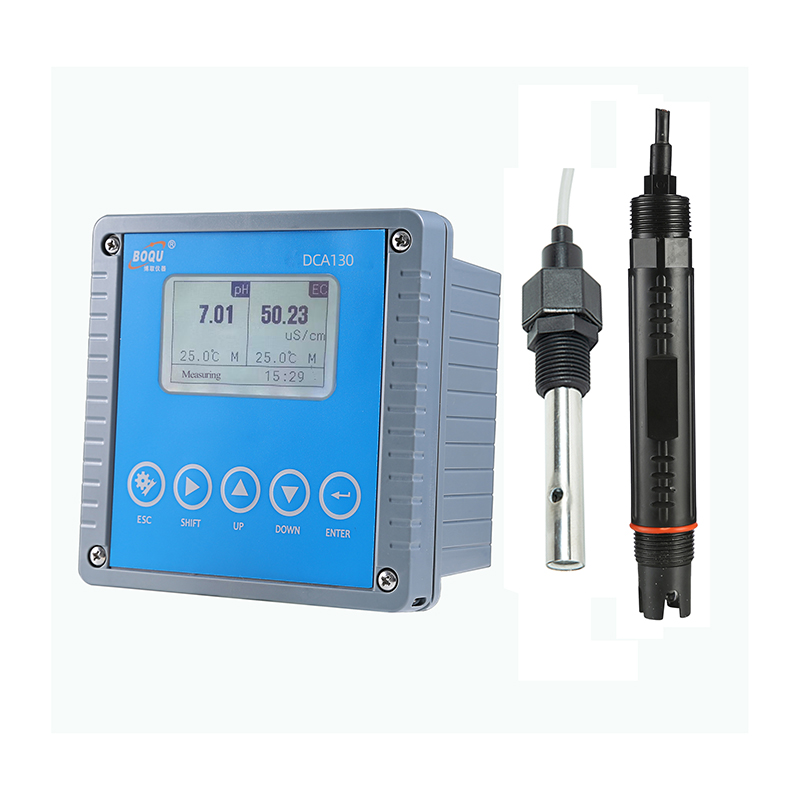
DCA130 Dual Channel pH/EC Controller

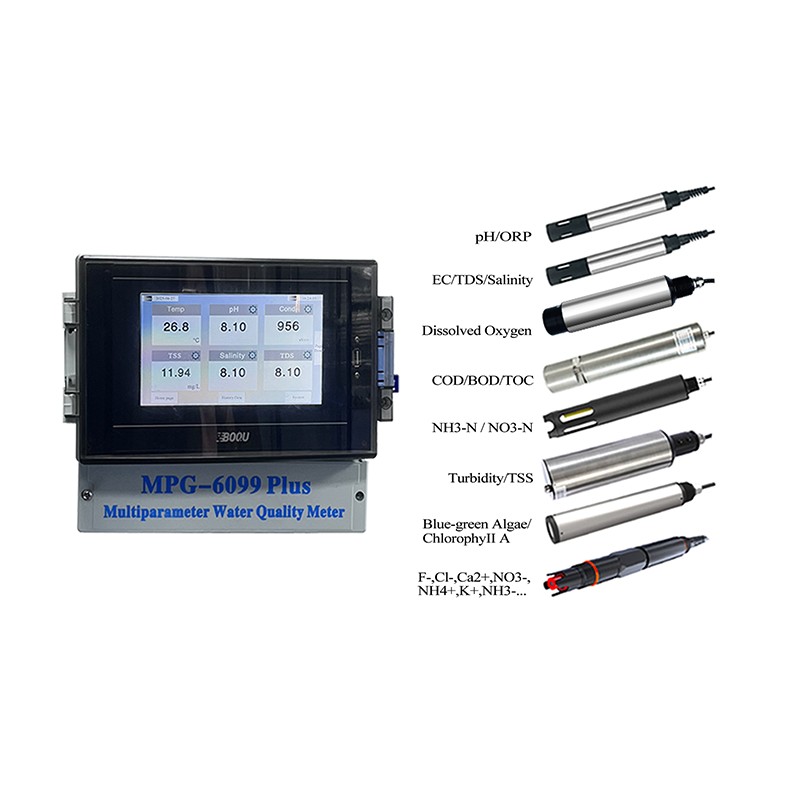
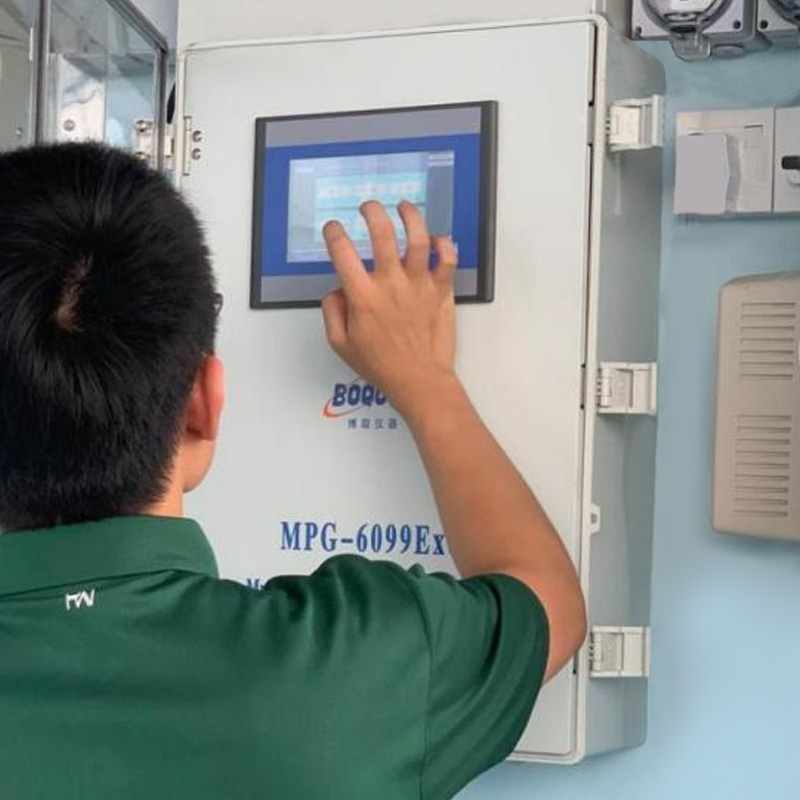
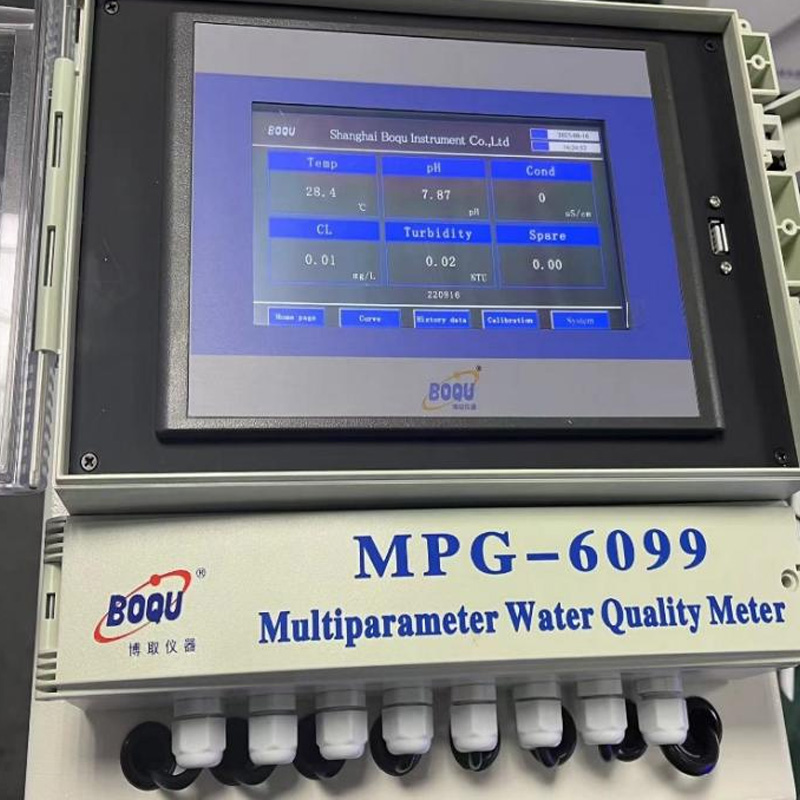
MPG-6099Plus Multi-Parameter Panel

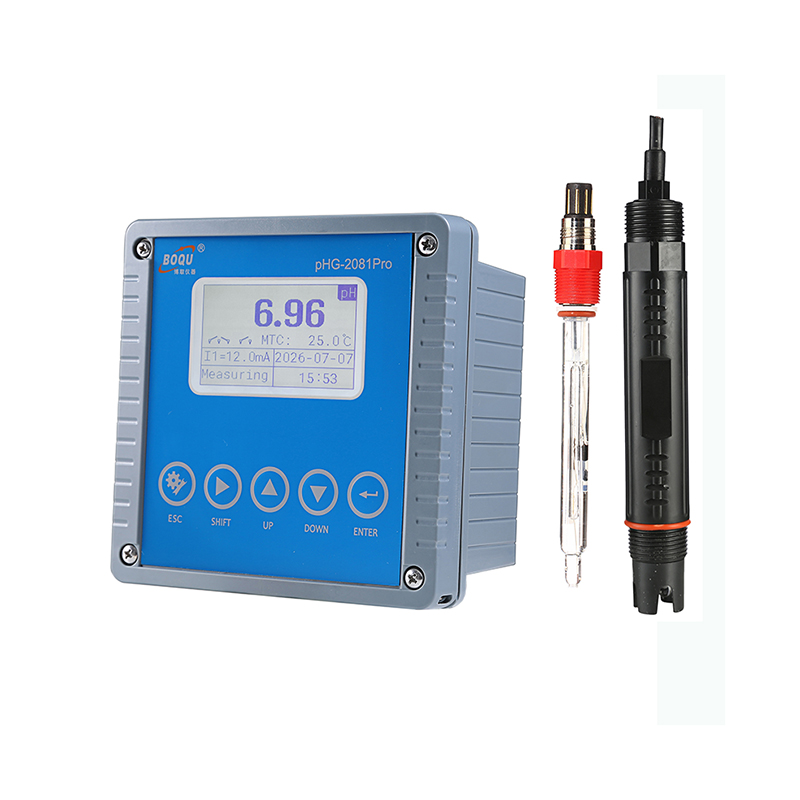
pHG-2081Pro Industrial Transmitter

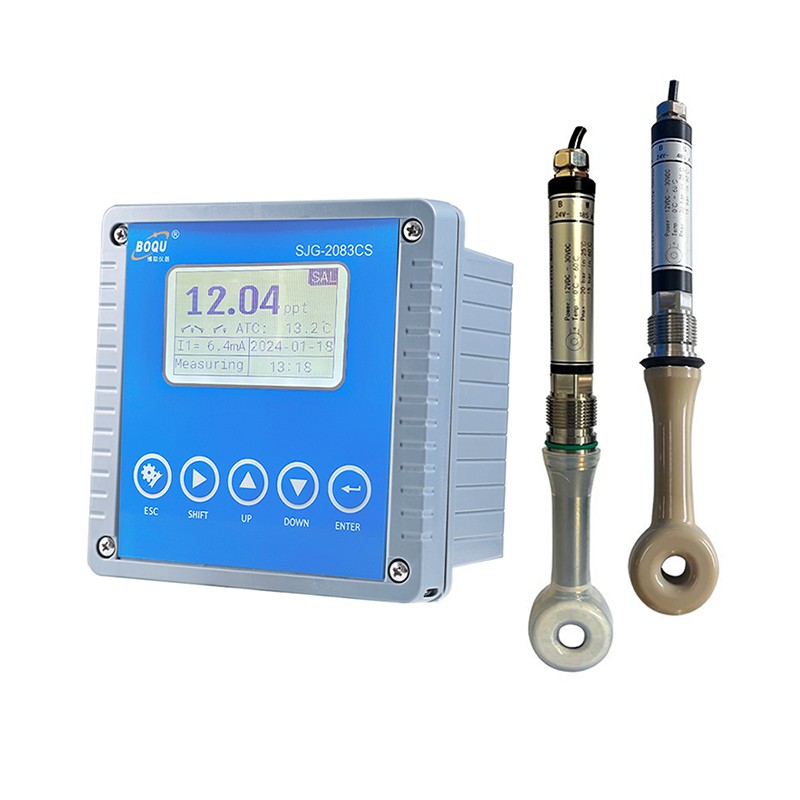
SJG-2083CS Acid & Caustic Monitor

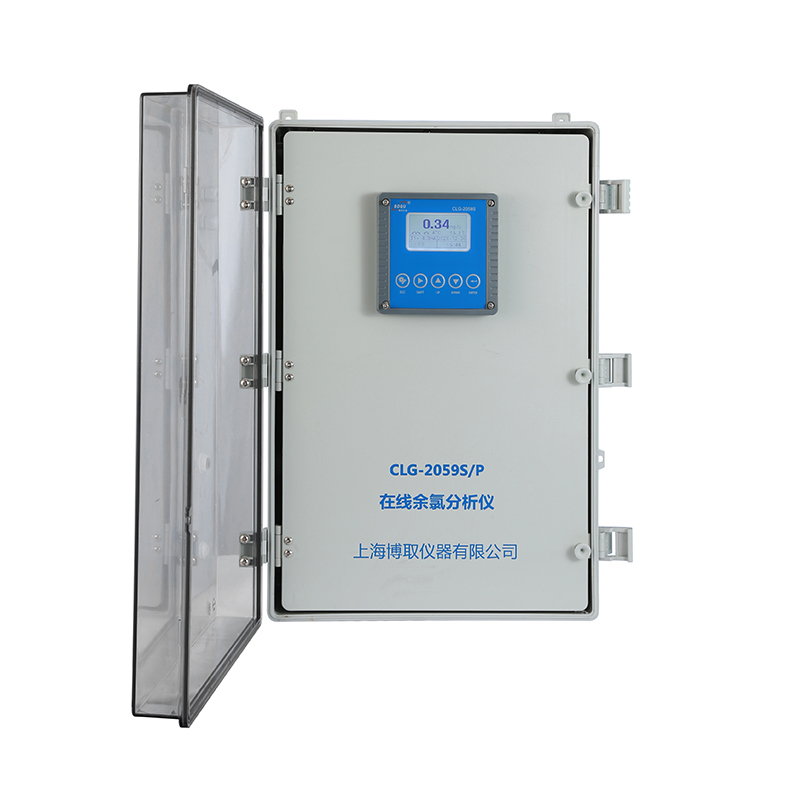
Online Residual Chlorine Analyzer

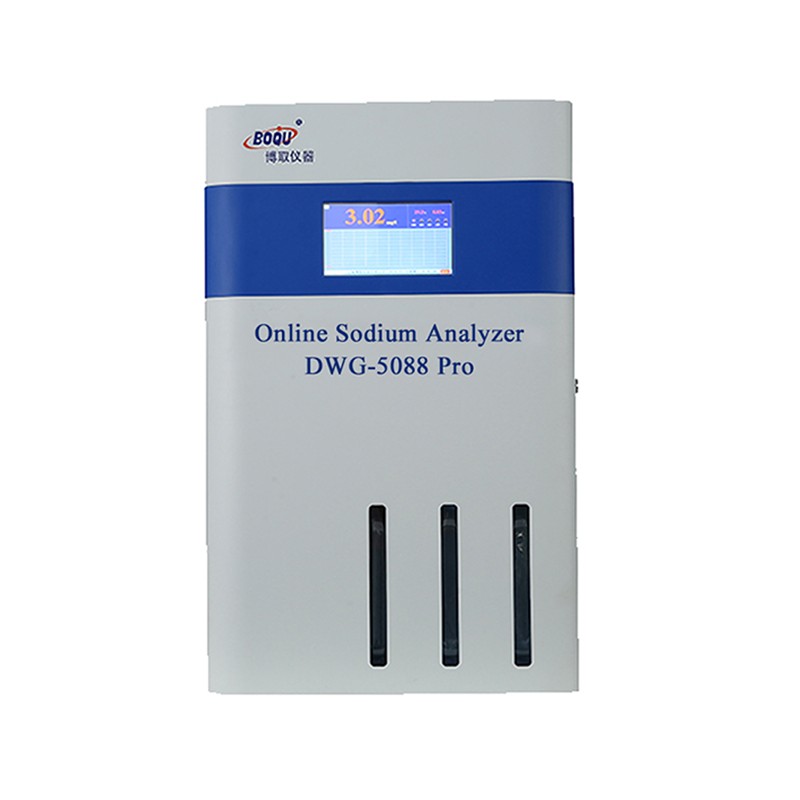
Power Plant Trace SWAS Analyzers

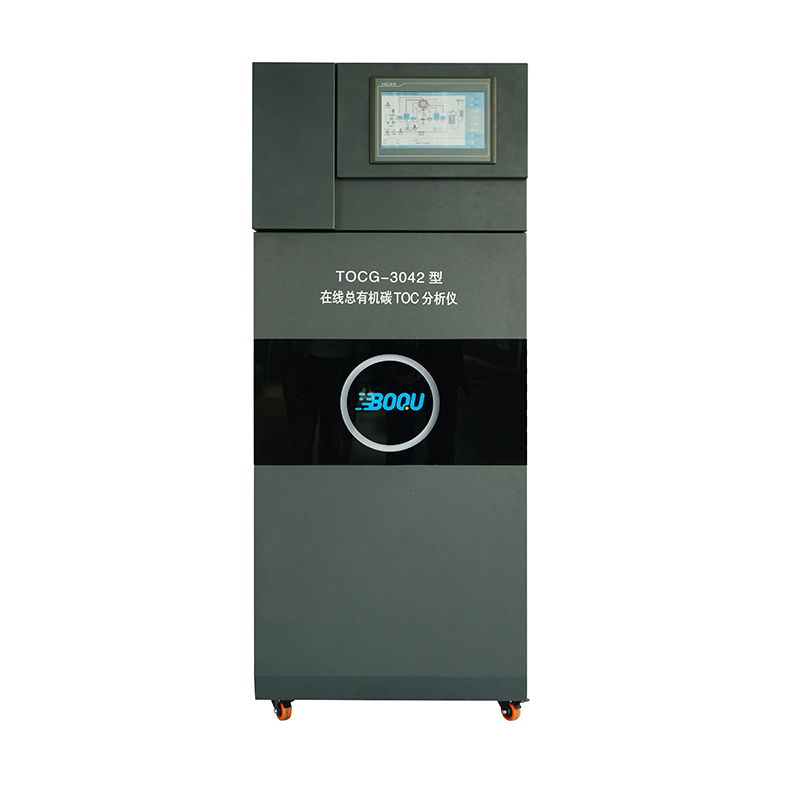
TOC-3042 Online Carbon Analyzer

Complete Effluent Discharge System
Factory Direct Directives
Scale Your Instrumentation Supply Chain Today
Direct wholesale procurement quotes, OEM specification kits, and technical calibration whitepapers are prepared within 24 hours by our Shanghai engineering desks.
China High-temperature pH Sensor Used Pharmaceutical Fermentation Wholesaler, Supplier
Wholesale High-temperature S8 Connector pH Sensor Manufacturers, Factory
China High Temperature (0-130℃) pH Sensor With Temperature Wholesaler, Suppliers
Wholesale High Temperature (0-130℃) pH Sensor Supplier, Factories

















 +86 18916729106
[email protected]
WhatsApp
YouTube
LinkedIn
Global Service
Hot Blog
Top Search Keywords
Sitemap