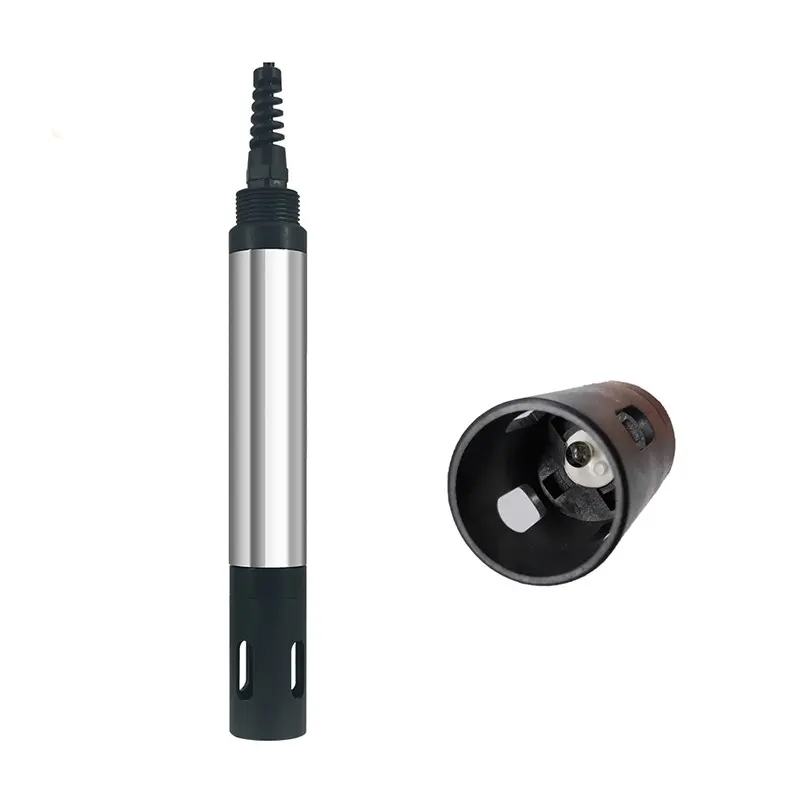
Wholesale Turbidity Sensor Probe Manufacturers & Factory

Engineering High-Precision Industrial Turbidity, TSS & Optical Water Quality Sensing Probes. ISO 9001 Certified Factory Direct Supply for Global Systems Integrators & Process Automation.
Featured Water Quality Probes & Analyzers (Top Selection)
Explore our high-performance optical turbidity sensors, high-temperature pH electrodes, and IoT multi-parameter monitoring systems engineered for harsh industrial environments.
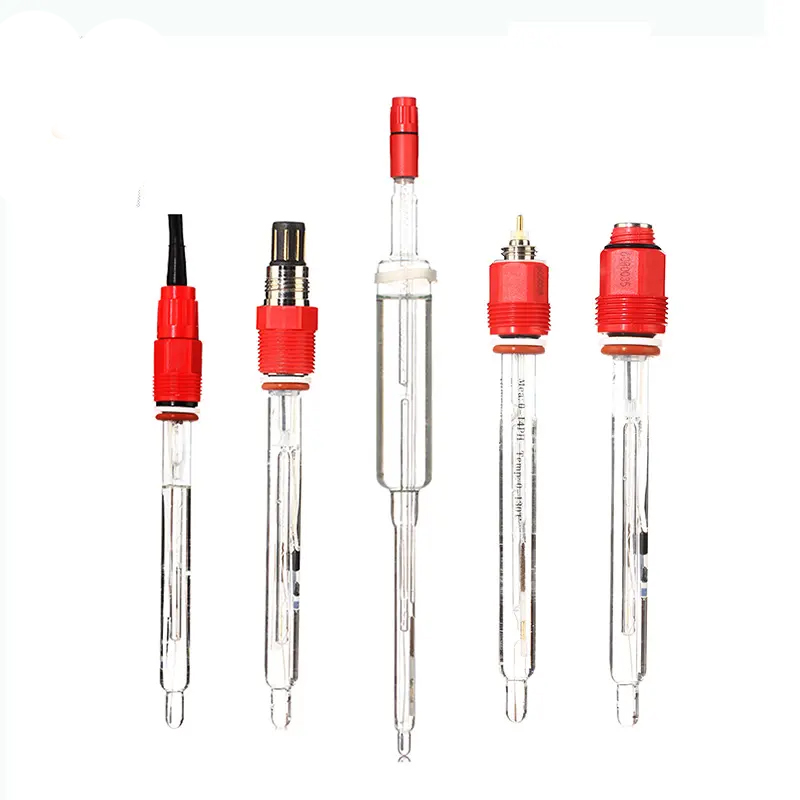
China High-temperature pH Sensor Used Pharmaceutical Fermentation Wholesaler, Supplier
China High-temperature pH Sensor Used Pharmaceutical Fermentation
View Details
Wholesale High-temperature S8 Connector pH Sensor Manufacturers, Factory
Wholesale High-temperature S8 Connector pH Sensor Factory
View Details
Wholesale High Temperature (0-130℃) pH Sensor Supplier, Factories
Wholesale High Temperature (0-130℃) pH Sensor Supplier
View Details
China High Temperature (0-130℃) pH Sensor With Temperature Wholesaler, Suppliers
China High Temp (0-130℃) pH Sensor With Temperature
View Details
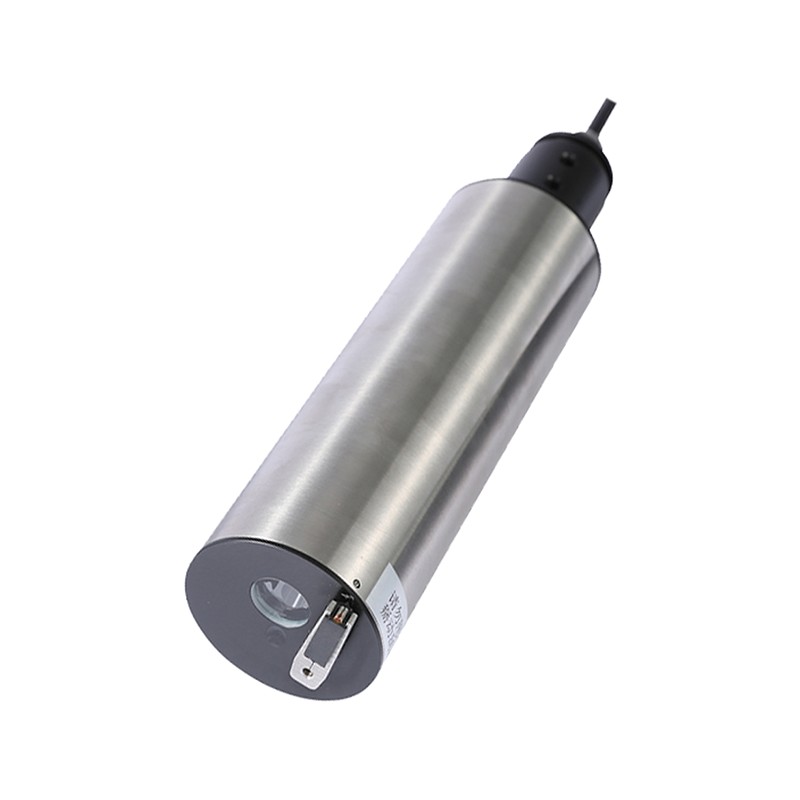
ZDYG-2088-01QX Online Turbidity Sensor
ZDYG-2088-01QX Self-Cleaning Online Turbidity Sensor
View Details
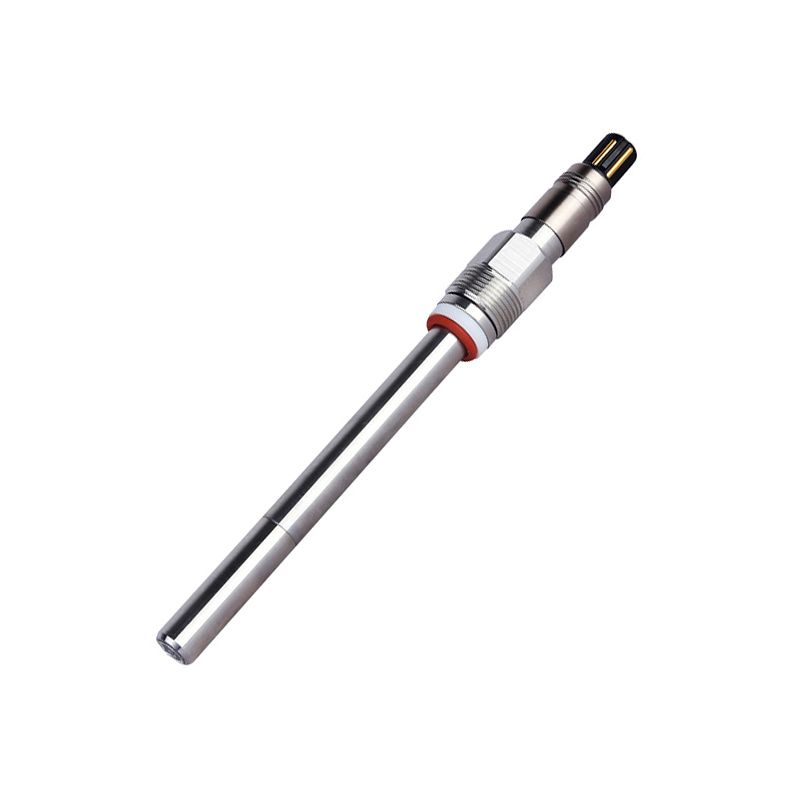
pH5806 High Temperature pH Sensor
pH5806 High Temperature Sterilizable pH Electrode
View Details
IOT-485-pH Digital Online pH Sensor
IOT-485-pH Digital Smart RS485 Online pH Sensor
View Details
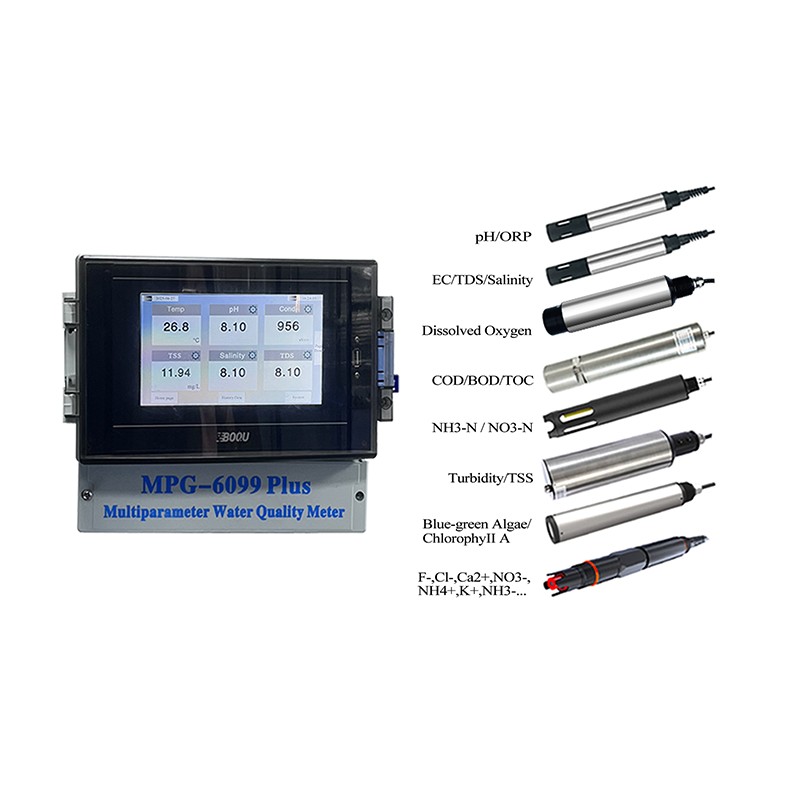
MPG-6099Plus Multi-parameter Water Quality Analyzer
MPG-6099Plus Integrated Multi-Parameter Analyzer Panel
View Details
Industrial Turbidity Measurement Science & Optical Fundamentals
A deep technical breakdown of Nephelometry, ISO 7027 vs. US EPA 180.1 optical standards, and units of measurement for enterprise buyers.
Turbidity is one of the most critical physical indicators of water quality, reflecting the optical clarity and amount of suspended particulate matter, colloidal silica, algae, and microscopic organic organisms present in a liquid medium. For industrial water treatment engineers, municipal water utility managers, and process automation designers, selecting the correct Wholesale Turbidity Sensor Probe requires a firm understanding of optical scattering physics and compliance standards.
ISO 7027 (860 nm NIR)

European and international standard utilizing Near-Infrared (NIR) light-emitting diodes operating at 860 nm. By measuring 90° scattered light in the NIR spectrum, ISO 7027 eliminates sample color absorption interference, making it ideal for wastewater, sludge, and colored industrial effluents.

US EPA 180.1 (Tungsten)

American standard utilizing a white light tungsten lamp (400–600 nm broadband). Primarily preferred for drinking water compliance in North America due to its high sensitivity to small particles, though susceptible to sample color absorption interference.

Multi-Beam & Backscatter

For high turbidity and Total Suspended Solids (TSS / MLSS) environments exceeding 1,000 NTU, backscatter (140°–180° light scattering) or four-beam optical attenuation is employed to maintain linear sensor response without saturation.

Understanding Turbidity Units: NTU, FNU, FTU, and mg/L TSS
When evaluating supplier specifications from a China turbidity sensor factory, buyers often encounter varying optical unit nomenclature. Here is a clear correlation matrix:
Unit Code Full Designation Optical Method Primary Industrial Application
NTU Nephelometric Turbidity Unit 90° Light Scattering (White Light / Tungsten) Potable Water, Regulatory Compliance (US EPA)
FNU Formazin Nephelometric Unit 90° Light Scattering (860nm NIR LED) ISO 7027 Compliance, Wastewater, Industrial Loops
FTU Formazin Turbidity Unit Standardized Formazin Calibration Scale General Calibration Standard Reference Scale
mg/L or g/L Total Suspended Solids (TSS) Optical Attenuation / Backscatter Mapping Sewage Treatment, Aeration Tanks, Mining Tailings
Why Sourcing Turbidity Sensors from China Manufacturers Offers Strategic Advantages
Analyzing the competitive supply chain, precision engineering capabilities, and cost efficiencies of Shanghai's water quality instrumentation cluster.
2007
Established Year
4,632m²
Factory Footprint
100,000+
Annual Probe Output
100+
Global Export Countries
ISO 9001
Quality Certified
1. Vertical Supply Chain & Component Integration

China's premier instrument manufacturing centers, particularly in Shanghai's Pudong and Lingang industrial zones, benefit from complete localized supply chains. From high-purity optical lens grinding and synthetic sapphire window sealing to CNC precision machining of 316L stainless steel, Titanium, and PTFE bodies, Chinese factories deliver end-to-end quality control at significantly reduced lead times and lower unit costs.

2. High OEM/ODM Flexibility for B2B Brands

Unlike Western instrument suppliers bound by rigid off-the-shelf catalog configurations, leading Chinese turbidity probe manufacturers offer extensive OEM/ODM private labeling. B2B clients can request custom cable lengths, custom enclosure materials, specialized RS485 Modbus RTU register mapping, embedded temperature compensation curves, and localized brand laser-engraving.

3. Rigorous Quality Assurance & Aging Tests

To meet international standard demands (CE, SGS, ISO 9001, ISO 14001), state-of-the-art Chinese factories implement mandatory 48-hour continuous signal burn-in, hydrostatic high-pressure pressure testing up to 10 bar, and zero-point plus multi-point Formazin calibration before every shipment.

4. Rapid Scale & Global Logistics Support

With scalable production lines capable of producing tens of thousands of optical water quality sensors per month, Chinese factories allow overseas engineering firms and distributors to respond instantly to large-scale municipal bids and emergency environmental protection projects.

Next-Generation Technological Trends in Turbidity Sensing
How IoT connectivity, automated anti-fouling wipers, and AI calibration algorithms are redefining online water quality monitoring.
Automated Mechanical Wiper Anti-Fouling

Biofouling, biological slime, algae growth, and mineral scaling are the #1 causes of drift and measurement failure in continuous online turbidity monitoring. Modern probes integrate programmable motorized mechanical wipers or ultrasonic cleaning transducers that automatically sweep optical windows at user-defined intervals, reducing field maintenance by up to 90%.

Direct IoT Smart Sensors (RS485 Modbus)

The industry is moving away from purely analog (mV or raw 4-20mA) probes that require complex external transmitters. Next-gen direct digital sensors integrate onboard microprocessors, storing calibration data directly within the probe head and outputting standard RS485 Modbus RTU or IoT protocols (LoRaWAN, NB-IoT) directly to PLCs, SCADA, or cloud gateways.

AI Predictive Calibration & Optical Health Diagnostics

Advanced optical turbidity probes now incorporate internal LED intensity monitoring photodiodes. Embedded algorithms continuously monitor light source decay and optical window transparency, automatically warning operators when calibration is degraded or when window cleaning is required prior to data corruption.

Localized Application Scenarios & Industry Solutions
Tailored turbidity probe installation methods and technical solutions for critical process industries.
A. Municipal Drinking Water Treatment & Distribution

In drinking water plants, monitoring low turbidity levels (<0.1 NTU) after rapid sand filtration or membrane filtration (UF/RO) is mandatory to verify pathogen and cryptosporidium removal.

  • Probe Configuration: Low-turbidity optical probe with bypass flow cell to eliminate micro-bubble interference.
  • Measurement Range: 0.000 – 10.00 NTU / FNU.
  • Accuracy: ±2% or ±0.01 NTU.
B. Industrial Wastewater & Sewage Treatment Plants (WWTP)

Wastewater treatment requires heavy-duty probes in aeration basins, secondary clarifiers, and final effluent discharge points to track Mixed Liquor Suspended Solids (MLSS) and prevent discharge permit violations.

  • Probe Configuration: Submersible IP68 probe with automated silicone wiper and 316L/PTFE body.
  • Measurement Range: 0.01 – 4000 NTU or 0 – 50 g/L TSS.
  • Installation: Immersion mounting bracket with air-purge auto-cleaning.
C. Biopharmaceutical Fermentation & Food CIP Systems

Bioreactors and Clean-In-Place (CIP) systems in dairy, beverage, and biotech industries require hygienic turbidity probes to monitor cell growth density, phase separation, and flush clarity.

  • Probe Configuration: Sanitary Tri-Clamp fitting probe with steam-sterilizable (SIP up to 130°C) optical sapphire glass windows.
  • Material: 316L Stainless Steel (Ra < 0.4 µm surface finish) or Titanium.
D. Aquaculture & Environmental Water Monitoring

Recirculating Aquaculture Systems (RAS), ocean fish farming, and river station monitoring require low-power, corrosion-resistant turbidity probes that withstand continuous biofouling and saltwater environments.

  • Probe Configuration: Titanium alloy or POM body with low-power RS485 Modbus output for solar battery powered remote telemetry stations.
Global Enterprise B2B Procurement Decision Framework
Essential engineering parameters to specify before requesting factory quotation proposals for wholesale turbidity sensor probes.
To ensure smooth procurement and avoid costly field failures, global procurement managers and process automation engineers should review the technical checklist below when sourcing probes from wholesale manufacturers:
1. Wetted Material Compatibility

Specify standard 316L Stainless Steel for municipal water, Titanium Alloy for seawater/saline applications, and PTFE / POM for strong acid or caustic industrial chemical streams.

2. Ingress & Pressure Rating

Ensure the probe holds genuine IP68 submersible certification (tested down to 10–50 meters water column) and can withstand pipeline line pressures up to 6 bar or 10 bar.

3. Signal Protocol & Integration

Confirm whether your project requires analog 4-20mA with HART or digital RS485 Modbus RTU for direct connection to PLCs (Siemens, Schneider, Allen-Bradley) or cloud gateways.
Complete Water Analysis Sensor & Analyzer Suite (Bottom Selection)
Explore additional core water quality instruments manufactured in our Shanghai production facilities for global export.
DOG-208FA High Temperature DO Sensor
DOG-208FA High Temperature Dissolved Oxygen Sensor
View Details
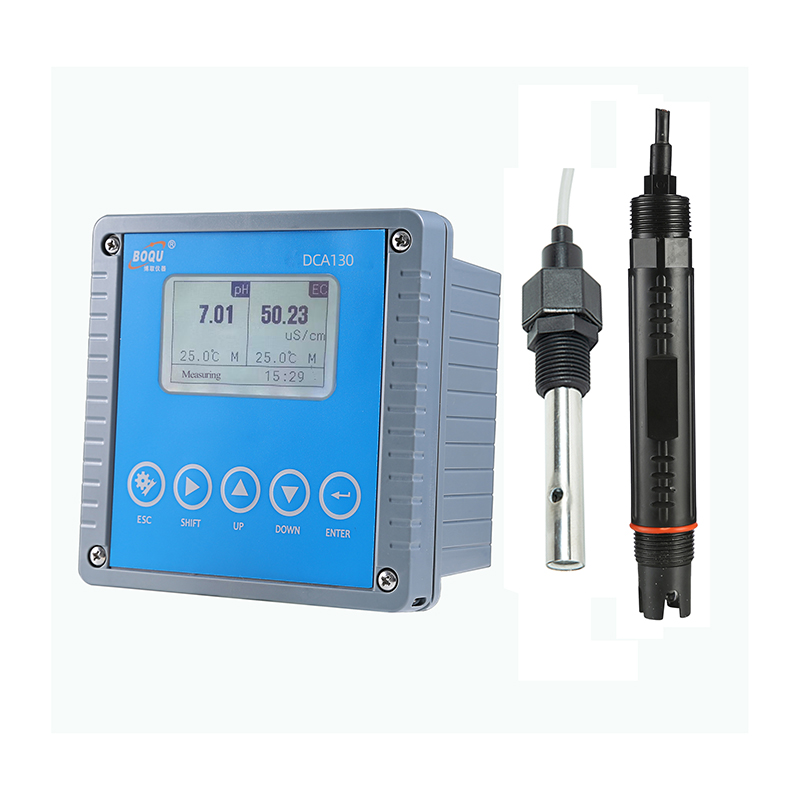
DCA130 Online pH & EC Dual Channel Analyzer
DCA130 Online pH & EC Dual Channel Controller
View Details
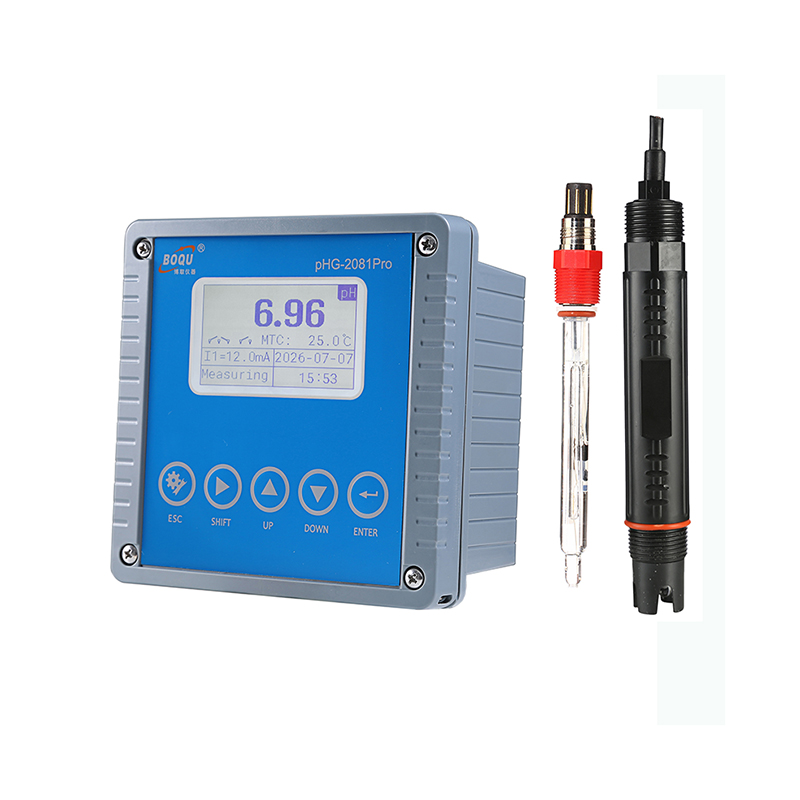
pHG-2081Pro Online pH Analyzer
pHG-2081Pro Industrial Online pH/ORP Analyzer
View Details
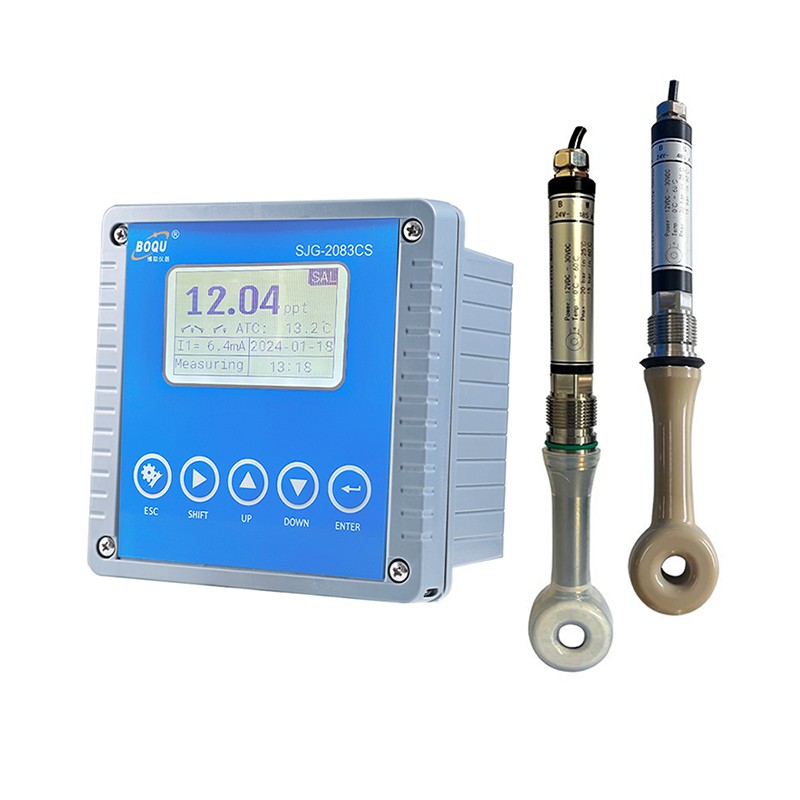
SJG-2083CS Online Acid and Alkali Concentration Meter
SJG-2083CS Online Acid & Caustic Concentration Meter
View Details
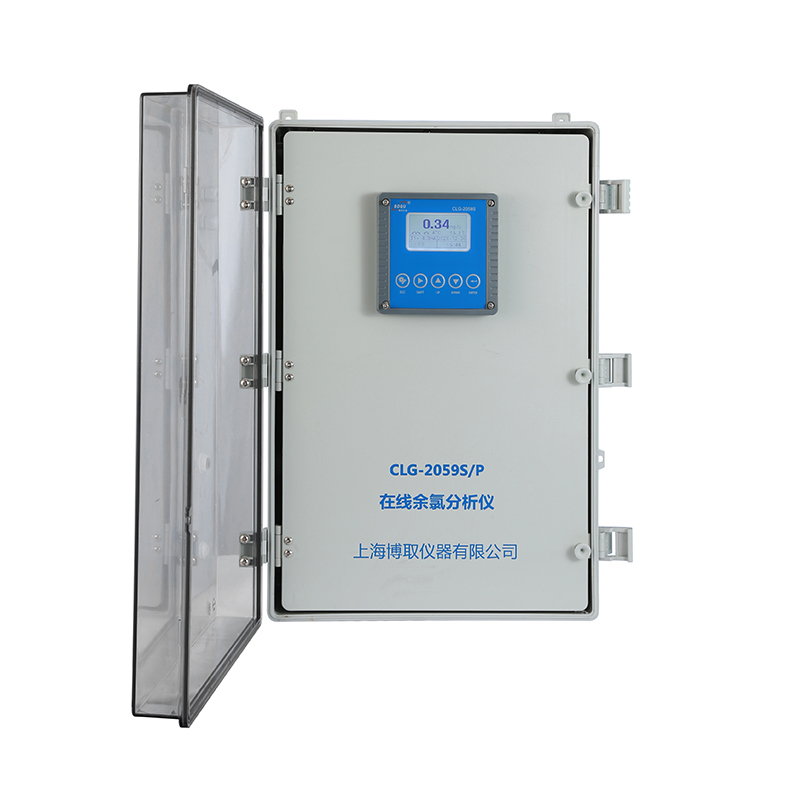
Online Residual Chlorine Analyzer
Continuous Online Free Residual Chlorine Analyzer
View Details
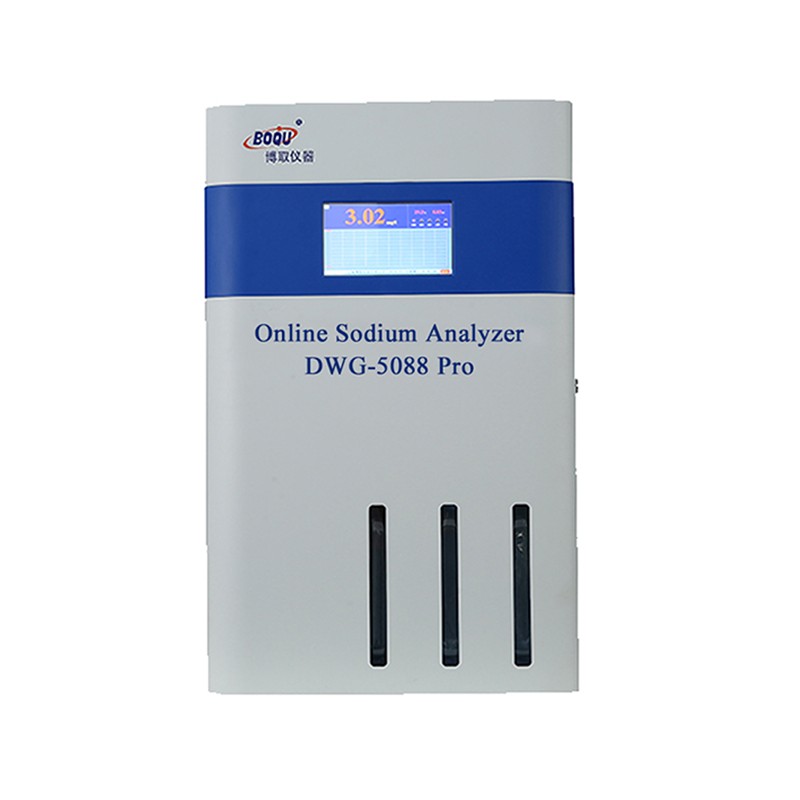
Online Silicate / Phosphate / Sodium / Hydrazine Analyzer
SWAS Trace Silicate / Sodium / Hydrazine Analyzer
View Details
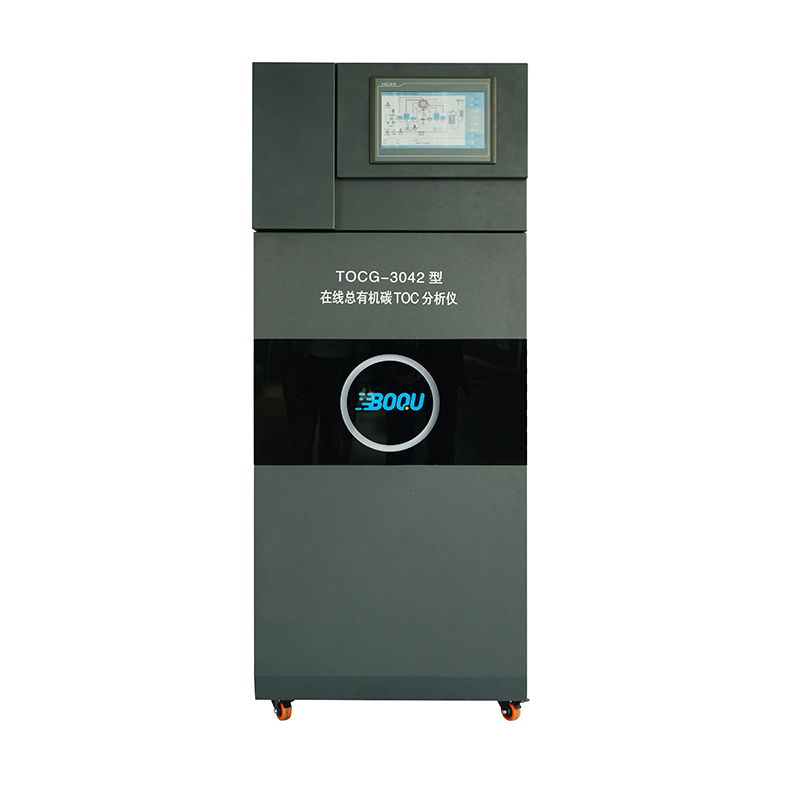
TOC-3042 Online TOC Analyzer
TOC-3042 Pharmaceutical Online TOC Analyzer
View Details
Online COD, TP, TN, NH3-N Analyzer
Online COD / TP / TN / Ammonia Nitrogen Analyzer
View Details
Frequently Asked Questions (Technical & Procurement FAQ)
Expert answers from our engineering and export departments to assist system integrators and buyers.
Q1: What is the main structural difference between ISO 7027 and US EPA 180.1 compliant turbidity probes?
ISO 7027 compliant probes utilize an 860 nm Near-Infrared (NIR) LED light source, which prevents sample color absorption interference (such as yellow humic acids in natural waters or industrial dyes). US EPA 180.1 uses a tungsten filament lamp emitting white light (400-600 nm), which offers extreme sensitivity for low drinking water turbidity (<0.1 NTU) but can suffer from color absorption errors.
Q2: How do self-cleaning turbidity sensor probes prevent biofouling in municipal wastewater?
Our self-cleaning turbidity probes incorporate an integrated motor-driven silicone or fluoro-rubber wiper blade. Controlled automatically via software timer parameters (e.g., every 30 minutes), the wiper rotates across the optical sapphire window to remove biofilm, sludge, and algae accumulation without operator intervention.
Q3: Can standard optical turbidity probes measure high Total Suspended Solids (TSS / MLSS)?
Standard 90° light scattering probes lose linearity above 1,000–4,000 NTU due to light re-absorption (multiple scattering). For TSS or MLSS applications exceeding 4,000 NTU up to 50 g/L (such as aeration tank activated sludge), our factory manufactures probes utilizing backscattering optics (140° or 180° light detection) or optical attenuation.
Q4: What signal outputs do your wholesale turbidity sensor probes support?
We offer both direct RS485 Modbus-RTU digital smart sensors and complete transmitter systems with dual 4-20mA analog outputs, relay alarm outputs, and Modbus TCP/IP communication for seamless interfacing with SCADA, DCS, or remote IoT telemetry platforms.
Q5: What calibration standard is required for field routine maintenance?
Probes are primary-calibrated at our factory using certified Formazin polymer standards. In the field, operators can perform quick 2-point calibrations using zero-turbidity deionized water and non-toxic polymer secondary standards (such as StablCal) or direct software offset matching against lab grab samples.
Q6: What custom OEM options are available for overseas distributors?
We provide full OEM/ODM services including private label laser marking, custom sensor body engineering (316L, Titanium, PTFE, PVC), customized cable lengths (up to 100m submerged), bespoke firmware communication protocol registers, and custom packaging.
Q7: How do air bubbles affect online turbidity probes, and how is it mitigated?
Micro-bubbles scatter light similarly to solid particles, causing falsely high turbidity readings. To eliminate bubble errors in pressurized pipelines or aeration lines, we provide specialized flow-through cell chambers equipped with debubblers or software bubble-rejection filtering algorithms.
Q8: What lead time can global buyers expect for bulk factory orders?
Standard turbidity probe orders (10–50 units) are typically assembled, aged for 48 hours, calibrated, and shipped within 5–7 working days. Bulk wholesale orders (200+ units) generally ship within 2–3 weeks via DHL, FedEx, air freight, or sea freight.