
Precision Inline Analytical Probes & IoT Transducers
Factory-calibrated digital & analog sensor hardware engineered for continuous submersion, Arduino rapid prototyping, PLC automation loops, and high-purity industrial monitoring.

China High-temperature pH Sensor Used Pharmaceutical Fermentation
Steam-sterilizable bioprocess probe with pressurized reference junction for bioreactors and chemical batch lines.
Product Details & Inquiry →
Wholesale High Temperature (0-130℃) pH Sensor Supplier, Factories
Ultra-rugged 0-130°C thermal resistant electrochemical sensor designed for harsh industrial process neutralization.
Product Details & Inquiry →
China High Temperature (0-130℃) pH Sensor With Integrated Temperature
Built-in Pt100/Pt1000 RTD sensor offering immediate dual-parameter dynamic thermal drift compensation.
Product Details & Inquiry →
Wholesale High-temperature S8 Connector pH Sensor Manufacturers
Standard PG13.5 threaded housing and modular S8 electrical socket for global plant retrofit and replacement.
Product Details & Inquiry →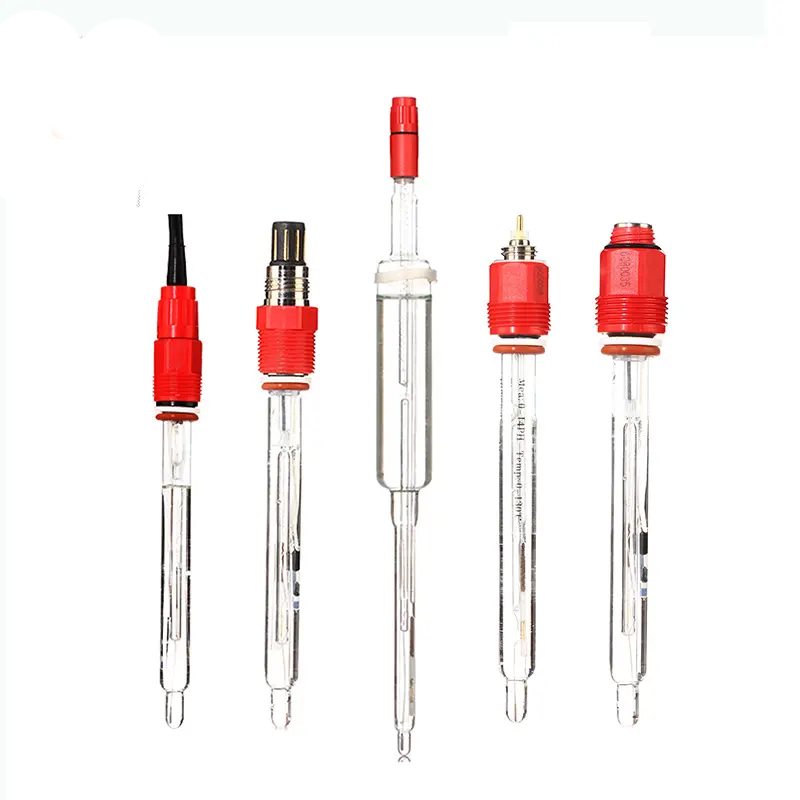
pH5806 High Temperature Bioreactor pH Sensor
Awarded the Shanghai Brand certification; engineered for repeated autoclaving, CIP/SIP, and pharma cultivation.
Product Details & Inquiry →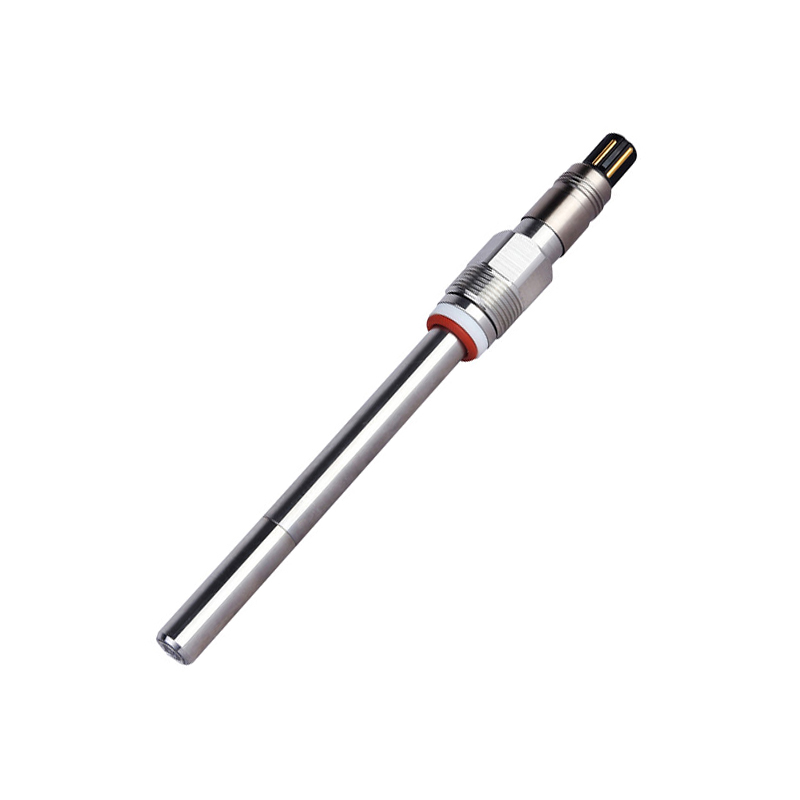
DOG-208FA High Temperature Dissolved Oxygen Sensor
Polarographic DO sensor ensuring microampere signal linear accuracy across high-thermal fermentation batches.
Product Details & Inquiry →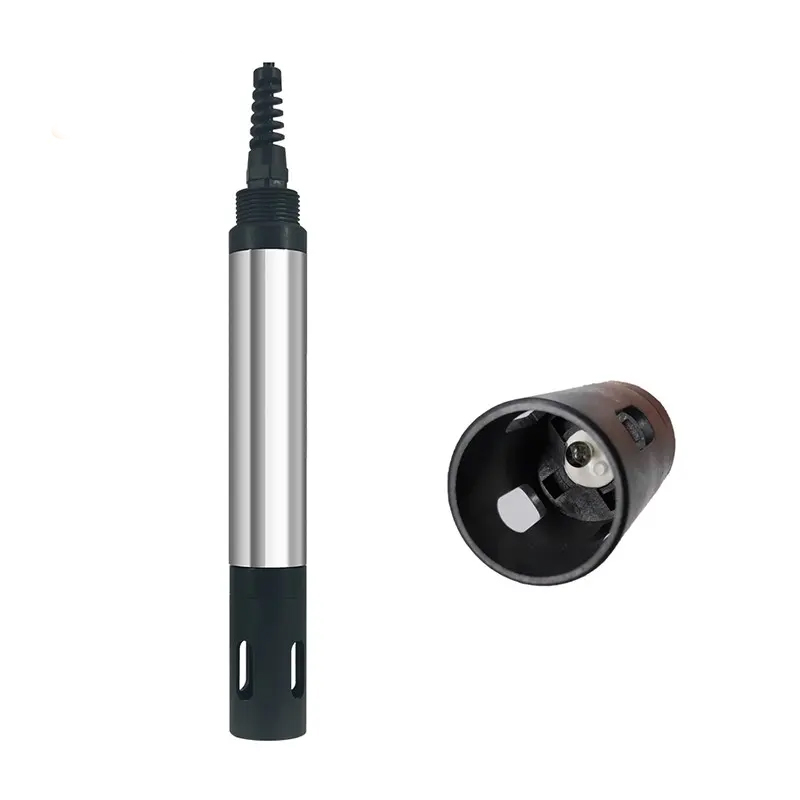
IOT-485-pH Digital Direct Modbus Online Sensor
Transmitter-less direct RS485 Modbus RTU interface connecting straight to Arduino, ESP32, and edge gateways.
Product Details & Inquiry →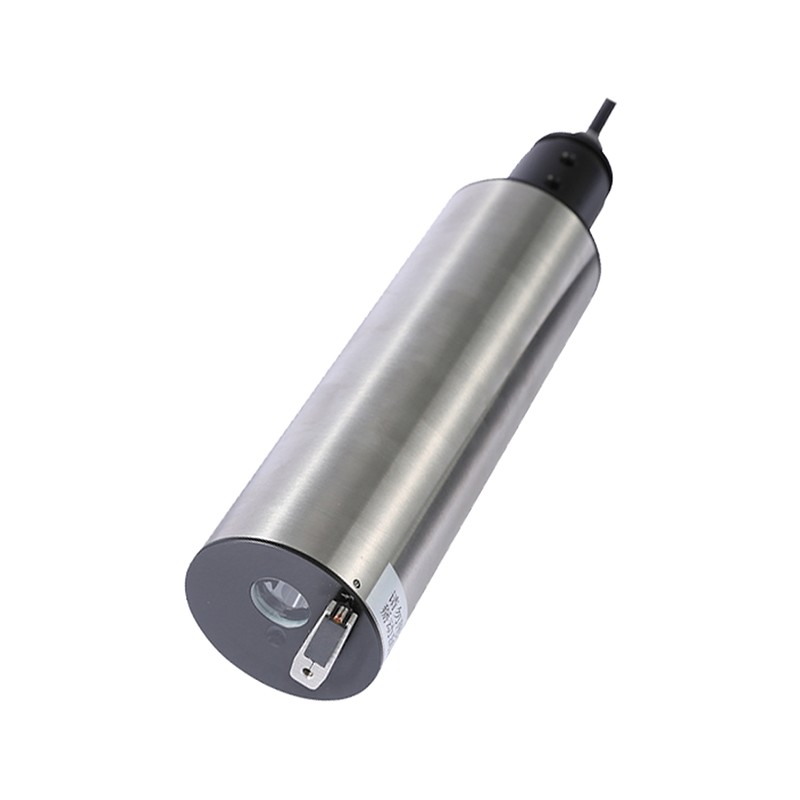
ZDYG-2088-01QX Industrial Optical Turbidity Sensor
860nm ISO 7027 infrared nephelometric transducer with mechanical wiper cleaning and linear analog/MCU scaling.
Product Details & Inquiry →The Engineering Paradigm of Embedded Turbidity Sensing
Bridging the critical gap between hobbyist open-source microcontrollers (Arduino UNO/Mega/Nano, ESP32, STM32) and high-uptime industrial analytical measurement systems.
ISO 7027 Nephelometry vs. Transmittance
Standard low-cost consumer Arduino modules measure straight-through light attenuation (transmittance), which suffers drastic non-linear saturation above 100 NTU. Certified Chinese OEM manufacturers engineer true 90-degree scattered-light nephelometry operating at 860nm NIR (Near Infrared), completely neutralizing ambient visible light interference and fluid coloration according to EN ISO 7027 standards.
Signal Conditioning & ADC Quantization
Photodiode nanoampere current signals cannot be injected directly into an Arduino ATmega328P ADC pin without severe SNR degradation. Production-grade turbidity sensor boards incorporate two-stage active bandpass op-amp circuits, digital potentiometer calibration trimmers, and internal 12-to-16-bit analog-to-digital converters (ADS1115 via I2C) to deliver ultra-stable millivolt outputs.
Embedded Calibration Mathematics
Translating raw voltages (0–4.5V / 0–5.0V) to Nephelometric Turbidity Units (NTU) requires multi-point non-linear polynomial regression curves stored in EEPROM memory. Our factory engineers supply validated open-source C/C++ libraries and firmware algorithms utilizing piecewise cubic splines to retain ±2% F.S. precision across Formazin standard points (0 NTU, 20 NTU, 100 NTU, 800 NTU).
OEM Engineering Reality: Integrating consumer breadboard sensors into commercial water pipelines fails within weeks due to water intrusion, lens biofouling, and thermal drift. Chinese factories specializing in Wholesale Turbidity Sensor Arduino Solutions bridge this gulf by packaging optical assemblies inside hermetically sealed IP68 submersible bodies with integrated RS485 Modbus conversion modules that communicate effortlessly with microcontrollers via UART SoftwareSerial or hardware Serial2.
Why Tier-1 Global Procurement Directs to Chinese Factories
China's Yangtze River Delta and Greater Bay Area electronic ecosystems represent the world's dense concentration of precision optical tooling, photodiode surface mounting, and fully automated multi-point calibration infrastructure.
Complete Supply Ecosystem
From optical-grade quartz lens casting and CNC polyoxymethylene (POM/PTFE) machining to SMT board placement, total vertical integration slashes component lead times from months down to 48–72 hours.
OEM & ODM Customization
Customized firmware registers, variable voltage regulators (3.3V logic for ESP32/Raspberry Pi Pico vs. 5V for classic Arduino), custom cable lengths, and private-label laser etching on sensor casings with zero tooling delays.
Unrivaled Scalable Margins
By purchasing optics, photodetectors, and analog interface ICs at multi-million scale, Chinese manufacturing clusters eliminate the standard 400–600% markup imposed by Western brand resellers on optical measurement units.
48-Hour Thermal & Burn-in Aging
Every export-grade turbidity transducer batch undergoes standardized high-temperature cycle aging (0–70°C water baths) to identify early diode degradation, guaranteeing consistent drift-free operation upon customer delivery.
Wholesale Sensor Selection Matrix for System Builders
Compare mechanical, electrical, and optical topologies to match precise deployment parameters for edge-computing smart water infrastructure.
| Class / Model Category | Optical Wavelength | Measurement Range | Signal Output Interface | Operating Temp / Rating | Ideal Application Duty |
|---|---|---|---|---|---|
| Prototyping Educational Transducer | Visible LED (650nm Red) | 0 – 3000 NTU (Relative) | 0 – 4.5V DC Analog Pin | 0 to 50°C / Non-waterproof head | Maker Prototyping STEM education, bench-top concept modeling |
| Submersible Nephelometric Probe | 860nm Infrared LED | 0.01 – 1000 NTU / FNU | 0 – 5V Analog + I2C ADC Module | -10 to 65°C / IP68 Submersible | Aquaculture / Hydro Fish hatcheries, RAS recycling, runoff testing |
| Smart Digital IoT Turbidity Transducer | Dual-Beam 860nm NIR | 0.001 – 4000 NTU (Auto-range) | RS485 (Modbus RTU) direct to MCU | -20 to 80°C / IP68 Stainless 316L | Municipal Utilities Drinking water plants, distribution networks |
| Wiper-Cleaned High-TSS Sludge Probe | Scattered Light Absorption | 0 – 50,000 mg/L TSS / 4000 NTU | RS485 + 4–20 mA isolated loop | 0 to 60°C / Integrated Servo Wiper | Heavy Wastewater Aeration basins, clarifier sludge, industrial outfalls |
Deploying Turbidity Sensor Arduino Arrays in Real Environments
Field-tested application blueprints illustrating how open microcontroller architecture combines with ruggedized optical transducers to deliver scalable operations.
Distributed Urban River Basin Monitoring
Municipalities deploy battery-and-solar powered Arduino/ESP32 LoRaWAN stations across vast hydrological nodes. Submersible optical turbidity probes provide continuous 10-minute snapshot checks, flagging flash-flood sediment surges, construction site runoff spills, and illegal discharge pipes immediately without requiring expensive grid infrastructure.
Intelligent High-Density RAS Aquaculture
In recirculating aquaculture systems (RAS), excessive suspended unconsumed feed and fecal solids choke fish gills and breed pathogenic bacteria. Microcontroller-driven optical turbidity probes measure suspended solids density in real time, triggering backwash drum filters and automatic feeder cutoff valves through 5V Arduino solid-state relays.
Industrial Wastewater & Coagulation Dosing
Chemical precipitation in electroplating and textile effluent treatment hinges on exact coagulant dosing (PAC/PAM). By pairing a ruggedized turbidity probe on an Arduino Modbus network, plants construct proportional-integral-derivative (PID) closed dosing loops that reduce chemical waste by up to 34% compared to manual volumetric estimations.
Industry Trends Transforming Embedded Optical Analysis
Key market and technological vectors reshaping procurement requirements for high-volume sensors over the next five years.
Edge Machine Learning on Optical Signatures
Modern 32-bit MCUs (ESP32-S3, STM32 Microcontrollers, Raspberry Pi RP2040) allow on-chip TinyML models to analyze high-frequency optical scattering curves. Rather than outputting a raw turbidity number, sensors now differentiate between biological bacterial floc, mineral silt, and micro-air bubbles directly at the edge, drastically reducing false alarms.
Migration from Analog to Native Digital Protocols
Analog 0-5V signals are inherently vulnerable to electromagnetic interference (EMI) generated by nearby pumps, variable frequency drives (VFDs), and heavy industrial contactors. The global wholesale market is shifting aggressively toward native RS485 Modbus RTU, SDI-12, and IO-Link sensors that ensure noiseless 1000-meter data delivery directly to edge devices.
Self-Cleaning Low-Power Ultrasonic Transducers
Mechanical motor wipers contain moving silicone seals that eventually fatigue in chemical environments. Emerging tier-1 factory designs deploy solid-state piezoelectric ultrasonic transducers coupled to the sapphire lens window. Emitting high-frequency cavitation waves before each measurement reading instantly blasts off biofouling films without requiring manual service visits.
Enterprise Procurement Strategy: Avoiding Sourcing Bottlenecks
Standardized procurement checklist for technical buyers, hardware startups, municipal contractors, and distributor purchasing leads engaging Chinese factories.
1. Factory Audit vs. Trading Entity
Verify physical manufacturing ownership. Authentic manufacturers maintain cleanrooms, automated optical testing benches, CNC machining centers, and Formazin chemical preparation laboratories. Always request a 360-degree interactive factory walkthrough, ISO 9001 registration numbers, and third-party audit reports before signing contract orders.
2. Material Compatibility Validation
Industrial wastewater and seawater rapidly corrode cheap ABS plastic and 304 stainless steel housings. Require suppliers to document wetted materials explicitly: optical-grade sapphire or fused silica glass windows, titanium or POM/PTFE wetted shells, and Viton/Kalrez dual O-ring barrier seals with IP68 immersion certification.
3. Firmware Customization & Protocols
Confirm whether factory firmware supports custom Modbus register mappings, variable baud rates (9600 to 115200 bps), parity adjustments, and flexible supply voltages (5V, 9–24V DC). An experienced factory R&D engineering wing will supply ready-to-flash C/C++ driver code snippets and Arduino IDE sample sketches upon request.
Wholesale Turbidity Sensor Arduino Sourcing FAQ
Direct technical clarity from manufacturing and export engineering leadership on integration, longevity, and wholesale logistics.
What is the primary technical difference between low-cost Arduino turbidity modules and industrial OEM transducers?
Can 3.3V microcontrollers like ESP32, STM32, and Raspberry Pi Pico read these sensors directly?
What is the standard Formazin calibration routine required for embedded Arduino devices?
How do Chinese factories handle OEM private labeling and custom cable configurations?
What are the minimum order quantities (MOQ) and production turnaround times for wholesale batches?
How do submerged optical sensors resist long-term biological fouling and algae growth?
Turnkey Transmitters, Dual-Channel Analyzers & Systems
Industrial controllers and field instrumentation engineered to complete the analytical loop from raw sensor detection to factory SCADA integration.
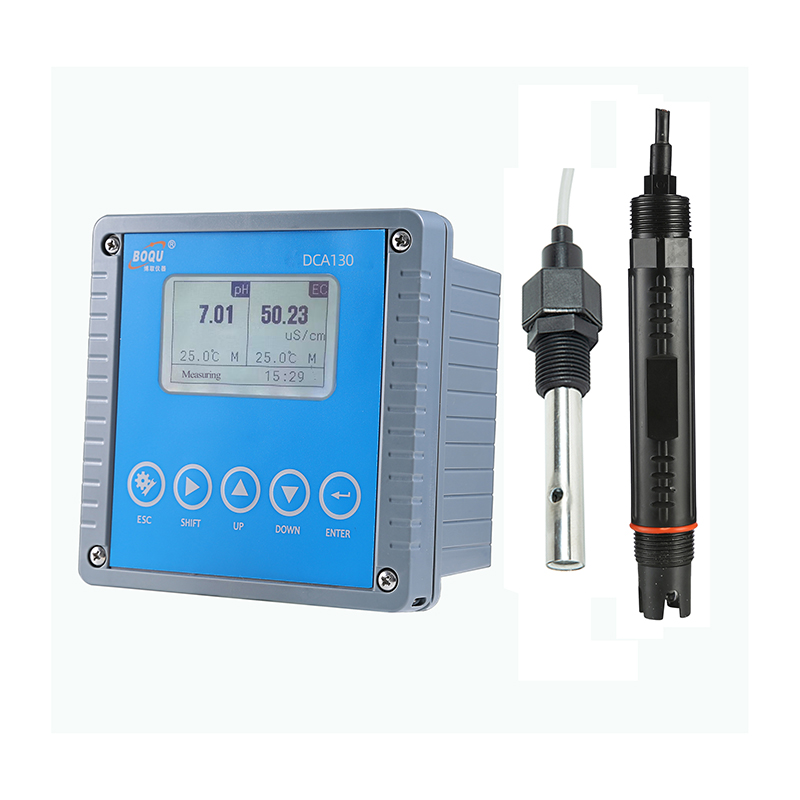
DCA130 Online Dual Channel pH & EC Controller
Compact dual-input analyzer with independent relays and 4-20mA telemetry, ideal for space-constrained panels.
Product Details & Inquiry →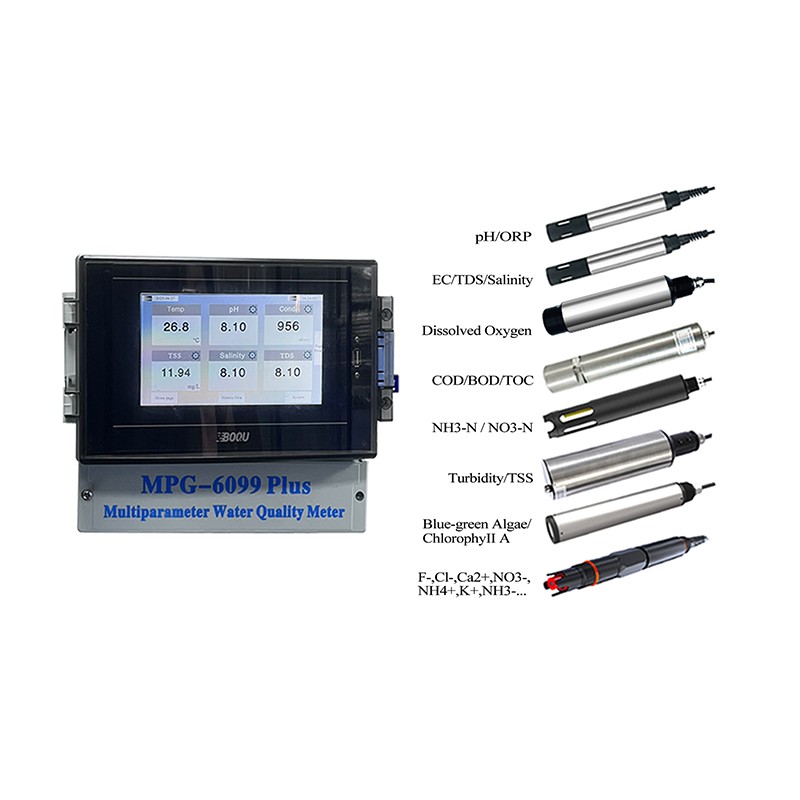
MPG-6099Plus Multi-Parameter Wall-Mount Panel
Integrated multi-transducer monitoring station unifying pH, turbidity, chlorine, and conductivity for water plants.
Product Details & Inquiry →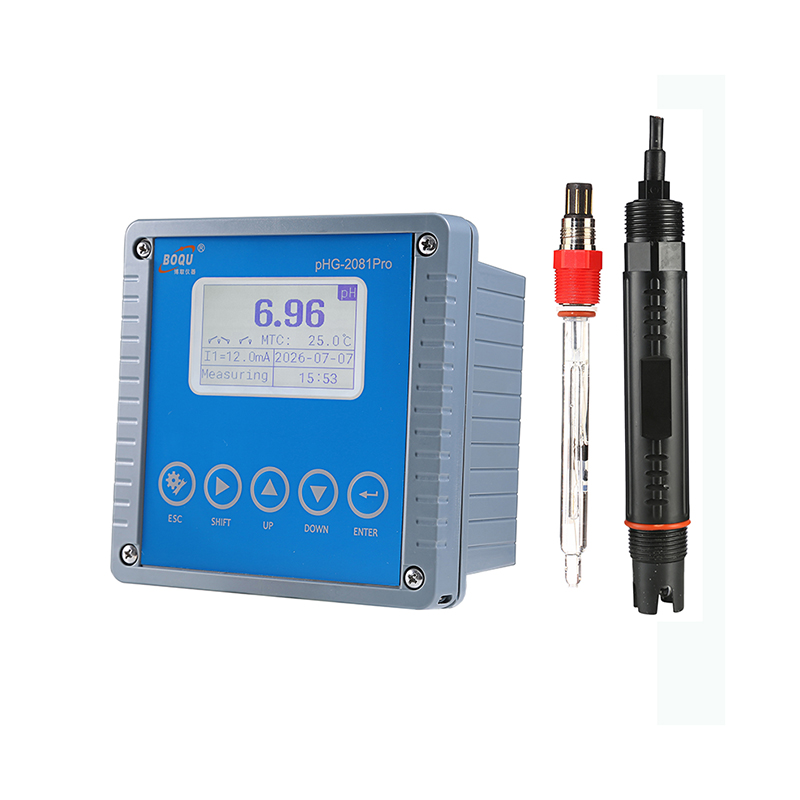
pHG-2081Pro Industrial Online Analytical Transmitter
Rugged IP65 field-mount transmitter providing galvanically isolated RS485 and analog feedback loops for automation.
Product Details & Inquiry →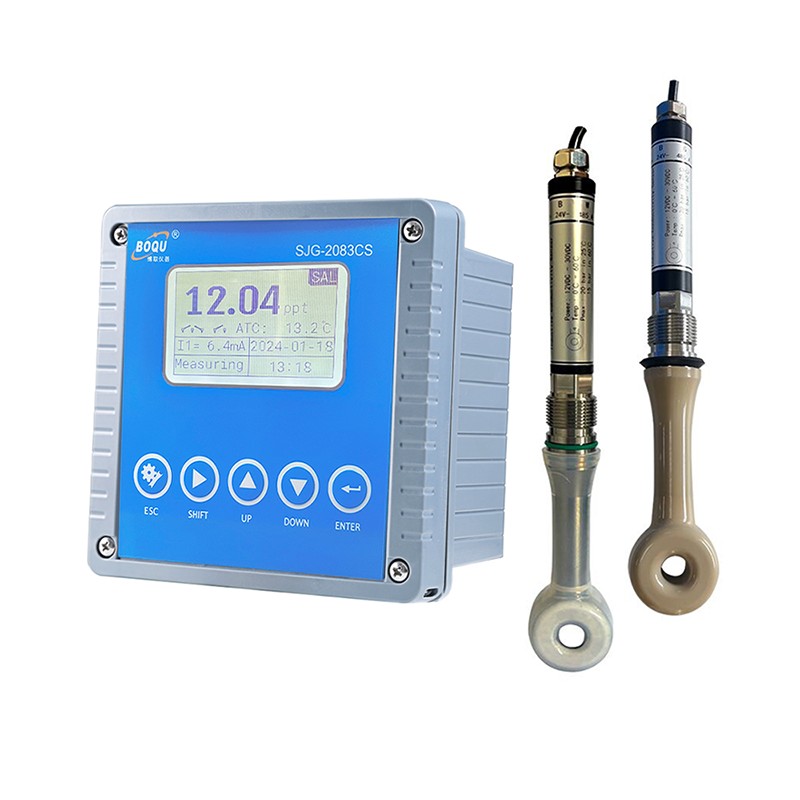
SJG-2083CS Toroidal Acid & Alkali Concentration Meter
Electrodeless inductive conductivity analyzer engineered for aggressive chemical lines and CIP wash cycles.
Product Details & Inquiry →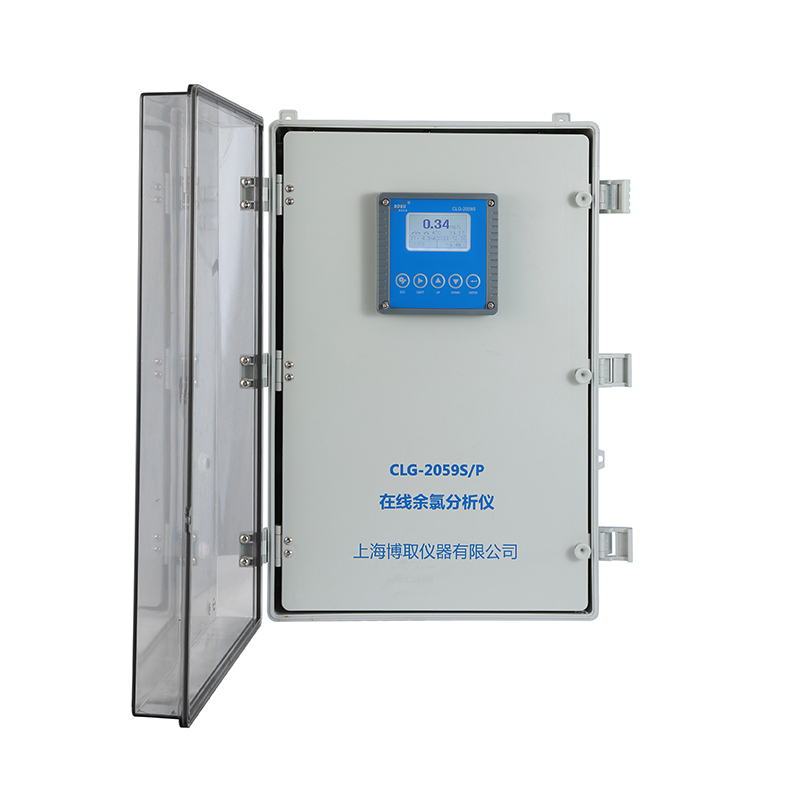
Online Free Residual Chlorine Water Quality Analyzer
Constant-voltage amperometric system providing continuous ppm monitoring without expensive chemical reagents.
Product Details & Inquiry →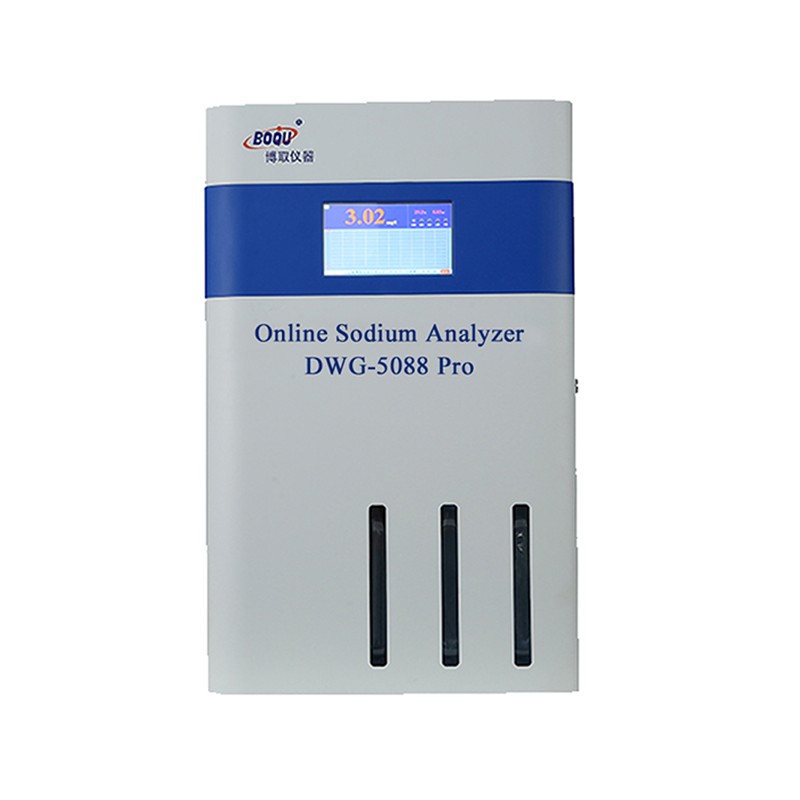
SWAS Trace Silicate, Phosphate & Sodium Analyzer
High-precision ppb-level colorimetric analyzer protecting high-pressure steam boilers and turbines from scaling.
Product Details & Inquiry →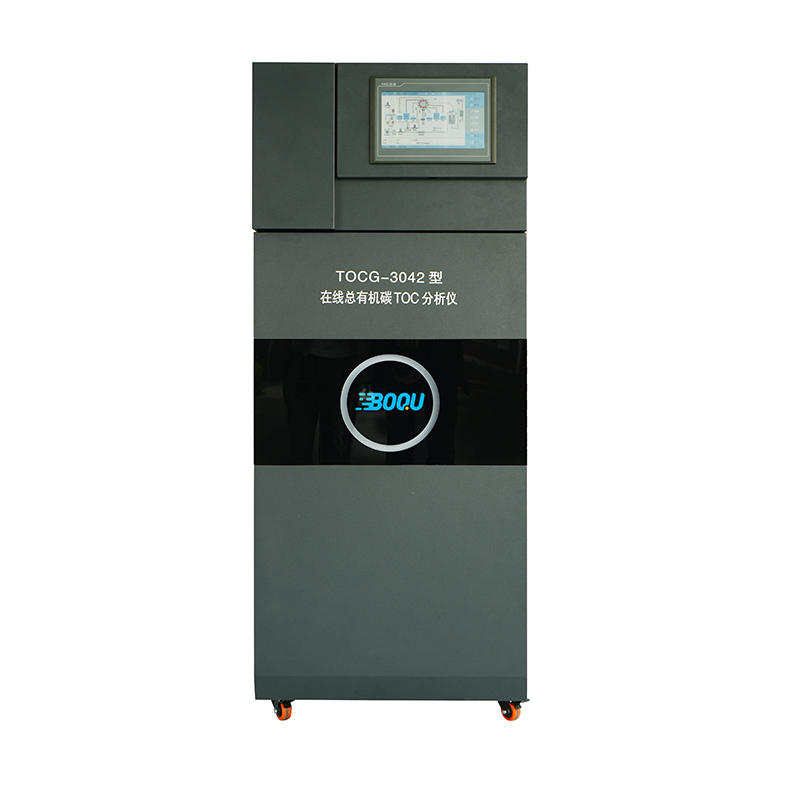
TOC-3042 Total Organic Carbon Online Analyzer
UV-persulfate oxidation analyzer engineered for pharmaceutical Purified Water (PW) and regulatory discharge loops.
Product Details & Inquiry →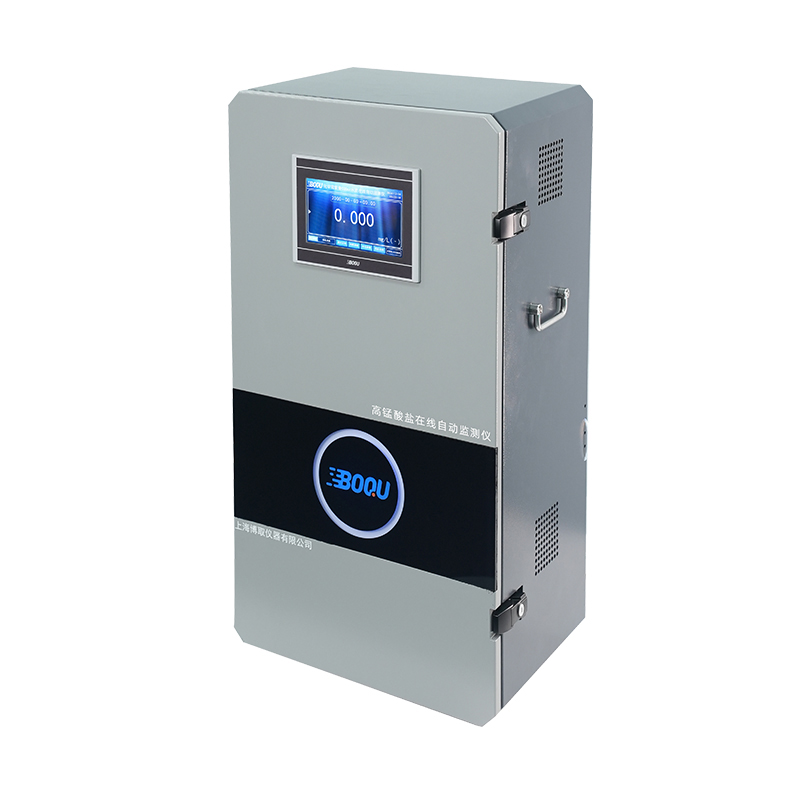
Online Wet Chemistry COD / Ammonia / Nutrient Analyzer
Automated multi-channel cabinet analyzer with automatic self-calibration for environmental compliance outfalls.
Product Details & Inquiry →