
Featured Industrial Water Quality Sensors & Monitoring Systems
Direct factory wholesale options engineered for continuous process analytical technology (PAT) and extreme industrial environments.
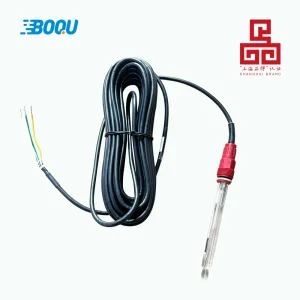
High Temp (0-130℃) pH Sensor with Temp
Precision process glass electrode with integrated Pt100/Pt1000 temp compensation for pressurized hot process lines.
View Specifications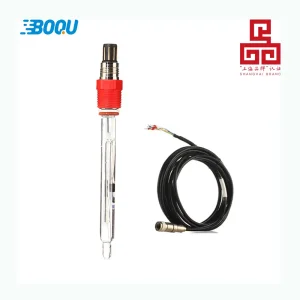
Wholesale High Temp (0-130℃) pH Probe
Heavy-duty factory probe designed for continuous CIP/SIP chemical sterilization cycles and aggressive media.
View Specifications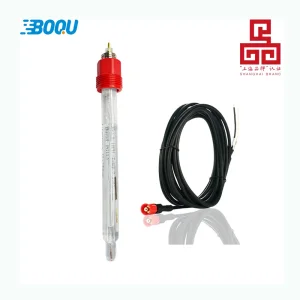
Pharma Fermentation pH Sensor
Certified sanitary glass electrode engineered for biopharma fermenters, bioreactors, and sterile biotechnology lines.
View Specifications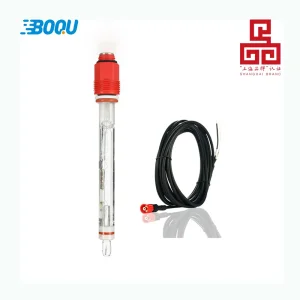
S8 Connector High-Temp pH Sensor
Industry-standard S8 PG13.5 threaded connector sensor ensuring leak-proof sealing and rapid field swapping.
View Specifications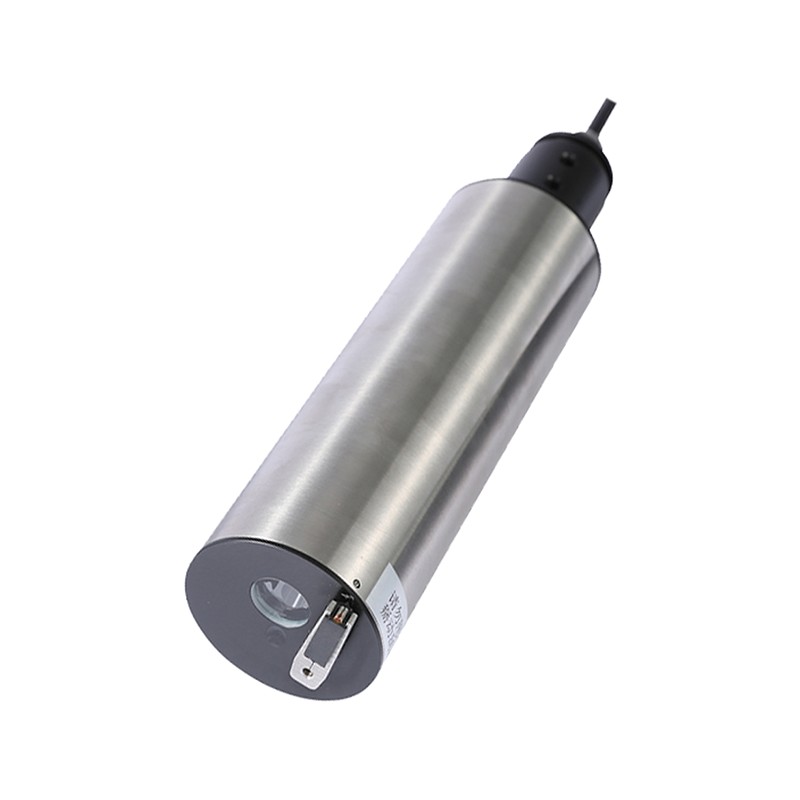
ZDYG-2088 Optical Turbidity & TSS Sensor
Infrared 860nm scattered light sensor with optional mechanical wiper system for low and high NTU slurry monitoring.
View Specifications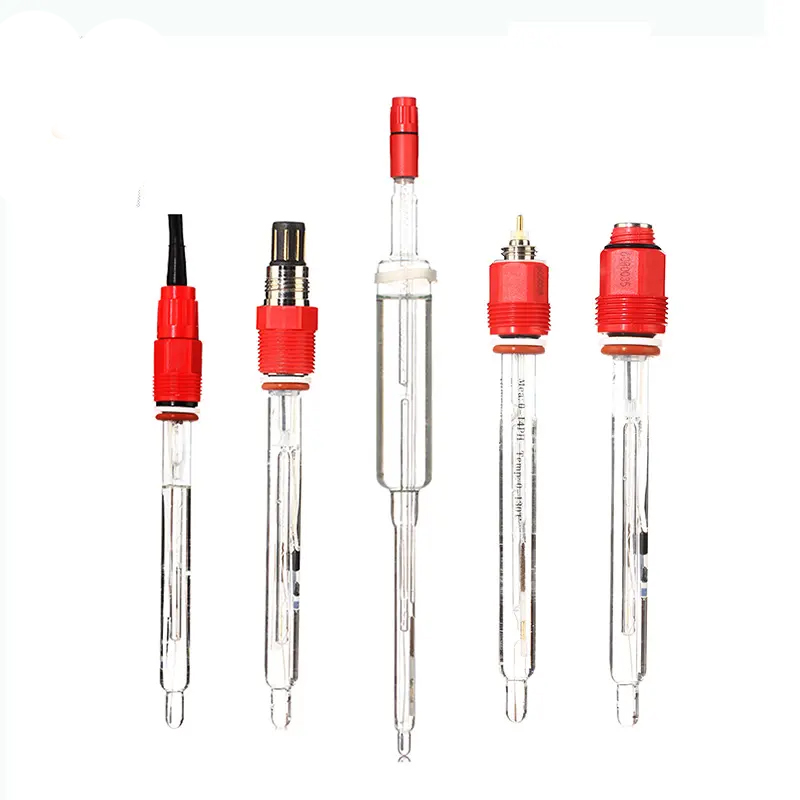
pH5806 Shanghai Brand High-Temp Sensor
Award-winning flagship sensor with pressurized gel reference, maintaining zero drift across repeated steam cycles.
View Specifications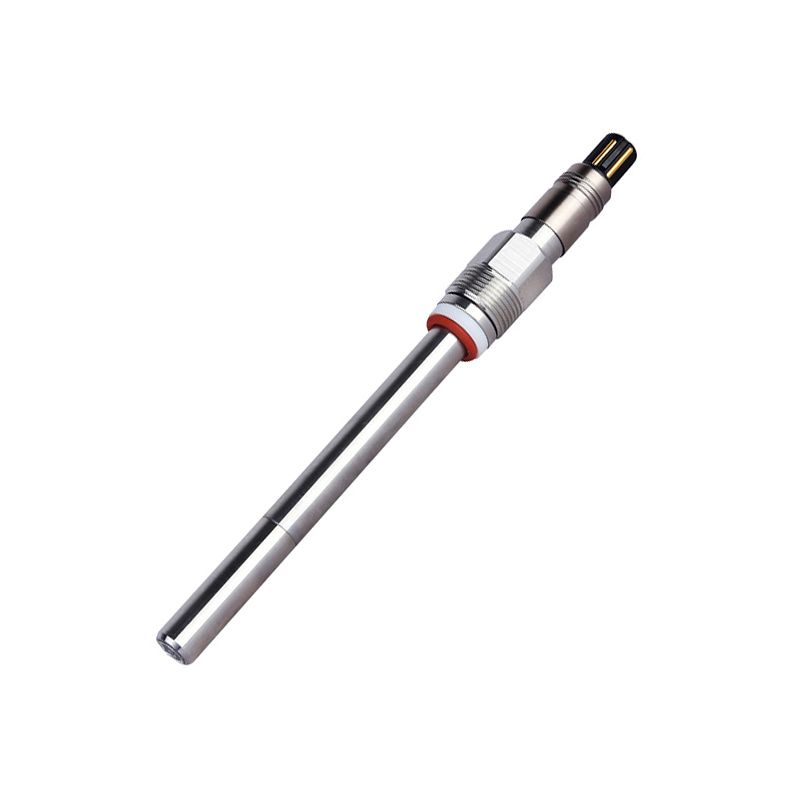
DOG-208FA High Temp Dissolved Oxygen
Polarographic DO probe optimized for bioprocess aeration control and steam sterilization resistance up to 130℃.
View Specifications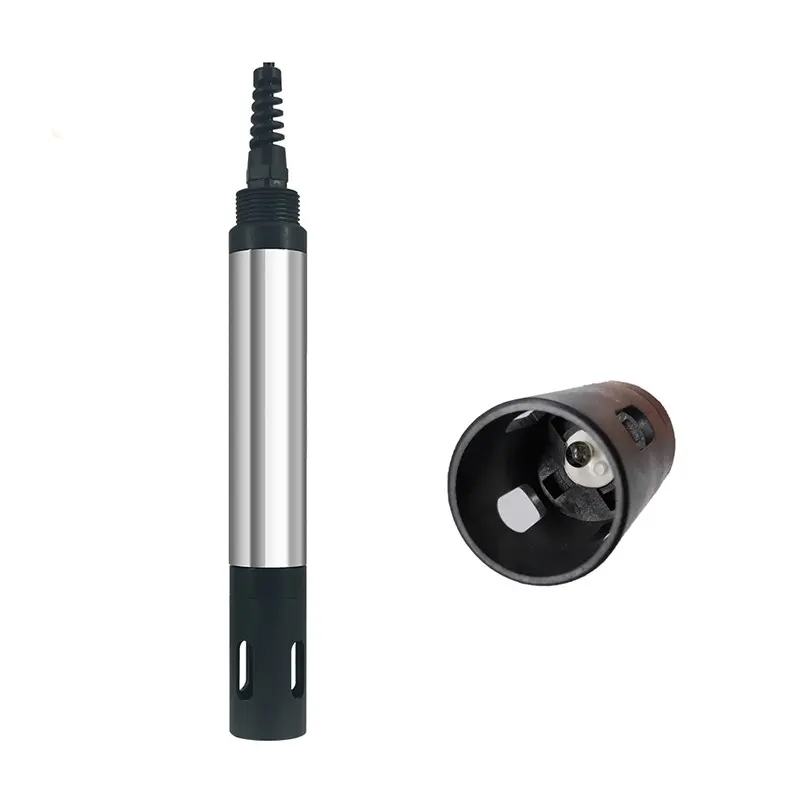
IOT-485 Smart Digital Water Quality Sensor
Direct RS485 Modbus RTU output smart sensor, eliminating the need for an external transmitter in SCADA architectures.
View Specifications1. Optical Physics of Turbidity & Analytical Metrology Standards
Turbidity is a fundamental optical parameter representing the cloudiness or haziness of a fluid caused by individual suspended solids, micro-particulates, colloids, and biological matter that are unresolvable by the naked eye. In industrial process control, municipal potable water management, and environmental monitoring, turbidity measurement serves as an essential surrogate metric for Total Suspended Solids (TSS), silt loading, and filtration integrity.
From an optical physics perspective, turbidity monitoring relies on measuring light scattering behavior when an incident beam interacts with particulate matter within a liquid medium. According to Mie Scattering Theory—which governs particle sizes roughly equal to or larger than the wavelength of incident light—and Rayleigh Scattering Theory (for particles significantly smaller than light wavelengths), light is deflected at various angles relative to the optical path:
90° Nephelometric Scattering
The global standard for low-to-medium turbidity (<400 NTU). Incident light encounters suspended particles, and scattered light is captured at a 90-degree angle relative to the primary transmitter beam. Minimizes sensitivity to particle size variations.
180° Attenuation / Light Absorption
Applied predominantly in high-concentration media, wastewater sludge, and MLSS (>1,000 NTU / mg/L). Measures the loss of light intensity through direct path transmission as suspended solids block optical throughput.
Multi-Beam / Ratio Optical Systems
Advanced industrial turbidity sensors utilize multiple detectors (e.g., 90° scattered and 180° transmitted) combined with dual light source switching to dynamically compensate for sample color absorption, ambient stray light, and optical window aging.
Metrology Compliance Note: ISO 7027 (EN 27027) specifies near-infrared light emitting diodes (860 nm ± 30 nm) to eliminate sample color interference, widely mandated across Europe and Asia (units expressed in FNU/FAU). Conversely, USEPA Method 180.1 mandates a tungsten-filament lamp operating at 400-600 nm color temperature, prevalent across North American drinking water infrastructure (units expressed in NTU).
Units of Measurement & Calibration Standards Protocol
To establish enterprise compliance, B2B procurement managers and plant engineers must select sensors calibrated according to traceable primary chemical standards:
- NTU (Nephelometric Turbidity Units): Measured via 90° scattering using a white light source (USEPA 180.1 standard).
- FNU (Formazin Nephelometric Units): Measured via 90° scattering using near-infrared light (860 nm) under ISO 7027.
- FTU (Formazin Turbidity Units): General unit equal to NTU based on Formazin polymer suspension references.
- mg/L or g/L (Total Suspended Solids - TSS / MLSS): Derived via empirical calibration curves converting optical backscatter signals to actual particle dry weight concentration.
2. Wholesale Turbidity Sensor Sourcing & OEM/ODM Engineering Specifications
Selecting an industrial wholesale partner or OEM factory for turbidity equipment requires evaluating physical sensor durability, electrical signal stability, anti-fouling capability, and Total Cost of Ownership (TCO). High-volume instrument buyers (EPC contractors, system integrators, municipal tenders, and regional distributors) must analyze key mechanical and electronic parameters during procurement vetting:
| Specification Vector | Standard Commercial Grade | Industrial OEM / Heavy-Duty Grade | Engineering Significance |
|---|---|---|---|
| Optics & Lens Material | Polycarbonate / Standard Glass | Optical Sapphire Glass / Quartz Lens | Prevents physical scratching in abrasive slurries, high-pressure washing, and mineral crystallization environments. |
| Housing Body Construction | ABS / PVC Plastics | 316L Stainless Steel / Titanium / POM / PTFE | Resists chemical corrosion in wastewater, high salinity sea water (SWRO), acid/alkali dosing, and high temperature CIP lines. |
| Ingress Protection (IP Rating) | IP65 / IP67 NEMA 4X | IP68 Submersible (10 bar / 100m water depth) | Guarantees continuous immersion protection in open aeration tanks, rivers, reservoirs, and deep sump wells. |
| Anti-Fouling Mechanism | None / Manual Cleaning | Integrated Motorized Rubber Wiper System | Removes biological bio-films, algae, oil sheen, and sediment scale, extending maintenance cycles from weekly to multi-month intervals. |
| Signal Processing & Outputs | Analog 4-20mA only | Isolated RS485 Modbus RTU + Dual 4-20mA + Relays | Direct integration into PLCs, DCS, Edge IoT Gateways, and cloud SCADA architectures with zero signal attenuation over long cable runs. |
Our Shanghai manufacturing facilities provide scalable OEM and ODM solutions, including custom cable lengths, tailored optical paths, private labeling, custom firmware protocols, and pre-calibrated factory ranges. Every batch undergoes rigorous quality control standards, including 48-hour environmental burn-in testing, high-pressure hydrostatic chamber immersion, and 5-point Formazin primary standard calibration before export.
3. Macro Industry Solutions & Sector-Specific Deployments
Turbidity monitoring demands specialized analytical configurations across different industrial sectors. Below are real-world application architectures specified by BOQU instrument engineers:
1. Municipal Potable Water Infrastructure
Continuous monitoring at raw water intakes, coagulation/flocculation dosing basins, sand filter effluent beds, and distribution networks. Fast detection of filter breakthrough (<0.1 NTU limits) protects public health against pathogens like Cryptosporidium and Giardia.
2. Municipal & Industrial Wastewater (MLSS)
Deploying high-range optical backscatter probes in aeration tanks and secondary clarifiers. Real-time Mixed Liquor Suspended Solids (MLSS) and return activated sludge (RAS) tracking optimizes aeration blower power consumption and polymer dosing efficiency.
3. Biopharmaceutical & Fermentation PAT
Monitoring biomass growth, optical cell density (OD), and harvest turbidity in aseptic bioreactors. Requires steam-sterilizable (SIP) 12mm / 120mm sensor geometry capable of enduring 130°C thermal shocks without optical calibration shift.
4. Power Plant SWAS & Condensate Polishers
In thermal and nuclear steam generation systems, low-level turbidity monitoring in condensate return lines provides immediate alerts for boiler tube corrosion products ("crud") and ion-exchange resin bead leakage.
5. Seawater Reverse Osmosis (SWRO) Desalination
Continuous intake turbidity monitoring protects ultrafiltration (UF) and reverse osmosis (RO) membranes against organic silt loading, red tide algae blooms, and colloidal fouling, safeguarding multi-million dollar plant assets.
4. Next-Generation Sensor Architecture & Technology Roadmap
Integrating artificial intelligence diagnostics, multi-wavelength optics, and IoT telemetry into industrial water analytical hardware.
Key Technological Innovations Built Into BOQU Turbidity Systems:
- Digital Edge Microprocessors: Signal digitization occurs inside the sensor head itself, eliminating analog signal loss, electro-magnetic interference (EMI), and distance limitations inherent in traditional high-impedance analog cables.
- Smart Bubble Rejection Algorithms: Entrained air micro-bubbles generate false positive optical spikes in turbulent process lines. Our embedded DSP firmware analyzes raw optical pulses, filtering out high-frequency bubble signatures to report pure liquid turbidity values.
- Self-Diagnostic Window Cleanliness Tracking: The sensor continuously measures baseline transmittance loss across its optical path. When bio-film accumulation reaches a predefined threshold, the system triggers a warning or automatically activates the mechanical wiper.
- Plug-and-Play Cloud IoT Connectivity: Direct RS485 Modbus RTU integration allows seamless connection to cellular gateways, MQTT brokers, and cloud dashboards for remote multi-site asset management.
5. Global Commercial Market Landscape & Regional Standards
Turbidity monitoring hardware is subject to localized environmental protection standards and regional water quality directives. Industrial B2B suppliers must comply with regional technical benchmarks:
North America (US & Canada)
Regulated under the EPA Safe Drinking Water Act (SDWA) and NPDES effluent permits. Compliance mandates USEPA 180.1 standard white light optical systems, strict 40 CFR reporting, and UL/CSA safety certifications.
European Union & UK
Governed by the EU Water Framework Directive (WFD) and EN ISO 7027 standards. Mandates 860nm NIR optical transmitters, CE conformity, RoHS hazardous substance restrictions, and WEEE recycling compliance.
Asia-Pacific & Middle East
Rapid industrialization and large-scale SWRO desalination drives demand for heavy-duty 316L/Titanium optical probes. Adheres to ISO 7027 standards alongside local regulations like China's GB 5749-2022.
6. Manufacturing Quality Assurance & Localized Global Support
Shanghai BOQU Instrument Co., Ltd. operates two state-of-the-art manufacturing facilities spanning 4,632 m² in Kangqiao and Lingang, Shanghai. Utilizing rigid ISO 9001 and ISO 14001 certified production workflows, every turbidity sensor and analyzer undergoes strict factory quality protocols:
- Hydrostatic Pressure Testing: Pressure chamber testing up to 10 bar (1.0 MPa) ensures IP68 submersible housing seals prevent liquid ingress under deep-water installation conditions.
- 48-Hour Electronic Aging: Complete circuit assemblies, digital optical transmitters, and power modules undergo thermal burn-in aging prior to final assembly to eliminate early component failures.
- Traceable Formazin Primary Calibration: Instruments are zero-calibrated using ultra-pure deionized water and standardized against NIST-traceable Formazin primary standards across multi-point turbidity curves.
- Global Logistics & Engineering Support: Serving customers across 100+ countries with technical documentation, OEM branding support, complete CAD mounting drawings, and 24/7 direct factory engineering assistance.
Frequently Asked Questions (FAQ)
Technical guidance for B2B procurement managers, process engineers, and system integrators.
What is the fundamental difference between ISO 7027 and USEPA 180.1 turbidity standards?
The main difference lies in the optical light source wavelength. ISO 7027 utilizes a Near-Infrared (NIR) LED emitting at 860 nm, which effectively eliminates sample color absorption (such as yellow humic acids in natural surface water). USEPA Method 180.1 uses a tungsten-filament lamp operating between 400-600 nm, which offers high sensitivity for very low turbidity (<1 NTU) in drinking water, but can be affected by sample color interference.
How does an optical turbidity wiper system work, and when is it required?
An automated wiper system consists of a motor-driven rubber or silicone blade that physically sweeps across the optical sapphire window at user-programmable time intervals (e.g., every 30 minutes). It is essential in dirty water environments such as wastewater aeration tanks, biological effluent lines, raw surface water intakes, and aquaculture ponds to prevent bio-film accumulation, algae growth, and sediment build-up from distorting optical measurements.
Can BOQU turbidity sensors output direct digital signals to PLCs without an external transmitter?
Yes. BOQU's IOT and ZDYG series digital smart sensors feature built-in microprocessors supporting direct RS485 Modbus RTU digital communication. They can be wired directly into industrial PLCs, DCS systems, remote terminal units (RTUs), or cloud IoT edge gateways without purchasing a standalone transmitter display controller, significantly reducing hardware costs for system integrators.
How are turbidity sensors calibrated, and how often is calibration required?
Calibration involves a two-point or multi-point procedure: a zero-point calibration using ultra-pure zero-turbidity water, followed by primary standard calibration using known Formazin polymer or StablCal standards (e.g., 20 NTU, 100 NTU, 400 NTU). Calibration frequency depends on the process media. For clean drinking water, verification every 3 to 6 months is standard; for heavy industrial wastewater, monthly cleaning and calibration verification is recommended.
What custom OEM/ODM wholesale options are available for bulk buyers?
BOQU provides comprehensive factory OEM/ODM services including laser-etched private branding, custom stainless steel or titanium housing materials, specialized optical cable lengths (up to 100 meters), customized measuring ranges (0-10 NTU up to 0-100 g/L MLSS), custom communication registers, and white-label software interface tailoring.
How do entrained air bubbles affect optical turbidity measurement?
Micro-bubbles act as small reflective spheres that scatter incident light, causing false high turbidity readings. BOQU sensors mitigate bubble interference through a combination of optical design (orientation angled to bypass rising bubbles), specialized flow cell debubblers for bypass installations, and intelligent digital signal filtering algorithms that smooth out high-frequency pulse spikes.
Complete Industrial Analytical Instrumentation Portfolio
Explore our full line of ISO 9001 and CE certified liquid analytical sensors, transmitters, and multi-parameter controllers.
High Temp (0-130℃) pH Sensor with Temp
Heavy-duty high temperature process probe with integrated thermal compensation for aggressive fluids.
View Product Details
Wholesale High Temp (0-130℃) pH Sensor
Pressurized electrolyte gel system designed to withstand repeated CIP cleaning and steam sterilization.
View Product Details
Pharma Fermentation pH Sensor
Sterile biotech pH electrode designed for precise metabolic process control in fermenters and bioreactors.
View Product Details
S8 Connector High-Temp pH Sensor
Standard S8 PG13.5 process connection for secure chemical sealing and simplified replacement.
View Product Details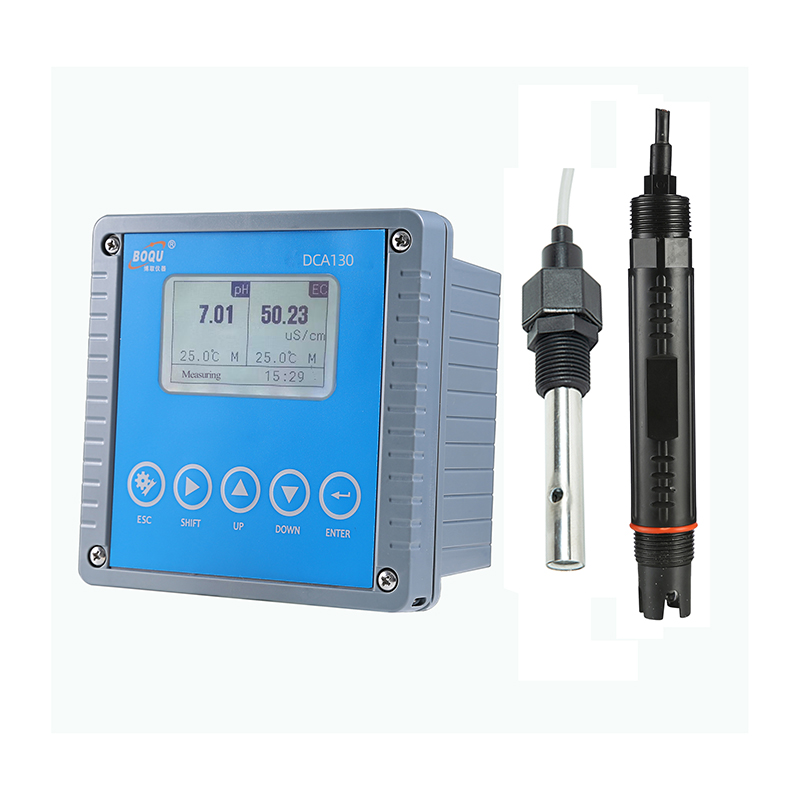
DCA130 pH & EC Dual Channel Controller
Dual parameter analyzer for simultaneous monitoring and relay control of pH and electrical conductivity.
View Product Details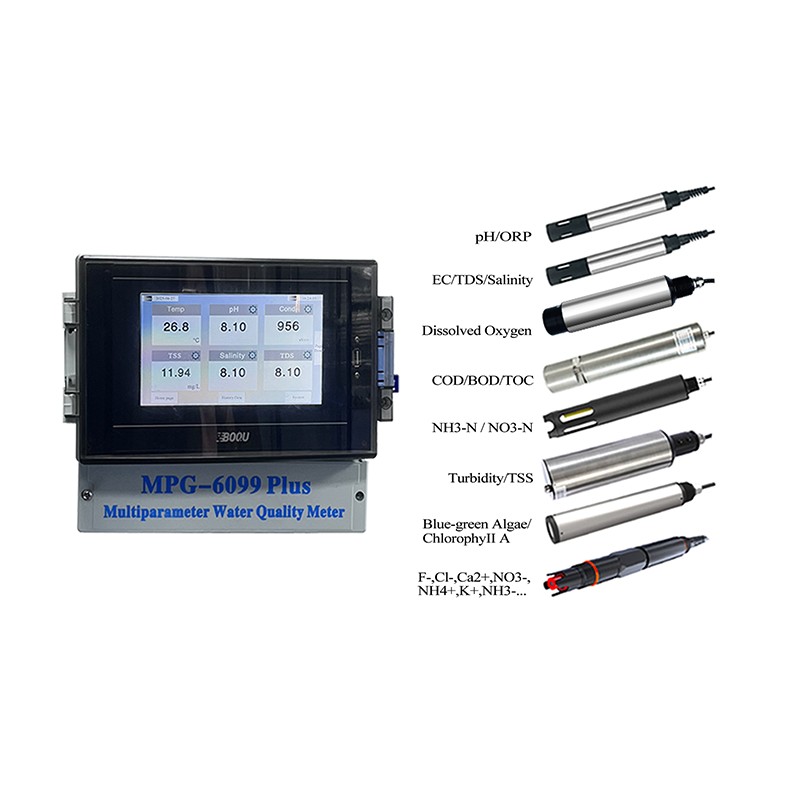
MPG-6099Plus Multi-Parameter Panel
All-in-one wall-mounted system combining pH, residual chlorine, turbidity, and conductivity for water networks.
View Product Details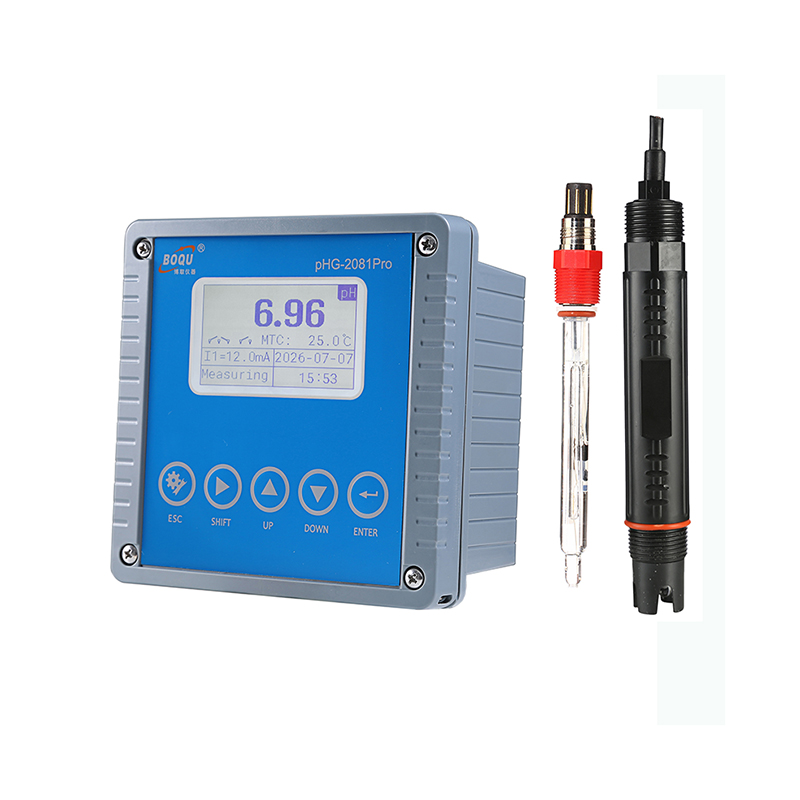
pHG-2081Pro Industrial Online pH Transmitter
Rugged industrial transmitter with 4-20mA, RS485 Modbus, and programmable relay alarm outputs.
View Product Details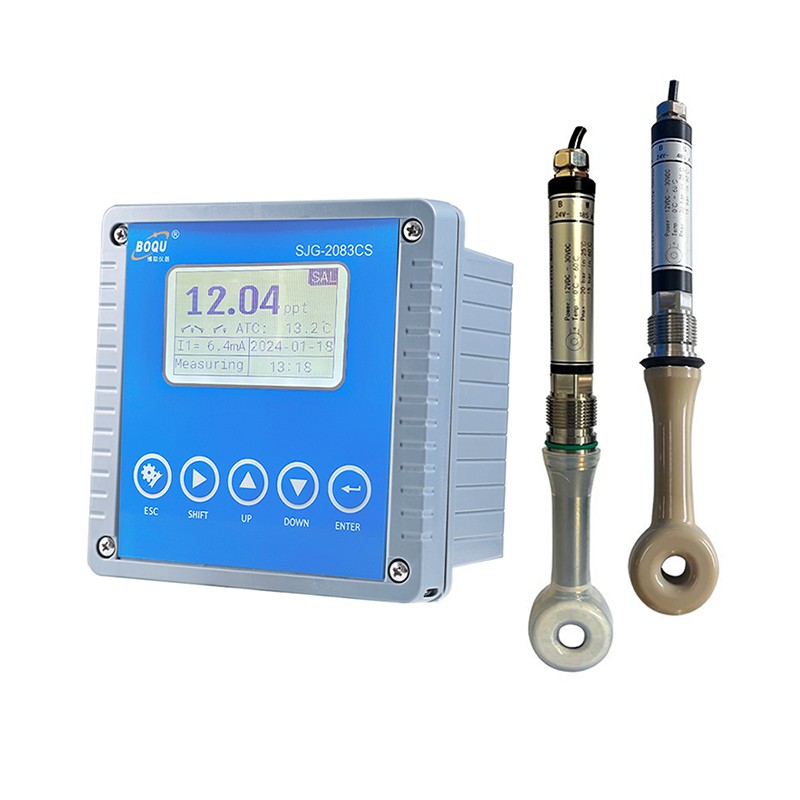
SJG-2083CS Acid & Alkali Concentration Meter
Inductive conductivity analyzer designed for real-time concentration tracking in CIP chemical dosing lines.
View Product DetailsRequest a Factory Wholesale Quotation
Speak directly with BOQU application engineers to configure custom optical turbidity sensors, request technical white papers, or obtain wholesale pricing for your project requirements.