
Factory-Direct High Temperature & Ion Sensing Portfolio
Continuous process-grade electrochemistry sensors and trace analyzers ready for wholesale volume distribution and turnkey EPC deployment.

Ruggedized glass formulation designed for harsh industrial chemical baths and pressurized thermal systems with minimal drift.
View Details
Validated steam-in-place (SIP) and clean-in-place (CIP) tolerance for pure bioreactor cultures and cell broth monitoring.
View Details
Integrated PT1000/PT100 platinum resistor network delivering real-time automatic temperature compensation.
View Details
Standard S8 threaded connector interface for universal interchangeability with European and American analyzer bodies.
View Details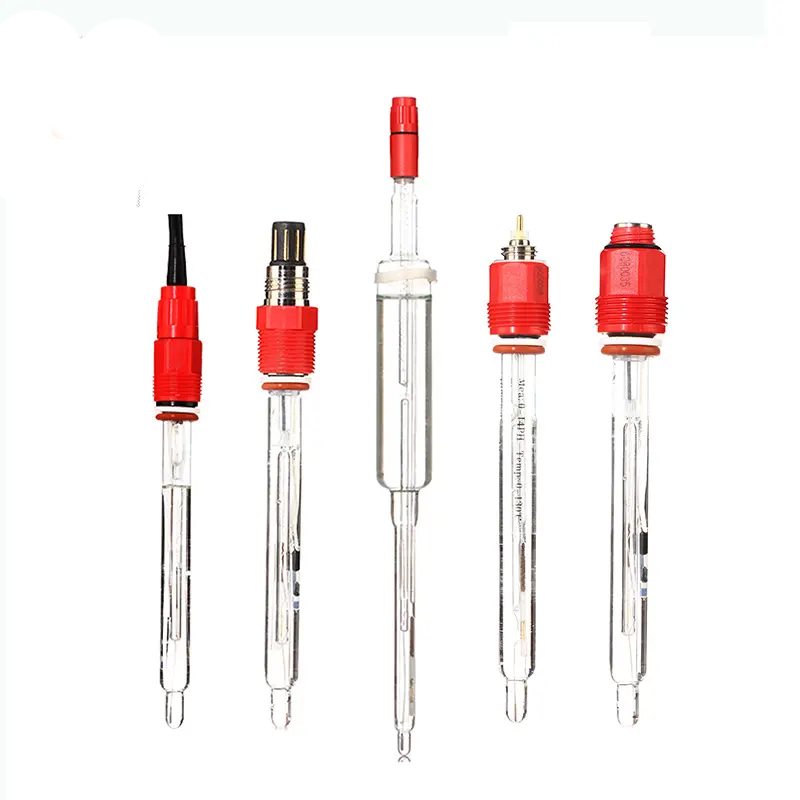
Pre-pressurized polymer gel reference system preventing electrolyte contamination across 130°C thermal cycles.
View Details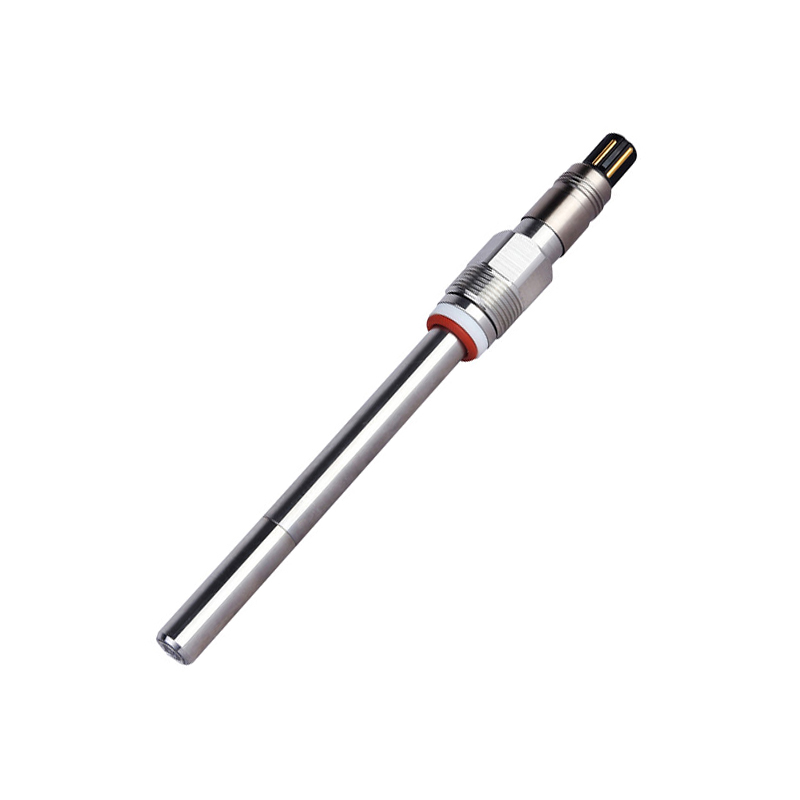
High-temperature dissolved oxygen probe built for continuous fermentation monitoring and autoclave tolerance.
View Details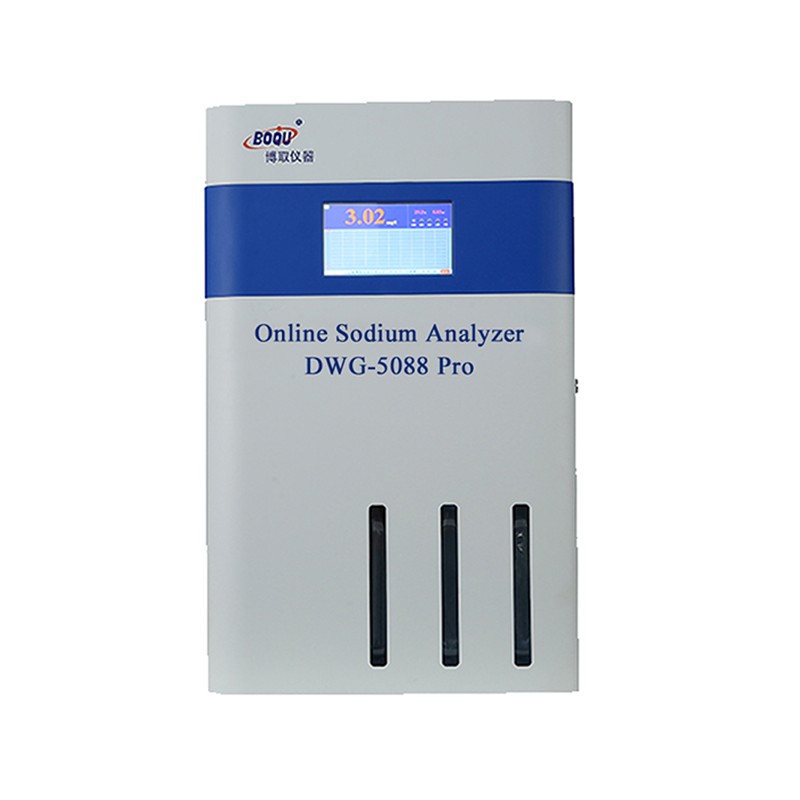
Trace-level automated pNa and chemical monitor engineered specifically for supercritical boiler and turbine steam loops.
View Details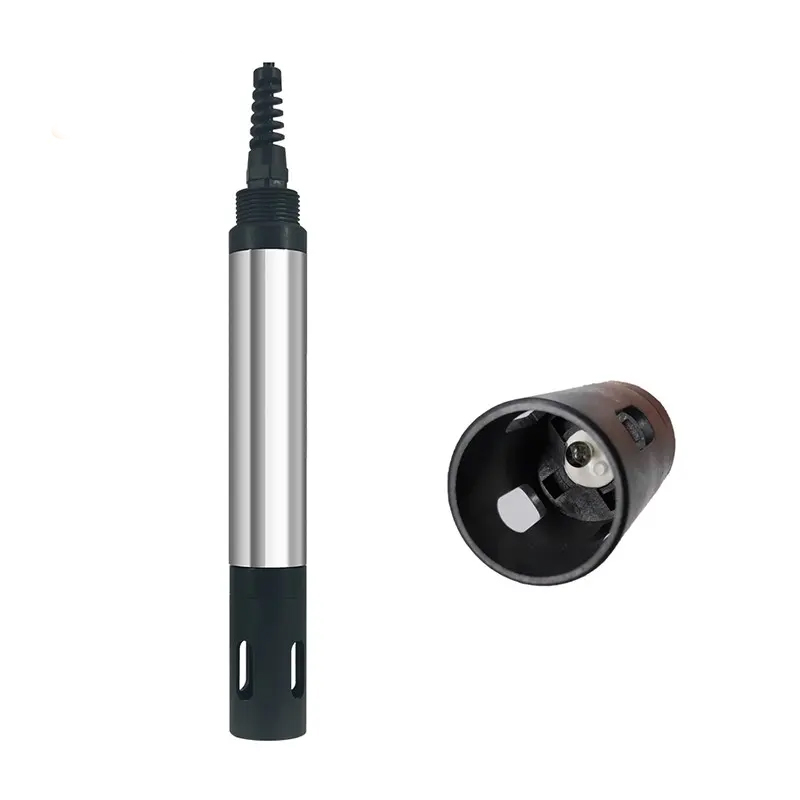
Smart microprocessor-embedded sensor transmitting calibrated digital values directly into PLC/SCADA systems.
View DetailsIndustrial Scale Verified by Global Inspection Standards
Established manufacturing capacity across Shanghai Kangqiao and Lingang high-tech production parks.
Year Established in Shanghai
Owned Production Floorspace
Technical Staff & Engineers
Annual Instrument Output
Global Export Destinations
Engineering Whitepaper: Sub-ppb Sodium Ion Metrology & Industrial Electrochemistry
In high-pressure power generation, microelectronics fabrication, and ultra-pure water distribution, Sodium Ion ($Na^+$) measurement is the paramount indicator of ionic contamination. Operating under the logarithmic Nernst equation, an industrial Sodium Ion Meter (pNa meter) evaluates activity potentials across specialized sodium-sensitive glass membranes against high-stability reference electrodes.
1. The Chemistry of Glass-Membrane Ion Selectivity
Unlike standard broad-spectrum conductivity meters—which report non-specific aggregate ionic conductances—an online Sodium Ion Meter utilizes an amorphous hydrated silicate or aluminosilicate glass membrane optimized for monovalent alkali metal cations. As sodium ions diffuse into the gel layer of the hydrated glass, a boundary potential develops:
E = E₀ + (2.303 RT / F) × log(a_Na⁺)
Where $E₀$ represents the standard potential of the cell, $R$ is the universal gas constant, $T$ is absolute temperature in Kelvin, and $F$ is Faraday's constant. At $25^\circ\text{C}$, the theoretical slope corresponds to $59.16\text{ mV}$ per decade change in sodium concentration. In pure water systems, achieving sub-ppb sensitivity ($<0.1\ \mu\text{g/L}$) demands eliminating competitive interference caused by hydronium ($H^+$) ions, whose mobility and ionic affinity can dominate the electrode response at neutral pH levels.
2. Continuous Reagent Alkalinization Systems
To overcome hydrogen ion competition, Shanghai BOQU Instrument integrates a low-maintenance, closed-loop alkalinization delivery architecture. Utilizing volatile amines such as diisopropylamine (DIPA) or concentrated ammonia vapor reagents, sample pH is continuously shifted to an optimal alkaline window ($\text{pH } 10.5 - 11.5$). At this elevated pH, the ambient $H^+$ concentration drops below $10^{-11}\text{ mol/L}$, effectively suppressing hydrogen ion cross-interference and liberating the ion-selective electrode to report absolute trace $Na^+$ concentrations down to $0.01\ \text{ppb}$.
Why Modern Steam & Water Analysis Systems (SWAS) Depend on Continuous pNa Monitoring
Thermal power utility engineers and steam turbine operators recognize sodium as the definitive early-warning marker for water chemistry breakdown. Routine applications require distinct physical monitoring points:
- Condensate Polishing Demineralizers: Detecting cation resin exhaustion immediately. Breakthrough of sodium occurs days before specific conductivity signals an excursion, preventing massive chemical fouling of downstream boiler tubes.
- Supercritical Boiler Drum & Feedwater: Monitoring stress corrosion cracking (SCC) precursors. Dissolved sodium hydroxide and sodium chloride deposits inside superheaters and on turbine blades induce micro-cracks under intense thermal stress.
- Steam Purity Verification: Guaranteeing compliance with EPRI (Electric Power Research Institute) and IAPWS (International Association for the Properties of Water and Steam) standards, mandating steam sodium levels maintained below $2\ \text{ppb}$.
Chinese Factory Supply Chain Advantages in Precision Instrumentation
How Shanghai BOQU Instrument delivers Tier-1 metrological precision with predictable factory-direct lead times and global commercial scalability.
Proprietary Glass Blowing & Formulation
Unlike assembly plants that outsource core sensing elements, BOQU manufactures ion-selective electrode (ISE) glass in-house. Our precision annealing furnaces control thermal stress to eliminate micro-fracturing under pressurized line conditions.
Automated SMT Electronics Manufacturing
High-impedance electrometer boards are processed on surface-mount assembly lines inside cleanroom conditions. Shielded analog front-ends reject electromagnetic interference from high-voltage turbine surroundings.
Dual Shanghai Facilities (4,632 m²)
Operating across Kangqiao Town and Lingang Industrial Area, BOQU maintains independent workshops for sensor synthesis, CNC sample block milling, automated system wet-testing, and export QA conditioning.
48-Hour Continuous Stress Aging
Every single analyzer transmitter and composite sensor undergoes 48 hours of uninterrupted thermal cycle burn-in and multi-point NIST-traceable standard calibration before international crate packaging.
Turnkey OEM/ODM Engineering Flexibility
We supply international instrument brands and EPC integrators with bespoke firmware protocols, localized menu languages, specialized rack/wall mounts, private labeling, and custom electrical connectors.
Global Enterprise Procurement: Comparative Water Quality Technologies
Engineering matrix comparing Sodium Ion monitoring against traditional electrochemical and photometric techniques.
| Analytical Parameter | Core Measurement Principle | Typical Detection Threshold | Primary Industrial Application | Engineering Maintenance Cycle |
|---|---|---|---|---|
| Trace Sodium Ion ($Na^+$) | Ion-Selective Glass Electrode (pNa) with dynamic pH alkalinization | 0.01 ppb (0.01 μg/L) to 100 ppm | SWAS boiler feedwater, condensate polisher outlet, microelectronics UPW | Monthly reagent replenishment; quarterly single-point slope recalibration |
| Specific / Cation Conductivity | 2-Electrode or Inductive AC resistance cell ($0.01\text{ cm}^{-1}$ constant) | $0.055\ \mu\text{S/cm}$ (Absolute pure water limit) | Bulk demineralized water purity, RO stage monitoring, cooling loops | Quarterly sensor cell inspection; zero reagent required |
| Trace Reactive Silica ($SiO_2$) | Heteropoly Molybdenum Blue photometric colorimetry | $0.5\ \text{ppb}$ to $5,000\ \text{ppb}$ | Turbine blade deposition prevention, demineralizer anion breakthrough | Bi-weekly reagent replacement, photometer cell auto-flushing |
| Dissolved Oxygen (DO) | Optical luminescent quenching / Polarographic Clark cell | $0.1\ \text{ppb}$ to $20\ \text{ppm}$ | Deaerator efficiency, boiler corrosion prevention, fermentation broth | Semi-annual luminescent cap replacement or electrolyte service |
| Industrial Process pH | Potentiometric glass half-cell with porous PTFE liquid junction | $0.01\ \text{pH}$ unit ($0 - 14\ \text{pH}$) | Wastewater neutralization, chemical synthesis, fermentation control | Monthly buffer calibration; high-temp designs rated up to $130^\circ\text{C}$ |
Enterprise Procurement Guidelines for EPCs and Plant Integrators
When engineering global water treatment tenders or SWAS analyzer packages, procurement teams must ensure systems meet strict field criteria:
- Sample Temperature & Pressure Conditioning: Sodium ion electrodes cannot tolerate raw superheated steam. Upstream sample coolers must reduce line conditions to $25 \pm 5^\circ\text{C}$ with constant flow rates of $50 - 100\ \text{mL/min}$ using backpressure regulators.
- Digital Industrial Communications: Direct integration with plant-wide DCS (Distributed Control Systems) via galvanically isolated RS485 Modbus RTU, 4-20mA HART, or Profibus protocols, avoiding costly third-party signal transducers.
- Total Cost of Ownership (TCO): Evaluation of passive reagent consumption versus active dosing pumps. Gravity-fed or capillary siphon reagent delivery designs significantly decrease electro-mechanical wear and downtime.
Localized Compliance, Quality Systems & Field Engineering
Audited standards ensuring operational longevity and international cross-border regulatory acceptance.
Continuous Low-Level Sodium Standard
European Electromagnetic & Safety Conformity
Audited Quality & Environmental Systems
Independent Factory Floor Verification
Localized Commissioning & Distribution Ecosystem
Shanghai BOQU Instrument maintains active export partnerships across Southeast Asia (Vietnam, Thailand, Indonesia), the Middle East (UAE, Saudi Arabia), Europe, and the Americas. By supporting regional distributors with standardized wear-part inventories—including replacement glass half-cells, reference junctions, calibration concentrates, and pre-cut tubing kits—overseas operations benefit from 48-hour part dispatches and remote engineering video diagnostics.
Future Technological Trends in Online Water Analysis
Next-generation developments revolutionizing trace ion sensing and industrial plant autonomy.
Edge Intelligence & Autonomous Diagnostics
Modern pNa analyzers now incorporate self-diagnostic firmware that evaluates electrode impedance continuously. Glass membrane fouling, reference junction depletion, and reagent starvation trigger predictive maintenance alerts before data integrity degrades.
Direct Cloud SCADA & IoT Transmission
Moving beyond analog 4-20mA loops, factory analyzers feature integrated 4G/NB-IoT and industrial Ethernet capabilities, allowing plant chemists to supervise remote sub-stations and multi-facility fleets via encrypted cloud dashboards.
Solid-State ISE Innovations
R&D efforts at BOQU focus on ion-selective field effect transistors (ISFETs) and solid-contact crystal matrices to minimize the physical footprint of trace analyzers and reduce buffer chemical consumption by up to 60%.
Frequently Asked Questions: Wholesale Sodium Ion Procurement
Direct technical and operational answers from our chief instrumentation engineers.
What is the minimum detection limit of a BOQU online Sodium Ion Meter?
Why is alkalinization reagent required for accurate trace sodium detection?
How does BOQU guarantee instrument reliability for international tenders?
Can your factory provide custom private labeling (OEM) and custom ranges?
What sample conditioning is required before feeding into the sodium flow cell?
What is the standard lead time for wholesale quantities (50+ units)?
Complementary Online Process Analyzers & Transmitters
Complete plant instrumentation lineups designed for seamless SCADA interoperability and zero-maintenance monitoring.
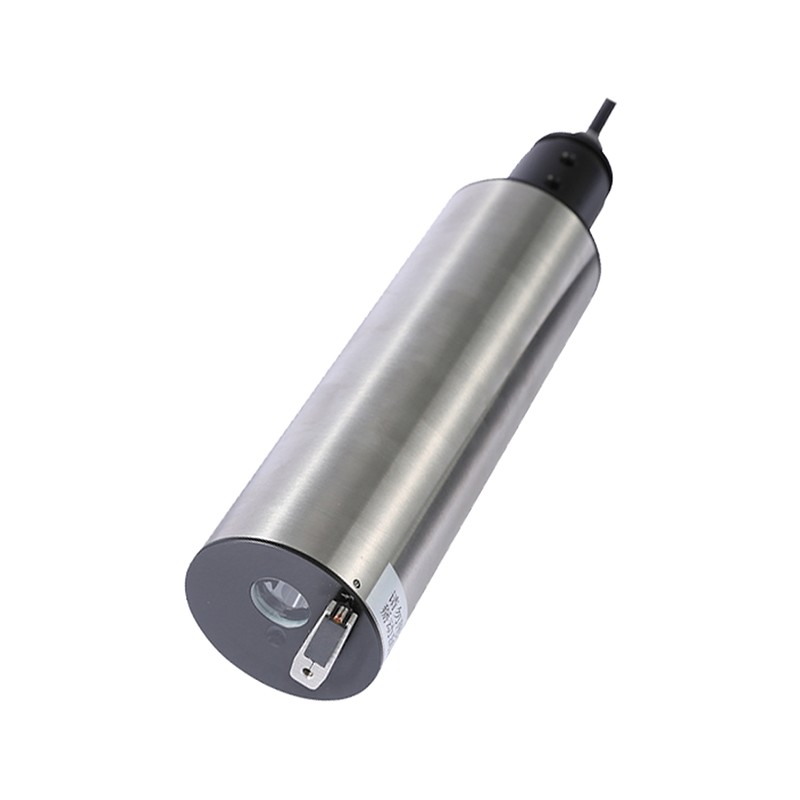
Scattered light optical technology with integrated mechanical wiper for self-cleaning in high-fouling waters.
View Details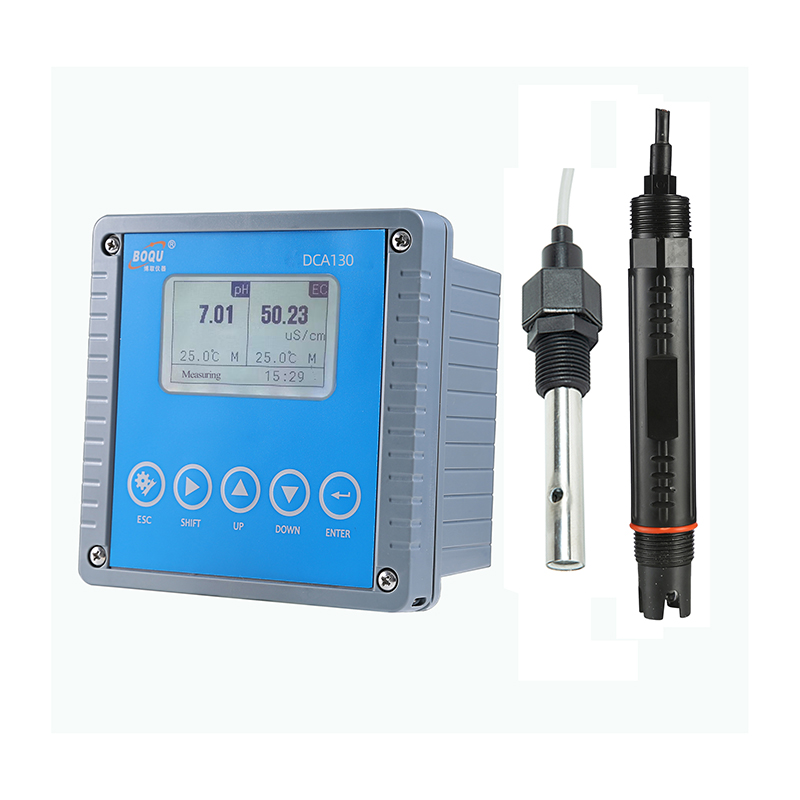
Simultaneous monitoring of pH and electrical conductivity on a single display console, optimizing panel space.
View Details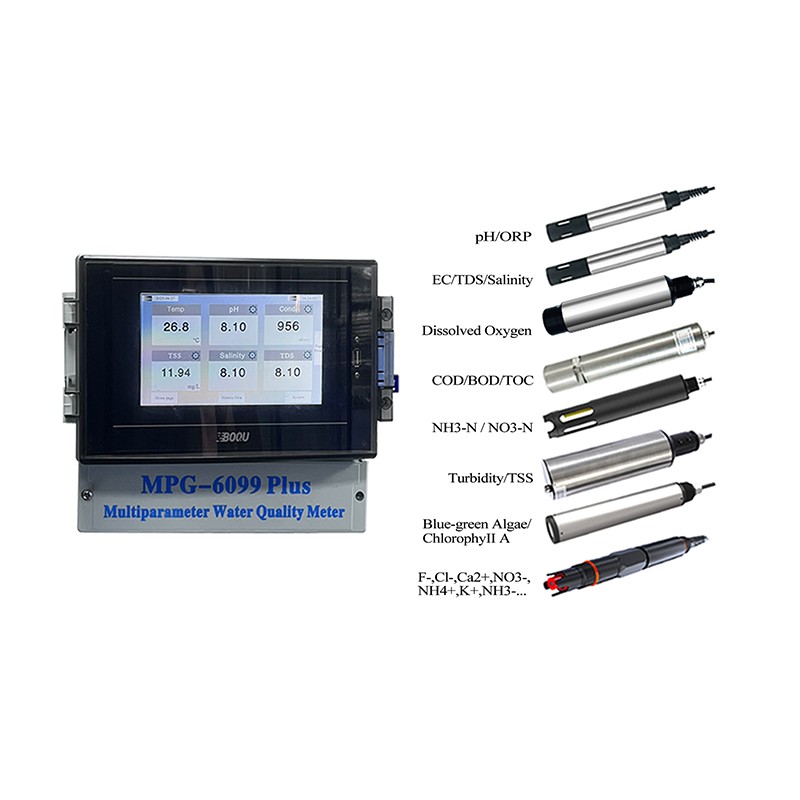
Integrated municipal water skids combining pH, residual chlorine, conductivity, and turbidity into one data stream.
View Details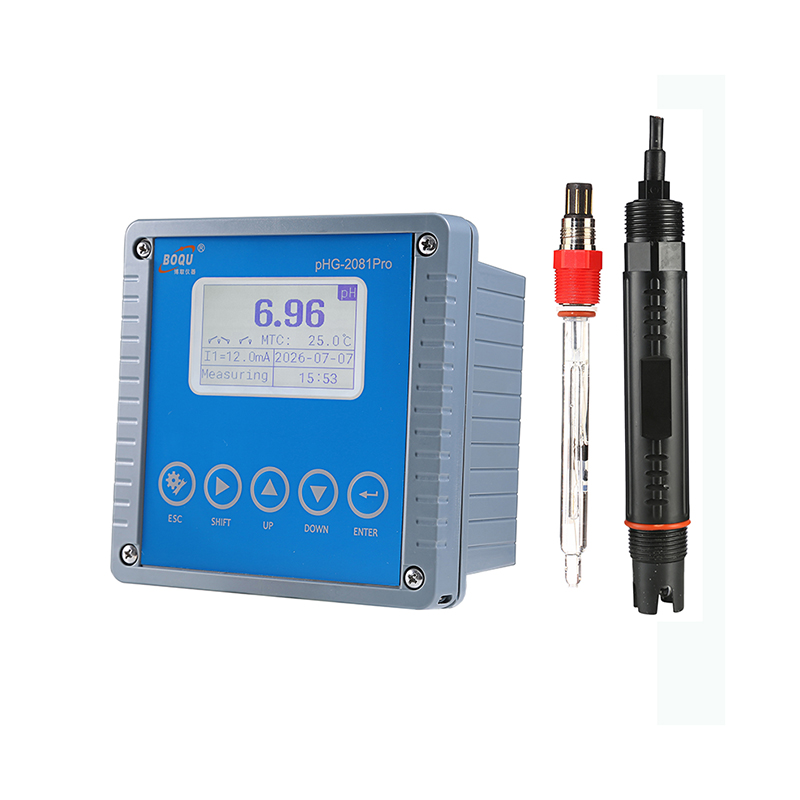
Heavy-duty aluminum die-cast transmitter housing engineered for chemical manufacturing and mining wastewater neutralization.
View Details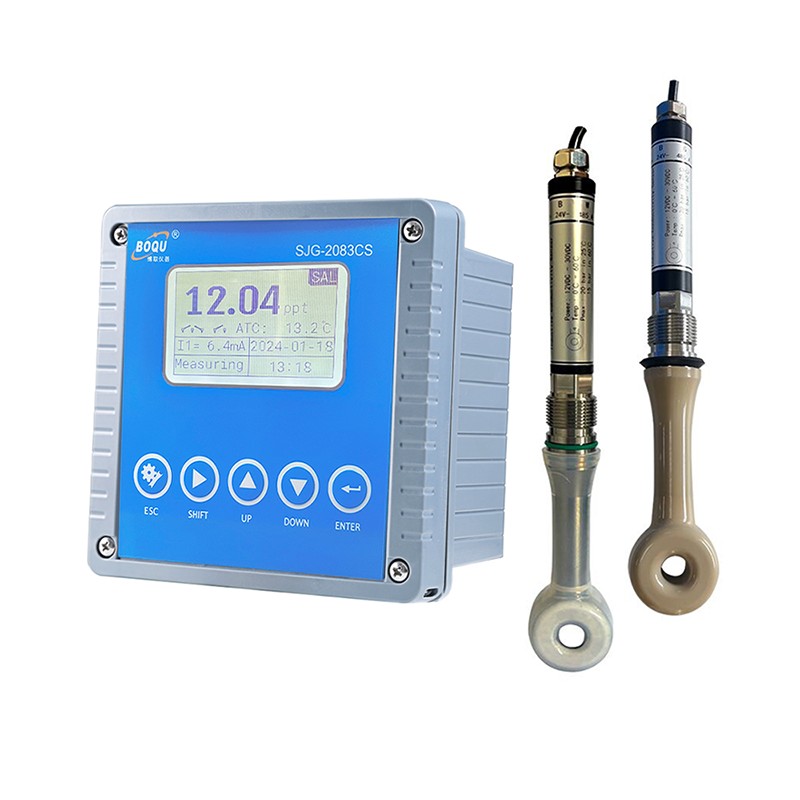
Non-contact inductive sensor design measuring percent chemical concentration in demineralizer regeneration lines.
View Details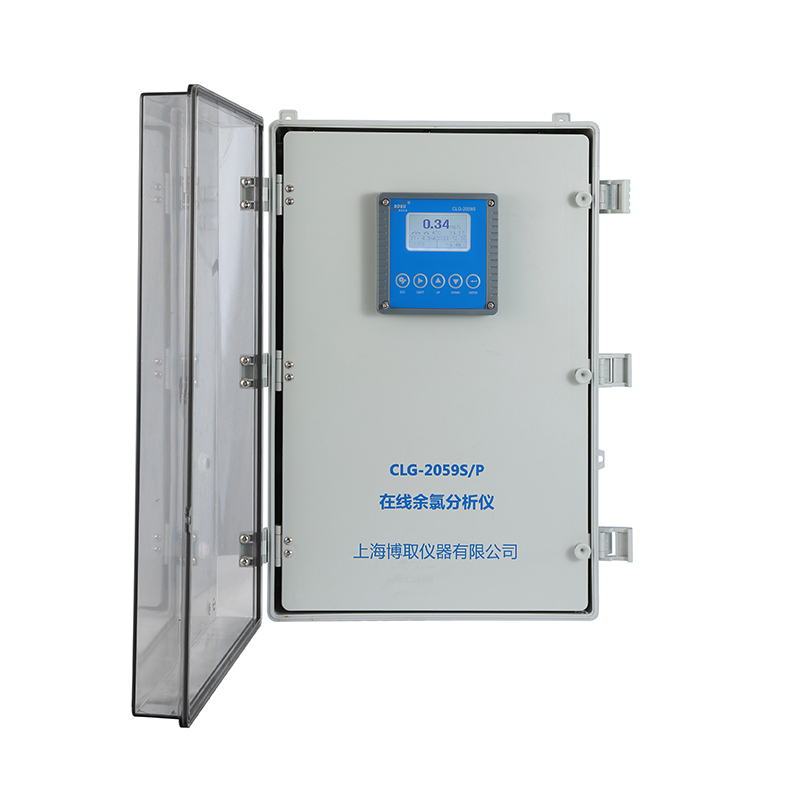
Constant-voltage amperometric measurement providing drift-free free chlorine data for municipal distribution networks.
View Details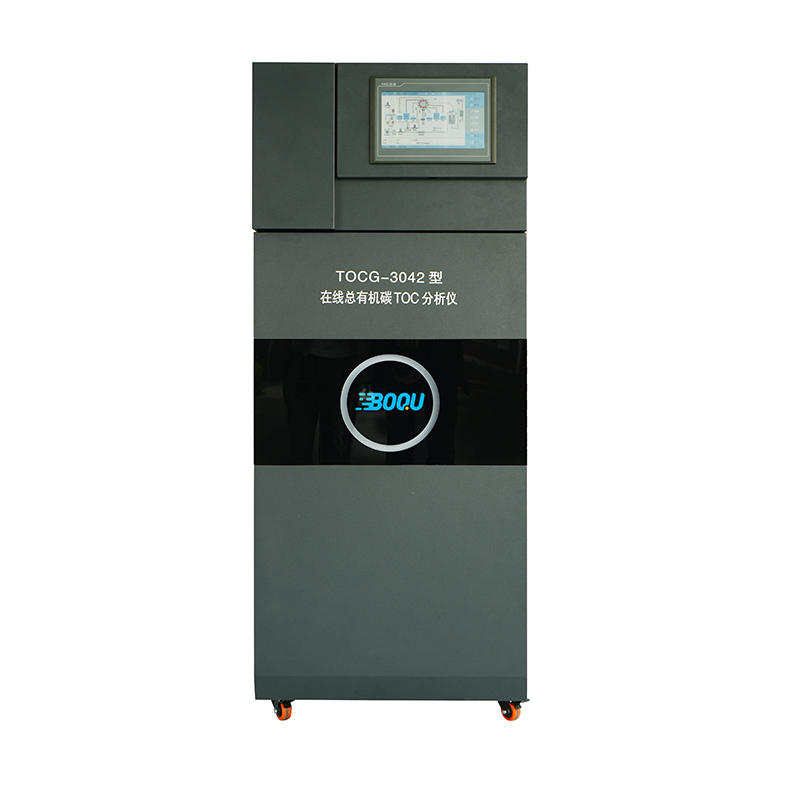
Automated organic carbon quantifier compliant with USP/EP standards for pharmaceutical purified water generation.
View Details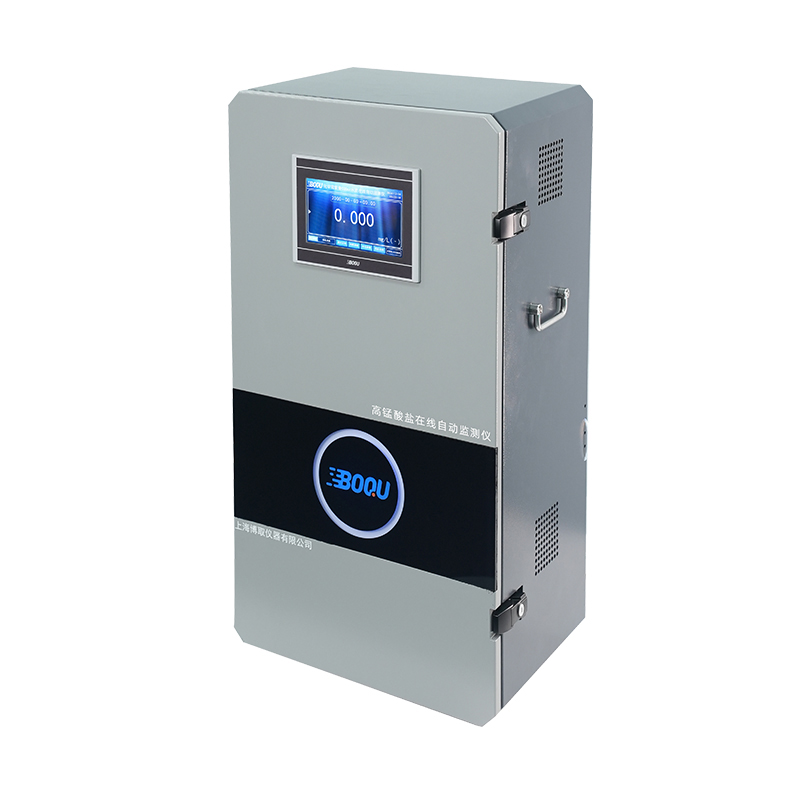
Digestion-spectrophotometric automated station for municipal outfalls and industrial trade effluent regulatory reporting.
View DetailsDirect Factory Procurement & Tender Engineering Support
Connect with Shanghai BOQU Instrument Co., Ltd. application engineers to review process stream specifications, request complete SWAS schematics, or evaluate custom OEM manufacturing runs.