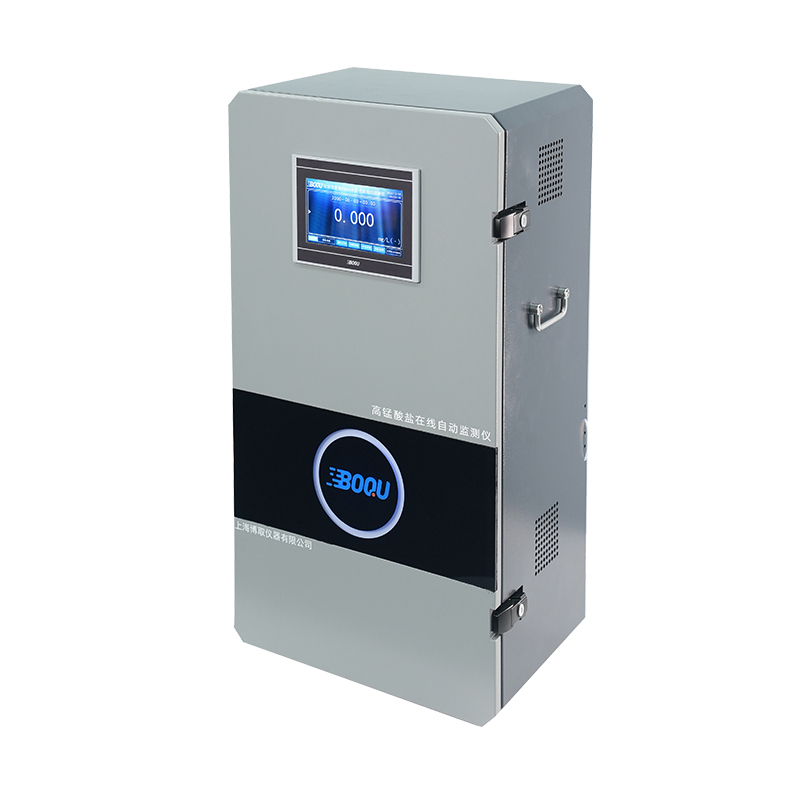
High-Precision Process Sensors & Silica Monitoring Solutions
Engineered for mission-critical boiler loops, steam cycles, and chemical processing facilities demanding sub-ppb accuracy and robust reliability.

China High Temperature (0-130℃) pH Sensor With Temperature
Explore Specifications
Wholesale High Temperature (0-130℃) pH Sensor Supplier
Explore Specifications
China High-temperature pH Sensor Used Pharmaceutical Fermentation
Explore Specifications
Wholesale High-temperature S8 Connector pH Sensor
Explore Specifications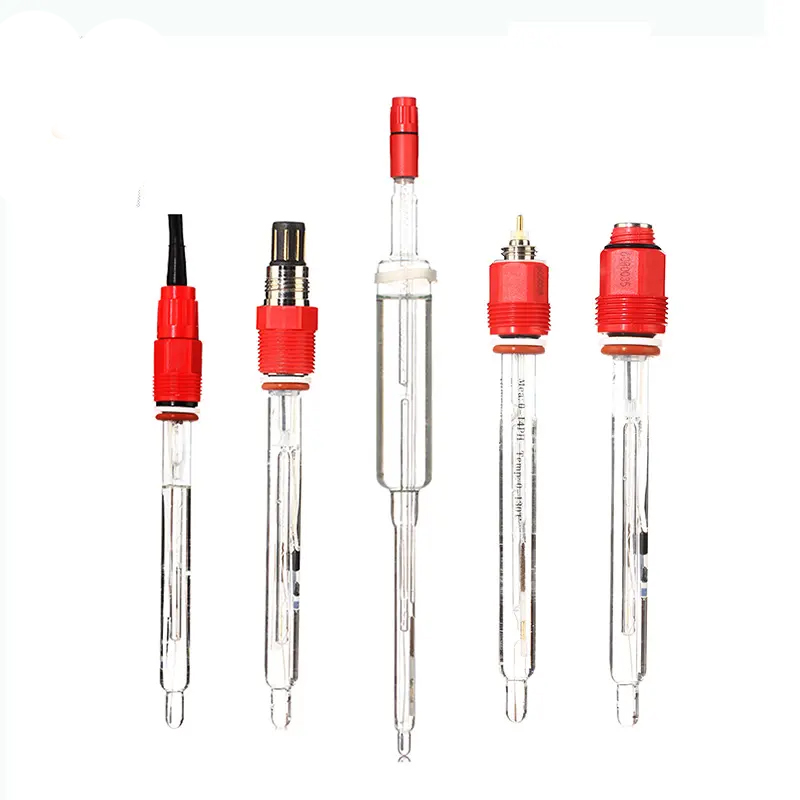
pH5806 High Temperature Steam Sterilizable pH Sensor
Explore Specifications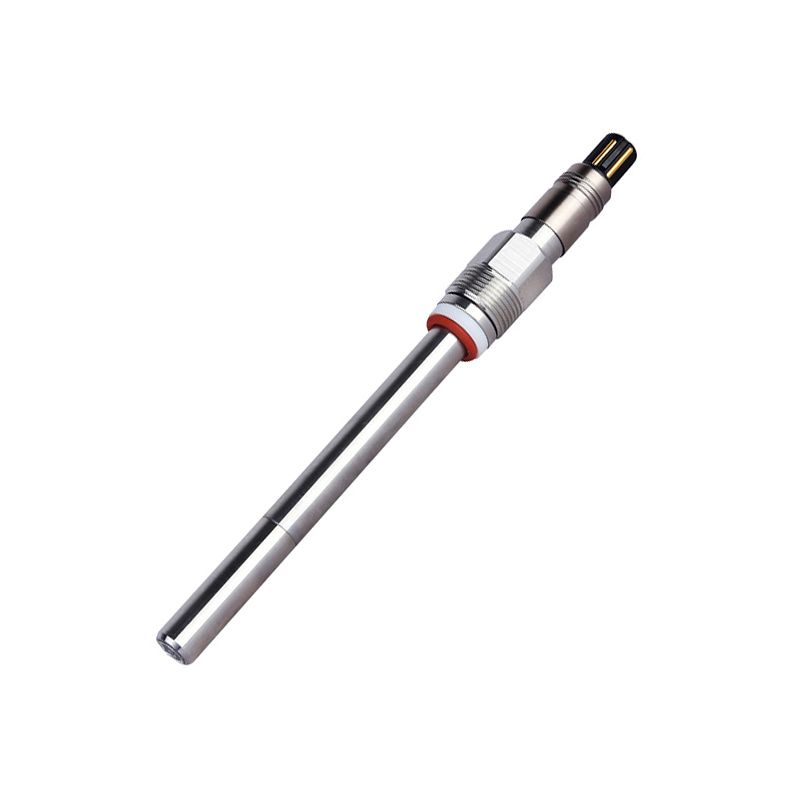
DOG-208FA High Temperature Dissolved Oxygen Sensor
Explore Specifications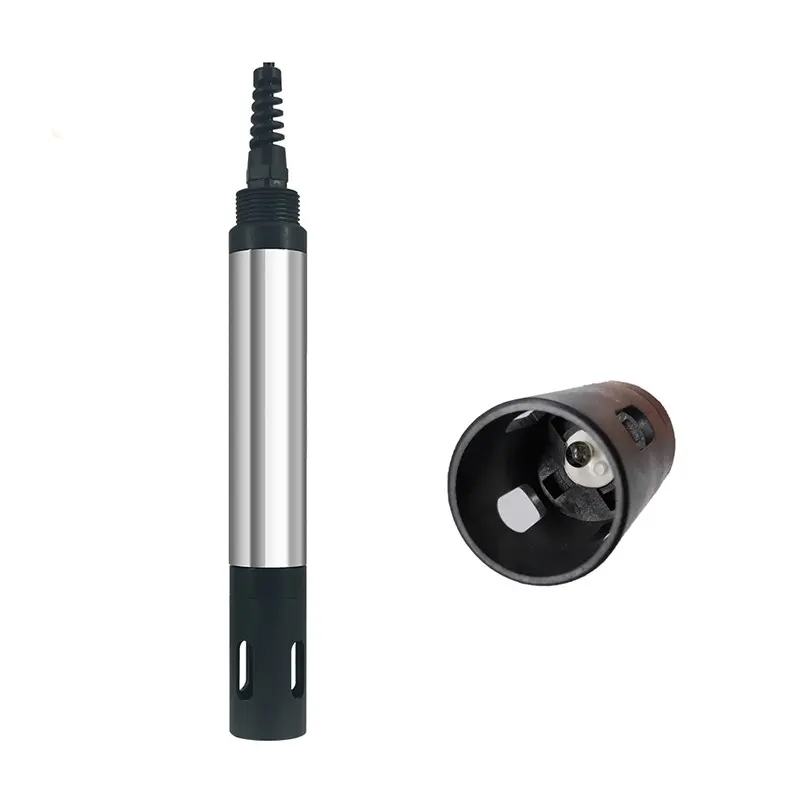
IOT-485-pH Digital Online Modbus pH Sensor
Explore Specifications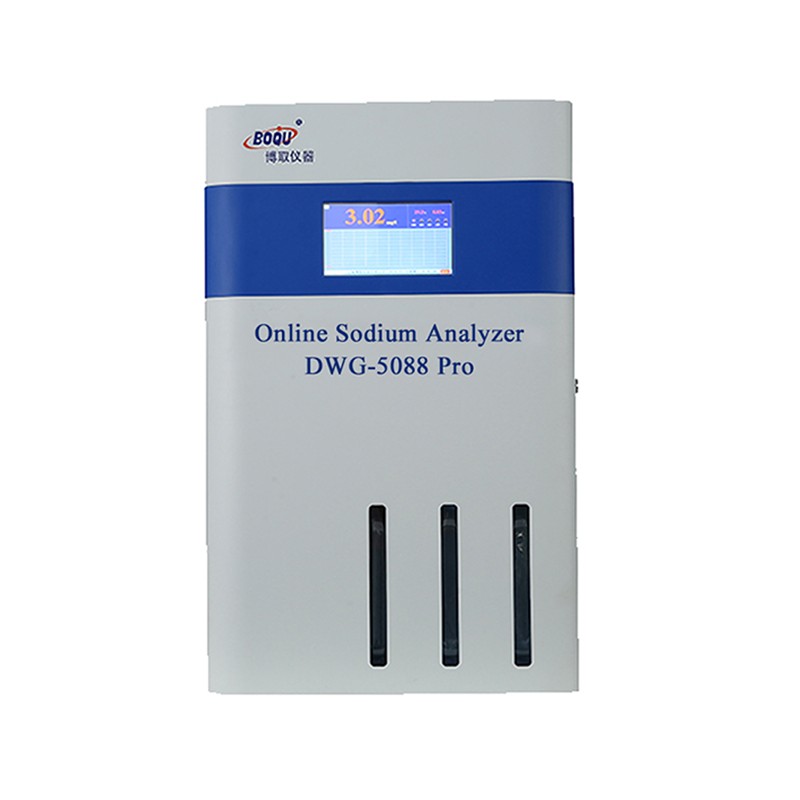
Trace Online Silicate / Sodium / Hydrazine SWAS Analyzer
Explore SpecificationsGlobal Landscape of Trace Silica Analytics & Liquiline Architectures
Understanding reactive vs. non-reactive silica dynamics, supercritical steam volatility, and modular multi-channel transmitter topologies in modern process plants.
The Thermodynamic Imperative of Silica Monitoring
Silica (SiO₂) contamination represents one of the most insidious threats in high-pressure thermal generation and microelectronics manufacturing. In power boilers operating above 6 MPa, silica selectively vaporizes into steam, depositing as an amorphous, glassy thermal insulator onto high-temperature turbine blades. This causes aerodynamic unbalance, severe drop in megawatt efficiency, and catastrophic forced outages. Online silica analyzers deployed within Steam and Water Analysis Systems (SWAS) provide parts-per-billion (ppb) measurement integrity to prevent irreversible boiler de-rating.
Liquiline Platform Architecture & Modularity
The transition toward decentralized, intelligent transmitter topologies—exemplified by Liquiline modular architectures—has transformed industrial liquid analytics. By standardizing digital protocols (such as RS485 Modbus RTU, Profibus DP, and Ethernet/IP) across multi-parameter sensor arrays, plants eliminate discrete analog signal attenuation. Mating colorimetric trace-level wet chemistry analyzers with digital pH, conductivity, and dissolved oxygen channels simplifies multi-stream validation while drastically reducing plant footprint and engineering integration overhead.
Advanced Molybdenum Blue Photometry
Industrial silica analysis depends on heteropoly blue colorimetric chemistry. BOQU online analyzers introduce micro-dosed sulfuric acid and ammonium molybdate to form silicomolybdic acid complexes, reduced via ascorbic acid to generate deep molybdenum blue complexes measured at 810–820 nm optical wavelengths. Integrated peltier temperature control, automatic zero-point drift cancellation, and self-cleaning optical cells guarantee stable sub-microgram per liter resolution without constant manual recalibration.
Emerging Market Trends in Digital Process Water Monitoring
How IoT integration, automated reagent minimization, and stringent environmental discharge directives are driving modernization.
Predictive Maintenance & IIoT
Modern analytical systems leverage smart diagnostics to continuously assess lamp degradation, flowcell fouling, and reagent consumption rates, transmitting preventative alerts through SCADA systems before sampling errors occur.
Micro-Reagent Chemical Conservation
Next-generation precision peristaltic metering drives reagent volumes down to microliters per cycle. This decreases overall hazardous reagent storage on-site, extends reagent shelf-life intervals to 90 days, and slashes total cost of ownership.
Semiconductor UPW Standards
With sub-nanometer node semiconductor fabrication requiring Ultra-Pure Water (UPW) with dissolved silica below 0.5 ppb, wholesale suppliers must provide analytical systems capable of hyper-stabilized baseline noise thresholds.
Multi-Stream Sequence Automation
Centralized analyzers supporting 1 to 6 process channels allow dynamic switching between demineralization beds, condensate polishers, economizers, and live steam lines, drastically minimizing capital hardware expenditure.
Macro-Industry Solutions & Engineered Implementations
Turnkey process analytics tailored to comply with international power chemistry standards and manufacturing regulations.
Thermal & Combined-Cycle Power SWAS
Integrated conditioning racks feature high-pressure reducers, dual cooling exchangers to reach 25°C ± 1°C, and combined trace silica, cation conductivity, sodium, and dissolved oxygen loops aligned with EPRI and VGB chemical guidelines.
Semiconductor & Photovoltaic UPW
Monitoring total reactive silica break-through at the outlet of primary and secondary mixed-bed ion exchangers, safeguarding expensive reverse osmosis membranes, electrodeionization (EDI) modules, and wafer cleaning rinse baths.
Petrochemical & Refining Steam Generators
Safeguarding high-temperature waste heat recovery boilers (WHRBs) against silicious scaling under aggressive load fluctuations, equipped with explosion-proof enclosure options (ATEX/IECEx) and Modbus RTU telemetry.
Analytical Technology Evolution & Future Outlook
A multi-phase progression toward autonomous, reagent-free verification and self-healing smart water quality architectures.
Digital Sensor Integration
Unification of analog sensors into RS485 Modbus RTU architectures, embedding pre-calibrated factory parameters directly inside sensor heads for zero-downtime hot swapping.
Micro-Fluidic Optics
Micro-bore flow channels paired with 820 nm narrow-band monochromatic LED light sources to achieve parts-per-billion limit of detection with 70% lower reagent usage.
Edge Analytics & Self-Validation
Embedded edge computing running neural anomaly recognition to flag matrix interference, bubbles, or reagent aging before erroneous DCS trips occur.
Autonomous Closed-Loop Control
Direct integration with automated chemical feed valves and blowdown dampers, minimizing human intervention across critical thermal utility cycles.
Established In Shanghai
Production Footprint
Engineers & Specialists
Annual Instrument Yield
Export Destinations
Industrial Clients
Frequently Asked Technical & Commercial Questions
Direct guidance from our instrumentation engineering and global wholesale support divisions.
What is the measurement limit and range for trace silica analysis?
Standard BOQU online silica analyzers deliver an optical limit of detection down to 0.5 µg/L (ppb), with dynamic measurement ranges spanning 0–100 µg/L, 0–500 µg/L, and up to 0–5000 µg/L via programmable optical scaling, fulfilling requirements from supercritical power generation to industrial wastewater.
How does sample temperature and pressure conditioning operate?
Colorimetric silica reaction kinetics require stable sample conditions. Our SWAS sample conditioning modules accept sample pressures up to 30 MPa and steam temperatures up to 560°C, reducing them via variable pressure valves and cooling coils to 20–30°C and 0.1–0.3 MPa before entering the measurement chamber.
What are the primary interfaces for DCS / SCADA integration?
Our transmitters provide standard dual 4–20 mA isolated current loops, relay dry contacts for high/low alarm triggers, and standard RS485 Modbus RTU telemetry. Optional industrial Ethernet cards allow direct cloud, PLC, and DCS integration without secondary conversion modules.
Are custom OEM/ODM configurations available for overseas distributors?
Yes. Shanghai BOQU Instrument operates dedicated R&D facilities providing private labeling, custom housing enclosures, firmware protocol adaptations, customized measurement ranges, and pre-packaged reagent formula integration for engineering partners worldwide.
Complementary Online Analyzers & Process Sensors
Pair your silica analysis instrumentation with matched transmitters and analyzers built for industrial reliability.
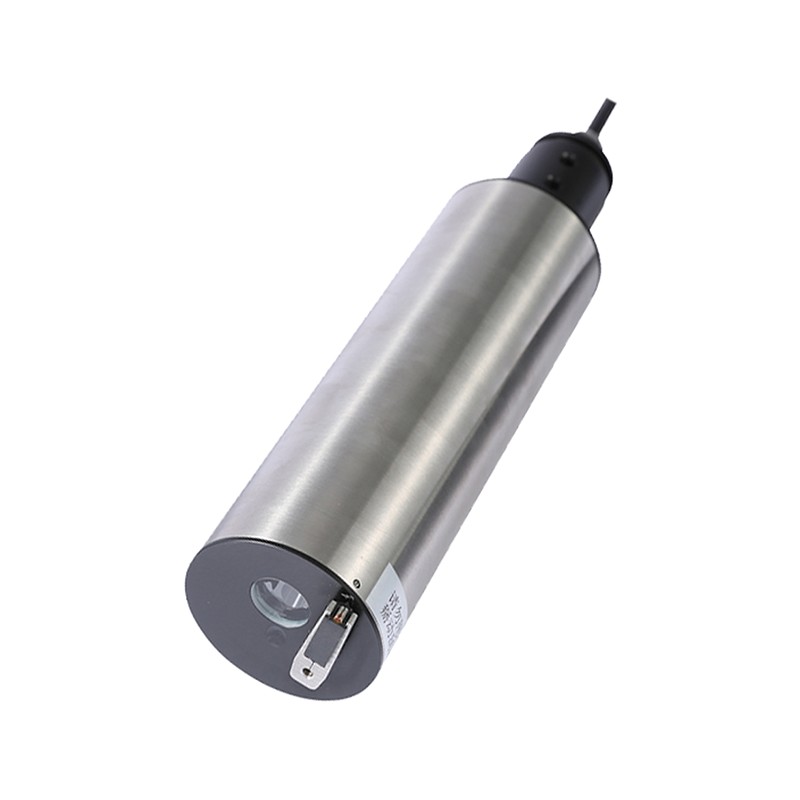
ZDYG-2088-01QX Infrared Online Turbidity Sensor
Explore Specifications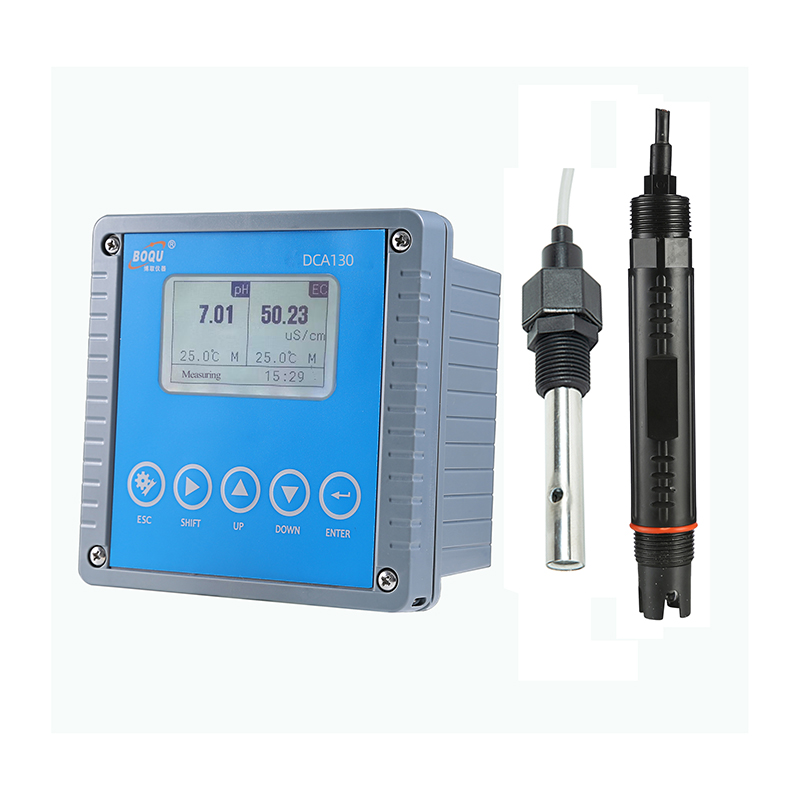
DCA130 Online pH & EC Dual Channel Controller
Explore Specifications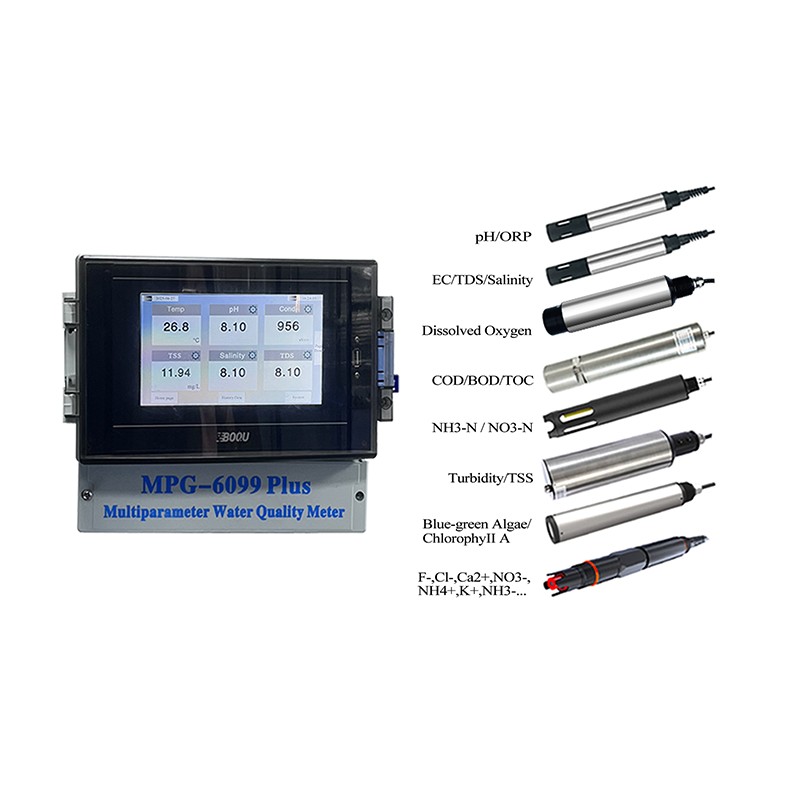
MPG-6099Plus Multi-Parameter Water Quality Station
Explore Specifications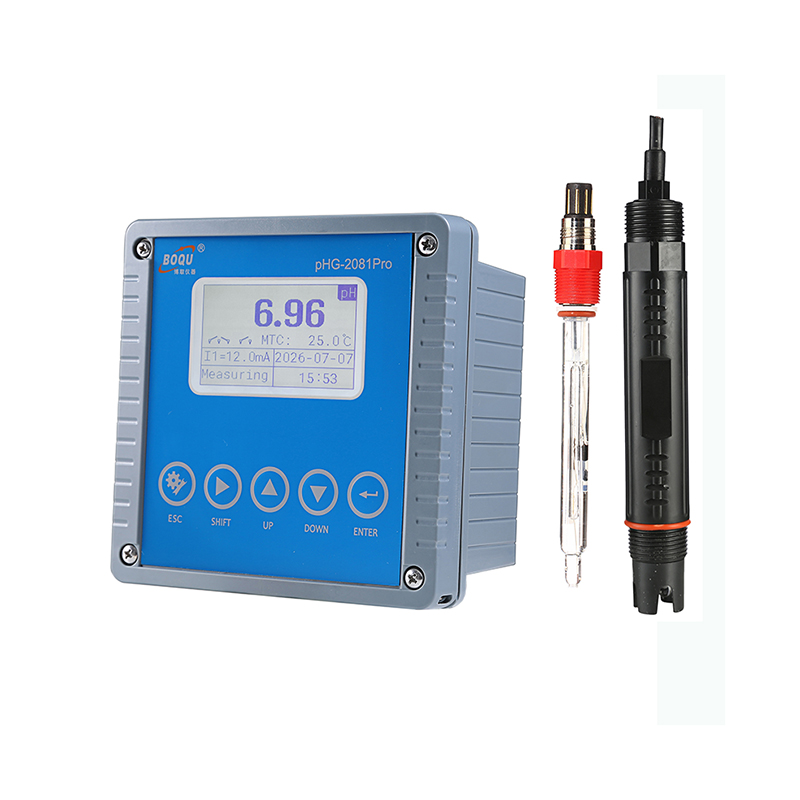
pHG-2081Pro Industrial Digital pH/ORP Analyzer
Explore Specifications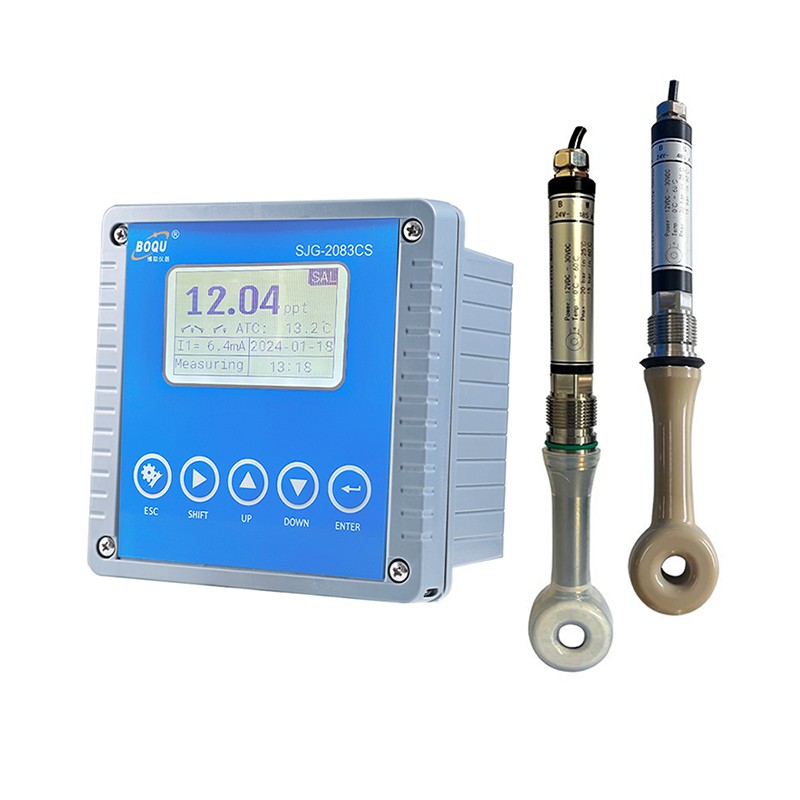
SJG-2083CS Acid & Caustic Concentration Meter
Explore Specifications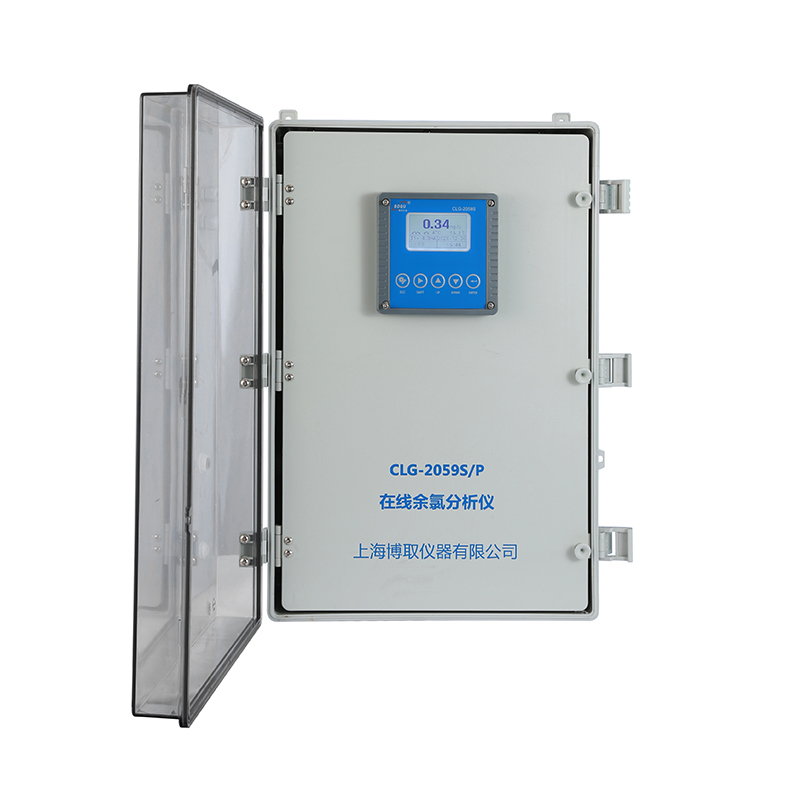
Industrial Online Residual Chlorine Analyzer
Explore Specifications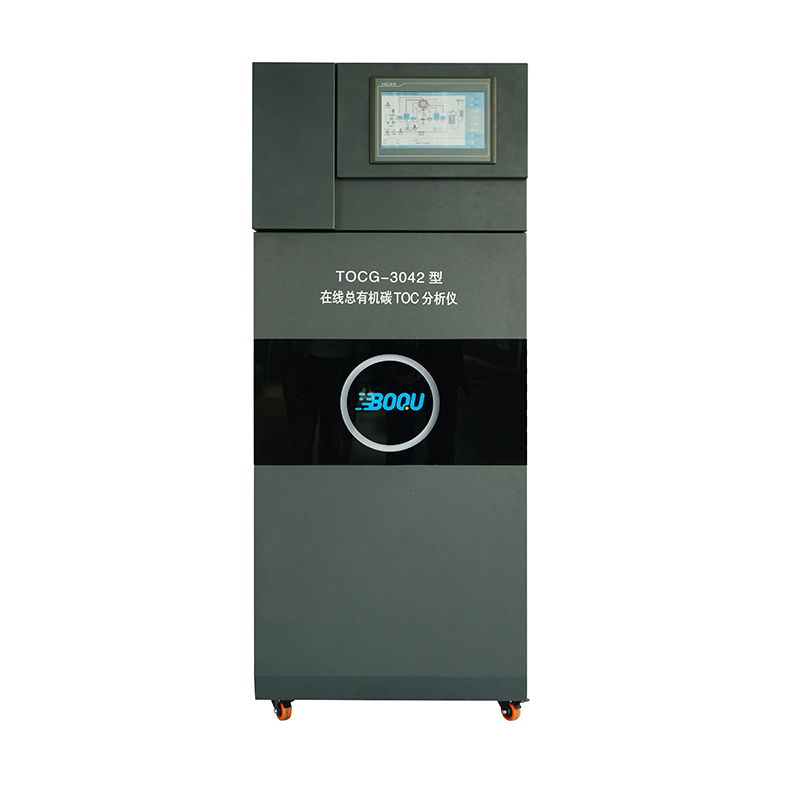
TOC-3042 Online Total Organic Carbon Analyzer
Explore Specifications