
Featured Industrial Water Analysis Sensors & Controllers
Engineered with ruggedized materials, automated temperature compensation algorithms, and standard RS485 digital architectures ready for multi-drop industrial bus integration.

Wholesale High-temp S8 Connector pH Sensor
Steam-sterilizable electrode designed for biopharma fermenters, autoclavable autoclaves, and severe chemical processing up to 130°C.

High Temp 0-130℃ pH Sensor With Temp
Integrated Pt100/Pt1000 RTD element providing dynamic thermal compensation in extreme pressure and caustic wash lines.

Industrial 0-130℃ Inline Sensor Unit
Heavy-duty polymeric gel electrolyte preventing reference poisoning in flue gas scrubbing and industrial wastewater effluent.

Pharma Fermentation pH Transducer
Meets strict hygienic criteria for bacterial and yeast culture control, resisting high-temperature cyclic CIP/SIP operations.
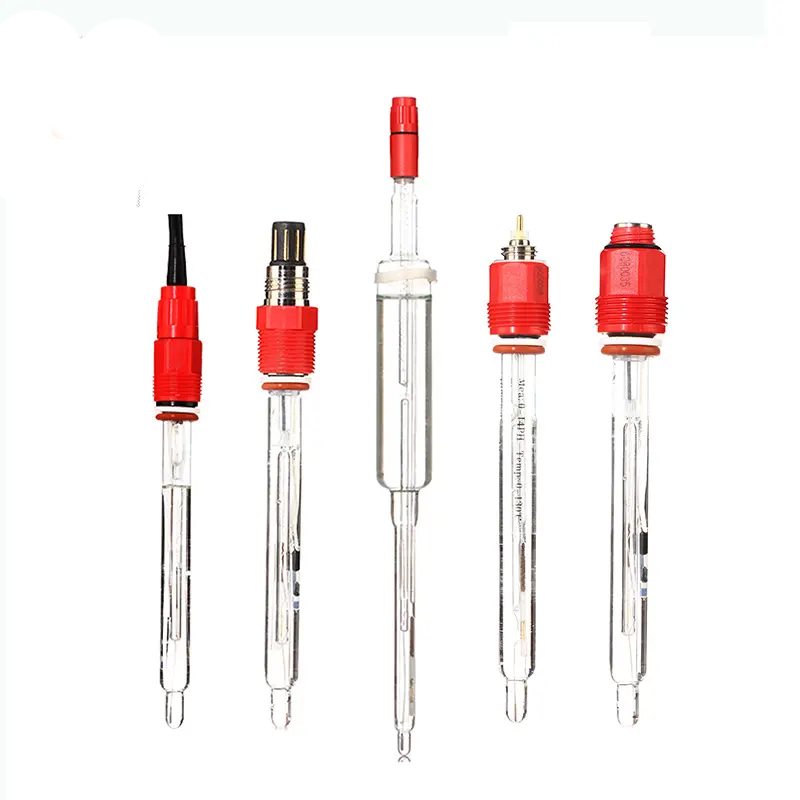
pH5806 Flagship High Temp pH Sensor
Recognized with the Shanghai Brand qualification, engineered for bioreactor pipelines with zero drift under continuous operation.
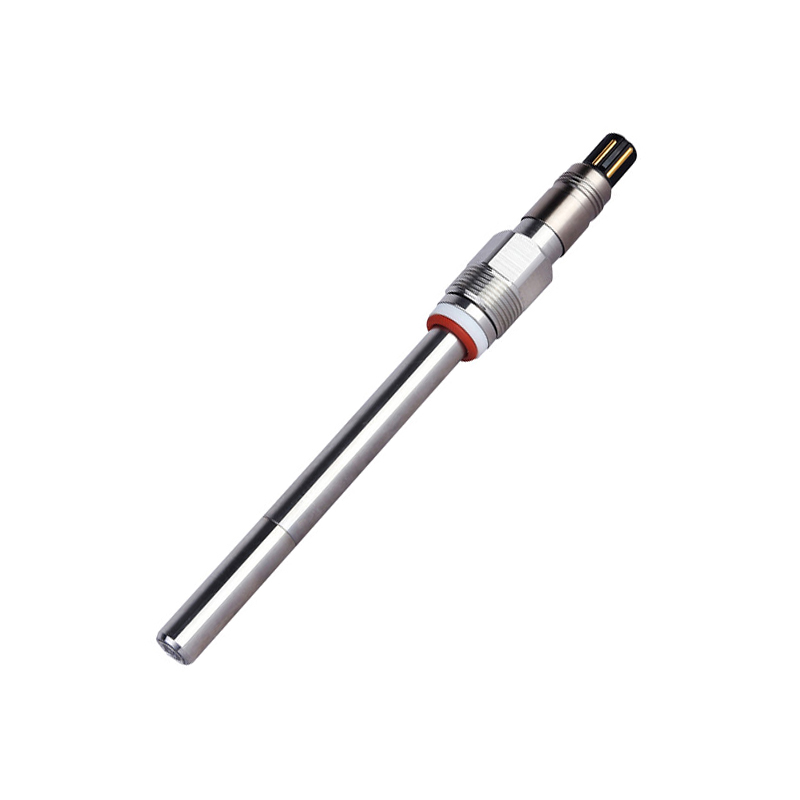
DOG-208FA High Temp DO Sensor
Submersible and inline sterilizable dissolved oxygen sensor providing sub-ppb resolution in aerobic biotech broth applications.
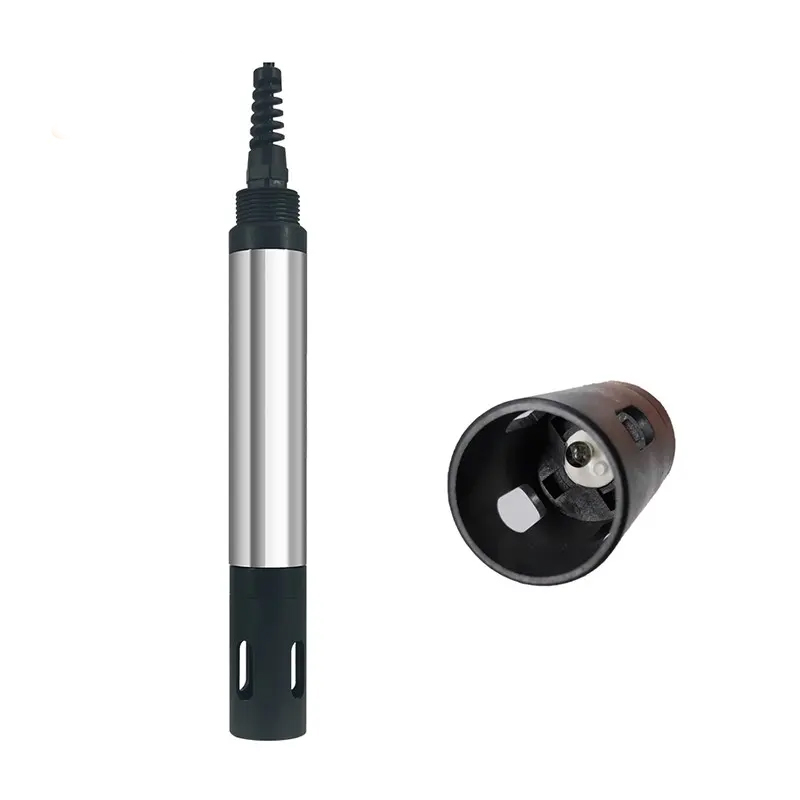
IOT-485-pH Digital Smart Sensor
Integrated embedded microcomputer converting millivolt raw curves into Modbus RTU hex packets without external secondary meters.
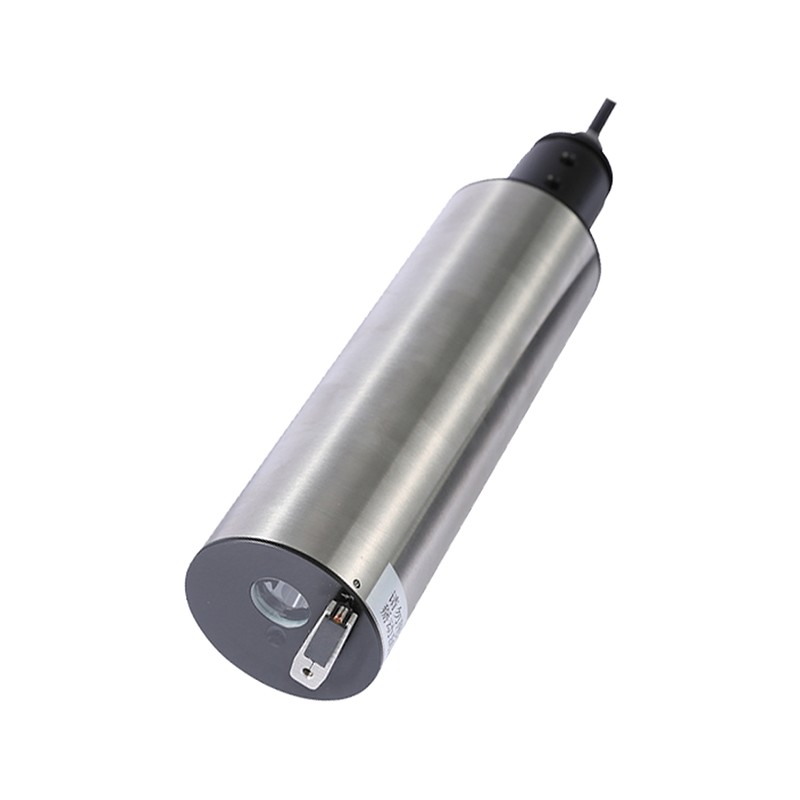
ZDYG-2088-01QX Online Turbidity Unit
860nm ISO 7027 compliant scattered light turbidity and MLSS suspended solids sensor equipped with automated silicone wiper blade.
The Global Landscape of RS485 Conductivity Meter Wholesale & Engineering Supply
Analyzing the tectonic transition from legacy analog 4-20mA instrumentation loops to distributed, optically isolated RS485 Modbus RTU edge analytical architectures across worldwide process sectors.
Analog Drift & Signal Attenuation
In sprawling petrochemical refineries, thermal power stations, and municipal wastewater treatment complexes, cable distances between process sampling taps and the central PLC/SCADA control cabinets frequently exceed 300 to 1,200 meters. Traditional analog 4-20mA current loops and direct raw high-impedance millivolt electrode lines suffer devastating electromagnetic interference (EMI) generated by variable frequency drives (VFDs), heavy pumps, and high-voltage transmission lines. Furthermore, analog signals experience terminal resistance losses and multiple analog-to-digital (A/D) conversions, causing steady-state conductivity drift that triggers false chemical dosing alarms or non-compliant effluent discharges.
Digital Modbus RTU Hegemony
RS485 differential balanced transmission utilizing the open-standard Modbus RTU protocol has solidified its role as the backbone of industrial analytical telemetry. By transmitting differential voltages (+2V to +6V differential across lines A and B), an RS485 conductivity meter cancels out common-mode ground noise across massive industrial plants. A single twisted-pair shielded cable allows multi-drop daisy chaining of up to 32 standard (or 256 high-impedance receiver) physical devices across a 1,200-meter bus run without repeaters. For international engineering, procurement, and construction (EPC) contractors, wholesale sourcing of RS485 digital sensors eliminates costly external transmitters and analog input modules, saving up to 60% in balance-of-plant wiring capital expenditures.
B2B Wholesale Procurement Dynamics
Global supply chain volatility has led regional instrumentation distributors in Southeast Asia, the Middle East, Latin America, and Europe to seek direct relationships with qualified original equipment manufacturers (OEMs). Distributors are bypassing European and North American tier-1 brand markups (which frequently carry 300% to 500% branding premiums) in favor of direct ISO-certified manufacturers that supply identical Class 1.0 accuracy grades, 316L stainless steel or PEEK process wetted housings, and open-source Modbus registers. This direct factory-level partnership enables system integrators to secure public utility contracts with aggressive bidding while safeguarding sustainable margins.
Electrochemical Cell Constants, Toroidal Coils & Thermal Matrices
Understanding the governing equations, electrode cell constant selection, and non-linear pure water compensation algorithms implemented within modern digital RS485 conductivity instrumentation.
Electrolytic Governing Physics
Conductivity ($\kappa$) is defined by the solution's conductance ($G$) multiplied by the physical cell constant ($K = l / A$), where $l$ represents the path length between electrodes and $A$ denotes the operational cross-sectional surface area:
Electrolytic resistance varies dramatically with temperature due to changing ionic hydration radii and fluid viscosity. To reference measurements to the standard 25°C baseline, microprocessors apply linear temperature compensation or advanced matrix equations per ASTM D1125:
Where α ranges from 1.8% to 2.2% per °C for standard salts and caustics, while ultra-pure water matrices demand non-linear logarithmic curve fitting to account for the dissociation of H⁺ and OH⁻ ions.
Cell Constant (K) Selection Matrix
Specifying the wrong cell constant results in severe signal saturation or loss of resolution. BOQU engineers configure wholesale conductivity meters using three primary contact architectures and non-contact inductive configurations:
- K = 0.01 cm⁻¹ (Pure Water Range: 0.01 ~ 20 μS/cm): High-precision concentric 316L or titanium coaxial cylinders for power plant boiler feed, WFI, and semiconductor UPW loops.
- K = 0.1 cm⁻¹ (RO Permeate Range: 0.1 ~ 200 μS/cm): Reverse osmosis output, drinking water supply, and light demineralizer lines.
- K = 1.0 cm⁻¹ (General Industrial: 1 ~ 2,000 μS/cm): Municipal wastewater, cooling towers, freshwater aquaculture, and surface water monitoring.
- K = 10.0 cm⁻¹ & Toroidal / Inductive (Range: 10 μS/cm ~ 2,000 mS/cm): Acid/alkali concentrations (0-10% H₂SO₄, 0-15% NaOH), seawater desalination brine, and heavy slurry CIP wash cycles.
| Electrochemical Topology | Operational Principle | Dynamic Measuring Range | Process Limitations | Ideal Application Niches |
|---|---|---|---|---|
| 2-Electrode Contact Cell | Direct AC voltage applied across two conductive plates; current measured via Ohm's law. | 0.005 μS/cm to 2,000 μS/cm | High polarization error at elevated conductivities; vulnerable to electrode fouling/scaling. | Boiler Feedwater, SWAS Systems, RO Permeate, Pharmaceutical Water for Injection (WFI). |
| 4-Electrode Contact Cell | Outer pair drives alternating excitation current; inner pair senses high-impedance voltage drop. | 10 μS/cm to 500,000 μS/cm | Moderate body footprint; higher electronic circuitry complexity. | Industrial Wastewater Effluent, Brackish Water, Chemical Dosing, Mining Sludge Decanting. |
| Toroidal (Inductive Electrodeless) | Two toroidal electromagnetic coils inside PEEK casing; induces current loop directly in fluid. | 100 μS/cm to 2,000,000 μS/cm | Cannot measure pure water below 50 μS/cm; requires minimum pipe diameter clearance. | Clean-in-Place (CIP) Caustic Recovery, Chemical Processing (HCl, HNO₃), Mining Slurries, Seawater. |
Direct Firmware RS485 Modbus RTU Register Specification Map
All BOQU RS485 smart conductivity meters implement Function Code 03 (Read Holding Registers) and Function Code 06/16 (Write Registers). High-precision analytical data is returned in standard IEEE-754 32-bit floating-point notation (AB CD byte order).
Macro-Level Industrial Engineering Applications
Field-proven deployments across five core process industries where continuous digital RS485 conductivity monitoring maintains process safety, environmental compliance, and plant efficiency.
Thermal Power SWAS & Boiler Loops
In ultra-supercritical thermal power generation and steam boiler networks, trace dissolved mineral ingress causes rapid turbine blade scaling, superheater tube rupture, and catastrophic corrosion. BOQU K=0.01 pure water conductivity transmitters with integrated cation exchange columns monitor Specific Conductivity (SC), Cation Conductivity (CC), and Degassed Cation Conductivity (DCC) down to 0.055 μS/cm. Continuous Modbus telemetry informs plant DCS systems of condenser tube leaks within seconds, preventing multi-million-dollar outages.
- Sub-ppb detection limit with optical galvanic isolation
- Automatic high-temperature sample shut-off integration
- Conforms fully to EPRI and VGB boiler water standards
Industrial Wastewater & Zero Liquid Discharge (ZLD)
Chemical production facilities, textile finishing mills, and electroplating parks face rigorous effluent discharge mandates. Multi-stage treatment loops rely on RS485 4-electrode conductivity sensors to track equalization basin salinity, guide chemical coagulant dosing, and control reverse osmosis brine concentrators. The digital Modbus bus links directly into regional environmental protection agency (EPA) telemetry stations, automating compliant reporting and eliminating manual grab-sampling tampering.
- Heavy-duty PPS/PEEK bodies with Teflon reference barriers
- Immersion flanges and retractable ball-valve assemblies
- Real-time automated relay alarms for effluent diversion
Food, Beverage & CIP Chemical Recovery
Clean-In-Place (CIP) cycles in breweries, dairies, and soft drink manufacturing require precise dosing of caustic (NaOH) and acid (HNO₃) washing agents. BOQU electrodeless inductive (toroidal) RS485 conductivity sensors measure chemical strength directly through inductive coupling. By differentiating between chemical cleaning agents, water flushes, and product interfaces in real time via high-speed Modbus updates, plants save tens of thousands of liters of caustic chemicals annually while preventing water contamination.
- Sanitary Tri-Clamp process connections (1.5", 2", 2.5")
- Zero electrode fouling or contact polarization
- CIP/SIP thermal ratings up to 135°C continuous
The Evolution of Edge-Computing Analytical Sensors
Strategic advancements transitioning industrial conductivity measurement from passive analog transducers into autonomous, self-diagnosing IoT analytical nodes.
Electrode Impedance Spectroscopy (EIS)
Next-generation BOQU digital conductivity firmware incorporates high-frequency Electrochemical Impedance Spectroscopy (EIS). By sweeping excitation frequencies from 10 Hz to 100 kHz, the sensor actively decouples bulk solution resistance from boundary double-layer capacitance. This mathematical decoupling allows the sensor to detect early mineral scaling, biofilm adhesion, or polarization degradation on the electrode plates, flagging a maintenance warning in Modbus Diagnostic Register 0x0040 long before data accuracy degrades.
Direct Cloud Gateway Integration
While local PLC and SCADA integration remains standard via RS485 Modbus RTU, smart sensors are increasingly interfacing directly with low-power edge gateways running MQTT, Sparkplug B, and OPC UA protocols. This architecture enables distributed municipal water authorities to monitor thousands of remote wells, rural wastewater stations, and aquaculture enclosures across cellular 4G/5G/NB-IoT networks without deploying local industrial PC infrastructure, reducing overall project capital requirements.
Factory Calibration & Digital Twins
Traditional analog sensors require field calibration using NIST standard calibration buffers, exposing the process to contamination risks and technician error. Modern BOQU RS485 digital sensors undergo multi-point automated cell constant and temperature curve calibration within our Shanghai metrology laboratory. The exact calibration coefficients, serial metadata, date of manufacture, and running operating hours are burned permanently into the sensor's EEPROM. System integrators plug the sensor into the network for immediate, pre-calibrated operation.
Audited Production Capacity & Global Delivery Verification
Operating dual advanced manufacturing facilities in Kangqiao and Lingang, Shanghai. We control the complete lifecycle: glass blowing, automated CNC electrode milling, SMT circuit fabrication, and calibration.
Frequently Asked Questions for Wholesale Buyers & Engineers
Authoritative technical guidance compiled by BOQU senior instrumentation engineers covering protocol integration, installation best practices, and procurement logistics.
What are the exact transmission distance limits and wiring topologies for RS485 conductivity sensors?
How does the digital sensor handle temperature compensation if process media temperatures swing rapidly?
What is the minimum order quantity (MOQ) and production lead time for custom OEM private labeling?
Can BOQU RS485 conductivity meters be submerged directly in wastewater tanks or aeration lagoons?
How do electrodeless (toroidal) conductivity sensors differ from standard 2-electrode cells in CIP lines?
What international testing standards and quality certifications do these instruments fulfill?
How does the system ensure data integrity across electrically noisy VFD motor environments?
What parameters must an overseas engineering buyer specify when requesting a formal wholesale quotation?
Turnkey Process Analyzers & Concentration Controllers
Comprehensive secondary instrumentation, dual-channel controllers, and multi-parameter cabinets designed to seamlessly interface with BOQU smart sensors.
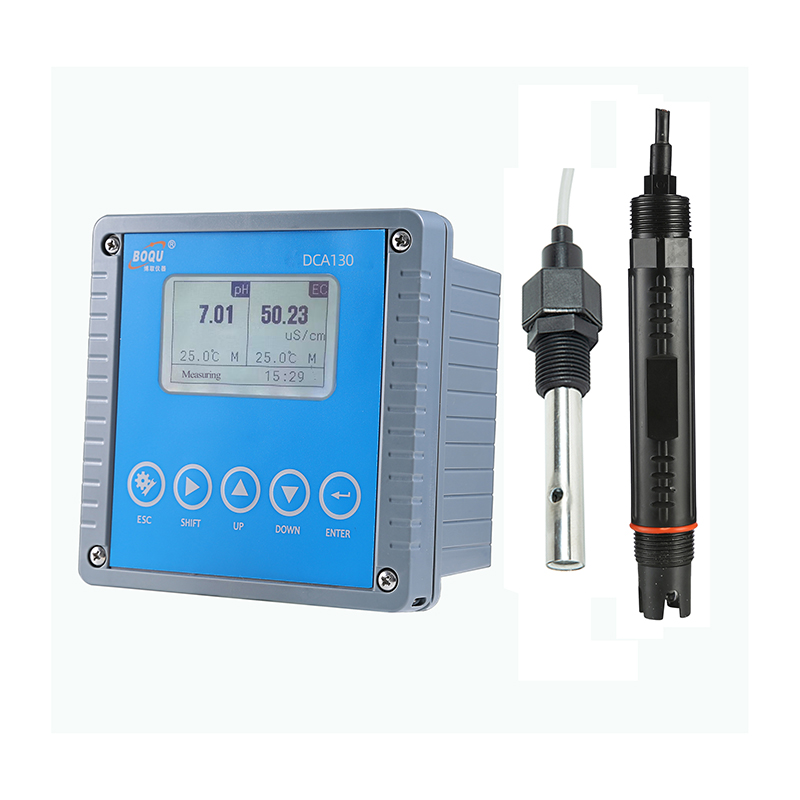
DCA130 Online pH & EC Dual Analyzer
Simultaneous monitoring of pH and electrical conductivity on a single panel mount meter, saving panel real estate in fertigation and RO skids.
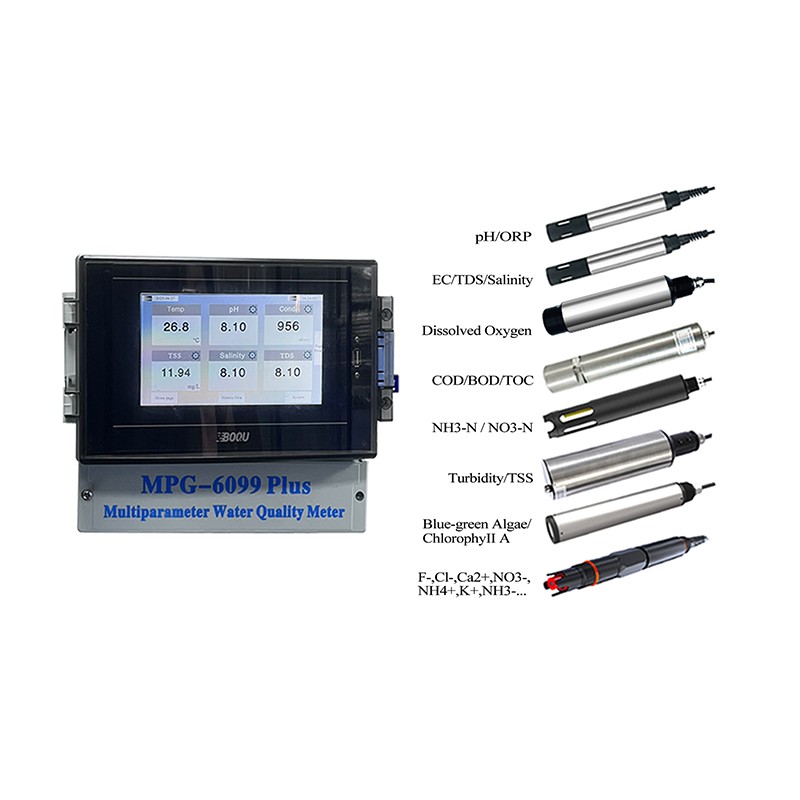
MPG-6099Plus Multi-Parameter Panel
Integrated flow-cell monitoring rack consolidating conductivity, pH, dissolved oxygen, turbidity, and chlorine for drinking water distribution.
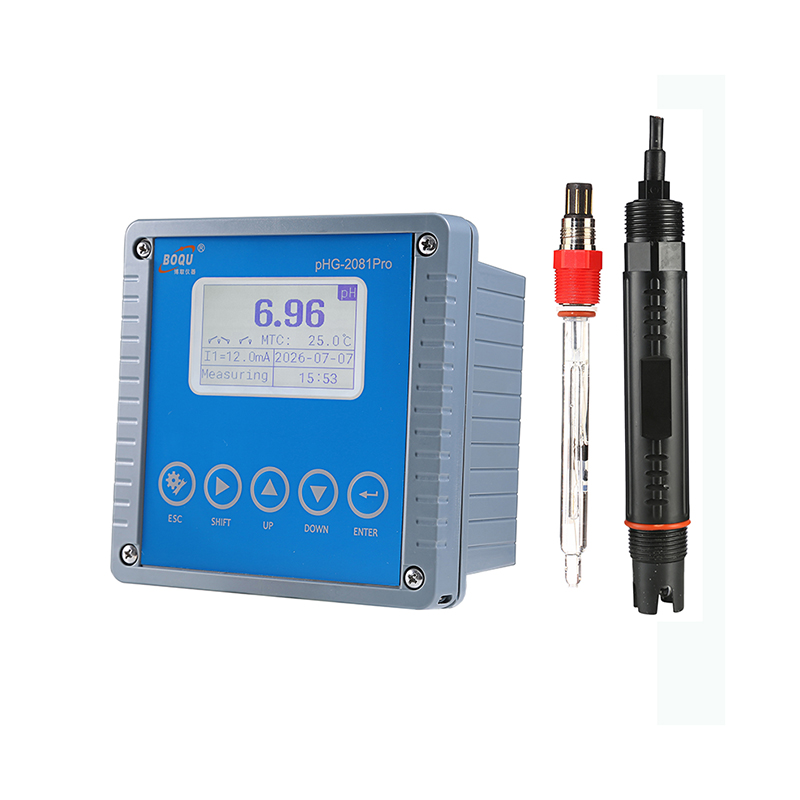
pHG-2081Pro Industrial pH Transmitter
Rugged IP65 field-mount analyzer offering isolated 4-20mA loops, programmable alarm relays, and Modbus RTU communication.
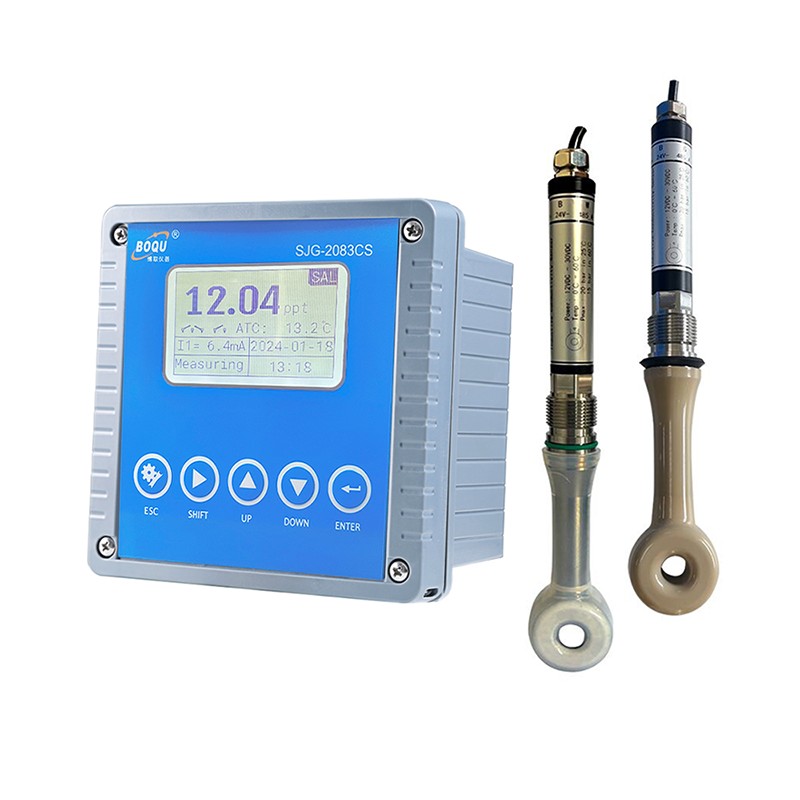
SJG-2083CS Concentration Controller
Toroidal-driven chemical concentration controller outputting real-time % concentration for H₂SO₄, HCl, HNO₃, and NaOH solutions.
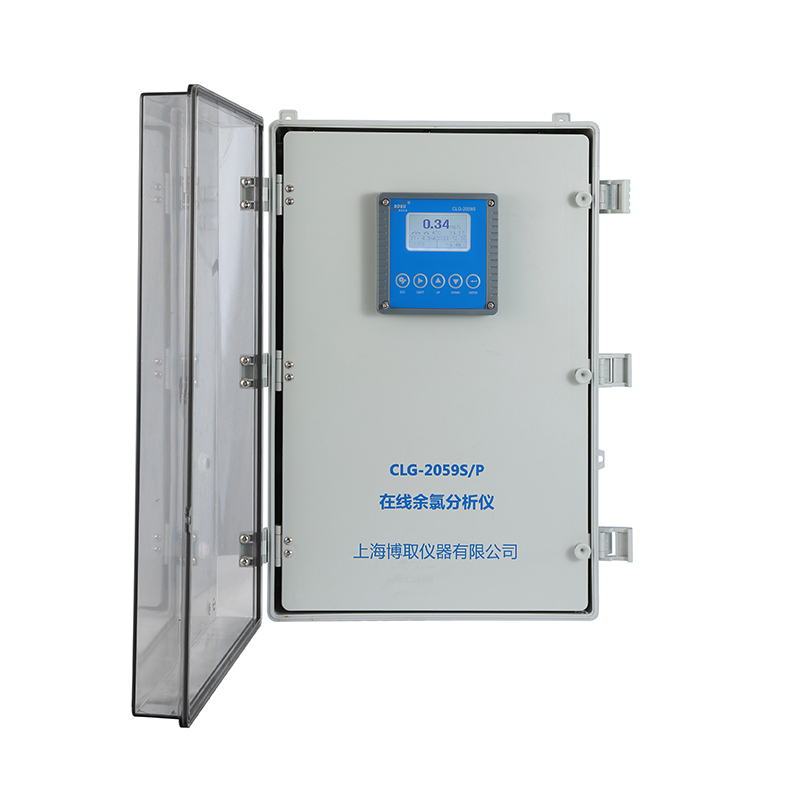
Online Free Residual Chlorine Meter
Amperometric constant-voltage analyzer providing continuous free chlorine monitoring without costly chemical DPD reagents.
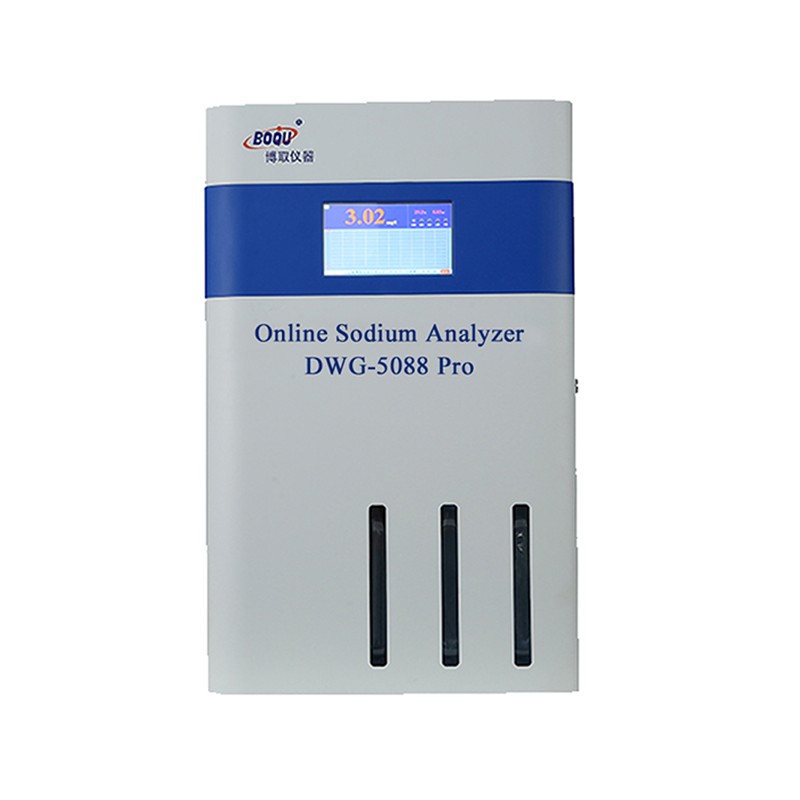
Silicate, Phosphate & Sodium Analyzer
Ultra-trace colorimetric analyzer for power boiler water and steam condensate, preventing turbine silica glass deposition.
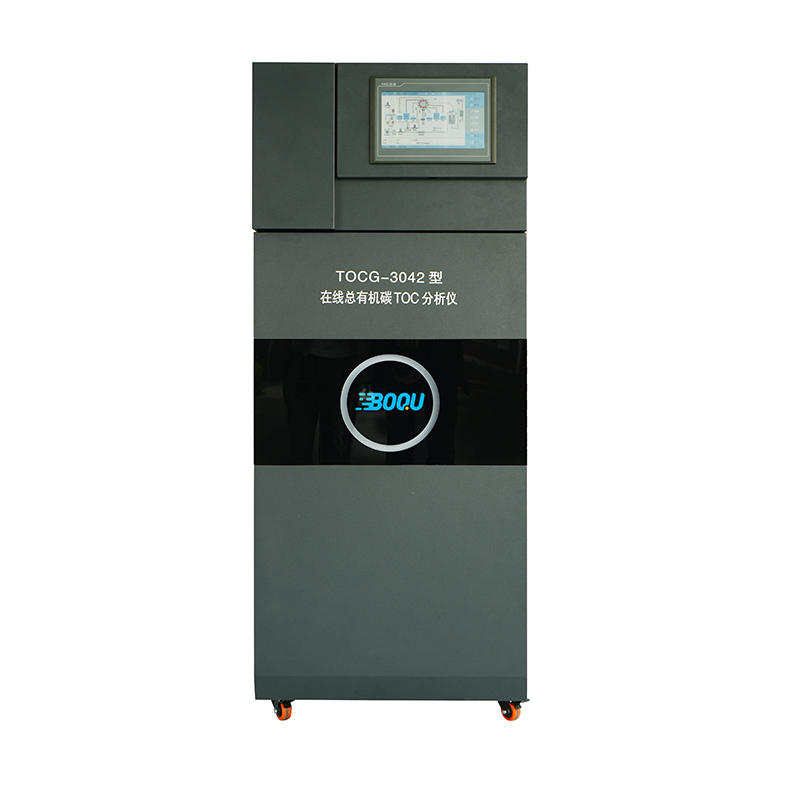
TOC-3042 Online TOC Analyzer
Total organic carbon analyzer utilizing UV catalytic oxidation with differential conductivity detection per USP <643> and EP 2.2.44.
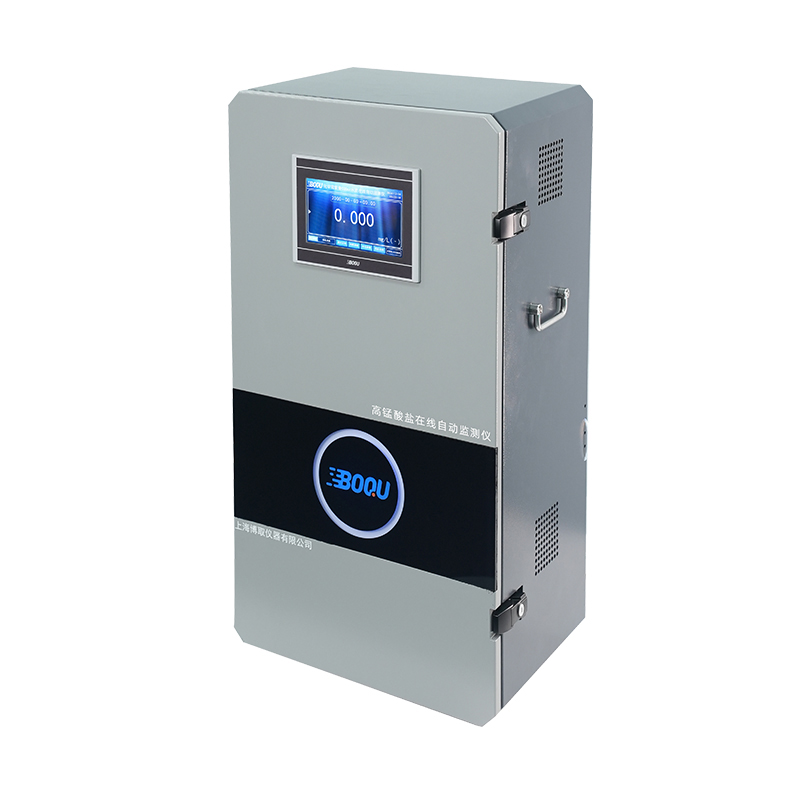
Online COD / TP / TN / NH₃-N Station
Automated wet-chemistry monitoring cabinet performing digestion, titration, and reporting for national discharge permit compliance.
Partner Directly With Shanghai's Premier Instrumentation Manufacturer
Request confidential distributor price books, OEM customization blueprints, Modbus protocol driver manuals, or customized EPC tender configurations directly from our engineering leadership desk.