
High-Performance Water Quality & Residual Chlorine Sensors
Explore BOQU’s core lineup of digital IoT water quality sensors and online analyzers engineered for municipal drinking water, industrial bioprocesses, and severe chemical monitoring.




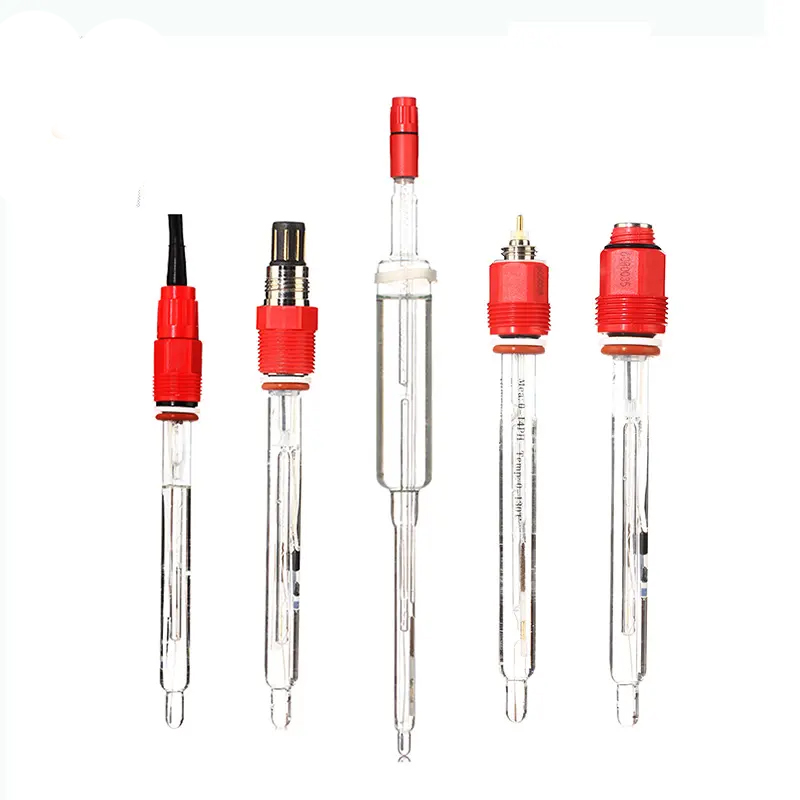
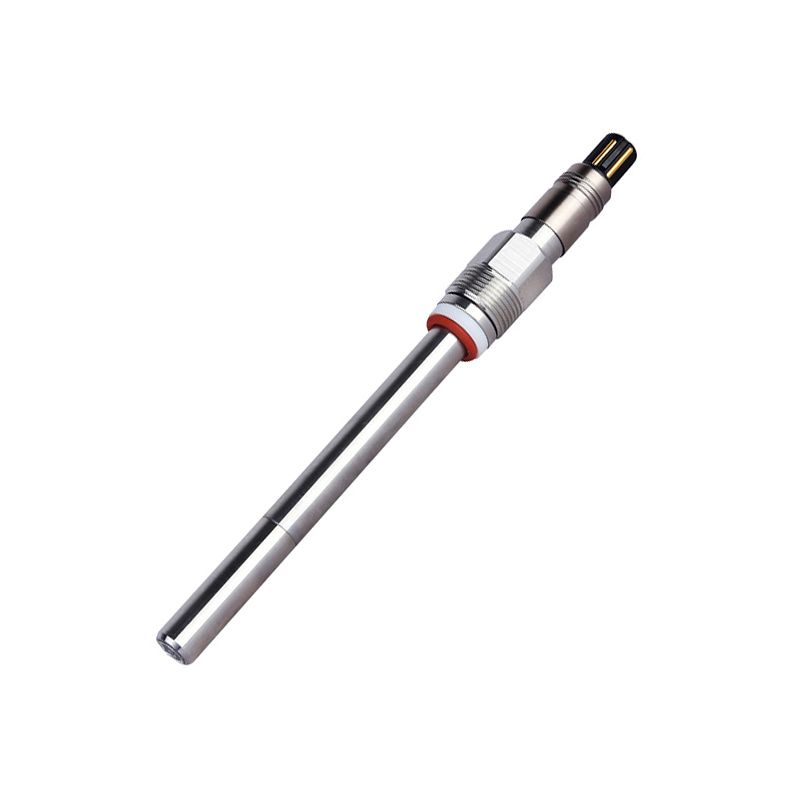
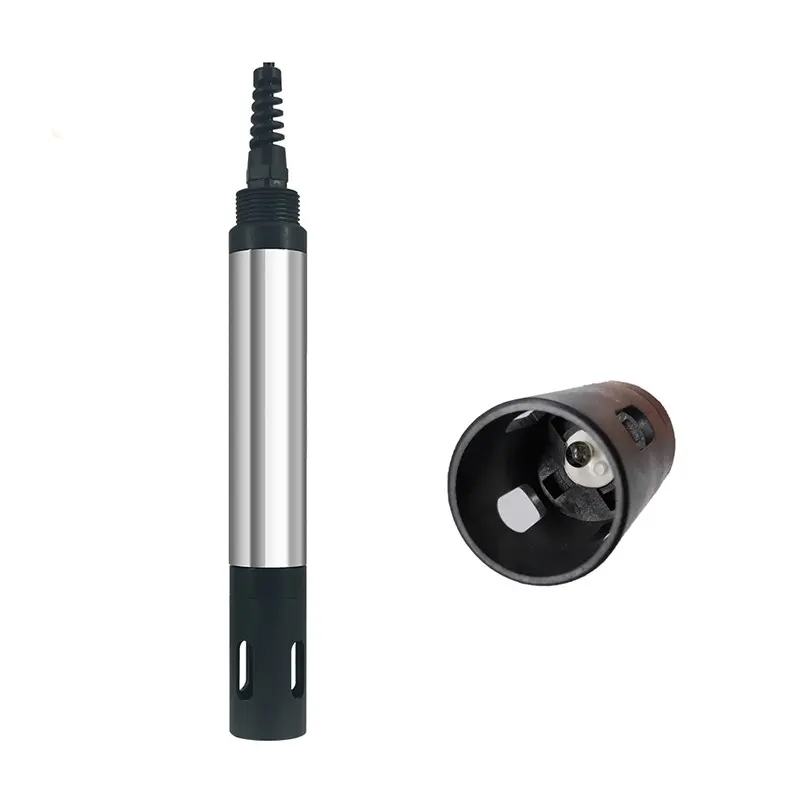
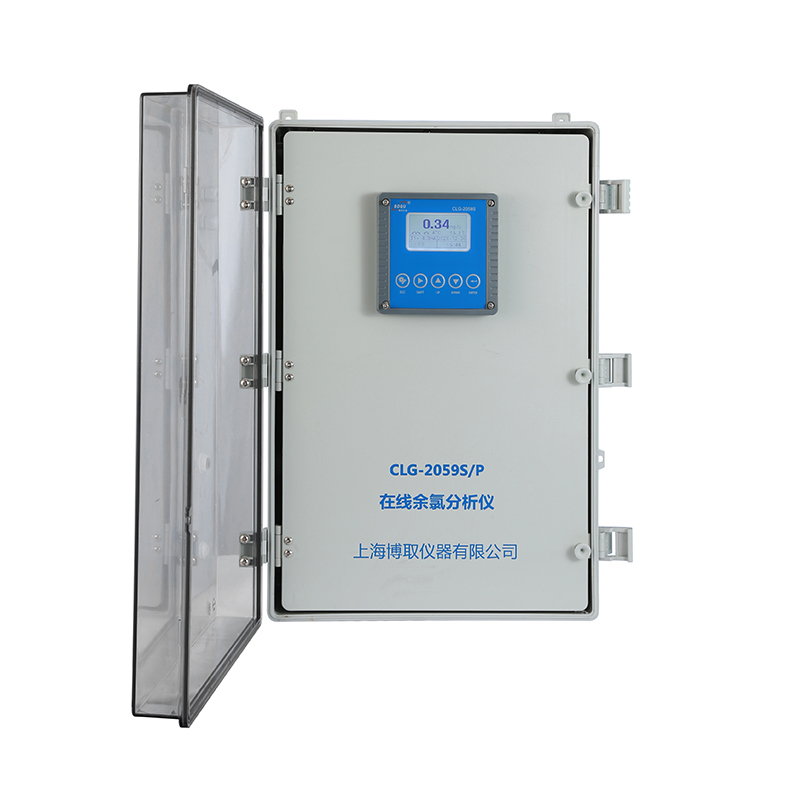
Wholesale Residual Chlorine Sensor Pricelist & Procurement Analysis
Navigating the international sourcing landscape for industrial residual chlorine sensors requires a comprehensive evaluation of upfront capital expenditure (CAPEX), long-term operational maintenance costs (OPEX), and sensor architecture. Residual chlorine continuous monitoring—crucial for maintaining public health in municipal drinking water networks and preventing biofouling in industrial cooling towers—is dominated by three primary sensing technologies: Membrane-Covered Amperometric Sensors, Bare-Gold/Platinum Constant-Voltage Amperometric Electrodes, and Colorimetric DPD Analyzers.
B2B buyers, EPC contractors, and system integrators must understand that wholesale pricelists vary significantly based on internal signal processing capabilities (analog vs. RS485 Modbus digital transmitters), automatic pH compensation algorithms, housing materials (Titanium, 316L Stainless Steel, PTFE), and integrated flow cell assemblies. Below is an engineering overview of market price benchmarks across tiers.
| Technology Type | Typical Measurement Range | Wholesale Price Range (USD) | Key Operational Cost Drivers | Optimal Industry Application |
|---|---|---|---|---|
| Bare-Gold Constant-Voltage Amperometric | 0–20.00 mg/L (ppm) | $180 – $450 / unit | Zero reagent consumption; periodic acid-cleaning of electrodes. | Drinking water networks, swimming pools, low-turbidity freshwater. |
| Membrane-Covered Amperometric Sensor | 0–10.00 mg/L (ppm) | $350 – $850 / unit | Annual membrane cap replacement; electrolyte solution top-up. | Desalination, industrial wastewater, variable flow pipelines. |
| Reagent-Based Colorimetric (DPD Method) | 0–5.00 mg/L (ppm) | $1,200 – $3,200 / unit | Continuous monthly buffer/DPD chemical reagent replenishment. | Regulatory compliance outfalls, complex industrial effluent. |
| IoT Smart Digital RS485 Chlorine Probes | 0–20.00 mg/L + Temperature | $280 – $600 / unit | Plug-and-play maintenance; internal calibration parameter storage. | Smart city water grids, remote IoT telemetry stations, aquaculture. |
Tiered Volume Discounts
Direct OEM factory orders from Shanghai BOQU Instrument leverage automated scale. Orders exceeding 50+ units unlock customized cable lengths, private labeling, and tier-1 distributor pricing incentives reducing per-unit costs by up to 35%.
Total Cost of Ownership (TCO)
Reagent-free amperometric chlorine sensors drastically lower long-term operating costs compared to optical or chemical colorimeters. Eliminating continuous chemical purchases yields payback on hardware expenditure within 8–12 months of deployment.
Warranty & Spare Parts Pricing
Comprehensive wholesale contracts include spare electrolyte kits, pre-calibrated replacement sensor heads, and flow cells at standardized factory component rates, insulating engineering clients from supply chain inflation.
Technical Principles & Sensor Selection Criteria
Accurate measurement of active residual chlorine (HOCl + OCl⁻) is highly dependent on solution pH, temperature, and fluid dynamics. In aqueous solutions, dissolved chlorine gas reacts with water to form hypochlorous acid (HOCl), which further dissociates into hypochlorite ions (OCl⁻) depending on pH:
HOCl ⇌ H⁺ + OCl⁻ (pKa ≈ 7.5 at 25°C)
Because HOCl possesses a bactericidal efficiency roughly 80 times greater than OCl⁻, online analytical sensors must accurately isolate free active chlorine. Shanghai BOQU Instrument incorporates real-time pH compensation software algorithms into its digital analyzers to convert raw amperometric current into precise HOCl and Total Free Chlorine values regardless of water chemistry fluctuations.
Amperometric Constant Voltage Sensing
BOQU’s constant-voltage free chlorine sensor uses a two-electrode system (Gold cathode and Silver/Silver Chloride anode) maintained at a fixed polarization voltage. Chlorine molecules diffusing to the cathode undergo electrochemical reduction:
HOCl + 2e⁻ + H⁺ → Cl⁻ + H₂O
The resulting nano-ampere reduction current is directly proportional to the partial pressure of free residual chlorine. Coupled with a precision platinum NTC temperature element, response times (T90) drop below 30 seconds.
IoT Smart Digital Integration (RS485 Modbus)
Modern water treatment plants are transitioning away from vulnerable analog mV inputs. BOQU's smart digital chlorine sensors embed signal amplification, temperature calibration curves, and factory calibration data inside the sensor housing itself.
Outputting standard RS485 Modbus RTU signals, these sensors connect directly to SCADA systems, PLC racks, or IoT cellular transmitters over distances up to 1,200 meters without signal degradation.
Shanghai BOQU Manufacturing & Supply Chain Advantage
Operating out of two specialized industrial facilities in Kangqiao and Lingang, Pudong District, Shanghai, BOQU Instrument brings nearly two decades of electrochemical engineering leadership to global enterprise buyers.
4,632 m² Advanced Production
Integrated glassblowing, electrode membrane casting, SMD circuit assembly, and housing machining are conducted under rigorous ISO 9001 and ISO 14001 quality management systems.
Automated Testing & 48-Hour Aging
Every residual chlorine sensor undergoes a mandatory 48-hour thermal polarization and signal burn-in test followed by multi-point calibration in controlled water matrix tanks prior to shipment.
OEM / ODM Engineering Flexibility
From custom thread sizes (NPT 3/4", PG13.5) to custom firmware protocols, private labeling, and turnkey analytical panels, BOQU’s 200+ team delivers rapid prototype turnarounds.
Regulatory Compliance & Global Localization Support
Deploying online water monitoring equipment globally demands strict adherence to regional drinking water standards and international environmental directives. Industrial buyers must ensure that residual chlorine monitoring equipment conforms to strict guidelines governing measurement accuracy, material safety, and data reporting.
Global Certification Framework
BOQU residual chlorine instruments are engineered to meet global industrial standards. Hardware designs hold European CE certifications for electromagnetic compatibility (EMC EN 61326-1) and low voltage electrical safety (LVD EN 61010-1).
- ✓ EPA Method 334.0 Alignment: Suitable for online free chlorine monitoring under US EPA compliance standards for drinking water.
- ✓ SGS & FDA Compliance: Wet analytical paths use food-grade materials, FDA-compliant O-rings, and corrosion-resistant wetted enclosures.
- ✓ IP68 Submersible Enclosures: Sensor probes feature hermetically sealed cable glands resistant to moisture ingress in harsh field installations.
Localized Engineering Support
Through BOQU’s international distributor network across South America, Southeast Asia, the Middle East, and Europe, global clients receive comprehensive localized technical assistance:
• Multi-Language Interfaces: Analyzers support English, Spanish, Russian, and Chinese firmware options.
• On-Site Field Calibration: Standardized slope and zero calibration protocols allow local technicians to perform routine maintenance using standard buffer solutions.
• Customs & Compliance Documentation: Complete export documentation including Certificates of Origin (Form E, Certificate of Conformity) to streamline port clearances.
Industry Development Trends in Chlorine Sensing
The online water analysis market is undergoing a technological revolution driven by industrial digitalization, stringent discharge regulations, and the demand for low-maintenance sensors. Key industry developments driving the next generation of residual chlorine monitoring include:
AI Predictive Maintenance
Next-generation sensors integrate self-diagnostic health algorithms that monitor electrolyte depletion, electrode fouling, and membrane polarization decay, alerting operators prior to measurement drift.
Zero-Reagent Reagentless Optics
Shift away from hazardous chemical reagents (DPD) toward maintenance-free UV spectrophotometric and constant-voltage electrochemical systems to minimize chemical waste handling.
Cloud-Native Edge Telemetry
Direct sensor-to-cloud connection via NB-IoT, 4G, or LoRaWAN protocols, allowing remote water utilities to manage decentralized disinfection booster stations from a single web dashboard.
Industrial & Municipal Application Scenarios
Precision control of residual chlorine prevents microbial pathogen regrowth while avoiding over-chlorination which causes carcinogenic disinfection byproducts (DBPs) such as trihalomethanes (THMs).
Drinking Water Distribution
Installed at clean water reservoir outlets, booster pumping stations, and distribution pipe junctions to verify WHO free chlorine residual thresholds (≥0.2 mg/L at consumer taps).
Produce Washing & CIP Lines
Real-time control of sodium hypochlorite dosing in continuous produce wash basins and brewery Clean-In-Place (CIP) final rinse cycles to eliminate cross-contamination.
Cooling Tower Biocide Dosing
Automated dosing control in industrial recirculating cooling towers to eliminate Legionella pneumophila biofouling while preventing oxidative corrosion of heat exchanger tubes.
Commercial Swimming Pools
Dual-channel monitoring of pH and free chlorine to optimize dosing pump operation, keeping water clear and preventing skin and eye irritation for bathers.
Purified Water System Disinfection
Monitoring residual ozone and chlorine during thermal or chemical sanitization cycles in pharmaceutical Purified Water (PW) and Water for Injection (WFI) loops.
Effluent Disinfection Outfalls
Measuring residual chlorine post-chlorination contact basins prior to environmental discharge to guarantee compliance with regional fecal coliform discharge permits.
Frequently Asked Questions (FAQ)
Expert technical and procurement answers compiled by Shanghai BOQU Instrument application engineers.
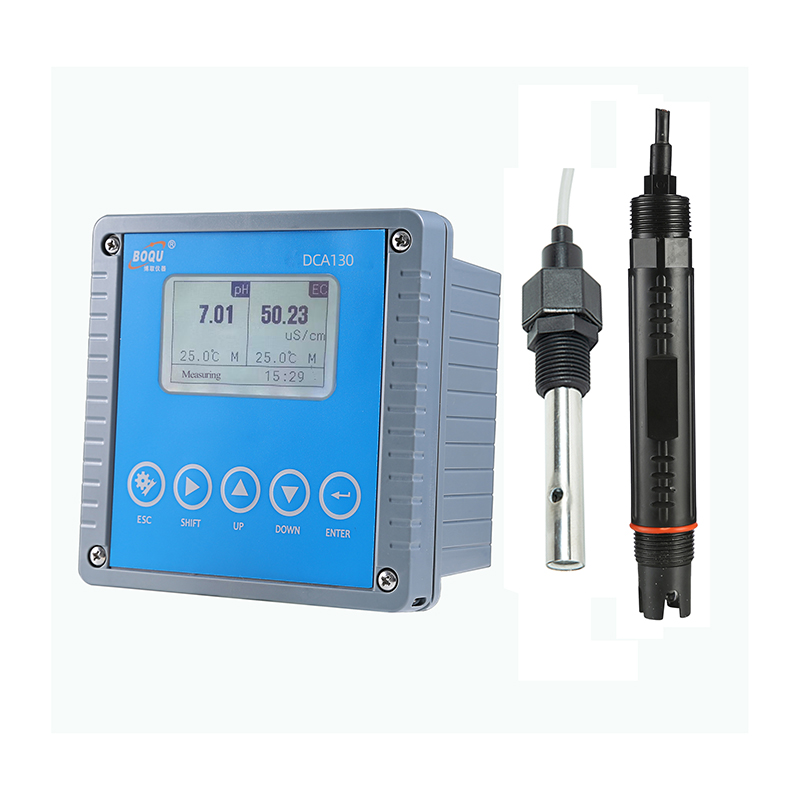
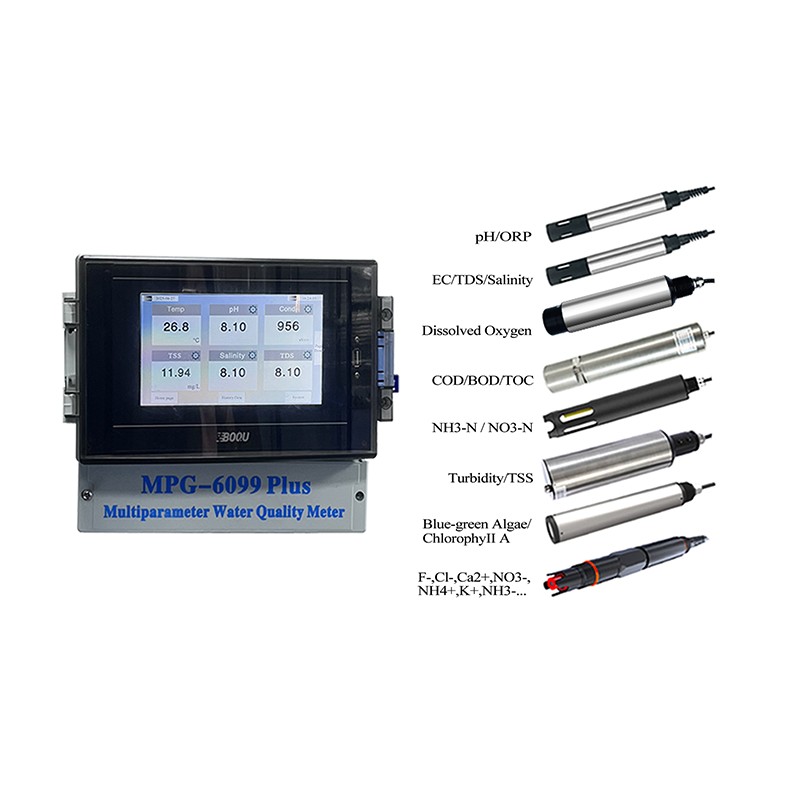
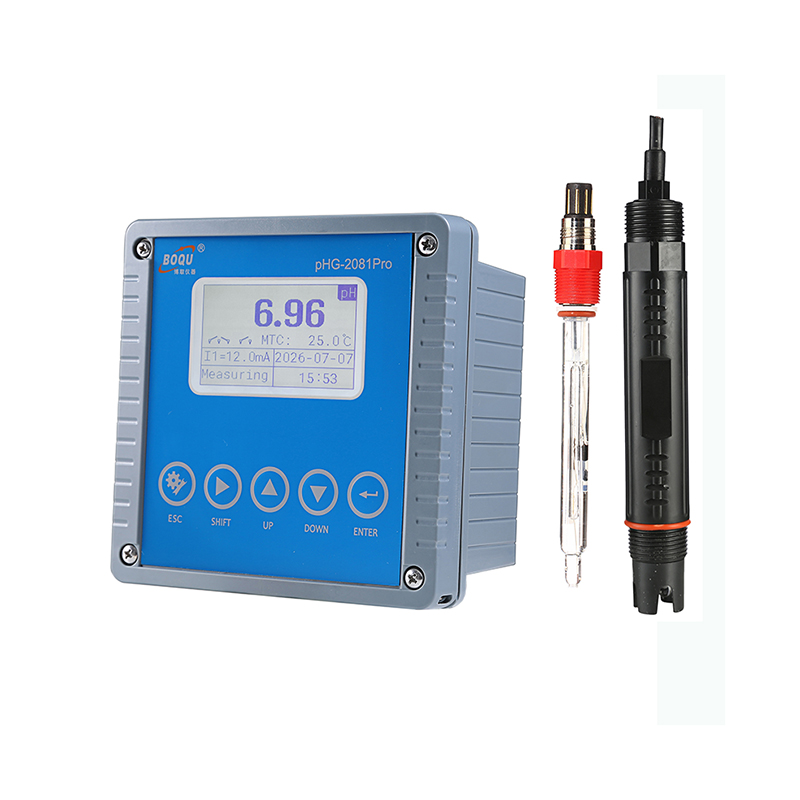
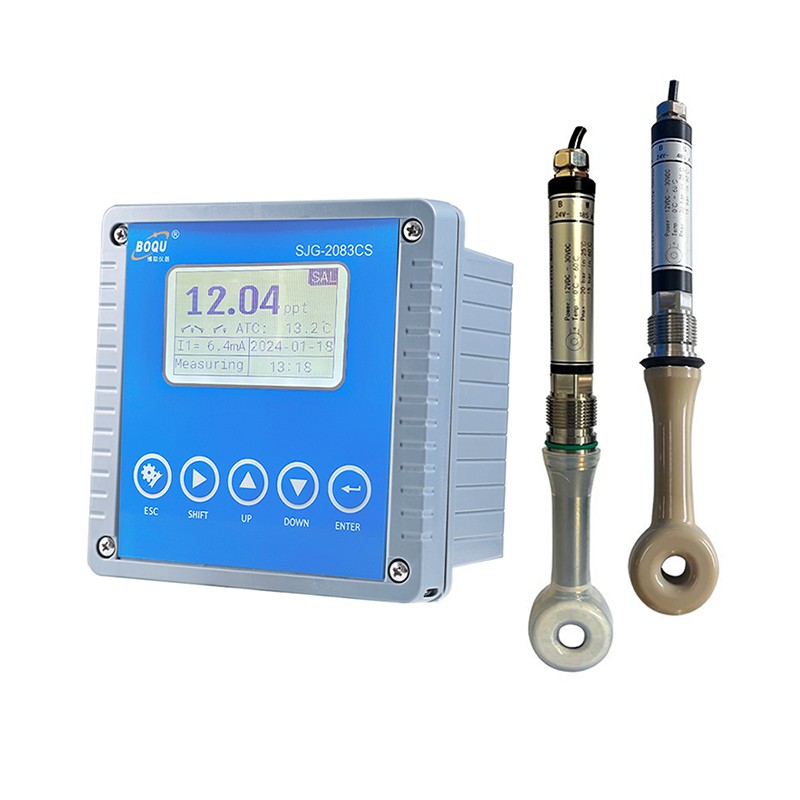
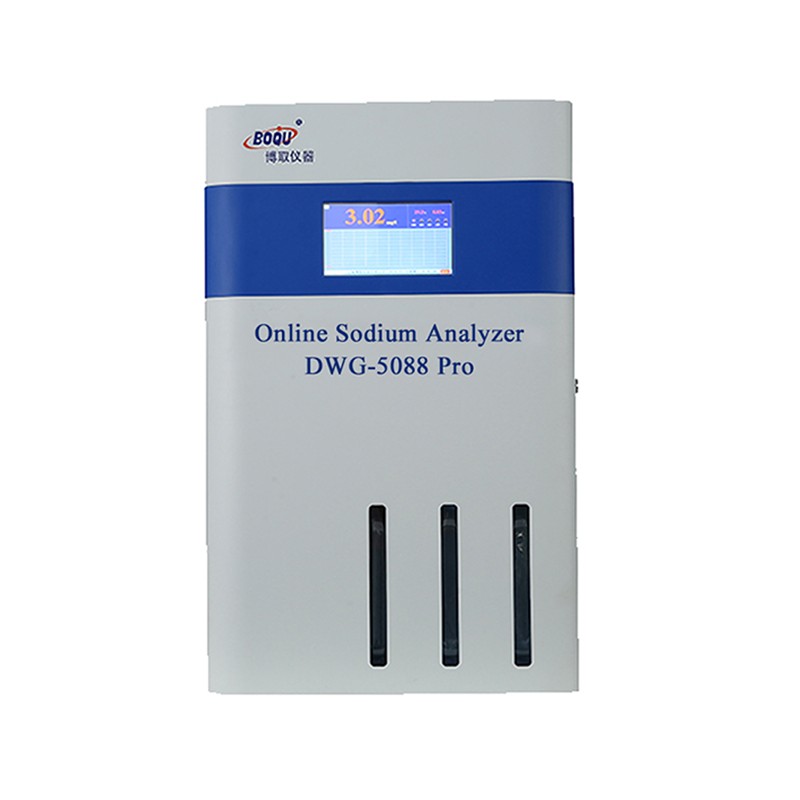
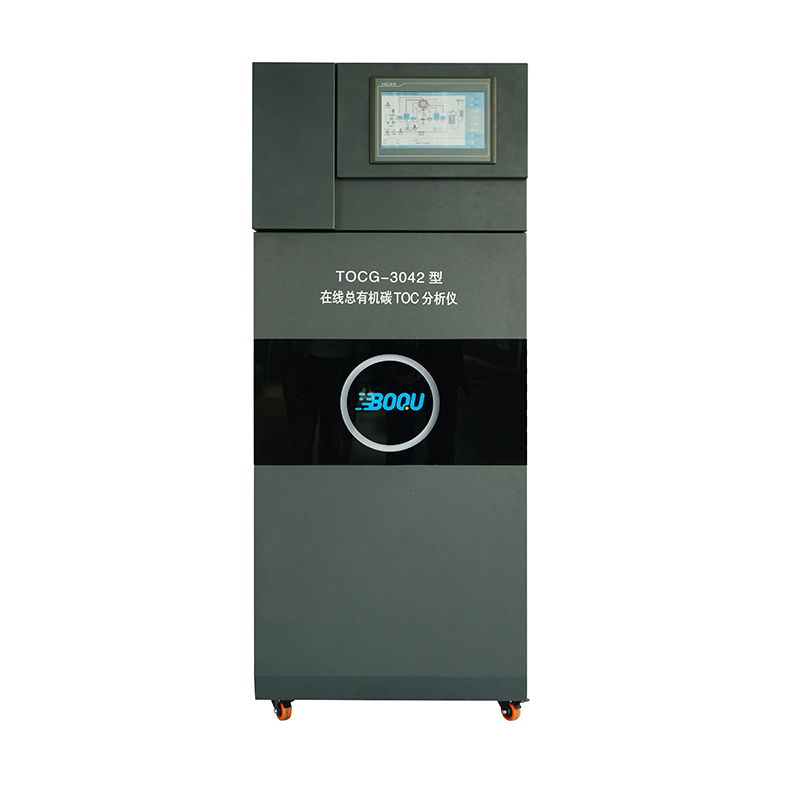
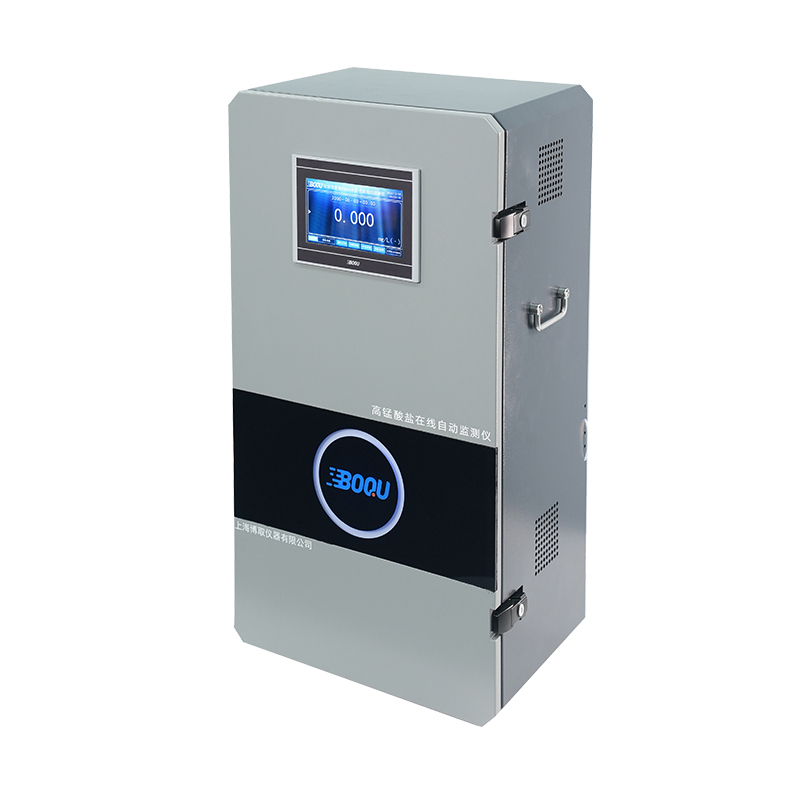
Integrated Water Quality Monitoring Systems
Explore BOQU’s comprehensive online controllers and multi-parameter panels designed for seamless SCADA integration and harsh industrial environments.
Partner with China's Premier Water Analysis Manufacturer
Direct factory technical support, competitive OEM wholesale pricing, and reliable delivery for system integrators, distributors, and engineering contractors worldwide.