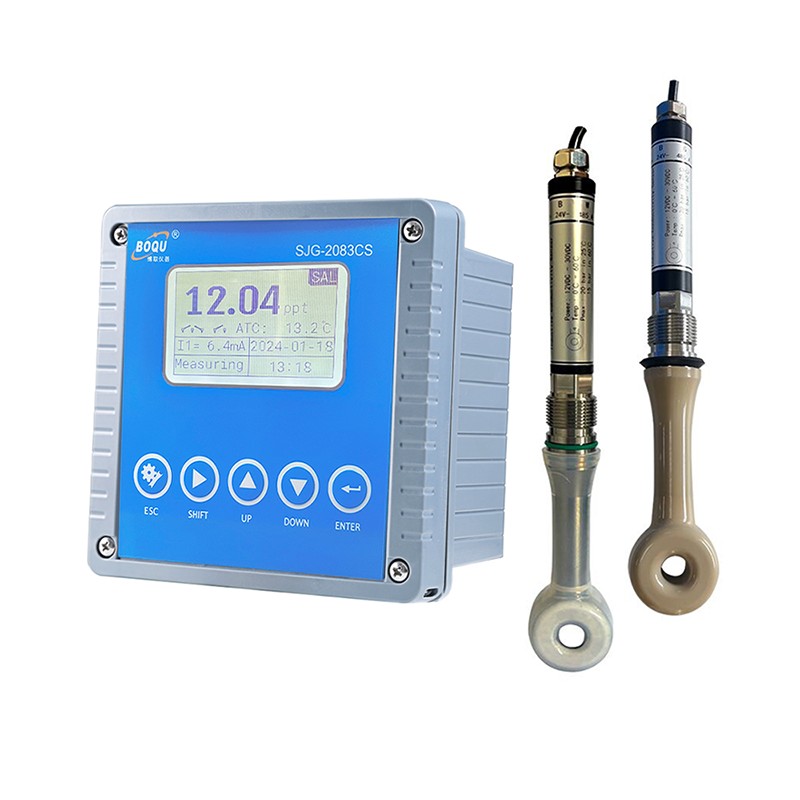
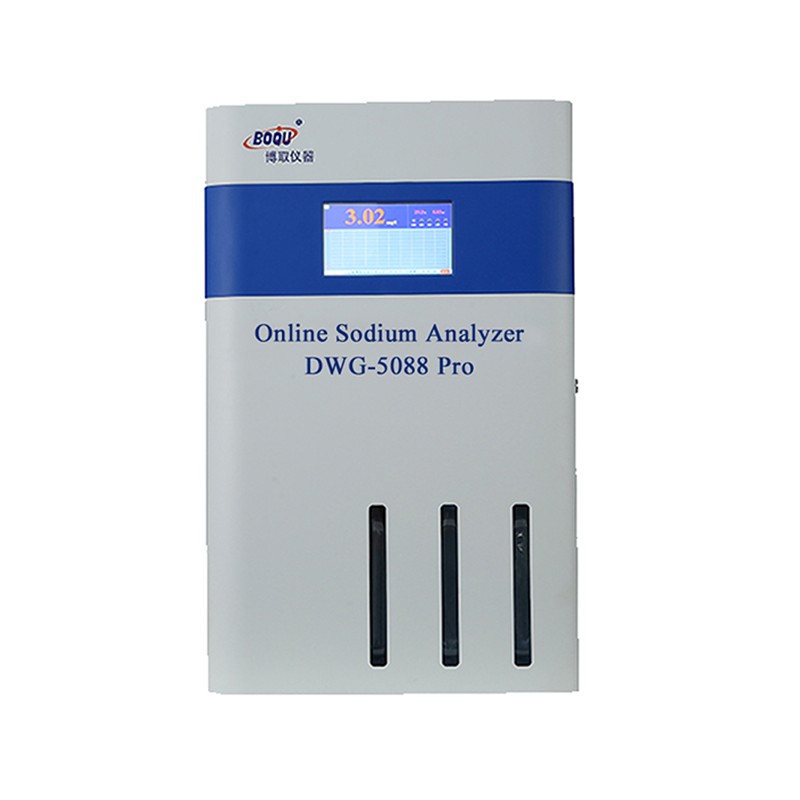
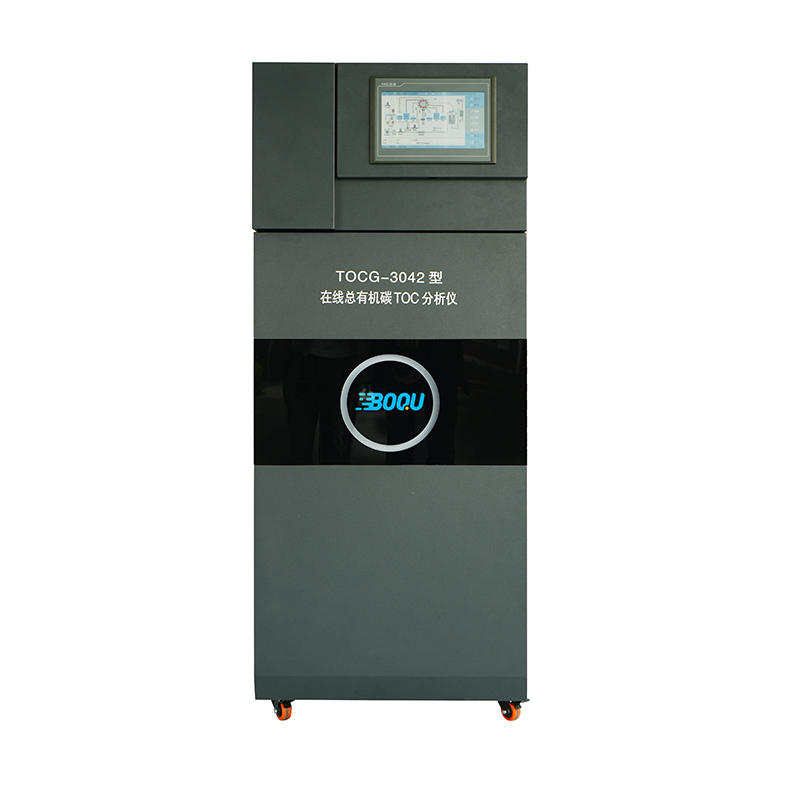
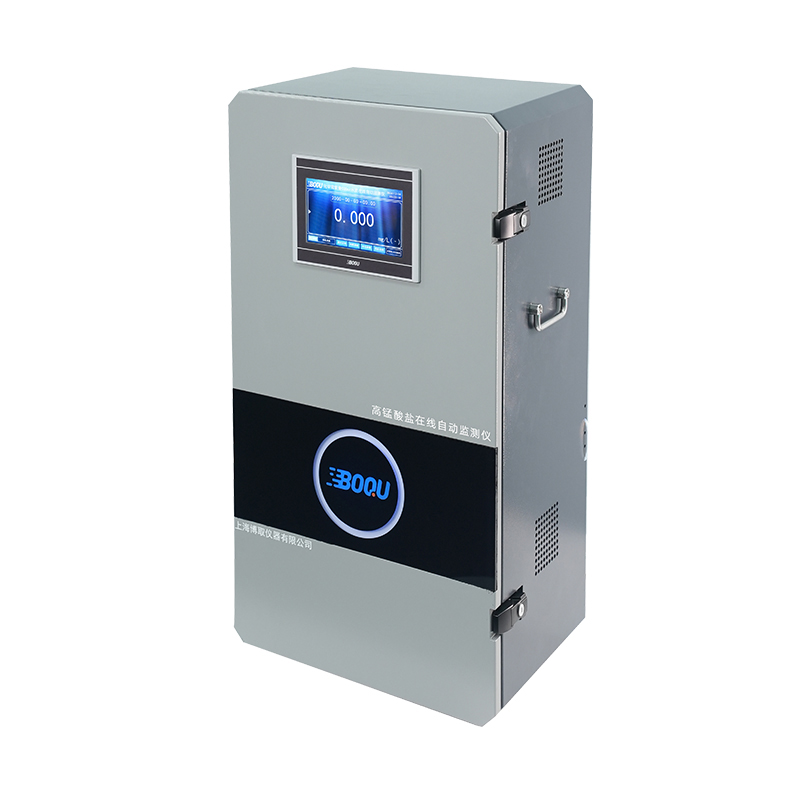
Featured Industrial Sensors & Analyzers
Explore our ISO 9001 certified residual chlorine, pH, and water quality monitoring sensors engineered for harsh process environments.




Macro Industry Landscape: The Critical Role of Residual Chlorine Monitoring
In modern municipal, industrial, and commercial fluid processing, chlorination remains the cornerstone of chemical disinfection worldwide. Chlorine in water exists in several distinct chemical species: free available chlorine (active hypochlorous acid $\text{HOCl}$ and hypochlorite ions $\text{OCl}^-$) and combined chlorine (chloramines formed by reaction with ammonia). Maintaining precise continuous control over residual chlorine concentrations is paramount. Under-dosing invites biological contamination, pathogen outgrowth (such as Legionella, E. coli, and viral pathogens), and bio-film build-up in pipe distribution loops. Conversely, over-dosing accelerates structural equipment corrosion, inflates operational reagent expenses, and creates toxic Disinfection By-Products (DBPs) including Trihalomethanes (THMs) and Haloacetic Acids (HAAs), which are strictly regulated by environmental protection agencies globally.
As regulatory frameworks like the United States Environmental Protection Agency (US EPA Method 334.0), the European Union Drinking Water Directive (EU 2020/2184), and WHO Guidelines enforce tighter thresholds, manual grab sampling and periodic DPD colorimetric batch testing no longer suffice for industrial compliance. The global market has rapidly transitioned toward continuous, automated amperometric residual chlorine analyzer sensors that deliver low-latency feedback to closed-loop SCADA and IoT dosing controllers.
Technological Paradigm Comparison: Amperometric vs. Colorimetric Sensing
When engineering water quality infrastructure, choosing the right sensing topology dictates long-term total cost of ownership (TCO) and sensor reliability. Below is an engineering evaluation comparing traditional analytical approaches with BOQU’s constant-voltage amperometric sensor technology:
| Evaluation Parameter | Constant-Voltage Amperometric (BOQU Technology) | DPD Colorimetric Batch Analyzers | Traditional Polarographic Membrane Sensors |
|---|---|---|---|
| Measurement Continuity | True Continuous (Real-time response in seconds) | Intermittent Batch (Sampling every 2.5 to 10 mins) | Continuous (Slower stabilization time) |
| Chemical Reagent Consumption | Zero Reagents Required (Environmentally Green) | High (Continuous consumption of DPD buffer/indicators) | Zero Reagents (Requires electrolyte replacement) |
| Maintenance Overhead | Minimal (Periodic cleaning / annual electrode polish) | High (Pumping tubing wear, reagent replacement, optical cleaning) | Moderate (Membrane rupture risk, electrolyte depletion) |
| pH Dependency & Compensation | Integrated digital dynamic pH dynamic software compensation | Buffered sample chemically controls pH | Highly pH sensitive; physical buffer required |
| OPEX (Operational Expenditure) | Extremely Low (<10% of colorimetric systems) | High (Recurring monthly chemical purchasing) | Low to Moderate |
Electrochemical Principles & Hardware Architecture
Understanding the micro-level physics and chemistry behind BOQU’s high-precision residual chlorine sensors.
Tri-Electrode Constant Voltage System
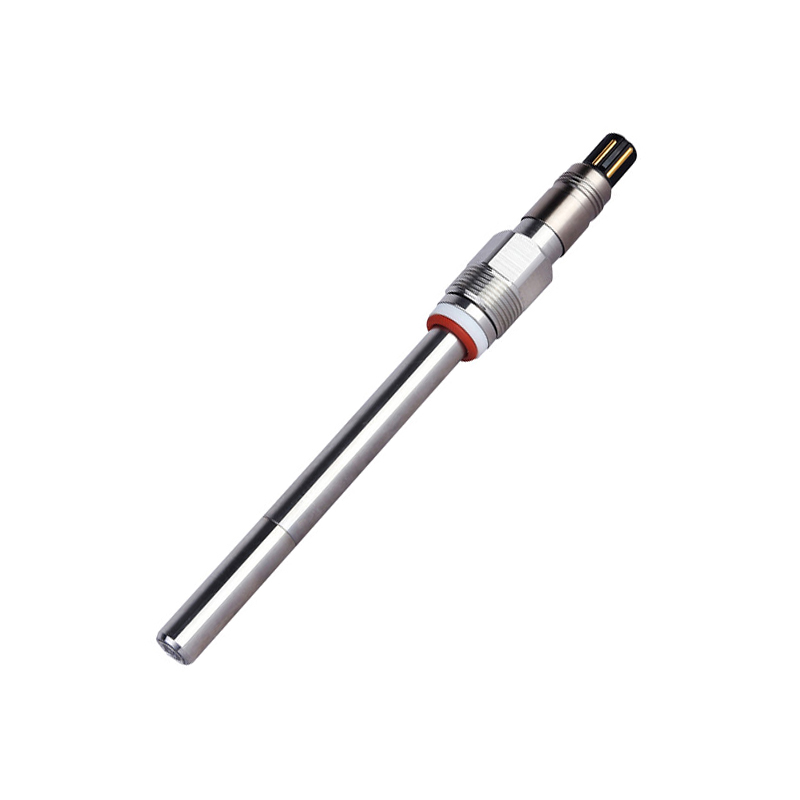
BOQU's residual chlorine sensors utilize a bare gold (Au) working electrode, a platinum (Pt) counter electrode, and a silver/silver chloride (Ag/AgCl) reference electrode. By applying a constant polarizing potential between the working and reference electrodes, target hypochlorous acid molecules ($\text{HOCl}$) undergo direct electrochemical reduction at the gold surface.
Real-Time Dynamic pH Compensation
Free chlorine balance is strictly governed by water pH ($\text{HOCl} \leftrightarrow \text{H}^+ + \text{OCl}^-$). Hypochlorous acid has roughly 80 times stronger bactericidal efficacy than hypochlorite ions. BOQU analyzers incorporate a secondary glass electrode input channel to run real-time logarithmic pH matrix correction, ensuring analytical accuracy across pH 5.5 to 9.5 variations.
IoT Digital Processing Edge Transmitters
Our smart digital sensors convert fragile micro-ampere electrode currents into robust digital signals directly inside the sensor probe head. Featuring RS485 Modbus RTU communication protocols, the sensors isolate signal transmission from electromagnetic interference (EMI), allowing direct connection to industrial PLCs, SCADA, or cloud gateways up to 1000 meters away.
Hydrodynamic Flow-Cell Engineering
Amperometric oxidation-reduction reactions are inherently dependent on the diffusion layer thickness across the working electrode surface. Fluctuations in process sample flow rate can create measurement drift. To solve this engineering challenge, Shanghai BOQU Instrument Co., Ltd. supplies custom acrylic or PVDF constant-flow cell assemblies. These flow cells maintain a stabilized linear velocity (typically 30–50 L/h) across the sensor tip, eliminating velocity-induced signal noise and preventing air bubble entrapping around the electrode matrix.
Localized Applications & Industrial Use Cases
Customized sensor configurations engineered for demanding municipal and industrial fluid environments.
1. Municipal Drinking Water Treatment & Booster Stations
Operational Requirement: Maintaining residual free chlorine levels between 0.2 mg/L and 2.0 mg/L in distribution networks to satisfy drinking water regulations without generating taste/odor complaints or high THM levels.
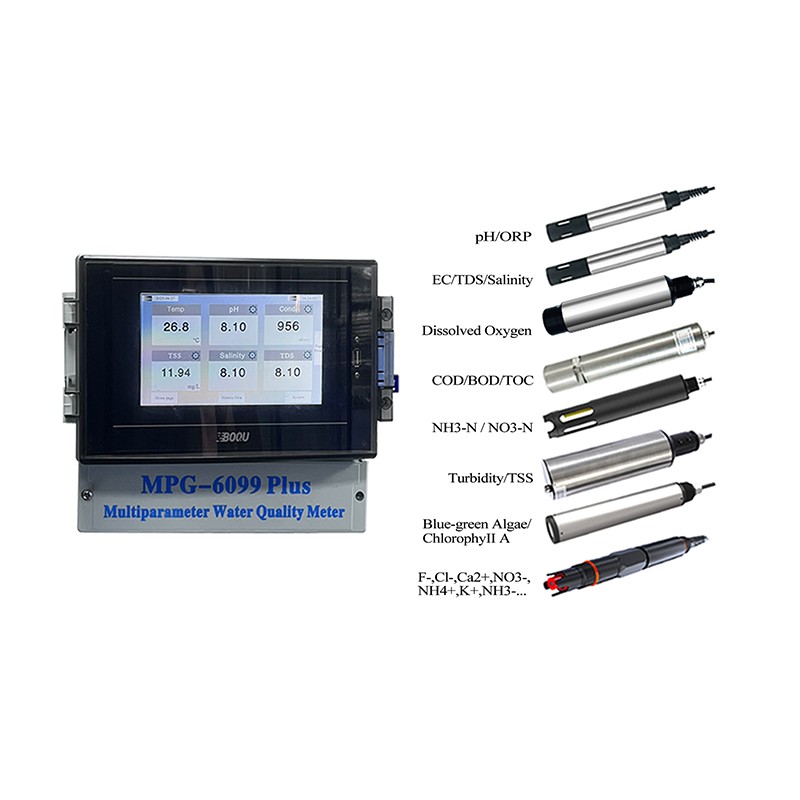
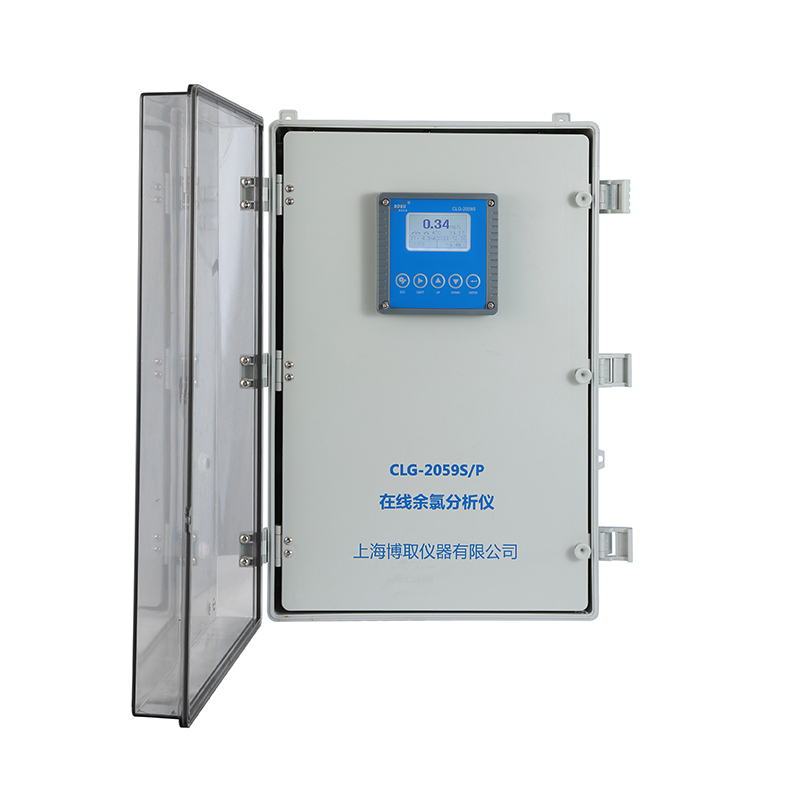
BOQU Solution: Integrated multi-parameter panel systems (such as the MPG-6099Plus) featuring an online residual chlorine sensor, pH sensor, temperature probe, and low-range turbidity meter. Coupled with digital telemetry for automated chlorine gas or sodium hypochlorite dosing pump regulation.
2. Biopharmaceutical Fermentation & Pure Water CIP Loops
Operational Requirement: High-purity process water sterilization and Clean-In-Place (CIP) rinse verification where high-temperature steam sterilization (SIP) cycles occur regularly.
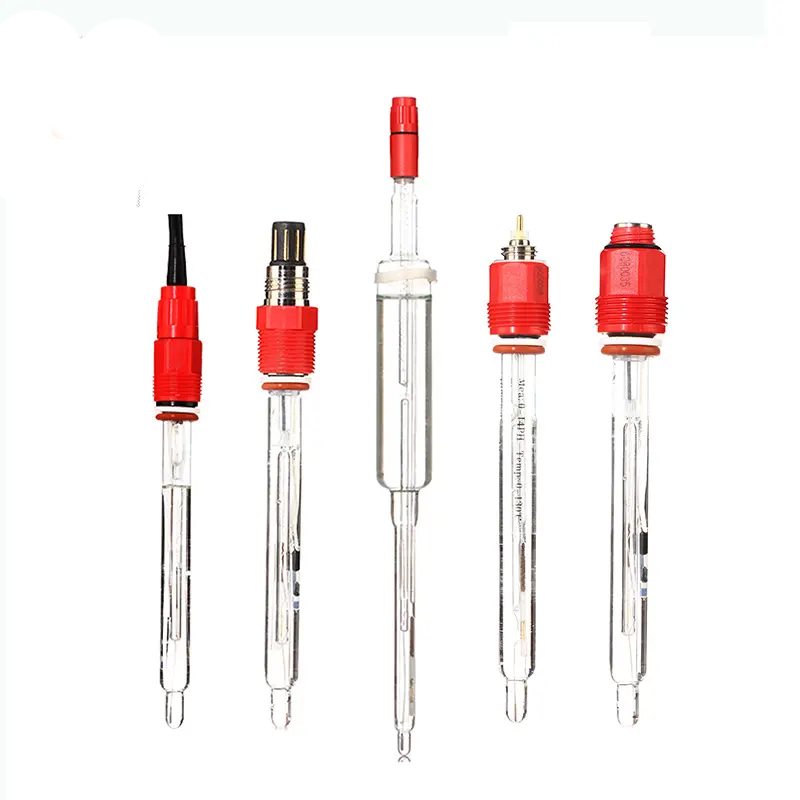
BOQU Solution: Specialized high-temperature pH and residual ozone/chlorine probes (such as the Shanghai Brand awarded pH5806 and DOG-208FA series) designed to withstand 130°C thermal shocks without electrolyte depletion or glass membrane fracture.
3. Recirculating Aquaculture Systems (RAS) & Marine Farms
Operational Requirement: Delicate disinfections using chlorine dioxide or residual free chlorine in intake marine water without allowing residual oxidants to damage gill tissue or kill beneficial biofilter bacteria.
BOQU Solution: High-sensitivity amperometric sensors calibrated for low ppb-level detection, utilizing titanium body construction to resist marine saltwater corrosion.
4. Industrial Cooling Towers & SWAS in Power Stations
Operational Requirement: Preventing bio-fouling and algae growth inside heat exchangers while avoiding chemical corrosion of boiler feed tubes.
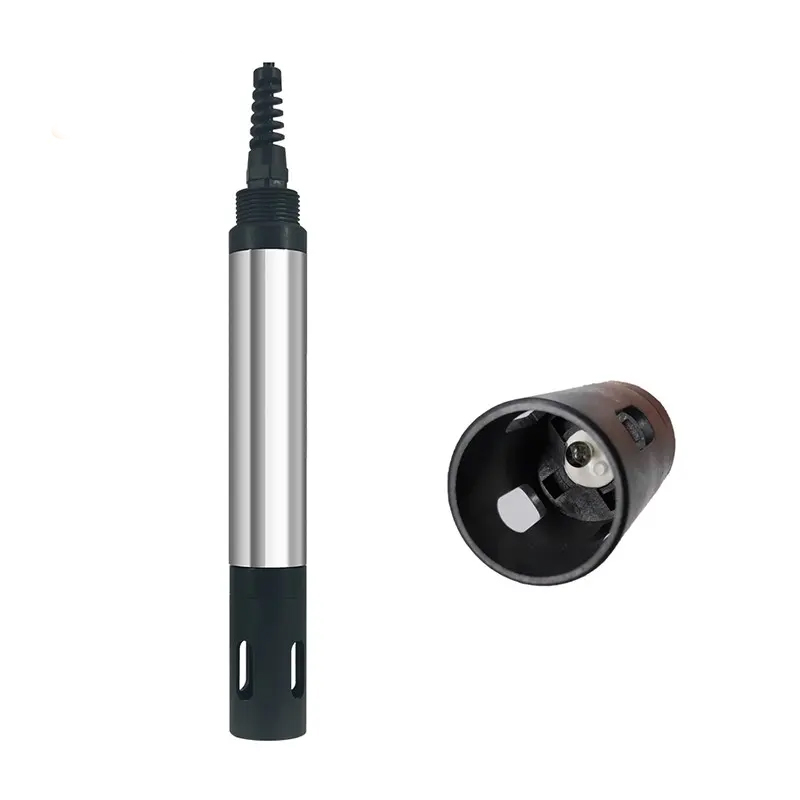
BOQU Solution: Ruggedized online free chlorine transmitters with dual 4-20mA current loops and customizable alarm relays for auto-bleeding and biocidal shock dosing control.
Wholesale Advantage, Localized Support & Compliance Safeguards
As a direct manufacturer operating two specialized manufacturing bases in Pudong Kangqiao and Lingang, Shanghai, covering 4,632 square meters, Shanghai BOQU Instrument Co., Ltd. provides robust B2B partnerships for global engineering distributors, original equipment manufacturers (OEMs), and EPC contractors.
International Compliance
Our complete manufacturing pipeline is strictly certified to ISO 9001:2015 Quality Management Systems and ISO 14001:2015 Environmental Management Systems. All exported instruments hold full CE conformity mark, SGS third-party audit verifications, and FDA material compliance for fluid-contact components.
B2B OEM / ODM Flexibility
We provide full white-label manufacturing services, including custom enclosure molding, firmware localization, private-label branding, customized measuring ranges (e.g., 0-2 mg/L, 0-10 mg/L, 0-20 mg/L), private Modbus register maps, and tailored cable lengths.
Rigorous Quality Testing
Every single residual chlorine analyzer and sensor built in our facilities undergoes a full multi-point chemical standard calibration and a 48-hour continuous burn-in aging test prior to packaging, ensuring zero-defect deployments on site.
Global Distribution Network & Regional Support
BOQU Instrument supports projects in over 100 countries including North America, Europe, Southeast Asia (Vietnam, Malaysia, Thailand), South Asia (India), South America (Brazil), and the Middle East. We provide direct technical assistance, comprehensive engineering documentation, multi-language instruction manuals, and remote video commissioning support for global engineering teams.
Technological Roadmap & Future Outlook (2025–2030)
The industrial water analysis landscape is advancing rapidly toward autonomous, intelligent, and self-maintaining sensing ecosystems. BOQU’s R&D center in Shanghai is leading this evolution through three primary technical vectors:
1. AI-Driven Drift Compensation & Self-Diagnostics
Future iterations of BOQU digital sensors integrate embedded machine learning algorithms that track electrode polarizability degradation over time. By calculating impedance curves, the internal processor dynamically predicts cleaning cycles and adjusts sensitivity curves, extending physical maintenance intervals from weeks to months.
2. Reagentless Solid-State Optical & Amperometric Hybrid Probes
By pairing UV-Vis micro-spectrophotometry with constant-voltage amperometric electrodes on a single micro-chip substrate, upcoming sensors will differentiate between free chlorine, chlorine dioxide, chloramines, and ozone simultaneously without chemical reagents.
3. Ultra-Low Power Wireless Mesh Integration
To serve remote municipal water networks and agricultural monitoring stations, BOQU is deploying energy-efficient NB-IoT and LoRaWAN wireless sensor heads capable of operating on solar energy or internal lithium battery packs for years without external power drops.
Frequently Asked Questions (FAQ)
In-depth answers to common questions asked by buyers, project engineers, and wholesalers.
Explore BOQU Industrial Instrumentation Portfolio
Select high-performance water quality monitoring products for your next engineering project.