
High-Precision pH & Analytical Sensor Series
Pre-calibrated and 48-hour burn-in aged analytical instruments engineered by Shanghai BOQU Instrument Co., Ltd., built for ultra-pure, high-temperature, and corrosive industrial environments.

High-temperature S8 Connector pH Sensor
Equipped with S8 universal plug, polymer electrolyte, and pressurized gel for rapid response in high-stress fluid dynamics.
View Product Details
High Temperature (0-130℃) pH Sensor
Engineered for clean-in-place (CIP) and sterilization-in-place (SIP) conditions, offering drift-free electrochemistry up to 130°C.
View Product Details
High Temp Sensor with Temp Compensation
Integrated Pt100/Pt1000 RTD resistance for automated Nernst slope compensation across variable process temperatures.
View Product Details
Pharmaceutical Fermentation pH Sensor
Sanitary design with certified food-grade non-cytotoxic gel, preventing protein clogging in biological synthesis.
View Product Details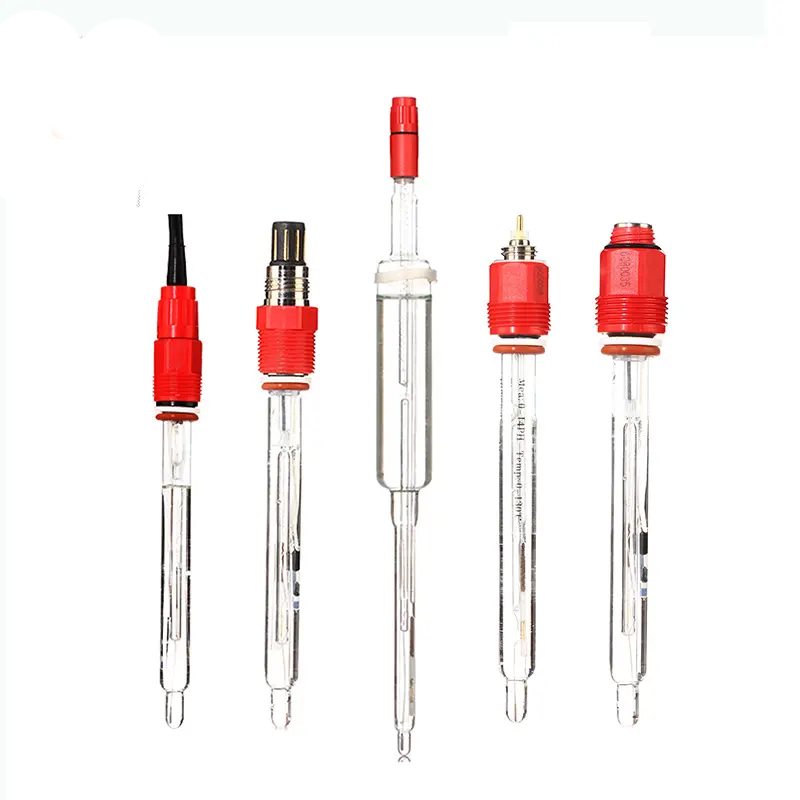
pH5806 Flagship High Temp pH Sensor
Shanghai Brand certified sensor designed specifically for steam autoclaves, pressurized reactors, and pure water lines.
View Product Details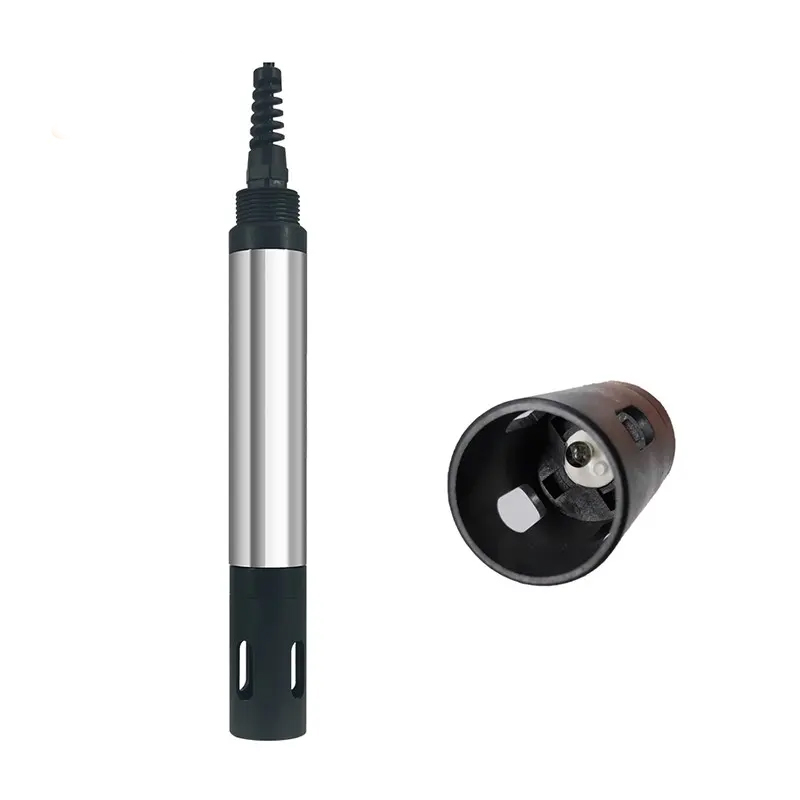
IOT-485-pH Digital Online pH Sensor
Internal microprocessor with native RS485 Modbus RTU telemetry, directly integrating into SCADA and cloud automation.
View Product Details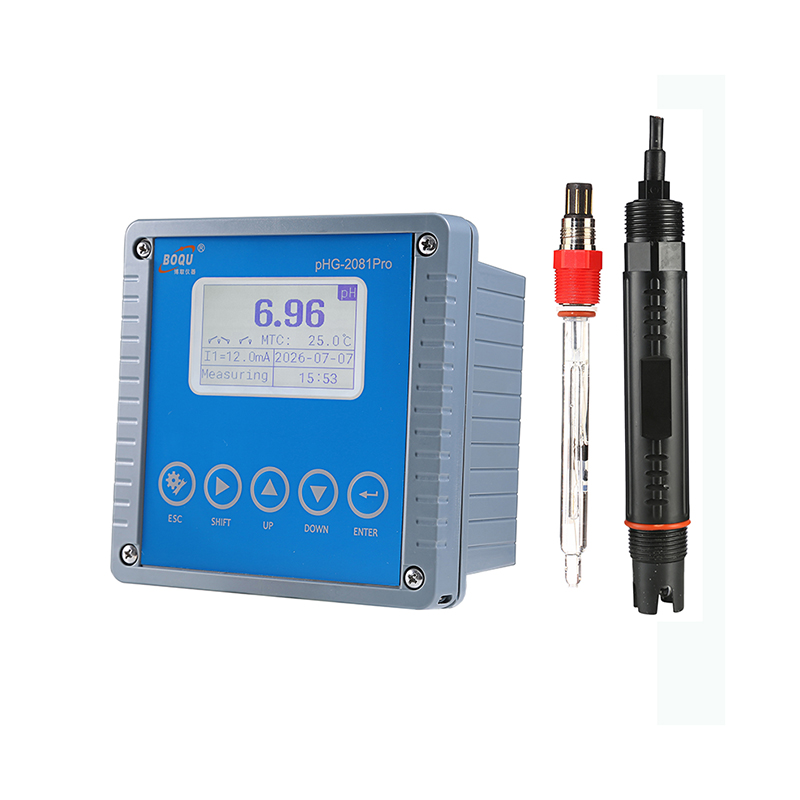
pHG-2081Pro Industrial Online pH Analyzer
Dual 4-20mA isolated transmission, programmable relays, and ultra-high input impedance (>10¹² Ω) for noise immunity.
View Product Details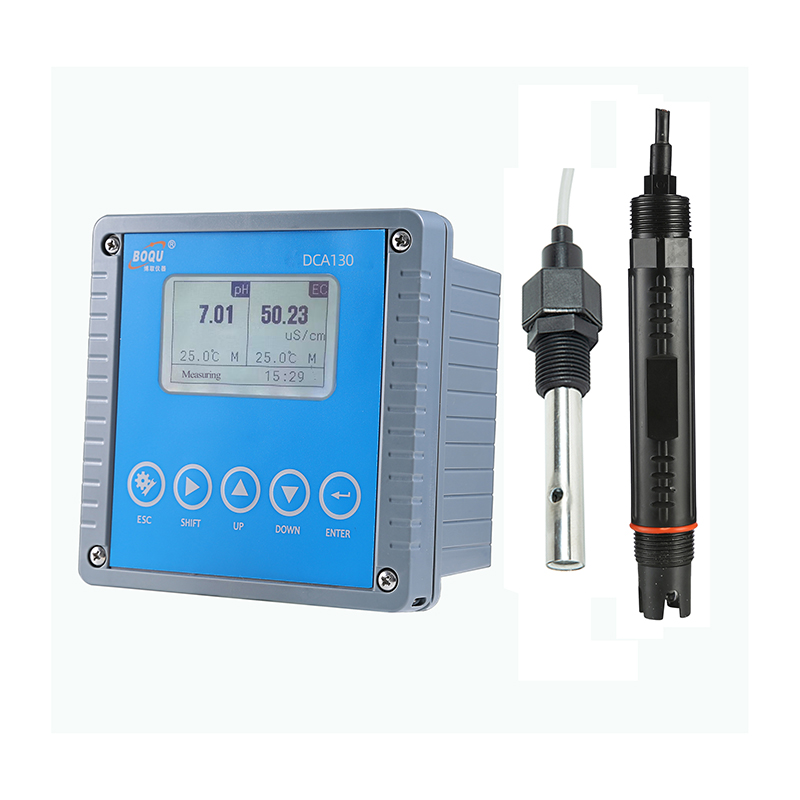
DCA130 Dual Channel pH & EC Controller
Simultaneous monitoring of electrochemistry and electrical conductivity for RO filtration skids and deionization units.
View Product DetailsThe Global Landscape of Pure Water pH Measurement
Demystifying the electrodynamic complexities of low-conductivity fluid testing across semiconductor manufacturing, subcritical thermal power plants, and biopharmaceutical facilities.
In modern industrial water quality engineering, pure water pH measurement represents one of the most mechanically and electrochemically demanding challenges. In media where electrical conductivity drops below 2.0 μS/cm (such as demineralized water, reverse osmosis permeate, and Water for Injection), the absence of buffering ionic species creates unprecedented physical measurement instability.
The core barrier stems from high electrical resistance within the fluid loop. In ultra-pure water, an ordinary reference junction suffers from immense, fluctuating liquid junction potentials (streaming potentials), unpredictable asymmetric potentials, and rapid potassium chloride (KCl) depletion. This leads to drift, calibration failure, and electrostatic interference generated by process fluid velocity. Industrial instrumentation procurement teams frequently report that conventional off-the-shelf laboratory electrodes degrade within weeks when exposed to continuous pure water streams.
To overcome these failure modes, modern analytical instrumentation relies on flowing reference junctions, pressurized capillary diaphragms, and specialized low-impedance glass formulations. Manufacturers with vertically integrated R&D, such as Shanghai BOQU Instrument, utilize micro-porous annular ceramic junctions and pressurized gel chemistries that maintain a strictly controlled, laminar electrolyte bleed rate, suppressing streaming potentials and safeguarding process accuracy.
Low-Impedance Glass Membranes
Specially synthesized lithium glass formulations offer rapid ion exchange kinetics even in pure water environments under 0.1 μS/cm, eliminating signal attenuation and electrostatic noise.
Suppressed Streaming Potentials
Engineered stainless steel (316L/Hastelloy) flow chambers direct sample velocity across the probe head in laminar layers, preventing flow-induced electrodynamic charges from corrupting data.
Electrolyte Depletion Defenses
Polymerized gel reservoirs with pressurized internal chambers prevent sample back-diffusion, avoiding silver chloride poisoning and extending probe lifespan up to 300% over standard designs.
China Factory Efficiency & OEM Sourcing Advantages
Combining world-class electrode automation, precision glassblowing mastery, and rigorous metrology validation to deliver elite sensor reliability at market-disrupting wholesale pricing.
Full Ecosystem Supply Chain Integration
Operating dual manufacturing sites in Kangqiao and Lingang, Shanghai, BOQU synthesizes proprietary glass rods, machines precision titanium/PEEK bodies, and solders circuit boards in-house, cutting middleman surcharges.
Dedicated High-Temp Metrology Lab
BOQU established China's premier high-temperature electrochemical testing laboratory, validating slope stability, impedance characteristics, and thermal shock survivability across hundreds of dynamic thermal cycles.
Agile OEM/ODM White-Label Programs
Global engineering brands and regional distributor networks leverage BOQU's white-label capabilities: private laser branding, tailored cable lengths, custom connector styles (S8, VP, K9, BNC), and pre-configured Modbus baud addresses.
Wholesale Pure Water pH Probe Sourcing Pricelist
Comprehensive price tier comparisons, configuration parameters, and minimum order commitments for industrial procurement specialists, distributors, and engineering contractors.
| Probe Model / Spec | Reference System & Junction | Measurement Limits | Applicable Media Conductivity | Estimated Wholesale Tier (FOB Shanghai) |
|---|---|---|---|---|
| BQP-Ultra-100 Pure Water Standard |
Gel-filled, Dual Ceramic Annular, Ag/AgCl | 0–14 pH / 0–80°C / ≤0.4 MPa | < 10 μS/cm (RO, Demineralized) | $42.00 – $68.00 / unit (MOQ: 10) |
| pH5806 Series High-Temp / Steam Rated |
Pressurized Polymer Gel, Open Aperture / Porous PTFE | 0–14 pH / 0–130°C / ≤0.6 MPa | < 5 μS/cm & CIP/SIP Hot Broth | $75.00 – $115.00 / unit (MOQ: 5) |
| BQP-SWAS-Flow Boiler Feedwater Grade |
Liquid KCl Flowing Electrolyte + Flow Chamber | 0–14 pH / 0–100°C / Atmospheric flow | < 0.2 μS/cm (Power Plant Condensate) | $110.00 – $165.00 / set (MOQ: 5) |
| IOT-485-PureDigital Smart Direct Modbus |
Integrated RTD Pt1000, Microprocessor, Gel Ref | 0–14 pH / -10–90°C / ≤0.6 MPa | < 2.0 μS/cm (Pharma WFI loops) | $88.00 – $135.00 / unit (MOQ: 10) |
| DCA130 Package Dual pH + Cond System |
Wall-mount transmitter + dual sensor manifold | pH: 0-14, Cond: 0.01-200 μS/cm | Semiconductor UPW Polishing Loop | $280.00 – $420.00 / full skid system |
*Note on Pricelist Execution: Final quotations vary depending on selected cable shielding (double-shielded low-noise coaxial vs. polyurethane dragged-chain), high-temperature cable extensions (5m, 10m, 20m), specialized process connectors (VariVent, 3/4" NPT, S8, Triclamp 1.5"), and customized sensor housing materials (PPS, 316L, Titanium). Contact sales directly for volume container tier rebates.
Localized Engineering Application Scenarios
Where failure is not an option: optimizing electrochemistry within demanding industrial flow architectures across the globe.
Thermal & Nuclear SWAS Loops
In power generation steam and water analysis systems (SWAS), volatile alkalization (ammonia/ETA dosing) maintains pH between 9.2 and 9.6 in feedwater below 0.15 μS/cm. Probes require Faraday shielding and non-depleting junctions to prevent corrosion-driven boiler tube punctures.
Semiconductor UPW Polishing
Fabrication of nanoscale silicon wafers demands ultrapure water (UPW) with resistivity at the theoretical limit (18.2 MΩ·cm). Trace pH measurements confirm carbon dioxide degassing and ion exchange resin bed regeneration without contaminating clean streams with ionic electrolyte outflow.
Biopharma WFI & Sterile Fermentation
Water for Injection (WFI) and recombinant protein fermentation loops operate under stringent USP <645> standards. Probes must survive repeated 130°C sterilization, resist dense microbial broth adhesion, and ensure zero toxic metal leachables enter the active pharmaceutical formulation.
Industry Trends & Global Procurement Requirements
Key technological transformations driving international procurement budgets over the 2025–2030 horizon.
Direct-to-Cloud Digital Micro-Transmitters
Traditional high-impedance analog cables are susceptible to electromagnetic noise from large pump motors and variable frequency drives (VFDs). The industry is pivoting to direct-head digitizers that convert mV potentials to isolated RS485 Modbus RTU or wireless telemetry directly at the sensor head.
Predictive Glass Health Diagnostics (AI-Driven)
Tier-1 industrial engineering buyers require sensors equipped with dynamic glass membrane impedance tracking and reference junction resistance trending. This enables plant maintenance to schedule probe recalibration or replacement proactively before process excursions trigger automated shutdowns.
Universal Sanitary Fitting Compliance
Procurement teams demand reduction of SKU inventory. Standardizing sensor housings with modular process adapters—interchanging smoothly between standard 3/4" male NPT, Varivent process couplings, and Tri-Clamp sanitary flanges—reduces operational overhead across international plants.
Frequently Asked Questions on Pure Water pH Sourcing
In-depth electrochemistry, installation guidance, and global procurement procedures directly resolved by BOQU factory specialists.
Why do standard pH electrodes give drifting readings in pure water?
Pure water contains negligible free ions, raising media resistance to megaohm levels. In conventional electrodes, the potential across the reference junction fluctuates with minute flow changes, generating unstable "streaming potentials." Furthermore, standard electrolyte diffuses too slowly or depletes erratically, resulting in massive mV signal drift.
How does sample flow velocity affect pure water measurement accuracy?
Flow velocities above 100 mL/min create pronounced friction potentials on the glass surface and induce irregular dilution of KCl at the liquid junction. We recommend installing probes within a 316L stainless steel bypass flow cell with flow controlled tightly between 50 to 100 mL/min, discharging to open atmospheric drain.
What is the typical operational lifespan of a pure water pH probe?
In continuous unpressurized pure water streams, a high-quality gel or flowing reference probe will typically last between 9 to 18 months, depending on operating temperature and cleaning frequency. Probes subjected to thermal shocks or aggressive cleaning cycles will require replacement closer to the 6 to 9 month mark.
How does Shanghai BOQU Instrument manage wholesale customization (OEM)?
BOQU provides comprehensive OEM/ODM programs including custom cable printing, proprietary labeling, specific temperature sensor embedding (Pt100, Pt1000, NTC 10K), individualized glass bulb geometries for fast response, and private-label firmware integration for international brand partners.
Complete Water Quality Analysis & Secondary Sensor Systems
Explore BOQU’s comprehensive industrial portfolio: multi-parameter controllers, optical turbidity sensors, high-temperature dissolved oxygen, and trace chemical analyzers.
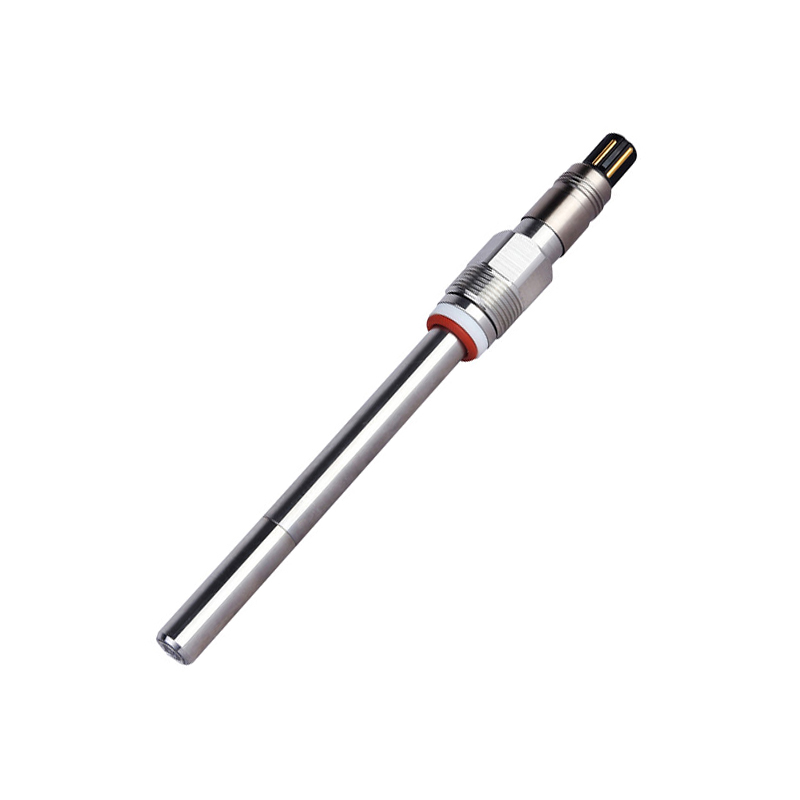
DOG-208FA High Temperature DO Sensor
Polarographic dissolved oxygen electrode built to withstand steam sterilization for biopharma and pure water aeration balance.
View Specifications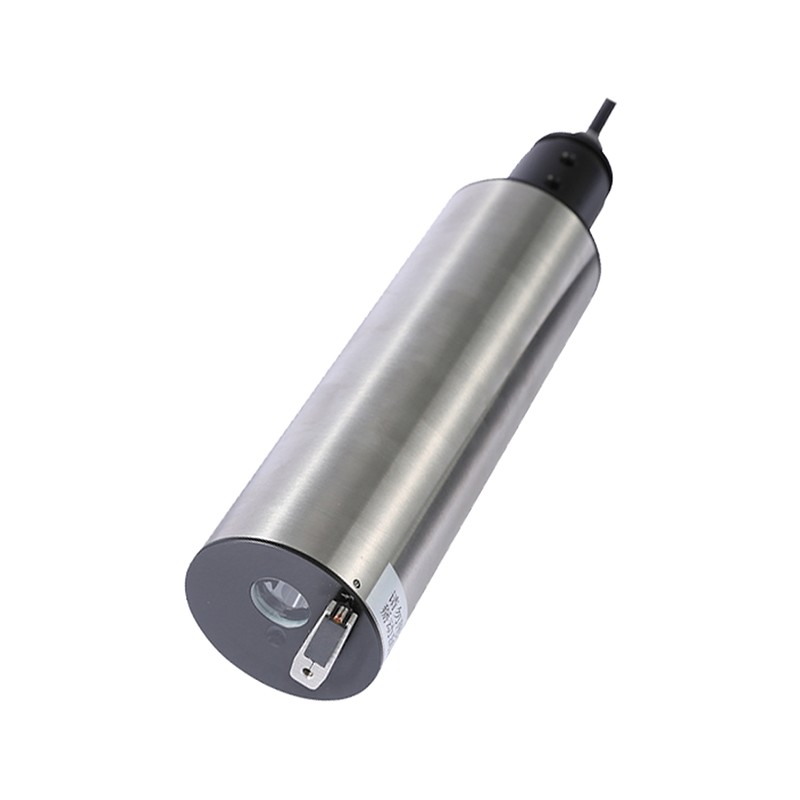
ZDYG-2088-01QX Online Turbidity Sensor
Infrared 90-degree scattered light design with automated mechanical wiper cleaning for crystal clear pure water clarity checks.
View Specifications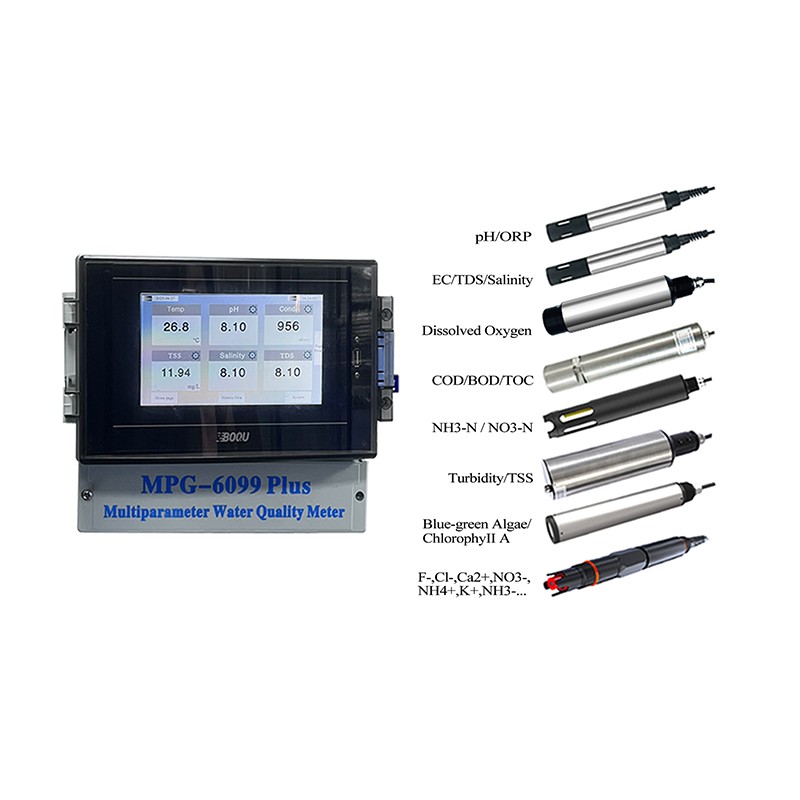
MPG-6099Plus Multi-Parameter Panel
Pre-plumbed panel combining pH, conductivity, turbidity, and residual chlorine for centralized plant distribution skid control.
View Specifications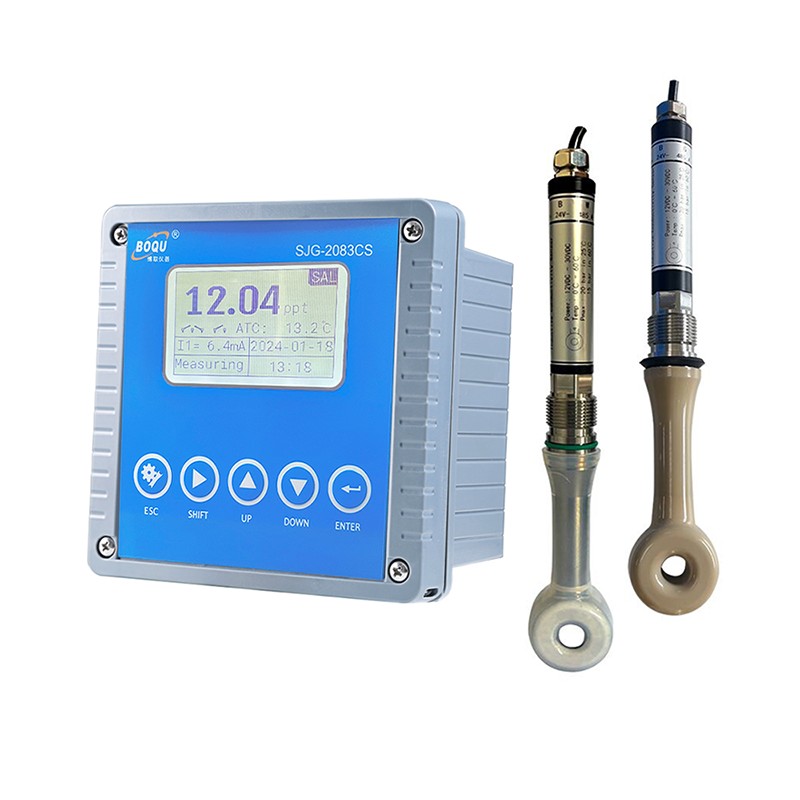
SJG-2083CS Acid & Alkali Concentration
Toroidal electrodeless conductivity sensor measuring high-concentration chemical regeneration streams in demineralizer skids.
View Specifications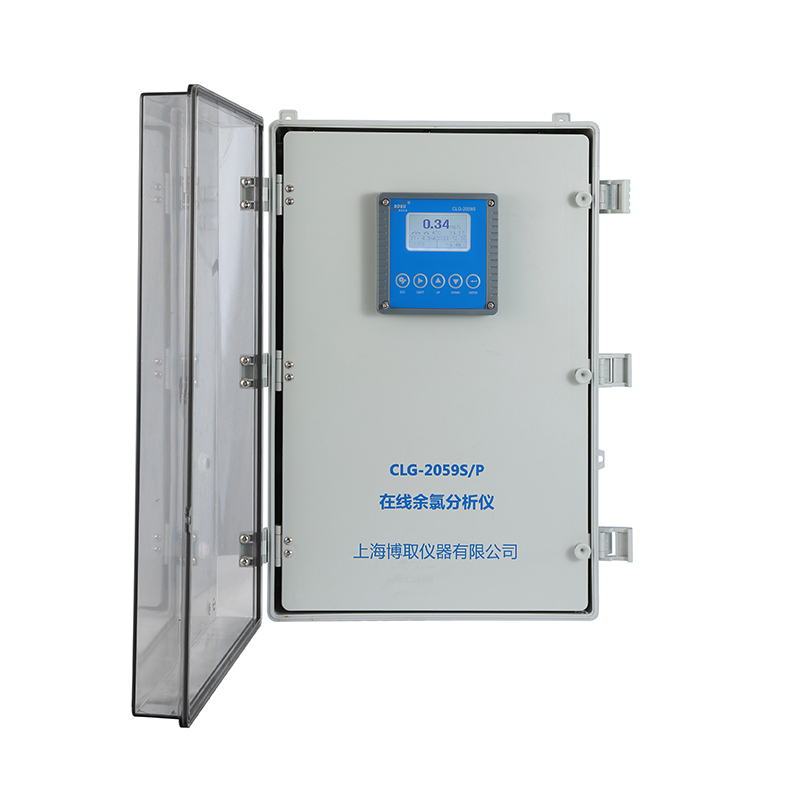
Online Residual Chlorine Analyzer
Constant-voltage amperometric system without reagent consumption, protecting pure water RO membranes from chlorine oxidation.
View Specifications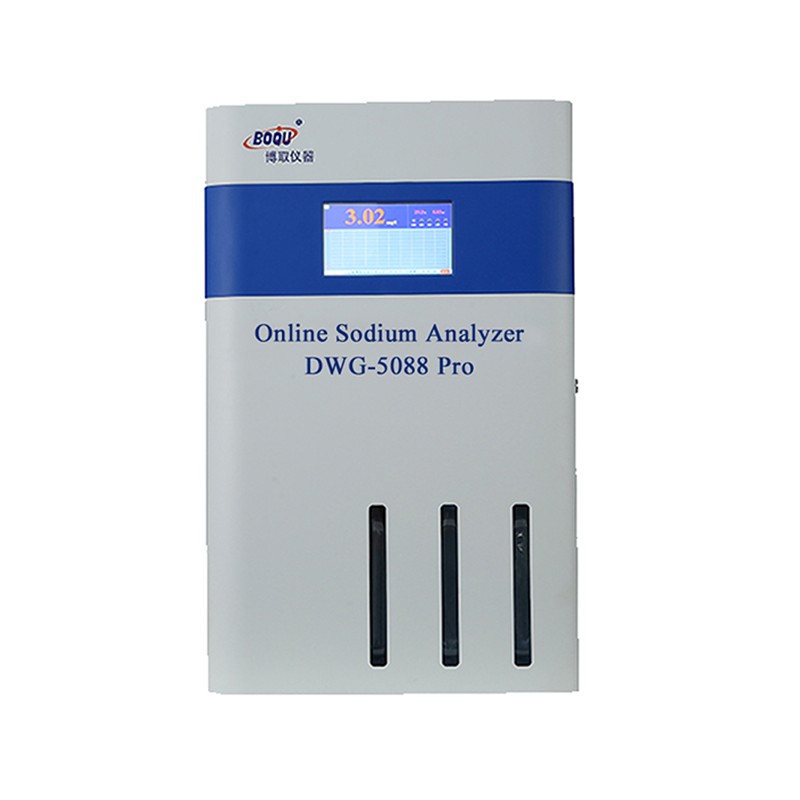
SWAS Trace Silicate & Sodium Analyzer
Micro-colorimetric wet chemistry instrument monitoring ppb-level silica breakthrough in high-pressure power turbine steam circuits.
View Specifications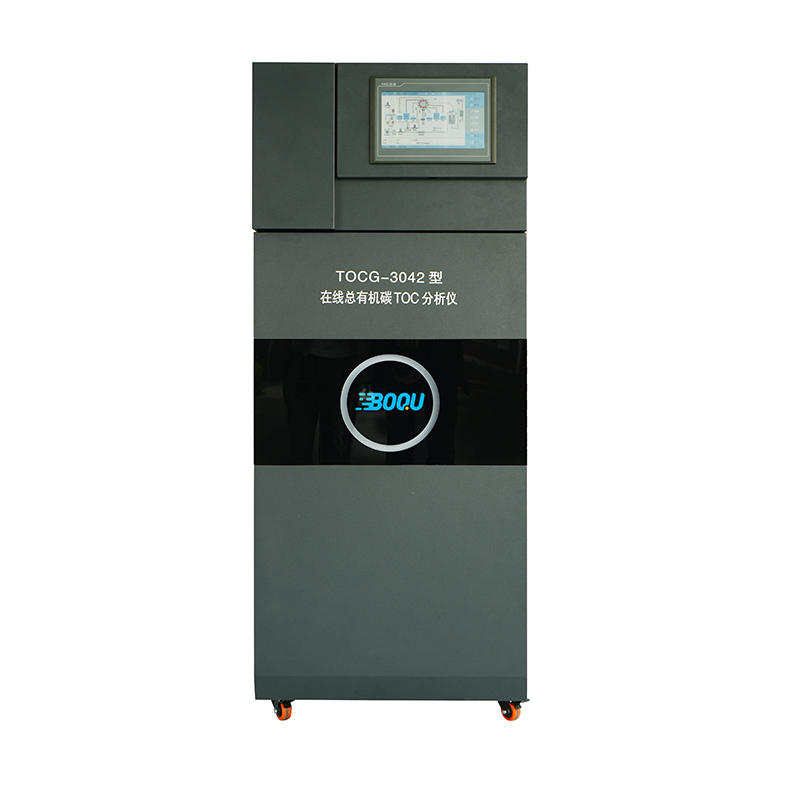
TOC-3042 Online Total Organic Carbon
UV-persulfate oxidation method providing trace organic carbon quantification compliant with global pharmacopeia regulations.
View Specifications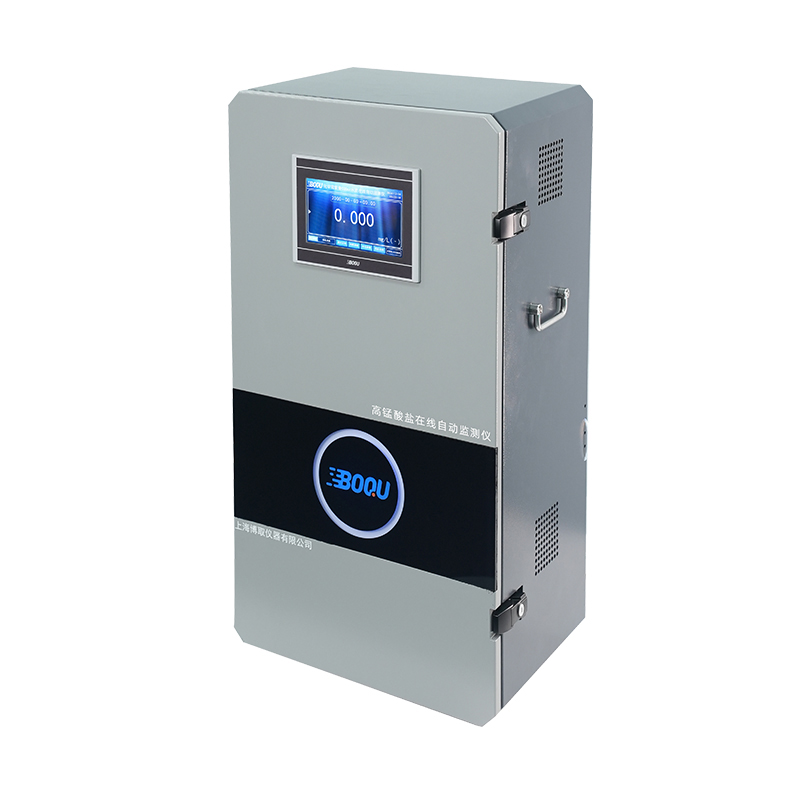
Online COD / TP / TN Chemical Analyzer
Fully automated digestion colorimetry for high-precision environmental compliance discharge monitoring and industrial outfalls.
View Specifications