

Fermentation pH Sensor
Designed for repeated CIP/SIP steam sterilization cycles in sterile bioreactors and pharmaceutical broths.
Engineered for continuous, inline liquid analytics spanning micro-Siemens pure water to aggressive hyper-saline brines.
Designed for repeated CIP/SIP steam sterilization cycles in sterile bioreactors and pharmaceutical broths.

Standardized industrial connection, high chemical resistance glass bulb, optimized for high-temperature flow chambers.

Integrated Pt100/Pt1000 temperature element for automatic thermal compensation in extreme manufacturing streams.

Pressurized gel electrolyte prevents back-diffusion during continuous process operation up to 6 bar operating pressure.
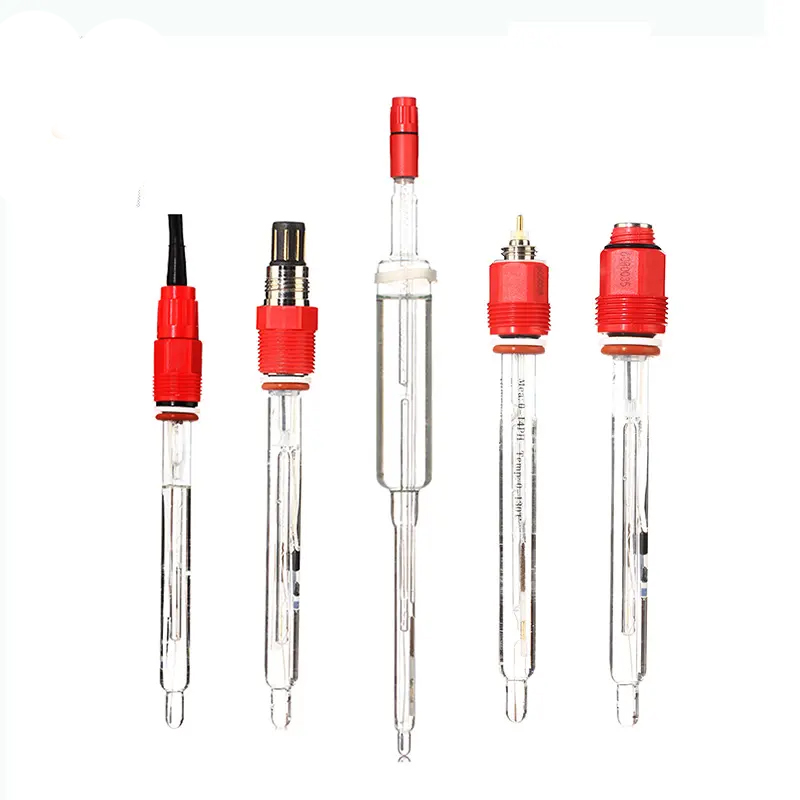
Shanghai Brand certified sensor designed for demanding bioreactor vessels, featuring polymer electrolytes.
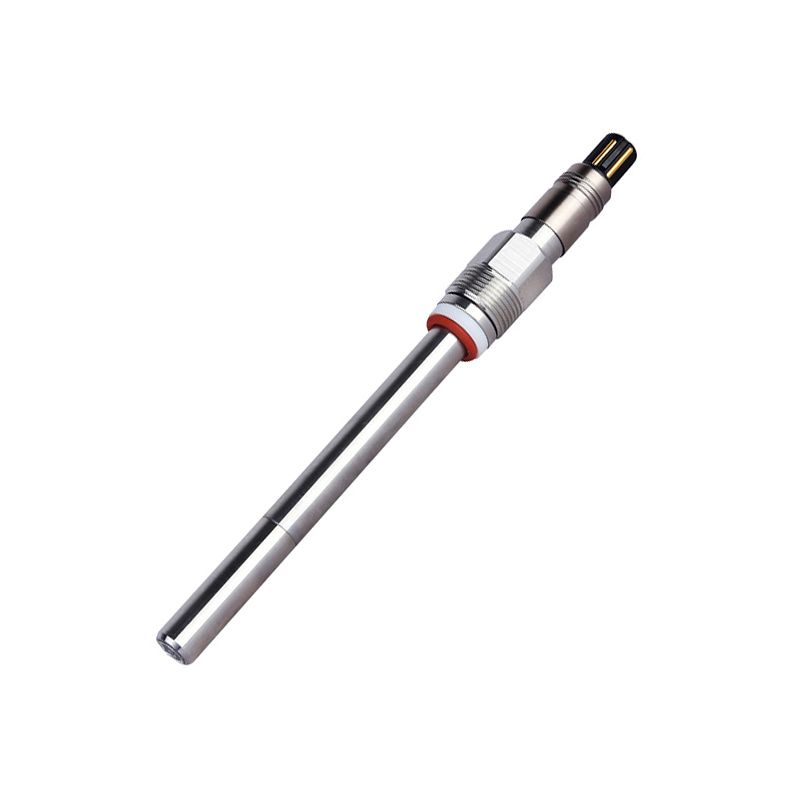
Polarographic dissolved oxygen sensor stable up to 130℃ sterilization duty for fermentation line aeration control.
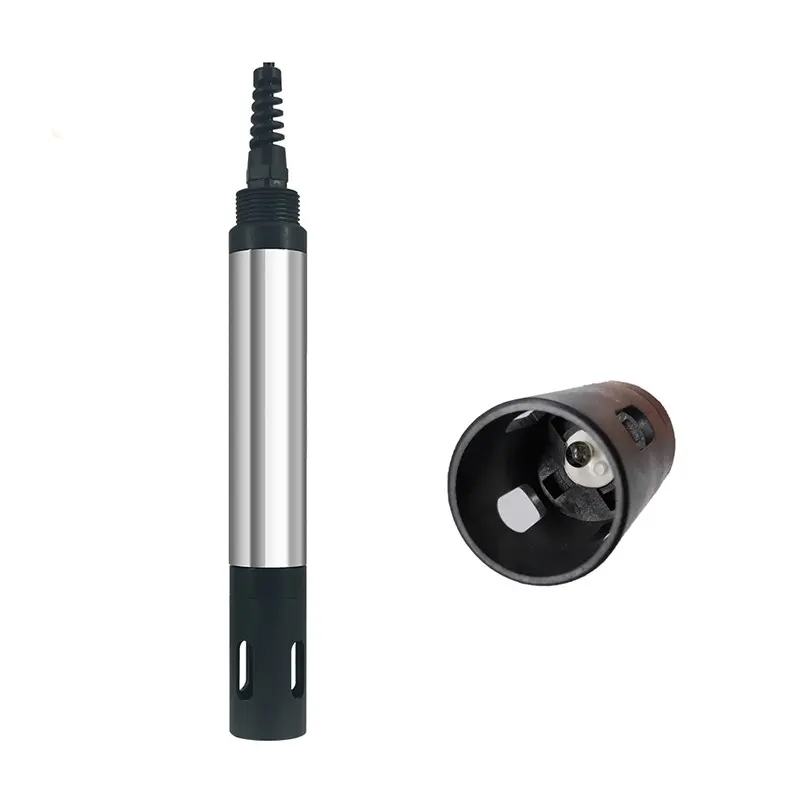
Embedded microprocessor with native RS485 Modbus RTU communication; plugs straight into edge gateways.
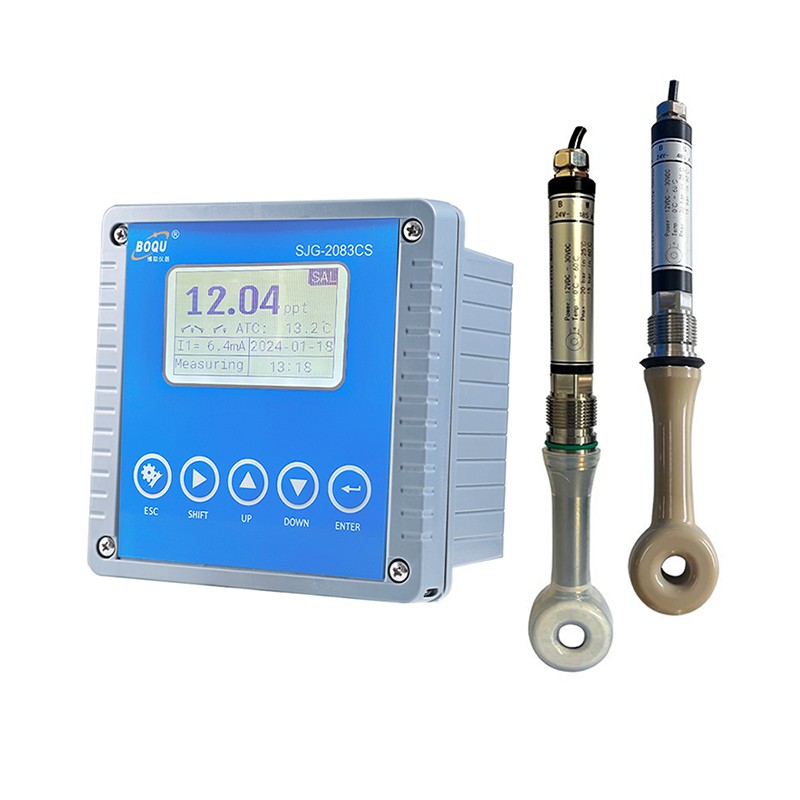
Electrodeless inductive conductivity analyzer engineered for chemical leaching, CIP systems, and acid-alkali dosing.
A technical and operational shift has occurred in industrial electrochemistry over the past decade. China’s supply chain offers significant manufacturing advantages without sacrificing precision.
Unlike regional assemblers, our facilities in Kangqiao and Lingang control every step internally: from CNC precision machining of 316L stainless steel, titanium, and Hastelloy electrodes to proprietary glass-blowing and PEEK injection molding. This mechanical vertical integration ensures that our cell constants (k=0.01, k=0.1, k=1.0, k=10.0) maintain a certified tolerance of <±1% without batch drift.
For aggressive chemicals and high-salinity brines, conventional metal electrodes suffer from electrode polarization and severe chemical fouling. Our factory has invested in specialized high-pressure PEEK and PVDF molding lines, producing non-contact electrodeless (toroidal) conductivity sensors that endure continuous immersion in hot concentrated sulfuric acid, 30% sodium hydroxide, and scouring slurries.
Every inline conductivity sensor undergoing export shipment is subjected to a strict 48-hour thermal shock and pressure testing regime in our specialized high-temperature water laboratory. Calibration routines are validated against certified standard reference solutions traced directly to national metrology standards, guaranteeing plug-and-play installation for global plant engineers.
The industrial instrumentation landscape is transitioning rapidly from basic analog cells to decentralized IoT intelligent edge sensors.
Traditional millivolt and microampere analog signals running through hundreds of meters of factory conduit are susceptible to electromagnetic interference (EMI) from high-voltage variable frequency drives (VFDs) and motors. The market is shifting to direct RS485 Modbus RTU, Profibus DP, and Industrial Ethernet outputs. Integrated digital microchips within the sensor head convert raw conductance directly at the measuring point, preserving data integrity.
Process plants are steadily replacing conventional contacting electrodes with inductive toroidal sensors for conductivity ranges above 2,000 µS/cm. By inducing an alternating magnetic current inside a closed liquid loop, toroidal cells eliminate physical metal-to-liquid contact, eradicating electrode polarization, fouling, coating, and corrosion in applications like CIP caustic verification and brine concentration.
Conductivity is profoundly dependent on fluid temperature, fluctuating by approximately 2% to 3% per degree Celsius. Next-generation inline conductivity transmitters feature multi-point matrix non-linear temperature compensation curves (such as pure water non-linear matrix, acid-base concentration algorithms, and USP/EP compliance curves), enabling exact 25°C normalized reporting under turbulent thermodynamic plant swings.
Estimated industrial tier-1 volume export pricing. Final FOB/CIF quotations depend on sensor cell constant, wetted body alloy, cable run, and communication bus.
| Model Category | Cell Constant (k) | Nominal Measuring Range | Wetted Materials | Typical Applications | Volume B2B FOB (USD) |
|---|---|---|---|---|---|
| Ultra-Pure Water Cell | k = 0.01 / 0.1 cm⁻¹ | 0.01 – 20.00 µS/cm | 316L SS / Titanium / PTFE | Pharma WFI, Power Condensate, RO Permeate | $110 – $190 |
| Industrial Process Cell | k = 1.0 cm⁻¹ | 1.0 – 2,000 µS/cm | 316L Stainless Steel / POM | Cooling Towers, Surface Water, Municipal Water | $65 – $120 |
| High-Range Contacting | k = 10.0 cm⁻¹ | 10 – 20,000 µS/cm | Platinum / Graphite / PVDF | Industrial Wastewater, Desalination Feed | $95 – $160 |
| Toroidal Inductive Sensor | Electrodeless | 100 µS/cm – 2,000 mS/cm | Virgin PEEK / Natural PVDF | CIP Caustic, Acid Regeneration, Brines | $260 – $480 |
| High-Temp Fermentation Cell | k = 0.1 / 1.0 cm⁻¹ | 0.1 µS/cm – 100 mS/cm | Electropolished 316L / PEEK | Steam Sterilization (SIP 130℃), Bioreactors | $180 – $320 |
| Direct Modbus IoT Sensor | k = 0.01 – 10.0 cm⁻¹ | Full Digital Scaling | Ryton (PPS) / 316L Alloy | Smart Agriculture, Edge SCADA, Modular Skids | $130 – $220 |
*MOQ discounts apply starting at 10+ units. OEM custom cable markings, threaded couplings (NPT/G), and sanitary Tri-Clamp flanges available on request.
Explore how our inline conductivity technology directly drives efficiency, ensures regulatory compliance, and protects capital assets across diverse manufacturing sectors.
Boiler feed water purity is critical to stop steam turbine blade scaling and tube corrosion. Our high-precision k=0.01 cm⁻¹ titanium flow cells, coupled with cation-exchange columns, accurately monitor specific conductivity, cation conductivity, and degassed cation conductivity down to <0.055 µS/cm, satisfying strict EPRI and VGB water-steam cycle guidelines.
Pharmaceutical Water-for-Injection (WFI) and Purified Water (PW) loops mandate continuous inline compliance with USP <645> and EP specifications without temperature compensation. BOQU delivers non-compensated raw electrolytic conductivity alongside precise temperature outputs, housed in hygienic Tri-Clamp electropolished 316L fittings rated for repeated 130°C clean-in-place cycles.
In wet chemical etching, electroplating baths, and semiconductor ultra-pure rinse stations, contacting sensors fail quickly. Our non-contact inductive toroidal sensors calculate direct percentage concentrations of aggressive solutions—including 0-10% H₂SO₄, 0-15% HCl, and 0-20% NaOH—enabling automated, chemical dosing without maintenance shutdowns.
International system integrators, EPC engineering contractors, and OEM brands require rigorous technical conformance when qualifying an Asian instrumentation manufacturer.
Adapting sensor wetted bodies to 3/4" NPT threads, 1" G threadings, PG13.5 connections, and ASME BPE compliant sanitary Tri-Clamp flanges to fit existing piping without field redesign.
Private-labeled RS485 Modbus registers, selectable baud rates, customized 4-20mA span assignments, and customized OLED controller firmware with multiple language support for your region.
Optional Ex d IIC T6 Gb and intrinsic safety certifications for deployment inside flammable petrochemical refining, off-shore oil exploration, and hazardous gas handling zones.
Comprehensive delivery documentation: Material Test Reports (EN 10204 3.1), surface roughness inspection records, calibration benchmark certificates, and CE conformity files included with every consignment.
Clear, practical guidance compiled by our senior chemical engineers and export managers.
Combine high-stability inline sensors with wall-mount, panel-mount, or DIN-rail analytical controllers.
High-temperature electrolyte matrix maintains stable measurement through intense biopharma steam cycles.
Fast-thread S8 connector head provides quick disconnect during routine plant calibration routines.
Factory-integrated temperature element prevents reference drift under fluctuating industrial thermal loads.
Dual-junction diaphragm minimizes poisoning risks in active chemical reactors and stripping columns.
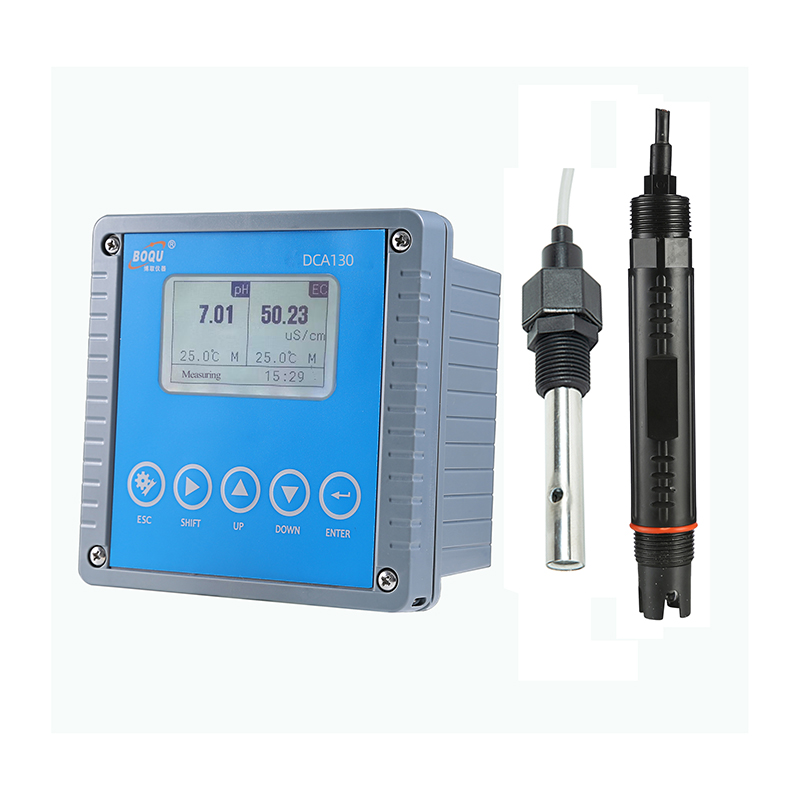
Monitors pH and conductivity simultaneously in a single controller. Ideal for compact skid systems.
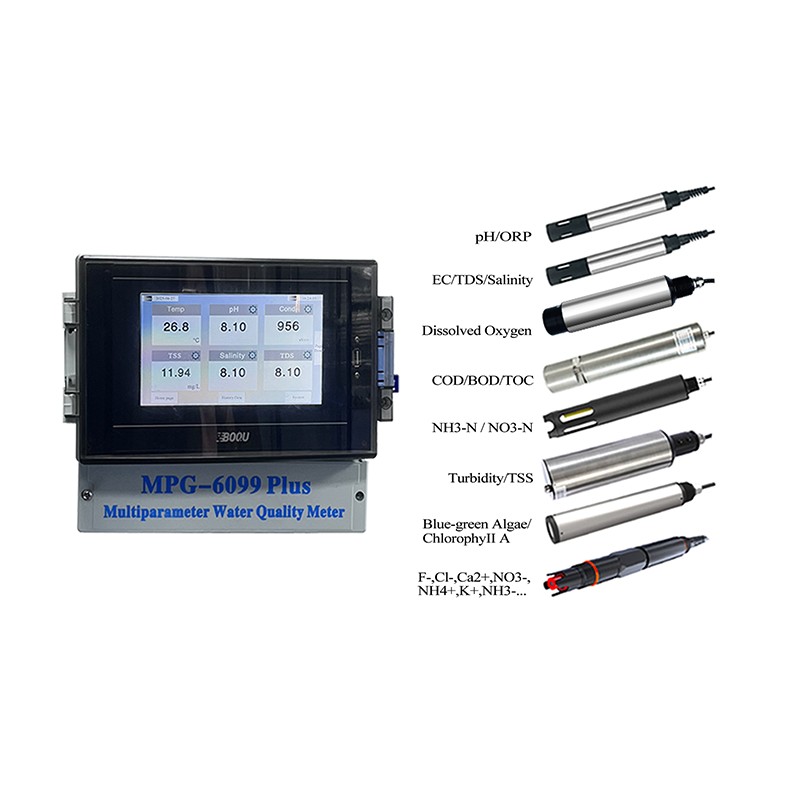
Integrated water monitoring panel tracking conductivity, pH, free chlorine, and turbidity on an LCD interface.
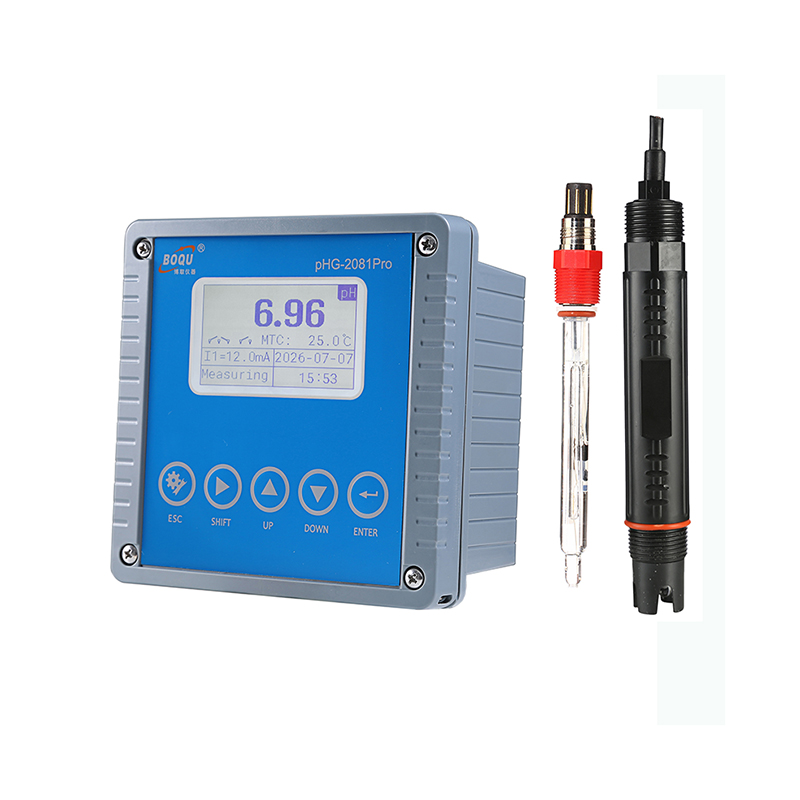
Standard process transmitter equipped with dual isolated 4-20mA loops, Modbus RTU, and relay setpoints.
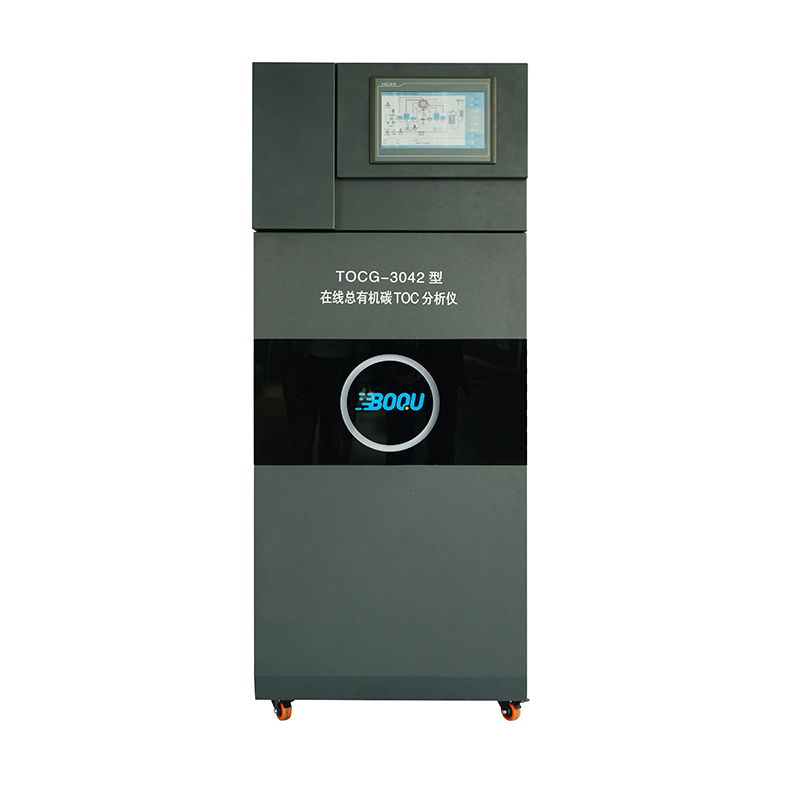
Conductivity-differential oxidation analysis for continuous total organic carbon monitoring in pure water lines.
Need help matching the right cell constant (k), wetted body materials, and signal communication for your plant pipeline? Connect directly with BOQU's senior application engineers in Shanghai for technical recommendations and customized wholesale volume quotations.