
Wholesale High Temperature pH Meter Wholesaler & Supplier
Precision Industrial Electrochemical Sensing Systems (0–130°C) Engineered for Continuous SIP/CIP Sterilization, Biopharma Fermentation, Chemical Refining, and Extreme Process Integrity.
High Temperature pH Sensors & Online Analyzers (Top Catalog)
Pre-calibrated, pressurized gel-electrolyte sensors and dual-channel digital transmitters configured for global distribution, bulk engineering procurement, and automated process pipelines.

China High Temperature (0-130℃) pH Sensor With Temperature
Integrated Pt100/Pt1000 temperature compensation with high-viscosity polymerized gel for harsh chemical pipelines.
Request Wholesale Quote
Pharmaceutical Fermentation High-Temp pH Sensor
Engineered for 130°C thermal sterilization cycles, non-cytotoxic reference diaphragms, and certified biopharma vessels.
Request Wholesale Quote
0-130℃ Industrial High Temperature pH Sensor
Resistant to high hydrostatic pressures up to 0.6 MPa, preventing reference poisoning in active caustic scrubbers.
Request Wholesale Quote
S8 / PG13.5 Connector High-Temp pH Sensor
Standardized PG13.5 process threading with S8/VP modular connectivity for rapid line hot-swapping and zero downtime.
Request Wholesale Quote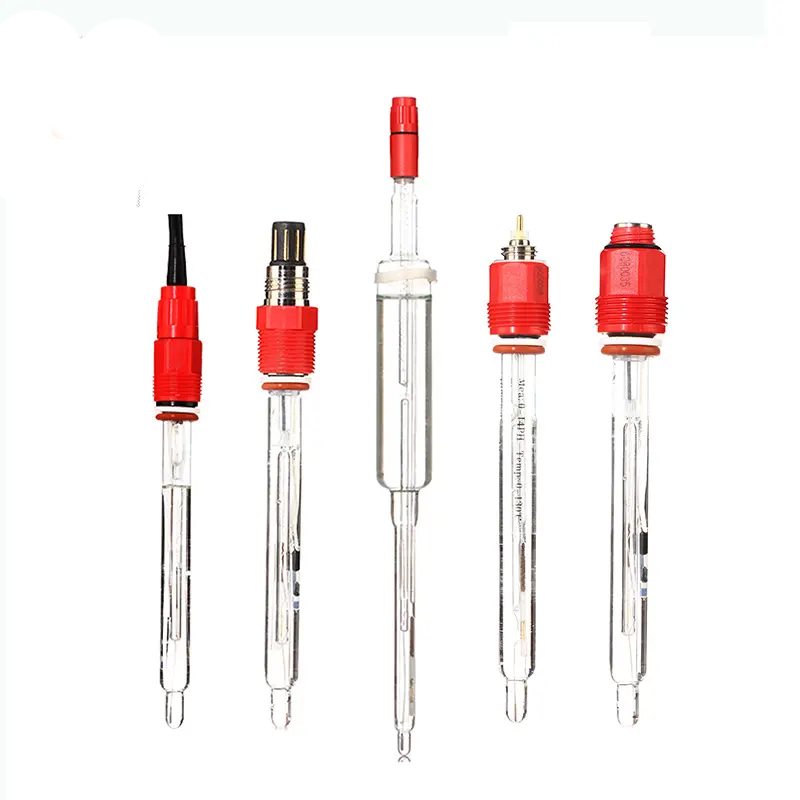
pH5806 Flagship High-Temp pH Sensor
Certified Shanghai Brand sensor engineered with ultra-durable reference chemistry for repeated autoclave cycles.
Request Wholesale Quote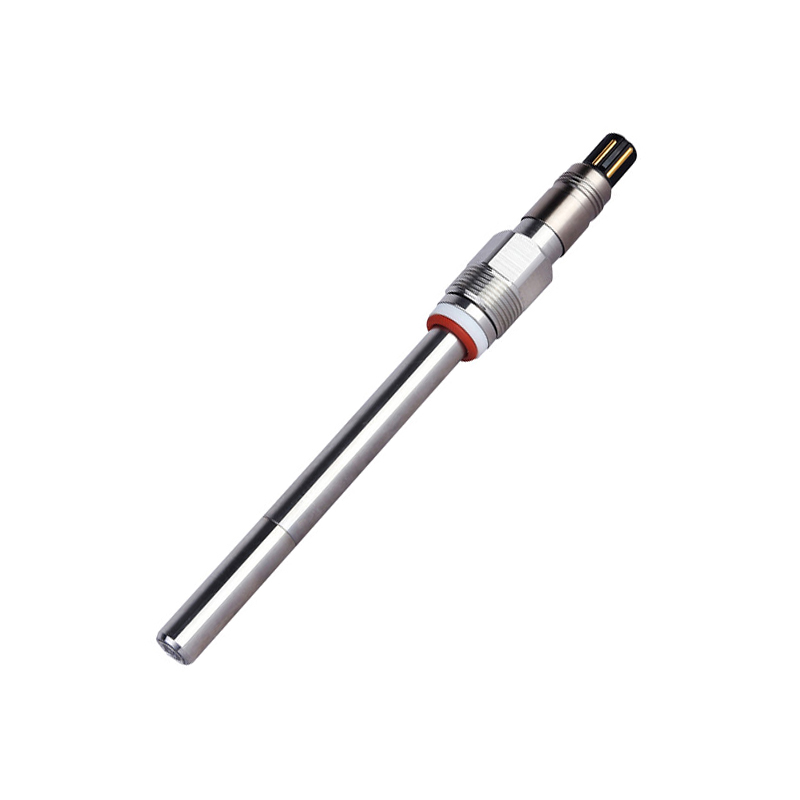
DOG-208FA High Temperature DO Sensor
Sterilizable dissolved oxygen sensor designed to endure thermal extremes alongside high-temperature pH loops.
Request Wholesale Quote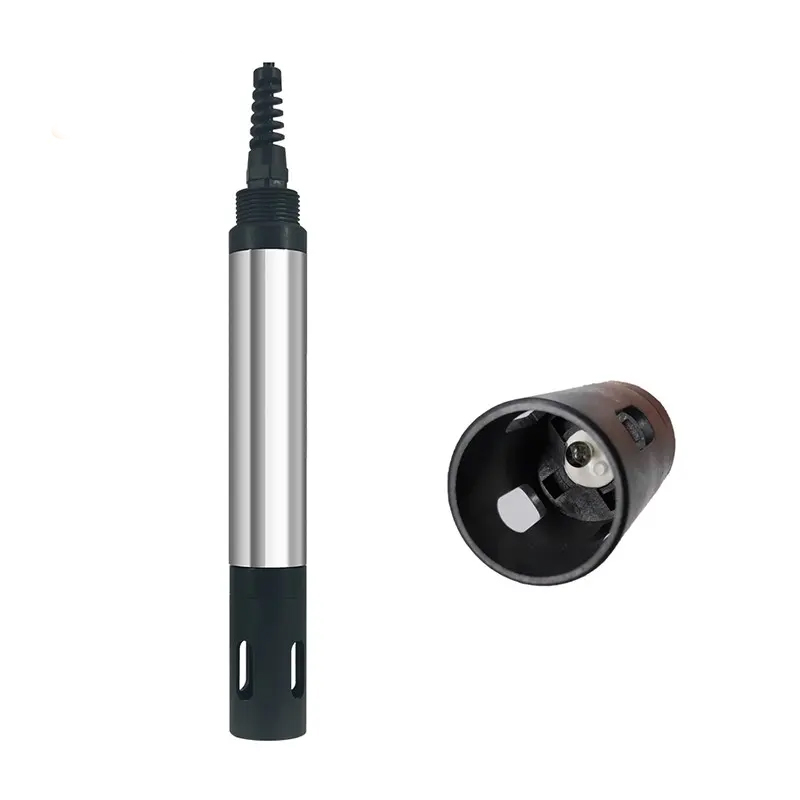
IOT-485-pH Modbus Digital pH Sensor
Direct RS485 Modbus RTU communication module built inside sensor head; integrates seamlessly with SCADA systems.
Request Wholesale Quote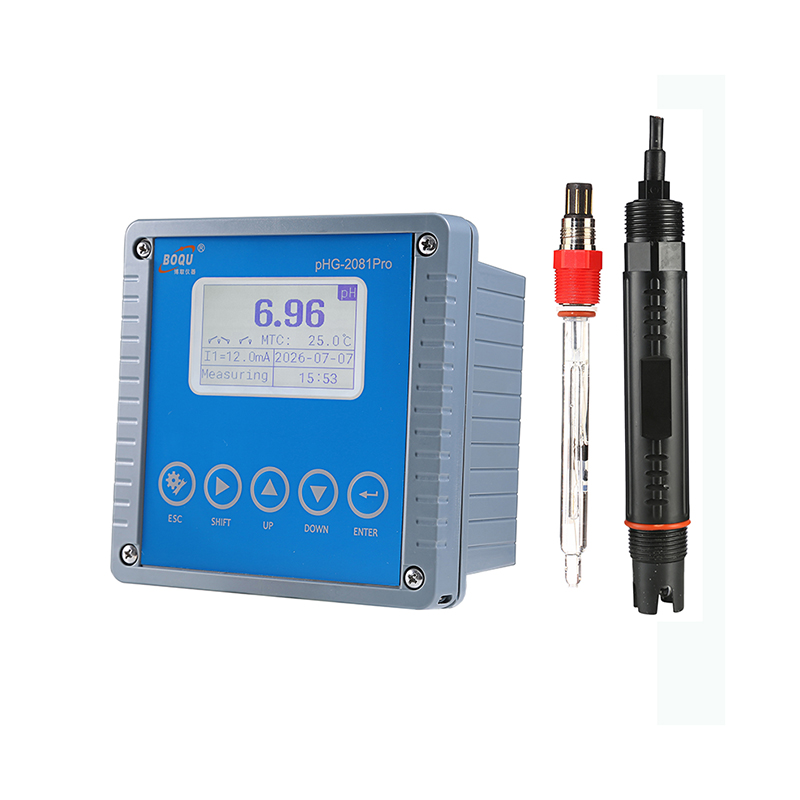
pHG-2081Pro Industrial Online pH Transmitter
Rugged IP65 controller housing dual 4-20mA channels, RS485 RTU, and automated temperature compensation algorithms.
Request Wholesale QuoteHigh Temperature pH Metering: Global Status, Thermal Dynamics & Architecture
A technical overview of electrochemical stabilization mechanisms operating continuously across 0°C to 130°C process environments.
1. The Industrial Reality of Elevated Thermal pH Analysis
In continuous chemical synthesis, biopharmaceutical fermentation, and thermal energy recovery systems, pH measurement is frequently subjected to extreme operating envelopes. Conventional glass electrodes degrade catastrophically above 60°C due to accelerated alkali ion leaching (known as alkaline error), internal reference electrolyte boiling, thermal hysteresis, and diaphragm clogging triggered by precipitation. When process fluids hit 100°C to 130°C during in-situ sterilization (SIP) or high-exothermic acid neutralizations, standard sensing elements experience drift rates exceeding 0.3 pH per hour, leading to costly batch dumps or regulatory compliance breaches.
The global demand for reliable wholesale high-temperature pH meters has grown substantially alongside automation in industrial biotechnology, fine chemicals, semiconductor wet processing, and flue-gas desulfurization (FGD). Process engineers require inline instrumentation capable of resisting high hydrostatic pressure (0.6 MPa+) without inward medium backflow, alongside specialized low-impedance glass membranes that maintain Nernstian slope response even after hundreds of consecutive thermal cycling shocks.
Polymerized Solid Gel Matrices
Traditional liquid 3M KCl electrolyte boils and expands rapidly under high thermal loads, causing diaphragm blow-out. BOQU sensors incorporate high-purity polymerized gel networks combined with micro-porous PTFE or ceramic annular liquid junctions, mitigating electrolyte depletion and stopping heavy metal ion intrusion into the internal reference element.
Thermally Stable Lithium Glass
Standard glass formulation dissolves at alkaline pH under temperatures exceeding 80°C. Our specialized high-temperature glass formulation utilizes advanced ternary lithium formulations that lower membrane electrical resistance, avoid sodium-ion substitution error, and exhibit mechanical tolerance against aggressive thermal shocks.
Dual-Chamber Ag/AgCl Reference
To eliminate silver ion displacement (Ag⁺ complexation) that contaminates biopharma broths and clogs porous ceramic junctions, our high-temperature assemblies feature an elongated dual-chamber barrier. This retains the primary Ag/AgCl pin within a protected inner chamber while maintaining stable ionic conduction.
| Performance Parameter | Standard Commercial pH Electrode | BOQU High-Temp Industrial Sensor (pH5806 Series) | Direct Operational Benefit |
|---|---|---|---|
| Operating Temperature | 0°C to 60°C (Intermittent to 75°C) | 0°C to 130°C Continuous (SIP 135°C rated) | No need for sample coolers or secondary conditioning loops |
| Maximum Pressure | 0.1 – 0.2 MPa (1 – 2 bar) | Up to 0.6 MPa (6 bar dynamic line pressure) | Prevents reverse infiltration of process liquids into sensor |
| Electrolyte Formulation | Aqueous Liquid KCl (High Evaporation) | Cross-linked Polymerized Solid Gel | Eliminates electrolyte refilling and dry-junction failures |
| Sterilization Capability | Non-autoclavable / Single use | Autoclave & In-line Steam (SIP/CIP) > 50 cycles | Extended sensor lifespan in sanitary bioreactor vessels |
| Signal Output Architecture | High-impedance mV (Analog only) | Dual Analog 4-20mA & RS485 Modbus RTU | Direct industrial network integration to DCS, SCADA & PLC |
China Factory Efficiency: Verified Scale, R&D Lab & Traceability
Combining vertically integrated electrode blowing, automated surface treatment, 48-hour thermal aging runs, and global OEM export capability.
Why Global Wholesale Buyers Source Directly From Shanghai BOQU
For overseas distributors, instrumentation contractors, and municipal OEMs, procurement risk revolves around consistency, delivery reliability, and technological support. Operating from two facilities in Shanghai (Kangqiao and Lingang), BOQU maintains complete vertical control over component fabrication: from automated glass membrane shaping and internal buffer micro-dosing to SMT circuit board manufacturing, IP68 hermetic sealing, and final NIST/DIN buffer multi-point calibration.
Crucially, BOQU established China's first dedicated high-temperature water quality sensor laboratory. Here, high-temperature pH and dissolved oxygen probes (such as the Shanghai Brand-certified pH5806 and DOG-208FA) undergo continuous pressure-cooker thermal cycling, simulating dozens of consecutive CIP/SIP runs before release. This rigorous testing pipeline drops warranty failure rates below 0.38%, delivering substantial margin protection and client retention for our worldwide wholesale partners.
Localized Applications: Solving Harsh-Environment Analytical Challenges
From biopharmaceutical sterile fermenters in Mumbai to SWAS steam generators in Beijing and chemical neutralization lines in Southeast Asia.
Biopharma & Amino Acid Fermentation
Microorganisms express enzymes within tight pH bands (±0.05 pH). During repeated 121°C–130°C in-line steam sterilization, BOQU electrodes hold zero-point offset stability (pH 7.00 ± 0.20) without recalibration, reducing batch deviation risks in mammalian cell and yeast cultures across India and Europe.
Power Plant Boiler SWAS Loops
In high-pressure superheated steam systems, acidic volatile carryover induces stress corrosion cracking on turbine blades. BOQU high-temperature, low-conductivity flow-through cells measure pure condensed feedwater (down to < 0.1 µS/cm) at elevated temperatures, providing rapid feedback for automated ammonia/morpholine dosing.
Chemical Synthesis & Scrubbers
Exothermic reactions during pigment synthesis, chlor-alkali production, and petrochemical scrubber units generate aggressive 90°C–110°C acid-base mixtures. BOQU sensors with PVDF/PPS sheathing resist extreme solvent corrosion while measuring dynamic reactions safely without fouling.
Textile Dyeing & Pulp Bleaching
Textile effluent treatment involves boiling dye liquor neutralization with elevated sodium sulfide and chlorine presence. BOQU specialized flat-bulb, anti-abrasion high-temperature sensors resist fibrous buildup, reducing manual sensor washing frequency from daily to monthly intervals.
Food & Dairy CIP Sanitization
Automated clean-in-place circuits circulate hot caustic soda (85°C, 2-3% NaOH) followed by nitric acid sanitization. BOQU's SJG-2083CS acid/alkali meters paired with high-temp pH electrodes track transition phase boundaries in real time, conserving thousands of liters of chemical agents yearly.
Heavy Metallurgical Hydrometallurgy
Hot acidic leaching tanks (95°C, pH 0.5–2.0) with high suspended mineral solids quickly abrade and poison traditional sensing electrodes. BOQU’s pressurized gel electrolyte system prevents inward slurry migration, maintaining steady analog tracking for leaching plant operators.
Industry Trajectory & Global Procurement Requirements
Key technological shifts reshaping inline electrochemistry and how international engineering buyers can maximize procurement ROI.
Trend 1: Smart Digital Sensor Heads
Legacy analog installations require high-impedance, noise-sensitive coaxial wiring restricted to short distances. Modern engineering buyers globally are transitioning to digital heads (RS485 Modbus RTU) where analog-to-digital conversion occurs right at the sensor probe, eliminating signal attenuation across distances up to 500 meters.
Trend 2: In-Situ Predictive Diagnostics
Unplanned plant shutdowns due to sudden electrode death cost millions. Next-generation smart transmitters track slope efficiency degradation, glass impedance shifts, and response time lag dynamically, warning control room operators weeks ahead of necessary replacement or recalibration schedules.
Trend 3: OEM Modular Private Labeling
Instrumentation distributors across North America, Europe, and the Middle East are shifting toward direct OEM collaboration. By specifying custom cable lengths, titanium immersion jackets, specialized thread connections (PG13.5, 3/4" NPT), and private firmware protocols, distributors capture local markets with enhanced brand equity.
Procurement Specifier's Checklist for High-Temp Applications
When preparing tenders or requesting bulk quotations for high-temperature pH instruments, engineers should clarify several vital environmental variables beyond temperature alone:
1. Maximum Process Pressure vs. Temperature Profile: State the normal continuous operating temperature along with peak SIP sterilization peaks (e.g., 121°C for 45 minutes at 0.2 MPa), ensuring the reference gel retains viscosity and will not boil.
2. Chemical Composition & Solvents: Identify high concentrations of organic solvents, free fluoride ions (which dissolve glass membranes under acidic conditions), or dissolved sulfides that necessitate non-silver-precipitating junctions.
3. Integration Protocol: Specify whether the system ties into legacy 4-20mA loop-powered analog cards with relay alarms or modern digital fieldbus networks (Modbus RTU over RS485, Profibus DP, or Ethernet/IP gateways).
Frequently Asked Questions by Industrial Engineers & Buyers
Practical insights regarding calibration stability, lifecycle maintenance, temperature compensation, and factory OEM lead times.
What is the expected operating life of a high-temperature pH sensor at >100°C?
Sensor lifespan depends on chemical aggressiveness and thermal cycling frequency. Under continuous 100°C to 120°C biopharma fermentation with weekly SIP cycles, a specialized BOQU pH5806 electrode typically maintains high slope integrity (above 92%) for 6 to 12 months, whereas standard glass electrodes often fail within 2 to 4 weeks.
How does automatic temperature compensation (ATC) function across wide ranges?
Electrochemical potential generated by the glass membrane follows the Nernst Equation, where the mV-to-pH slope changes proportionally with absolute temperature (from 54.2 mV/pH at 0°C up to 79.9 mV/pH at 130°C). Our transmitters use integrated Pt100/Pt1000 sensors to compute real-time dynamic slope corrections instantly.
Can BOQU high-temperature pH meters withstand clean-in-place (CIP) chemicals?
Yes. Our sensors use high-temperature glass formulations resistant to alkaline dissolution up to 130°C and diaphragms composed of chemically inert PTFE or porous ceramics. They endure consecutive flushes of 2% hot sodium hydroxide and diluted nitric acid without membrane delamination.
What wholesale customization options (OEM/ODM) are supported?
As a direct manufacturer, BOQU provides full OEM/ODM options: custom laser-etched logos, housing materials (316L stainless steel, titanium, PVDF), variable electrode insertion lengths (120mm, 225mm, 325mm, 425mm), customized process threads (PG13.5, 3/4" NPT, sanitary Tri-Clamp), and tailored firmware protocols.
How are high-temperature pH meters calibrated on site?
Standard calibration is conducted at room temperature (25°C) using standard NIST/DIN pH buffer solutions (pH 4.01, 7.00, 10.01). The transmitter calculates both the zero point offset and the theoretical slope percentage. In-line process sample trimming (1-point calibration) can also be completed while running.
What is the standard production lead time and export packaging standard?
Standard sensor models ship within 3–7 business days; custom OEM volume orders usually require 2–3 weeks. Electrodes are shipped with wet hydration caps filled with 3M KCl buffer in foam-cushioned, drop-tested export cartons to ensure safe arrival across international freight routes.
Multi-Parameter Analyzers & Process Monitoring Solutions (Bottom Catalog)
Complete your instrumentation package with compatible dual-channel transmitters, optical sensors, and analytical wet chemistry analyzers.
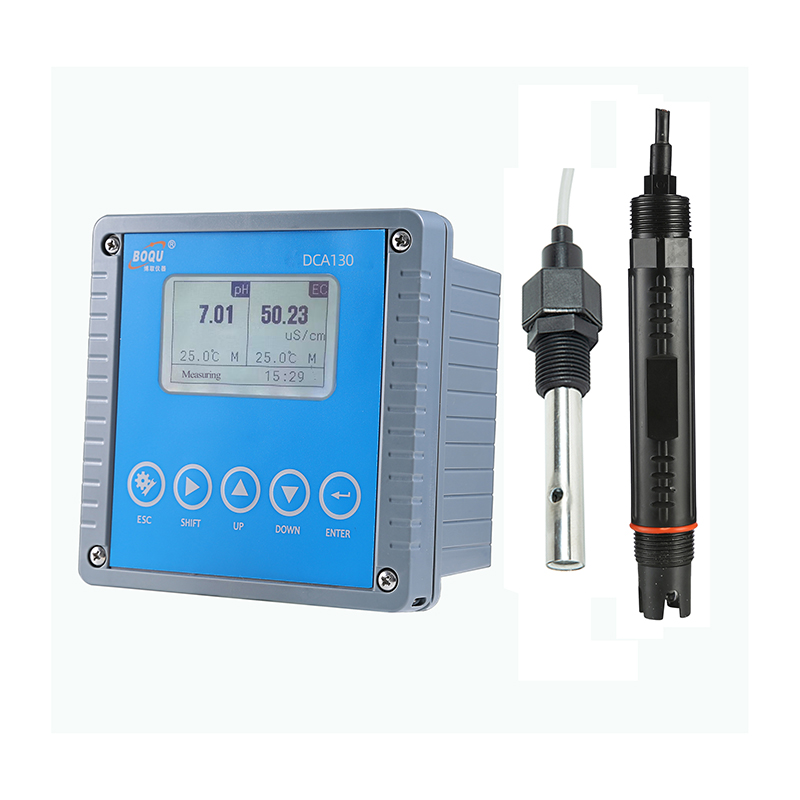
DCA130 Dual Channel pH & EC Analyzer
Monitors pH and electrical conductivity on a single display; ideal for space-constrained industrial control panels.
Request Wholesale Quote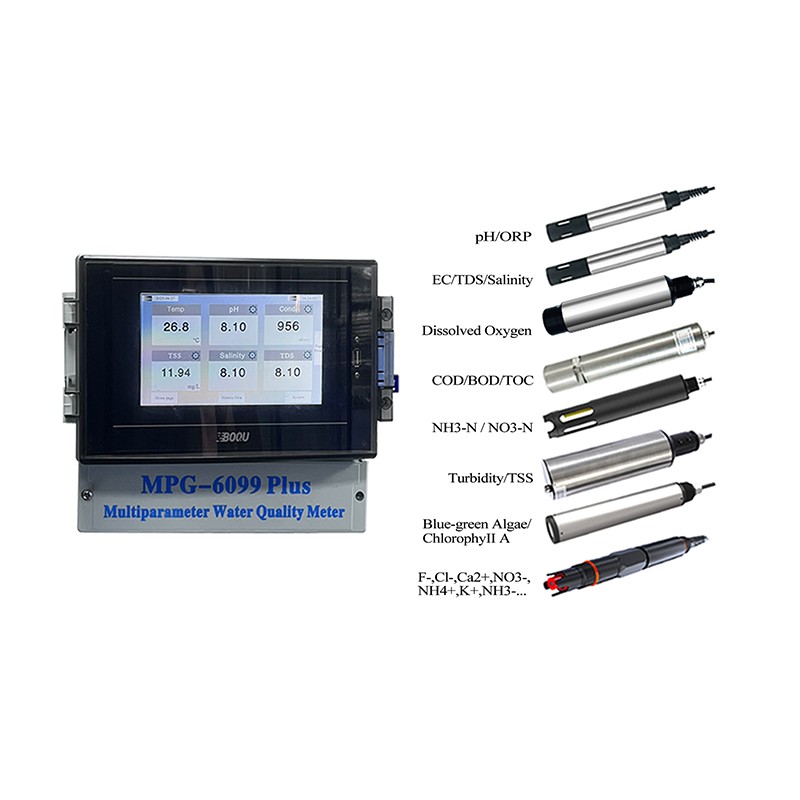
MPG-6099Plus Multi-Parameter Panel System
Integrated skid combining high-temp pH, conductivity, dissolved oxygen, and turbidity monitoring with automatic data-logging.
Request Wholesale Quote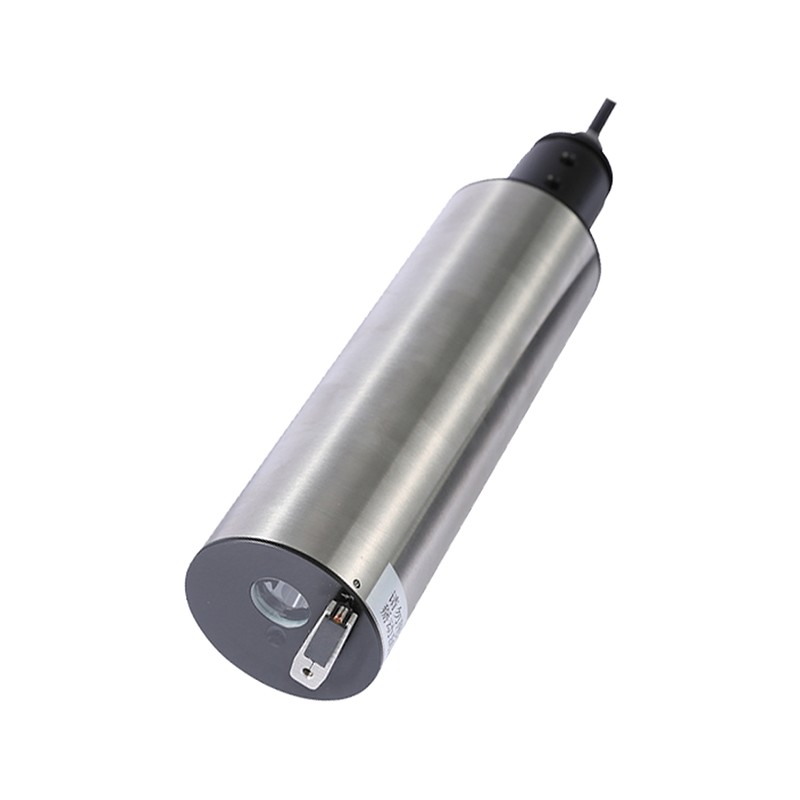
ZDYG-2088-01QX Online Turbidity Sensor
Infrared 860nm scattered light optical sensor with mechanical self-cleaning wiper for heavy sludge and effluent monitoring.
Request Wholesale Quote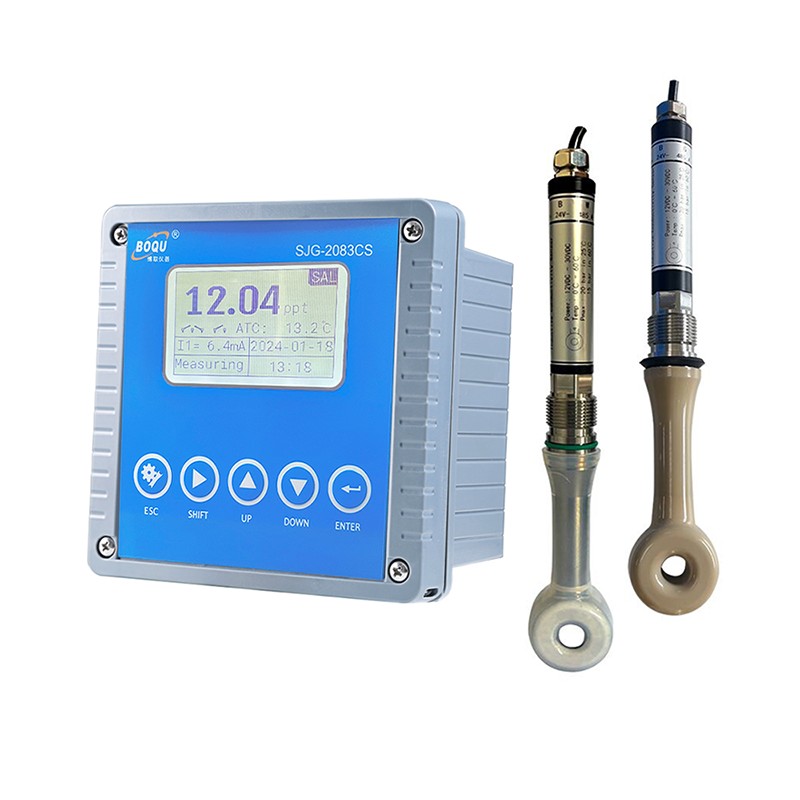
SJG-2083CS Toroidal Acid & Alkali Concentration Meter
Electrodeless inductive conductivity sensor designed for harsh CIP pipelines, chemical production, and acid etching lines.
Request Wholesale Quote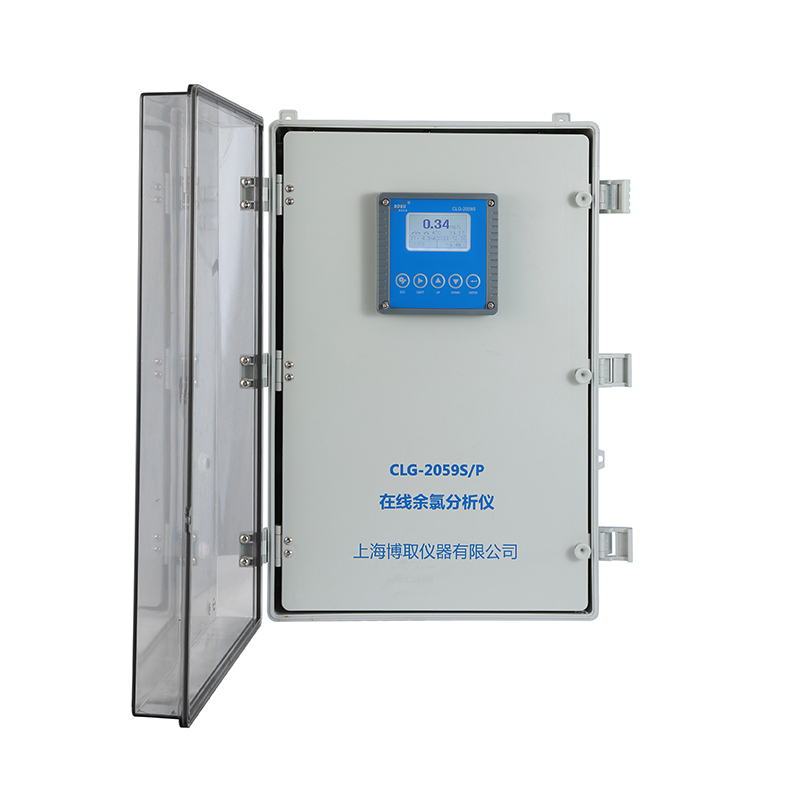
Online Residual Chlorine Analyzer
Constant-voltage amperometric measurement delivering continuous free chlorine tracking paired with pH compensation loops.
Request Wholesale Quote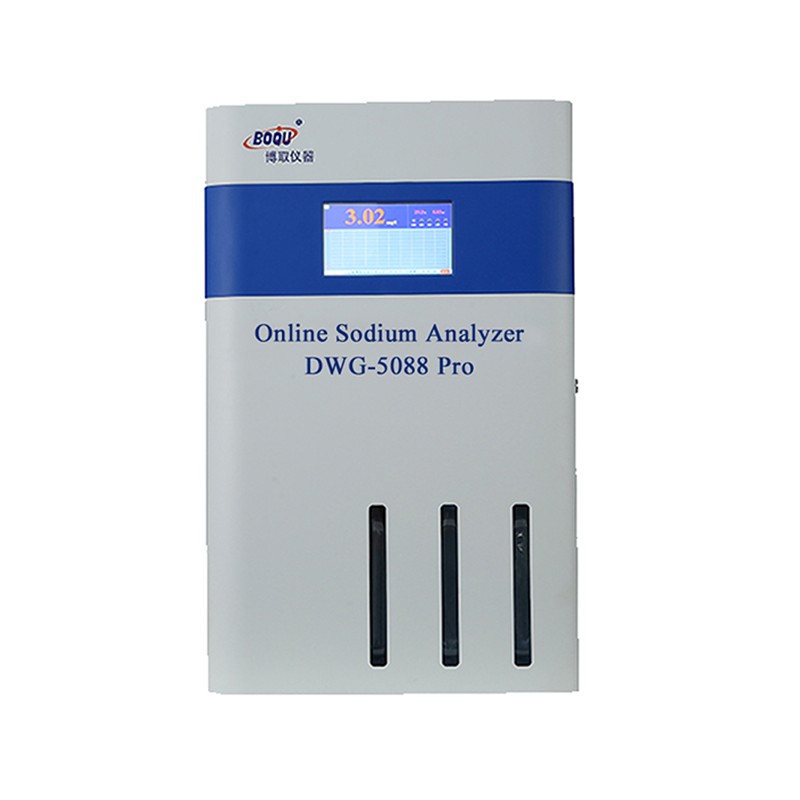
SWAS Trace Silicate & Sodium Analyzer
High-sensitivity colorimetric analyzer protecting thermal turbines and boilers from silica scaling and corrosion deposits.
Request Wholesale Quote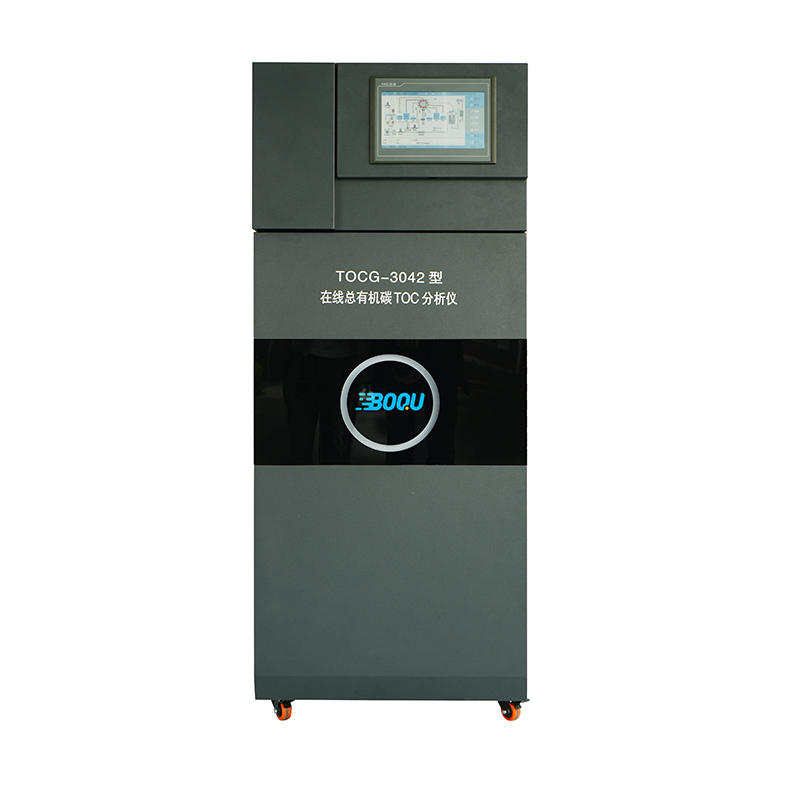
TOC-3042 Online Total Organic Carbon Analyzer
Automated UV-persulfate oxidation method for pharmaceutical purified water and semiconductor cleanroom rinse loops.
Request Wholesale Quote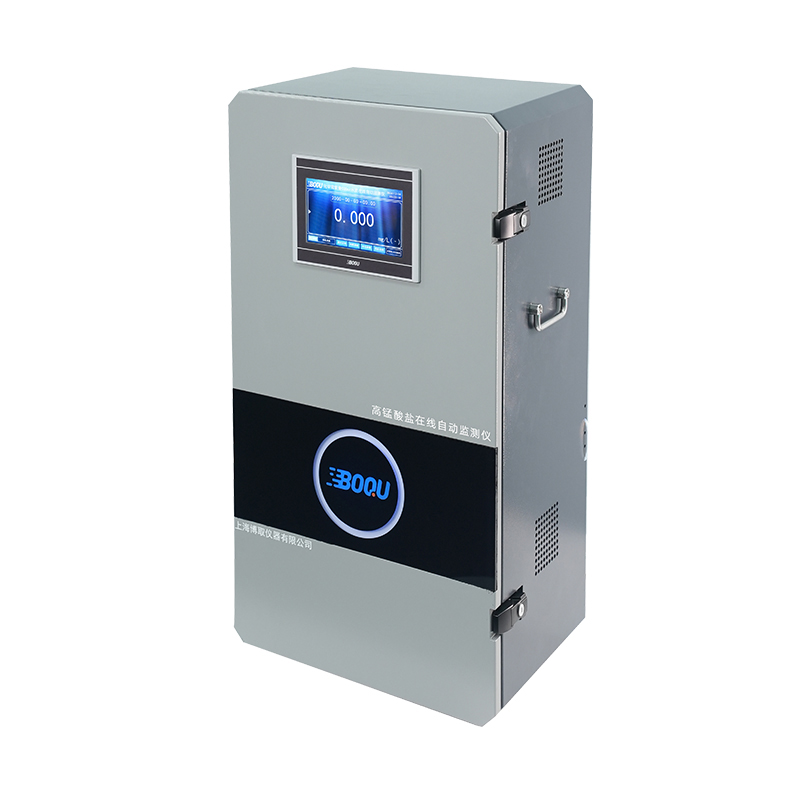
Online COD / TP / TN / NH3-N Effluent Analyzer
Automated wet-chemistry analysis platform compliant with environmental discharge standards, equipped with auto-calibration.
Request Wholesale QuoteInitiate a Wholesale Order or Custom OEM Consultation
Connect with Shanghai BOQU's senior instrumentation engineering team to configure sensor dimensions, lead times, private firmware, and tiered volume discount pricing.