

Core Product Matrix
Featured Bioreactor pH & Analytical Sensor Portfolio
Pre-calibrated, high-temperature resistant analytical hardware engineered to withstand demanding autoclavable biopharma and chemical processes.

High Temperature pH Sensor with Integrated Pt100/Pt1000 RTD
View Specifications →
Pharmaceutical Fermentation High-Temp pH Electrode
View Specifications →
High-Temperature S8/PG13.5 Connector pH Sensor
View Specifications →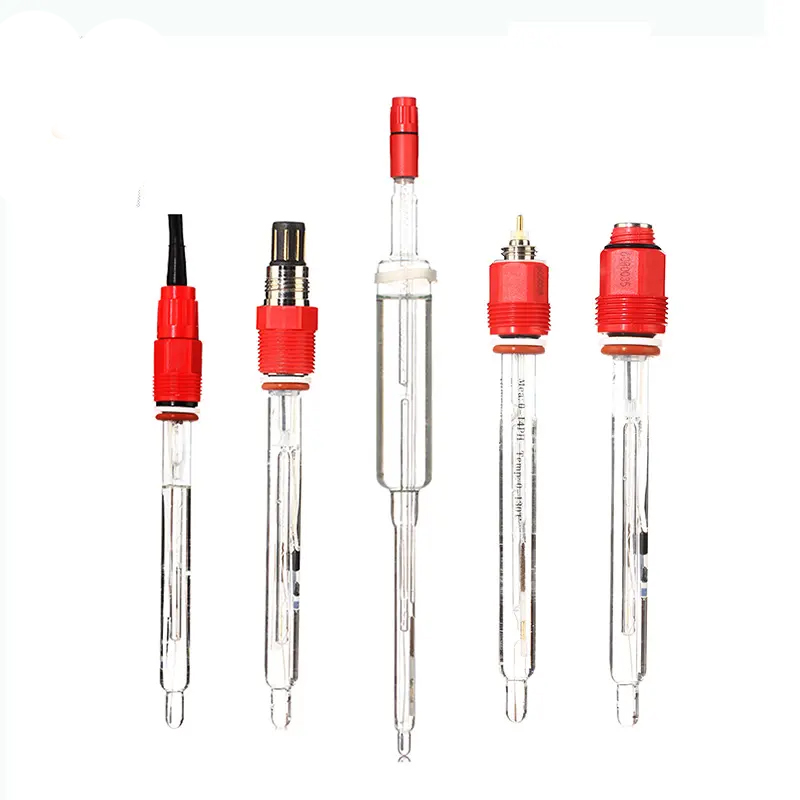
pH5806 Bioreactor Certified High-Temp pH Sensor
View Specifications →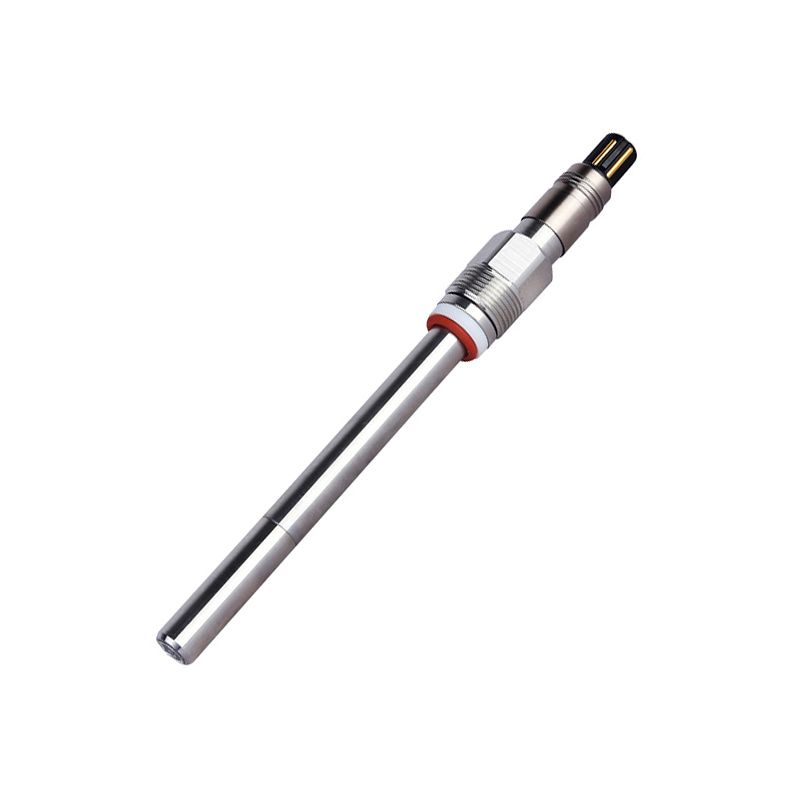
DOG-208FA High-Temperature Bioprocess Dissolved Oxygen Sensor
View Specifications →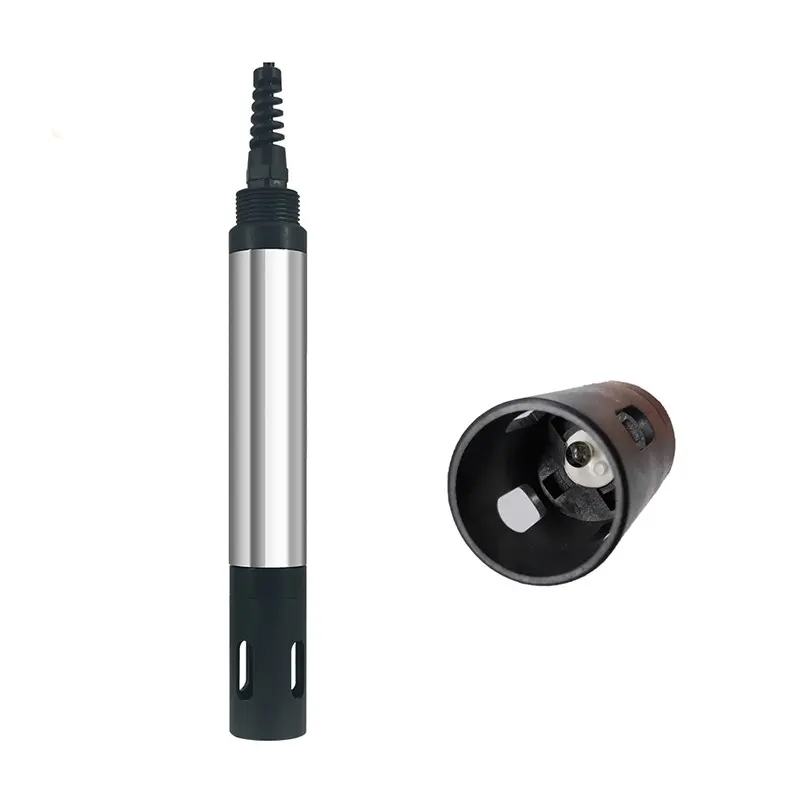
IOT-485-pH Digital Modbus Smart pH Sensor
View Specifications →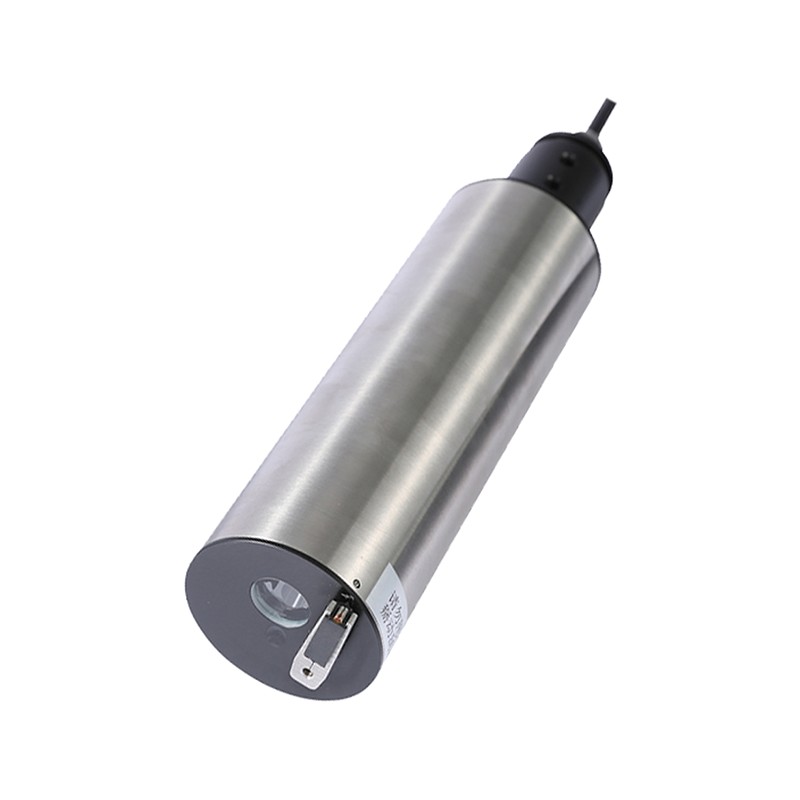
ZDYG-2088-01QX Industrial Optical Turbidity / TSS Sensor
View Specifications →
Factory Scale & Verification
Direct China OEM/ODM Manufacturing Infrastructure
Eliminating supply friction for global fermenter builders, system integrators, and clinical CMOs with rigorous internal glassblowing, membrane assembly, and pressurized calibration.
2007
Established
4,632m²
Production Area
200+
Engineers & Staff
100,000+
Sensors/Year
100+
Export Nations
2,000+
Enterprise Clients
Industry White Paper Insight
Engineering Resilient Bioreactor pH Electrodes
Understanding reference junction dynamics, pressurized electrolyte stability, and thermal shock tolerance in modern upstream industrial bioreactors.
Reference Junction Longevity
Traditional pH sensors in pilot-scale bioprocesses suffer rapid poisoning caused by sulfide contamination, protein adsorption, and reference junction clogging. BOQU bioreactor pH sensors incorporate solid pressurized polymer gel reservoirs alongside double or triple open/ceramic diaphragms, maintaining steady electrolyte outflow even through prolonged batch fermentations exceeding 14 days.
Thermal Cycling & SIP/CIP Resistance
Repeated Steam-in-Place (SIP at 121°C–135°C) and hot chemical Clean-in-Place (CIP with 0.1M–0.5M NaOH) degrade conventional measuring glass membranes. Our specialized pH5806 formulation features ultra-low impedance, alkali-resistant glass membranes and elastomeric internal pre-pressurization to avoid zero-point drifting and diaphragm blowouts during thermal recovery.
China Factory Supply Chain Agility
Operating dedicated glass production lines, automated S8/K8/VP6 connector molding, and in-house microelectronics assembly at our Kangqiao and Lingang workshops, BOQU shortens lead times from the typical 8-12 weeks common among European vendors to 2-3 weeks, delivering tier-one analytical quality at competitive wholesale pricing.
Engineering Selection Guide
Bioreactor Analytical Sensor Matrix
Match your bioprocess parameters, sterilization protocols, and mechanical connectivity directly to validated sensor configurations.
| Target Parameter | Sensor Mechanism | Sterilization Compliance | Process Mounting & Connector | Typical Bioprocess Medium |
|---|---|---|---|---|
| pH (Standard High Temp) | Autoclavable Glass Membrane + Solid Gel | SIP up to 130°C | PG13.5 Thread / S8 or VP Connector | Yeast, bacterial fermentation, pilot bioreactors |
| pH with Integrated RTD | Glass Membrane + Built-in Pt100/Pt1000 | Autoclavable (135°C) | PG13.5 / VarioPin (VP6) Multipin | Continuous mammal cell culture, monoclonal Abs |
| Dissolved Oxygen (DO) | Polarographic Membrane / Optical Luminescence | Steam-In-Place Validated | Standard 12mm / 19mm / 25mm Ports | Aerobic bioreactors, synthetic biology fermenters |
| Direct Digital pH | Smart Modbus RTU / Isolated RS485 | CIP Resistant | Standard NPT/PG threads with direct cable | Continuous downstream buffer prep, clean utilities |
| Conductivity / CIP Concentration | 4-Electrode / Toroidal Inductive Cell | Hot Chemical Resistant | Tri-Clamp Sanitary Flange or Inline Fitting | CIP acid/alkali validation, media preparation |
Application Engineering
Validated Use-Cases in Global Production Plants
From single-use skid integration to high-pressure 50,000L stainless steel fermentation vessels across international markets.
Industrial Enzyme & Amino Acid Fermentation
De-risking batch loss in continuous high-density microbial production across India, China, and Eastern Europe. Sensors resist organic deposition and maintain stable Nernst slope response over hundreds of operating hours without recalibration interruptions.
Biopharma & Recombinant Therapeutics
Ensuring compliance with FDA cGMP, USP <87>/<88> biocompatibility, and ISO standards for mammalian antibody generation. Seamless mechanical compatibility with Sartorius, Eppendorf, Bioengineering, and Applikon fermenter headplates.
Sanitary Clean Utility & Media Formulation
Automated downstream pH adjustments in WFI (Water for Injection) and nutrient formulation systems. Pairs seamlessly with BOQU DCA130 and pHG-2081Pro online transmitters via 4-20mA and RS485 Modbus RTU communication.
Compliance & Future Directions
Quality Assurance & Bioprocess Technology Trends
How factory-direct testing regimes and digital sensor architectures drive the next generation of biomanufacturing efficiency.
Full Lot Traceability
Each sensor features unique laser-etched serial numbering backed by individual factory calibration certificates documenting zero potential, slope efficiency, and diaphragm leak testing.
48-Hour Factory Aging
To eliminate premature infant-mortality failure, all manufactured electrodes undergo pressurized aging protocols in dedicated thermal verification chambers prior to final packaging.
Memosens & Digital Integration
The industry is rapidly shifting toward non-contact inductive heads and integrated microprocessors that store calibration data on-chip, enabling off-line pre-calibration in sterile lab environments.
PAT & Automation Alignment
Direct Modbus RTU connectivity reduces electrical noise interference and avoids separate analog transmitters, cutting instrumentation footprint in space-constrained modular skid designs.
Complete Instrumentation Catalog
Online Analyzers, Controllers & Specialty Sensors
Complete your instrumentation package with genuine BOQU transmitters, multiparameter monitors, and chemical analyzers.
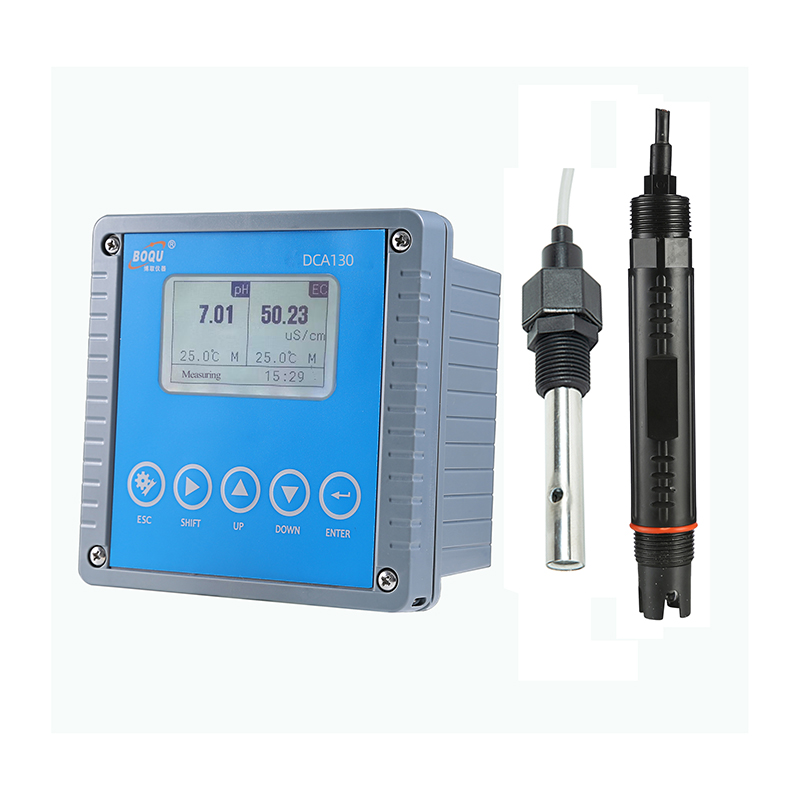
DCA130 Dual Channel pH & Conductivity Analyzer
View Specifications →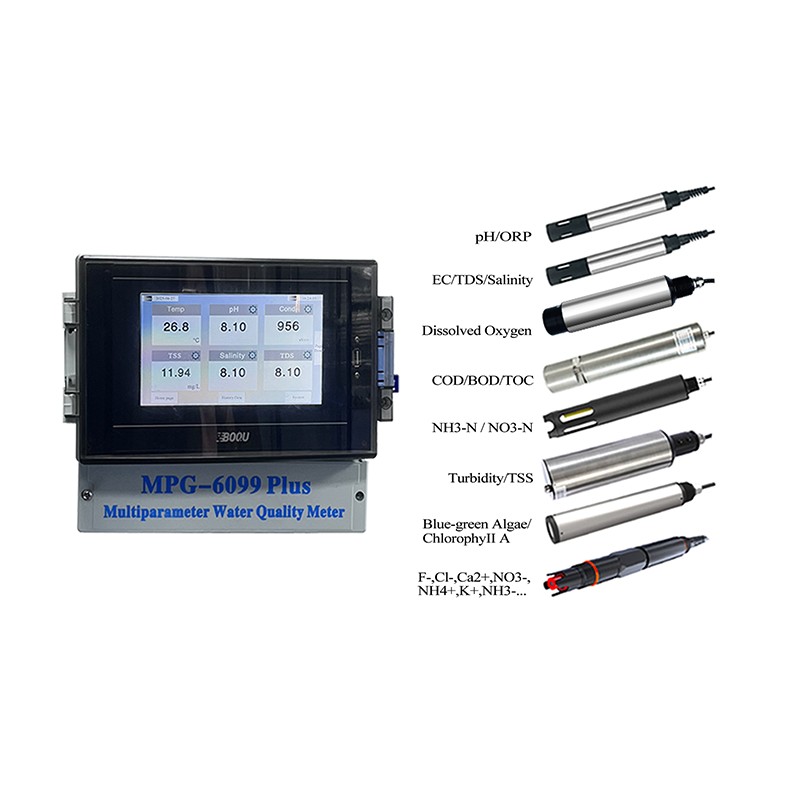
MPG-6099Plus Multi-Parameter Integrated Panel Monitor
View Specifications →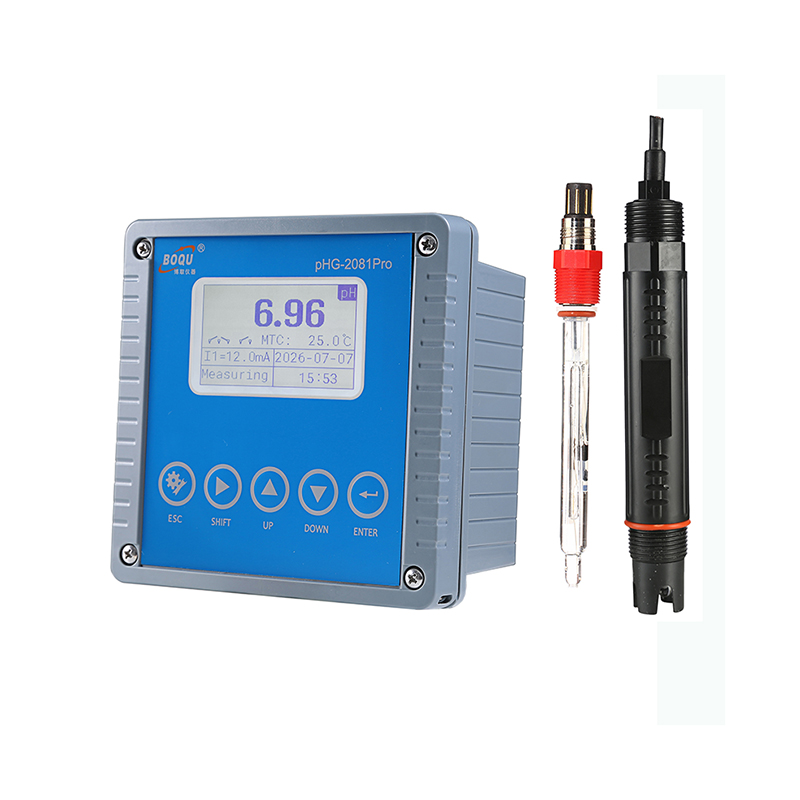
pHG-2081Pro Industrial Online pH/ORP Transmitter
View Specifications →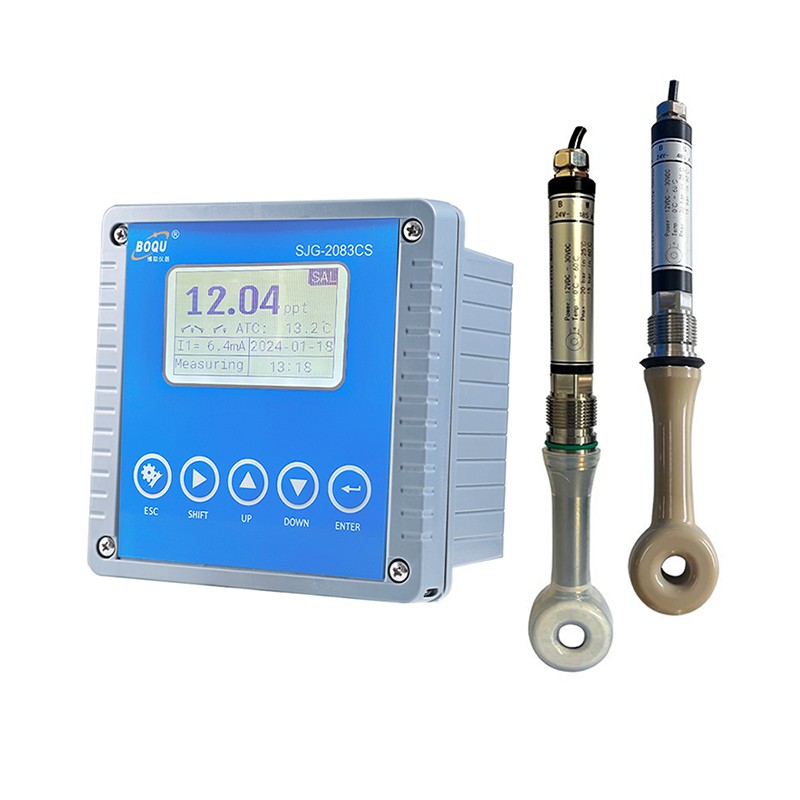
SJG-2083CS Online Acid & Alkali Concentration Meter
View Specifications →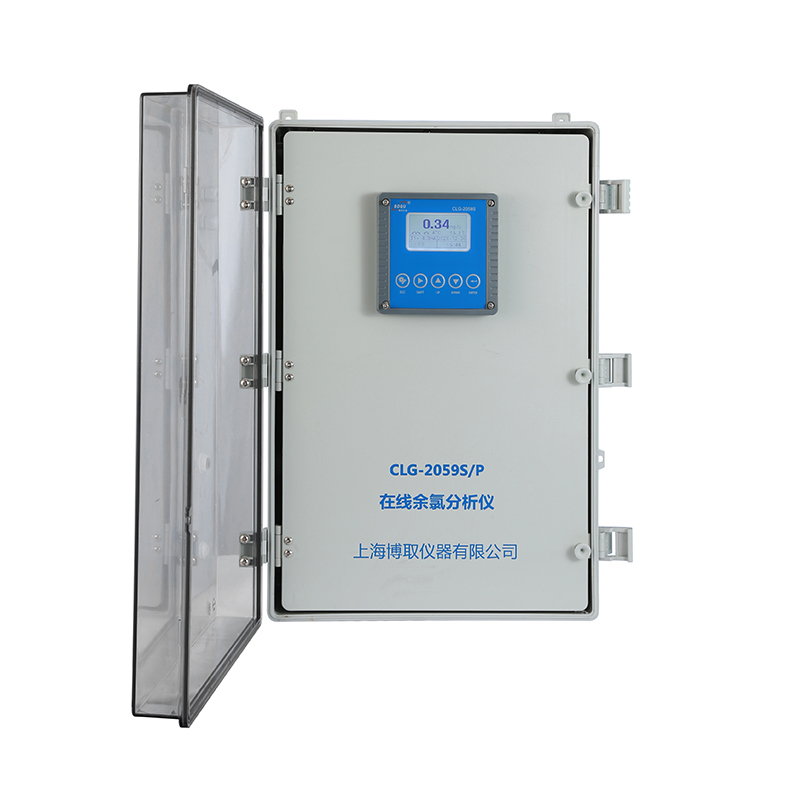
Continuous Online Residual Chlorine Water Analyzer
View Specifications →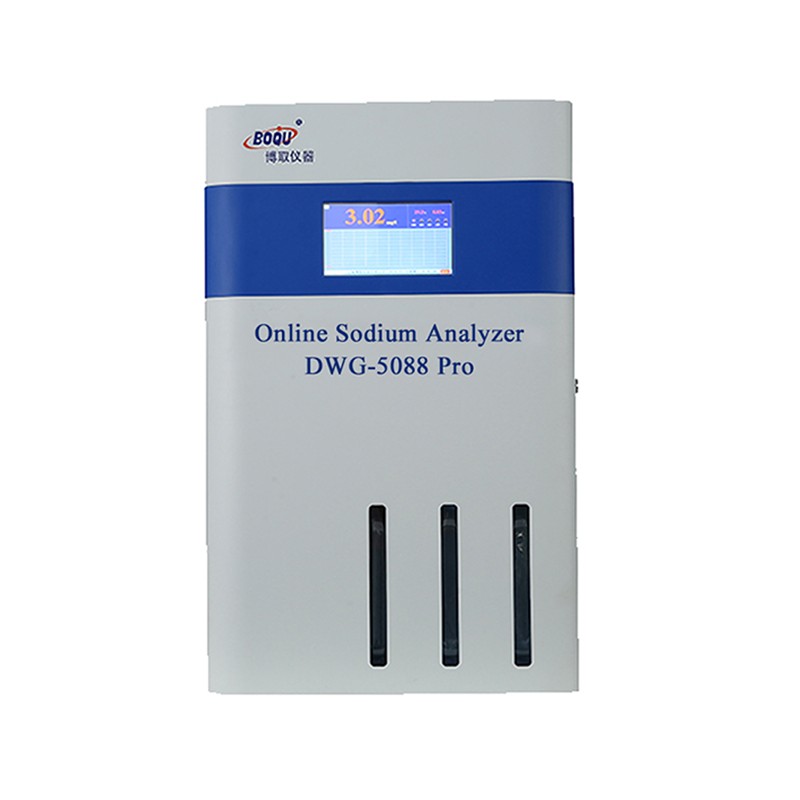
Online Silicate & Sodium Trace Water Analyzer
View Specifications →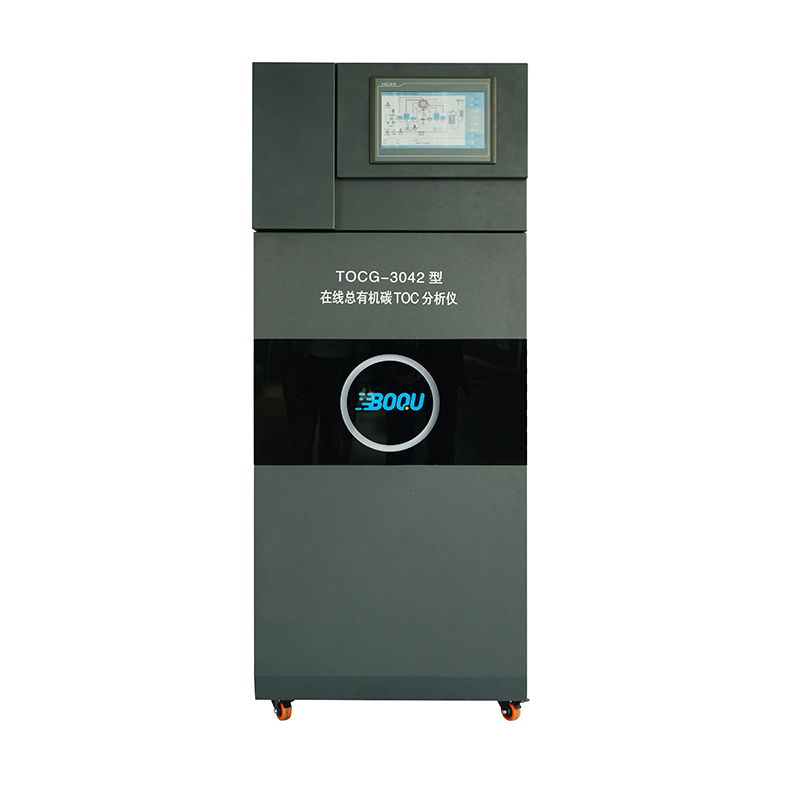
TOC-3042 Online Total Organic Carbon Analyzer
View Specifications →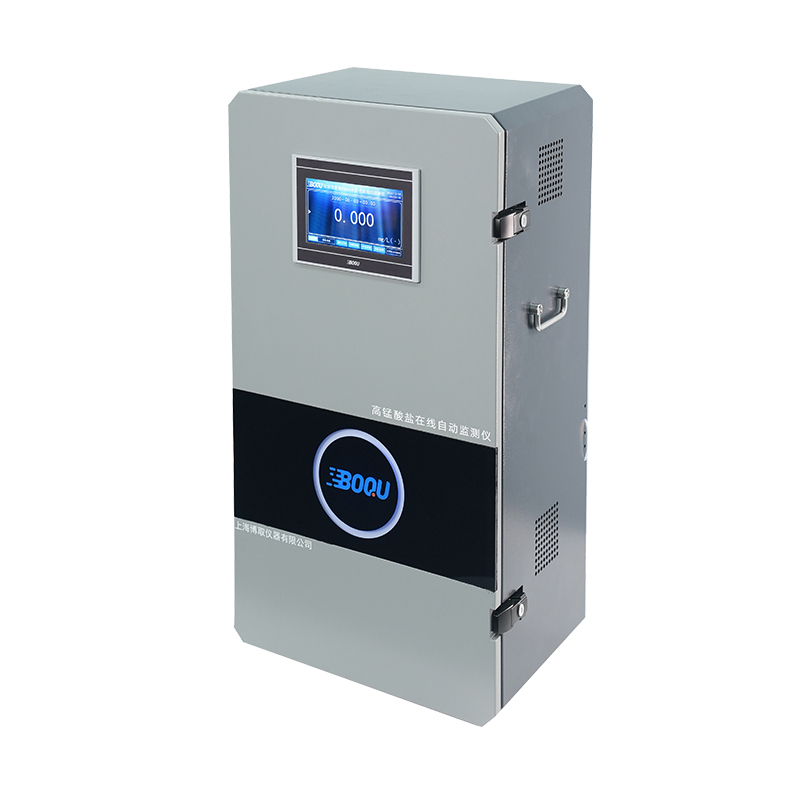
Online COD/TP/TN/Heavy Metal Effluent Analyzer
View Specifications →
Procurement & Engineering FAQ
Frequently Asked Questions on Wholesale Bioreactor pH Sensors
Comprehensive technical and commercial answers directly from our Shanghai factory application team.
Is Shanghai BOQU a direct manufacturer or a trading company?
BOQU is a direct manufacturer established in 2007. We produce our sensors, analyzers, and microelectronics across two company-owned facilities in Pudong, Shanghai (Kangqiao and Lingang workshops), encompassing 4,632 square meters of production floorspace, 200+ employees, and an annual manufacturing volume exceeding 100,000 units.
What international quality and sanitary compliance certifications do your sensors hold?
Our facilities operate in strict accordance with ISO 9001 and ISO 14001 quality and environmental management standards. The hardware carries CE compliance, SGS third-party facility verification, and FDA registered materials certificates for contact surfaces. Our signature pH5806 series holds official Shanghai Brand certification for high-temperature bioprocess excellence.
How many steam sterilization (SIP) and autoclaving cycles can the sensors endure?
BOQU bioreactor high-temperature sensors (such as the pH5806 and DOG-208FA) are built to withstand repeated steam sterilization cycles (121°C–130°C at up to 6 bar pressure). With correct pressurized housing maintenance and recommended storage in 3M KCl electrolyte, our electrodes typically endure 30 to 50+ steam sterilization cycles without unacceptable drift in electrode slope or zero potential.
Can BOQU provide custom mechanical dimensions, connectors, and private labeling (OEM/ODM)?
Yes. We offer extensive OEM/ODM production for equipment builders and analytical instrument brands worldwide. We support custom insertion lengths (120mm, 225mm, 325mm, 425mm), varying cable lengths, custom connector heads (S8, K8, VP6, M12, or direct bare-wire), private laser marking, custom color collars, and tailored Modbus register maps.
What digital communication protocols are supported for direct PLC or SCADA integration?
We provide analog mV/glass inputs, standard 4-20mA current loops with programmable relay alarms via our transmitters, as well as direct RS485 Modbus RTU digital outputs. Our IoT smart digital sensors communicate directly with Siemens, Allen-Bradley, Beckhoff, or DCS systems without requiring external signal conversion transmitters.
What essential operating parameters are required to generate an engineering quotation?
To specify the right configuration, please share: (1) target measurement parameter and pH range, (2) process operating temperature and peak sterilization temperature, (3) vessel operating pressure, (4) insertion length and connection standard (PG13.5, 25mm port, or sanitary Tri-Clamp), (5) cable length, and (6) preferred signal output (analog mV, 4-20mA, or RS485 Modbus).