
High-Performance Water pH & Industrial Analyzers
Engineered with polymer solid electrolytes, dual annular ceramic junctions, and steam-sterilizable glass formulations for severe process operations.








Why Tier-1 Global EPCs Partner with Chinese pH Sensor Factories
The convergence of mature electrochemistry R&D, precision blown glass automation, and vertical integration creates unbeatable competitive advantages.
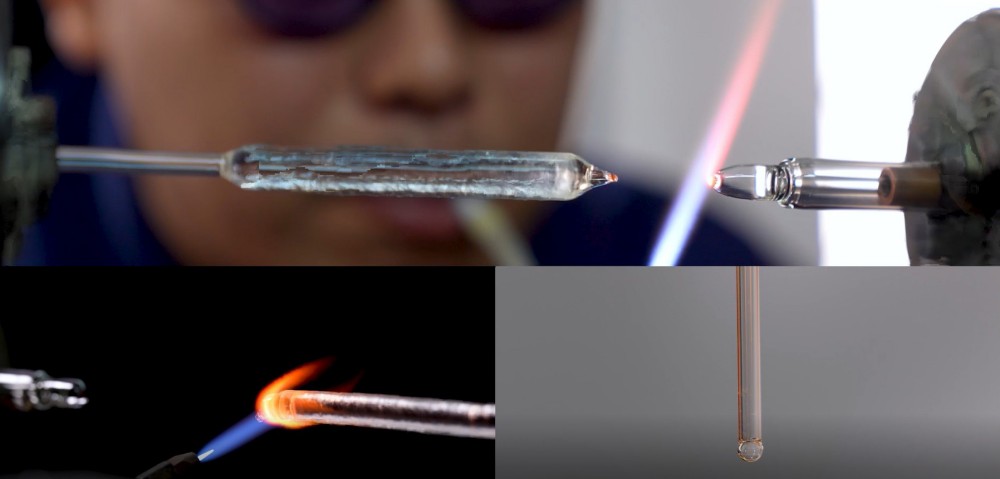
End-to-End Glass Formulation
Unlike assembly plants relying on third-party bulbs, Chinese dedicated manufacturers formulate specialized lithium-doped, low-impedance glass membranes in-house.
- Low alkali error below pH 12.5
- Membrane impedance down to 50 MΩ
- Mechanical shock-resistant spheres
National High-Temp Testing Lab
Equipped with China's specialized high-temperature water quality sensor evaluation facility, simulating continuous thermal and chemical stress.
- 130°C continuous dynamic steam aging
- 50+ recurring SIP validation cycles
- Zero drift reference verification
Scale Economics & Stock Turn
Annual production topping 100,000 analytical instruments ensures massive bulk procurement of pure silver, Teflon diaphragms, and shielding cables.
- 30% to 50% cost advantage vs EU/US
- Guaranteed 48-hour batch shipping
- Comprehensive BOM traceability
Agile OEM/ODM Customization
Direct access to engineering teams allows swift modifications of immersion lengths, thread standards, microchips, and Modbus registers.
- PG13.5, 3/4" NPT, or sanitary tri-clamp
- Custom cable flex and IP68 potting
- Private-label firmware & serial keys
Evolutionary Trends Reshaping Industrial pH Instrumentation
The water sensor sector is transitioning rapidly from classical manual-calibration analog glass probes to intelligent solid-state IoT nodes.
Solid-State ISFET & Polymer Electrolytes
Liquid KCl reservoirs are being superseded by polymer non-aqueous gels and Ion-Sensitive Field Effect Transistors (ISFET). These innovations completely eliminate diaphragm clogging, tolerate cross-contamination, and prevent poisoning by aggressive metal ions.
Factory Breakthrough: Proprietary pressurized cross-linked polymers withstand 1.6 MPa pipeline pulsations without back-diffusion of sample liquids into the reference system.
Microprocessor Edge-Computing Probes
Classical high-impedance millivolt analog lines are vulnerable to electromagnetic hum from adjacent frequency inverters. Next-generation sensors integrate 24-bit ADCs inside the sensor cap, converting microvolt signals directly to encrypted digital streams.
Edge Analytics: Real-time estimation of glass membrane impedance (health index), operating life prediction, and automated calibration history stored in non-volatile sensor memory.
Cloud Telemetry & Autonomous CIP Cleaning
Modern wastewater utilities and semiconductor rinse fabs demand automated maintenance. Factory integration of ultrasonic cleaning diaphragms and air-jet backflush ports drastically extends unattended deployment intervals from days to months.
Connectivity Matrix: Native MQTT, NB-IoT, and LoRaWAN connectivity directly streaming process pH and diagnostics to cloud SCADA platforms without standalone transmitters.
Electrochemical Principles, Boundary Layer Dynamics, and High-Temperature Reference Stabilization
1. The Nernstian Electromotive Force and Temperature Non-Linearity
Potentiometric pH determination relies fundamentally upon the phase boundary potential established across a thin, hydrated gel layer on amorphous silicon dioxide glass. The theoretical relationship between the electrical potential difference E (measured in millivolts) and hydronium ion activity aH+ is governed by the extended Nernst equation:
E = E₀ - (2.303 · R · T / n · F) · log₁₀(aH+) = E₀ - S(T) · pH
Where E₀ represents standard electrode potential, R is the universal gas constant (8.314 J·mol⁻¹·K⁻¹), T is thermodynamic temperature in Kelvin, F denotes Faraday's constant (96,485 C·mol⁻¹), and S(T) represents the theoretical Nernst slope. At 25°C (298.15 K), the theoretical slope is exactly -59.16 mV/pH unit. However, in continuous biopharmaceutical steam sterilization or boiler blowdown applications where temperature escalates to 130°C (403.15 K), the Nernst slope expands to -79.98 mV/pH unit.
Without tightly coupled RTD integration (Pt100 or Pt1000) directly embedded behind the sensing glass bulb, mathematical compensation will calculate errant slopes, producing process errors exceeding 0.8 pH during thermal excursions. BOQU's high-temperature sensor series utilizes ultra-fast thermal response thermal wells, synchronizing temperature capture with millivolt acquisition within a 1.8-second window.
2. Reference System Degradation: Asymmetric Junctions and Silver Poisoning
Over 85% of pH sensor failures in industrial wastewater and bioreactors do not stem from the measuring glass bulb, but rather from reference electrode degradation. Classical reference designs employ a silver/silver chloride (Ag/AgCl) wire immersed in saturated 3.0 M KCl aqueous liquid. Under industrial conditions, three fatal failure modes typically occur:
- Electrolyte Depletion: High process pressures force process water inward across porous ceramic diaphragms, diluting KCl and destabilizing the half-cell potential.
- Heavy Metal Precipitation: In effluent bearing sulfides (S²⁻), cyanides, or heavy metal cations (Ag⁺, Pb²⁺, Hg²⁺), ions diffuse through the liquid junction. Silver ions react instantly to form insoluble Ag₂S precipitates inside the porous ceramic channels, causing open-circuit sensor drift.
- Diaphragm Scaling: Proteins in pharmaceutical fermentation broths coagulate within micro-apertures upon encountering concentrated salt electrolytes.
To eliminate these hazards, BOQU engineers developed the Dual-Annular Polymer Gel Junction. By replacing liquid salt solutions with an immovable, high-molecular-weight cross-linked polymerized gel infused with excess solid KCl crystals, the sensor maintains constant activity without requiring external pressurization. Furthermore, a secondary diffusion barrier blocks heavy metal penetration, guaranteeing reliable, drift-free lifespan exceeding 12 months under severe conditions.
Standardized Electrochemical Architectures for Key Industries
Tailored sensor construction, wetted materials, and telemetry protocols optimized for demanding environmental conditions.
Biopharma & Sterile Fermentation
Microbial synthesis of enzymes, antibiotics, and recombinant proteins requires strict sterile control within ±0.05 pH under aggressive SIP/CIP regimes.
- Sensor Choice: pH5806 with specialized alkali-resistant lead glass.
- Thermal Rating: 0 to 130°C withstand; 135°C steam sterilization.
- Process Fit: PG13.5 thread in 120mm/225mm/325mm insertion depth.
- Signal Output: RS485 Modbus directly integrated to bioreactor PLC.
Chlor-Alkali & Heavy Chemical Flues
Chemical processes involving sulfuric acid, fluorides, and caustic soda destroy ordinary silicate glass bulbs and dissolve porous ceramic junctions.
- Sensor Choice: Heavy-duty flat-bulb glass with HF-resistant formulation.
- Wetted Body: Polyvinylidene fluoride (PVDF) or pure Teflon (PTFE).
- Junction Structure: Annular porous Teflon with polymerized polymer.
- Controller Link: pHG-2081Pro with dual 4-20mA & high-limit acid pump relays.
Thermal Power Plant SWAS (Ultra-Pure)
In boiler feedwater and condensate return lines, high-purity water (conductivity <0.1 µS/cm) lacks sufficient buffer capacity, producing wild drift in static probes.
- Sensor Choice: Stainless steel flow-through cell with ground shield.
- Reference Tech: Constant-leak trace KCl flow to stabilize junction potential.
- Shielding: Dual triaxial low-noise cable resisting electromagnetic noise.
- Validation: Meets ASTM D5128 standard guidelines for low-conductivity pH.
Engineering Audit Checklist for Oversea Buyers
Evaluating China water sensor manufacturers requires scrutinizing electrochemistry capabilities, quality systems, and supply stability beyond marketing claims.
| Evaluation Dimension | Common Trading Company Vulnerability | BOQU Shanghai Direct Factory Standard | Buyer Risk Mitigation Impact |
|---|---|---|---|
| Glass Blowing & Formulation | Outsourced third-party generic bulbs; no control over glass impedance or wall thickness. | In-house automated blowing; custom lithium/barium formulas for high temp and acid media. | Critical Prevents catastrophic membrane shatter under mechanical pipeline surges. |
| Pre-Shipment Aging Test | Spot checking or immediate repackaging of uncalibrated inventory. | 100% of manufactured electrodes undergo 48-hour continuous electrical aging. | Zero-DOA Eliminates early-life infant mortality and calibration drift upon site arrival. |
| Certification & Compliance | Forged or generic third-party certificates lacking actual factory entity names. | ISO 9001, ISO 14001, CE, SGS factory audited, FDA wetted parts compliance. | Assures trouble-free customs clearance and compliance in EU/North American public tenders. |
| Digital Firmware & Protocols | Fixed registers; inflexible baud rates; unshielded microcontrollers prone to crashes. | Full in-house firmware development; customizable Modbus RTU address maps and registers. | Seamless drop-in PLC integration with Siemens, Emerson, Honeywell, and Rockwell DCS. |
| Supply Stability & Traceability | Volatile lead times; untracked supplier changes; inconsistent batch calibrations. | 4,632 m² owned production facilities in Kangqiao & Lingang, 100,000+ unit annual output. | Guarantees 10-year replacement compatibility and stable wholesale pricing models. |
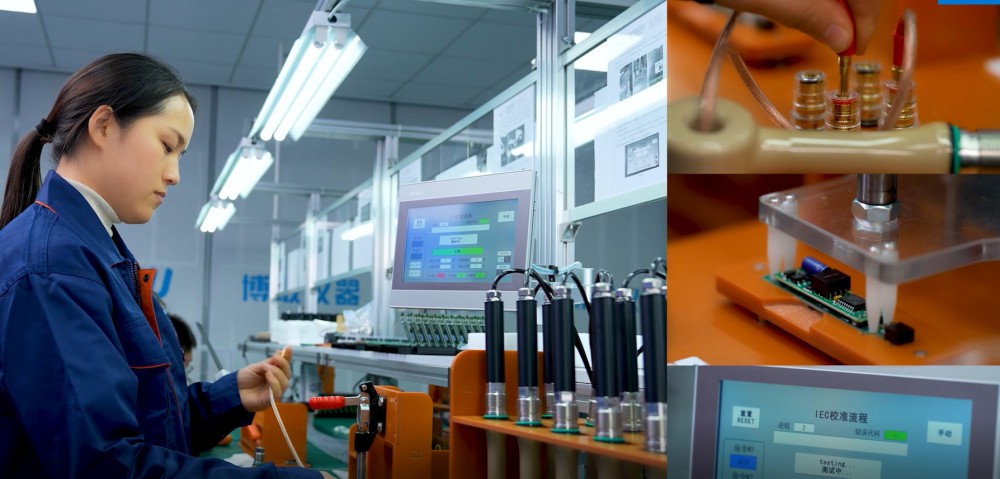
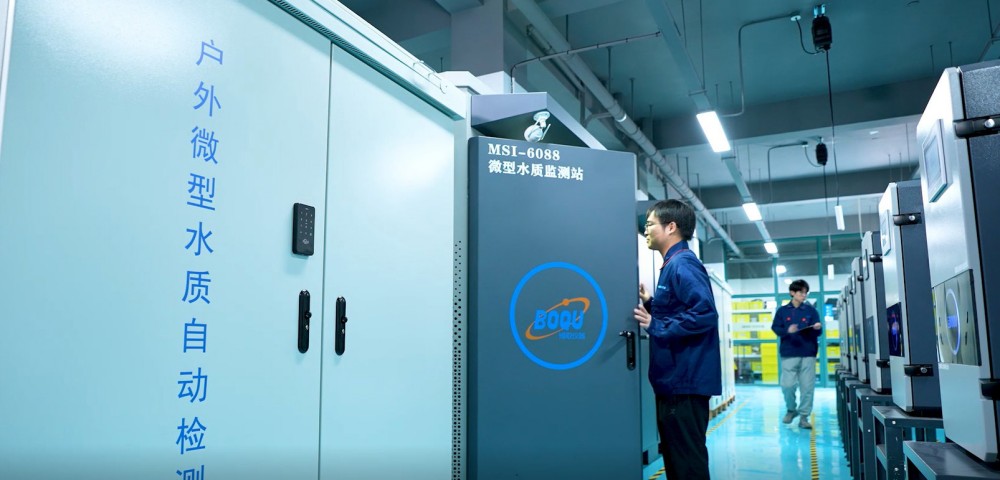
Verified Production Capacity & Engineering Scale
Shanghai BOQU Instrument operates specialized fabrication lines ensuring continuous quality and rapid international delivery.
Frequently Asked Questions by Industrial Engineers & Buyers
Comprehensive answers regarding electrochemistry, OEM services, customs clearance, and application engineering.
Is BOQU an actual manufacturing factory or an international trading entity?
How does your factory solve sensor drift in high-temperature fermentation?
What digital interfaces and communication protocols are natively supported?
What minimum order quantity (MOQ) and customization parameters do you support for OEM?
What international compliance certifications accompany each export consignment?
How can overseas clients verify factory authenticity before wire transfer?
Industrial Water Quality Instrumentation & Online Systems
Explore our full ecosystem of online water quality monitoring instruments engineered for continuous industrial deployment.




Accelerate Your Water Quality Instrumentation Projects
Consult directly with Shanghai BOQU's electrochemists and application engineers. Receive custom CAD drawings, sensor compatibility audits, and wholesale factory-direct pricing within 24 hours.