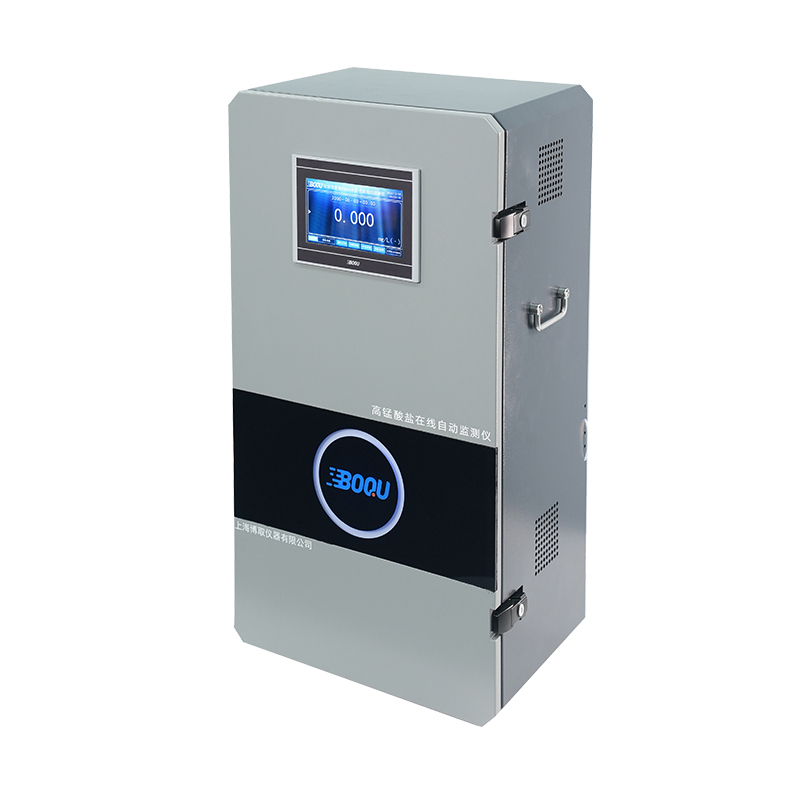
Direct Factory Sourcing Portfolio
Precision Dissolved Oxygen & Process Analytical Sensors
Direct manufacturer deployment of high-temperature sterilizable DO probes, RS485 Modbus RTU telemetry nodes, and harsh chemical analytical arrays certified to ISO 9001 and CE benchmarks.

China High-temperature pH Sensor Used Pharmaceutical Fermentation Wholesaler, Supplier
View Technical Specs
China High Temperature (0-130℃) pH Sensor With Temperature Wholesaler, Suppliers
View Technical Specs
Wholesale High Temperature (0-130℃) pH Sensor Supplier, Factories
View Technical Specs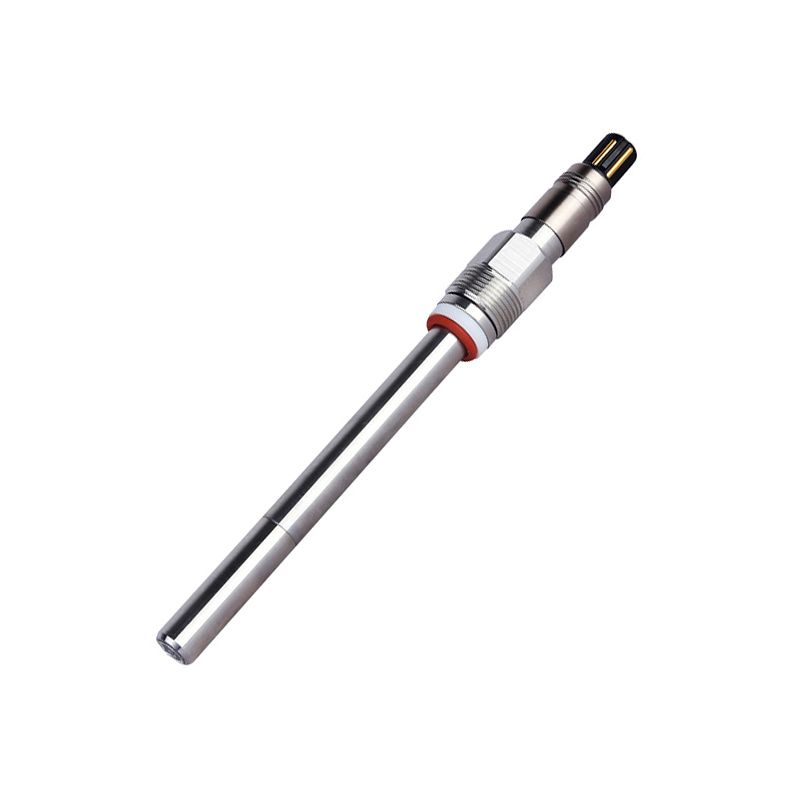
DOG-208FA High Temperature DO Sensor for Bioreactors
View Technical Specs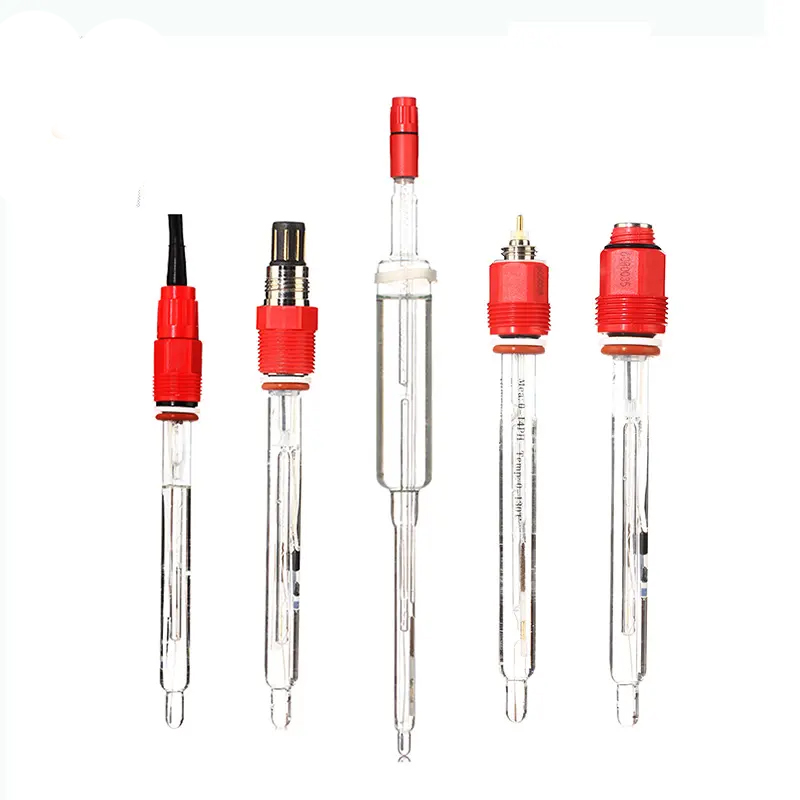
pH5806 High Temperature Sensor (Shanghai Brand Awarded)
View Technical Specs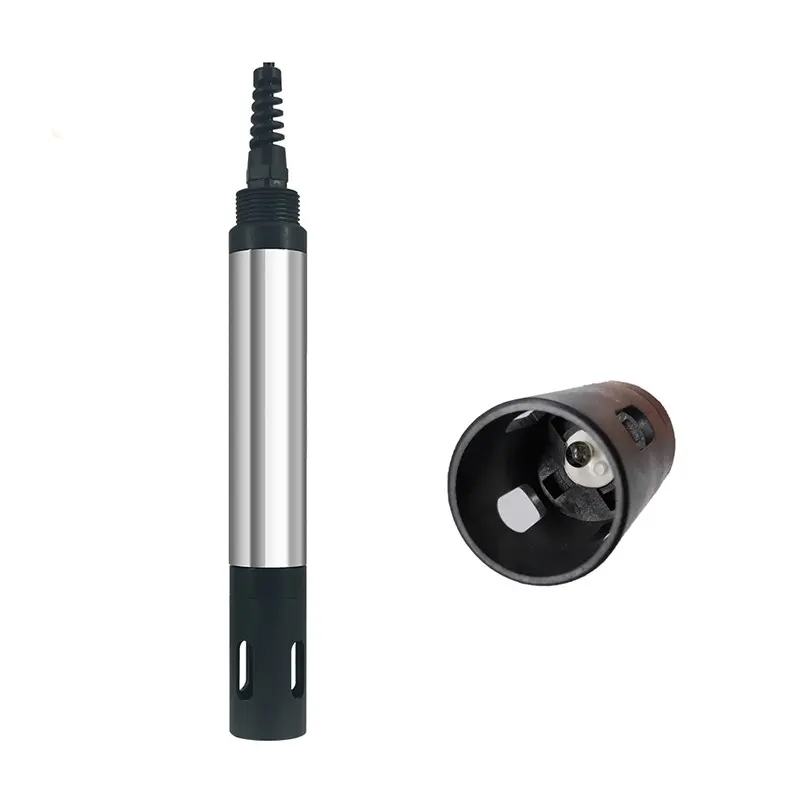
IOT-485-pH Digital Online Telemetry Sensor RS485
View Technical Specs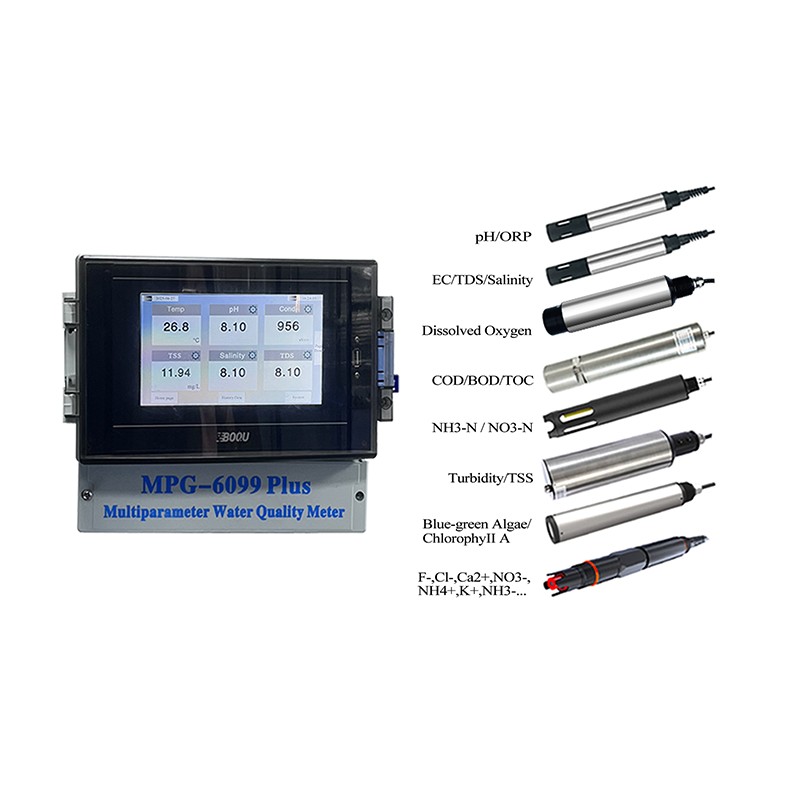
MPG-6099Plus Multi-Parameter Complete Water Quality Station
View Technical Specs
Direct OEM/ODM Foundry Footprint
Engineering Scale & Verification Capacity
Operating dual smart production factories in Shanghai (Kangqiao and Lingang) delivering verifiable manufacturing traceability from membrane synthesis to multi-stage batch aging.
2007
Founded Year
4,632m²
Floorspace
200+
Engineers & Staff
100k+
Sensors Annually
100+
Export Markets
2,000+
EPC Clients
Global Procurement Analysis
Enterprise Sourcing Trends for Water Dissolved Oxygen Sensors
Across North America, the European Union, the Middle East, and the Asia-Pacific region, procurement departments are transitioning from discrete consumable probes to integrated digital sensing networks. The driving economics focus on minimizing total cost of ownership (TCO) through drift reduction and simplified field calibration.
Total Cost of Ownership (TCO) Rebalance
Traditional electrochemical polarographic sensors mandate routine electrolyte replenishments and delicate membrane cap rebuilds every 60–90 days. Global enterprises are standardizing on optical fluorescence dissolved oxygen sensors that maintain factory calibration for 12 to 24 months, cutting field servicing labor expenses by up to 72%.
- Zero Reagent Depletion
- No Electrolyte Poisoning
- 24-Month Cap Life
Digital Edge Analytics & Modbus RTU
System integrators increasingly reject proprietary 0–2V transmitter architectures in favor of RS485 Modbus RTU and 4–20mA outputs embedded directly into the sensor head. This enables direct telemetry linking into SCADA, DCS, PLC, and edge-cloud IoT gateways without dedicated wall-mount controllers.
- Embedded DSP Processing
- Direct DCS Integration
- Noise-Immune Cabling
Severe Environment Resilience
Procurement teams require demonstrated survivability against hydraulic pressure spikes, organic grease bio-fouling, and high-temperature SIP (Steam-in-Place) sterilization cycles up to 130°C. Robust SS316L or titanium alloy sensor housings ensure structural integrity in high-salinity and chemically aggressive processes.
- SIP/CIP Compatible
- IP68 Fully Submersible
- Titanium/SS316L Bodies
Macro Engineering Framework
Comparative Measurement Principles & Industry Selection
Selecting the optimal sensor topology requires balancing response velocity, cross-sensitivity to process chemistry, and mechanical stress envelopes. The matrix below defines application boundaries across primary industrial sectors.
| Measurement Principle | Primary Industrial Vector | Dynamic Range & Resolution | Interference & Fouling Tolerance | Typical Instrument Implementation |
|---|---|---|---|---|
| Optical Luminescence (Fluorescence Lifetime) | Municipal Wastewater Aeration Basins, RAS Aquaculture | 0.00 to 20.00 mg/L (ppm); ±0.1 mg/L precision | Immune to H₂S, ammonia, heavy metals; zero flow requirement | ZDYG & IOT Digital Smart DO Probes with auto-air clean wiped heads |
| Polarographic Clark Cell (High-Temp) | Pharmaceutical Bioreactors, Industrial Microbial Broth | 0.00 to 40.00 mg/L; saturated O₂ detection | Steam-sterilizable at 130°C; requires low-shear broth flow | DOG-208FA Series with high-temp micro-membranes |
| Ultra-Trace Electrochemical Ampere | Thermal & Nuclear SWAS (Boiler Feedwater, Condensate) | 0.1 ppb to 200.0 ppb; 0.01 ppb resolution | Requires sample degassing, chilling coils, and hydraulic throttling | SWAS Steam & Water Analysis Sampling Modules |
| Dual-Channel Combined Potentiometric/Optical | Industrial Effluent Neutralization, Hydroponic Closed Loops | pH 0–14 + DO 0–20 ppm simultaneously | Cross-compensated via integrated PT1000 thermal sensors | DCA130 Dual Channel Analyzer & MPG-6099Plus Stations |
Future-Proof Architecture
Sensor Technology Roadmap & AI Edge Telemetry
Continuous innovation roadmap from Shanghai Boqu Instrument’s R&D laboratories: advancing solid-state fluorophore chemistry, low-power edge intelligence, and predictive maintenance diagnostics.
Phase I: Micro-Telemetry
Direct Modbus Sensor Nodes
Elimination of external transmitter cabinets through embedded micro-controllers within the probe casing, transmitting calibrated engineering values over industrial RS485 lines.
Phase II: Fluorophore Tech
Photostable Dye Polymers
Synthesis of sol-gel embedded ruthenium and platinum complex sensing matrices, extending optical cap working lifetimes beyond 36 months without luminescent phase shifting.
Phase III: Predictive Diagnostics
Edge Fouling & Health Scoring
Implementation of high-frequency luminescent decay trend monitoring to calculate biological film accumulation and trigger cleaning bursts prior to measurement distortion.
Phase IV: Autonomous Eco-Systems
Self-Calibrating Bio-Arrays
Integration of MEMS-actuated zero-point standard reference checks and cellular LPWAN/NB-IoT micro-transceivers for remote oceanic and unpowered watershed monitoring.
Compliance, Traceability & Support
Global Enterprise Standards & Factory Assurance
With an export distribution infrastructure spanning over 100 countries, BOQU provides end-to-end certification documentation, technical engineering guidance, and ISO-verified batch tracking.
Audited ISO 9001 / 14001 Quality System
Every dissolved oxygen sensor undergoes automated dual-point calibration and a 48-hour thermal aging soak in high-temperature validation chambers prior to clearance.
CE, SGS & FDA Registration
Instruments comply with European EMC/LVD mandates, RoHS hazardous substance constraints, and sanitary wetted-material requirements for food, beverage, and pharma applications.
Full OEM/ODM Engineering Customization
Direct customization support including customer-specific thread geometries (PG13.5, 3/4" NPT), cable compound options (PTFE, silicone), firmware register mappings, and private labeling.
Procurement & Engineering FAQ
Frequently Asked Questions on Dissolved Oxygen Sensing
Expert clarifications from Shanghai Boqu Instrument’s application engineering team on probe selection, installation mechanics, and maintenance parameters.
What is the primary difference between Optical (Luminescent) and Polarographic DO sensors?
Optical dissolved oxygen sensors operate on the principle of luminescence quenching: a blue LED excites a ruthenium-embedded sensing cap, and the phase shift of the emitted red light is inversely proportional to oxygen concentration. Optical sensors do not consume oxygen, require no minimum flow velocity, and are unaffected by chemical contaminants like hydrogen sulfide. Polarographic sensors (Clark cell) utilize a semipermeable membrane and consumable electrolyte with a polarization voltage; while requiring routine servicing, polarographic sensors like our DOG-208FA excel in high-temperature steam sterilization environments up to 130°C.
How does water salinity and barometric pressure affect sensor accuracy?
Dissolved oxygen saturation solubility is governed by Henry’s Law and decreases as ambient atmospheric pressure drops or as water salinity increases. BOQU smart digital DO sensors and analyzers integrate automated high-precision barometric pressure transmitters and internal temperature sensors (PT1000). Manual or conductivity-driven salinity compensations are configured directly within firmware to automatically compute accurate dissolved oxygen values (mg/L, ppm, or % saturation).
Can BOQU sensors connect directly to SCADA systems without a separate transmitter?
Yes. Our smart digital series—including the IOT-485 line—houses processing circuitry, signal conditioning, and RS485 transceivers within the sensor casing. The probe outputs standard RS485 Modbus RTU communication protocols directly, enabling seamless daisy-chaining directly into PLC, DCS, SCADA, or IoT wireless cloud telemetry units without requiring secondary wall-mount transmitters.
What is the recommended calibration interval for industrial wastewater applications?
In typical municipal or industrial wastewater activated sludge basins, BOQU optical dissolved oxygen sensors maintain calibration stability for 6 to 12 months under continuous duty. In heavily fouled processes, pairing the sensor with an automatic compressed-air cleaning nozzle system prevents biofilm buildup on the optical face, virtually eliminating manual cleaning interventions.
What minimum order quantities (MOQ) and lead times apply for custom OEM designs?
As a genuine manufacturer operating two facilities totaling 4,632 m² in Shanghai, BOQU supports low-barrier OEM prototyping for system integrators. Standard probe modifications (custom cable lengths, thread sizes, laser branding) carry flexible MOQs starting as low as 10–20 units, with typical production dispatch times between 5 and 15 business days.
Complete System Catalog
Featured Commercial Water Analysis Portfolio
Explore our integrated series of analytical solutions for heavy industrial, pharmaceutical, and wastewater monitoring installations worldwide.
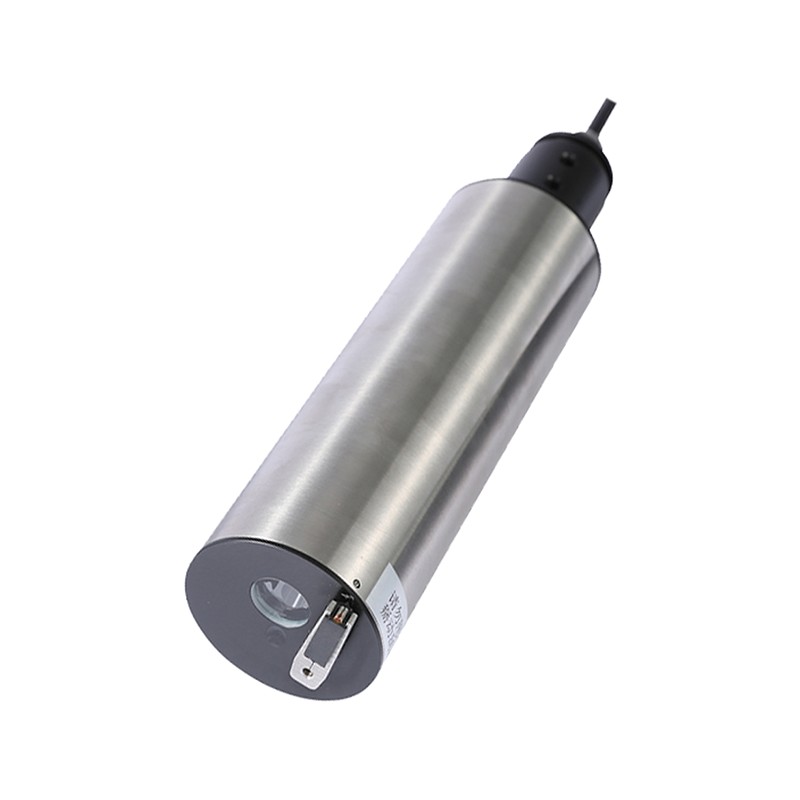
ZDYG-2088-01QX Infrared Scattered Turbidity & TSS Sensor
View Technical Specs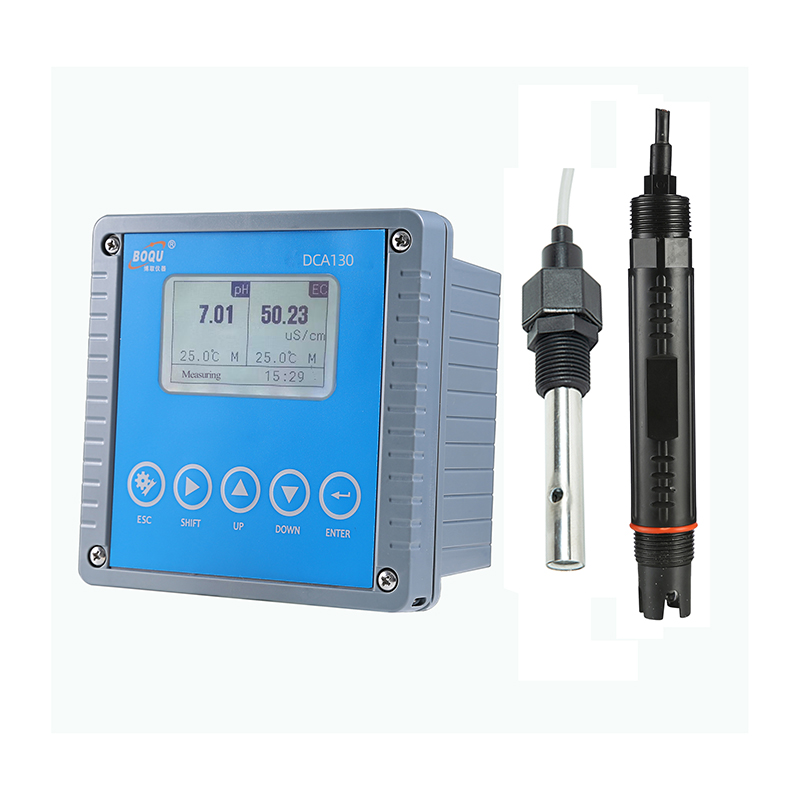
DCA130 Compact Dual Channel Online pH & EC Controller
View Technical Specs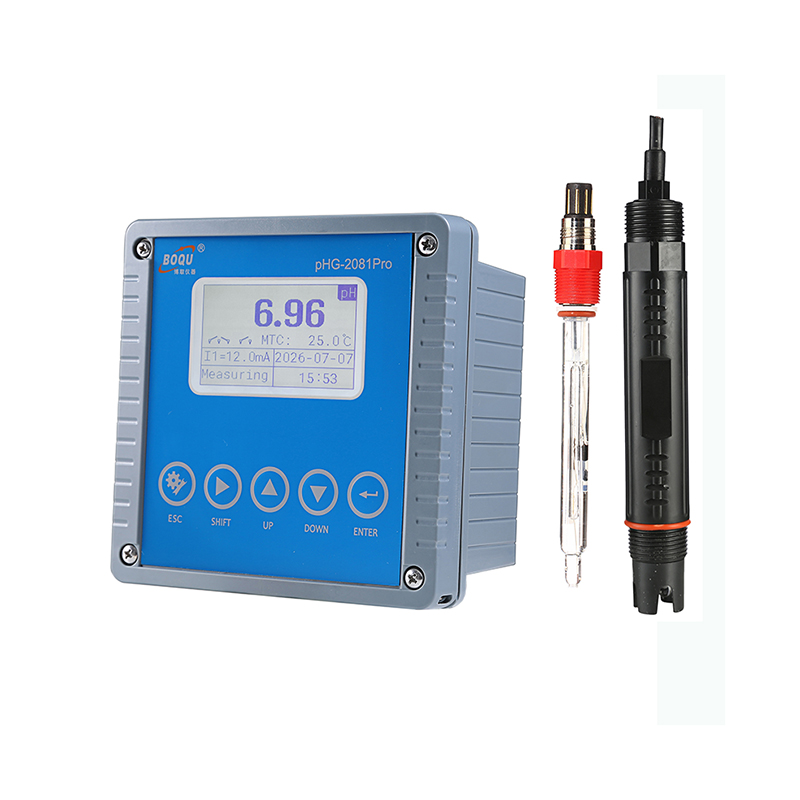
pHG-2081Pro High Precision Industrial Online pH/ORP Analyzer
View Technical Specs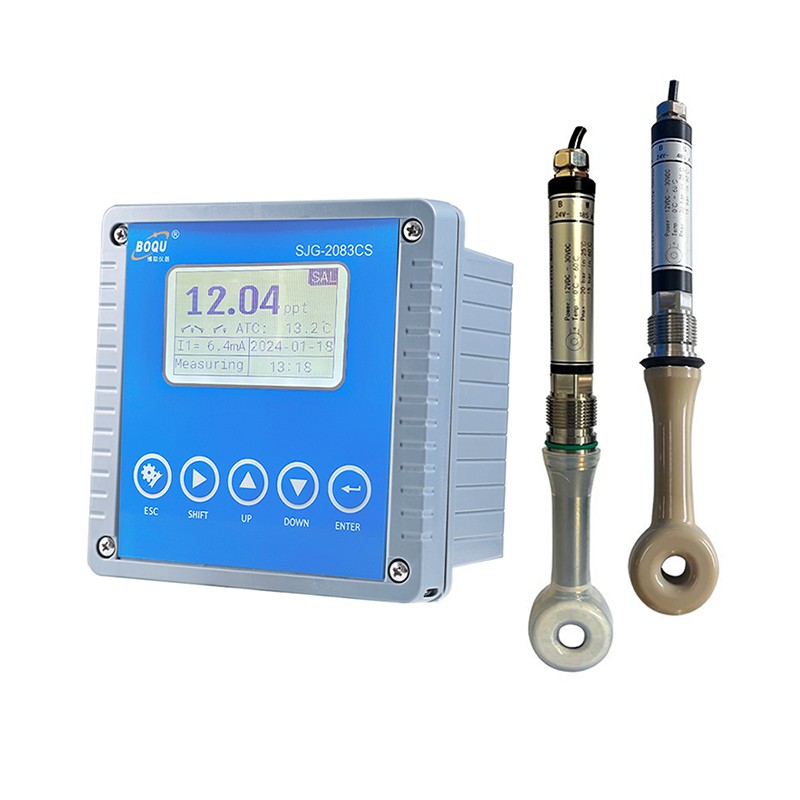
SJG-2083CS Toroidal Inductive Acid/Alkali Concentration Meter
View Technical Specs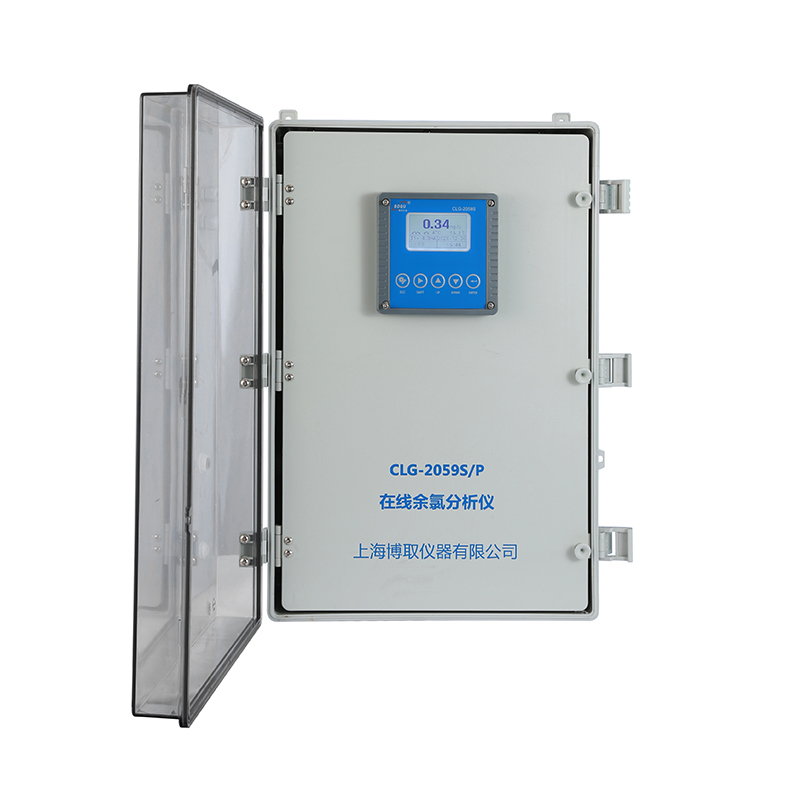
Amperometric Constant-Voltage Online Residual Chlorine Analyzer
View Technical Specs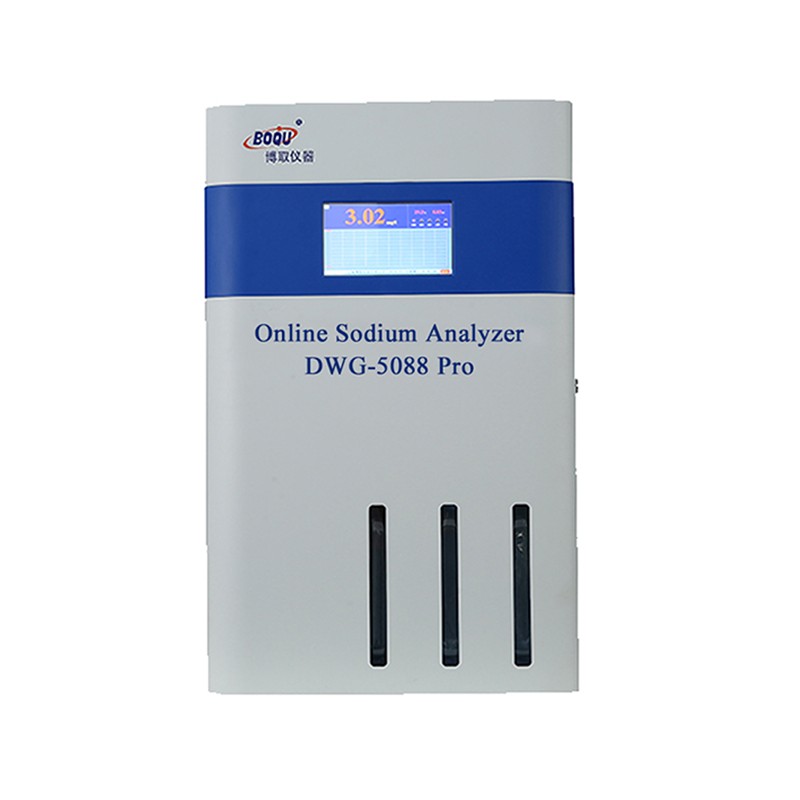
Trace Silicate / Phosphate / Sodium / Hydrazine SWAS Analyzer
View Technical Specs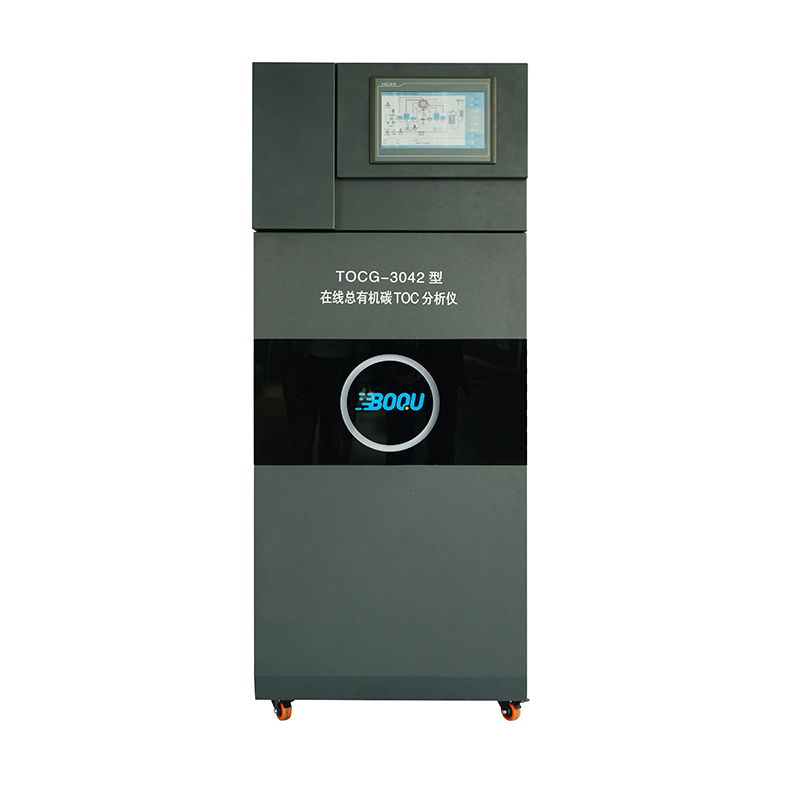
TOC-3042 High-Precision Total Organic Carbon Water Analyzer
View Technical Specs