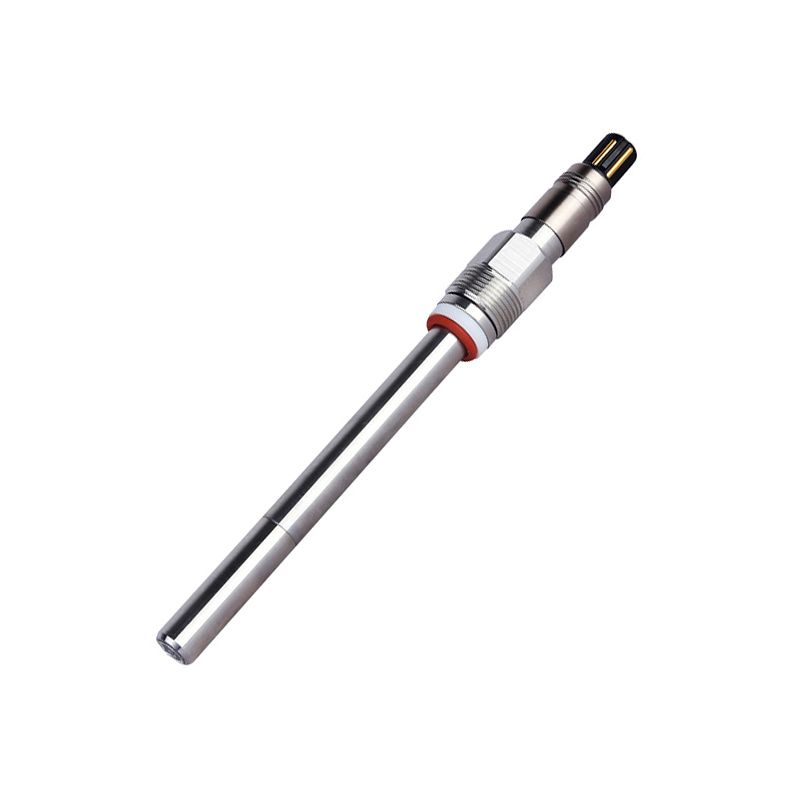
Factory Direct Catalog
Featured Industrial Dissolved Oxygen & Water Quality Instrumentation
Engineered for extreme reliability, low maintenance, and direct integration into PLC, SCADA, and IoT architectures across wastewater, bioprocessing, and environmental networks.
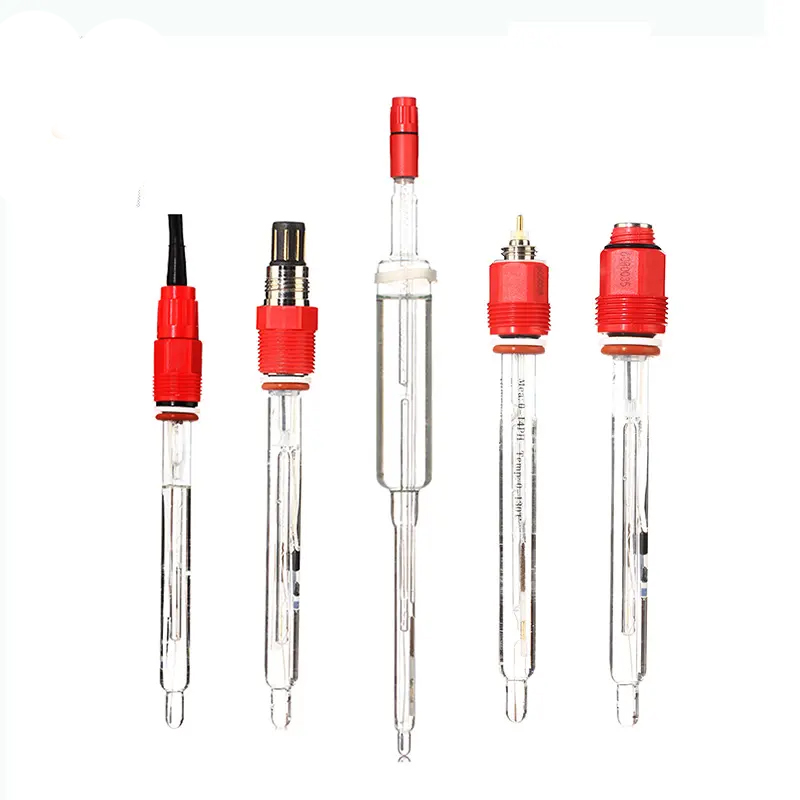
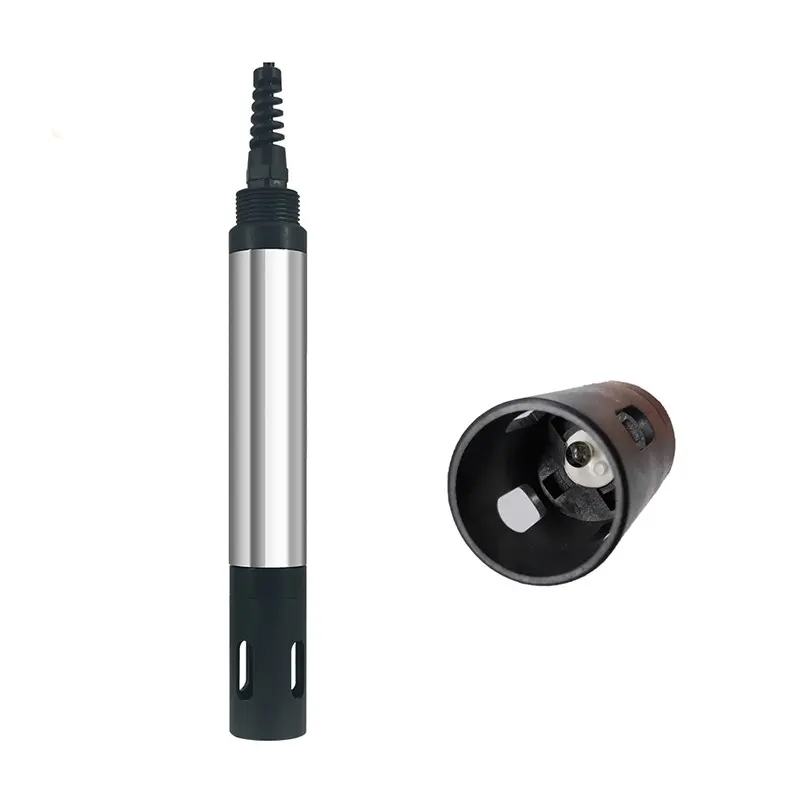
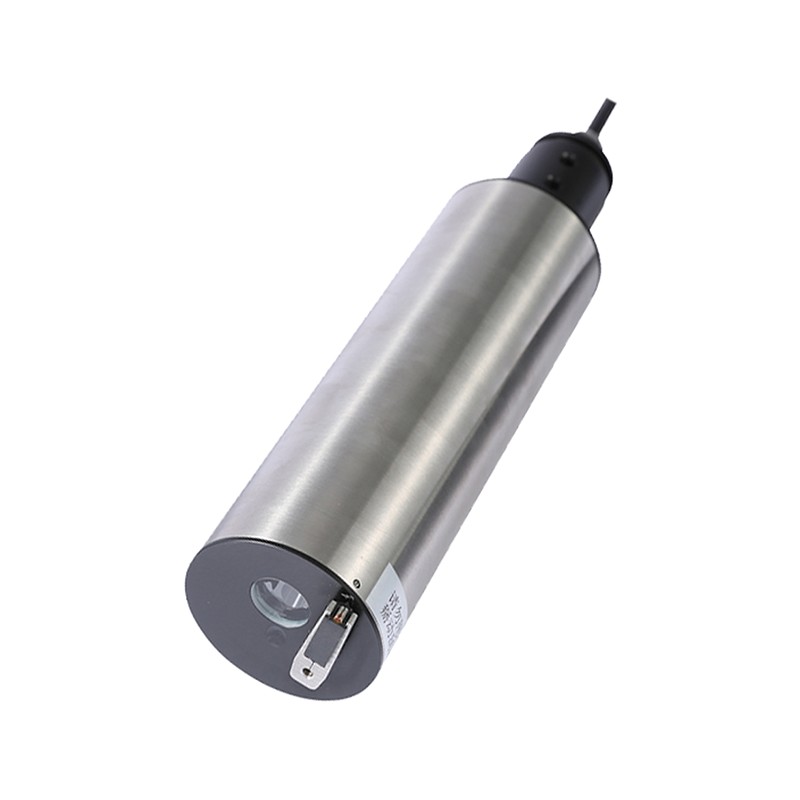
E-E-A-T Technical White Paper
Industrial Dissolved Oxygen Measurement: Principles & Architectural Rigor
Dissolved Oxygen (DO) represents one of the most critical thermodynamic and biological indicators in liquid processing, requiring absolute precision across varied pressure, salinity, and temperature dynamics.
2007
Established
4,632m²
Manufacturing Area
200+
Skilled Team
100,000+
Annual Units
100+
Export Nations
2,000+
Global Clients
Optical Luminescence (LDO)
Utilizes phase-shift fluorometric quenching technology. Blue excitation light energizes a ruthenium or platinum luminophore substrate; dissolved oxygen collision quenches red emission decay time. Operates with zero electrolyte consumption, no membrane servicing, and complete independence from flow velocity or flow stagnation.
Clark Polarographic Cells
Engineered for high-precision, rapid-transient environments such as pharmaceutical fermenters and high-purity power utility condensate. Uses a gas-permeable PTFE/silicone composite membrane separating gold cathode and silver anode under a continuous polarization voltage, providing reliable response times during rapid aerobic surges.
Trace DO Power Engineering (SWAS)
Ultra-low range sub-ppb (parts-per-billion) detection designed to avert catastrophic turbine pitting and deaerator oxidation in steam power boilers. Employs precision temperature compensation chips and hermetically sealed stainless micro-flow chambers to eliminate atmospheric oxygen contamination during sampling.
Why Source From China
Strategic Manufacturing Advantages of BOQU Shanghai
Delivering world-class electrochemical instrumentation with complete supply chain transparency, proprietary micro-machining, and rigorous ISO-certified aging routines.
Full Vertical Integration
From glass-blowing specialized pH bulbs and micro-polishing noble metal cathode surfaces to robotic SMT board assembly and CNC stainless probe milling, 100% of critical manufacturing remains within our Shanghai facilities.
Continuous Thermal Stress Aging
Every dissolved oxygen transmitter and optical sensor undergoes an automated 48-hour continuous thermal burn-in chamber test and triple-point certified NIST-traceable zero-oxygen to air-saturation calibration prior to international packing.
Agile OEM & ODM Architecture
Accelerating product lines for European and American instrumentation labels. We provide custom-flanged enclosures, bespoke Modbus register maps, proprietary cable compounds (Teflon/Kynar), and localized white-label firmware.
Unrivaled Price-Performance
By leveraging the massive Yangtze River Delta electro-mechanical component ecosystem, BOQU delivers analytical instruments matching the highest Tier-1 industrial standards at 40-60% lower total capital acquisition costs.
Engineers' Specification Matrix
Sensor Selection by Process Environment & Operating Principle
Select the optimum sensor chemistry, casing metallurgy, and communication pipeline for your target engineering specifications.
| Series Model | Measurement Principle | Standard Range | Operating Temp / Pressure | Signal Protocol | Primary Industrial Application |
|---|---|---|---|---|---|
| DOG-208FA Series | Polarographic Membrane | 0 - 20.00 mg/L (ppm); 0 - 200% | 0 - 130°C (Steam Resilient) / 4 bar | Direct Analog or Pro Controller | Pharmaceutical Bioreactors, Food Fermentation |
| DOG-209F Optical | Fluorescence Luminescence | 0 - 20.00 mg/L; 0 - 20 mg/L | -10 - 60°C / ≤0.3 MPa | RS485 Modbus RTU / Isolated 4-20mA | Municipal Wastewater Aeration, Aquaculture |
| SWAS Trace DO Pro | Micro-Polarographic Gold/Ag | 0.0 - 100.0 μg/L (ppb) | 5 - 50°C (Sample conditioned) / 1 bar | Dual 4-20mA, Modbus, Alarms | Thermal/Nuclear Power Feedwater, SWAS Panels |
| IOT-DO-485 Integrated | Solid-State Luminescent | 0 - 20.00 mg/L (0 - 200%) | 0 - 50°C / IP68 Submersible / 2 bar | Direct RS485 Modbus RTU 24VDC | Smart Agriculture, Lake Limnology, Deep Wells |
| Galvanic Portable G-100 | Lead-Oxygen Galvanic | 0 - 19.99 mg/L | 0 - 45°C / Field Handheld | LCD Display, Local USB Datalogger | Field Verification, Spot Testing, Academic Labs |
Macro Industry Solutions
Mission-Critical Deployments Across Industrial Ecosystems
From municipal environmental compliance to precision biomanufacturing yields, see how BOQU dissolved oxygen instrumentation solves operational bottlenecks.
Aeration Energy Optimization in WWTP
Aeration blowers consume up to 60% of total electrical energy in activated sludge wastewater facilities. By deploying BOQU optical DO sensors coupled with VFD blower loops, plant operators maintain precise 1.5–2.0 mg/L biological setpoints, preventing filamentous bulking while reducing grid power expenditures by 18-35% annually.
Biopharma & Industrial Fermentation
Microbial and mammalian cell cultures require ultra-tight dissolved oxygen control to maximize titer concentrations without triggering anaerobic by-products. Our DOG-208FA sensors feature high-temperature solid electrolyte chemistry capable of enduring repeated SIP (Sterilization-in-Place) up to 130°C without signal drift or recalibration requirements.
High-Density RAS Aquaculture Systems
In Recirculating Aquaculture Systems (RAS) and cage-culture fisheries, dissolved oxygen drops can induce mass mortality within minutes. BOQU digital IoT sensors broadcast continuous real-time DO and temperature metrics over LoRaWAN or 4G cloud gateways, autonomously firing automated paddlewheels and liquid oxygen injectors before critical hypoxia occurs.
Supercritical Power Plant Boiler Protection
Corrosion mitigation in subcritical and supercritical steam utility generators relies on all-volatile water chemistry (AVT). Even 5 ppb of dissolved oxygen can dissolve protective magnetite layers. BOQU SWAS sub-ppb dissolved oxygen analyzers maintain steady zero-drift telemetry, triggering oxygen scavenger dosing with microsecond precision.
Environmental Catchment & Watershed IoT
Surface water ecological monitoring mandates robust, solar-powered field installations with zero maintenance. BOQU integrated optical DO probes incorporate anti-biofouling coatings and optional reciprocating cleaning wipers, enabling 6-month hands-off autonomous deployments in lakes, estuaries, and municipal stormwater channels.
Advanced Hydroponics & Vertical Farming
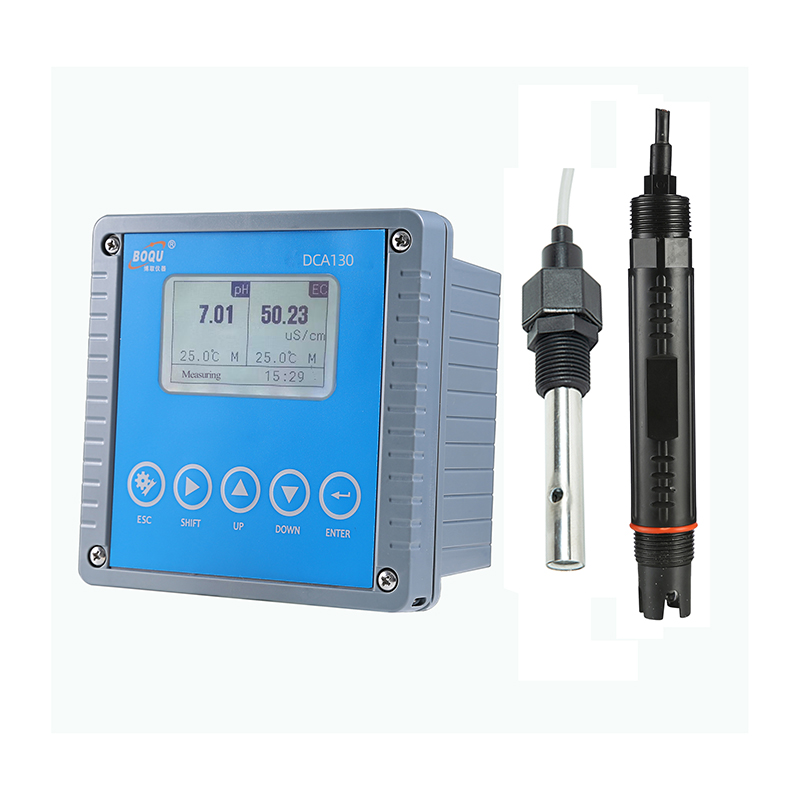
Dissolved oxygen concentrations within root zones directly correlate to root respiration, mineral ion transport, and Pythium pathogen defense. Our multi-channel DCA systems synchronize dissolved oxygen tracking with electrical conductivity (EC) and pH balance, driving harvest biomass improvements across smart greenhouses worldwide.
Future Forward
Technological Horizons: Next-Generation DO Metrology
How edge artificial intelligence, miniaturized optics, and wireless cloud topologies are revolutionizing online liquid analytical measurement.
Edge Sensor Intelligence & Predictive Diagnostics
Modern dissolved oxygen probes no longer output raw micro-amperage. BOQU intelligent digital sensors incorporate embedded DSP microcontrollers that monitor luminescence cap health, electrolyte depletion profiles, and reference impedance in real time. They compute remaining lifespan algorithms (Predictive Maintenance alerts) directly to enterprise SCADA before erroneous measurements occur.
Decentralized IoT Cloud Integration
Direct sensor-to-cloud architectures bypass expensive intermediate transmitters. Our native RS485 Modbus and optional MQTT-native sensors interface seamlessly with industrial edge compute nodes, enabling multisite utility directors to audit real-time dissolved oxygen values across geographically dispersed basins via web dashboard consoles.
Advanced Fluorophore Nanotechnology
BOQU chemical research laboratories are actively pioneering nano-composite matrix luminophores. These advanced sensing caps display remarkable resistance to photobleaching, withstand organic solvent traces, and resist biofouling biofilms, lengthening mandatory calibration intervals from bi-weekly checks to annual certifications.
Technical Questions Answered
Frequently Asked Questions for Global Procurement Teams
Clear, authoritative technical answers concerning specifications, installation, maintenance, and international distribution.
What is the critical distinction between Optical and Polarographic DO sensors?
Optical sensors use phase-shift luminescence quenching, requiring zero electrolyte, zero membranes, and no flow velocity, making them practically maintenance-free for wastewater and aquaculture. Polarographic sensors operate on electrochemical reduction at a polarized gold cathode; while requiring periodic electrolyte replenishment and minimal sample flow, they excel in fast response times and withstand 130°C steam-in-place sterilization inside biopharma fermenters.
How does salinity and barometric pressure affect dissolved oxygen accuracy?
Dissolved oxygen solubility is strictly governed by Henry's Law. As salinity increases, DO saturation limits drop; likewise, variations in atmospheric pressure shift partial oxygen pressure. All BOQU online dissolved oxygen transmitters integrate automatic barometric pressure transducers and permit manual or automated salinity compensation via RS485 communication with linked conductivity sensors.
Can BOQU sensors connect directly to SCADA or DCS without transmitters?
Yes. Our "IOT-485" smart digital sensor range incorporates onboard signal conditioning, calibration memory, and microprocessors. They output standard industrial RS485 Modbus RTU directly from the probe cable, allowing direct communication to Siemens, ABB, Schneider PLCs, or telemetry RTUs without intermediate display boxes.
What is the typical calibration interval for industrial DO sensors?
For BOQU optical luminescence sensors operating in municipal wastewater aeration, calibration verification is recommended once every 6 to 12 months. For polarographic sensors in clean biopharma fermentation, two-point zero/air calibration is executed prior to every production batch to comply with rigorous cGMP data integrity requirements.
What certifications and quality assurances accompany bulk shipments?
Shanghai BOQU Instrument maintains complete ISO 9001 and ISO 14001 quality manufacturing management. All instruments are backed by European CE conformity declarations, SGS factory audit verifications, FDA food-contact compliances for wetted seal components, and individual NIST-traceable factory calibration certificates.
What OEM and custom manufacturing capabilities are supported?
We routinely deliver comprehensive OEM solutions, including custom cable material jacketing (PUR, FEP), customized insertion lengths, Tri-clamp or NPT threading specifications, client-branded enclosure molding, custom graphical UI themes, and private protocol mapping for international analytical brand distributors.
Complete Analytical Inventory
Featured Industrial Sensors & Transmitters Portfolio
Explore our full spectrum of specialized electrochemical and optical process probes manufactured at our Shanghai facilities.