

0-130℃ High-Temp
High Temperature pH Sensor With Temperature
Designed with integrated Pt100/Pt1000 RTD for active thermal drift compensation in high-temp effluent lines and chemical reactors.
Product Details →Direct from our Shanghai production base: heavy-duty glass membranes, high-temperature formulations, and integrated intelligent signal transmitters built for extreme fluid chemistry.
Designed with integrated Pt100/Pt1000 RTD for active thermal drift compensation in high-temp effluent lines and chemical reactors.
Product Details →
Standardized PG13.5 process connection featuring an S8 pluggable connector for swift maintenance and IP68 hermetic sealing.
Product Details →
Food-grade pressurized polymer electrolyte resistant to frequent CIP/SIP steam sterilization and aggressive media.
Product Details →
Specialized low-impedance glass formulation preventing alkaline error and poisoning from heavy metals and oily residues.
Product Details →
Accredited flagship sensor engineered with a multi-junction reference system to eliminate diaphragm clogging in slurry waste.
Product Details →
Microprocessor-driven digital probe outputting isolated RS485 signals directly to PLC, SCADA, and telemetry units without transmitters.
Product Details →
Dual 4-20mA channels, high/low relay contacts for automated acid-base neutralizing chemical metering pumps.
Product Details →
Simultaneous real-time monitoring of pH levels and ionic conductivity for compact wastewater reclamation skids.
Product Details →A structural shift in electrochemistry: moving beyond mere cost efficiency to leading glass formulation, polymer reference stability, and automated high-throughput manufacturing.
Unlike assembly workshops, our dedicated Shanghai furnace formulates low-resistance, heavy-duty glass membranes tailored for abrasive solids, fluorides, and high pH caustic streams.
The primary reason conventional wastewater probes fail is poisoning of the Ag/AgCl reference element by sulfides, cyanides, and heavy metals. We deploy polymerized solid electrolytes.
Leveraging China's integrated supply clusters, we offer custom insertion lengths (120mm to 450mm), threaded materials (PPS/Ryton, PVDF, Hastelloy), and private label branding.
From analog high-impedance cables to self-calibrating smart IoT architectures designed for automated smart factories and municipal zero-liquid-discharge (ZLD) plants.
Traditional pH cables carrying microvolt signals suffer from electromagnetic interference (EMI) generated by surrounding high-power pumps, blowers, and frequency converters.
Modern plants specify integrated smart sensors that convert analog millivolts into Modbus RTU inside the sensor cap, transmitting noise-free data up to 1,000 meters.
Unplanned plant shutdowns caused by fouled or depleted pH probes are unacceptable under strict environmental compliance regimes. Smart digital sensors feature embedded memory.
Our algorithms track glass membrane impedance, reference junction potential, total operating hours, and CIP cycles to alert DCS operators before probe failure occurs.
For applications where glass breakage threatens process safety (food, beverage, dairy processing effluent), Ion-Sensitive Field Effect Transistors (ISFET) are gaining traction.
We are advancing silicon chip-based pH probes that withstand intense mechanical shock, severe vibration, and immediate transition between extreme hot and cold liquids.
A single universal probe cannot survive every waste stream. We engineer chemistry-specific pH sensor configurations tailored to unique fluid dynamics.
Extreme acidity (pH 0-2) laced with hexavalent chromium, copper ions, and free fluorides that dissolve normal silicate glass within weeks.
Config: Hydrofluoric-acid resistant flat glass, dual annular PTFE reference, heavy-wall PVDF housing.
Heavy biological biofilms, suspended solids, and filamentous bacteria continuously coat electrode surfaces, causing measurement lag.
Config: Polymerized solid gel with open aperture or large porous ceramic junction paired with automated water-jet wash systems.
High temperatures (up to 95°C) paired with sodium hydroxide concentrations driving pH values above 12.5 cause rapid glass degradation.
Config: High-temperature alkaline-grade glass formulation with pressurized internal electrolyte to counter reverse osmotic flow.
Coal-fired power generation scrubbing slurries contain gypsum particulates that physically sandblast glass membranes and poison reference wires.
Config: Armored heavy-wall dome glass membrane, dual junction with solid polymer matrix resistant to sulfide diffusion.
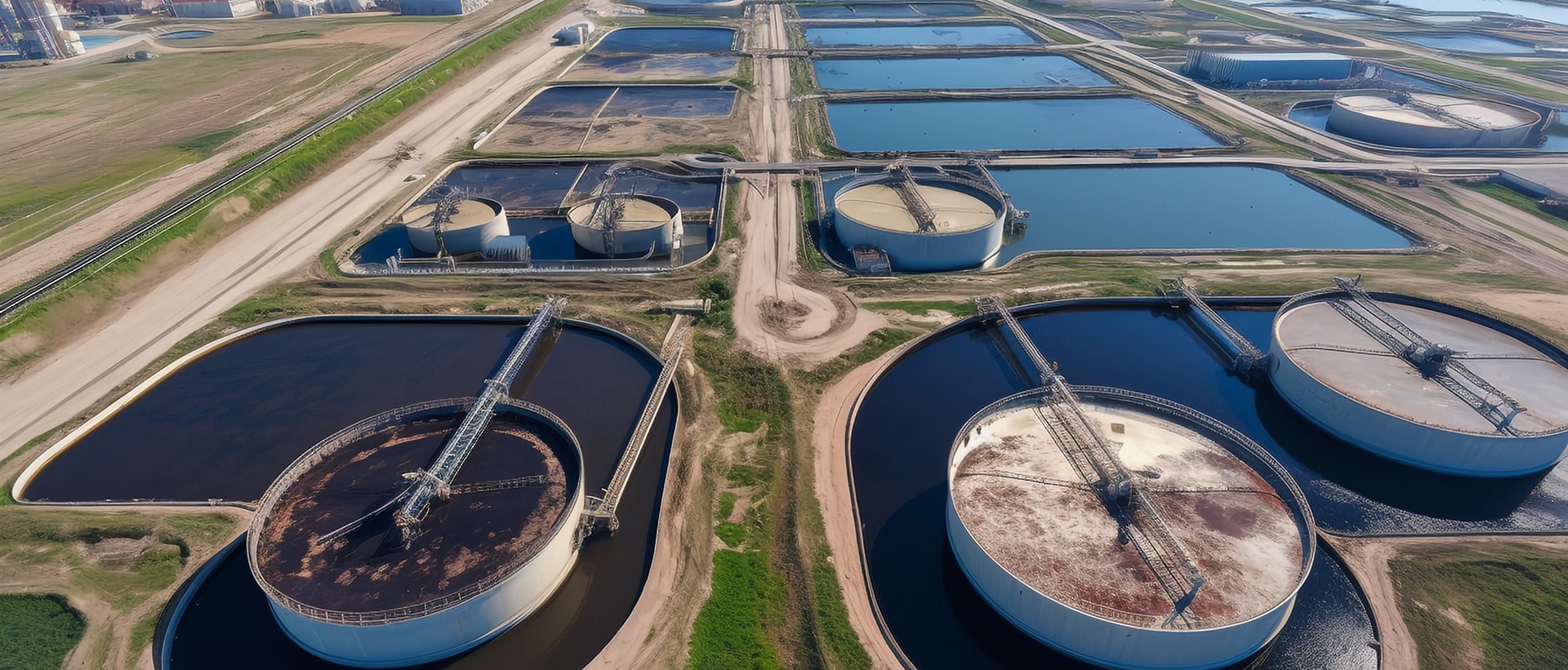
Accurate pH feedback is the cornerstone of chemical dosing cost control. Under-dosing results in non-compliant effluent discharge fines, while overdosing wastes thousands of dollars in lime and sulfuric acid chemicals each month.
Our turnkey analytical packages link the pHG-2081Pro or IOT-485-pH sensors directly with industrial dosing pumps and PLC systems, offering PID algorithms that account for non-linear pH titration curves.
Procuring analytical instrumentation across borders demands verifiable manufacturing rigor, repeatable calibration, and dependable supply chain resilience.
Engineering procurement specifications require genuine ISO 9001 and ISO 14001 certification. Raw sensor plastics must verify chemical compatibility (virgin PVDF, PEEK, Ryton) to prevent housing embrittlement under aggressive solvents.
Electrochemical sensors undergo natural drift during early life. Reputable factories implement dedicated temperature-cycled aging chambers and automated slope/zero calibration checks before packing to guarantee immediate field readiness.
Interchangeability is critical. Global systems demand compatibility with standard industrial connectors including Variopin (VP6/VP8), S8, BNC, and detachable M12 digital cables rated IP68 for complete basin submersion.
Combine high-reliability wastewater pH probes with dissolved oxygen, turbidity, chemical oxygen demand (COD), and nutrient analyzers on unified plant communication networks.

Polarographic dissolved oxygen electrode built to endure continuous aeration basin duty and high-temperature biological fermenters.
Product Details →
Infrared scattered-light sensor equipped with an integrated silicone wiper to prevent biological window fouling in activated sludge tanks.
Product Details →
Toroidal electrodeless sensor measuring chemical strength (0-10% H2SO4, 0-10% NaOH) in CIP wash and wastewater neutralization lines.
Product Details →
Constant-voltage amperometric sensor providing bare-gold electrode longevity for wastewater chlorination and effluent discharge limits.
Product Details →
Integrated turnkey panel system consolidating pH, DO, Conductivity, Turbidity, and ORP on an automated sampling flow cell.
Product Details →
Colorimetric wet-chemistry monitoring system engineered to prevent high-pressure boiler corrosion and steam turbine scaling.
Product Details →
High-temperature catalytic oxidation or UV persulfate method providing continuous organic load reporting for pharmaceutical wastewater.
Product Details →
Fully automated environmental compliance station with auto-cleaning, auto-calibration, and direct telemetry reporting.
Product Details →Engineering guidance answering real-world questions from plant managers, system integrators, and international procurement teams.
Laboratory probes rely on free-flowing liquid KCl electrolytes and thin glass bulbs. In industrial wastewater, three destructive forces exist: reference poisoning (sulfides react with Ag+ to precipitate silver sulfide), junction clogging (suspended solids and polymers block ceramic pores), and mechanical abrasion from moving grit. Industrial wastewater probes counteract this via solid-state polymer references, annular junctions, and heavy-wall formulated glass.
In clean municipal effluent, calibration every 30 to 60 days is typically sufficient. In heavy chemical waste or biological aeration basins, bi-weekly or monthly calibration using certified pH 4.01, 7.00, and 10.01 buffers is recommended. Digital smart probes streamline this process by storing calibration coefficients in the probe head, allowing hot-swap maintenance without field recalibration.
The Nernst equation demonstrates that electrode millivolt output per pH unit is directly temperature-dependent (54.2 mV/pH at 0°C vs. 59.16 mV/pH at 25°C and 74.04 mV/pH at 100°C). Furthermore, chemical dissociation constants shift with temperature. Industrial probes feature embedded Pt100, Pt1000, or NTC sensors positioned near the glass bulb to provide continuous automatic temperature compensation (ATC).
Bulb-style glass membranes provide lower electrical resistance and faster response times, making them ideal for immersion basins with moderate flow. Flat-surface membranes are designed for pipeline insertion; the flowing liquid creates a natural scrubbing action across the flat surface, minimizing particulate fouling and oil accumulation.
Yes. As an authentic manufacturer with 4,632 m² of facilities across Shanghai (Kangqiao and Lingang), we provide private labeling, custom glass formulations, tailored cable lengths, laser-etched logos, and proprietary Modbus communication registers for international brand partners and instrumentation companies.
To ensure optimal electrode life, provide: 1) Measuring range (standard 0-14 pH), 2) Process operating and peak temperature, 3) Line pressure (bar/psi), 4) Chemical composition (presence of hydrofluoric acid, high solvents, sulfides, or oily sludge), 5) Process installation type (3/4" NPT, PG13.5, flange, or immersion pole), and 6) Signal preference (analog mV, 4-20mA, or RS485 Modbus).