
High-Performance Dissolved Oxygen & Process Electrodes
Engineered for industrial biological aeration, high-temperature fermentation vessels, and severe industrial effluent monitoring. 100% factory aged and calibrated.




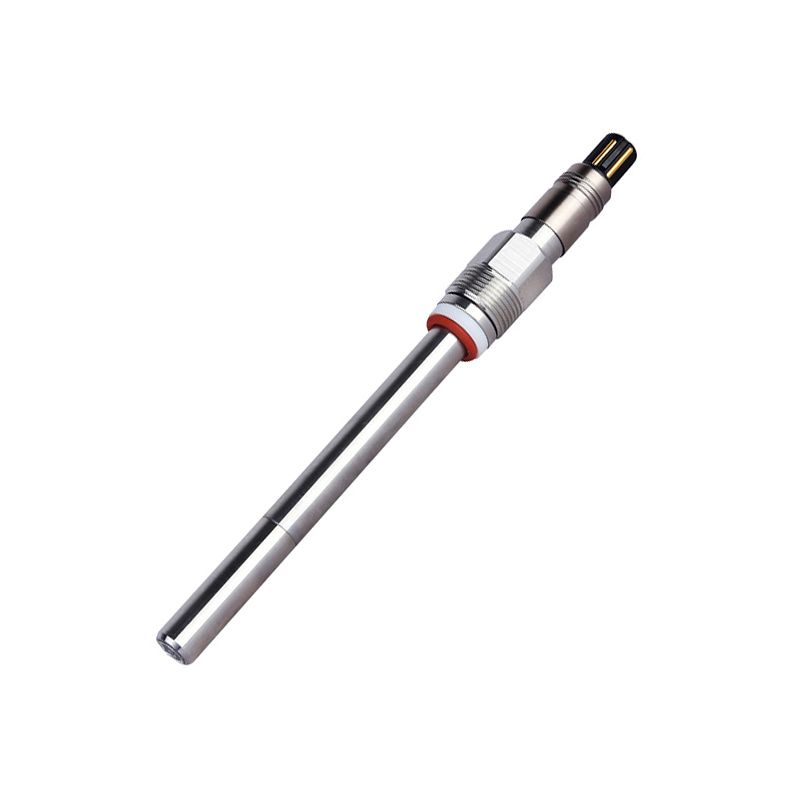
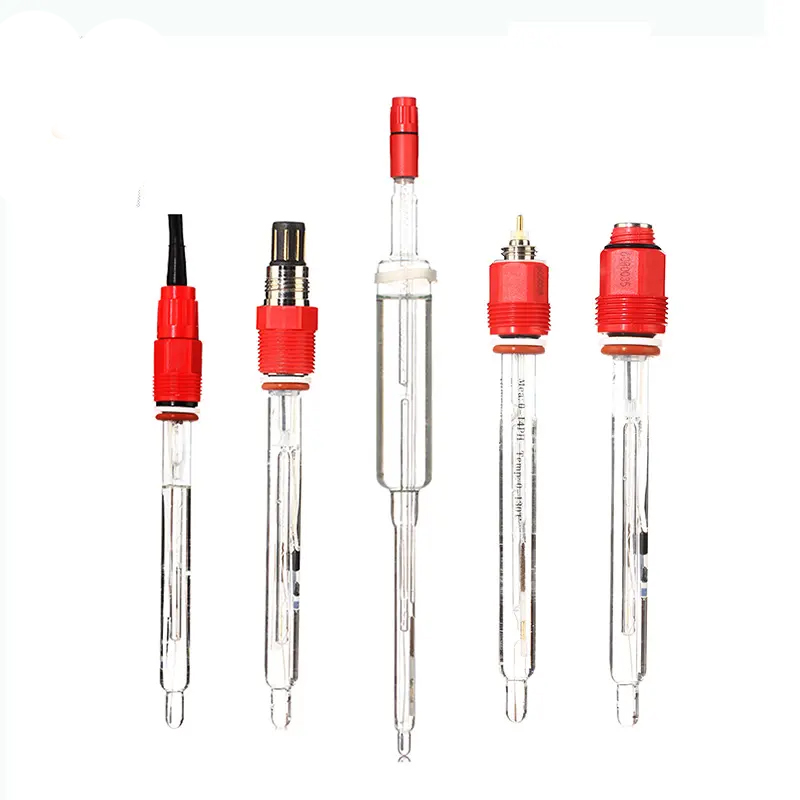
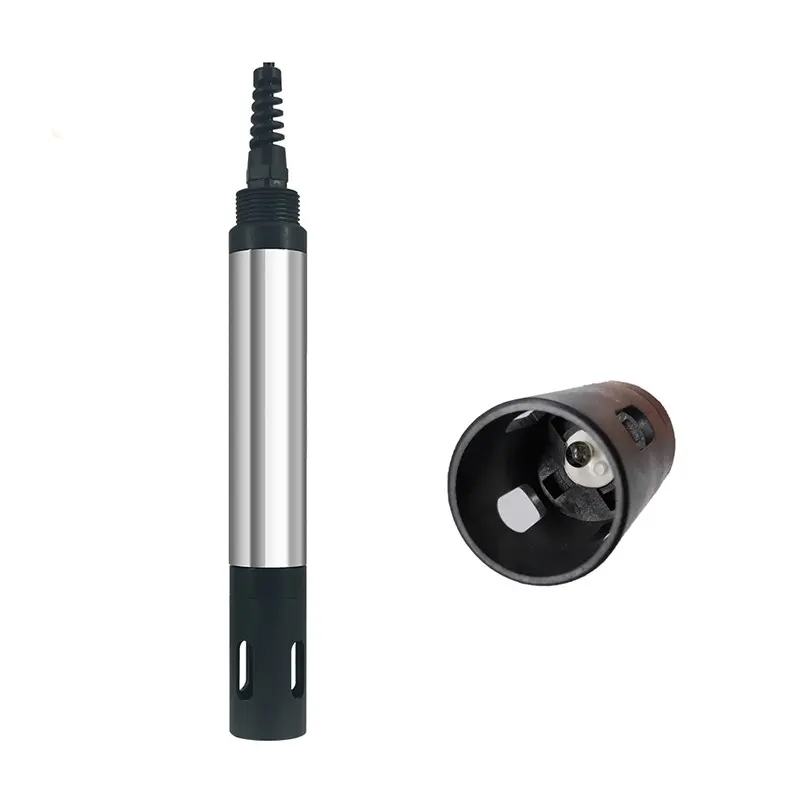
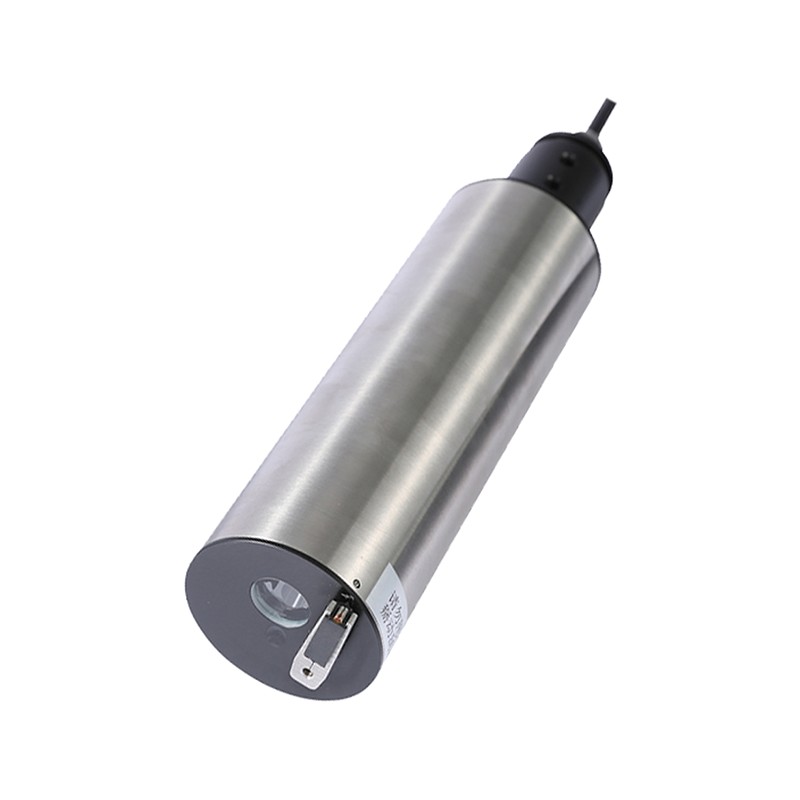
Global Landscape & Aeration Energy Optimization Strategies
Biological wastewater treatment relies fundamentally on real-time Dissolved Oxygen (DO) dynamics. In municipal and heavy industrial activated sludge processes, biological nutrient removal (BNR) and nitrification/denitrification cycles demand micro-precision aeration balancing to prevent process collapse while mitigating massive energy waste.
Aeration Energy Demand Mitigations
Aeration blowers consume 45% to 70% of a municipal wastewater plant's total electrical footprint. Utilizing drift-resistant optical DO meters with automated PID loop feedback enables facilities to operate precisely between 1.5 to 2.0 mg/L DO thresholds, unlocking 15% to 30% aggregate facility-wide electrical energy savings without risking toxic ammonia spikes.
Biological Nitrification Stability
Autotrophic nitrifying bacteria require stoichiometric oxygen values exceeding 4.57 kg O₂ per kg NH₄-N oxidized. Under-aeration suppresses Nitrosomonas and Nitrobacter bacteria, leading directly to permit violations. Continuous digital DO monitoring eliminates operational blind spots during extreme diurnal and industrial storm hydraulic surging.
TCO Reduction vs Legacy Analyzers
Traditional Clark polarographic sensors suffer from rapid electrolyte poisoning, hydrogen sulfide interference, and mechanical membrane tearing. Modern optical fluorophore caps engineered by Chinese Tier-1 factories achieve 12 to 24-month maintenance-free calibration cycles, drastically lowering the Total Cost of Ownership (TCO).
Sensor Architecture: Luminescence vs. Polarographic Systems
A technical evaluation framework designed by Shanghai BOQU Instrument instrumentation engineers to assist process engineers in specifying water monitoring hardware.
| Evaluation Parameter | Optical Luminescence (LDO / Phase Fluorometry) | Polarographic Membrane (Clark Cell) | Galvanic Electrochemical Cell |
|---|---|---|---|
| Measuring Principle | Quenching of ruthenium/platinum dye phosphorescence by O₂ | Electrochemical reduction of O₂ across semipermeable membrane | Spontaneous reduction at cathode with consumable lead/zinc anode |
| Oxygen Consumption | Zero consumption; non-depletive optical measurement | Continuous consumption; requires steady fluid flow (>0.3 m/s) | Continuous consumption; high flow-velocity dependence |
| Chemical Interferences | Impermeable to H₂S, CO₂, NH₃, heavy metals, and chloride ions | Severely poisoned by sulfides, sulfur dioxide, and chlorine | Anode oxidation by halides; short operating life in chemical streams |
| Calibration Frequency | Once every 6 to 12 months; zero zero-point drift | Weekly to bi-weekly air/zero-point calibration required | Weekly calibration; prone to internal drift as anode depletes |
| Maintenance Routine | Quick luminescent cap replacement every 1–2 years (under 3 mins) | Frequent electrolyte flushing, polishing, membrane changes | Complete sensor cartridge teardown or complete replacement |
| Typical Process Fit | Industrial wastewater, aeration basins, aquaculture, rivers | Bioreactor steam sterilization (SIP), pure SWAS systems | Portable spot-testing, temporary field monitoring kits |
Localized Heavy-Duty Process Applications
Engineered hardware designed to endure harsh wastewater effluents, extreme chemical matrices, and complex installation environments worldwide.
Aeration Basins & MBR
Equipped with submerged auto-air cleaning nozzles, BOQU optical DO sensors operate within high mixed-liquor suspended solids (MLSS > 12,000 mg/L) without sensor blindness or ragging interference.
Pharma & Bio Fermentation
Utilizing high-temperature sensors like the DOG-208FA and pH5806, withstands 130°C in-situ SIP (Steam-In-Place) and CIP autoclaving cycles while maintaining calibrated accuracy in dense broth.
Industrial Desalination & SWAS
Monitors ppb-level micro-dissolved oxygen (0–20 ppb) in power plant steam boiler feedlines, deaerator outlets, and reverse osmosis plants to eliminate electrochemical pitting corrosion.
High-Density RAS Aquaculture
Integrates multi-channel IoT DO sensors into closed recirculating aquaculture systems, automatically firing variable-speed aeration injectors to eliminate midnight oxygen crash mortalities.
Shanghai Manufacturing Center & Capacity Parameters
Complete vertically integrated fabrication—from precision glassblowing and SMT electronics to cleanroom optical sensor coating and 48-hour environmental burn-in.
Year Established
Two Shanghai Plants
Skilled Staff
Annual Units
Export Countries
Enterprise Clients
International Certification & SCADA Interoperability
Ensuring frictionless installation into global automation architectures under rigorous environmental and functional safety standards.
Global Certification Standard
Manufactured under ISO 9001 quality management and ISO 14001 environmental frameworks. All sensors and controllers hold CE conformity, RoHS compliance, SGS factory audits, and FDA sanitary material certifications.
Industrial Protocol Integration
Analyzers deliver dual galvanic isolated 4–20mA current loops, high-amperage programmable relay alarms, and digital RS485 Modbus-RTU protocols. Compatible with Profibus-DP, Ethernet/IP, and IoT cloud gateways.
OEM/ODM Engineering Agility
Full support for private-label industrial distribution, customized immersion flow assemblies, specialized cable lengths up to 100 meters, customer firmware branding, and tailored chemical measurement spans.
Next-Gen DO Technology Roadmap & AI Integration
How Shanghai BOQU Instrument is transitioning from reactive water quality instrumentation to predictive, self-healing cyber-physical water networks.
Self-Calibrating Optodes
Microchip-embedded sensor caps logging total operating hours, luminescence decay curve shifts, and real-time membrane integrity warnings direct to SCADA.
AI Predictive Dosing Algorithms
Direct edge-computed Oxygen Uptake Rate (OUR) calculations allowing municipal aeration blowers to anticipate incoming biochemical surges before tank DO drops.
Zero-Power Wireless Micro-Nodes
Energy-harvesting optical DO transceivers with ultra-low-power LoRaWAN and NB-IoT communication for open watershed and remote lagoon telemetry.
Multi-Modal Sensing Matrix
Integrating optical DO, digital pH, and high-frequency turbidimetric suspended solid arrays onto a unified titanium solid-state sensor cluster.
Frequently Asked Questions by Industrial Sourcing Teams
Comprehensive technical and commercial clarity directly from our engineering team.
Is BOQU a direct factory manufacturer or a commercial exporter?
Shanghai Boqu Instrument Co., Ltd. is a 100% direct manufacturer established in 2007. We operate two production hubs in Pudong (Kangqiao and Lingang) covering 4,632 m² of specialized workshops, in-house CNC centers, cleanroom sensor lines, and test labs producing over 100,000 instruments annually.
How does an optical DO meter handle sludge biofouling in aeration tanks?
Unlike polarographic membranes which foul rapidly, BOQU optical DO sensors feature an ultra-smooth hydrophobic sensing face. When paired with our high-pressure auto-cleaning air or water jet attachments, grease, bio-slime, and sludge deposits are blasted clean every few hours without operator handling.
What is the typical lifespan and calibration interval for your optical DO sensors?
The luminescent fluorescent sensing cap typically lasts between 12 to 24 months in continuous harsh wastewater conditions. Due to zero zero-point drift, calibration is only required once every 6 to 12 months using a quick 1-point saturated air verification.
Can BOQU sensors operate seamlessly in high-temperature bioprocesses?
Yes. BOQU operates China's first dedicated high-temperature water quality sensor laboratory. Models like our DOG-208FA DO sensor and pH5806 pH electrode are engineered with high-temperature glass, pre-pressurized electrolyte, and silicone seals capable of surviving repeated 130°C sterilization cycles.
What communication outputs are available for modern smart plants?
Our online analyzers offer dual 4–20mA outputs (DO + Temperature), high/low relay contacts, and standard RS485 Modbus-RTU. We also manufacture IoT smart digital sensors with embedded microprocessors that communicate directly to PLCs or cloud hubs without a separate transmitter.
What minimum technical information is required to get a prompt quotation?
Please specify: 1) Measuring range (e.g. 0–20 mg/L or 0–100 ppb); 2) Water matrix & contaminants (e.g. municipal wastewater, salinity, organic solvents); 3) Process temperature and pressure; 4) Installation method (immersion pole, flow-through, or pipe insertion); and 5) Desired signal output.
Complete Online Water Quality Instrumentation Suite
Explore BOQU's field-proven controllers, multi-parameter panels, and trace-level chemical analyzers specified in treatment plants across 100+ nations.








Consult with BOQU Senior Instrumentation Application Engineers
Partner with an established manufacturer. With 18+ years of expertise, 4,632 m² of specialized production space, and instruments deployed in 100+ countries, we configure tailored, durable DO and water quality solutions for your precise application.