
Featured Industrial Turbidity & Analytical Sensors
Factory-calibrated, IP68 submerged or flow-through optical and electrochemical instrumentation featuring RS485 Modbus RTU telemetry and automated self-cleaning wiper mechanisms.
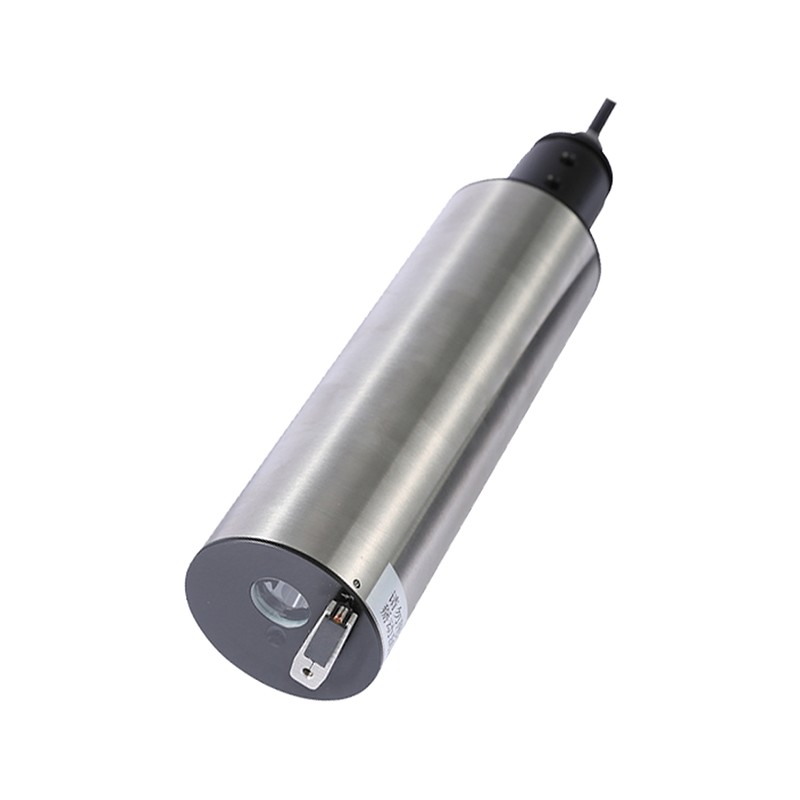
ZDYG-2088-01QX Online Turbidity Sensor
View Specifications
High-Temp Fermentation pH Sensor
View Specifications
High Temperature (0-130℃) pH Sensor
View Specifications
High Temp pH Sensor with PT1000
View Specifications
High-Temp S8 Connector pH Sensor
View Specifications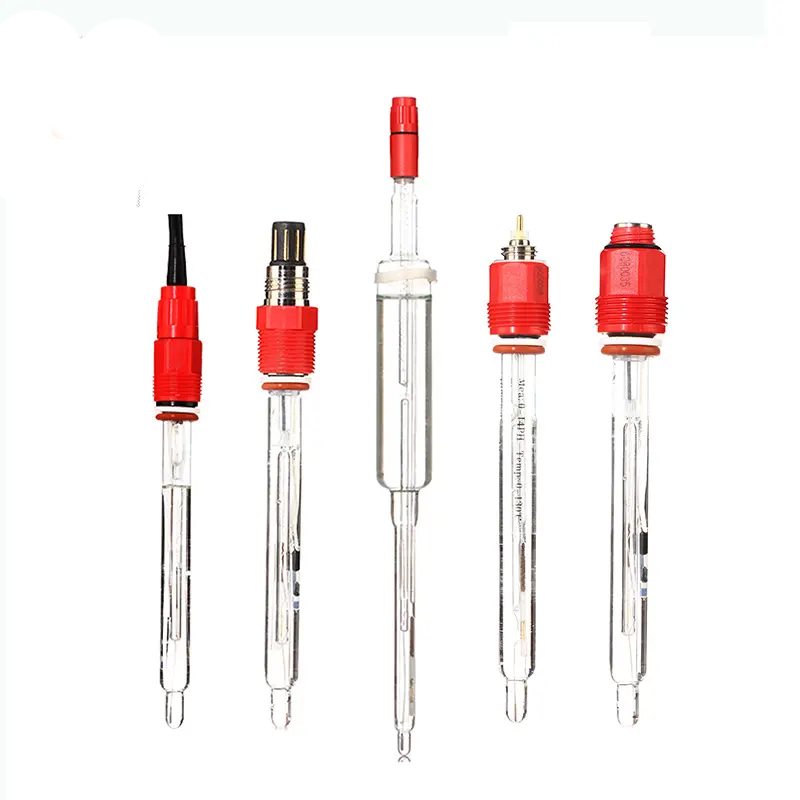
pH5806 High Temp pH Sensor
View Specifications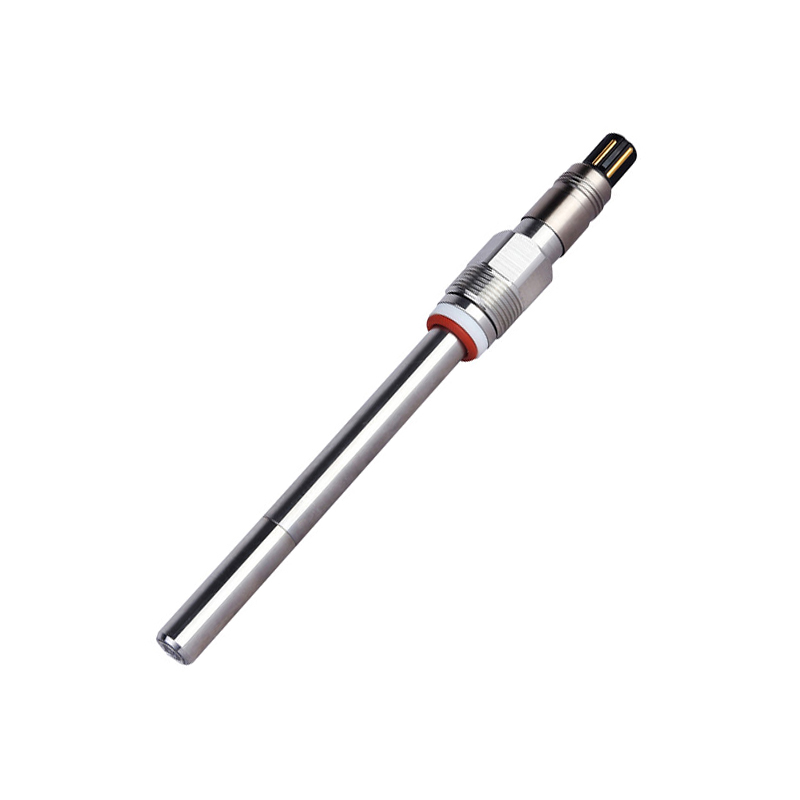
DOG-208FA High Temp DO Sensor
View Specifications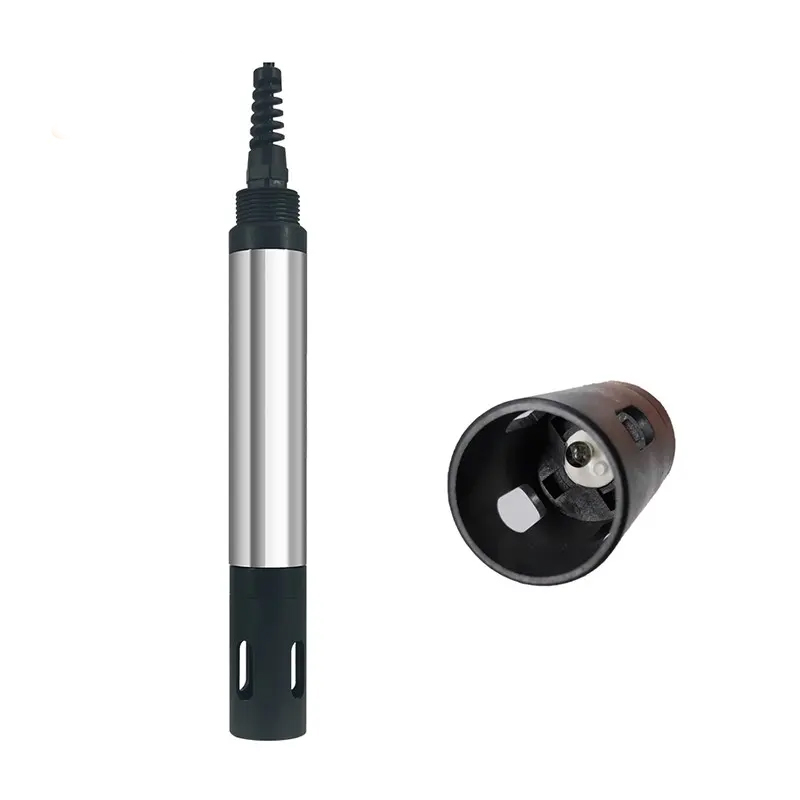
IOT-485-pH Digital Sensor
View SpecificationsGlobal Procurement Demand for Turbidity Testers: Engineering Verification Criteria
When international engineering procurement teams (EPCs), municipal water utility authorities, and industrial system integrators search for China turbidity tester manufacturers & factories, their buying evaluation has evolved past initial hardware unit pricing.
Standard Regulatory Conformity
Overseas engineers must strictly differentiate between ISO 7027 (Near-Infrared 860nm LED, 90° nephelometry, immune to sample color interferences, mandatory in Europe and Asia-Pacific) and US EPA 180.1 (Tungsten lamp white light 400-600nm, highly sensitive to ultra-low colloidal matter <0.1 NTU in North America). Tier-1 Chinese manufacturers must provide certified adherence to both standards.
Long-Term Total Cost of Ownership (TCO)
Field maintenance accounts for over 68% of lifetime analyzer cost. Procurement specifications now prioritize automated mechanical wipers, ultrasonic cavitation transducers, and pressurized air wash nozzles that mitigate biofilm, manganese encrustation, and algal fouling without manual technician interventions.
Edge Digital Architecture & IIoT
Modern smart factories reject isolated 4-20mA analog loop limitations. Tier-1 buyers demand direct RS485 Modbus RTU telemetry embedded within the sensor head, enabling multi-drop bus topologies, internal calibration history logging, and predictive diagnostics for optical window fouling.
Information Gain: Optical Calibration Integrity & Reference Stability
Turbidity measurement is not an absolute physical dimension—it is a light-scattering ratio relative to standard Formazin polymer suspensions. Reliable Chinese factories operate Class 10,000 optical darkrooms and automated dilution apparatus to ensure that from 0.001 NTU to 4,000 NTU, sensor linearity is anchored to verified Primary Formazin Turbidity Standards under strict temperature regulation (25°C ±0.5°C).
Macro-Industry Engineering Solutions: Turbidity Deployment Vectors
How Shanghai BOQU’s online optical turbidity analyzers and multi-parameter instruments protect critical infrastructure worldwide.
1. Municipal Drinking Water Treatment
Continuous monitoring from surface raw water intake (0–1000 NTU) through rapid sand filtration to final treated distribution (<0.1 NTU). Real-time turbidity signals trigger automated coagulant (alum/PAC) dosing pumps, optimize backwash frequency, and instantly identify sand bed breakthrough to prevent Cryptosporidium and Giardia contamination.
2. Industrial Wastewater & Sludge Monitoring
In secondary clarification tanks and final outfall compliance points, optical backscatter sensors measure both low-range effluent TSS (Total Suspended Solids) and ultra-high MLSS (Mixed Liquor Suspended Solids up to 30,000 mg/L). Mechanical silicone wipers remove greases and bio-slime every 15 minutes, ensuring uninterrupted reporting to national environmental cloud platforms.
3. Power Station SWAS & Condensate Polishing
Thermal and nuclear power facilities utilize high-purity steam and water analysis systems (SWAS). Condensate polishers and boiler feed lines require sub-NTU optical clarity verification to mitigate colloidal silica carrying over into superheaters and steam turbine blades, preventing irreversible mechanical erosion and heat transfer deterioration.
4. Biopharma Fermentation Biomass Tracking
High-temperature optical backscatter turbidity probes installed directly into 316L stainless steel bioreactor ports measure optical density (OD600) to correlate cell growth, microbial density, and mycelium accumulation during batch fermentation without offline sample extraction risks.
5. SWRO Desalination & Membrane Pretreatment
Seawater Reverse Osmosis (SWRO) facilities continuously measure feed turbidity to calculate Silt Density Index (SDI) proxies. Sensors alert operators before fine suspended colloids reach expensive polyamide membrane arrays, extending membrane lifecycle from 3 to 7 years.
6. Recirculating Aquaculture Systems (RAS)
High-density recirculating fish and shrimp operations use optical turbidity together with dissolved oxygen telemetry to regulate drum micro-screen filters, ozone reaction columns, and biological nitrification beds, maintaining crystal water clarity necessary for aquatic respiration and feed utilization.
Technical Architecture Roadmap: The Next Generation of Optical Sensors
Comparing physical measurement methodologies and the electronic evolution driving modern Chinese instrumentation manufacture.
| Optical Architecture | Light Source & Wavelength | Scattering Geometry | Ideal Measurement Scope | Immunity Characteristics |
|---|---|---|---|---|
| Standard Nephelometry (ISO 7027) | NIR LED (860 nm ±30 nm) | 90° single photodiode receiver | 0.001 – 400 FNU / NTU | Immune to sample color; vulnerable to optical window coating without wiper. |
| Four-Beam Ratiometric Ratio | Dual NIR LEDs (860 nm) pulsed | Dual 90° & dual transmitted (180°) | 0.01 – 2,000 NTU | Self-compensates for light source degradation, temperature, and slight window fouling. |
| Optical Backscatter (OBS) | High-Power NIR Laser Diode | 140° – 165° backscatter array | 500 – 40,000 mg/L (TSS/MLSS) | High particle density environments where transmitted beams are entirely attenuated. |
| EPA 180.1 Compliant | Tungsten Filament Lamp (2200-3000K) | 90° photodiode detector | 0 – 40 NTU (EPA compliance) | High sensitivity to ultra-fine particles; requires periodic lamp filament replacement. |
Edge AI Microprocessor Calibration
BOQU’s new digital sensor platform executes Fourier transform noise filtering on the raw photodiode current. Micro-bubbles, flashing ambient light, and electrical interference are algorithmically eliminated before outputting a rock-solid, stabilized NTU value.
Multi-Wavelength Turbidity Fusion
Next-gen analyzers fuse simultaneous UV254 and NIR 860nm absorption. By tracking both UV organic absorption (COD surrogate) and particulate scatter, the system resolves dynamic colloidal particle-size distribution shifts in real-time.
Hermetic Titanium & Sapphire Sealing
To defeat aggressive marine corrosion and harsh chemical CIP solutions, BOQU sensors utilize grade-5 titanium housings with synthetic sapphire optical windows brazed with gold alloys, offering chemical inertness and scratch resistance.
Why Tier-1 Global EPCs Partner with Shanghai BOQU Instrument
Founded in 2007 in Shanghai, China, BOQU operates two specialized manufacturing centers across 4,632 m² of advanced industrial space, bridging rigorous metrological testing with global cost efficiency.
Two Specialized Facilities
Sensor electrode fabrication, glass blowing, and cleanroom optical calibration take place at our Kangqiao Town headquarters, while high-volume SMT circuit board surface mounting, final transmitter assembly, and burn-in testing are operated at our Lingang Free Trade Zone facility.
End-to-End Metrological Auditing
Unlike trading companies or brand assemblers, every optical turbidity sensor undergoes a rigorous 48-hour continuous burn-in test inside high-precision constant temperature baths, verified across 5-point Formazin primary standards before dispatch.
Flexible OEM / ODM Scalability
BOQU engineers custom firmware protocols, private-label enclosures, bespoke cable polyurethane coatings, high-pressure flow cells, and customized Modbus register mappings for major Western analytical brands and municipal framework tenders.
International Compliance, Calibration Protocol & Global Support
Comprehensive compliance framework ensuring seamless integration across European, American, Middle Eastern, and Southeast Asian industrial regulations.
International Certification Matrix
BOQU’s complete instrument catalog is manufactured within certified ISO 9001:2015 quality management and ISO 14001:2015 environmental systems. Transmitters and sensors carry full European CE electromagnetic compliance certificates, third-party SGS audits, and sanitary materials compliant with FDA Title 21 requirements.
Calibration Traceability & Standards
Field validation can be executed using primary Formazin dilutions or non-toxic secondary polymer bead suspensions (AMCO Clear). Instruments feature one-touch digital slope and zero offset calibration routines with step-by-step guidance on high-contrast LCD/OLED multi-lingual human-machine interfaces.
Tier-1 Engineering SLA & Global Support
Direct access to senior application engineers with bilingual (English/Chinese) support. We deliver remote commissioning support, expedited DHL/FedEx spare component dispatch within 24 hours, comprehensive FAT/SAT documentation, and dedicated OEM support for worldwide turnkey projects.
Frequently Asked Questions: Industrial Turbidity Instrumentation
Clear, authoritative technical answers to crucial questions encountered by instrumentation managers, EPC procurement specialists, and plant engineers.
What is the core technical difference between ISO 7027 and US EPA 180.1 compliant turbidity testers?
The difference centers on the light source emitter wavelength and physical interaction with water chemistry. ISO 7027 uses a monochromatic Near-Infrared LED at 860 nm (±30 nm). Because water organic color components (such as humic and fulvic acids) do not absorb light in this near-infrared region, ISO 7027 is essentially immune to sample dissolved color interferences. It is the dominant standard across Europe, Asia, and international wastewater networks.
Conversely, US EPA 180.1 mandates a tungsten-filament incandescent lamp operating at a broad color temperature of 2200K–3000K (visible spectrum 400–600 nm). The short visible wavelengths scatter more efficiently off ultra-small sub-micron particles (<0.1 NTU), making it exceptionally sensitive for finished drinking water distribution compliance in North America, but susceptible to optical absorption if the fluid contains dissolved color.
How do self-cleaning wipers prevent biofouling in wastewater and aquaculture?
In activated sludge, industrial effluent, or warm aquaculture RAS, optical sapphire lens surfaces attract bacterial biofilm, algal colonization, and inorganic scale (calcium/iron precipitates) within 24 to 72 hours. This film attenuates light beams and mimics high turbidity (drift).
BOQU’s ZDYG-2088-01QX features an integrated, magnetically sealed mechanical silicone wiper blade. Configurable via software to cycle at programmable intervals (e.g., every 15, 30, or 60 minutes), the wiper sweeps across the optical sapphire window, physically scraping away biomass. When not in motion, the wiper parks 180° away from the optical beam path so measurement is unaffected.
Can online turbidity testers correlate accurately with Total Suspended Solids (TSS) and MLSS?
Yes, but with an important scientific caveat: turbidity measures optical light scatter (in NTU or FNU), whereas TSS and MLSS represent physical gravimetric mass concentration (in mg/L or ppm). Because different suspended particles have different shapes, refractive indices, and grain sizes, there is no universal constant between NTU and mg/L.
BOQU online transmitters incorporate multi-point empirical curve fitting algorithms. Plant operators run standard gravimetric laboratory filtration tests (EPA Method 160.2) on actual grab samples and enter the corresponding mg/L values into the transmitter alongside the optical sensor’s raw scatter data. The internal processor constructs a multi-segment calibration curve, delivering precise TSS readouts up to 30,000 mg/L.
What are the key installation precautions for low-range drinking water turbidity monitoring?
When measuring low-range turbidity (<1.0 NTU), the primary source of error is entrained micro-bubbles. Tiny air bubbles scatter light identically to suspended mineral colloids, causing false high-turbidity spikes.
To eliminate this, low-range sensors must be installed inside a dedicated flow cell equipped with an internal baffle bubble trap and steady laminar flow regulator (typically 300 to 700 mL/min). The sample line must be connected to the bottom inlet and vented to an atmospheric drain. Furthermore, the flow cell interior should have a matte black, non-reflective coating to prevent stray light reflection from impinging on the photodiode.
Is Shanghai BOQU Instrument a direct factory or an export intermediary?
Shanghai BOQU Instrument Co., Ltd. is an authentic original equipment manufacturer (OEM/ODM). Established in Shanghai in 2007, our company operates 4,632 square meters of production space across our Kangqiao Town sensor laboratory and Lingang industrial workshops.
We design our own sensor optics, blow specialized high-temperature glass, populate electronic printed circuit boards, author internal DSP firmware, and conduct 48-hour environmental burn-in calibration. Overseas buyers can audit our facilities in person or through live 360-degree interactive VR factory tours.
What data interfaces and SCADA communication protocols are supported?
BOQU instruments offer modern industrial communication capabilities. Our standalone smart digital sensors output RS485 Modbus RTU telemetry directly from the waterproof cable head, operating at standard 9600 or 19200 baud rates. This allows system integrators to daisy-chain up to 32 sensors directly into a central PLC or IoT wireless gateway without purchasing expensive dedicated controllers.
When paired with BOQU wall-mounted or panel transmitters, systems provide isolated 4-20mA analog current loops (active or passive loop powered), programmable SPDT mechanical relay contacts (for upper/lower alarm triggers or dosing pump actuation), and optional 4G/NB-IoT wireless cloud connectivity.
Industrial Online Water Quality Analyzers & Transmitters
Engineered for continuous duty in heavy chemical plants, water distribution stations, semiconductor loops, and municipal utilities.
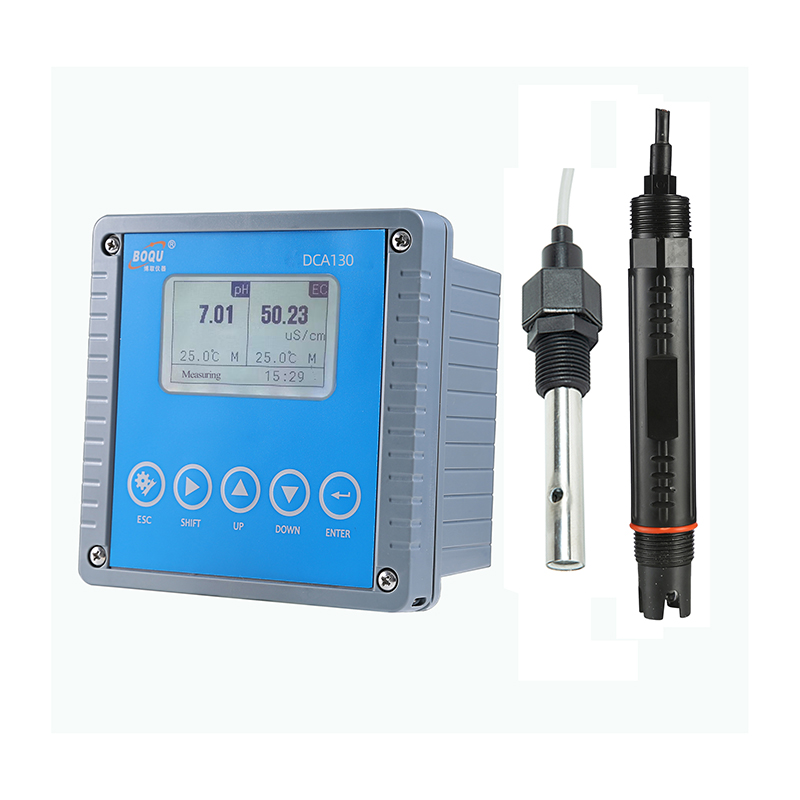
DCA130 Online pH & EC Analyzer
View Specifications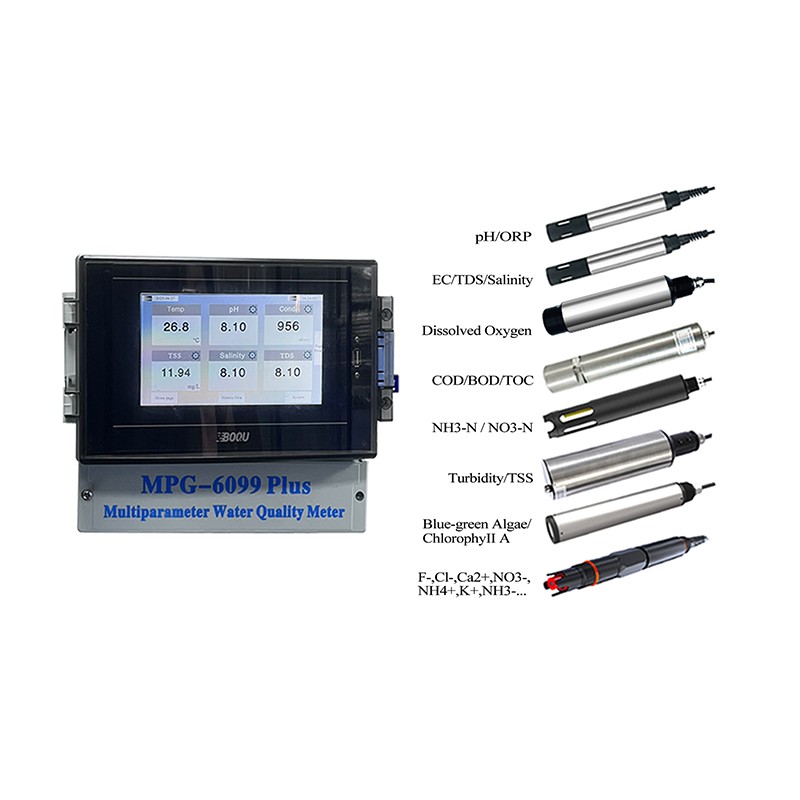
MPG-6099Plus Water Quality Panel
View Specifications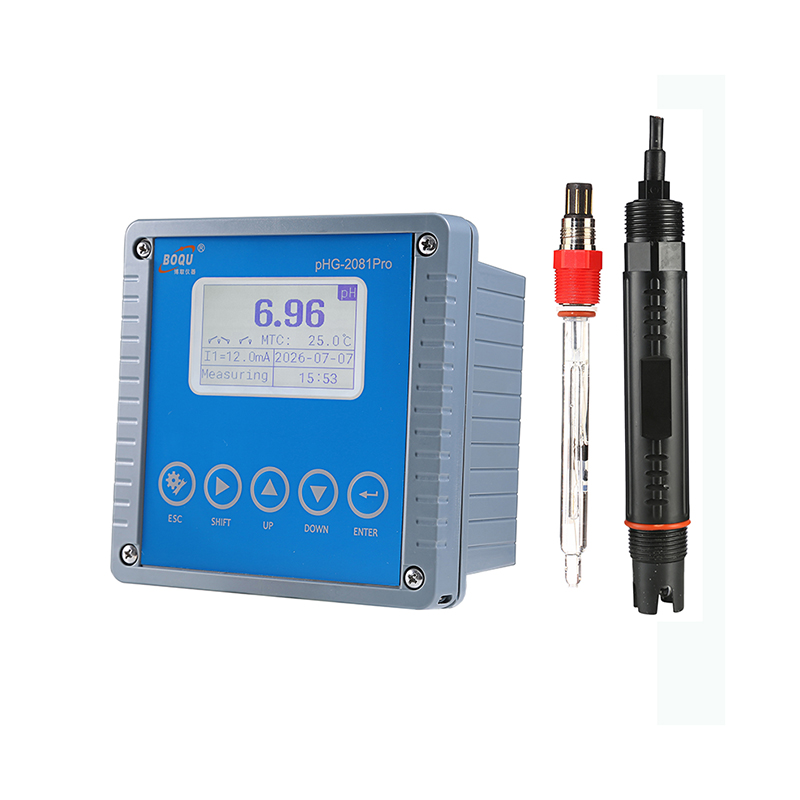
pHG-2081Pro Online pH Analyzer
View Specifications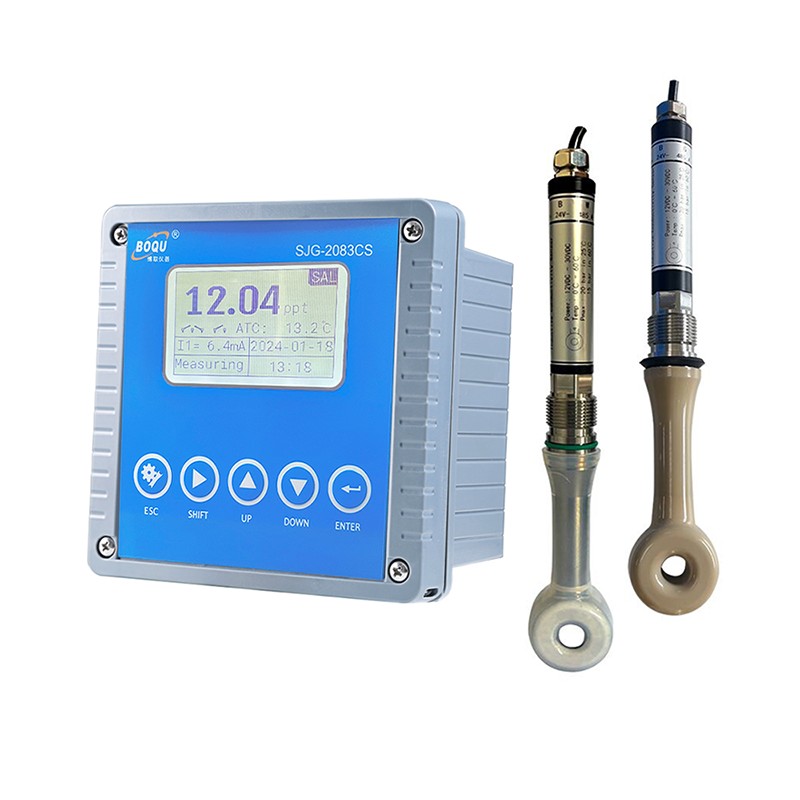
SJG-2083CS Acid/Alkali Meter
View Specifications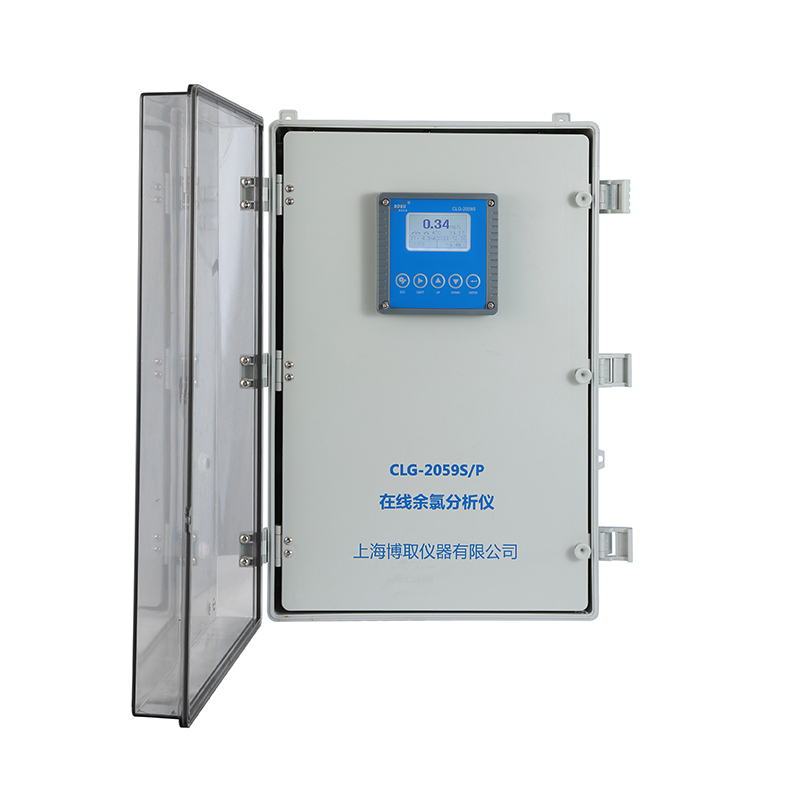
Online Residual Chlorine Analyzer
View Specifications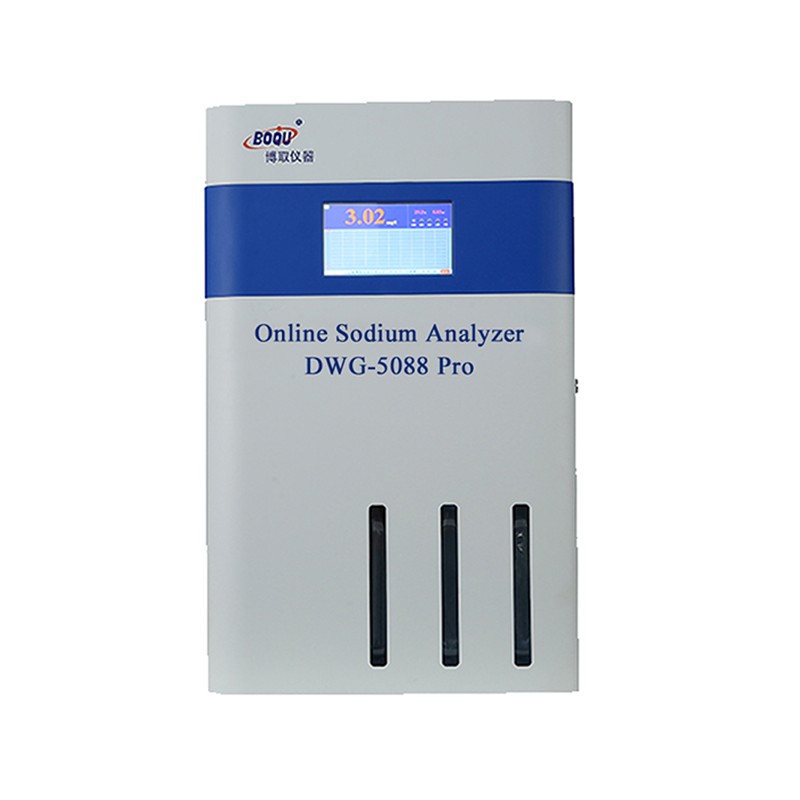
Online Trace Silicate & Sodium Analyzer
View Specifications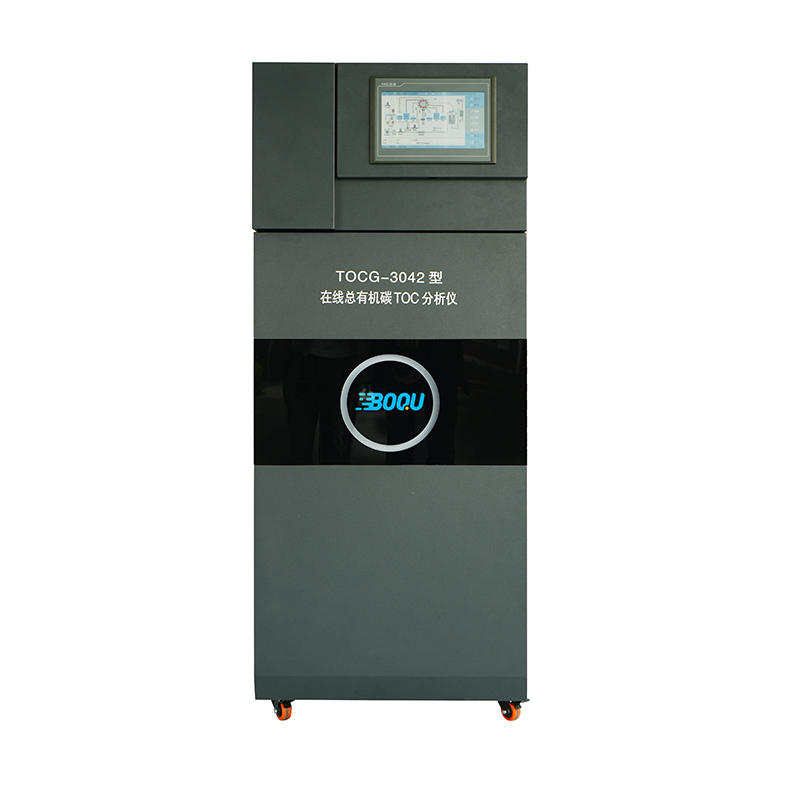
TOC-3042 Online TOC Analyzer
View Specifications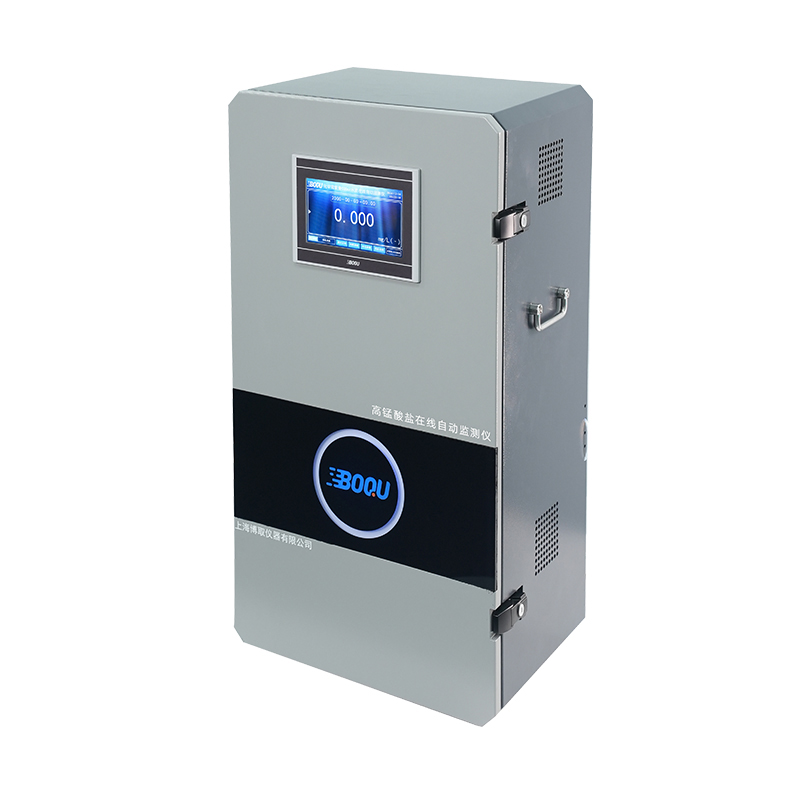
Online COD / TP / TN / NH₃-N Analyzer
View SpecificationsConfigure Your Process Turbidity & Analytical Skid Today
Share your application medium, target measurement range, operating temperature, line pressure, and compliance standards. Shanghai BOQU application engineers will review your process specifications and supply factory-direct CAD drawings, telemetry maps, and quotation packages within 24 hours.