
Featured Industrial Process Sensors & Online Analyzers
Engineered at our Kangqiao & Lingang manufacturing hubs to deliver rugged field survival, laboratory precision, and seamless DCS/SCADA integration.

Wholesale High Temperature (0-130℃) pH Sensor Supplier, Factories
Explore Technical Specs
China High-temperature pH Sensor Used Pharmaceutical Fermentation Wholesaler, Supplier
Explore Technical Specs
Wholesale High-temperature S8 Connector pH Sensor Manufacturers, Factory
Explore Technical Specs
China High Temperature (0-130℃) pH Sensor With Temperature Wholesaler, Suppliers
Explore Technical Specs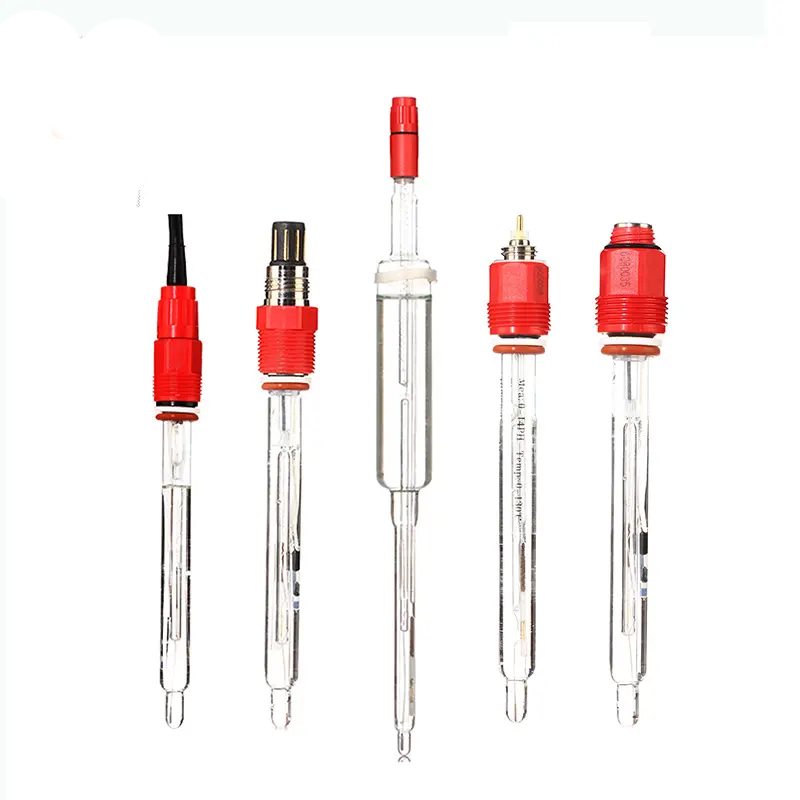
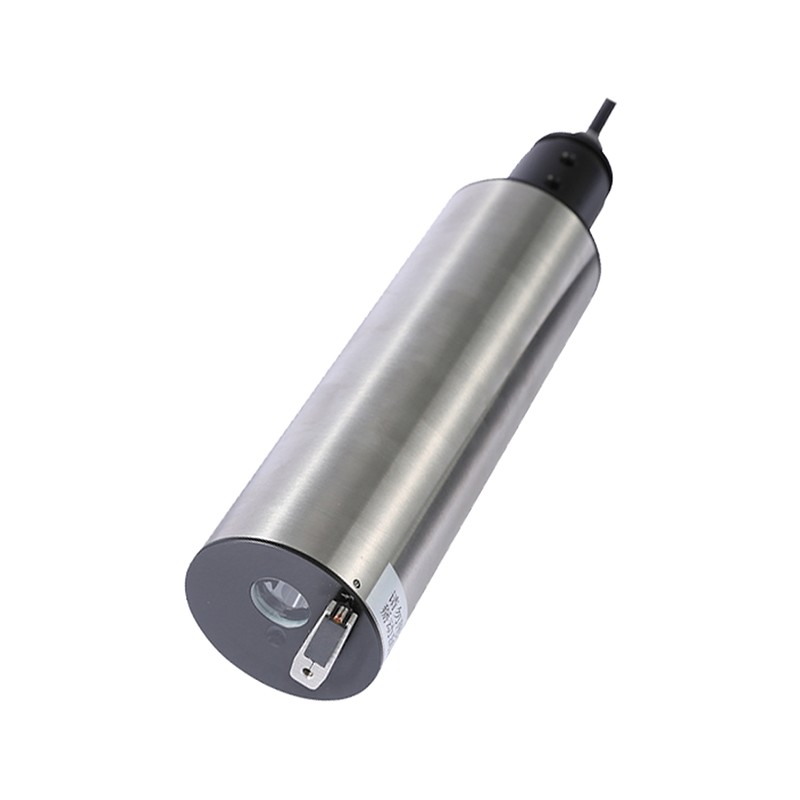
ZDYG-2088-01QX Online Optical Turbidity and TSS Sensor
Explore Technical Specs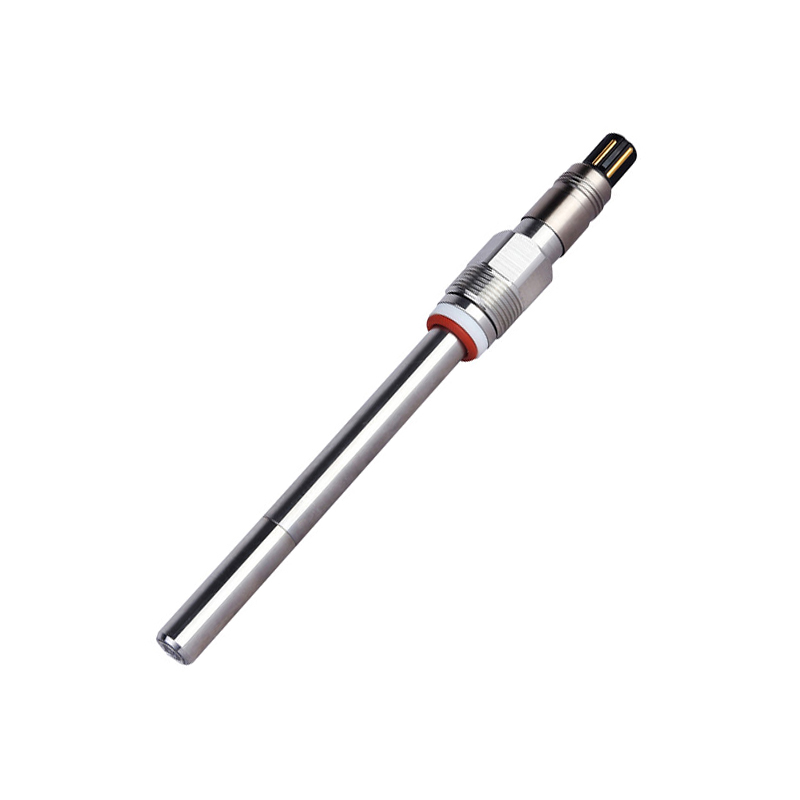
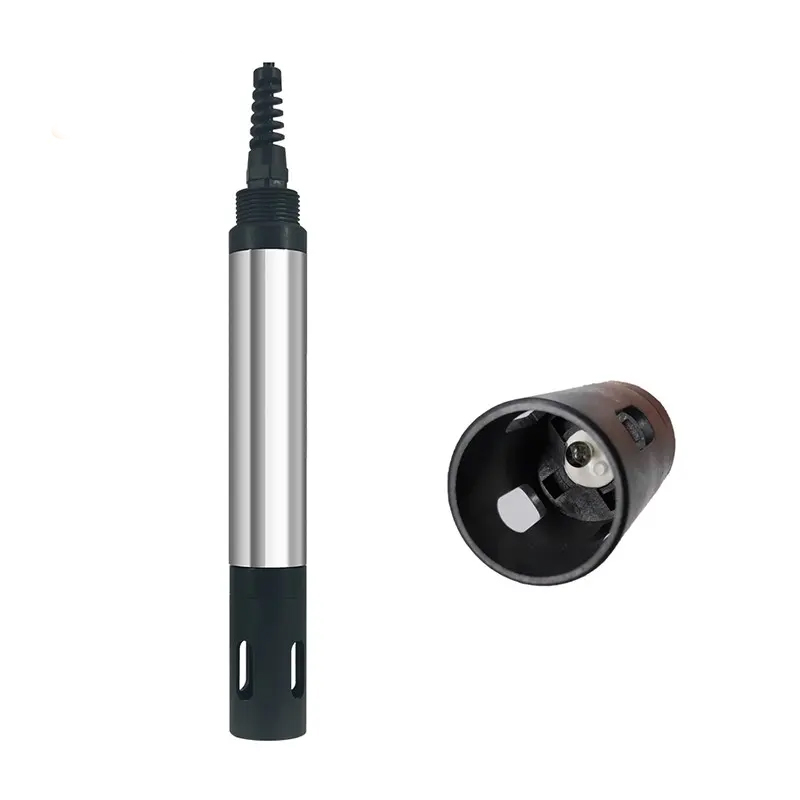
Physics of Turbidity Measurement: Nephelometry vs. Ratio Attenuation
Bridging the gap between ISO 7027 infrared scattered light principles and USEPA 180.1 tungsten standard compliance across modern automated manufacturing facilities.
ISO 7027 860nm NIR Optics
Utilizing high-stability 860nm Near-Infrared LEDs, our optical platforms eliminate matrix sample coloration interferences entirely. Scattered light detection at precisely 90° ensures micro-turbidity accuracy down to 0.001 NTU, critical for drinking water membrane integrity tracking.
Multi-Beam Ratio Processing
By integrating four-beam pulsed optical paths with forward scatter (180° transmission and 90° nephelometry), our algorithm automatically compensates for optical window fouling, lamp aging, and bubble diffraction across dense industrial wastewater up to 4000 NTU.
Dynamic Range Modulation
Embedded 32-bit ARM processing enables automated high-speed gain switching between ultra-pure water (0–10 NTU) and high-suspended-solids aeration slurries (up to 100,000 mg/L TSS), providing single-probe continuous process intelligence without manual recalibration.
China Factory 4.0: Modern Turbidity Sensor Infrastructure
How Shanghai Boqu Instrument Co., Ltd. redefines analyzer manufacturing through end-to-end component fabrication, robotic optical alignment, and automated thermal cycling.
Dual Shanghai Facilities
Encompassing 4,632 m² of specialized workshops across Kangqiao and Lingang, our production architecture scales over 100,000 analytical instruments annually. Vertical integration protects supply stability against global raw material disruptions.
Cleanroom Optical Bench Calibration
Every turbidity detector is calibrated inside ISO Class 7 cleanrooms using Formazin primary standards and secondary solid polymer references. Multi-point thermal drift verification ensures zero optical distortion between -10°C and 60°C ambient temperatures.
48-Hour Continuous Aging Rigor
All transceivers, sensor boards, and optoelectronic assemblies undergo rigorous 48-hour burn-in stressing alongside pressurized water chamber immersion prior to QA release, virtually eliminating Infant Mortality Failures in mission-critical deployments.
Macro-Industry Turbidity Solutions & Process Integration
Tailored optical configurations addressing severe chemical corrosion, biological fouling, and high-pressure process challenges across global sectors.
| Industry Sector | Operational Challenge | Critical Measurement Range | Optimized Sensor Architecture | Communication Protocol |
|---|---|---|---|---|
| Municipal Drinking Water | Rapid membrane rupture detection, ultra-low residual particles, compliance verification. | 0.000 – 10.000 NTU | Flow-through debubbling chamber, 90° ISO 7027 NIR optics, sapphire optical windows. | Modbus RTU, 4-20mA, HART |
| Industrial Wastewater (WWTP) | Biological slime accumulation, heavy grease, fluctuating aeration tank solids. | 0 – 4000 NTU / up to 50 g/L MLSS | Submersible immersion probe equipped with mechanical wiper or ultrasonic auto-cleaning. | RS485, Profibus-DP, Ethernet/IP |
| Thermal & Nuclear SWAS | Trace colloidal silica, high-temperature condensate return, superheated boiler safety. | 0.001 – 5.000 NTU | Stainless steel high-pressure sample conditioning cell with integrated temperature control. | Isolated Dual 4-20mA, Modbus |
| Recirculating Aquaculture (RAS) | Feces accumulation, biofilter breakdown, fine colloidal suspension choking gills. | 0.1 – 100.0 NTU | Corrosion-proof Titanium/POM housing, low-power consumption design for remote solar gateways. | LoRaWAN, NB-IoT, RS485 |
| Fermentation & Bioprocess | Real-time biomass density estimation, repeated SIP/CIP steam sterilization cycles. | 0 – 200 OD / equivalent NTU | 12mm PG13.5 standard port, FDA-certified EPDM seals, 130°C autoclavable glass bodies. | Digital Modbus RS485 |
Technology Roadmap: Next-Gen Turbidity & Optical Metrology
Addressing environmental unpredictability through AI-driven predictive maintenance, embedded micro-spectrometry, and edge computing.
Neural Fouling Diagnostic Algorithms
By implementing machine-learning pattern recognition on multi-angle backscatter data, our firmware distinguishes between actual process solids spikes and gradual biofouling buildup on optical lenses, triggering automated CIP sequences only when necessary.
Native Cloud-Edge Digital Nodes
Eliminating the requirement for proprietary wall-mount controllers, next-gen optical sensors integrate edge processing chips that transmit MQTT and OPC UA telemetry directly to AWS IoT, Microsoft Azure, or on-premise SCADA topologies via cellular 5G and NB-IoT protocols.
Multi-Spectral Solid Characterization
Transitioning beyond monochromatic LED platforms toward multi-wavelength spectrophotometric arrays capable of simultaneously deconvoluting Turbidity, TSS, Color (Pt-Co Hazen), and dissolved organic absorption (UV254 COD surrogates) in a unified solid-state instrument.
Global Procurement Needs, Compliance & Localized Support
Mitigating risk for multinational EPC contractors, systems integrators, and plant operations through international audit readiness.
Comprehensive Certifications
All turbidity platforms operate under strictly audited ISO 9001 and ISO 14001 frameworks. Certified for CE European Electromagnetic Compatibility, SGS quality integrity, RoHS hazardous substances restrictions, and FDA-compliant process contact materials.
Agile OEM/ODM White-Labeling
Supporting system providers with turnkey custom firmware, proprietary RS485 register mapping, laser-etched branding, customized flow-cell mechanics, and bespoke cable molds, backed by guaranteed spare-parts availability spanning a minimum 10-year horizon.
Global Engineering Dispatch & Logistics
Operating dedicated multilingual technical support (English, Russian, Chinese) across 100+ countries. Fast-track DDP/FOB logistics from Shanghai seaport and Pudong International Airport minimize lead-time disruptions for critical turnkey municipal tenders.
Industrial Controllers, Multi-Parameter Panels & Chemical Monitors
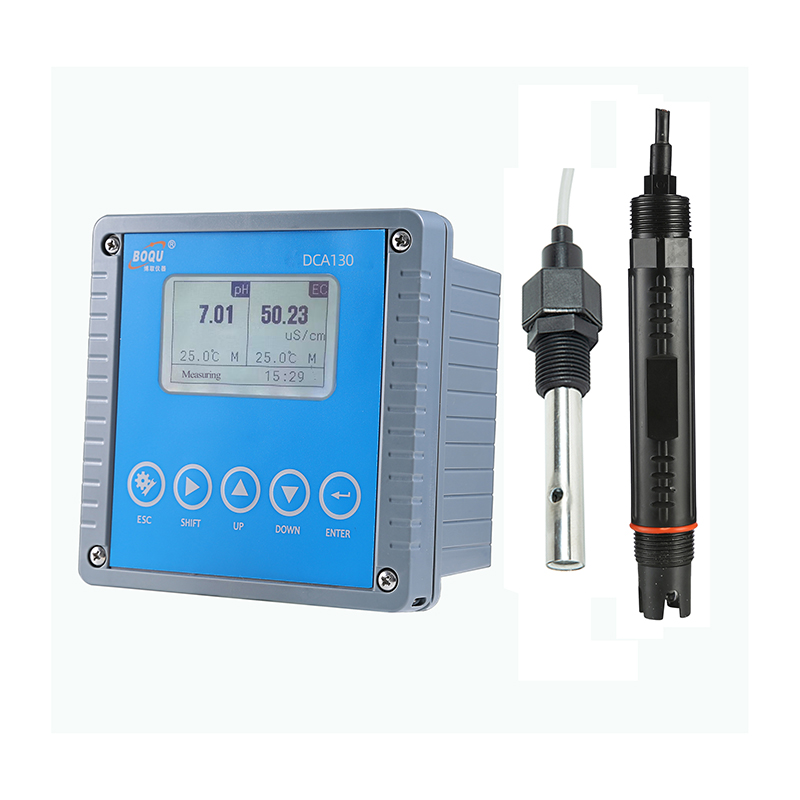
Pairing our optical turbidity and analytical sensors with robust wall-mount controllers and automatic multi-parameter panels for turnkey plant automation.
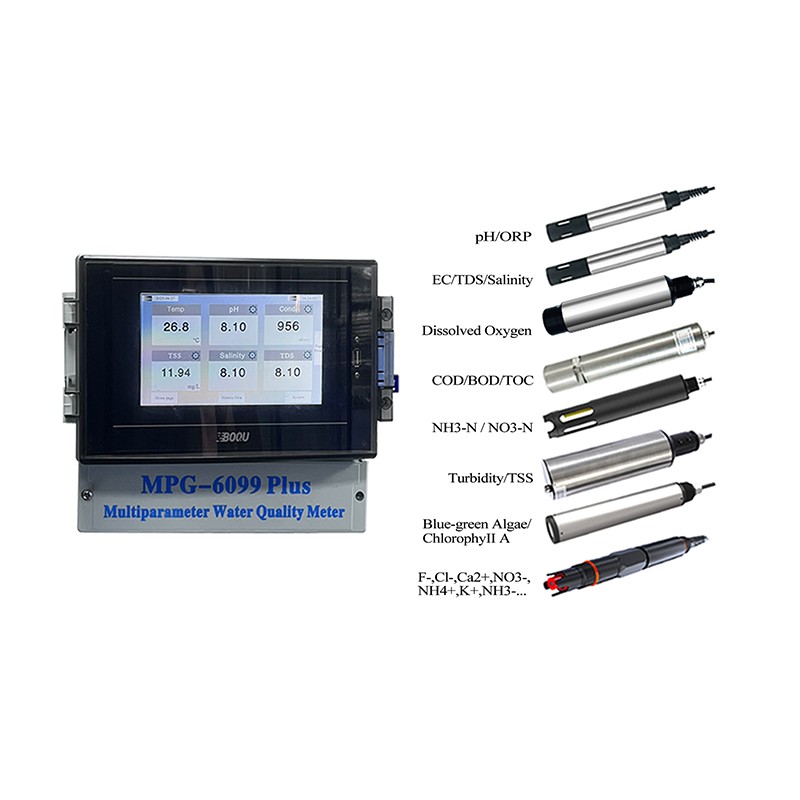
MPG-6099Plus Multi-Parameter Water Quality Monitoring Panel
Explore Technical Specs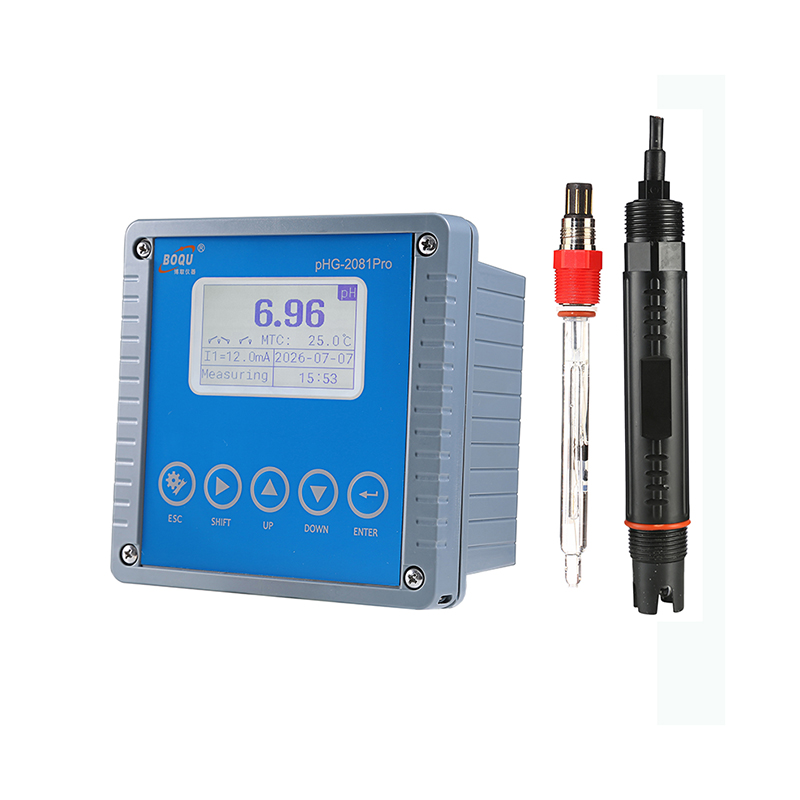
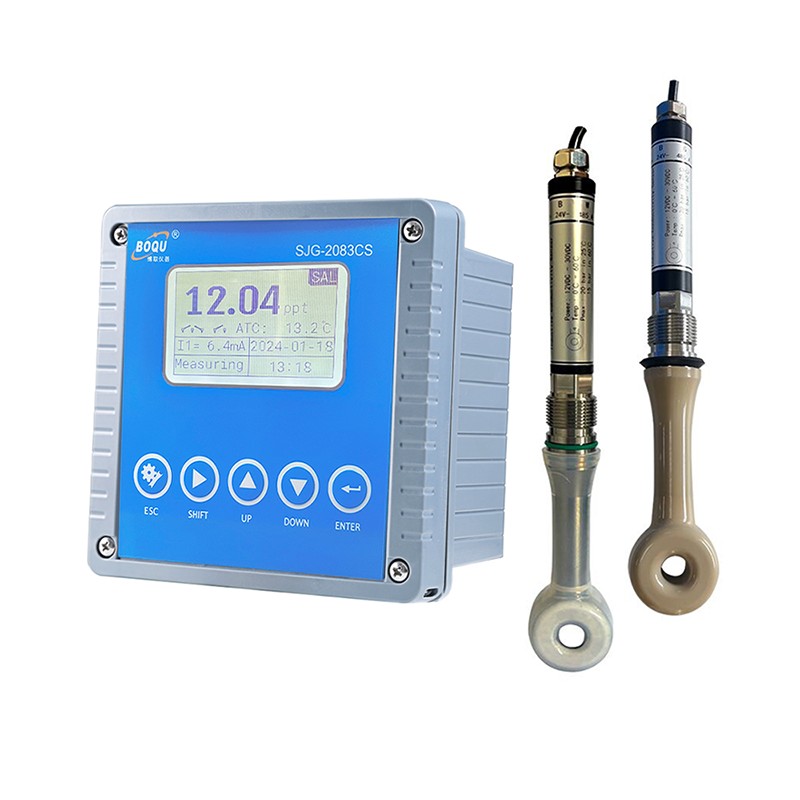
SJG-2083CS Online Acid & Alkali Toroidal Concentration Meter
Explore Technical Specs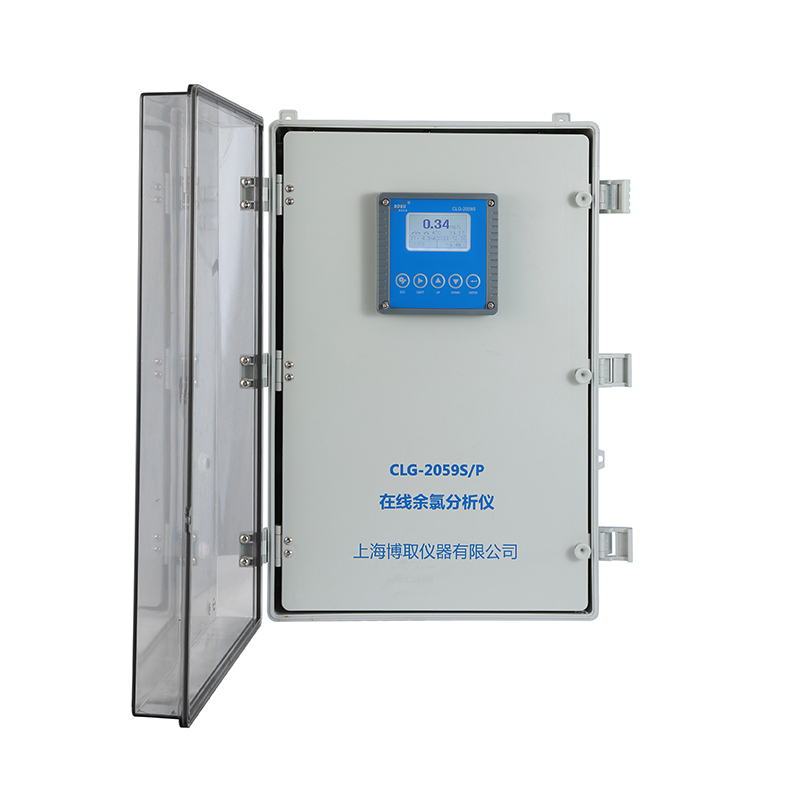
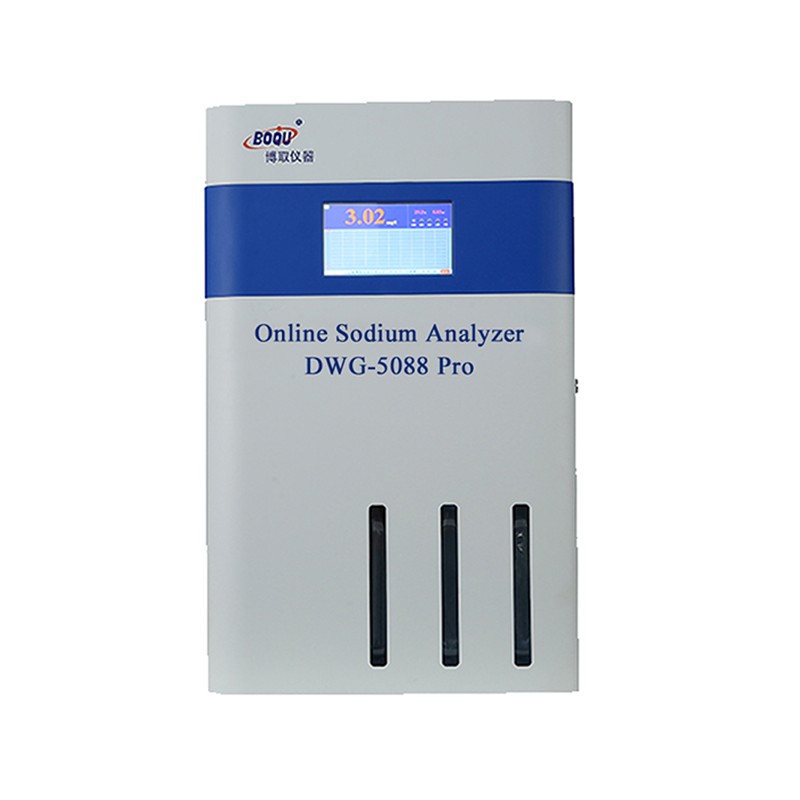
Online Silicate, Phosphate, Sodium & Hydrazine Trace Analyzer
Explore Technical Specs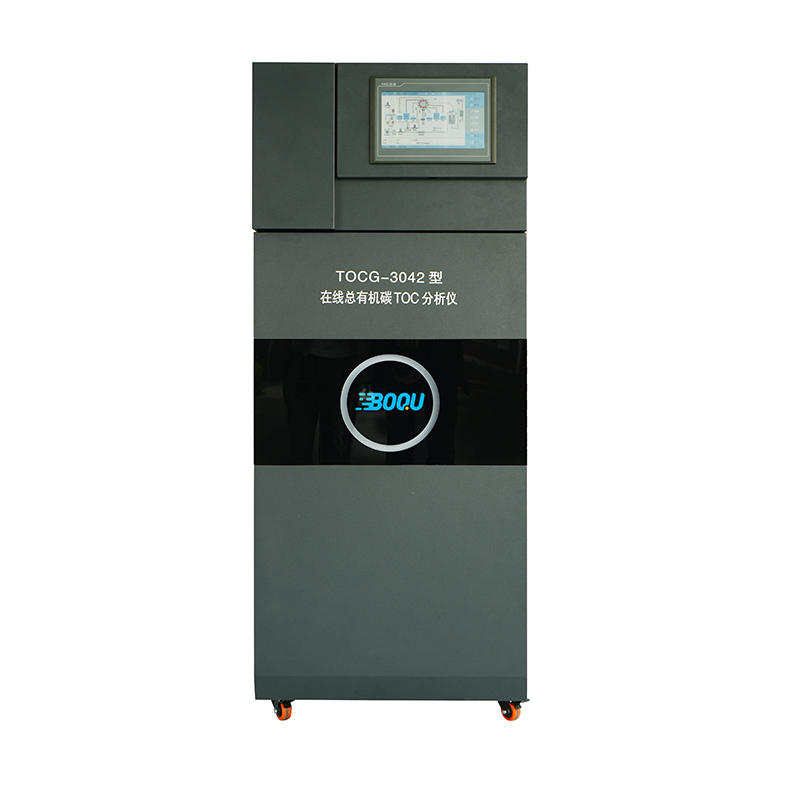
TOC-3042 Online Total Organic Carbon (TOC) Compliance Analyzer
Explore Technical Specs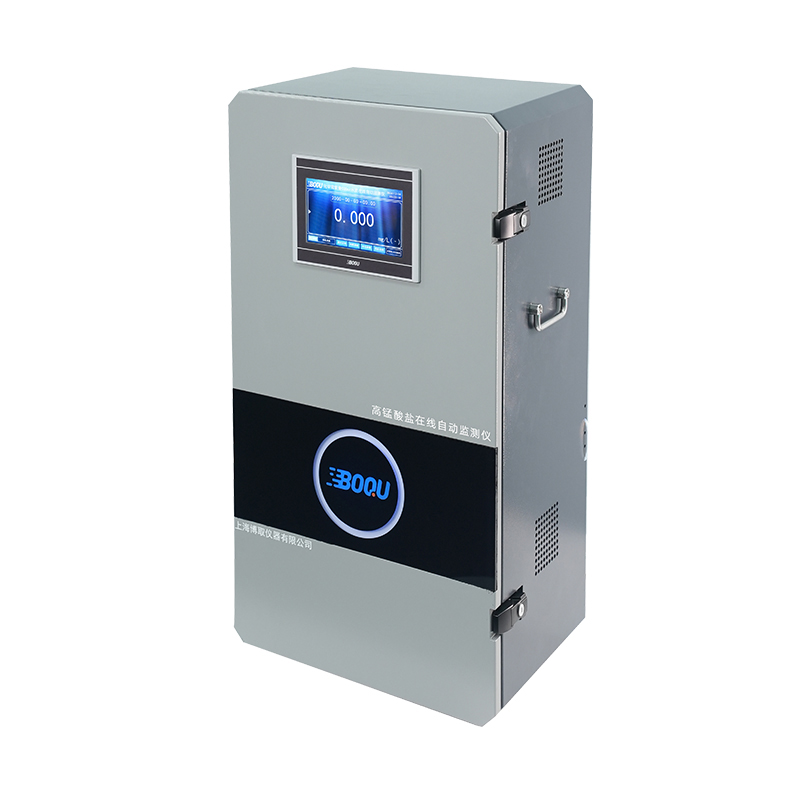
Automated Online COD, TP, TN, NH₃-N & Heavy Metal Analyzer
Explore Technical SpecsFrequently Asked Questions for EPCs & Plant Chemists
Detailed answers addressing engineering considerations, optical physics, international standardization, and factory OEM operations.
How does an ISO 7027 infrared turbidity sensor differ from EPA 180.1 compliant instruments?
The primary divergence rests in the illumination wavelength and photodetector optics. The ISO 7027 European standard specifies an 860 nm Near-Infrared LED light source with an optical bandwidth of ±30 nm, which prevents color absorption in dyed water or humic acid matrices from attenuating the beam. Conversely, USEPA 180.1 mandates a tungsten-filament incandescent lamp operating between 400 nm and 680 nm (color temperature 2200 to 3000 K). While EPA 180.1 provides exceptional sensitivity to extremely minute sub-micron particles in clean treated drinking water, tungsten filaments degrade more rapidly and show vulnerability to dissolved color. As a premier Chinese manufacturer, BOQU provides both 860nm NIR optical systems for zero-color interference and specialized tungsten systems designed for domestic and international regulatory compliance.
Can optical turbidity sensors accurately substitute for Total Suspended Solids (TSS) gravimetric lab testing?
Yes, through rigorous empirical field calibration. While turbidity measures the scattering of light caused by suspended particles (expressed in NTU or FNU), TSS measures actual dry particulate mass per unit volume (expressed in mg/L or ppm). Because optical scattering is influenced by particle size distribution, morphology, color, and refractive index, an online turbidity analyzer requires a site-specific calibration curve. BOQU ZDYG series sensors feature internal multi-point polynomial linearization that allows plant engineers to input standard gravimetric oven-drying results (e.g., Standard Methods 2540D) to create a direct real-time correlation between NTU and TSS, enabling immediate sludge retention control without waiting 24 hours for lab filtering.
What mechanisms prevent biofouling and calcification in continuous municipal sewage immersion?
Industrial sewage and activated aeration basins rapidly develop organic biofilms and lime coatings over optical windows. BOQU turbidity probes resolve this through a three-tier defense system: First, our optical windows utilize synthetic sapphire crystals polished to optical grade, which possess high mechanical hardness and prevent scratching from grit. Second, our sensors feature integrated programmable mechanical silicone wipers that sweep the lenses automatically at user-defined intervals (e.g., every 30 minutes). Third, for high-grease oily wastewater where mechanical wiping may smear residues, we supply air-purge or ultrasonic cavitation cleaning attachments that blast micro-bubbles across the sensing face to maintain zero drift over months of unattended continuous operation.
What communication outputs are available for industrial DCS, PLC, and IoT integration?
BOQU designs instruments with versatile interoperability. Our dedicated transceivers provide dual galvanically isolated 4-20 mA analog outputs (configurable for turbidity and process temperature) alongside programmable SPDT high/low alarm relays for dosing pump control. Furthermore, every smart digital sensor features direct native RS485 Modbus RTU communication running on standard baud rates (9600 to 115200 bps), allowing multiple sensors to be daisy-chained over distances up to 1200 meters into Siemens, Allen-Bradley, or Schneider PLCs without requiring intermediary analog-to-digital transmitter hubs. Optional industrial gateways enable direct conversion to Profibus-DP, Modbus TCP, PROFINET, or wireless 4G/NB-IoT cloud interfaces.
Is Shanghai Boqu Instrument Co., Ltd. an original equipment manufacturer (OEM) or trading intermediary?
Shanghai BOQU Instrument Co., Ltd. is a verified high-tech manufacturer founded in 2007. Operating two company-owned manufacturing plants located in Kangqiao Town and the Lingang Free Trade Zone in Pudong, Shanghai, BOQU manages the complete lifecycle of its products: from glass electrode blowing, photometric optical assembly, surface-mount technology (SMT) electronic placement, firmware coding, and precision calibration in dedicated high-temperature and optical laboratories. With over 200 staff, 4,632 square meters of production floorspace, and an output exceeding 100,000 analytical instruments per annum, BOQU provides transparent factory audits, virtual VR tours, and direct access to engineering teams for custom OEM/ODM modifications.