Smart Online Water Quality Sensors & Transmitters




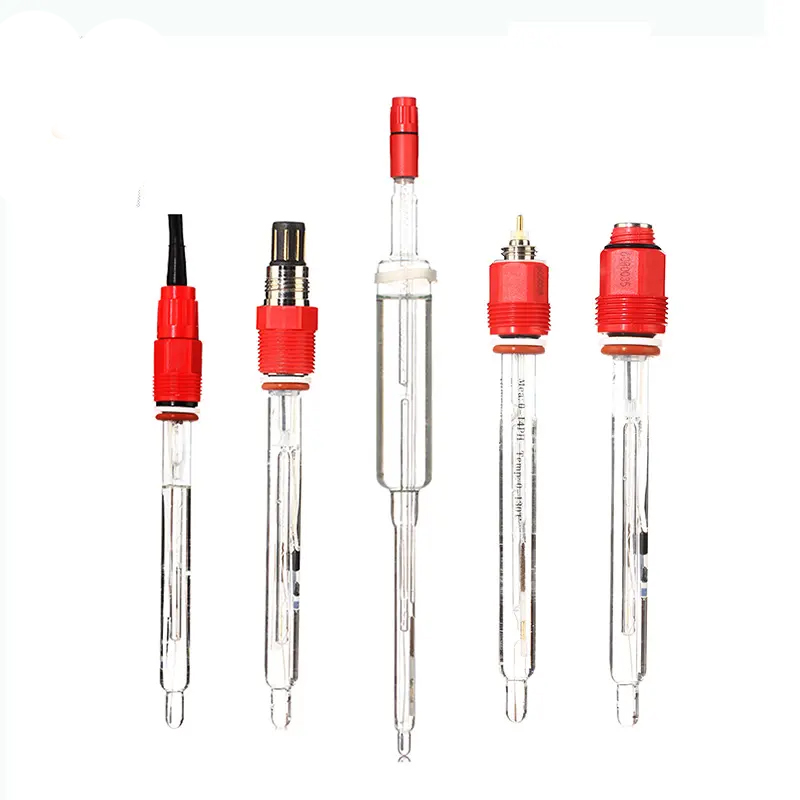
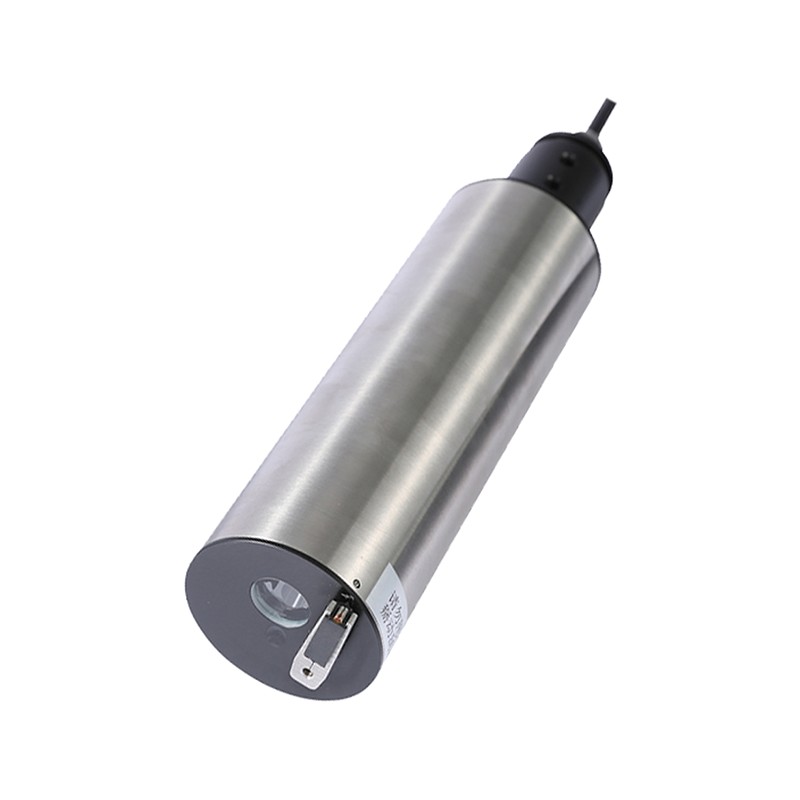
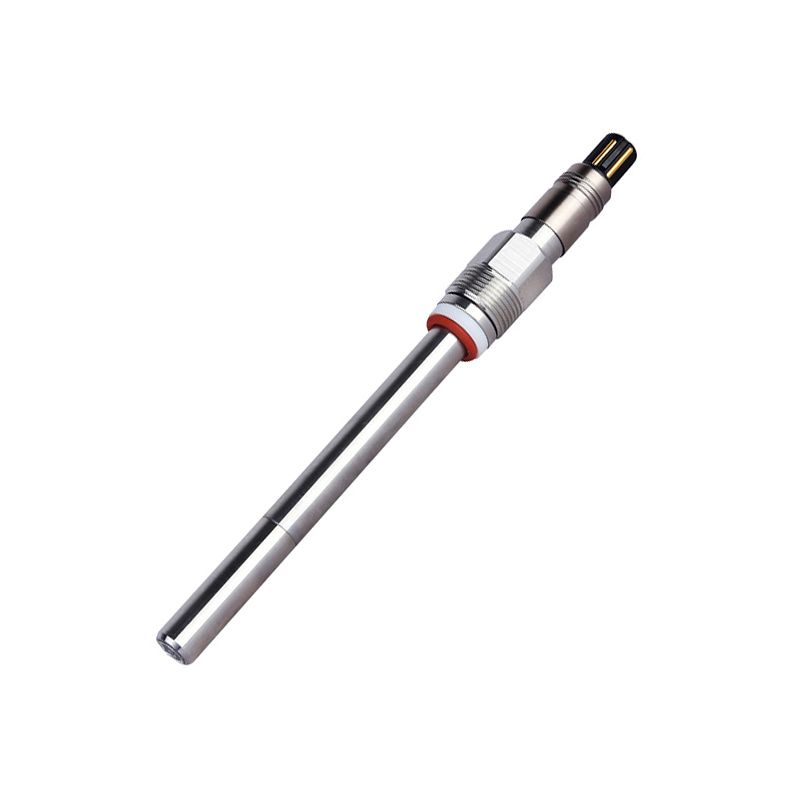
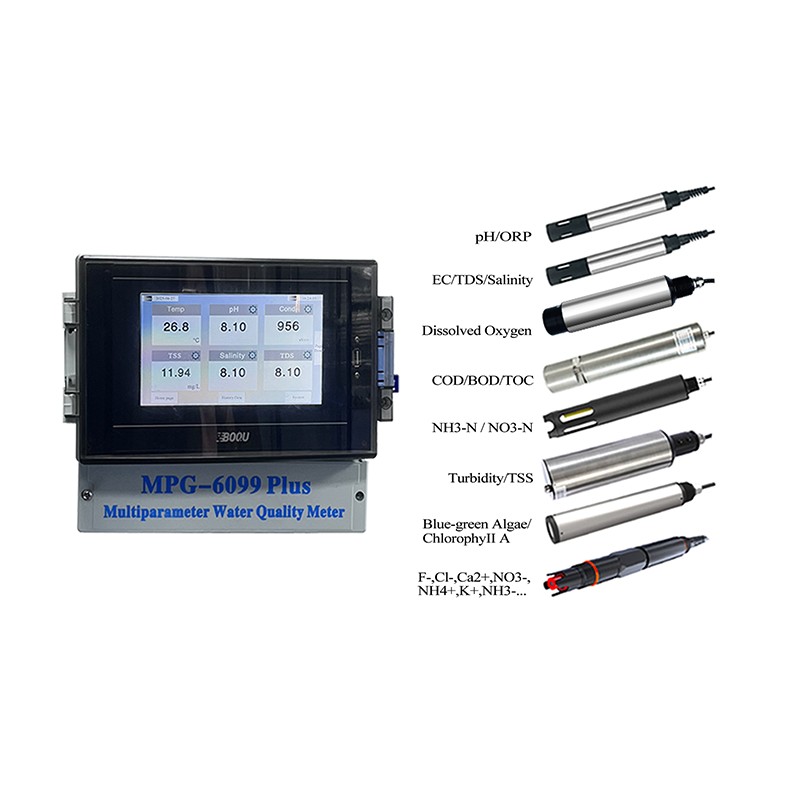
China Turbidity Analyzer Manufacturing: Precision Optics & Process Control Architecture
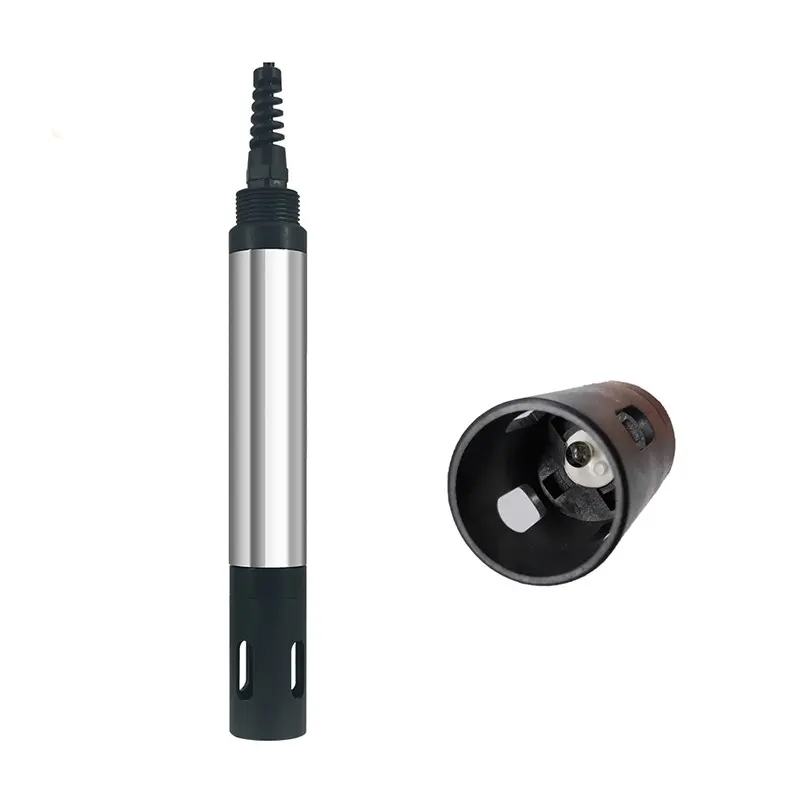
In modern industrial process automation, municipal water treatment, and environmental compliance frameworks, continuous turbidity monitoring is a paramount indicator of liquid clarity, particulate concentration, and filtration efficiency. As a leading China Turbidity Analyzer Manufacturer, Shanghai BOQU Instrument Co., Ltd. combines advanced optical nephelometry with micro-embedded signal processing to deliver robust, real-time liquid analytical solutions. Modern industrial turbidity measurement has evolved far beyond simple laboratory visual estimations into highly calibrated, continuous online systems capable of detecting sub-NTU variations under extreme ambient pressures, thermal shocks, and corrosive liquid media.
Turbidity measure is inherently complex because it does not measure a direct physical pollutant, but rather an optical property: the degree to which suspended insoluble particles—such as clay, silt, micro-algae, organic colloids, and industrial precipitates—scatter and absorb light passing through a fluid sample. Achieving analytical stability across diverse operational domains requires rigorous adherence to international optical standards, including ISO 7027 (860 nm Near-Infrared LED Scattering) and USEPA Method 180.1 (White Light Tungsten Lamp Nephelometry). OEM integrators and plant procurement engineers worldwide increasingly rely on qualified Chinese manufacturing hubs to acquire high-gain optical turbidity analyzers that harmonize cost efficiency with stringent metrological traceability.
ISO 7027 Infrared Optics
Utilizes an 860 nm Near-Infrared (NIR) light-emitting diode. Eliminates sample color absorption interference, ensuring precise 90° scattered light detection across drinking water and effluent streams.
Sub-NTU Resolution
Engineered with high-sensitivity photodiode arrays capable of resolving particulate fluctuations down to 0.001 NTU/FNU. Essential for municipal membrane filter breakthrough detection.
Self-Cleaning Mechanisms
Integrated ultrasonic transducers and automated mechanical wipers prevent biological biofouling, oil film buildup, and mineral scaling on optical quartz windows in harsh sludge environments.
China Factory 4.0: Supply Chain Resilience & Vertical Integration
The global demand for reliable water quality monitoring instruments requires scalable manufacturing capacity backed by end-to-end quality control systems. Operating out of two state-of-the-art facilities in Pudong and Lingang, Shanghai—spanning over 4,632 square meters of specialized production area—BOQU Instrument exemplifies the transformation of Chinese instrument manufacturing into an Industry 4.0 benchmark.
By controlling the entire production value chain—from glass electrode blowing, optical lens polishing, and SMT circuit board assembly to high-temperature thermal stress testing and multi-point Formazin calibration—BOQU eliminates third-party component bottlenecks. This complete vertical integration translates into unmatched supply chain resilience, allowing global EPC contractors and industrial distributors to secure predictable lead times, customized firmware configurations, and direct factory pricing.
In-House Optical Fabrication
Precision grinding and coating of optical quartz lenses ensure minimal stray light leakage and ultra-high transmittance for 90° light scattering accuracy.
SMT & Smart Electronics
Automated Surface Mount Technology (SMT) lines produce robust transmitter mainboards integrated with isolated 4-20mA, RS485 Modbus RTU, and IoT protocols.
Formazin Calibration Lab
Every turbidity analyzer undergoes multi-point primary standard Formazin calibration to guarantee strict linear output across 0-10 NTU, 0-400 NTU, and 0-4000 NTU ranges.
Turbidity Analyzer Technical Roadmap & Future Outlook (2025–2030)
As water analysis shifts from passive monitoring to active industrial process optimization, turbidity analyzers are undergoing a fundamental technological renaissance. The convergence of edge AI computing, solid-state optoelectronics, and wireless mesh networks is redefining how plant engineers approach water clarity management.
Edge AI Anomaly Diagnostics
Future turbidity transmitters embed neural-network microcontrollers directly on the sensor head. By analyzing raw optical noise signatures, algorithms distinguish real particulate spikes from transient micro-bubbles or window scratches, preventing false process alarms.
Multi-Beam & Four-Beam Optical Ratios
Transitioning from single 90° light scattering to quad-beam optical geometries. Dual light sources and dual photodetectors alternate pulses, mathematically cancelling out optical degradation, window aging, and ambient light interference.
Wireless LoRaWAN & NB-IoT Native Nodes
Eliminating expensive signal cabling in remote municipal catchments and massive tailing ponds. Low-power digital turbidity sensors with integrated cellular and long-range wireless protocols push measurement telemetry directly to cloud dashboards.
Macro Industry Solutions & Process Integration Architecture
No single turbidity measuring technique fits every process application. A municipal filter bed requires sub-NTU optical sensitivity, while an activated sludge aeration tank demands robust Total Suspended Solids (TSS) measurement up to tens of grams per liter. BOQU manufactures tailored sensor hardware and software algorithms across six key industry verticals:
| Industry Sector | Primary Parameter | Optical Measurement Principle | BOQU Recommended System |
|---|---|---|---|
| Municipal Drinking Water | 0 - 10 / 100 NTU | 90° Near-Infrared Nephelometry (ISO 7027) | ZDYG-2088-01QX Low Turbidity System |
| Wastewater Aeration & MLSS | 0 - 20,000 mg/L TSS | 135° Backscatter / Attenuation Optics | ZDYG-2088-02 Sludge Concentration Meter |
| Biopharma & Fermentation | Cell Density / Clarity | High-Temp Sterilizable Optical Probes | pH5806 + Optical Density Sensors |
| Thermal Power SWAS | Ultra-Pure Water Clarity | High-Flow Quartz Cell Laser Nephelometry | SWAS Integrated Turbidity Module |
| Industrial Effluent Outfalls | 0 - 4000 NTU | Dual-Beam IR with Auto-Mechanical Wiper | IOT-485-Turbidity Self-Cleaning Probe |
| Recir. Aquaculture (RAS) | 0 - 100 NTU / FNU | Submersible Low-Power Optical Sensor | MPG-6099Plus Multi-Parameter Panel |
Municipal Filter Integrity
Detecting micro-pinhole breakthroughs in rapid sand filters and ultrafiltration membranes before pathogen breakthrough occurs. Rapid 1-second dynamic optical updates ensure immediate backwash automated triggering.
Industrial Sludge Dewatering
Real-time Total Suspended Solids (TSS) measurement in return activated sludge (RAS) and waste activated sludge (WAS) pipelines, enabling precise polymer dosage optimization and energy reduction.
Localization Support, Quality Compliance & Global Procurement
Procuring water quality analyzers globally requires absolute assurance of international regulatory compliance, reliable warranty backing, and seamless protocol integration with legacy Supervisory Control and Data Acquisition (SCADA) networks. BOQU Instrument operates an established export compliance framework tailored for multinational buyers, EPC engineering firms, and regional OEM partners.
Certifications & Audit Traceability
All manufacturing operates under certified ISO 9001 Quality Management and ISO 14001 Environmental Management systems. Hardware products hold CE Electromagnetic Compatibility compliance, SGS factory audits, and FDA material compliance declarations for wetted sanitary components.
Universal Protocol Interoperability
BOQU transmitters feature native RS485 Modbus RTU, 4-20mA active/passive current loops, and HART communication options. Seamlessly interface with Siemens, Schneider, Rockwell Allen-Bradley PLCs and IoT cloud platforms without proprietary hardware locks.
OEM / ODM Customization Services
We support private labeling, custom housing engineering, specialized cable lengths (up to 100m submerged), dynamic measurement ranges, and tailored firmware algorithm adjustments for strategic distribution partners globally.