
Featured Industrial Water Quality Sensors & Analyzers
High-precision optical, pH, DO, and multi-parameter instruments built to ISO 9001 quality standards in Shanghai.
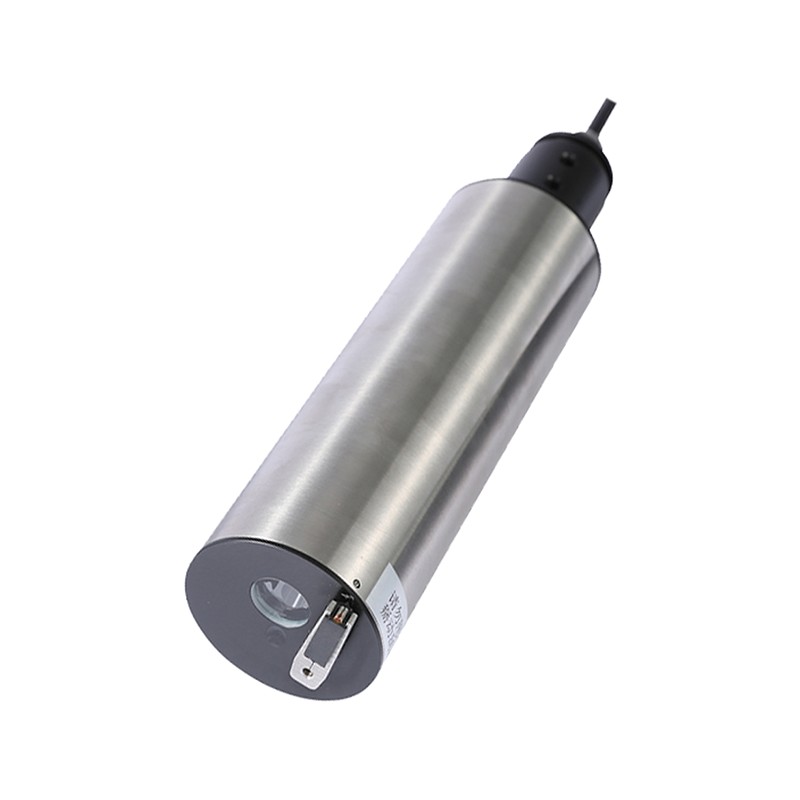
ZDYG-2088-01QX Online Turbidity Sensor
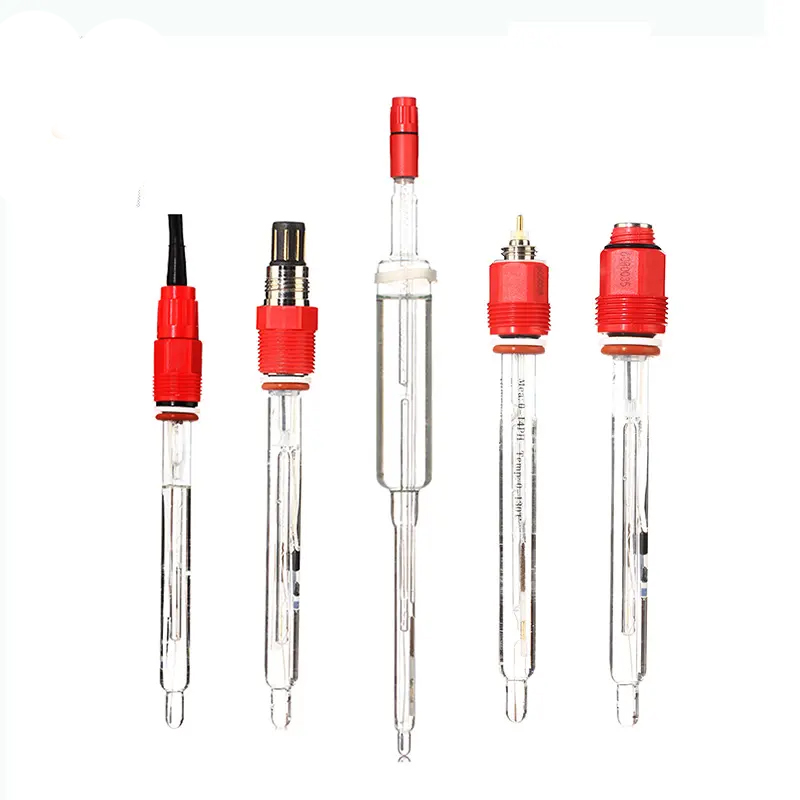
pH5806 High Temperature pH Sensor
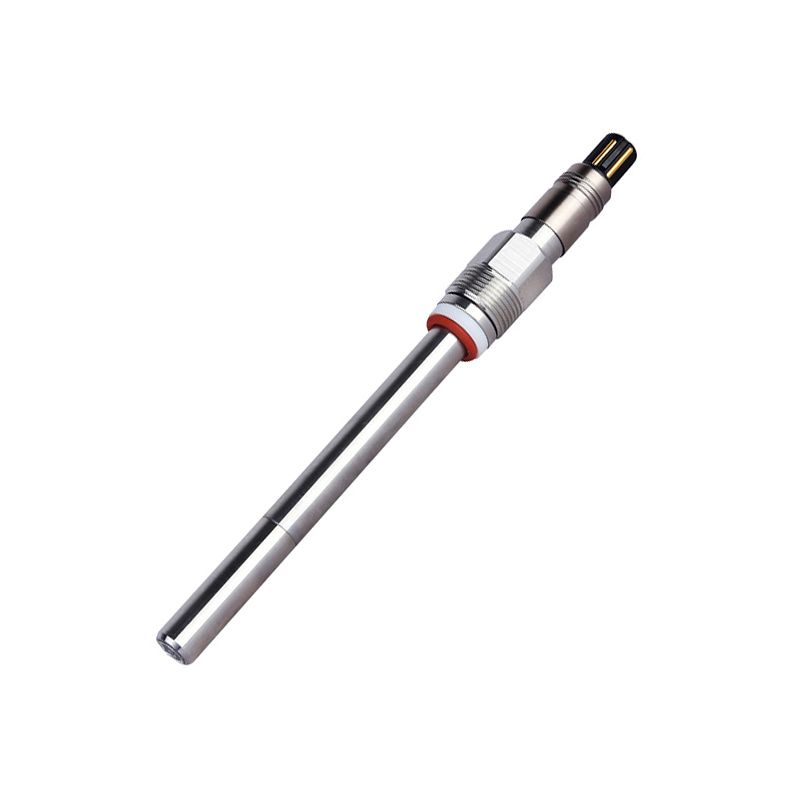
DOG-208FA High Temperature DO Sensor
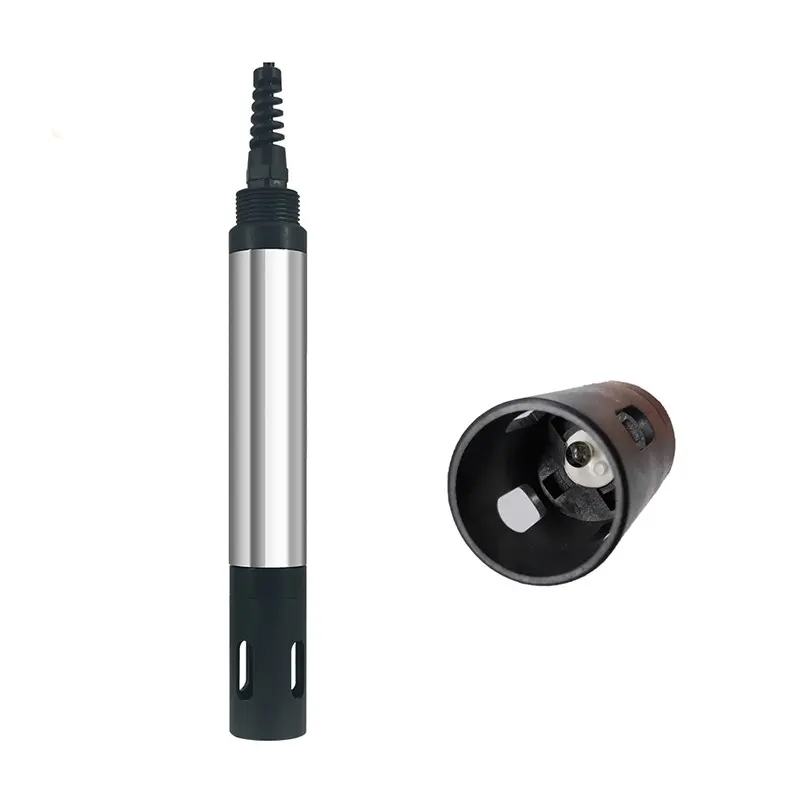
IOT-485-pH Digital Online pH Sensor
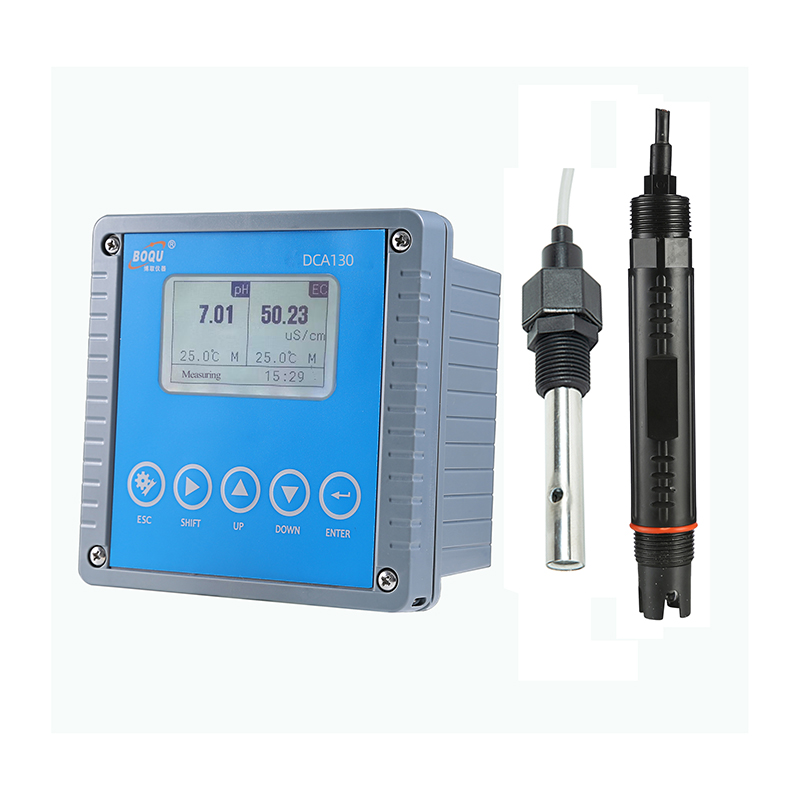
DCA130 Online pH & EC Dual Channel Analyzer
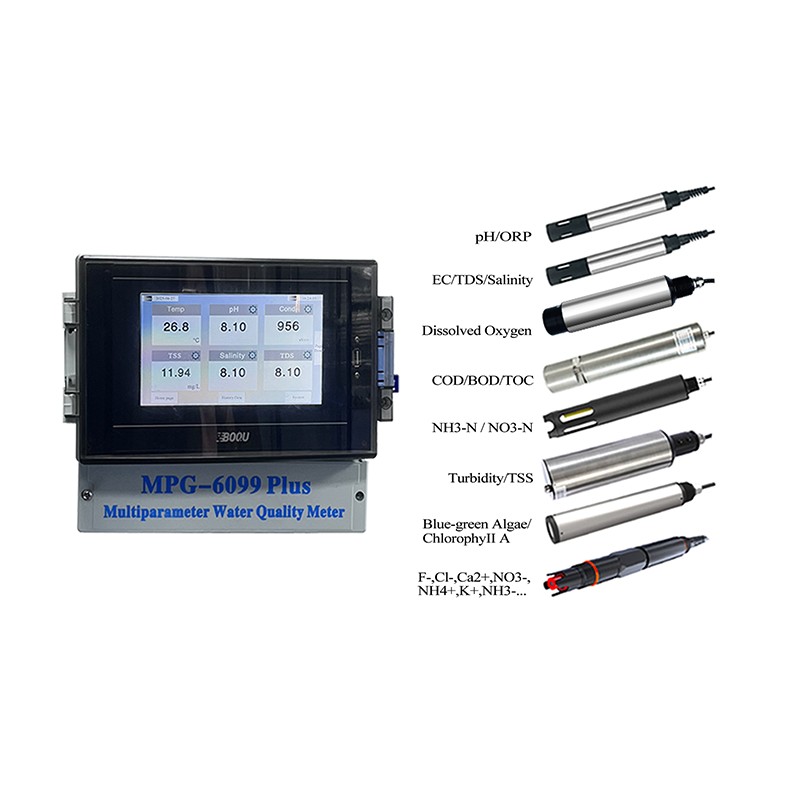
MPG-6099Plus Multi-parameter Analyzer
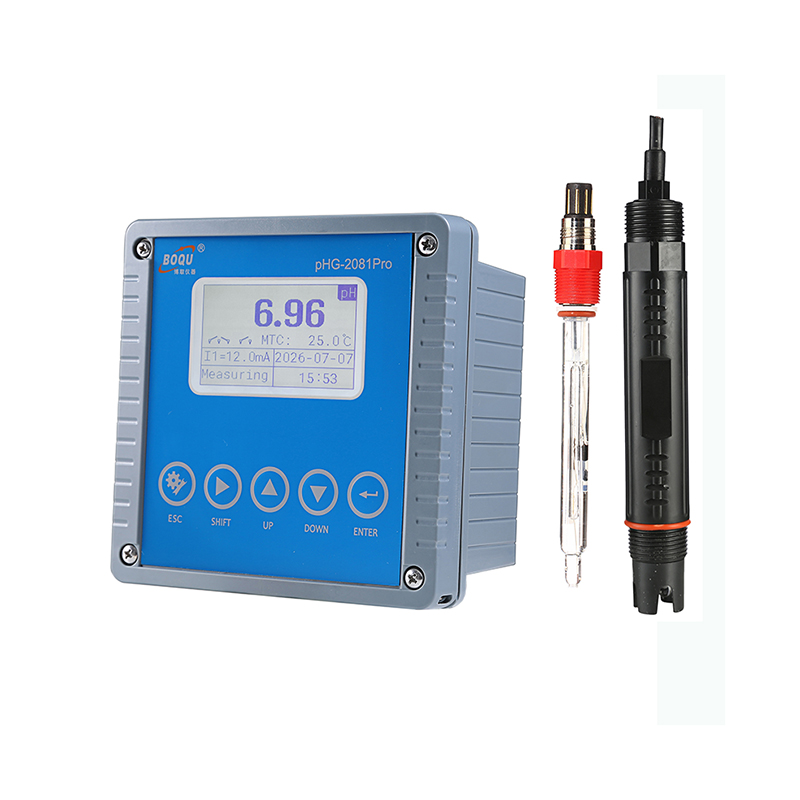
pHG-2081Pro Online pH Analyzer
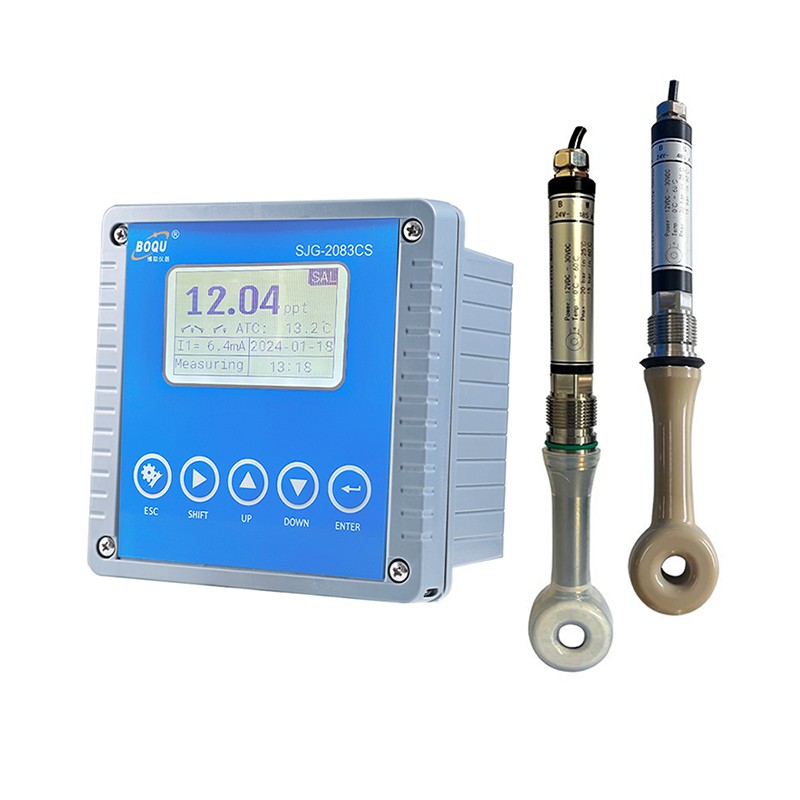
SJG-2083CS Acid & Alkali Meter
Global Demand for Optical Turbidity & Suspended Solids Sensing
Understanding the technical standard shift toward real-time 90° light scattering, ISO 7027 compliance, and IoT-integrated water quality telemetry.
Global Market Drivers & Regulatory Compliance
Turbidity is a fundamental physical optical property of water, reflecting the presence of insoluble suspended particles, colloidal matter, algae, and microorganisms. Globally, environmental protection agencies (such as US EPA, EU EEA, and China MEE) have instituted stringent discharge limits and drinking water purity baselines. Modern municipal water filtration plants require continuous turbidity tracking below 0.1 NTU (Nephelometric Turbidity Units) to verify pathogen retention (e.g., Cryptosporidium and Giardia cysts). Industrial process facilities—ranging from chemical processing plants to beverage bottling—rely on turbidity sensors to maintain quality consistency, protect costly reverse osmosis (RO) membranes, and automate backwash cycles.
Technical Paradigm Shift: ISO 7027 vs. USEPA 180.1
The global instrumentation landscape categorizes optical turbidity sensing into two primary standard methodologies: ISO 7027 (utilizing Near-Infrared LED at 860 nm) and USEPA Method 180.1 (utilizing Tungsten lamp light source). Modern industrial OEM buyers predominantly prefer ISO 7027-compliant NIR optical designs because infrared light eliminates sample color interference (such as stray yellow/humic organic tones) and eliminates filament degradation. Chinese OEM manufacturers have mastered infrared 90° scattered light nephelometry, combining solid-state emitter stability with digital signal processing to deliver sub-0.01 NTU resolution across broad measuring spans.
Why Global OEMs Partner with China Turbidity Sensor Manufacturers
From precision optical alignment to automated calibration rigs, Chinese factories deliver uncompromised quality and cost efficiencies.
Complete Vertical Integration
Leading Chinese sensor factories in Shanghai and Pudong industrial hubs maintain total internal control over the optical-electronic value chain. In-house SMT PCB pick-and-place lines, optical lens polishing workshops, CNC titanium/316L housing machining, and potting isolation systems drastically shorten product iteration cycles from months to days.
Automated Formazin Calibration Rigs
Precision optical calibration requires strict conformity. China factories deploy multi-point automated calibration stations using certified Formazin turbidity standards (0 NTU, 20 NTU, 100 NTU, 400 NTU, 4000 NTU). Sensor photodiode signals undergo temperature-compensated digital coefficient mapping to guarantee linear output accuracy across extreme temperature swings.
Certified Quality & Aging Tests
To satisfy stringent Western procurement guidelines, top Chinese manufacturers enforce ISO 9001 quality management, ISO 14001 environmental compliance, and European CE standards. Every outgoing sensor probe undergoes 48-hour burn-in thermal stress testing and IP68 pressure immersion testing up to 10 bar (100m water depth).
Deep Dive into Optical Turbidity Sensor Engineering
Comparing 90° Nephelometry, Transmission Attenuation, Multi-Beam Scattering, and Self-Cleaning Mechanisms.
| Optical Measurement Method | Applicable Range | Primary Industrial Use Cases | Key Engineering Advantage |
|---|---|---|---|
| 90° Scattered Light (ISO 7027) | 0.01 – 400 NTU / FNU | Potable drinking water, clean river water, RO feedwater monitoring | Extreme accuracy at ultra-low turbidity levels; minimal noise floor distortion. |
| 180° Light Transmission Attenuation | 400 – 10,000 NTU / Sludge TSS | Activated sludge (MLSS), industrial wastewater, mining slurry | High optical penetration capability; directly correlates turbidity to g/L Total Suspended Solids. |
| Multi-Beam Dual-Scattering Ratio | 0.001 – 4,000 NTU (Auto-ranging) | Variable influent processes, chemical reaction monitoring | Self-compensates for light source degradation, window fouling, and background fluid color. |
| Surface Scatter Non-Contact Method | 0 – 9,999 NTU | High-scaling mineral water, raw sewage inlet streams | Optical lenses remain suspended above fluid; completely eliminates window fouling and cleaning downtime. |
Automated Wiping & Anti-Fouling Innovations
In bio-fouling intensive environments like municipal aeration basins, aquaculture ponds, or river discharge outlets, micro-algae film and mineral scaling quickly coat sensor optical windows. This leads to drift and false high-turbidity alarm states.
China factories like BOQU Instrument engineer specialized mechanical wiping shafts with silicon rubber or fluororubber blades. Programmed via Modbus commands or internal timers, the motorized wiper sweeps across the sapphire optical glass prior to measurement, keeping optical paths pristine for months without manual maintenance.
Sapphire Optical Windows & Rugged Housings
Standard optical glass scratch easily when submerged in abrasive slurries containing sand, silt, or metal particles. Scratches reflect light internally, permanently throwing off 90° scatter calibrations.
High-end industrial turbidity sensors manufactured in China utilize synthetic Sapphire crystal windows rated Mohs 9 hardness. Encapsulated in 316L Stainless Steel, Titanium alloys, or anti-corrosive POM (Polyoxymethylene) bodies, these sensors withstand aggressive chemical CIP (Clean-In-Place) washdowns and deep-water pressure forces.
Localized Application Scenarios across Global Industries
How Chinese turbidity sensors are integrated into critical water processing infrastructures around the world.
Municipal Drinking Water Treatment
Positioned at raw intake water channels, coagulation-flocculation basins, filter bed outlets, and final distribution networks. Ultra-low NTU turbidity sensors monitor filter breakthrough in real time, auto-triggering backwash sequences and protecting chlorination dosing loops.
Industrial Wastewater & Sludge (MLSS)
In biological activated sludge tanks, continuous TSS/MLSS monitoring (0-30 g/L) allows plant operators to balance sludge return ratios (RAS) and waste sludge pumping (WAS). This prevents biomass loss and guarantees environmental compliance at outfall flumes.
Recirculating Aquaculture Systems (RAS)
High-density fish and shrimp farming requires clear water free from excessive uneaten feed and fecal particulate matter. Submersible RS485 Modbus turbidity sensors continuously feed data into automated filtration systems to protect gill health and maintain feed conversion efficiency.
Biopharma Fermentation & Biotech
In cell culture and microbial fermentation, optical density (OD) and turbidity correlate directly with biomass accumulation. High-temperature sterilizable sensors enable non-invasive cell growth monitoring without sampling, reducing contamination risks in bioreactors.
Power Plant SWAS & Condensate Polishing
In thermal and nuclear steam generation systems, trace particulate ingress damages boiler tubes and turbine blades. Sub-NTU turbidity analyzers integrated into SWAS (Steam and Water Analysis Systems) provide early alerts on iron oxide corrosion product carryover.
Mining Tailings & Dredging Operations
Extremely abrasive, high-solids applications require heavy-duty sensors featuring solid POM or Titanium bodies. Optical transmission sensors accurately monitor tailing dam discharge clarity and harbor dredging sediment plumes to satisfy environmental protection laws.
Technological Roadmap: The Next Generation of Water Sensing
AI edge compensation, multi-parameter fusion, and direct cloud telemetry are reshaping water monitoring.
1. Smart Edge RS485 Modbus & Direct IoT Connectivity
Traditional analog 4-20mA signal transmission requires dedicated secondary display transmitters, adding hardware costs and footprint. The emerging industry standard is the All-in-One Digital Smart Sensor.
By integrating microprocessor, signal amplifier, ADC conversion, and temperature compensation directly inside the sensor probe handle, digital turbidity sensors output standard RS485 Modbus RTU protocol. They connect seamlessly to PLCs, SCADA networks, wireless LoRaWAN nodes, or 4G/5G cloud gateways without requiring external transmitter boxes.
2. AI Optical Drift Compensation & Self-Diagnostics
LED light emitters naturally age over time, resulting in luminance degradation that translates to measurement drift. Next-gen Chinese sensors incorporate internal reference photodiodes that monitor the emitter output in real time.
Smart algorithms dynamically adjust driver current and mathematically compensate for optical output decline. Furthermore, predictive self-diagnostics flag window coating buildup or mechanical wiper jam states before data integrity is compromised.
International Procurement Checklist for Turbidity Sensors
Key technical parameters to specify when requesting quotations from Chinese factories.
1. Measuring Span & Unit
Specify expected range: Ultra-low (0-10 NTU), Standard (0-400 NTU), High Turbidity (0-4,000 NTU), or Sludge TSS (0-30 g/L).
2. Mechanical Fitting & Thread
Confirm installation style: Submersible immersion rod, NPT 3/4" pipe thread, DN50 flange, or flow-through flow cell chamber.
3. Operating Temperature & Pressure
Verify process media constraints. Standard POM housings operate up to 50°C; 316L/Titanium handle high pressure and 80°C+ environments.
4. Cable Length & Waterproofing
Standard sensor cables are 10m. Request customized shielded, anti-corrosive polyurethane cables up to 100m for deep water wells.
Frequently Asked Questions by Industrial Engineers
In-depth technical answers addressing installation, calibration, signal protocol, and maintenance.
How often do optical turbidity sensors require calibration?
What is the difference between NTU, FNU, FTU, and mg/L (TSS)?
How do air bubbles affect optical turbidity measurements, and how can they be prevented?
Can BOQU digital turbidity sensors connect directly to an existing PLC or SCADA system?
What customization options (OEM/ODM) are offered by Chinese turbidity sensor factories?
How does fluid color affect turbidity readings, and how is it compensated?
High-Temperature & Specialized Process Sensors
Explore our specialized sensor solutions engineered for fermentation, bioprocessing, and extreme chemical environments.

China High Temperature (0-130℃) pH Sensor With Temperature

Wholesale High Temperature (0-130℃) pH Sensor

High-temperature S8 Connector pH Sensor

Pharma Fermentation High-temperature pH Sensor
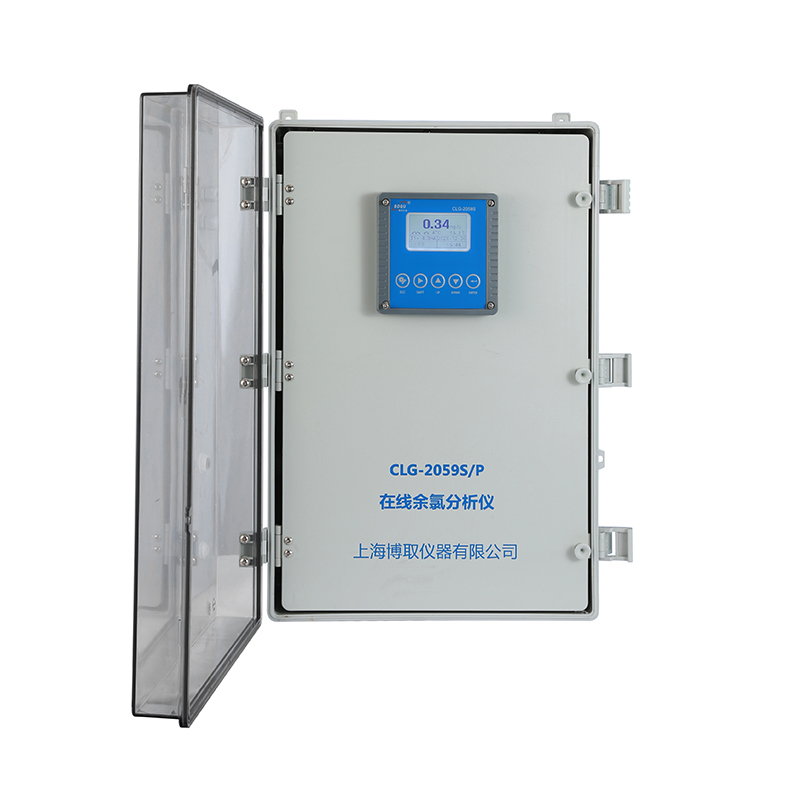
Online Residual Chlorine Analyzer
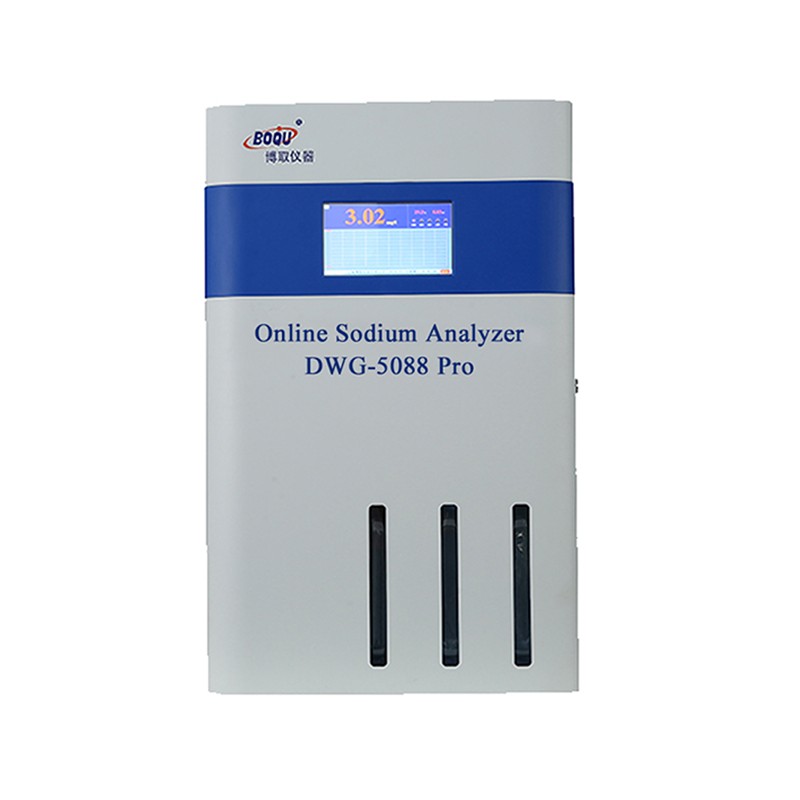
Online Silicate / Phosphate SWAS Analyzer
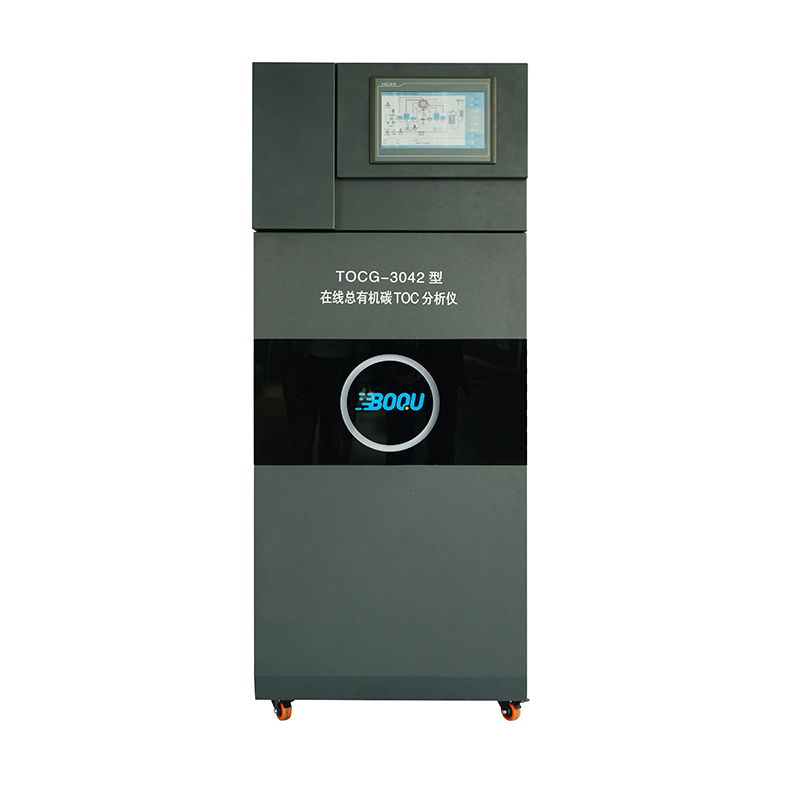
TOC-3042 Online Total Organic Carbon Analyzer
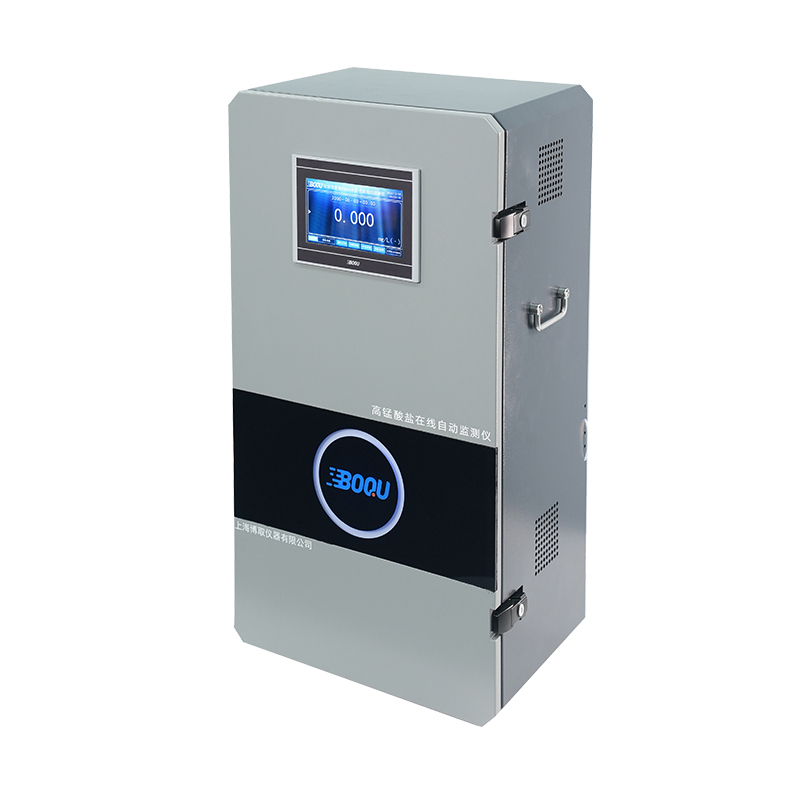
Online COD / TP / TN / NH3-N Water Analyzer
Partner Direct with Shanghai BOQU Instrument Co., Ltd.
Looking for reliable China turbidity sensor manufacturers, OEM private labeling, or custom industrial water quality instrumentation solutions? Connect directly with our application engineering team in Shanghai today.
Request Technical Quote & Catalog