

Verified Product Catalog
Precision Sensor Assemblies & Field Analyzers
Explore BOQU’s core line of electrochemical sensors and continuous analyzers engineered for high-temperature fermentation, water quality networks, and industrial discharge compliance.

Wholesale High Temperature (0-130℃) pH Sensor Supplier, Factories
View Product Specs
China High-temperature pH Sensor Used Pharmaceutical Fermentation Wholesaler, Supplier
View Product Specs
Wholesale High-temperature S8 Connector pH Sensor Manufacturers, Factory
View Product Specs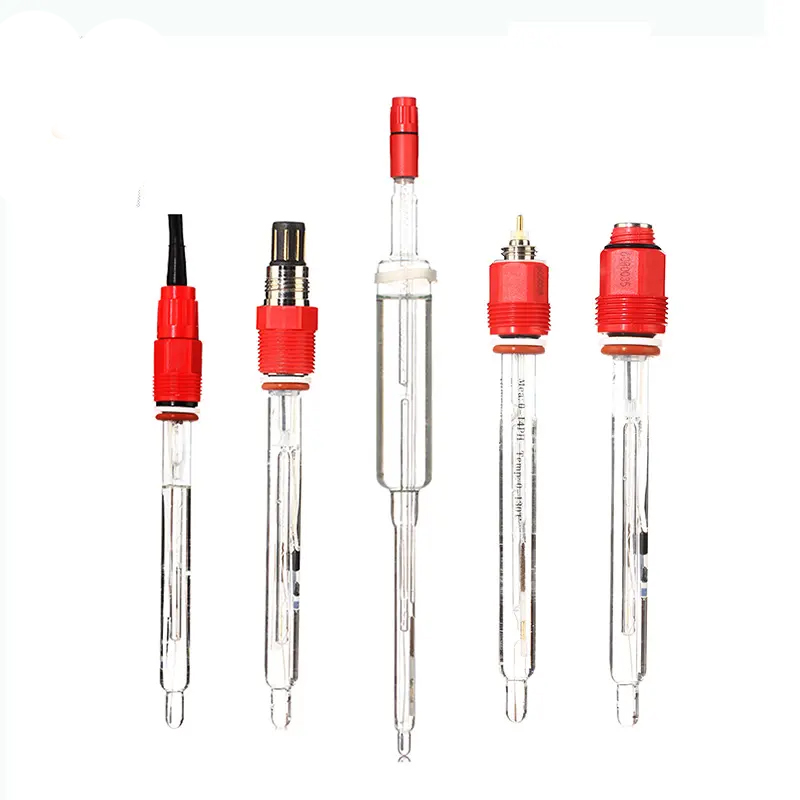
pH5806 High Temperature pH Sensor (Shanghai Brand Certified)
View Product Specs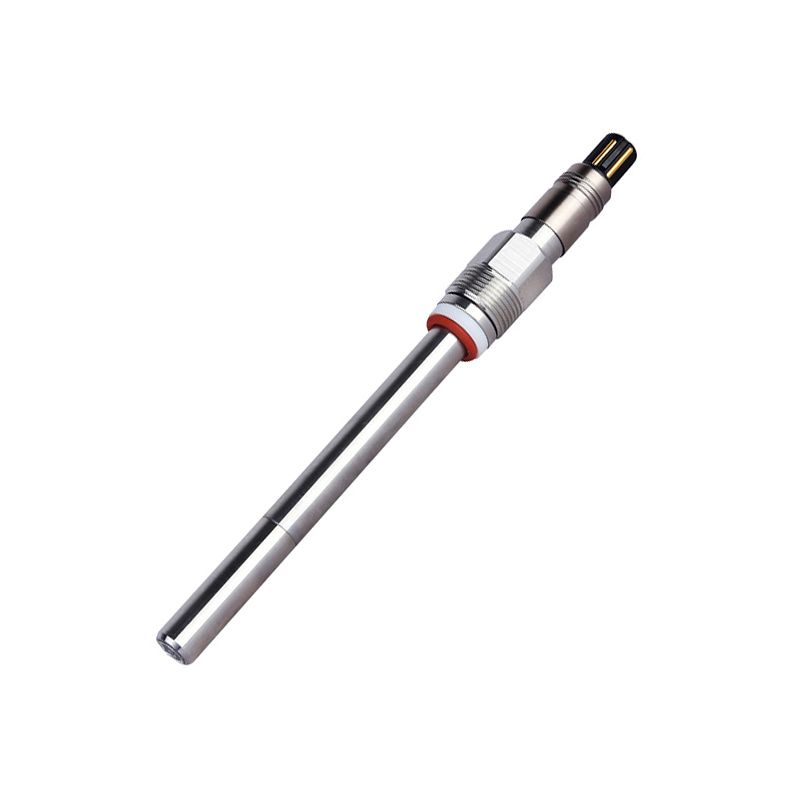
DOG-208FA High Temperature Dissolved Oxygen Sensor
View Product Specs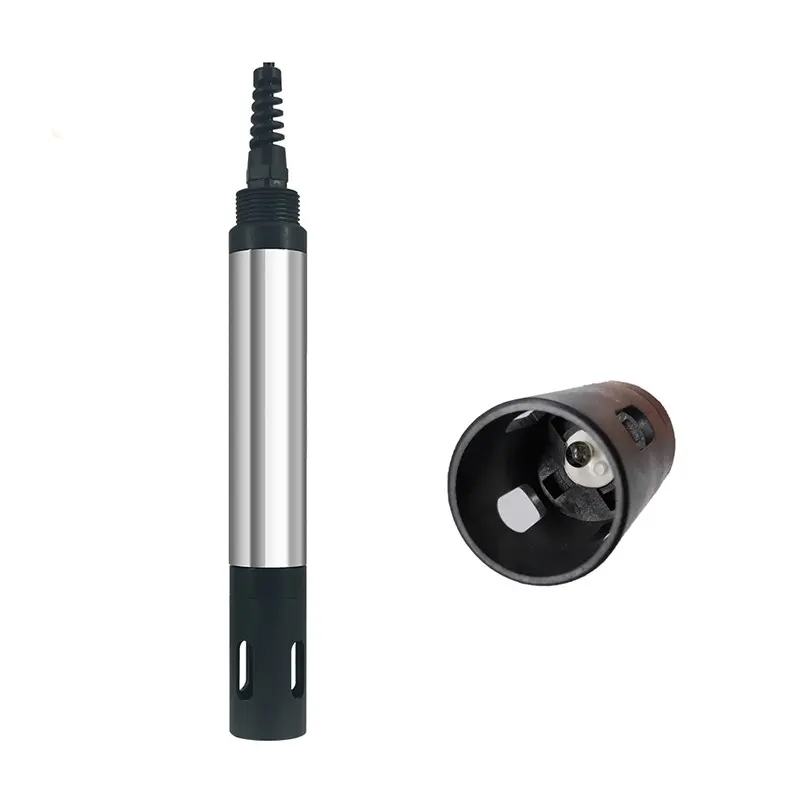
IOT-485-pH Digital RS485 Modbus Water Quality Sensor
View Product Specs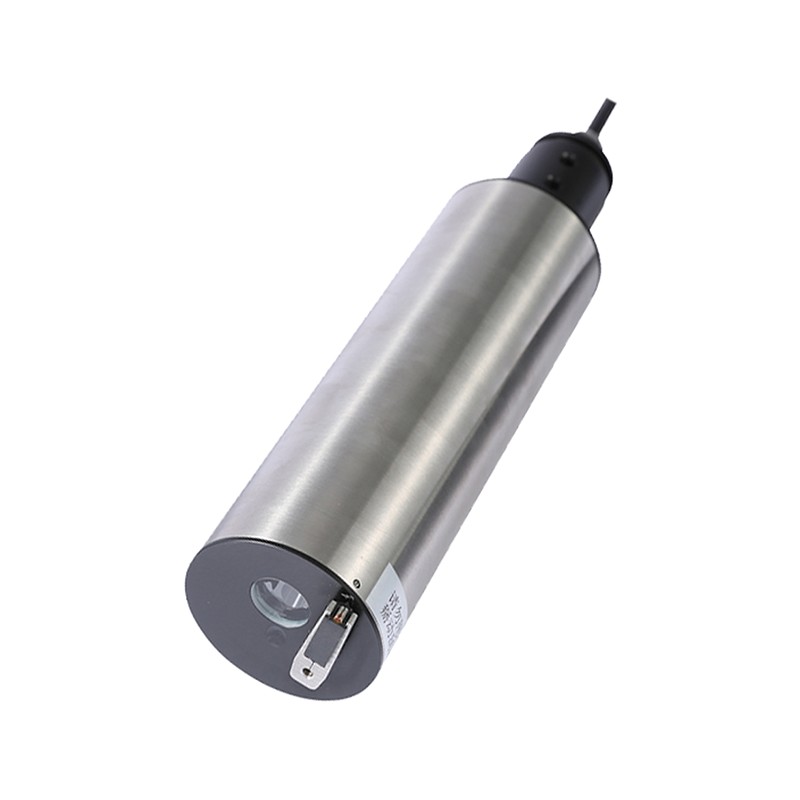
ZDYG-2088-01QX Infrared Scattered Turbidity & TSS Sensor
View Product Specs
Global Industrial Landscape
Total Phosphorus (TP) Monitoring: Engineering Realities & Imperatives
A technical assessment of nutrient discharge regulation, reagent digestion mechanics, and photometric accuracy under demanding industrial constraints.
Global Eutrophication & Regulatory Pressure
Phosphorus is the primary limiting nutrient fueling harmful cyanobacterial blooms and eutrophication in freshwater reservoirs, river basins, and coastal estuaries worldwide. As statutory bodies such as the US EPA, European Environment Agency (Water Framework Directive), and China's Ministry of Ecology and Environment enforce discharge boundaries beneath 0.05–0.1 mg/L TP, intermittent grab sampling is being comprehensively superseded by continuous, autonomous online colorimetry to eliminate compliance risk.
Thermochemical Digestion Challenges
Measuring authentic Total Phosphorus requires turning all polyphosphates and organically bound phosphorus complexes into dissolved orthophosphate. This transformation mandates high-temperature (120°C) and high-pressure persulfate or ultraviolet-persulfate oxidation within an airtight, corrosion-proof digestion reactor. Premature seal degradation, thermal hysteresis, or reagent crystallization inside capillary lines represent the historic friction points resolved by modern Chinese industrial automation.
High-Precision Photometric Detection
Following digestion, orthophosphate interacts with ammonium molybdate and potassium antimonyl tartrate under ascorbic acid reduction to formulate molybdenum blue. Reading absorbance at 700 nm or 880 nm demands narrow-band optical filtering, baseline drift correction, and automated cell washing. In multi-parameter installations, integrated TP analysis combines seamlessly with COD, TN, and Ammonia monitoring to establish a complete effluent compliance wall.
E-E-A-T Technical Benchmark: The Role of True In-Situ Transformation
Laboratory grab tests introduce transport oxidation, sample deterioration, and up to 48 hours of reporting lag. In heavy industries like chemical synthesis, metallurgical pickling, and industrial park wastewater treatment, real-time chemical dosing loops rely on immediate feedback. BOQU online wet-chemistry analyzers combine precise peristaltic multi-channel reagent delivery with automated heating algorithms to return ISO 6878-compliant quantitative data within 25–40 minutes.
Operational Excellence
Why Tier-1 Utilities Source Total Phosphorus Analyzers from China
A structural breakdown of manufacturing efficiency, integrated optical fabrication, and supply resilience engineered into Shanghai BOQU Instrument.
Vertically Integrated Shanghai Ecosystem
Unlike assemblers who outsource sensor shells, optical cells, and embedded compute boards, BOQU operates 4,632 m² of manufacturing floorspace across Kangqiao and Lingang. We formulate our own high-temperature glass, wind platinum resistance elements, etch analytical flow paths, and write custom Modbus firmware in-house, compressing assembly cycle times while eliminating tier-2 margin stacking.
Rigorous 48-Hour Thermal & Fluid Aging
Total Phosphorus wet-chemistry analyzers operate with acid/alkali reagents under cyclic pressure. BOQU executes an exhaustive 48-hour mechanical, electronic, and fluidic burn-in cycle for every finished analyzer prior to packaging. Valves, optical cells, heating blocks, and stepping motors undergo 200+ simulated test digestion runs to verify seal durability, flow consistency, and optical baseline stability.
Extreme Low Reagent Consumption R&D
OPEX in automated wet-chemistry is dominated by reagent consumption, waste disposal, and routine maintenance. Chinese sensor engineering has advanced micro-metering rotary valve mechanics, dropping per-test reagent volumes to 1.5–2.5 mL. This reduces monthly hazardous waste production by over 60% compared to legacy Western systems without compromising digestion completeness.
Operational Scale
Verified Industrial Capacity & Global Impact
Nearly two decades of proprietary manufacturing, institutional accreditations, and high-volume deployment worldwide.
2007
Year Founded
4,632m²
Floorspace
200+
Engineers & Staff
100k+
Annual Units
100+
Export Countries
2,000+
Enterprise Clients
Application Scenarios
Mission-Critical Deployments Across Industrial Ecosystems
Specific hardware considerations, measuring envelopes, and closed-loop control dynamics across diverse sectors.
Municipal & Chemical Wastewater Outfalls
Biological nutrient removal (BNR) and tertiary chemical precipitation (alum or ferric chloride dosing) require accurate TP readings at the outfall. An online TP analyzer prevents chemical over-dosing, curbs coagulant sludge generation, and generates real-time alarms before discharge thresholds are violated. Combined with COD, TN, and pH transmitters, it guarantees permit compliance.
Pharmaceutical & Bioprocess Fermentation Broth
Phosphorus availability directly affects cellular respiration, ATP generation, and enzyme transcription in bioreactors. During fed-batch fermentation, excessive phosphate limits secondary metabolite accumulation, while starvation halts cellular division. In addition to our sterilizable pH5806 and DOG-208FA electrodes, upstream and downstream monitoring relies on rapid TP quantification.
Thermal & Nuclear Power Generation (SWAS)
Phosphate dosing (all-volatile treatment or coordinated PO4 control) is intentionally maintained in high-pressure steam drum boilers to buffer pH and passivate steel against caustic gouging. However, orthophosphate carryover into superheaters or turbines causes turbine blade scaling and efficiency drop. Online phosphate/TP analyzers provide continuous ppb-level precision to protect multi-million-dollar turbine assets.
Industrial Aquaculture & RAS Ecosystems
Intensive recirculating aquaculture systems (RAS) accumulate unconsumed feed and fecal waste high in organic phosphorus. Unchecked phosphorus builds algal blooms that deplete nighttime DO and produce gill toxins. Integrated digital optical DO, pH, and nutrient water quality systems empower operators to regulate microfiltration and biofilter purge rates autonomously.
Surface Water & River Basin Autonomous Buoys
Solar-powered catchment monitoring stations require robust total phosphorus instrumentation capable of unattended operation for 30–60 days. Microfluidic low-power mechanics, automatic standard addition verification, and self-clearing dual filtration strainers prevent line blockages caused by suspended river silt and algae during heavy storm events.
Vertical Farming & Recirculating Hydroponics
Closed-loop agricultural feeds mandate strictly balanced N:P:K ratios to prevent flower drop or magnesium/zinc lockout. Continuously correlating automated TP measurements with our DCA130 Dual Channel pH/Conductivity controllers guarantees optimal vegetative vs. generative crop shifts across commercial automated greenhousing.
Engineering Reference
Parameter Selection Guide: Online Water Quality Instrumentation
A comprehensive technical matrix assisting instrumentation engineers in selecting optimal measuring principles, optical pathlengths, and outputs.
| Target Parameter | Standard Analytical Principle | Primary Industrial Use Cases | Critical Engineering Selection Factor |
|---|---|---|---|
| Total Phosphorus (TP) | Persulfate thermal digestion + Molybdenum blue colorimetry (700/880nm) | Wastewater effluent, municipal outfalls, surface lakes | Ensure auto-wash cycles and select ceramic rotary metering to survive strong acid/oxidant wear. |
| Phosphate (PO₄³⁻) | Direct ammonium molybdate ascorbic acid reduction (wet chemical) | Boiler drum water (SWAS), cooling tower blowdown | Verify trace-level detection limits down to low ppb (μg/L) for power utility corrosion inhibition. |
| High-Temp pH / ORP | High-alkali glass electrode with pressurized gel / polymerized electrolyte | Bioreactors, pharma fermentation, caustic scrubbers | Must survive repeated 130°C in-situ SIP/CIP cycles without calibration drift (e.g., BOQU pH5806). |
| Dissolved Oxygen (DO) | Fluorescence lifetime optical quenching or polarographic membrane | Aeration tanks, RAS aquaculture, fermentation broth | Optical sensors prevent electrolyte depletion and flow sensitivity; polarographic suits autoclave ports. |
| Turbidity / TSS / MLSS | 90°/180° near-infrared scattered light attenuation (ISO 7027) | Drinking water filtration, clarifier effluent, aeration MLSS | Require mechanical wiper arms or ultrasonic transducers to resist aggressive biofilm fouling. |
| Chemical Oxygen Demand (COD) | Dichromate digestion colorimetry or UV254 optical absorption | Industrial discharge permit verification, raw sewage | Use wet-chemistry for statutory legal compliance; UV254 absorption for instant process dosing loops. |
| Silicate, Sodium, Hydrazine | Heteropoly blue colorimetry and Ion-Selective Electrode (ISE) | Supercritical power generation, SWAS sampling skids | Ensure sample conditioning systems maintain sample water below 35°C and regulate line pressure. |
Verified Global Track Record
Field Installations Across International Operating Environments
Over 2,000 enterprise users rely on BOQU instrumentation for harsh process media, regulatory reporting, and precision dosing.
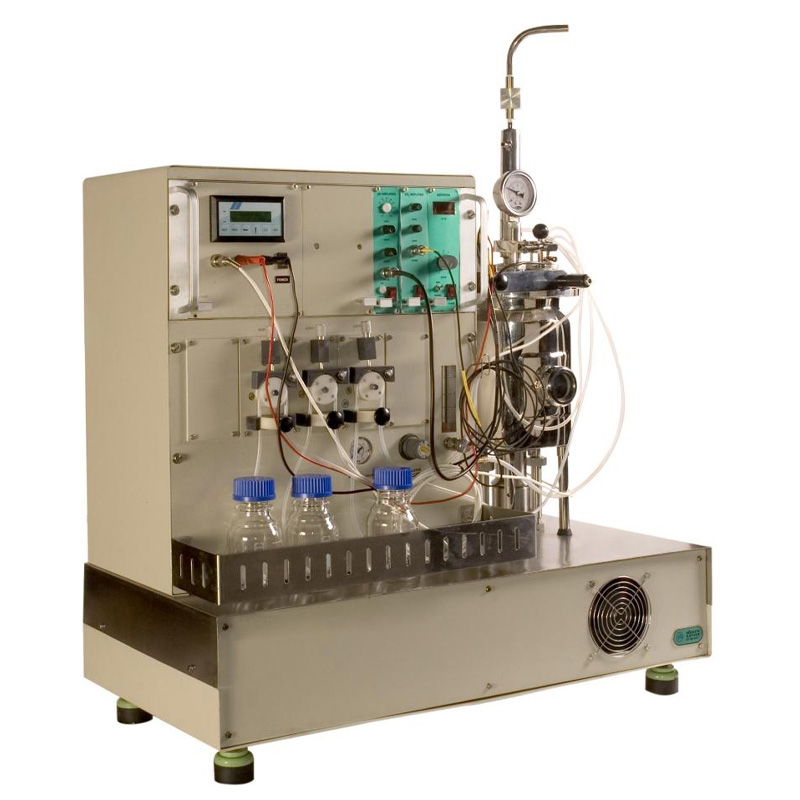
India
High-Temperature Fermentation pH Control
Pharmaceutical bio-reactors in Maharashtra running continuous antibiotic synthesis maintain tight pH control through steam-sterilized cycles.
View Project Review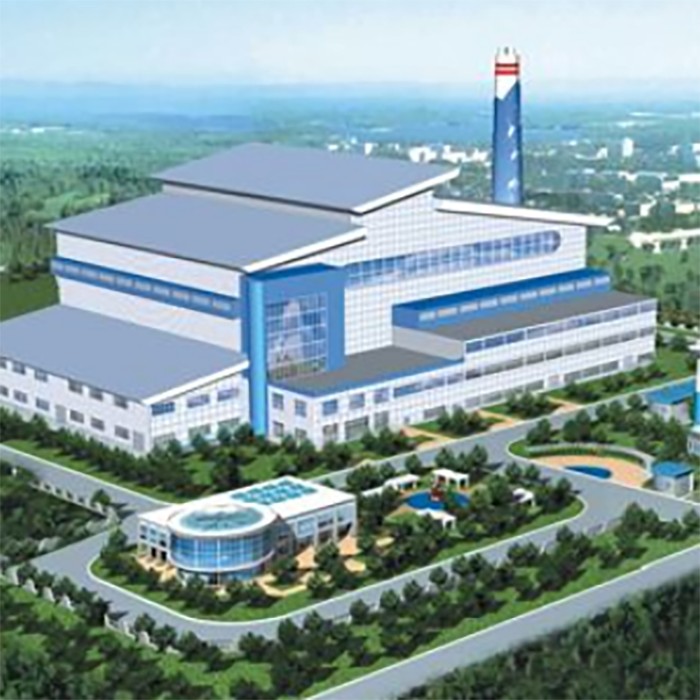
China
Waste Incineration SWAS Integration
Online boiler water phosphate, silica, and conductivity transmitters safeguard steam drums against scaling and unplanned turbine shutdowns.
View Project Review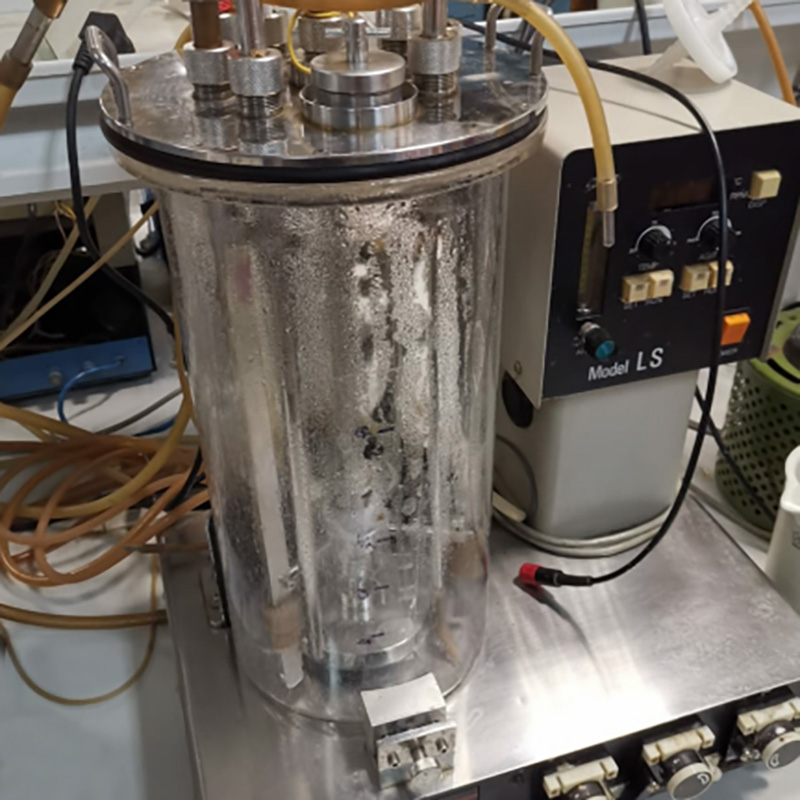
Russia
Industrial Biotech Broth Monitoring
Food and agricultural enzyme production lines operating under sterile pressure vessels utilize BOQU DOG-208FA sensors for uninterrupted aeration feedback.
View Project Review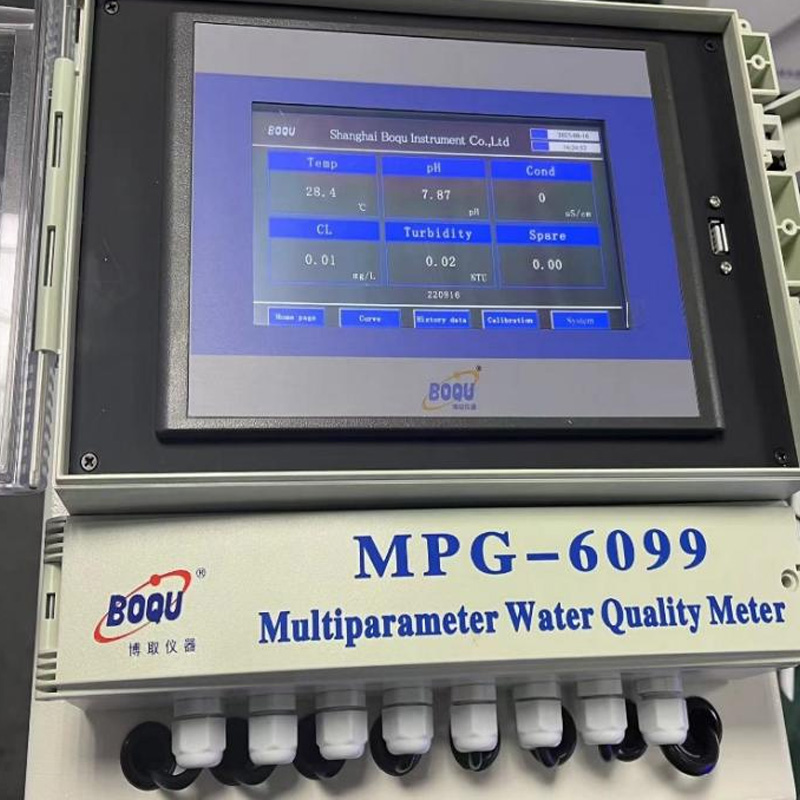
Vietnam
Industrial Park Outfall Station
Continuous monitoring station tracking COD, Total Phosphorus, Total Nitrogen, and Heavy Metals, meeting QCVN 40:2011/BTNMT Class A standards.
View Project Review
Production Transparency
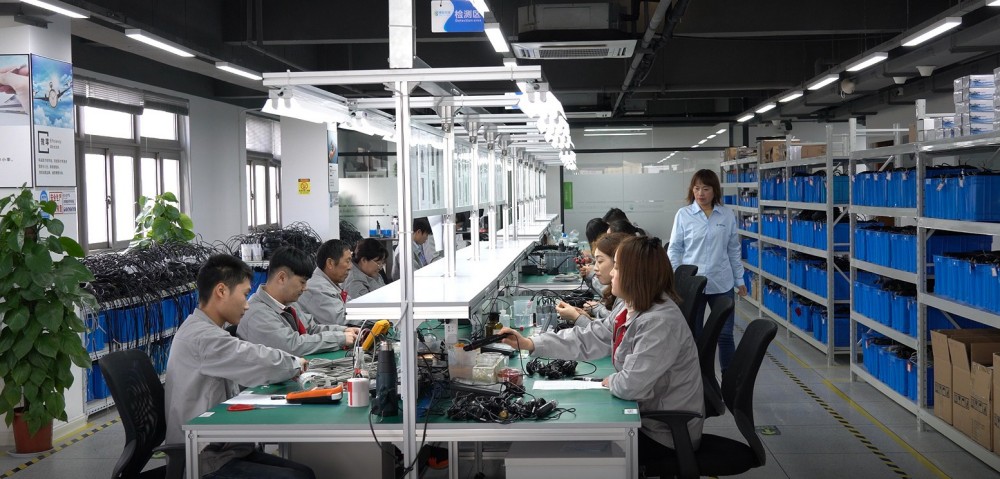
Precision Fabrication at BOQU Kangqiao & Lingang Facilities
Tour our state-of-the-art electrochemical workshops, automated PCB pick-and-place lines, and optical calibration cleanrooms.
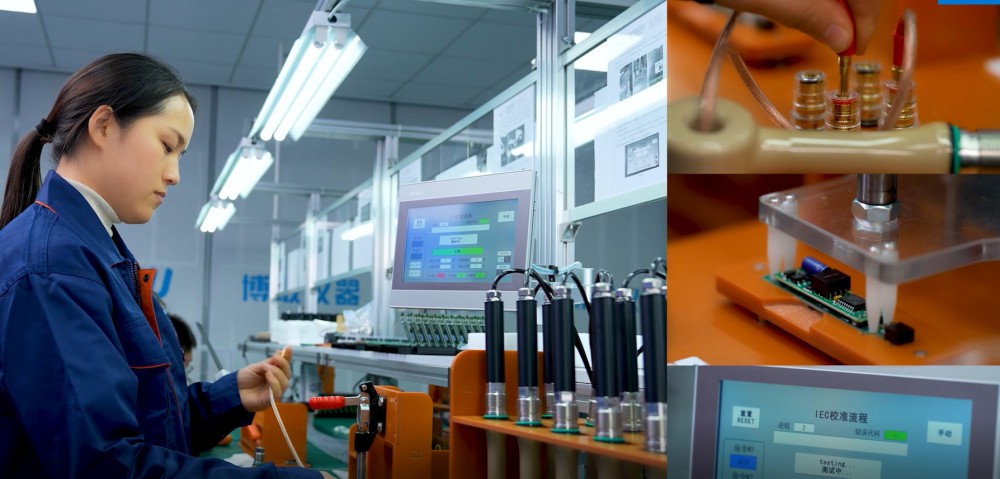
Lingang Center: Wet-Chemistry Analyzer Assembly
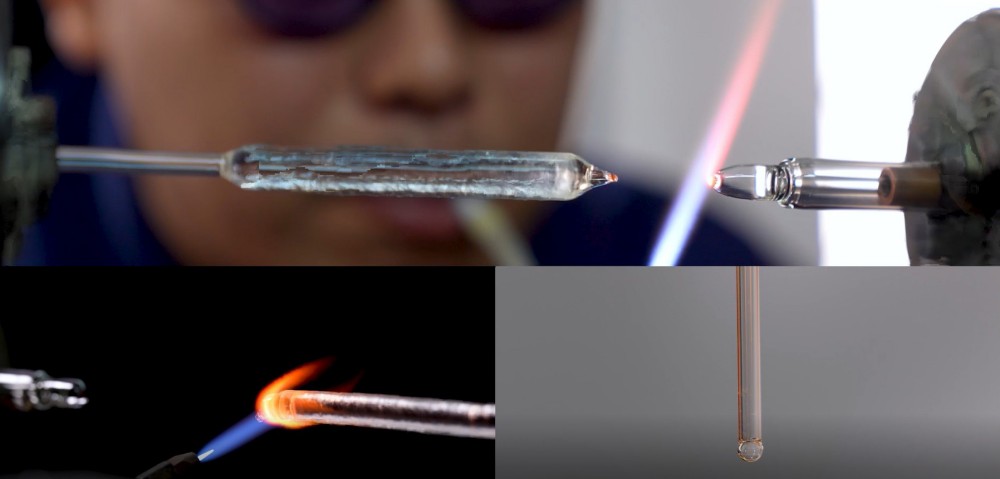
Kangqiao Plant: Glass Electrode Blowing & Formulation
Calibration & Metrology Validation Bay
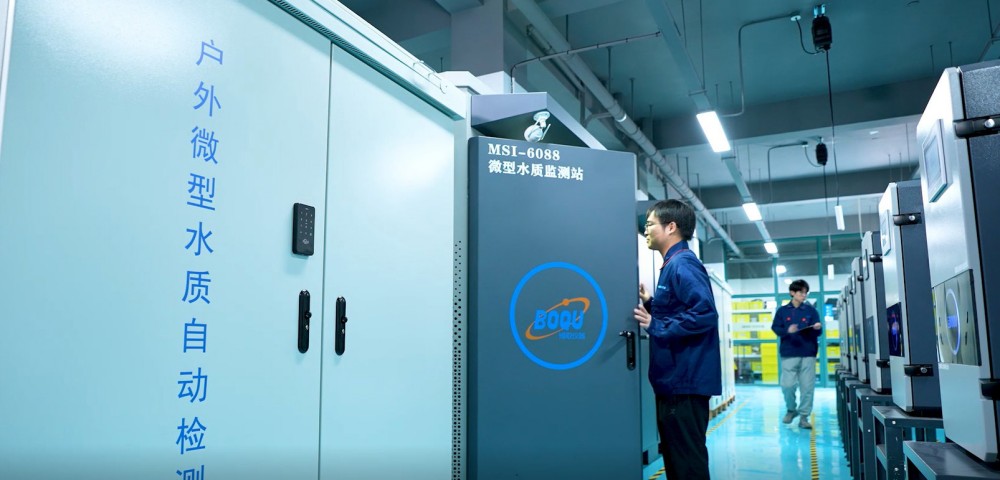
Industrial Cabinet Systems Engineering Skid Area
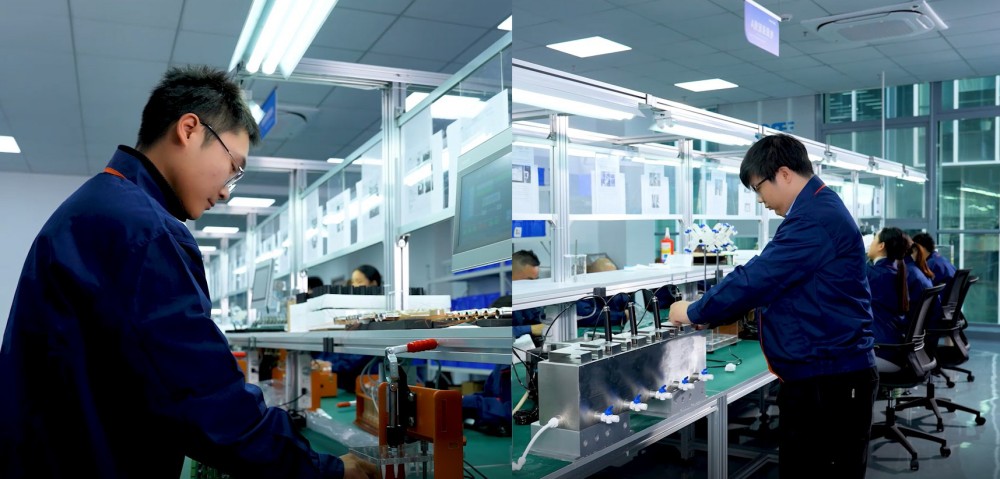
SMT PCB Mounting & Firmware Flashing Cleanroom
Procurement Knowledge Base
Frequently Asked Questions: Technical Sourcing & Compliance
Key information regarding international logistics, protocol integration, analytical validation, and OEM engineering.
Is BOQU a direct manufacturer or a trading reseller?
BOQU is an authentic primary manufacturer founded in Shanghai in 2007. We operate two fully owned, modern manufacturing plants (Kangqiao and Lingang) covering over 4,632 square meters. Research and development, electrode glass-blowing, PCB circuit design, fluidic manifold milling, final analyzer assembly, and high-precision calibration are carried out internally by over 200 dedicated staff, maintaining an annual production rate exceeding 100,000 units.
How does the Total Phosphorus analyzer handle particulate phosphorus without clogging?
BOQU automated wet-chemistry analyzers incorporate a dual-stage sampling conditioning skid. First, an automated back-flushing vortex bypass filter eliminates coarse fibrous debris while retaining representative suspended solids. Second, wide-bore PFA peristaltic sampling tubes feed straight into the high-temperature digestion module, preventing micro-particulate settle-out or crystallization from clogging internal lines.
Which international communication protocols and data outputs are supported?
All BOQU analyzers provide dual isolated 4–20 mA analog outputs, multiple programmable SPDT dry relay alarms (high/low limits, purge, faults), and digital RS485 interfaces utilizing standardized Modbus-RTU. Smart IoT digital sensors transmit direct RS485 Modbus, allowing field engineers to interface directly with site PLCs (Siemens, ABB, Rockwell), plant SCADA, DCS architectures, or wireless 4G/LoRa cloud telemetry modules without auxiliary controllers.
Can BOQU sensors operate continuously in steam-sterilization fermentation bioreactors?
Yes. Shanghai BOQU built China's first dedicated high-temperature water quality sensor testing and calibration laboratory. Sensor references like the pH5806 and DOG-208FA are built with proprietary glass chemistry and pressurized polymerized electrolyte gels. They endure repeated SIP/CIP steam sterilization cycles at up to 130°C and 0.6 MPa without diaphragm destruction, asymmetric potential drift, or electrolyte outflow.
What certifications, audits, and statutory quality standards do BOQU instruments meet?
BOQU operates under audited ISO 9001:2015 Quality Management and ISO 14001:2015 Environmental Systems. All electronic instruments carry complete European CE conformity marks, RoHS environmental verification, and third-party inspection certifications via SGS and FDA registrations. Furthermore, our pH5806 high-temperature industrial sensor holds the prestigious Shanghai Brand certification for high-end engineering leadership.
Do you offer OEM, ODM, and customized branding for overseas distributors?
Yes. A significant portion of our export volume supplies global instrumentation distributors, environmental engineering contractors, and private-label OEMs. We offer private-label screen printing, customized enclosure colors, customized GUI software, proprietary Modbus register mapping, altered measuring ranges, and tailored connector wiring (such as VP6, S8, or customized quick-disconnects) supported by our in-house engineering team.
Full Solution Lineup
Integrated Online Water Quality Instrumentation Series
Select your required parameter below to review detailed dimensional drawings, chemical specifications, and factory-direct pricing.
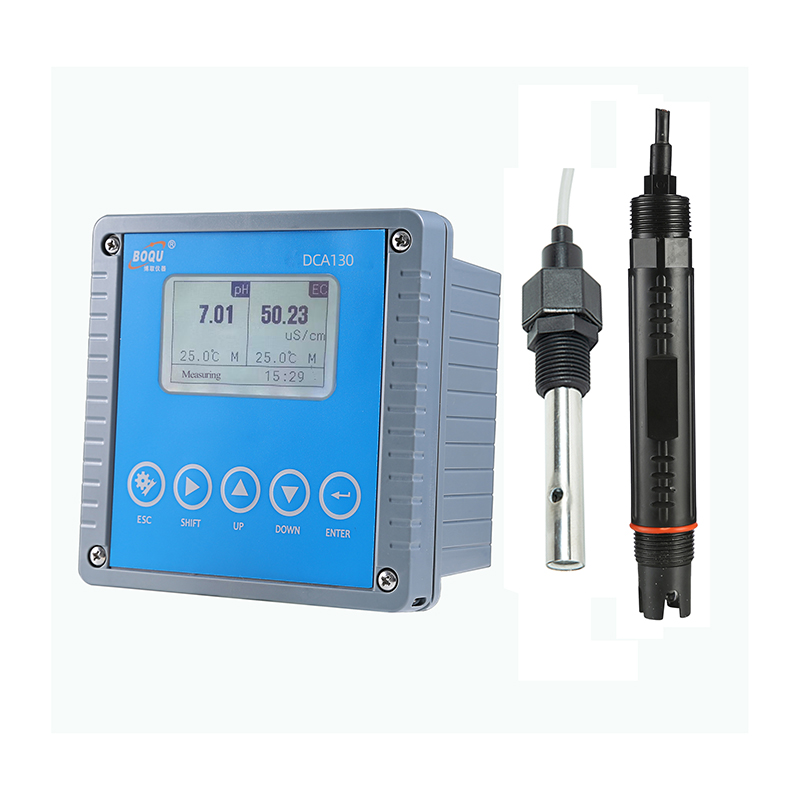
DCA130 Online pH & Conductivity Dual Channel Analyzer
View Product Specs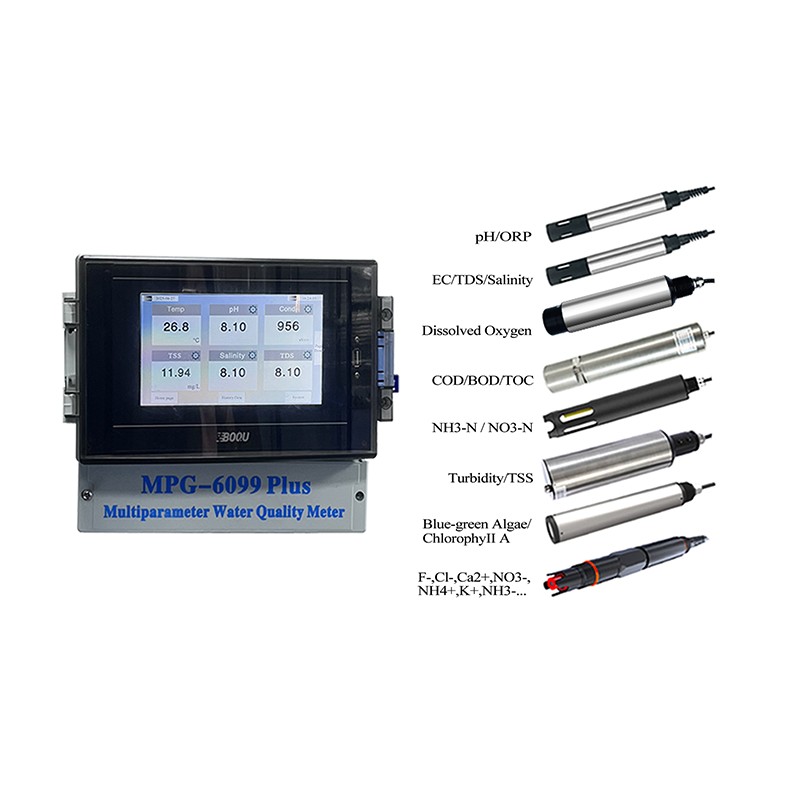
MPG-6099Plus Multi-Parameter Drinking Water Quality Wall Panel
View Product Specs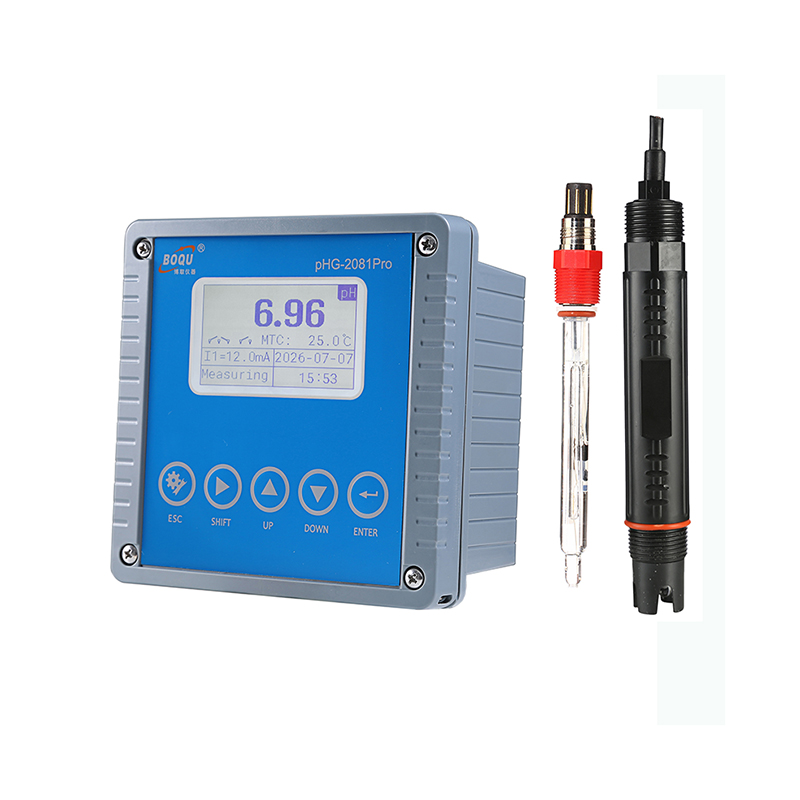
pHG-2081Pro Industrial Digital pH/ORP Controller & Transmitter
View Product Specs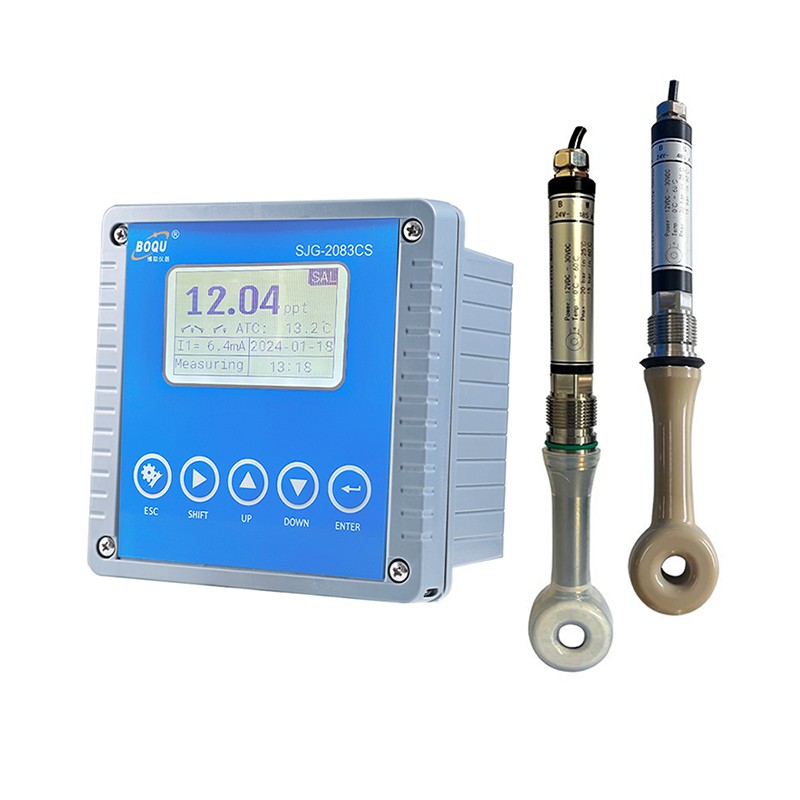
SJG-2083CS Online Toroidal Acid & Caustic Concentration Meter
View Product Specs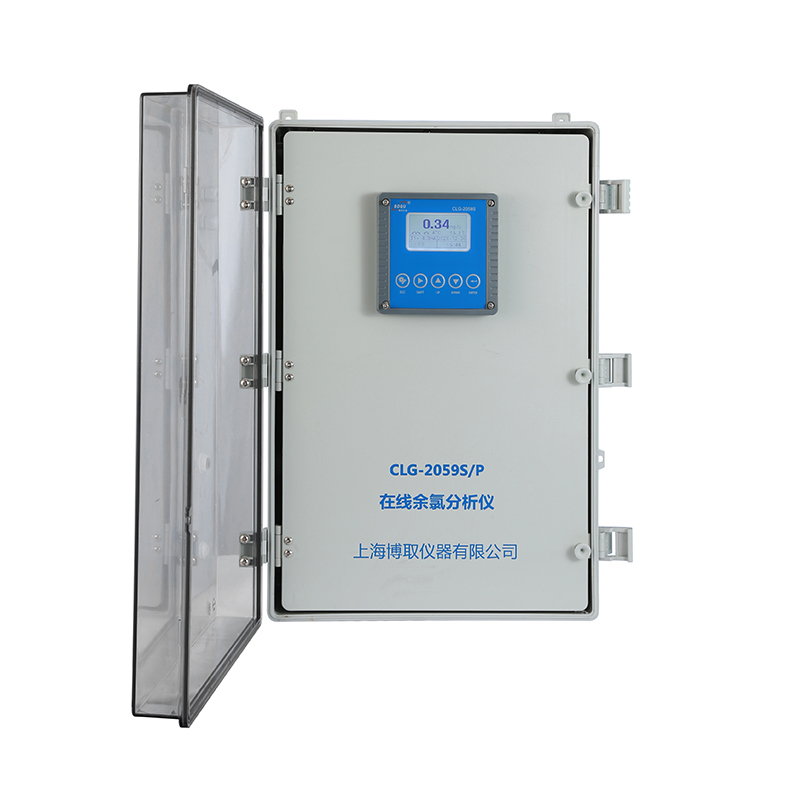
Constant-Voltage Online Residual Free Chlorine Disinfection Analyzer
View Product Specs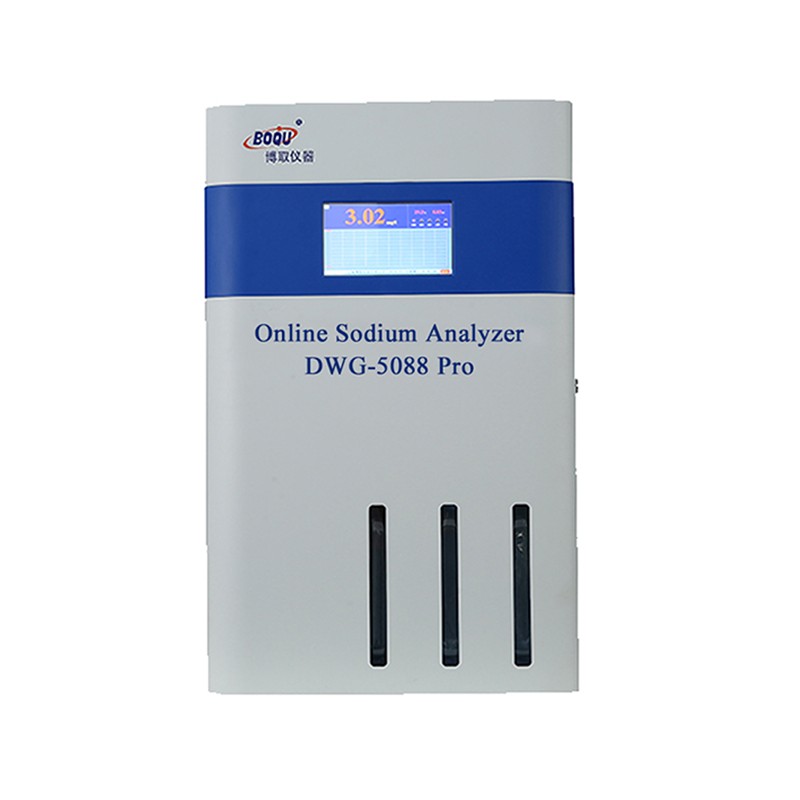
Trace Silica / Phosphate / Sodium / Hydrazine SWAS Station
View Product Specs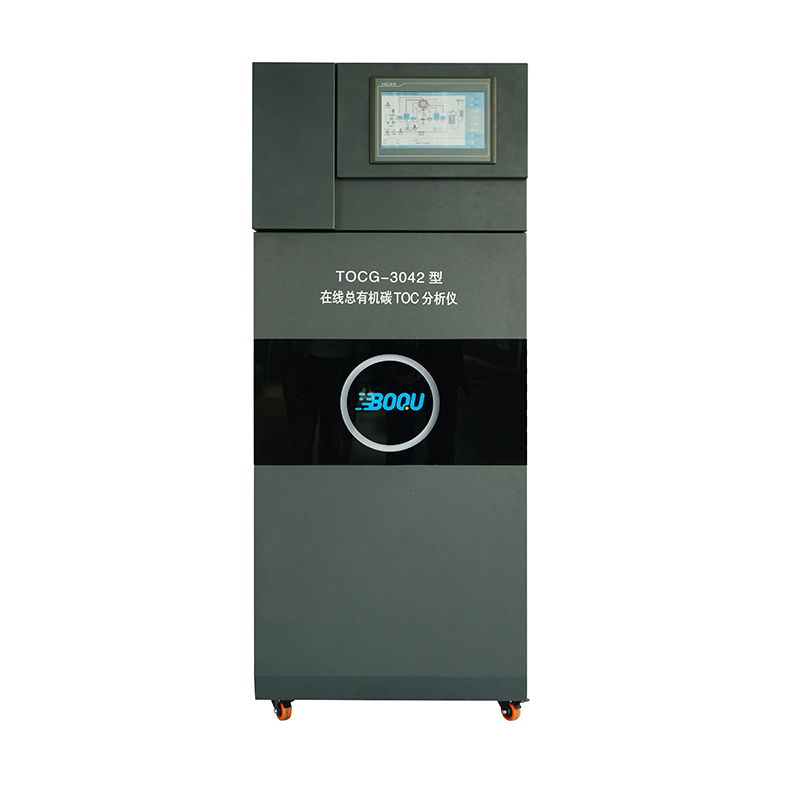
TOC-3042 Industrial & Purified Water Total Organic Carbon Analyzer
View Product Specs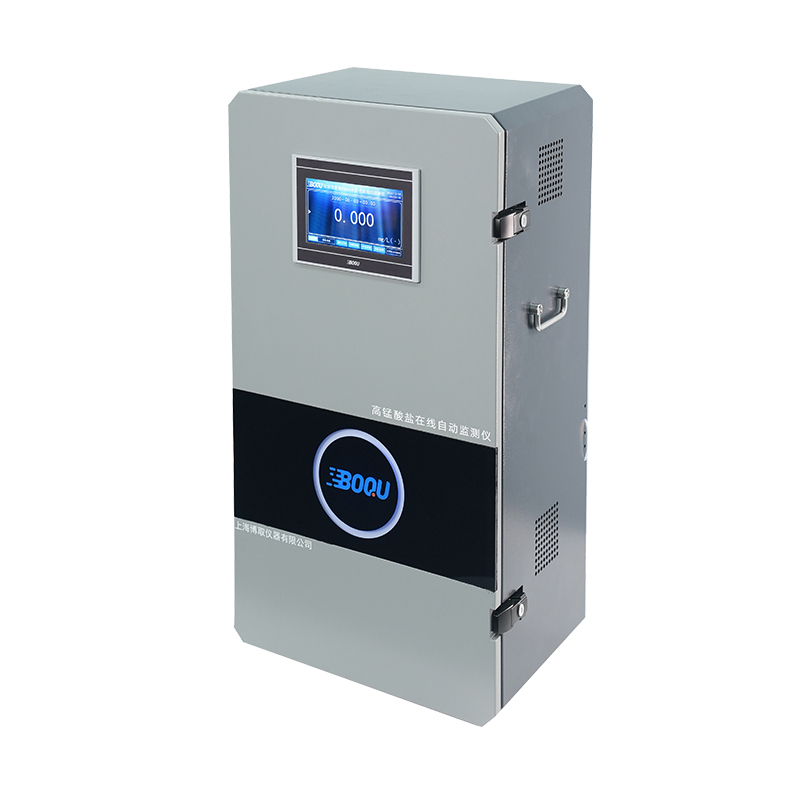
Online COD / TP / TN / NH3-N Multi-Nutrient Discharge Station
View Product SpecsDirect Factory Technical Support & System Configuration
Consult with our Shanghai application engineering team. We assist system integrators, EPC firms, and distributors in specifying exact digestion profiles, manifold configurations, and digital protocols for immediate commissioning.