
Online Nitrogen, Nutrient & Analytical Sensor Suite
Continuous analytical instruments designed for harsh industrial effluent and high-temperature bioprocess validation. Calibrated in Shanghai facilities with factory-direct traceability.
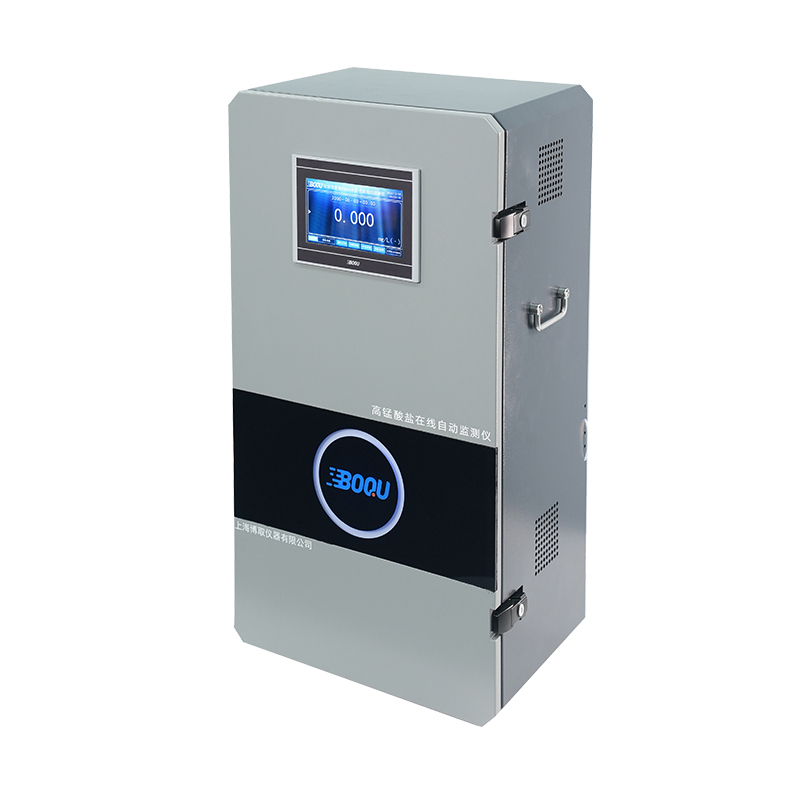




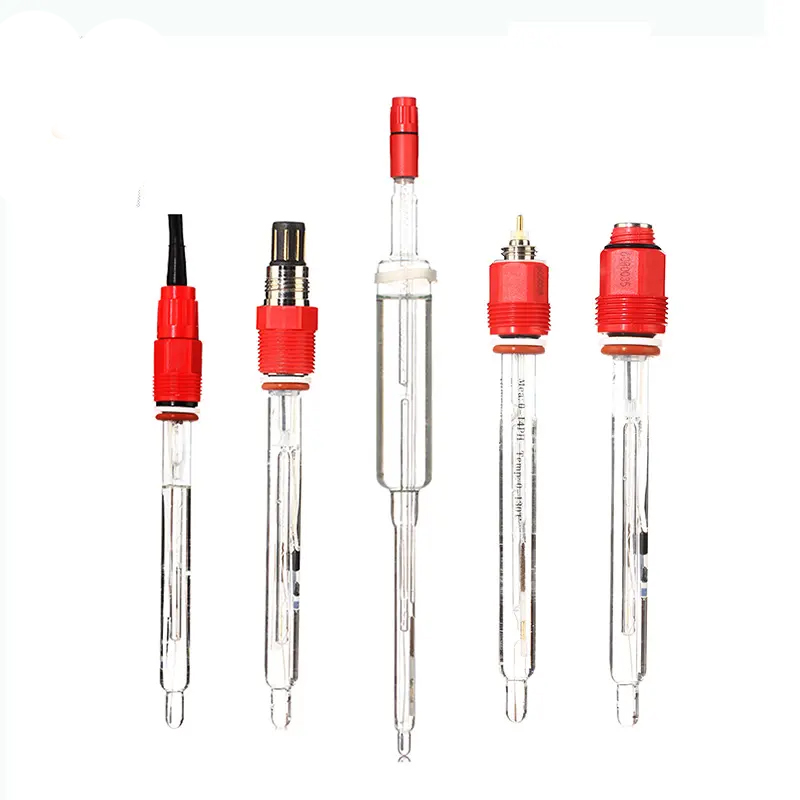
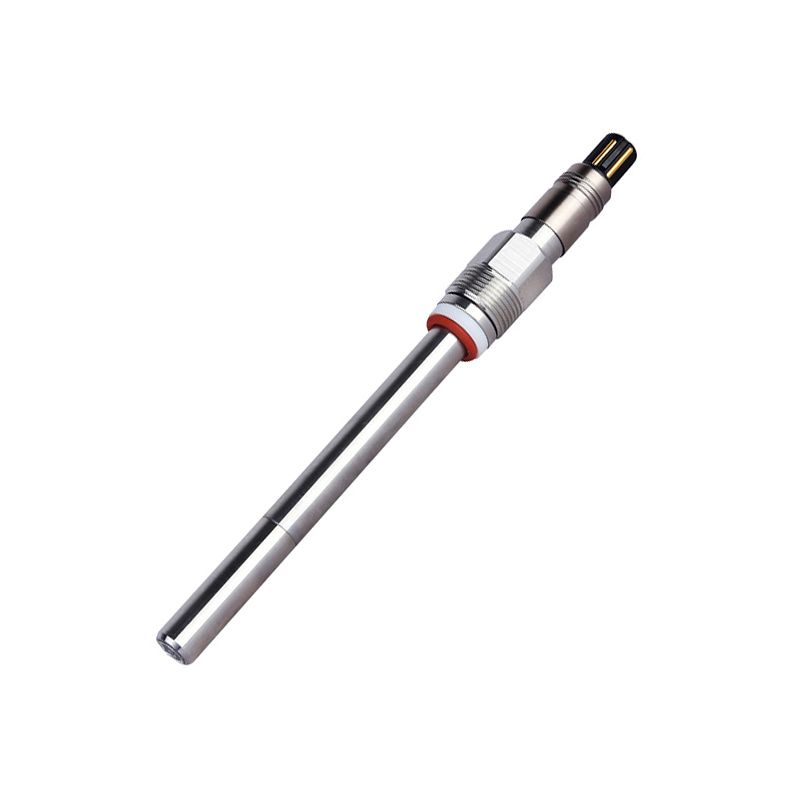
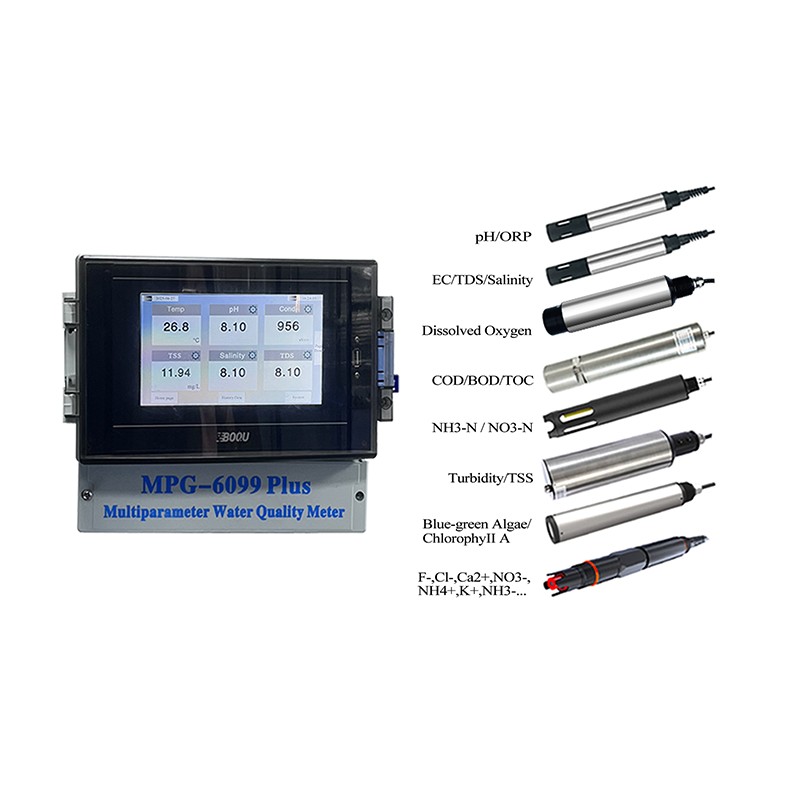
Total Nitrogen Analytical Chemistry: Mechanistic Principles & Factory Breakthroughs
Navigating the biochemical complexities of refractory nitrogen conversion in high-salinity and complex industrial wastewaters.
Total Nitrogen (TN) is one of the most chemically diverse aggregate parameters in environmental analytics, encompassing free ammonia ($NH_3$), ammonium ions ($NH_4^+$), nitrites ($NO_2^-$), nitrates ($NO_3^-$), and complex organically bound nitrogen (proteins, amino acids, heterocyclic aromatic compounds, and synthetic polymers). As a direct manufacturer operating specialized optical and electrochemical laboratories in Shanghai, BOQU Instrument has addressed the fundamental bottleneck of online continuous TN analysis: the rapid, complete, and reproducible conversion of refractory organic nitrogen matrices into detectable nitrate species.
Traditional wet-chemical laboratory analysis relies on alkaline potassium persulfate digestion under high-pressure autoclave conditions ($120^\circ C - 124^\circ C$ for 30 minutes) followed by ultraviolet spectrophotometry at dual wavelengths (220 nm and 275 nm to compensate for dissolved organic carbon interference). Scaling this standard methodology into a continuous online monitoring device has historically introduced field reliability vulnerabilities, such as reagent crystallization in narrow bore tubing, syringe pump seals degradation under alkaline stress, and unstable thermal digestor cycling.
Strategic Manufacturing Advantages of Chinese Analytical Factories
How end-to-end component vertically integrated manufacturing delivers unprecedented operational reliability and cost competitiveness.
In modern industrial process analytics, procuring online instrumentation from third-party assemblers or localized value-added resellers often introduces technical disconnects during hardware failure modes. Shanghai BOQU Instrument operates dedicated R&D, sensor sintering, precision optical assembly, and environmental stress screening under a single unified governance system. This factory-direct supply framework offers structural benefits to EPC contractors, system integrators, and plant engineers:
Comparison of Total Nitrogen Analytical Methodologies
Selecting the appropriate online monitoring architecture based on matrix salinity, response velocity, and regulatory constraints.
| Analytical Method | Operating Principle | Key Strengths | Limitations & Interferences | Optimal Plant Deployment |
|---|---|---|---|---|
| Alkaline Persulfate UV Spectrophotometry | Thermal/autoclave digestion at 120–125°C converting all N to $NO_3^-$, followed by UV 220/275 nm photometric scanning. | Direct equivalence to EPA 353.2 & ISO 11905-1; legally binding compliance accuracy. | Consumes chemical reagents; requires 20-30 min per measurement cycle. | Final regulatory discharge outfalls, municipal WWTP compliance reporting. |
| Direct UV-Vis Multi-Spectral Absorption | Direct reagent-free scanning across 200–750 nm with chemometric deconvolution algorithms. | Real-time continuous measurement (seconds); zero chemical consumables or liquid waste. | Measures nitrate/nitrite directly; requires mathematical proxy calibration for organic N. | Aeration tank biological nitrification/denitrification control, river basin intake protection. |
| High-Temperature Catalytic Combustion (TNb) | Thermal oxidation at 680–850°C converting N to nitric oxide ($NO$), quantified via chemiluminescence or NDIR. | Complete conversion of extreme refractory organics; unaffected by high turbidity or chloride. | Higher capital expenditure and power consumption; requires high-purity carrier gas. | Petrochemical wastewater, coal-to-chemical synthesis, complex industrial parks. |
Localized Application Engineering: Real-World Use Cases
Engineered instrumentation packages configured for exact operational matrices and environmental constraints.
Global Procurement Checklist: Key Specifications for EPCs
Critical considerations when engineering and sizing online water analysis packages for international cross-border deployment.
Frequently Asked Questions by Industrial Water Engineers
Clarifying digestion kinetics, calibration intervals, and integration requirements.
Featured Water Quality Sensor Lines
Engineered for complete closed-loop feedback in municipal, biological, and chemical process control.



