
Direct Factory Catalog
Online Analyzers & Precision Sensors
Verified metrological consistency for industrial continuous monitoring, featuring automated temperature compensation, IP68 protection, and direct digital interfaces.
Strategic Procurement Analysis
Global Industrial Procurement Dynamics for TDS & PPM Meters
The transition from manual sampling to non-stop inline analytics represents a structural shift across worldwide water-intensive industries.
Process Drift & Temperature Dynamics
Total Dissolved Solids quantification is non-linear and intrinsically tethered to thermal drift. Global EPCs and procurement teams prioritize automatic temperature compensation (ATC) algorithms with selectable conversion factors (0.4 to 1.0) rather than generic baseline metrics, preventing expensive membrane fouling in reverse osmosis systems.
- Dynamic NTC 10K / Pt1000 compensation
- User-defined TDS conversion coefficients
Downtime Minimization via Digital Bus
Legacy analog 4-20mA signals are vulnerable to electromagnetic interference in plants running multi-megawatt variable-frequency pump drives. Factory buyers demand direct RS485 Modbus RTU or industrial Ethernet embedded into the sensor head, eliminating field transmitter failure points and lowering initial CapEx.
- Direct PLC/SCADA digital telemetry
- Galvanic optical isolation against ground loops
Electrode Metallurgy & Chemical Inertness
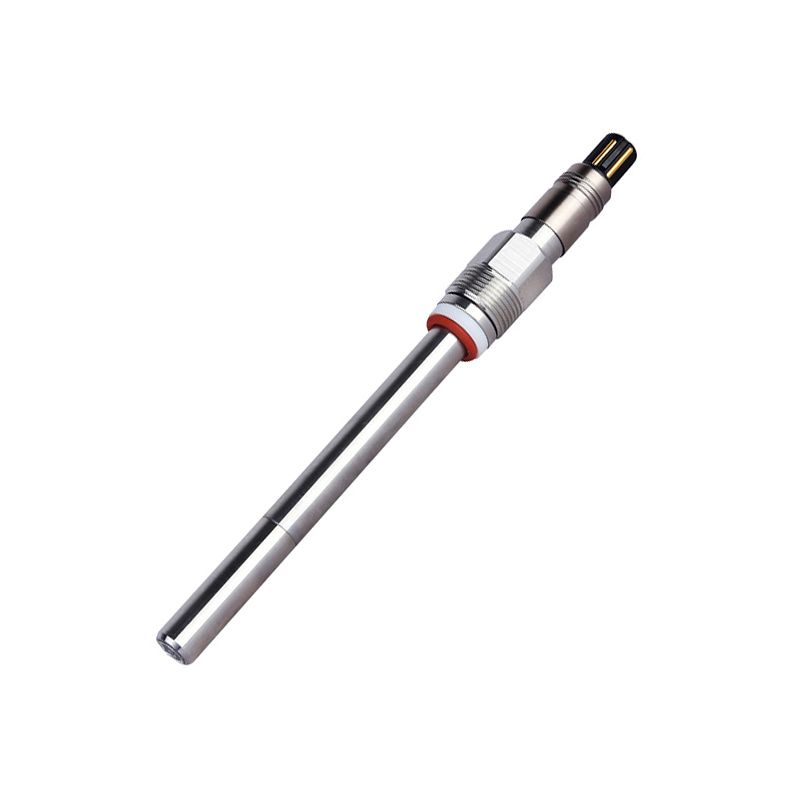
TDS measurement across harsh wastewater or desalination brine rapidly corrodes cheap electrodes. Industrial plants demand customized wetted cell constants (k=0.01, 0.1, 1.0, 10.0) engineered from 316L stainless steel, titanium alloy, or non-contact toroidal inductive elements to ensure extended operational lifecycles.
- Anti-polarization platinum black coatings
- Corrosion-immune PEEK and PTFE wetted bodies
Application Engineering Reference
TDS & PPM Water Analysis Engineering Matrix
Review the exact sensor geometry, cell constants, and signal architectures required for diverse process waters before generating your engineering tender.
| Water Matrix / Process Type | Typical TDS / Conductivity Range | Recommended Cell Constant (K) | Recommended BOQU Hardware Series | Critical Engineering Factor |
|---|---|---|---|---|
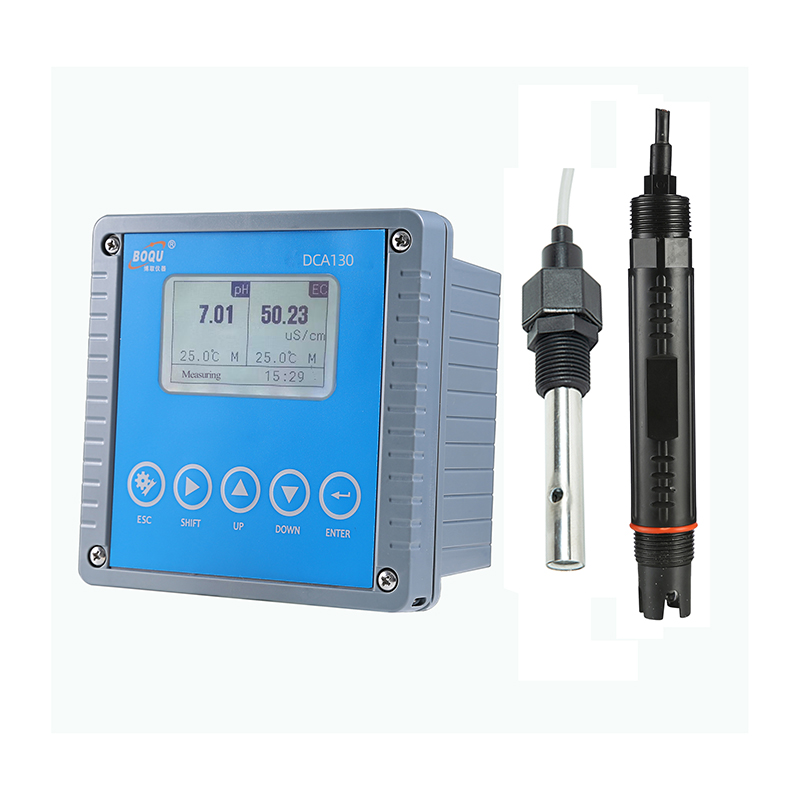
| Semiconductor Ultrapure & SWAS Steam | 0.01 - 20 ppm (0.055 - 50 µS/cm) | K = 0.01 or 0.1 (Titanium 316L) | DCA130 Series / Trace Conductivity Cells | Atmospheric CO2 ingress isolation & flow-cell design |
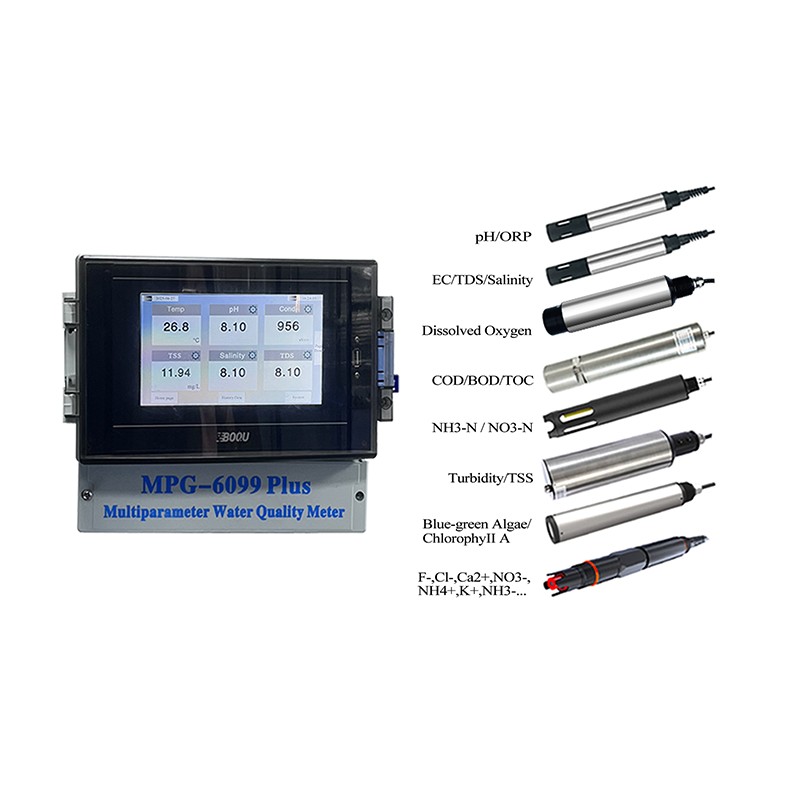
| Industrial RO Permeate & Potable Water | 10 - 1,000 ppm (20 - 2,000 µS/cm) | K = 1.0 (Platinum / Stainless) | MPG-6099Plus / DCA130 Dual Channel | Automated temperature compensation slope calibration |
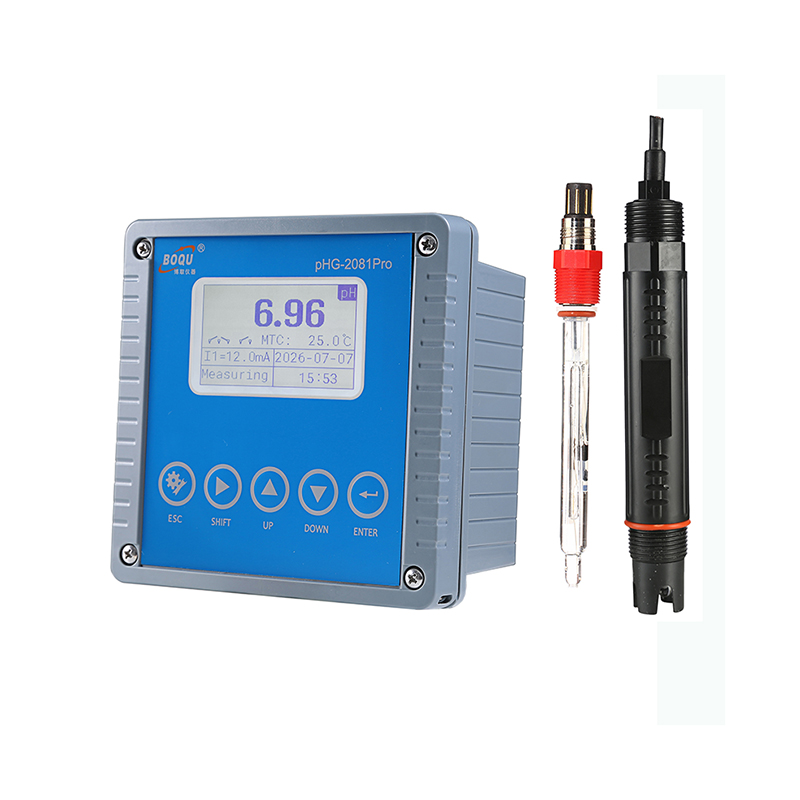
| Industrial Cooling Towers & Boiler Blowdown | 500 - 10,000 ppm (1,000 - 20,000 µS/cm) | K = 1.0 or 10.0 (High Temp Glass/SS) | pHG-2081Pro & High-Temp Conductivity Cells | Scaling resistance & thermal shock resilience up to 130°C |
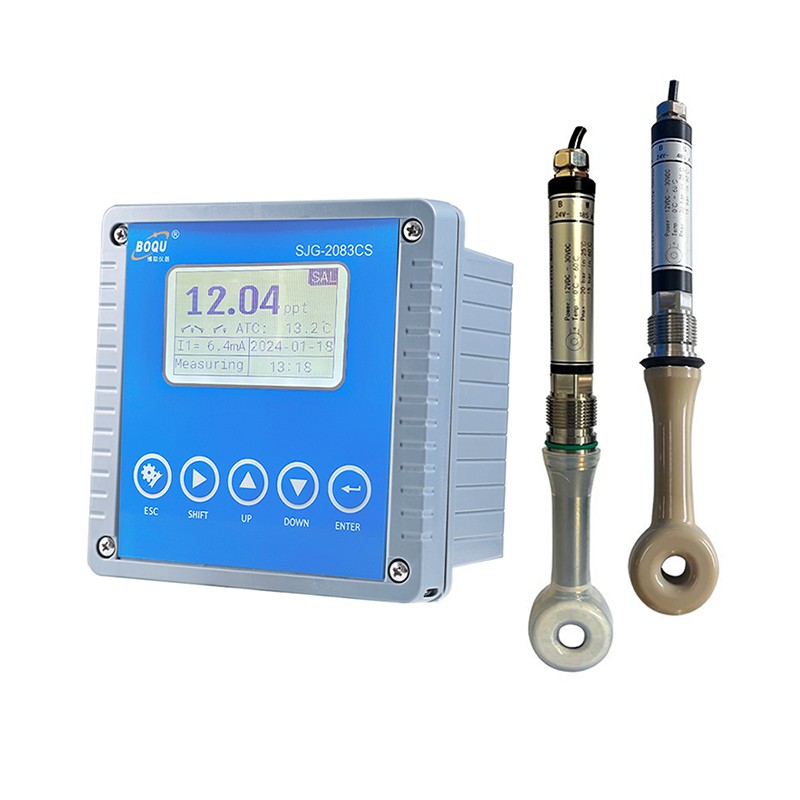
| Desalination Brine & Chemical Dosing (CIP) | 5,000 - 200,000+ ppm (>20,000 µS/cm) | Toroidal / Electrodeless Inductive | SJG-2083CS Acid/Alkali Concentration Meter | Zero-contact electrodeless sensor immune to polarization |
| Controlled Environment Agriculture (CEA) | 200 - 2,500 ppm (400 - 5,000 µS/cm) | K = 1.0 (Industrial Polymer) | DCA130 Dual pH/EC Controller + IOT-485 | Continuous multi-dosing relays & micro-nutrient stability |
Macro Sector Solutions
Enterprise Water Quality Deployments Across Industries
Comprehensive turnkey instrumentation designed to meet regional environmental mandates and continuous production parameters.
Municipal & Industrial Wastewater
Continuous discharge verification. Monitoring effluent TDS, COD, ammonia, and turbidity prevents regulatory fines and assures compliance with regional discharge standards (e.g., EU IED or Vietnam QCVN 40 Class A).
Thermal & Waste-to-Energy Power SWAS
Trace cation conductivity and silica analytics protect multi-million-dollar high-pressure steam turbines from scale crystallization and corrosion-induced pitting outages.
Biopharma & Sterile Fermentation
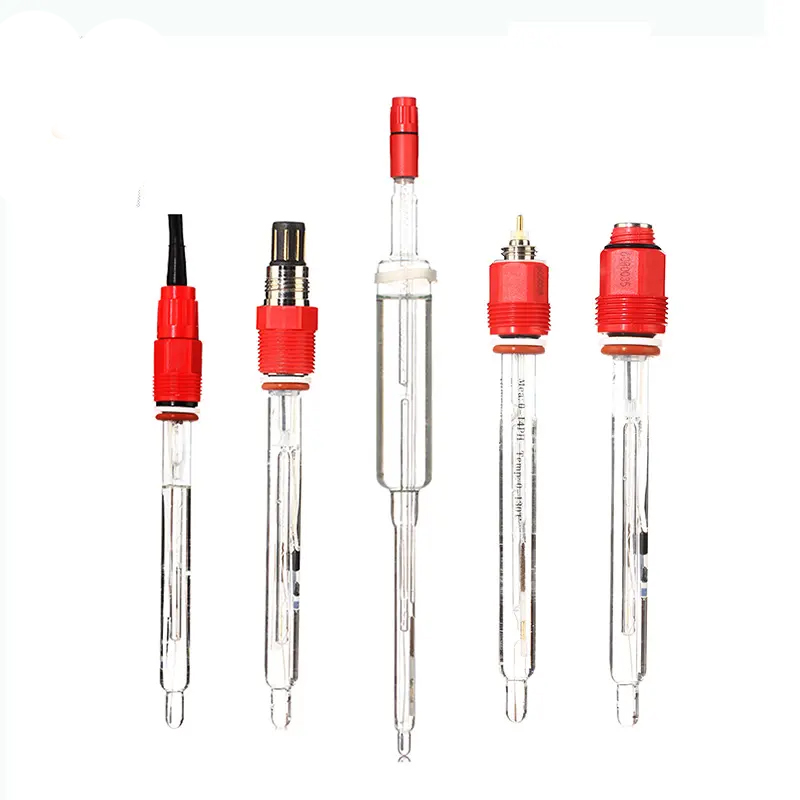
Equipped with China's dedicated high-temperature sensor laboratory, BOQU offers pH and DO sensors tested to withstand hundreds of continuous 130°C SIP/CIP steam cycles without signal deterioration.
Drinking Water & Secondary Networks
Multiparameter panels like the MPG-6099Plus integrate free chlorine, pH, and TDS analysis to guarantee residual microbiological safety from the filtration outlet down to municipal distribution terminals.
Next-Gen R&D Architecture
Technological Roadmap: The Evolution of Intelligent Water Analysis
Advancing from reactive measurement toward autonomous edge analytics and self-healing telemetry.
Phase 01 // Embedded Computing
On-Sensor Edge Microprocessors
Embedding 32-bit Cortex processors into the sensor housing. Electrodes calculate calibration tables, run automatic temperature compensation, and perform self-diagnostic checks locally prior to transmission.
Phase 02 // Self-Correcting Analytics
Predictive Fouling AI Models
Continuous impedance and phase tracking detect biofilm accumulation, coating buildup, or membrane degradation, notifying technicians days before an uncalibrated measurement affects process lines.
Phase 03 // Wireless Telemetry
Low-Power NB-IoT & LoRaWAN
Integration of low-power industrial wireless radios directly into outdoor immersion sensors, allowing direct municipal pipe telemetry without external field wiring or intermediate transmitters.
Phase 04 // Optical Solid State
Reagentless Optical Analysis
Multi-spectral UV-Vis absorption methodologies replacing chemical reagents in COD, nitrogen, and heavy metal tracking, cutting total cost of ownership by up to 70% over 5 years.
Factory Traceability & Standards
Verified Quality Systems & Global Compliance Infrastructure
Direct manufacturing control across two state-of-the-art facilities in Kangqiao and Lingang, Shanghai.
ISO 9001 & ISO 14001 Quality System
Every single instrument undergoes a mandatory 48-hour burn-in aging cycle and multi-point factory buffer calibration before packaging, maintaining a field defect rate of under 0.12% across 100+ countries.
CE, SGS & FDA Registration
Sensors adhere to international electromagnetic compatibility (EMC) regulations, low-voltage directives, and sanitary material compliance, enabling seamless integration into European and North American projects.
Turnkey OEM / ODM Capability
Providing white-label hardware, custom firmware, bespoke RS485 register mapping, and personalized structural CNC housing designs for major water treatment OEMs and engineering systems integrators worldwide.
Field-Proven Instrumentation
Specialized Industrial Water Monitoring Lineup
Engineered for high temperature, aggressive chemicals, trace pure water, and continuous regulatory reporting.
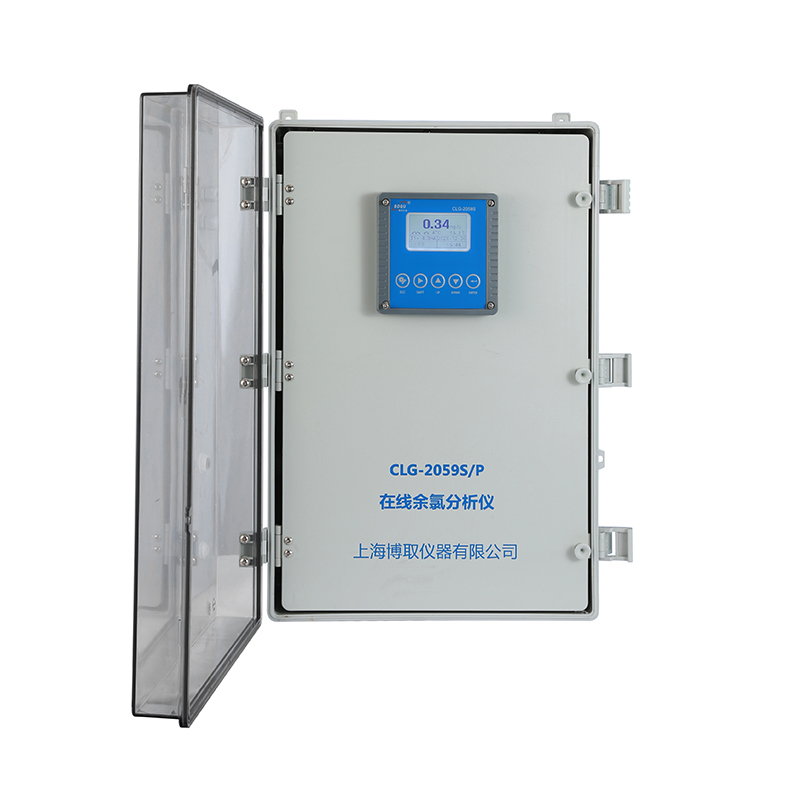
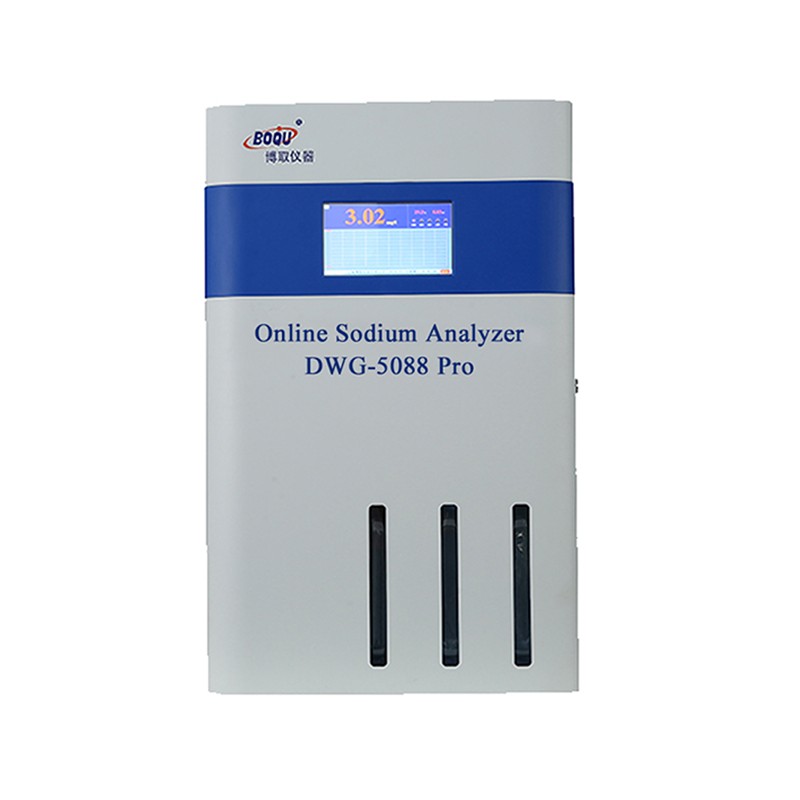
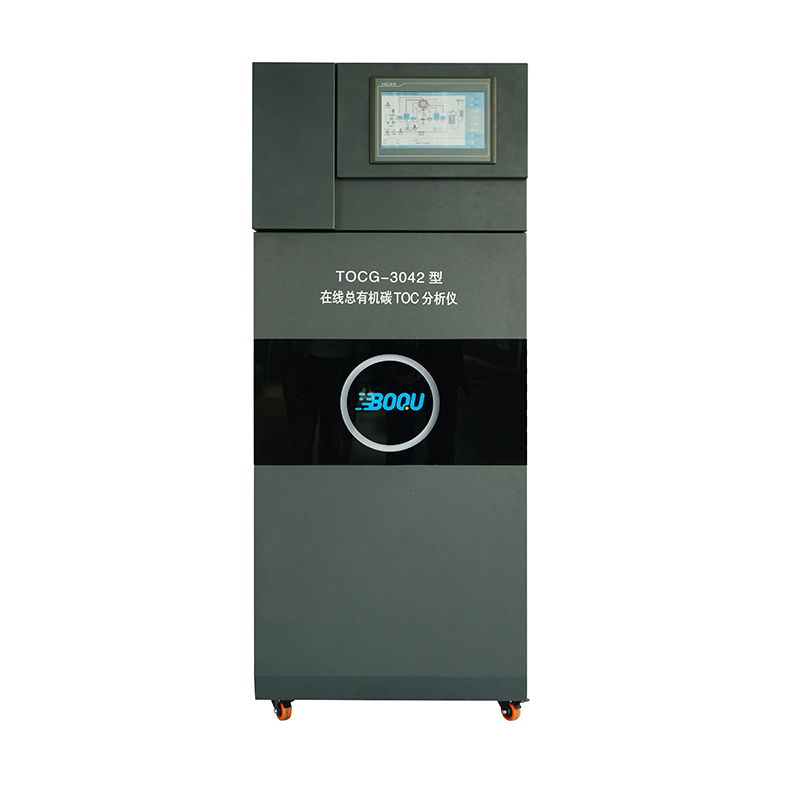
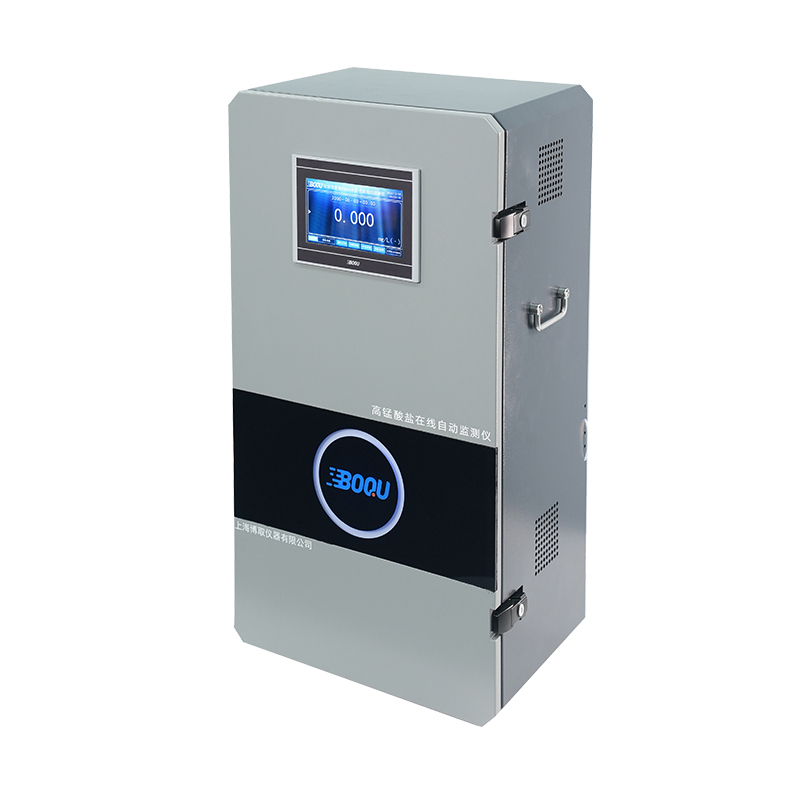
Discharge Guard
Online COD, TP, TN, NH₃-N & Heavy Metal Wet Chemistry Station
Explore Specifications →



Procurement & Technical Support
Frequently Asked Questions by Industrial Engineers
Detailed technical responses addressing communication, calibration, maintenance, and process compatibility.
How does electrical conductivity (EC) convert mathematically into TDS (PPM)?
TDS cannot be measured directly by electrical charge; it is derived via the formula TDS (ppm or mg/L) = Conductivity (µS/cm) × Conversion Factor. The factor fluctuates between 0.45 and 0.70 based on ionic composition (e.g., NaCl uses ~0.50, whereas agricultural 442 nutrient solution utilizes ~0.70). BOQU controllers permit customizable slope curves rather than locked coefficients.
What is the operational distinction between contact and toroidal inductive EC sensors?
Contacting 2-electrode or 4-electrode cells measure resistance directly through wetted metal surfaces, making them exceptionally precise for low-conductivity pure water (<200 µS/cm). Inductive toroidal sensors utilize non-contact magnetic coils insulated in PEEK, rendering them immune to electrochemical fouling, severe scaling, or coating in heavy slurries and acid streams.
How does BOQU resolve the high-temperature degradation of glass pH/ORP electrodes?
Standard glass electrodes suffer from accelerated lithium leaching and reference electrolyte loss at temperatures above 80°C. BOQU's patented pH5806 sensors utilize pressurized gel electrolytes, solid polymer junctions, and proprietary high-temperature glass formulations rated up to 130°C, verified through repeated steam-in-place cycles.
Can your digital smart sensors connect directly to an existing plant DCS or PLC?
Yes. BOQU IoT smart sensors feature integrated microprocessors providing RS485 Modbus RTU telemetry directly from the sensor body. They connect straightforwardly into any SCADA, DCS, or remote telemetry unit (RTU) without necessitating intermediate secondary transmitters, saving panel footprint and wiring overhead.
-
Wholesale High Temperature (0-130℃) pH Sensor Supplier, Factories
-
China High-temperature pH Sensor Used Pharmaceutical Fermentation Wholesaler, Supplier
-
Wholesale High-temperature S8 Connector pH Sensor Manufacturers, Factory
-
China High Temperature (0-130℃) pH Sensor With Temperature Wholesaler, Suppliers