
Primary Water Quality & TSS Optical Metrology Systems
Engineered in our dual Shanghai manufacturing bases with in-house CNC optical fabrication, 48-hour burn-in stress testing, and factory traceable optical calibration standards.
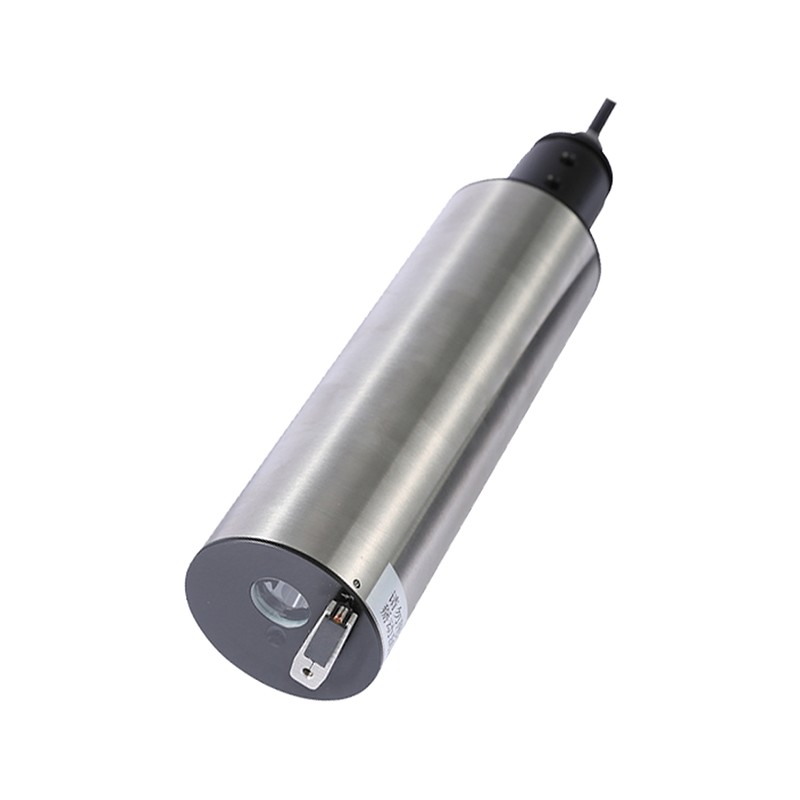
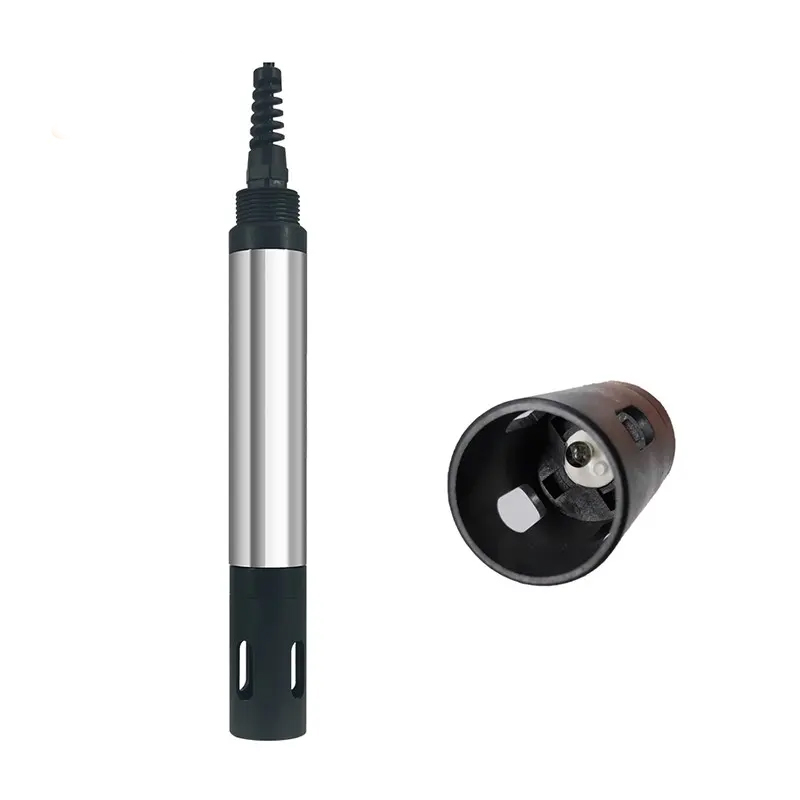
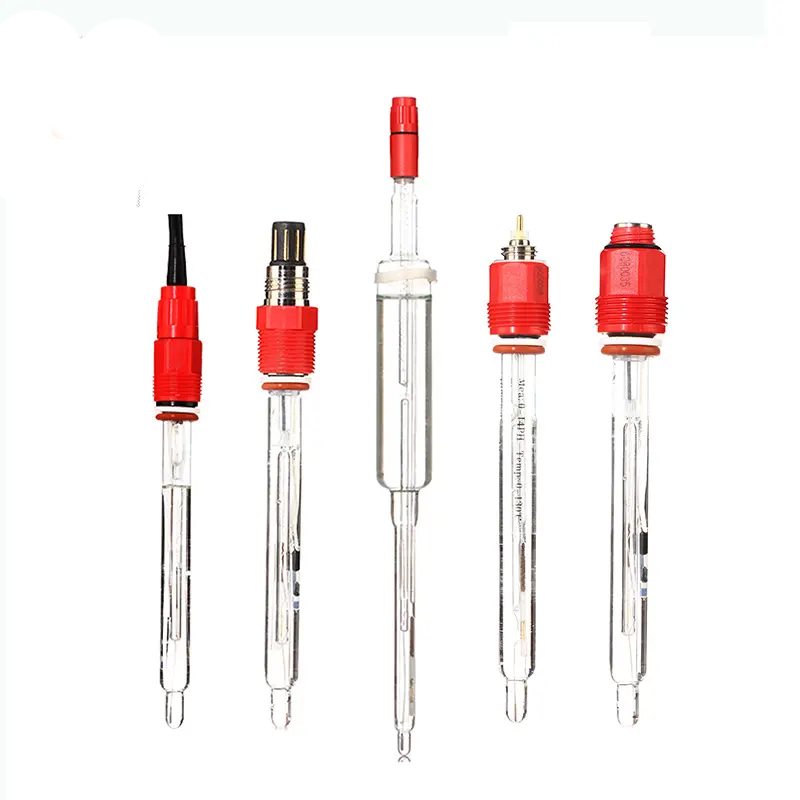
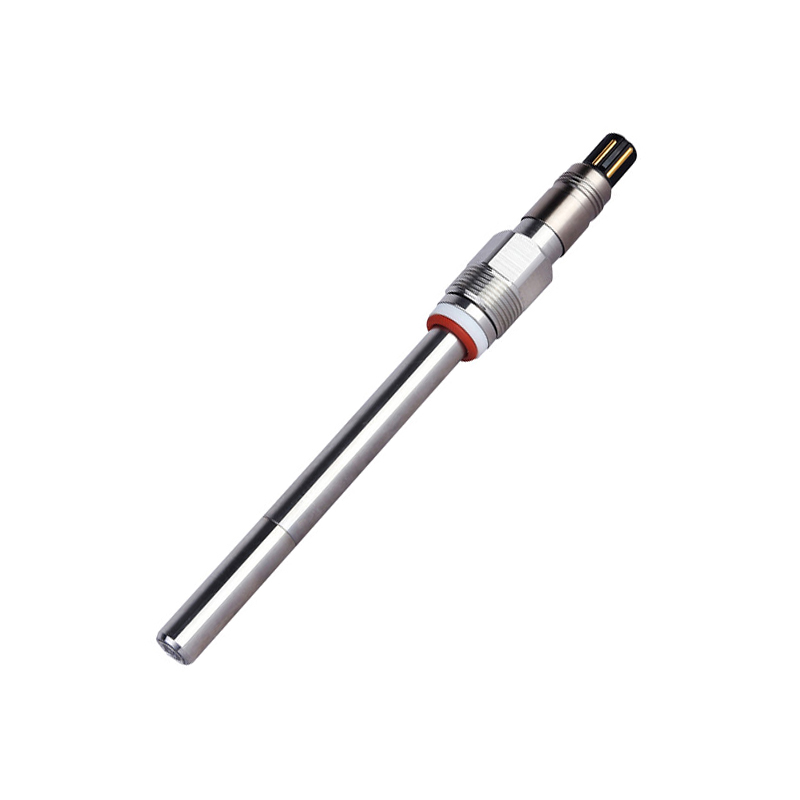




The Global Need for Continuous Suspended Solids (TSS) Monitoring
From modern municipal wastewater treatment plants (WWTP) to metallurgical processing, automated TSS metrology replaces costly manual gravimetric assays with millisecond feedback loops.
Stringent Effluent Directives
The revised EU Urban Waste Water Treatment Directive, US Clean Water Act NPDES permits, and China's GB 18918 Class 1A standards enforce strict TSS boundaries (frequently < 10 mg/L) requiring real-time outfall alarms.
Energy Optimization in Aeration
Aeration blowers consume 45% to 75% of a wastewater facility's electric grid budget. Real-time Mixed Liquor Suspended Solids (MLSS) data allows precise Sludge Retention Time (SRT) and aeration valve tuning.
Mining, Tailings & Quarry Slurries
Mineral recovery and sand wash operations process dense slurries exceeding 50,000 mg/L. Inline suspended solids instruments govern thickener underflow pumps and prevent catastrophic tailings dam decant breakthroughs.
Localized Heavy-Duty Application Scenarios for Suspended Solids Meters
Suspended particulate behavior differs fundamentally across fluid matrixes. Shanghai BOQU configures specialized optical paths, wiper heads, and mounting flanges to match diverse plant hydraulics.
Aeration Basin & Return Activated Sludge (RAS)
In municipal secondary biological reactors, our immersion optical sensors monitor MLSS from 2,000 to 12,000 mg/L. Continuous feedback regulates return sludge pumps and waste activated sludge (WAS) flow rates to maintain consistent biomass viability.
Industrial Clarifier Blanket & Coagulation Dosing
Textile, chemical, and paper mills experience rapid fluctuations in suspended loads. Automated TSS tracking upstream of primary clarifiers enables pacing of polyaluminum chloride (PAC) and polyacrylamide (PAM) polymer dosing.
Recirculating Aquaculture Systems (RAS)
Intensive salmon and shrimp nurseries demand near-zero particulate solids to protect gill morphology and nitrification biofilter channels. BOQU digital TSS probes detect micro-solids accumulation down to 0.1 mg/L.
Dredging Operations & Surface Runoff Hydrology
Harbor fairway deepening and highway bridge abutment piling disturb silt sediments. Solar-powered, Modbus-equipped BOQU TSS logging buoys ensure silt plumes stay within permitted turbidity limits in coastal waters.
Flue-Gas Desulfurization (FGD) Gypsum Slurry
Thermal power station wet limestone scrubbers cycle heavy calcium sulfate slurries. Ruggedized BOQU solids analyzers with sapphire lenses resist gypsum abrasion and scaling in harsh chemical scrubbers.
Online Metrology Architectures: Principles, Ranges & Optics
Compare analytical methods for Total Suspended Solids (TSS) and Mixed Liquor Suspended Solids (MLSS) to guide procurement for your instrumentation engineering team.
| Metrology Principle | Typical Calibration Range | Optical Wavelength / Window | Primary Industrial Sector | Cleaning Mechanism | Signal / Telemetry Standard |
|---|---|---|---|---|---|
| ISO 7027 90° Near-Infrared Scattering | 0.01 – 1,000 NTU / mg/L | 860 nm LED, Optical Quartz | Potable Water Treatment, Polished Effluent, RAS | Submersible Hydro-wiper (Fluorosilicone blade) | RS485 Modbus RTU, 4-20mA HART, BLE |
| Dual-Beam 135° Backscatter & Attenuation | 0 – 20,000 mg/L (MLSS) | 860 nm Pulsed Infrared, Synthetic Sapphire | Aeration Basins, Sludge Thickener, SBR Reactors | Integrated Planetary Mechanical Wiper Assembly | Isolated Dual 4-20mA, Modbus RTU, Relay Out |
| Multi-Beam Optical Transmission (Absorbance) | 0 – 50,000 mg/L (Up to 100 g/L) | 880 nm Collimated Beam, Sapphire Face | Mining Flotation, Pulp Digesting, Quarry Runoff | Compressed Air Pulsing / Ultrasonic Transducer | Profibus DP, RS485, Modbus TCP/IP, 4-20mA |
| High-Frequency Ultrasonic Attenuation | 1,000 – 150,000 mg/L | 1.2 MHz Acoustic Transducer Array | Digester Sludge De-watering, Sludge Cake Line | Continuous Acoustic Cavitation Self-Cleaning | 4-20mA Galvanic Loop, Modbus RTU, Relay |
| Differential UV-Vis Spectrophotometric Absorbance | 0.1 – 500 mg/L TSS + COD Equiv. | 254 nm / 550 nm Multi-Wavelength Path | Surface Water Quality, Municipal Final Effluent | Auto-pulsed Pressurized Nitrogen / Wiper | 4-20mA Active Output, Modbus RTU, 4G Gateway |
Integrated Shanghai Manufacturing & Supply Chain Agility
Operating across two dedicated manufacturing hubs in Pudong Kangqiao and Lingang Free Trade Zone, Shanghai BOQU Instrument provides the manufacturing capacity, batch repeatability, and direct engineering access that OEM partners require.
4,632 m² Precision Production Facilities
Our ISO 9001 and ISO 14001 managed workshops house Class 10,000 cleanrooms for optical lens bonding, automated surface-mount PCB assembly lines, and specialized high-precision calibration baths running traceable Formazin turbidity stock.
Full In-House Vertical Integration
By producing our optical housings, sapphire lens seals, wiper motors, micro-transmitters, and signal firmware under one roof, we eliminate cross-tier supplier markups, delivering price competitiveness with 10-day order turnaround.
Tier-1 BOM & Environmental Screening
Critical electronic components use automotive-grade Texas Instruments and STMicroelectronics ICs. Every finished TSS analyzer undergoes a 48-hour thermal chamber burn-in cycle (ranging from -10°C to +65°C) to prevent infant mortality.
Dedicated OEM / ODM Customization Line
We support instrumentation distributors and engineering firms with private labeling, custom immersion lengths up to 30 meters, titanium alloy wet-body options for sea-water intake, and custom Modbus registers matching legacy SCADA maps.
Technology Roadmap: Next-Generation TSS Sensing & Edge Analytics
Our Shanghai optical labs are pushing the limits of online particle characterization. Here is how BOQU instruments are evolving to meet Industry 4.0 standards.
AI-Enhanced Spectral Particle Sizing
By analyzing scattering signatures across multiple forward and backscatter angles, next-gen BOQU digital heads differentiate between biological flocculants, silica sand, and colloidal organic macromolecules in real time.
Predictive CleanLens™ Wiper Algorithms
Instead of running wipers on fixed time schedules—which causes premature seal wear—our optical diagnostic algorithms detect window baseline attenuation drift, triggering mechanical cleaning only when biofilm reaches set thresholds.
Native Edge IoT & MQTT Telemetry
Direct cellular-enabled sensor heads with low-power NB-IoT and 4G Cat-1 modules transmit encrypted TSS data and diagnostic logs straight to AWS or Azure cloud repositories, eliminating onsite RTUs at remote outfalls.
Localized Engineering Support & Compliance Assurance
Shanghai BOQU supports engineering consultants, municipal contractors, and system integrators with installation schematics, sample-conditioning modules, and warranty coverage.
Certifications & Traceability
Every analyzer leaves our Shanghai facility with an individual factory calibration certificate traceable to standard reference materials. Full conformity documentation includes CE (EMC/LVD), ISO 9001, ISO 14001, and SGS factory audits.
Turnkey Mounting Hardware
We provide 316L stainless steel telescoping immersion poles, self-aligning floating ball assemblies for varying basin water levels, and stainless steel DN50/DN65 bypass flow cells with isolation ball valves.
Field Commissioning & Spares
BOQU stocks replacement wiping blades, sapphire window replacement kits, and pre-calibrated replacement sensor heads in regional partner warehouses across Southeast Asia, Europe, and the Middle East.
Frequently Asked Engineering Questions (FAQ)
Direct answers from BOQU analytical chemists and instrumentation engineers regarding installation, calibration, and operational physics.
What is the fundamental difference between Turbidity (NTU) and Suspended Solids (TSS mg/L)?
Turbidity is an optical property quantifying light scattered by undissolved particles relative to an artificial reference standard (such as Formazin, measured in NTU/FNU). In contrast, Total Suspended Solids (TSS) is a physical mass measurement (mg/L, g/L, or ppm) representing the dry weight of solids per unit volume. While turbidity instruments operate predominantly at low concentrations (< 1,000 NTU) using 90° scattering, TSS meters use near-infrared absorption and backscatter combined with field calibration polynomials to correlate optical scatter with gravimetric dry-weight mass.
How does the automatic mechanical wiper prevent false readings from biological fouling?
In activated sludge basins and industrial effluent channels, bacterial biofilm coats optical surfaces within 24 to 72 hours, resulting in significant baseline drift. BOQU TSS sensors feature a planetary-geared, chemical-resistant fluoroelastomer wiping blade. When actuated by the controller or internal micro-timer, the blade sweeps across the sapphire optical surface, clearing biological films, grease coatings, and mineral scale without interrupting the measurement loop.
How should a field engineer calibrate a BOQU TSS Meter for unique sludge characteristics?
Because sludge particle size distributions and color profiles differ across facilities, BOQU provides a two-stage calibration routine. Initial calibration uses standardized Formazin reference stock. Once installed on-site, the engineer takes grab samples at varying process conditions (such as low, normal, and peak loading), performs standard gravimetric filtration/oven-drying (EPA 160.2), and inputs the laboratory dry-weight numbers into the controller's calibration matrix to linearize the response curve.
What installation orientation is recommended to prevent entrained air bubbles and settling?
Sensors should be mounted at an angle of 45° against the incoming fluid flow in channels with fluid velocities greater than 0.5 m/s. An angled orientation prevents settling of heavy grit on the lens while allowing hydraulic shear to assist the self-cleaning wiper. Installing the probe directly downward at 90° should be avoided as air bubbles can collect on the optical face, causing false high-scatter readings.
Can BOQU sensors connect directly to a plant PLC or SCADA system without a dedicated transmitter?
Yes. Our digital IoT series features an embedded microcontroller in the sensor head that outputs standard RS485 Modbus RTU telemetry (9600 or 19200 baud, 8-N-1). The probe connects directly to any industrial PLC, DCS, or remote telemetry unit (RTU) over a single 4-wire shielded cable (power +/- and RS485 A/B) across cable runs up to 500 meters without external signal converters.
What OEM and private-label manufacturing options does Shanghai BOQU offer?
As a direct manufacturer, BOQU provides complete white-label instrumentation services for global brands, EPC contractors, and system integrators. This includes custom CNC-machined titanium, Hastelloy, or PVDF sensor bodies, tailored cable lengths up to 100 meters, custom-branded front panel graphics on our wall/panel-mount controllers, and customized Modbus register mapping to match existing DCS configurations.
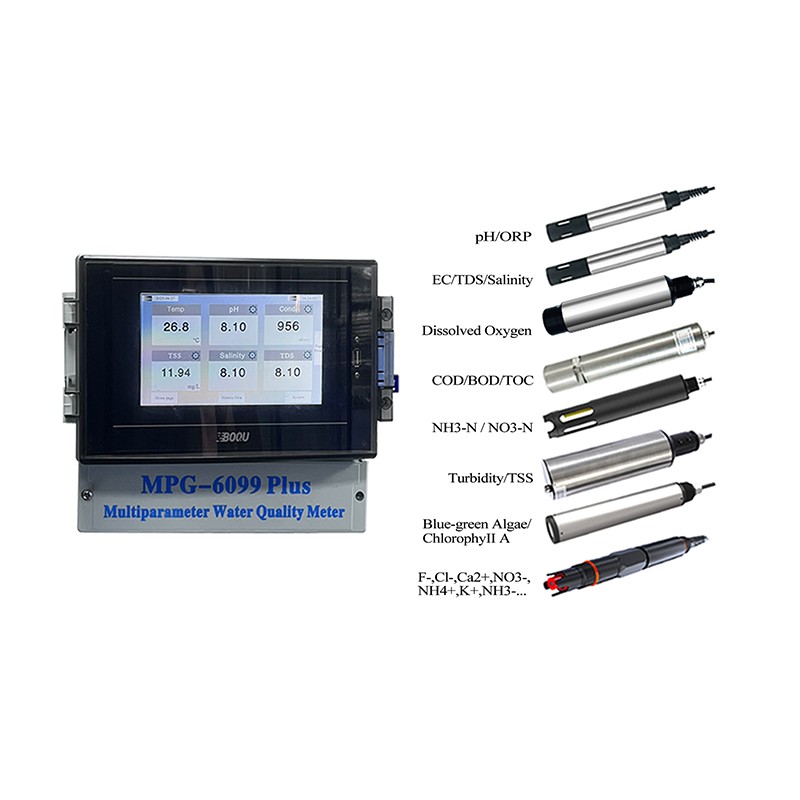
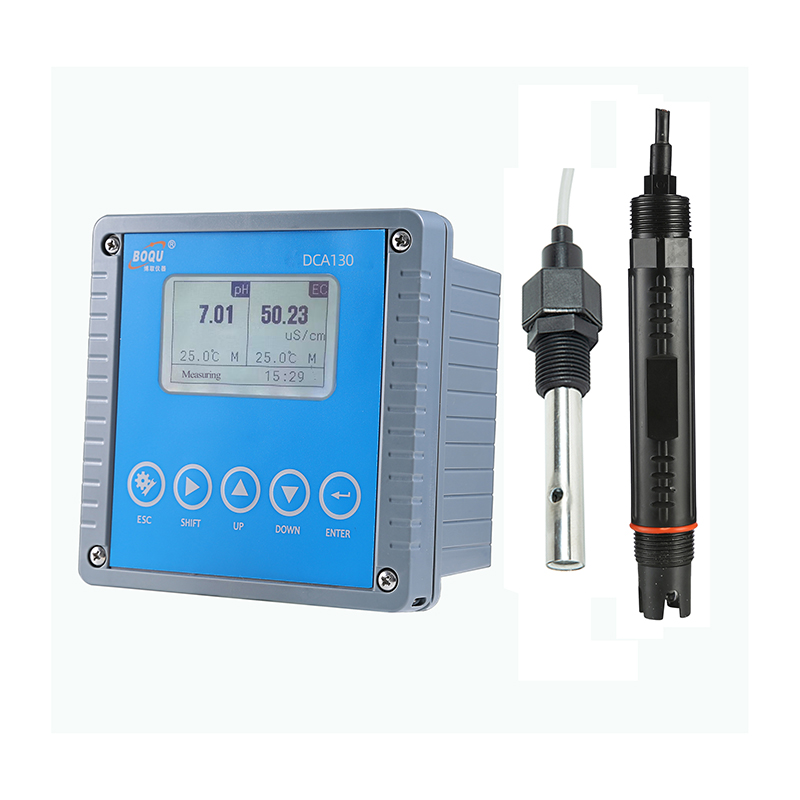
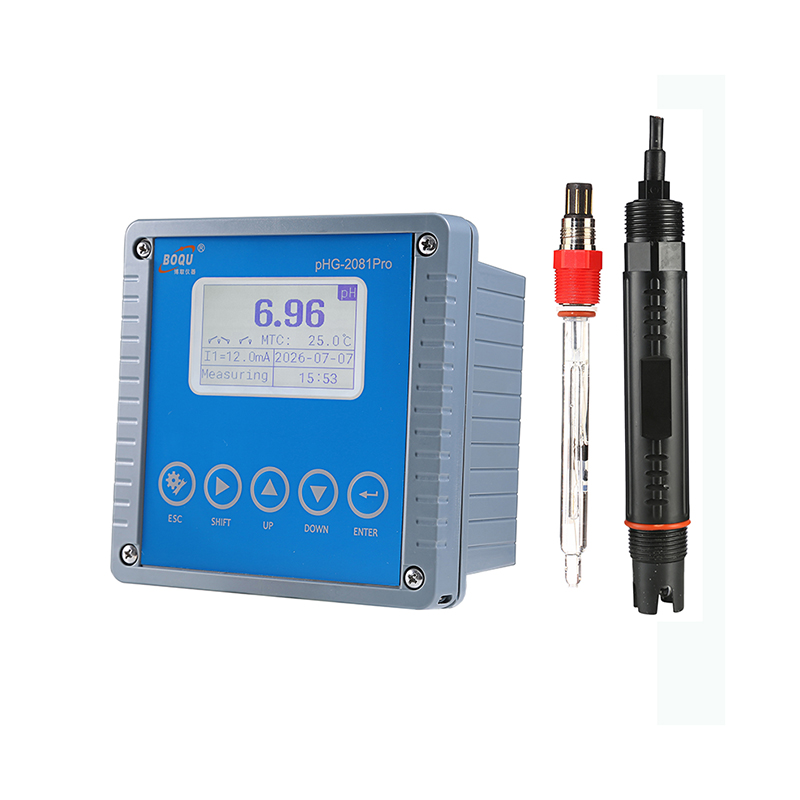
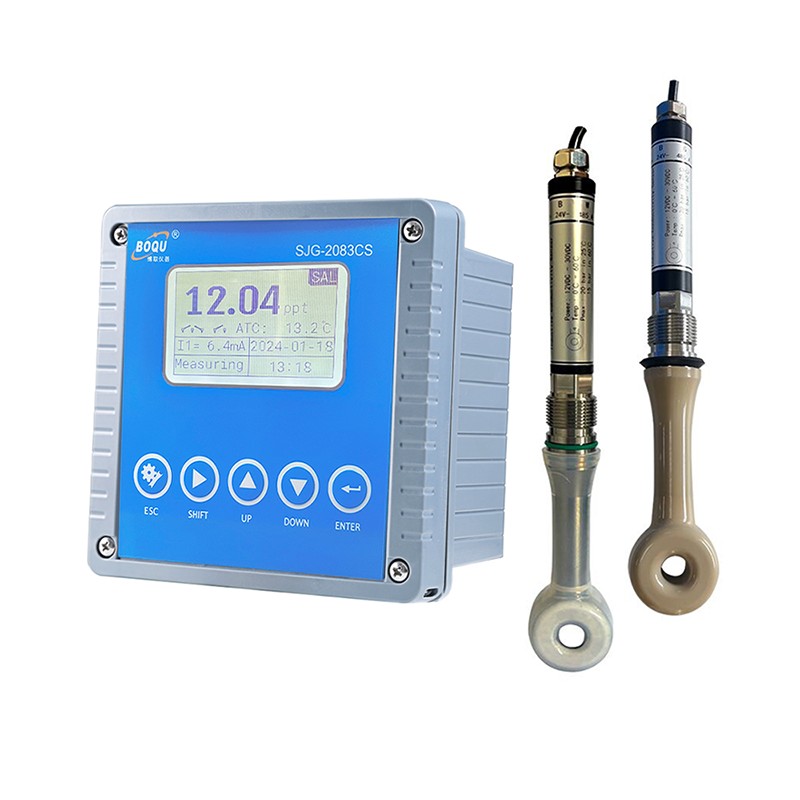
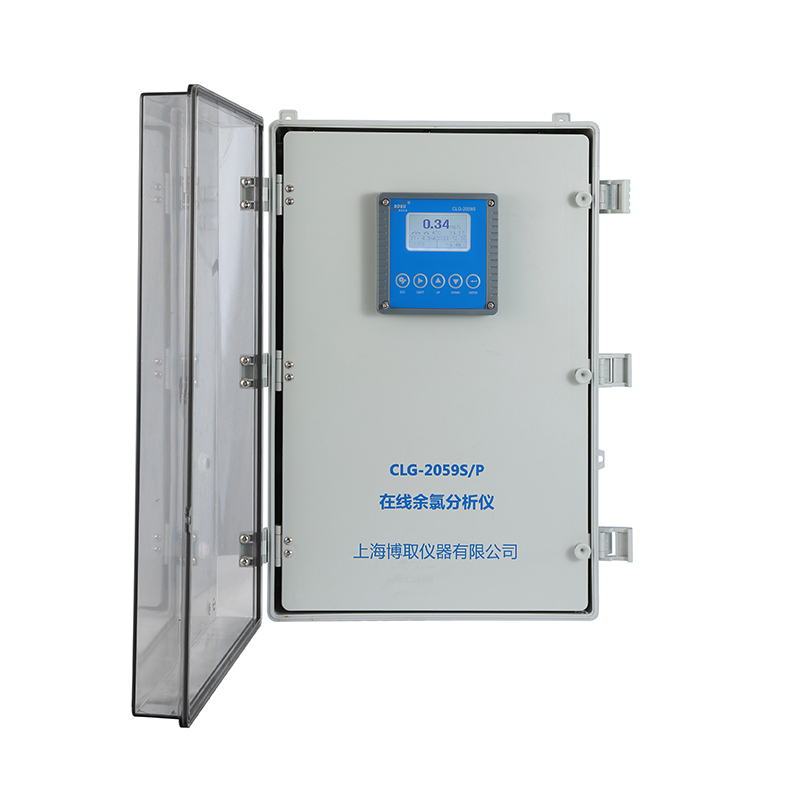
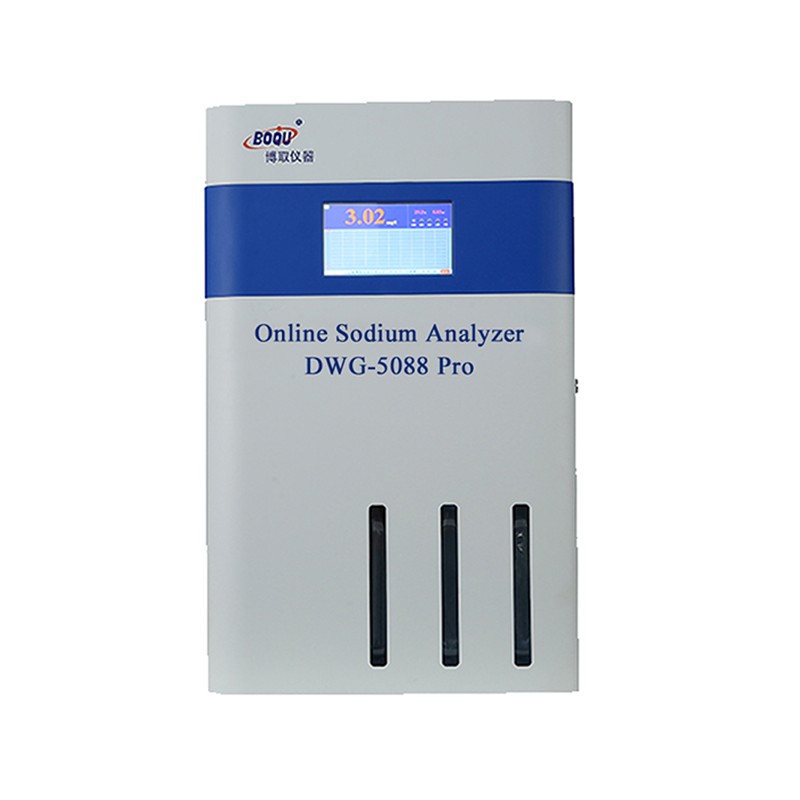
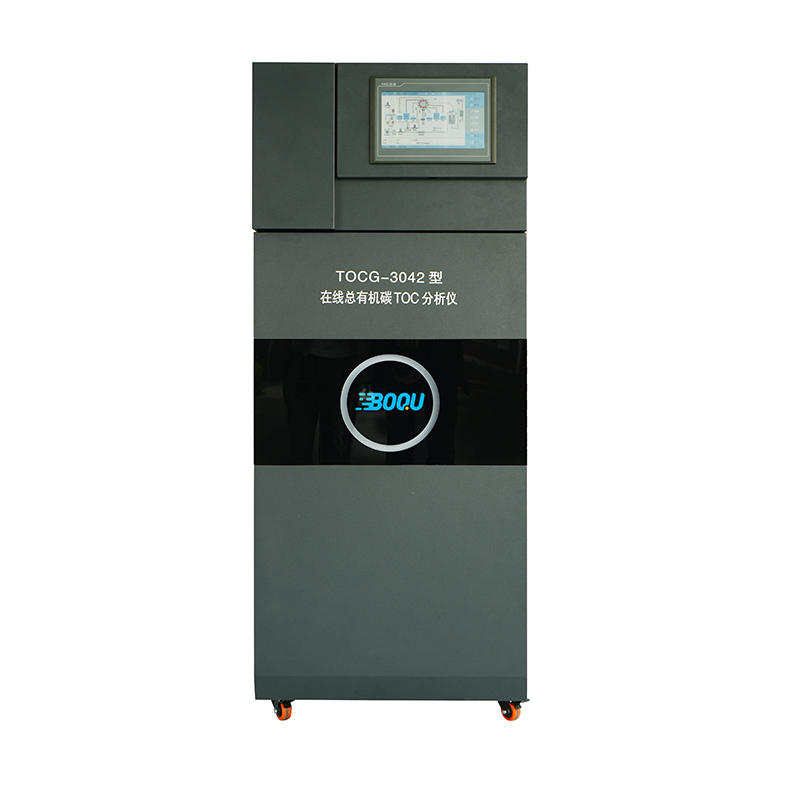
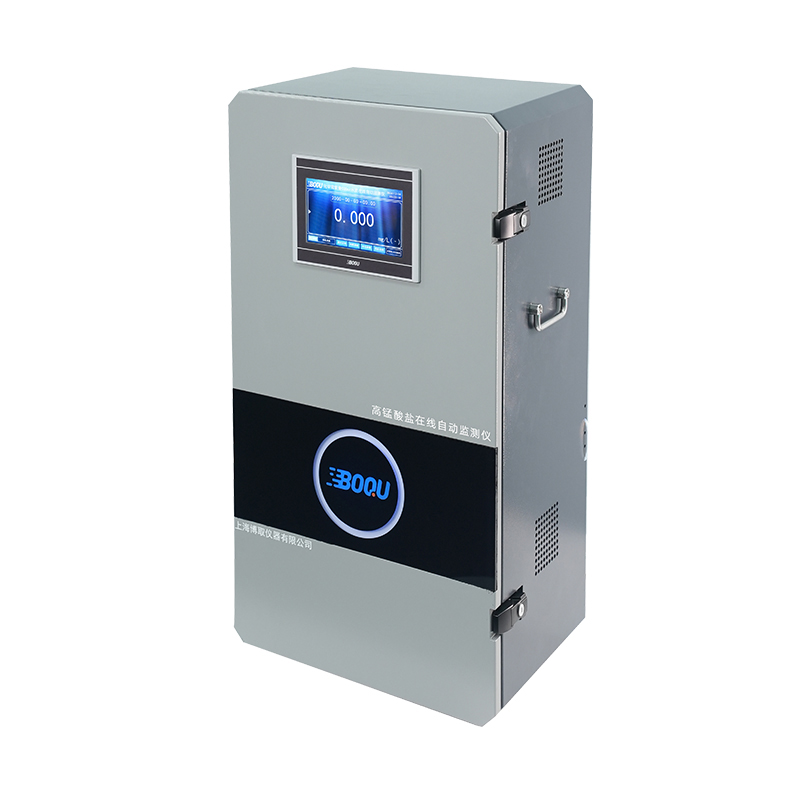
Online Analyzers & Multi-Parameter Monitoring Systems
Complement your suspended solids instruments with BOQU's full portfolio of online transmitters, chemical analyzers, and process controllers.
Accelerate Your Project with Direct Factory Engineering Support
Connect with Shanghai BOQU's instrumentation engineers for custom TSS optical path calculations, turnkey bypass sampling assemblies, and direct factory pricing.