
Featured Smart DO Sensors & Process Instrumentation
Direct from our Shanghai manufacturing facility: industrial digital dissolved oxygen transmitters, high-temperature fermenter probes, and edge IoT analyzers designed for 24/7 continuous measurement.

China High-temperature pH Sensor Used Pharmaceutical Fermentation Wholesaler, Supplier
Engineered for high-density bioreactors and aggressive fermentation broths withstands repeated in-situ SIP/CIP cycles with zero signal drift.

China High Temperature (0-130℃) pH Sensor With Temperature Wholesaler, Suppliers
Features embedded PT1000/NTC thermistors for dynamic Nernst compensation under extreme thermal variation in chemical synthesis.

Wholesale High-temperature S8 Connector pH Sensor Manufacturers, Factory
Industry-standard PG13.5 mechanical thread with IP68 shielded S8 coaxial connector, ensuring noise immunity in variable-frequency environments.

Wholesale High Temperature (0-130℃) pH Sensor Supplier, Factories
High-alkali-resistant glass formulation preventing sodium-ion poisoning in steam lines, chemical reactors, and boiler blowdown streams.

DOG-208FA High Temperature Dissolved Oxygen Sensor
Designed for aerobic fermentation and biopharmaceutical reactors; withstands autoclave conditions with rapid response time and zero calibration drift.

IOT-485-pH Digital Online pH & ORP Smart Sensor
Autonomous edge digital sensor with direct Modbus RTU interface; eliminates expensive external transmitters and enables native PLC/SCADA integration.

pH5806 High Temperature pH Sensor
Flagship Shanghai Brand-certified electrode engineered for sterile biotechnology processes, certified to withstand 50+ steam sterilization cycles.

DCA130 Online pH & EC Dual Channel Analyzer
Compact panel-mounted multiparameter transmitter with dual independent 4-20mA isolated loops and programmable alarm relays for process control.
Global Landscape of Dissolved Oxygen (DO) Sensing & The Rise of Chinese OBMs
An analytical examination of electrochemical vs. optical photoluminescence instrumentation, supply chain re-shoring, and the emergence of China as a precision Original Brand Manufacturer (OBM) hub.
Luminescence Quenching vs. Polarography
The global dissolved oxygen sensing sector is undergoing an accelerated technological migration from traditional Clark polarographic and galvanic electrochemical cells to optical lifetime fluorescence quenching (ASTM D888-12 Standard Test Methods). Electrochemical meters suffer from internal electrolyte depletion, cathode poisoning, manual membrane stretch inconsistencies, and constant oxygen consumption at the cathode surface requiring minimum fluid flow rates (0.3 m/s). In contrast, optical smart sensors leverage Ruthenium or Platinum organometallic fluorophores excited by blue LED light, measuring phase shift in emitted red phosphorescence. This physics-based mechanism consumes no oxygen, operates under static fluid conditions, and resists chemical interference from hydrogen sulfide (H₂S), carbon dioxide, and heavy bio-fouling.
The OBM Paradigm Shift in Chinese Metrology
Historically relegated to low-cost OEM (Original Equipment Manufacturer) assembly and contract labor, Chinese analytical instrumentation enterprises have made massive capital investments in optical physics laboratories, cleanroom polymer synthesis, and precision automated CNC tooling. The emergence of OBM (Original Brand Manufacturer) enterprises, spearheaded by Shanghai BOQU Instrument Co., Ltd., reflects independent intellectual property ownership across firmware algorithms, ASIC sensor signal conditioning, and proprietary fluorescent cap formulas. By coupling in-house design with vertically integrated manufacturing, Chinese OBMs deliver Tier-1 metrological repeatability and ISO 17025 traceability at a fraction of legacy Western pricing structures, altering capital budgeting for global engineering projects.
Edge Computing & Autonomous Calibration
Modern process water facilities demand edge intelligence directly on the probe rather than relying on centralized PLC rack computations. Smart DO sensors manufactured under the OBM model feature embedded 32-bit ARM Cortex microcontrollers housed in hermetically sealed titanium or 316L stainless steel bodies. These internal processors calculate temperature-salinity-atmospheric pressure compensations in real time, store multi-point calibration curves, monitor optical luminescence degradation coefficients, and transmit noise-immune Modbus RS485 digital signals up to 1,200 meters. This autonomous edge architecture reduces engineering installation overhead, streamlines multi-sensor bus topologies, and minimizes field technician intervention.
Smart DO Sensor Architecture & Hardware Engineering
Inside BOQU’s high-reliability sensing probe: how optical excitation, temperature feedback, and edge digital processing deliver lab-grade accuracy in extreme process environments.
Optoelectronic Phase-Shift Metrology Engine
At the core of the BOQU smart optical dissolved oxygen sensor is a dual-luminescent reference optical bench. A modulated blue LED (λ = 470 nm) excites the fluorophore embedded in a durable silicone matrix cap. When dissolved oxygen molecules diffuse into the sensing membrane, they quench the fluorescence through radiationless collision. A synchronized red LED (λ = 650 nm) serves as an internal optical reference channel, compensating for optical path aging, LED temperature coefficients, and ambient photo-bleaching. The resulting phase angle difference (Δθ) between excitation and emission is captured by a high-gain silicon photodiode and converted into partial pressure of oxygen (pO₂) via the modified Stern-Volmer equation. This produces sub-second response times (T90 < 30s) and resolution down to 0.01 mg/L.
Severe-Duty Mechanical Packaging & Signal Integrity
Industrial wastewater and bioprocess lines expose analytical probes to extreme shear, steam pulses, and electromagnetic interference (EMI) from large variable frequency drives (VFDs). BOQU smart sensors are engineered with 316L stainless steel, titanium grade 2, or chemically inert POM bodies rated to IP68 hermetic ingress protection. Internal circuit assemblies are fully encapsulated in high-dielectric polyurethane potting compound to eliminate condensation and mechanical micro-vibrations. Galvanic isolation up to 2,500V RMS prevents ground loops between process fluid and electrical cabinets, while embedded PT1000 temperature sensors ensure microsecond-level thermal equilibrium calculations across continuous operating limits from -10°C to +130°C.
Industrial Development Trends & Technology Roadmap (2025–2035)
Key disruptive engineering shifts transforming dissolved oxygen metrology over the next decade.
1. Digital Twin Calibration & Predictive Maintenance
Future-ready smart sensors are moving beyond static calibration intervals. By streaming optical diagnostic values—including raw phase angle, excitation amplitude, LED forward voltage, and temperature histograms—smart DO meters feed real-time edge AI models. These models predict sensor cap degradation curves, calculate remaining operational lifespan, and flag biofilm build-up before measurement precision drops below operational tolerances.
2. Autonomous Air/Water Jet Cleaners & Anti-Fouling
In high-solids activated sludge basins and marine aquaculture, biological growth is the primary driver of maintenance costs. Next-generation smart sensor assemblies incorporate integrated high-pressure compressed air nozzles and ultrasonic vibrating transducers on the sensor tip. Controlled via scheduled Modbus commands, these automated cleaning cycles clear slime, algae, and grease without requiring manual field washdowns.
3. Direct-to-Cloud Wireless & Low-Power Cellular IoT
Eliminating field transmission controllers altogether, upcoming smart sensor probes integrate ultra-low-power NB-IoT, LTE-M, and LoRaWAN transceivers directly into the sensor head. Operating on internal lithium-thionyl batteries or small solar harvesters, these autonomous buoys stream DO, saturation percentage, and water temperature data directly to MQTT cloud brokers for watershed protection and offshore fish farming.
Localized Application Scenarios & Macro Industry Solutions
How BOQU dissolved oxygen smart sensors deliver closed-loop process optimization across critical industrial infrastructure.
Municipal Wastewater Treatment: Aeration Basin Energy Reduction
Biological treatment through activated sludge represents 50% to 70% of a municipal wastewater plant’s total electrical consumption, driven almost entirely by aeration blowers. If dissolved oxygen falls below 1.5 mg/L, nitrifying bacteria die and effluent ammonia surges. If DO exceeds 2.5 mg/L, massive amounts of energy are wasted and sludge floc structures are sheared. By deploying BOQU optical smart DO sensors with Modbus RS485 connectivity directly into the anoxic and oxic basins, operators implement closed-loop PID control over variable-frequency turbo blowers. This dynamic DO feedback consistently reduces plant energy consumption by 18% to 32% while guaranteeing strict compliance with environmental discharge permits.
High-Density RAS Aquaculture: Rapid Hypoxia Prevention
In land-based Recirculating Aquaculture Systems (RAS) holding salmon, shrimp, or sea bass at densities over 60 kg/m³, dissolved oxygen is a matter of immediate stock survival. A biological mass crash can deplete dissolved oxygen from 8 mg/L to fatal levels (< 2.5 mg/L) in under 45 minutes during feed events or circulation pump failures. BOQU smart DO meters provide continuous, real-time saturation data with millisecond response times. Programmed low-limit relays trigger liquid oxygen injection valves and back-up aerators immediately, protecting millions of dollars in aquatic biomass while optimizing feed conversion ratios (FCR).
Biopharmaceutical Fermentation: Sterile SIP/CIP Integrity
Microbial culture broths (e.g., E. coli, Pichia pastoris) require precise oxygen transfer rates (OTR) to produce target therapeutic proteins and monoclonal antibodies without shifting into anaerobic metabolic pathways. Analytical sensors installed in bioreactors must withstand repeated In-Situ Steam Sterilization (SIP) at 130°C and 2 bar pressure, followed by aggressive Clean-In-Place (CIP) chemical washes with 2% sodium hydroxide and nitric acid. The BOQU DOG-208FA and high-temperature sensor series utilize specialized high-temperature silicone seals, reinforced glass junctions, and electro-polished 316L stainless steel sheaths, ensuring zero electrolyte boiling and absolute sterility cycle after cycle.
Thermal & Nuclear Power Plants: SWAS Trace DO Deaeration
In ultra-supercritical steam generators, even microscopic traces of dissolved oxygen (> 5 µg/L or ppb) accelerate flow-accelerated corrosion (FAC), pitting, and stress corrosion cracking in economizers, steam drums, and turbine blades. As part of a complete Steam and Water Analysis System (SWAS), BOQU trace dissolved oxygen analyzers measure dissolved oxygen down to 0.1 ppb (parts per billion). Installed downstream of high-pressure cooling coils and deaerators, these analyzers provide chemical engineers with the critical data required to fine-tune hydrazine and oxygen scavenger dosing systems, preventing boiler tube ruptures.
BOQU Factory Scale & Metrological Authority
Two owned production campuses in Shanghai, accredited testing laboratories, and over 18 years of continuous analytical instrument manufacturing.
Year Founded in Shanghai
Modern Production Floorspace
Specialized Engineers & Technicians
Annual Instrument Output
Export Destination Countries
Global Industrial Clients
Smart Liquid Analysis Sensor Selection Specification
Application engineering guide to specifying probe physics, signal protocols, and wetted materials across industrial process envelopes.
| Target Parameter | Sensor Physics | Typical Measurement Range | Process Limits | Output / Communication | Key Industrial Applications |
|---|---|---|---|---|---|
| Optical Smart DO | Photoluminescence Quenching | 0.00 – 20.00 mg/L (ppm); 0 – 200% | 0 – 50°C; Max 6 Bar | RS485 Modbus RTU / 4-20mA | Wastewater Aeration, RAS Aquaculture, Surface Water |
| High-Temp DO | Clark Polarographic Membrane | 0.0 – 40.0 mg/L; 0 – 400% | 0 – 130°C; SIP 2 Bar | mV Analog / Digital Modbus | Biopharma Fermenters, Brewery SIP Lines |
| Trace DO (SWAS) | High-Sensitivity Polarographic | 0.1 ppb – 20.0 ppm | 0 – 60°C; Controlled Flow | Dual 4-20mA, Alarm Relays | Thermal/Nuclear Power Boiler Feedwater, Steam Drums |
| Smart Digital pH/ORP | Solid Polymer Gel / Glass Half-Cell | 0.00 – 14.00 pH; ±1999 mV | -10 – 130°C; Max 6 Bar | RS485 Modbus Direct Output | Chemical Neutralization, Mining, Scrubber Towers |
| Inductive Conductivity | Toroidal Electromagnetic Induction | 0 – 2,000,000 µS/cm; 0 – 2000 mS/cm | -10 – 100°C; PEEK/PFA Casing | Isolated 4-20mA + RS485 | Acid/Caustic Concentration, CIP Detergent Control |
| Optical Turbidity / TSS | 90°/140° Infrared Scattered Light | 0.01 – 4000 NTU; 0 – 50,000 mg/L | 0 – 60°C; Self-Cleaning Air Jet | RS485 Modbus RTU | Filter Breakthrough, Return Activated Sludge (RAS/WAS) |
Field-Validated Across Five Continents
Review real-world industrial installations where BOQU water quality monitoring instrumentation guarantees process stability and environmental compliance.
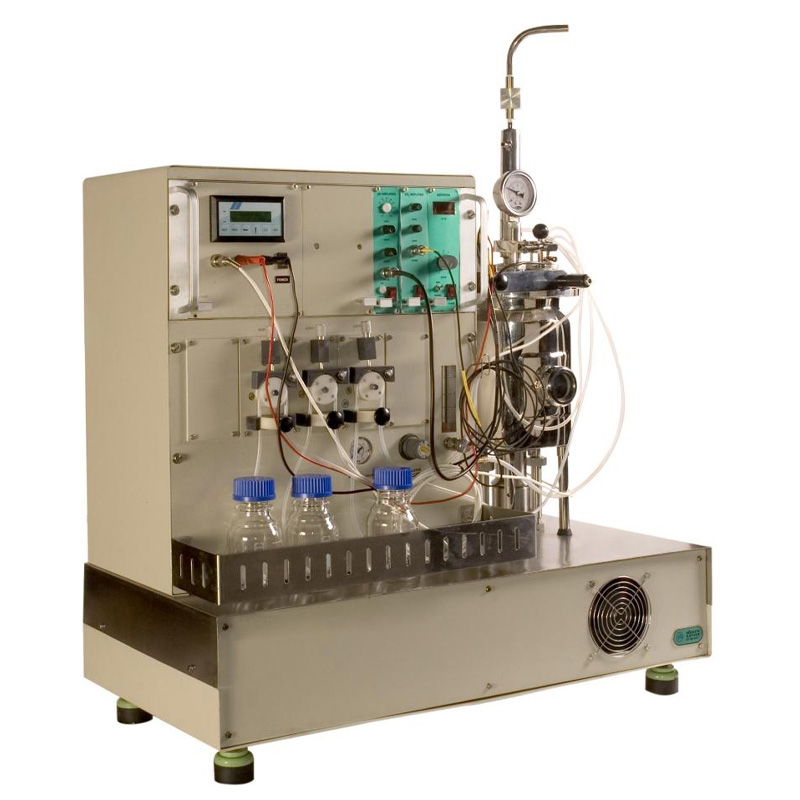
Biopharma Fermentation Control (India)
A bulk active pharmaceutical ingredient (API) manufacturer deployed BOQU high-temperature pH and DO sensors inside 20,000L fermenters, successfully maintaining ±0.05 pH tolerance through 120-hour batches.
Request Case Study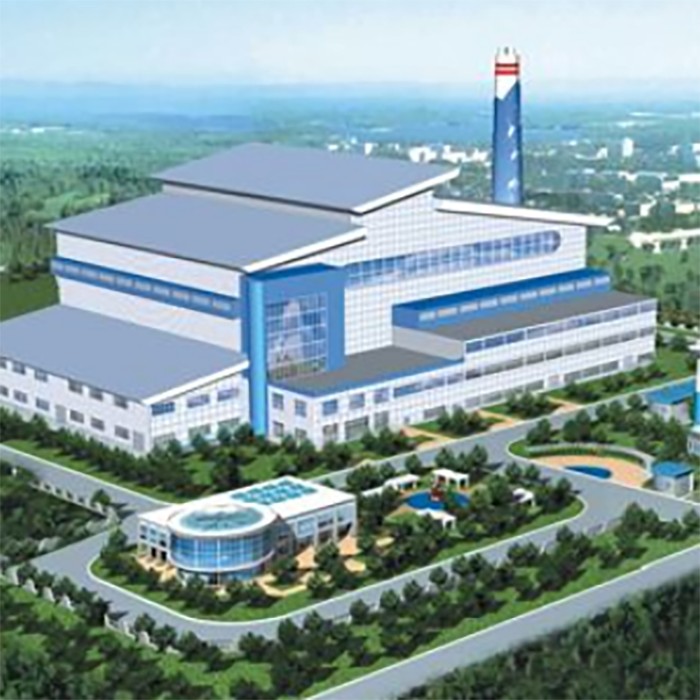
Waste-to-Energy SWAS Loop (Beijing)
Real-time continuous measurement of boiler feedwater trace conductivity, silicate, and dissolved oxygen prevented silica carryover to steam turbines, eliminating unscheduled shutdowns.
Request Case Study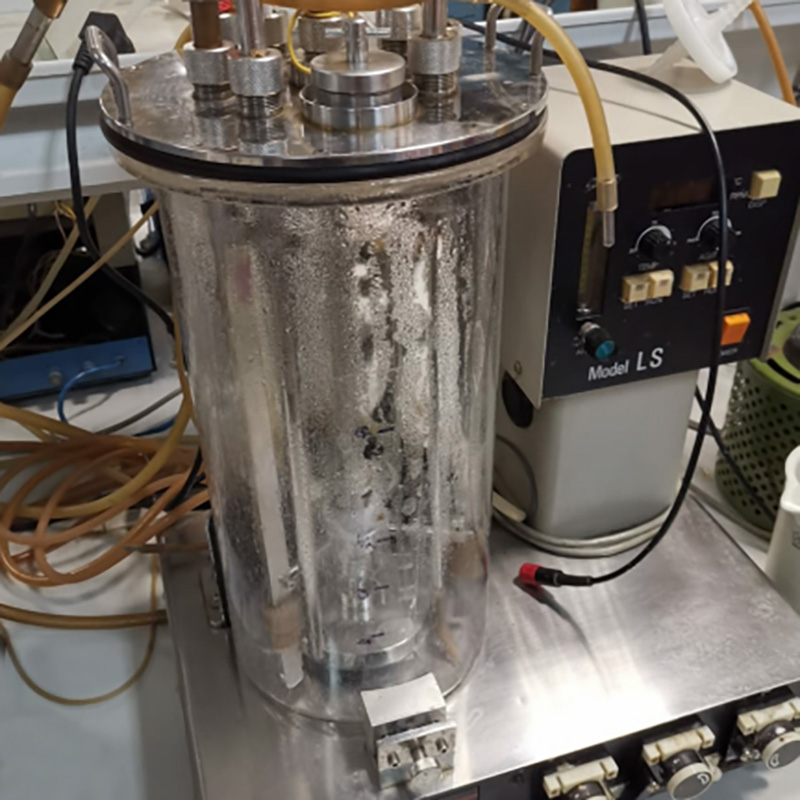
Industrial Yeast Biosynthesis (Russia)
Sub-zero ambient conditions coupled with 125°C steam cleaning were resolved using BOQU ruggedized industrial sensor sheaths and winterized transmitter cabinets.
Request Case Study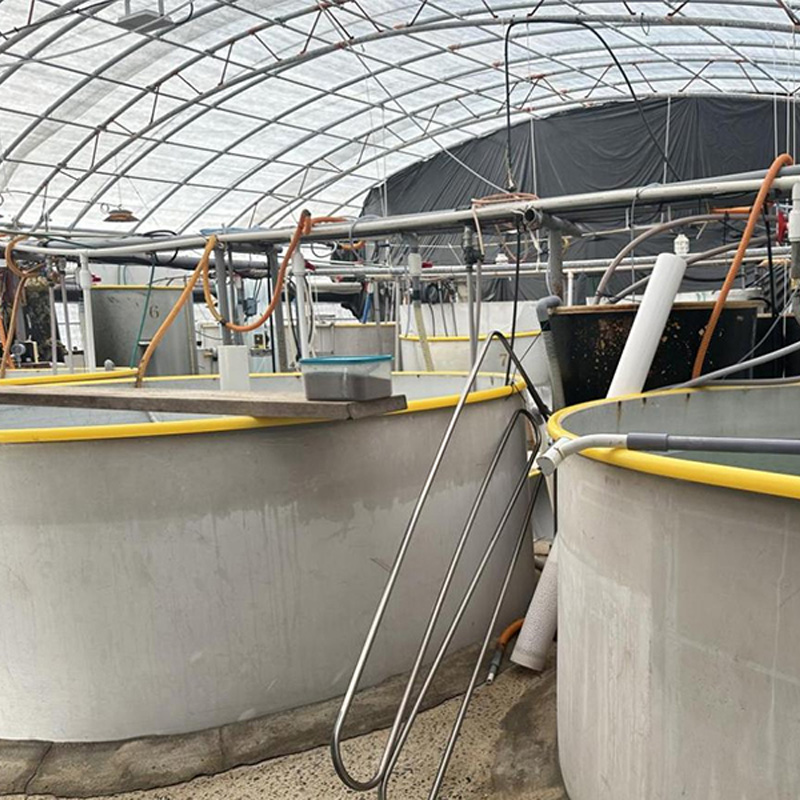
Smart Ocean Marine Farm (South Korea)
Networked optical smart DO sensors integrated with LoRa gateways automated deep-water oxygen enrichment skids, raising fish growth rates by 14%.
Request Case Study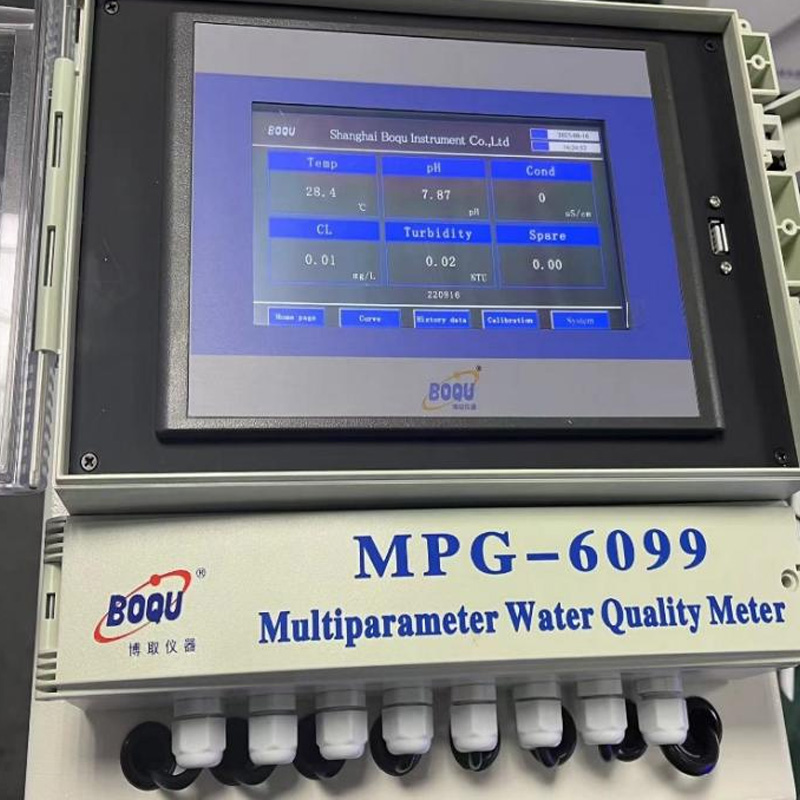
Industrial Park Wastewater Plant (Vietnam)
Comprehensive effluent monitoring ensured 24/7 compliance with the stringent QCVN 40:2011/BTNMT Class A standard, tracking COD, Ammonia, DO, and TSS.
Request Case Study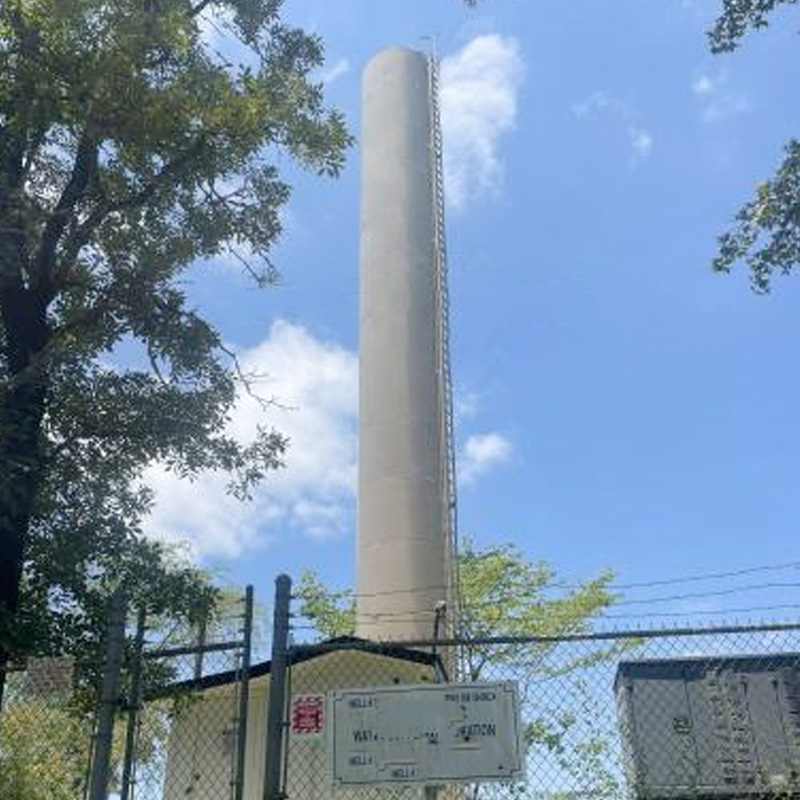
Municipal Potable Water Station (Americas)
Automated free chlorine and pH compensation controllers maintained bacteriological disinfection barriers in full accordance with WHO potable drinking water standards.
Request Case StudyIndustrial Online Analyzers & Integrated Systems
Explore BOQU’s full instrumentation line: high-performance optical sensors, multi-parameter panels, and automated wet chemistry systems engineered for continuous industrial operations.

ZDYG-2088-01QX Online Turbidity & TSS Sensor
Infrared scattered-light sensor equipped with an automated self-cleaning wiper, delivering continuous turbidity and suspended solids tracking without window fouling.

MPG-6099Plus Multi-parameter Water Quality Panel
Turnkey wall-mount system integrating pH, DO, conductivity, turbidity, and residual chlorine with a central touch screen and unified Modbus/cloud uplink.

pHG-2081Pro Industrial Online pH & ORP Analyzer
Rugged IP65 process controller with isolated 4-20mA outputs, dual high/low alarm relays, and intuitive multilingual menus for harsh chemical dosing lines.

SJG-2083CS Online Acid & Alkali Concentration Meter
Toroidal inductive sensor delivering maintenance-free chemical strength monitoring for HCl, H₂SO₄, HNO₃, and NaOH in CIP loops and chemical processing.

Online Residual Free Chlorine Analyzer
Constant-voltage amperometric sensor requiring zero consumable reagents, paired with automatic pH and temperature compensation flow cells.

Online Silicate, Phosphate & Sodium SWAS Analyzer
Trace spectrophotometric analysis system for high-pressure boilers, preventing boiler tube scaling, silica carryover, and turbine blade pitting.

TOC-3042 Online Total Organic Carbon Analyzer
Employs UV persulfate oxidation and differential conductivity detection, fully compliant with USP <643> and EP 2.2.44 pharmacopeia requirements.

Online COD, TP, TN & NH₃-N Automated Wet Analyzer
Automated digestion and optical colorimetry station engineered for certified discharge monitoring points, featuring automated self-cleaning and self-calibration.
Engineering Q&A: Smart DO Sensors & OBM Manufacturing
Detailed answers to critical procurement, installation, and communication questions for instrumentation and process engineers.
What metrological advantages do optical luminescence DO sensors offer over galvanic or Clark cells?
How does Shanghai BOQU Instrument ensure calibration accuracy and temperature compensation on smart DO meters?
Can BOQU smart sensors connect directly to an existing plant DCS or PLC without a separate controller?
What is the practical lifespan of the optical luminescent cap, and what maintenance is required?
What distinguishes an OBM (Original Brand Manufacturer) from standard OEM suppliers in China?
Consult with BOQU Instrumentation Engineers
Provide your application specifications (flow rate, temperature, chemical composition, installation mounting, and signal protocol) to receive customized engineering recommendations, wiring schematics, and factory-direct OBM quotations.