
Primary Online Silica & High-Temperature Process Sensors
Explore BOQU Instrument’s certified online trace analyzers, industrial pH/ORP electrodes, and dissolved oxygen monitoring systems designed for aggressive process environments.

High Temp (0-130℃) pH Sensor with Temp Compensation
Designed for extreme industrial thermal processes. Offers built-in Pt100/Pt1000 RTC for real-time thermal drift correction.

High-Temperature pH Sensor for Biopharma Fermentation
Sterilization-in-place (SIP) and steam-resistant electrode design optimized for bioreactors and sterile chemical synthesis.

High-Temperature S8 Connector pH Sensor Glass Probe
Standard S8 threaded connector interface with pressurized gel electrolyte to prevent junction poisoning in hot fluids.

Industrial Grade (0-130℃) High Temp pH Sensor Assembly
Heavy-duty glass formulation engineered for continuous immersion in acidic or alkaline chemical lines up to 130°C.
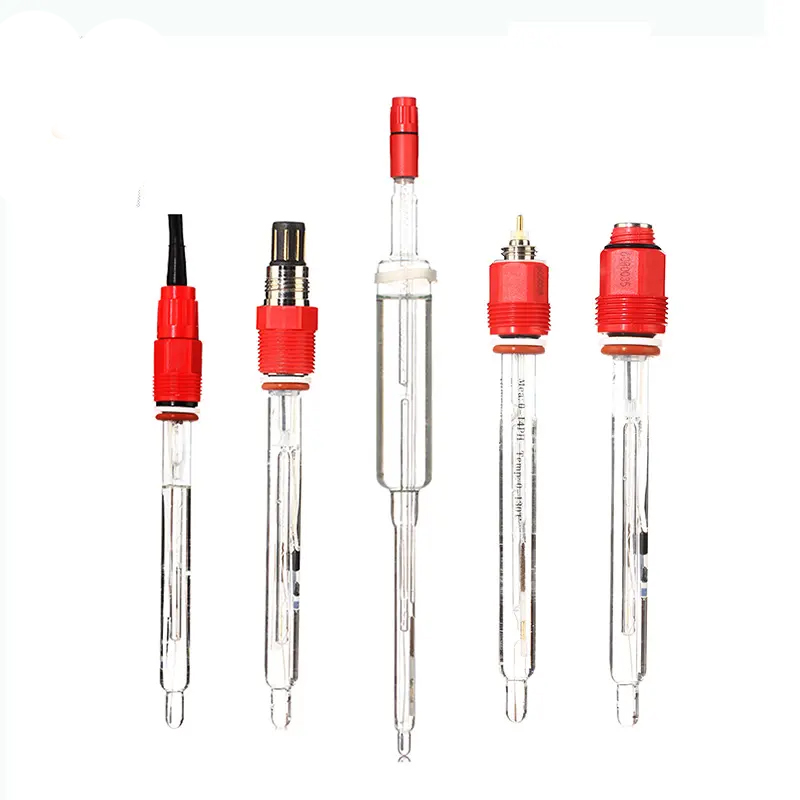
pH5806 Shanghai Brand High Temperature pH Sensor
Certified flagship high-temperature electrode, award-winning baseline stability under repeated thermal shock cycles.
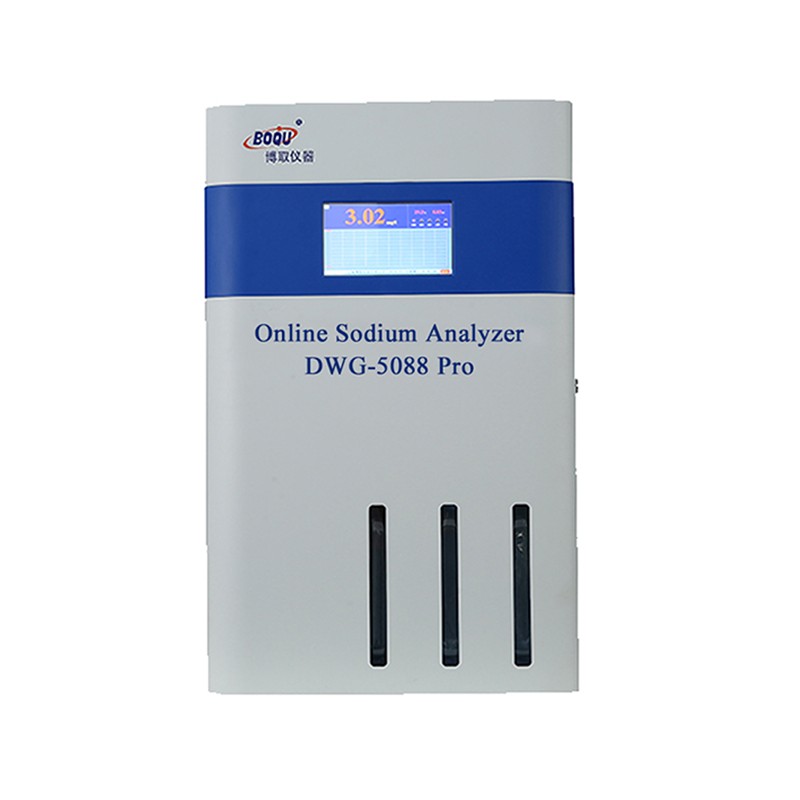
Online Silica / Phosphate / Sodium / Hydrazine Analyzer
Multi-channel trace photometric platform engineered specifically for power station boiler feedwater and SWAS panels.
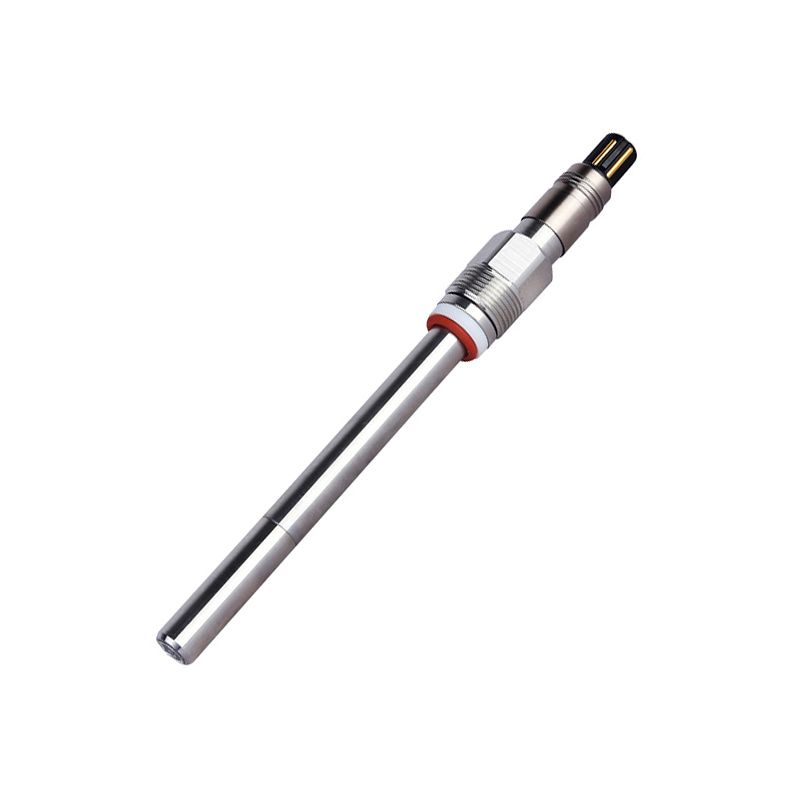
DOG-208FA Sterilizable High Temperature DO Sensor
Polarographic dissolved oxygen sensor capable of withstanding 140°C autoclave and steam-in-place cleaning regimes.
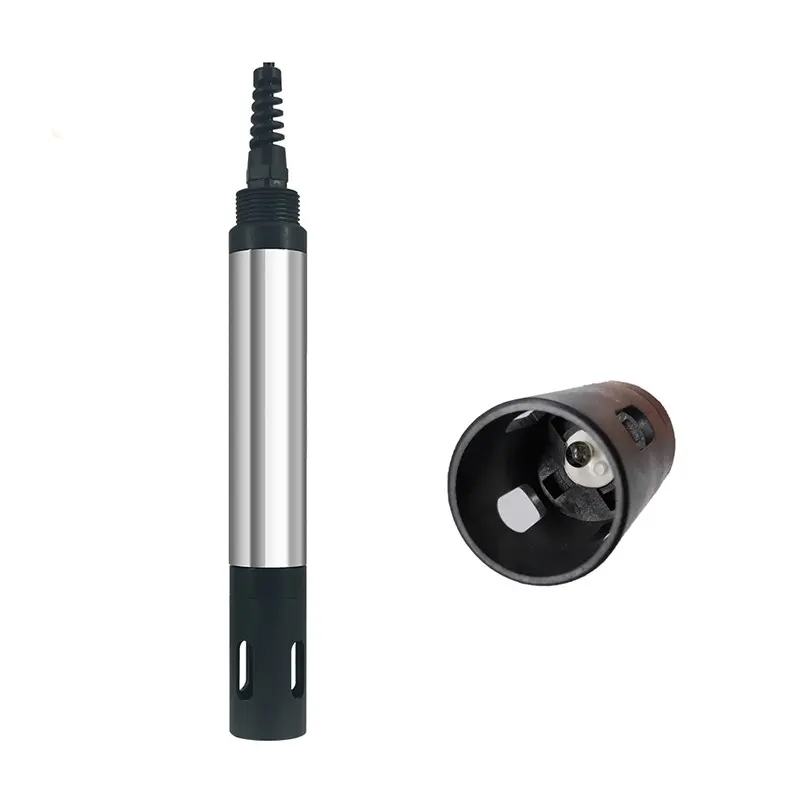
IOT-485-pH Digital Smart pH Sensor with Modbus RTU
Direct RS485 Modbus output probe with onboard calibration memory, replacing legacy transmitters in smart water loops.
Chemical Reaction Kinetics & Photometric Physics of Online Silica Detection
In high-pressure power generation boilers ($>10 \text{ MPa}$), reactive silica dissolved in water transitions from the liquid phase directly into high-pressure steam. When steam expands across turbine blades, pressure drops cause volatile silica ($SiO_2$) to crystallize into glassy silicates on turbine nozzles and blades. This glass deposit disrupts aerodynamic profiles, restricts steam velocity, degrades thermal efficiency, and induces dangerous dynamic imbalance in high-speed rotors. Consequently, strict international water chemistry guidelines (such as EPRI, ASME, and IAPWS) mandate continuous monitoring of sub-ppb level reactive silica in Steam and Water Analysis Systems (SWAS).
The Molybdenum Blue Photometric Reaction Principle (ASTM D4517 Protocol)
The standard metrological method for continuous online silica measurement utilizes the heteropoly blue photometric technique. The chemical process follows three discrete colorimetric stages under automated temperature control:
| Reaction Step | Reagents Added | Chemical Mechanism & Kinetics | Target Wavelength |
|---|---|---|---|
| 1. Acidification & Molybdization | Sulfuric Acid ($H_2SO_4$) + Ammonium Molybdate | Reactive silica reacts with molybdate ions under controlled pH (1.2–1.5) to form soluble yellow silicomolybdic acid complex ($H_4[Si(Mo_{12}O_{40})]$). | 410 nm (Yellow) |
| 2. Phosphate Masking | Oxalic Acid / Citric Acid Solution | Destroys interfering phosphomolybdic complexes formed by background orthophosphates added during boiler water conditioning. | Kinetic Masking |
| 3. Reduction to Heteropoly Blue | 1-amino-2-naphthol-4-sulfonic acid (ANSA) or Ascorbic Acid | Reduces yellow silicomolybdic acid into an intense molybdenum blue complex ($SiO_2 \cdot 12MoO_3$). Absorbance is directly proportional to concentration. | 810 nm (Infrared/NIR) |
Chinese silica analyzer manufacturers, spearheaded by R&D innovations at Shanghai BOQU Instrument Co., Ltd., have resolved traditional photometric drift issues by employing temperature-stabilized narrow-band LED light sources ($810 \text{ nm}$) combined with dual-beam optical reference paths. This optical topology compensates for sample cell wall scaling and LED intensity decay over time, providing verified sub-0.5 ppb measurement sensitivity and baseline drift under $\pm 0.2 \text{ ppb/month}$.
Silica Analyzer Technology Roadmap & Future Outlook
How Chinese industrial instrumentation is advancing from microfluidic reagent optimization to AI-driven predictive optics maintenance.
Phase I: Microfluidic Reagent Conservation
Traditional wet chemistry silica monitoring consumed up to 10 liters of costly reagents per month per channel. Modern Chinese silica analyzers integrate precision micro-metering peristaltic dosing pumps and etched glass microfluidic mixing manifolds. This micro-dosing mechanism reduces chemical consumption by 65% to 80%, reducing hazardous waste generation and cutting ongoing operating costs for power operators.
Phase II: Multi-Stream Dynamic Sequencing
Modern power plants require simultaneous monitoring across condensate polishers, demineralizers, economizers, and main steam headers. Next-generation Chinese analyzers utilize multi-channel high-pressure rotary selector valves. A single central processing optics engine dynamically cycles up to 6 independent sample streams, maintaining individual calibration profiles, sample line purge cycles, and alarm thresholds per channel.
Phase III: Edge AI & Optical Diagnostics
The integration of Industry 4.0 IoT protocols into online silica analyzers enables real-time self-diagnostics. Machine learning models running on embedded ARM processors evaluate real-time optical transmittance curves, detect micro-bubbles, flag reagent decay before baseline degradation occurs, and auto-trigger cleaning cycles. Data is transmitted securely via Modbus TCP, HART, or MQTT to plant DCS platforms.
Macro Industry Solutions & Deployment Architectures
Customized metrology setups engineered for mission-critical water treatment facilities worldwide.
1. Thermal & Nuclear Power Plants (SWAS Systems)
In ultra-supercritical ($>600^\circ\text{C}$) steam power boilers, silica concentrations in saturated steam must strictly be maintained below $5 \text{ ppb}$. High-temperature sample streams ($>200^\circ\text{C}, >20 \text{ MPa}$) pass through SWAS primary sample coolers to reduce temperature to $25 \pm 1^\circ\text{C}$ and pressure to $0.2 \text{ MPa}$. The BOQU Silica Analyzer measures trace $SiO_2$, sending continuous $4\text{--}20\text{ mA}$ signals to prevent boiler tube burnout and turbine fouling.
- Critical Parameters: Reactive Silica ($0\text{--}20 \text{ ppb}$), Sodium ($0\text{--}10 \text{ ppb}$), Cation Conductivity.
- Compliance standard: EPRI Comprehensive Utility Water Chemistry Guidelines.
2. Semiconductor & Microelectronics UPW Networks
Modern semiconductor fabrication facilities (3nm/2nm process nodes) require Ultrapure Water (UPW) with total silica concentrations below $0.5 \text{ ppb}$. Uncharged colloidal or dissolved silica causes surface haze and structural defects on silicon wafers during CMP (Chemical Mechanical Planarization) and photolithography rinsing steps. Online silica analyzers monitor ion exchange bed breakthrough, alerting technicians hours before full resin exhaustion.
- Critical Parameters: Silica ($0\text{--}2 \text{ ppb}$), Resistivity ($18.2 \text{ M}\Omega\cdot\text{cm}$), TOC ($<1 \text{ ppb}$).
- Deployment Zone: Mixed-bed polisher outlets & point-of-use loop returns.
3. Petrochemical Refineries & Ethylene Cracking
Ethylene plants and catalytic cracking units utilize massive waste-heat recovery boilers. Silicate build-up inside heat exchanger tubes induces localized hot spots, leading to thermal stress cracks and unexpected plant shutdowns. Industrial silica analyzers feature NEMA 4X / IP65 explosion-proof enclosures suitable for hazardous Zone 2 petrochemical processing environments.
- Critical Parameters: Silica ($0\text{--}500 \text{ ppb}$), pH ($9.0\text{--}10.5$), Phosphate.
- Features: Automated auto-zero calibration, RS485 Modbus RTU integration.
4. Pharmaceutical Water for Injection (WFI)
Silica presence in purified water loops can affect protein stabilization and clean-in-place (CIP) rinsing effectiveness. BOQU silica analyzers assist biopharmaceutical plants in complying with European Pharmacopoeia (EP) and US Pharmacopeia (USP) water quality standards, delivering real-time validation logs with complete audit trails.
- Compliance Target: 21 CFR Part 11 Electronic Records compliance.
- Advantage: Fast reaction cycles with complete historical log retention.
China Factory 4.0: Supply Chain Resilience & Manufacturing Mastery
Shanghai BOQU Instrument Co., Ltd. operates two state-of-the-art manufacturing complexes in Pudong Kangqiao and Lingang Free Trade Zone, spanning 4,632 m² of specialized production space.
In-House Optical Manufacturing
Unlike optical integrators who outsource optical subassemblies, BOQU precision-machines flow cells, aligns interference filters, and builds optical sensors in cleanroom environments to maintain photometric precision.
48-Hour Thermal Aging Tests
Every single online silica analyzer and transmitter undergoes 48 hours of continuous electronic and fluidic stress-testing prior to factory departure, ensuring zero out-of-box failures at project commissioning sites.
Scalable OEM/ODM Production
Backed by over 200 engineers and technicians, BOQU provides full OEM customization for global analytical instrument brands, including tailored software interfaces, enclosure branding, and custom fluidic ranges.
Localization Support & Compliance Standards
Stringent quality compliance ensuring smooth international integration for EPC contractors and process end-users.
Global Quality & Safety Accreditations
BOQU Instrument’s manufacturing lines operate under strict ISO systems. Every product family complies with relevant international health, safety, and electromagnetic compatibility standards.
- ISO 9001:2015: Comprehensive Quality Management System.
- ISO 14001:2015: Environmental Management Standards.
- CE Certification: European Electromagnetic Directive EN 61326-1 compliance.
- SGS Third-Party Audited: Verified facility capacity and supply legitimacy.
- Shanghai Brand: pH5806 series recognized for industrial manufacturing leadership.
Global Logistics & Localized Technical Support
Procuring online analyzers directly from China’s premier manufacturer offers direct technical advantages beyond equipment cost savings:
- Pre-calibrated Factory Shipments: Instruments arrive pre-configured with reagent starter kits and clear fluidic quick-connect fittings.
- Spare Parts Availability: Stocked optical cells, pump tubing assemblies, solenoids, and PCB mainboards ready for 72-hour air dispatch.
- Remote Field Engineering Support: Direct WhatsApp / Zoom technical guidance from Shanghai application engineers during installation and commissioning phases.
Global Enterprise Procurement Matrix: Total Cost of Ownership (TCO)
A comparative financial analysis for procurement officers, system integrators, and EPC project managers.
When evaluating silica analyzers for large-scale municipal or industrial projects, initial purchase price accounts for less than 35% of the 5-year Total Cost of Ownership. Ongoing chemical consumables, technician maintenance hours, lamp replacements, and unscheduled downtime constitute the remaining 65%. The table below illustrates the procurement advantage of sourcing BOQU Silica Analyzers versus legacy Western instrumentation brands:
| Evaluation Parameter | Legacy Western Brands | BOQU Instrument (China Factory Direct) | Procurement Impact |
|---|---|---|---|
| Initial Capital Expenditure (CAPEX) | $12,000 – $18,000 / Unit | $4,500 – $7,500 / Unit | 50–60% Capital Savings |
| Reagent Volume Consumption | 8 to 12 Liters / Month | 2.5 to 4 Liters / Month (Micro-dosing) | 60–70% OPEX Chemical Savings |
| Light Source Lifespan | Tungsten Lamp (8,000 Hours) | Narrowband Solid-State LED (50,000+ Hours) | Zero Lamp Replacements for 5+ Years |
| Delivery Lead Time | 12 to 16 Weeks | 1 to 3 Weeks (Factory Stock) | Accelerated Project Commissioning |
| Multi-Stream Expansion | High-cost proprietary add-ons | Modular 1 to 6 Channel Expansion Cards | Lower Cost per Sampling Point |
Frequently Asked Questions on Online Silica Measurement
Technical guidance curated by BOQU analytical engineers for plant operators and procurement officers.
Why is online silica monitoring essential in high-pressure power generation?
At operating pressures exceeding $10 \text{ MPa}$, silica ($SiO_2$) vaporizes into steam and carries over from the boiler drum into the steam turbine. As steam expands across turbine blades, declining pressure and temperature cause silica to deposit as extremely hard glassy silicate coatings. These deposits alter blade aerodynamic profiles, reduce power output efficiency, and induce high-vibration balance issues. Continuous sub-ppb online silica monitoring provides immediate warning before severe scaling occurs.
What is the difference between Reactive Silica and Non-Reactive Silica?
Reactive Silica refers to monomeric silicate ions ($HSiO_3^-$ or $H_4SiO_4$) dissolved in water, which react readily with ammonium molybdate under acidic conditions to form measurable molybdenum blue color complexes. Non-Reactive Silica consists of colloidal silica, polymeric silica, or micro-particulate quartz. Non-reactive silica does not colorize in standard photometric analyzers without prior high-temperature acid digestion or hydrofluoric acid pretreatment.
How do BOQU Silica Analyzers prevent phosphate interference in SWAS applications?
Boiler feedwater treatment frequently involves adding phosphate chemicals for pH buffering. Orthophosphates react with ammonium molybdate to form phosphomolybdic acid, which yields a false-positive high silica reading. BOQU silica analyzers automatically dose Oxalic Acid or Citric Acid prior to the reduction step. The oxalic acid selectively complexes with and decomposes phosphomolybdic acid without destroying the silicomolybdic complex, completely eliminating phosphate interference.
What are the routine maintenance requirements and reagent replacement cycles?
Thanks to BOQU’s microfluidic reagent delivery system, standard reagent replacement is only required every 30 to 60 days depending on sample frequency settings. Routine quarterly maintenance involves inspecting peristaltic pump tubing, cleaning the optical flow cell window using an automated software wash cycle, and running a single-point standard baseline calibration.
Is BOQU a direct instrument manufacturer or an international trading vendor?
Shanghai BOQU Instrument Co., Ltd. is a direct manufacturer established in 2007. We design, machine, assemble, calibrate, and test all our water quality sensors, electrodes, and online analyzers across two owned manufacturing plants in Shanghai (Kangqiao Town and Lingang Free Trade Zone), employing over 200 full-time staff members.
Can BOQU silica analyzers interface directly with existing plant DCS and PLC systems?
Yes. Every BOQU online analyzer includes standard dual $4\text{--}20\text{ mA}$ isolated analog outputs, high-voltage alarm relays for limit control, and RS485 Modbus RTU digital communication. Modbus TCP/IP Ethernet interfaces, PROFIBUS DP, and wireless cloud gateways are also available for direct integration into Siemens, ABB, Emerson DeltaV, or Honeywell DCS architecture.
Complementary Online Water Quality Analyzers & Transmitters
Integrate silica monitoring with BOQU’s complete suite of online turbidity, conductivity, chlorine, TOC, and multi-parameter industrial water quality controllers.
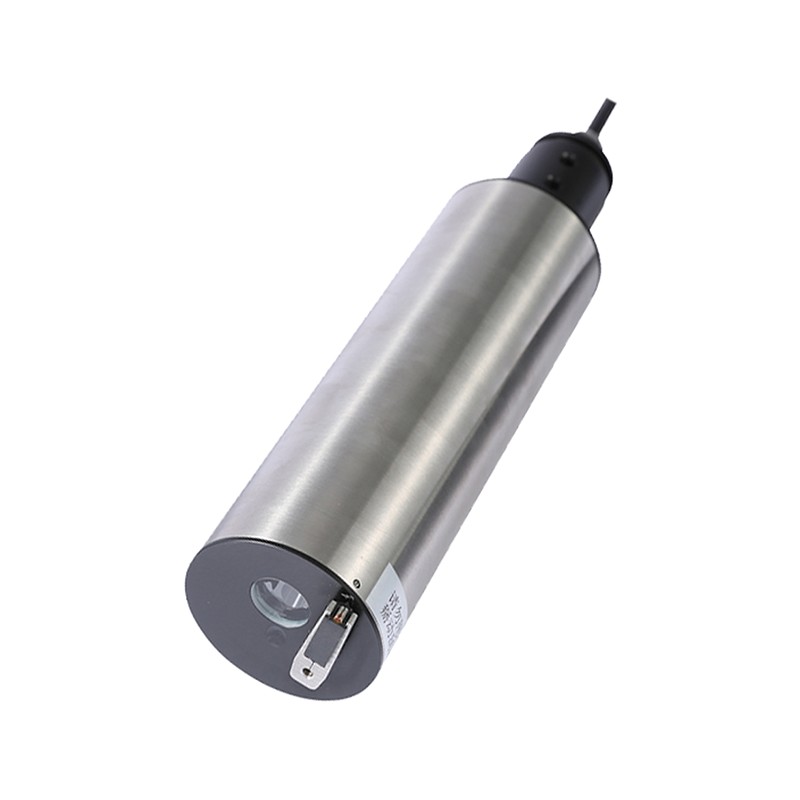
ZDYG-2088-01QX Online Turbidity / TSS Sensor
Infrared 860nm 90° scattered light sensor with automatic wiper cleaning for effluent and potable water monitoring.
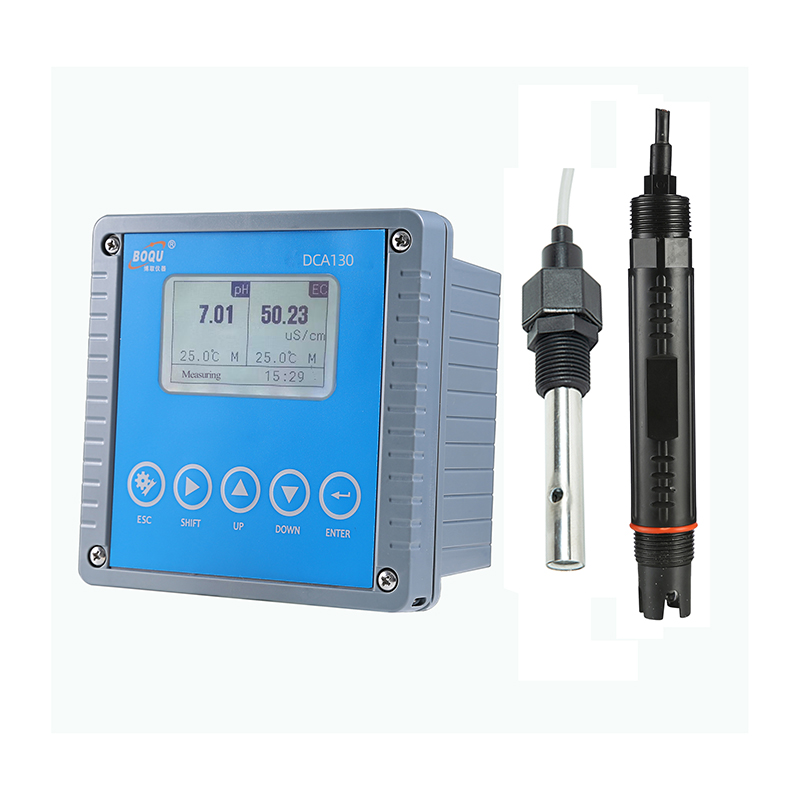
DCA130 Online pH & EC Dual Channel Controller
Simultaneous pH and electrical conductivity monitoring in a compact panel controller with programmable dosing relays.
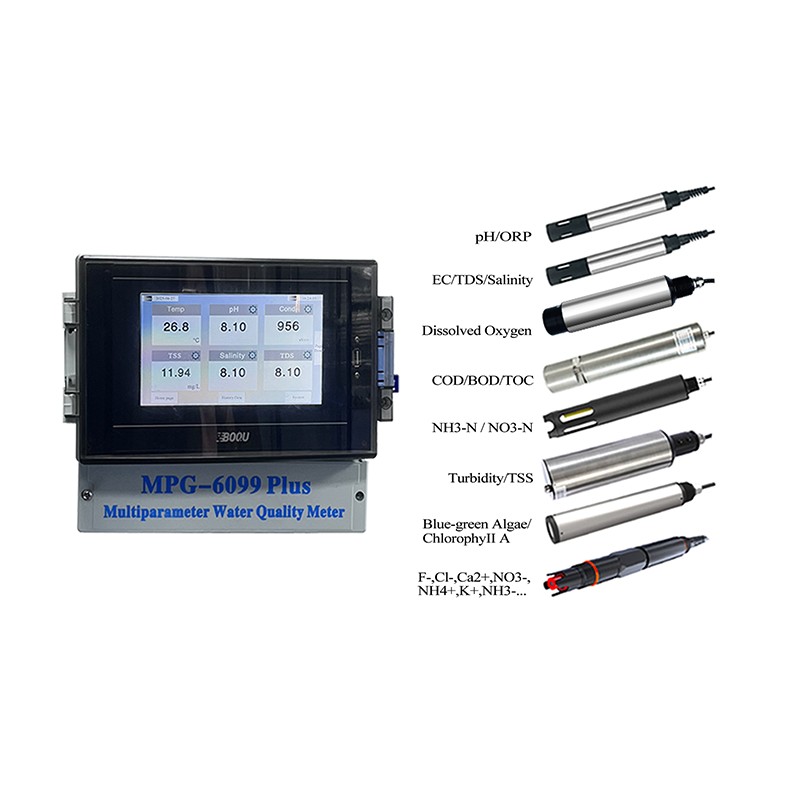
MPG-6099Plus Multi-Parameter Water Quality Panel
Integrated wall-mounted system measuring pH, residual chlorine, turbidity, DO, and conductivity in municipal distribution.
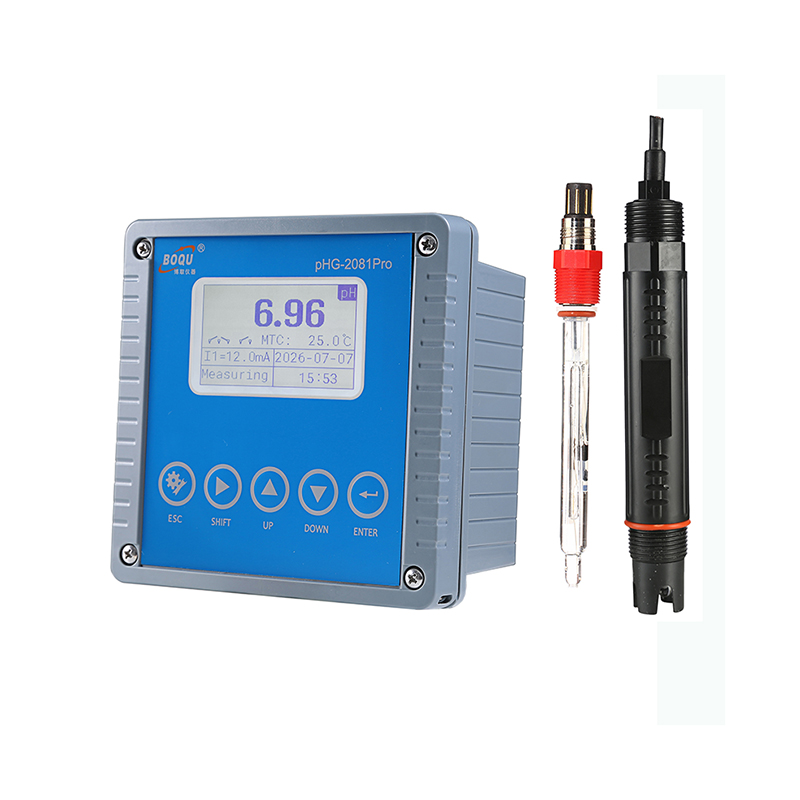
pHG-2081Pro Industrial Online pH/ORP Transmitter
Rugged NEMA 4X industrial transmitter providing precise 4-20mA & RS485 outputs for neutralization dosing tanks.
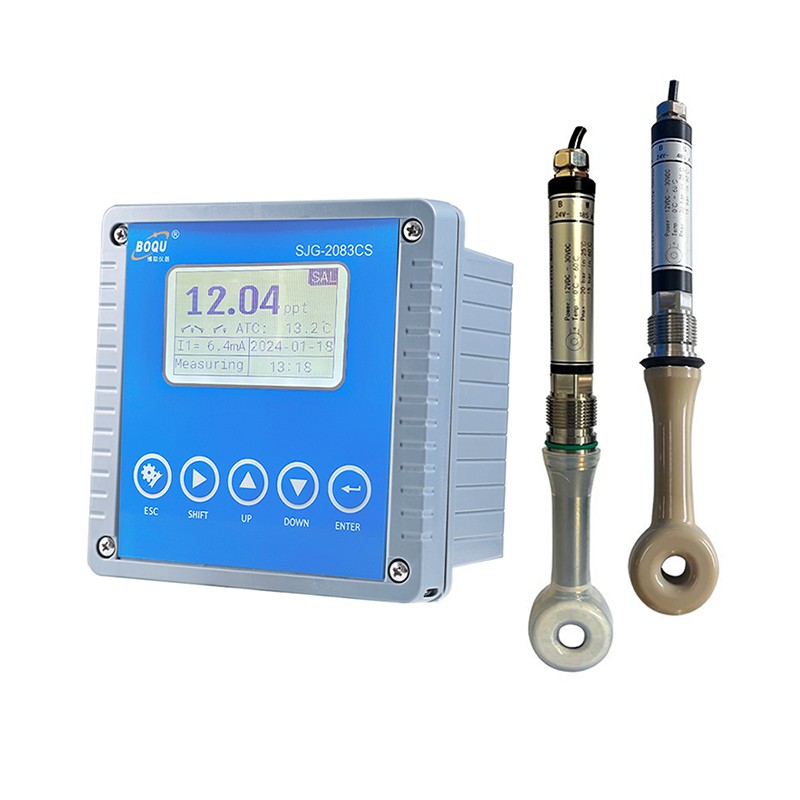
SJG-2083CS Online Acid & Alkali Concentration Meter
Inductive electrodeless conductivity probe ideal for chemical concentration monitoring and CIP cleaning control.
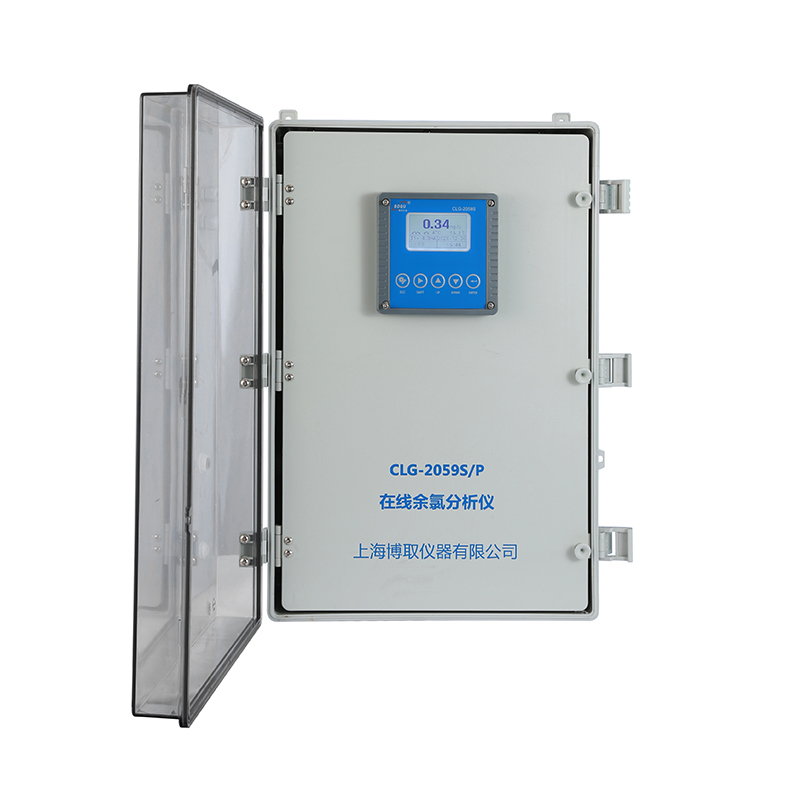
Online Free & Residual Chlorine Analyzer
Constant-voltage amperometric sensor system providing real-time disinfection control without reagent consumption.
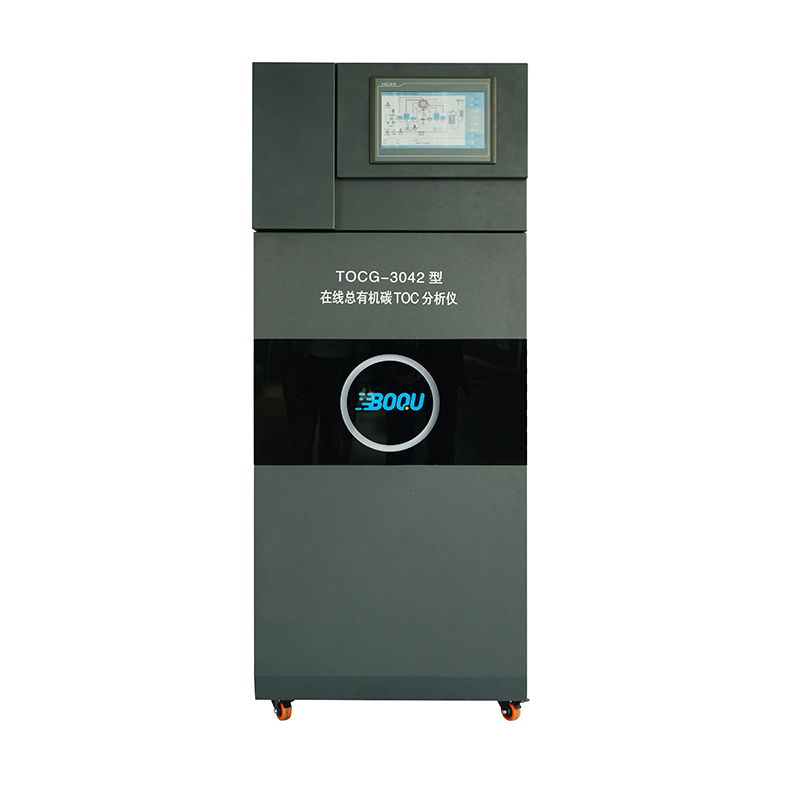
TOC-3042 Online Total Organic Carbon Analyzer
680°C catalytic combustion oxidation TOC meter for pharmaceutical purified water and industrial process loops.
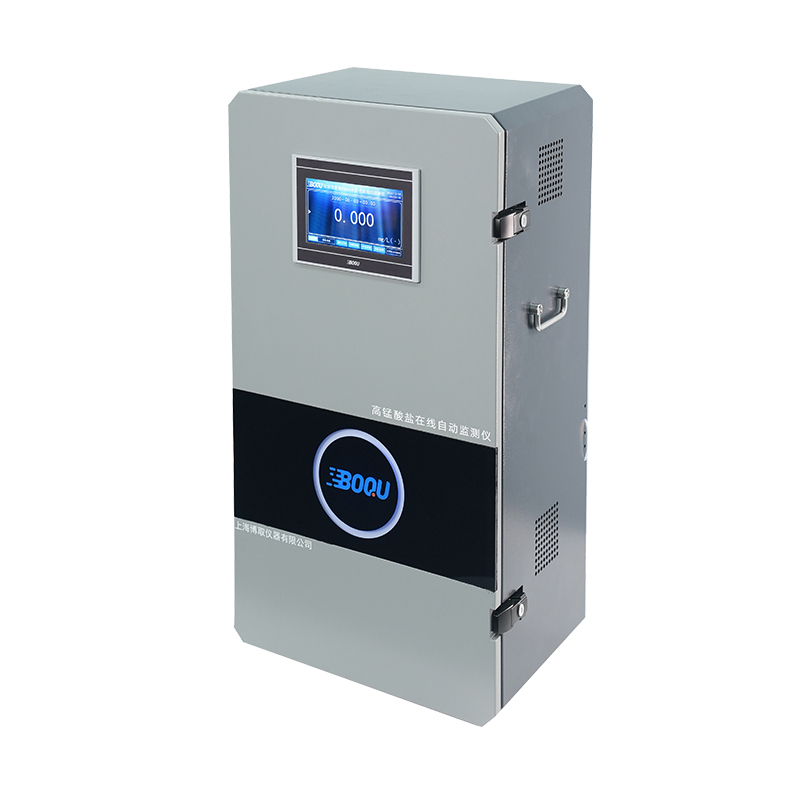
Online COD / TP / TN / Heavy Metal Analyzer System
Automated wet-chemistry analysis cabinet for environmental discharge monitoring and regulatory data reporting.
Consult a Shanghai BOQU Application Engineer Today
Submit your process water parameters, line pressure, temperature profile, and measurement range. Our Shanghai engineering group will prepare a customized silica analyzer configuration and technical quotation within 24 hours.