
High-Performance Process pH Electrodes & Core Analyzers
Manufactured under strict ISO 9001 guidelines at our Pudong & Lingang facilities. Every probe undergoes precision high-temperature aging, slope testing, and helium leak inspections before export.

China High Temperature (0-130℃) pH Sensor With Temperature
Engineered with integrated Pt1000/Pt100 RTD for active thermal drift compensation in continuous autoclave and extreme chemical reactions.

Wholesale High Temperature (0-130℃) pH Sensor Supplier
Equipped with pressurized polymerized gel electrolyte and annular ceramic diaphragms, eliminating electrolyte depletion during thermal shocks.

Wholesale High-temperature S8 Connector pH Sensor Manufacturers
Standard S8 / PG13.5 threaded head interface ensures 100% mechanical compatibility with global bioreactor ports and flow-through housings.

China High-temperature pH Sensor Pharmaceutical Fermentation
Certified non-toxic, bio-compatible gel electrolyte designed specifically for sterile recombinant protein and microbial biomass cultivation.

pH5806 High Temperature pH Sensor
Flagship electrode awarded the authoritative Shanghai Brand certification. Survives repeated SIP cycles up to 135℃ with zero asymmetric drift.

IOT-485-pH Digital Online pH Sensor
Microprocessor-embedded smart sensor delivering isolated RS485 Modbus RTU telemetry directly to PLC/SCADA without auxiliary transmitters.

pHG-2081Pro Industrial Online pH Analyzer
Dual 4-20mA galvanic output, dual SPDT relay alarms, and dynamic Nernst temperature compensation for severe industrial effluent dosing.

DCA130 Online pH & EC Dual Channel Analyzer
Space-saving DIN-rail/panel instrument executing synchronized potentiometric pH and toroidal conductivity monitoring in a single enclosure.
Engineering Principles of Industrial Process pH Electrodes
Understanding potentiometric cell performance, phase boundary potentials, and membrane dissolution kinetics in harsh chemical environments.
Electrochemical Architecture & Theoretical Mechanics
In process analytical chemistry, continuous in-line pH determination relies on potentiometric measuring chains governed by the theoretical Nernst equation: E = E₀ - (2.303 RT / F) × pH. While laboratory combination probes operate in pristine, quiescent aqueous samples, an industrial process pH probe must endure extreme turbulent velocities, aggressive organic solvents, high-temperature thermal cycling up to 130°C, and fluctuating system pressures reaching 10 to 16 bar.
At Shanghai BOQU Instrument, our glass fabrication center utilizes specialized lithium-silicate glass matrices with proprietary heavy metal oxides (such as BaO, La₂O₃, and TiO₂). This composition forms an ultra-dense, low-resistance hydrated gel layer (10 to 100 nm thick) when conditioned in water. Unlike conventional laboratory glass that exhibits catastrophic alkali errors at pH > 10 and rapid aging at elevated temperatures, our high-alkali glass formulations minimize sodium ion cross-interference and resist glass leaching during clean-in-place (CIP) caustic flushes.
| Electrode Parameter | Standard Laboratory Probe | BOQU Process High-Temp Probe (pH5806) | BOQU Solid-Polymer Digital Sensor |
|---|---|---|---|
| Operating Temperature | 0 to 60 ℃ | -10 to 130 ℃ (Steam Sterilizable / SIP) | -20 to 110 ℃ Continuous Process |
| Maximum Pressure | Atmospheric (< 0.5 bar) | Up to 10 bar (Internal Pre-pressurization) | Up to 16 bar (Non-compressing solid polymer) |
| Reference Junction | Single ceramic wick (Fouling prone) | Dual ceramic annular / porous PTFE sleeve | Open annular junction / solid polymer matrix |
| Reference Poisoning Protection | Direct Ag/AgCl immersion | Double-chamber Ag/AgCl with ion trap barrier | Polymeric salt matrix with heavy metal scavenger |
| Signal Output | Analog high-impedance mV (10¹² Ω) | Analog mV with integrated Pt1000 RTD | Direct Digital RS485 Modbus RTU / Isolated |
Silver Ion Diffusion Traps
Prevent sulfide (S²⁻) and cyanide (CN⁻) ions in industrial wastewater from precipitating insoluble Ag₂S within the reference diaphragm, ensuring zero diaphragm clogging.
High-Viscosity Gel Electrolytes
Cross-linked acrylamide and polyacrylamide polymer matrices saturated with 3.0M KCl prevent electrolyte wash-out even under rigorous liquid flow velocities.
Glass Impedance Diagnostics
Continuous monitoring of glass bulb membrane resistance (typically 50-250 MΩ) provides predictive alarms for bulb fracture, scale deposition, and chemical etching.
Why Tier-1 Global Integrators Source pH Sensors from China Factories
Combining complete vertical supply chain integration with world-class automated precision glass blowing and ISO-compliant robotic testing.
End-to-End Vertical Control: Kangqiao & Lingang Facilities
Unlike Western instrumentation brands that have largely outsourced their raw electrode blowing and assembly to fragmented sub-tier contractors, Shanghai BOQU maintains complete ownership of the electrochemical manufacturing pipeline across our two Shanghai facilities: our Kangqiao headquarters and Lingang advanced manufacturing base. From precision glass tube drawing, automated bulb blowing, and reference half-cell chlorination, to surface silanization, polymeric gel formulation, and PCB SMT assembly, every step is executed in-house.
This deep vertical integration allows BOQU to deliver distinct economic and technological advantages for international engineering contractors (EPCs), OEM instrument brands, and regional distributors:
- Superior Cost-to-Performance Ratio: Direct-from-factory pricing without intermediary markups provides up to 40-60% savings compared to legacy European or American analytical instrument suppliers, without compromising raw material quality.
- China's Dedicated High-Temperature Water Sensor Laboratory: We established China's first dedicated high-temperature analytical laboratory equipped with automated pressurized autoclaves, testing pH response curves under real-world 130℃ steam conditions.
- Flexible Engineering & Agile Prototyping: We provide comprehensive OEM/ODM engineering services. Custom immersion lengths (120mm, 225mm, 325mm, 425mm), specialized high-temperature glass formulations (HF-resistant, low-impedance pure water glass), private laser etching, and customized cable terminations (VP, S8, BNC, Variopin) can be fabricated with typical turnaround times of 7 to 15 business days.
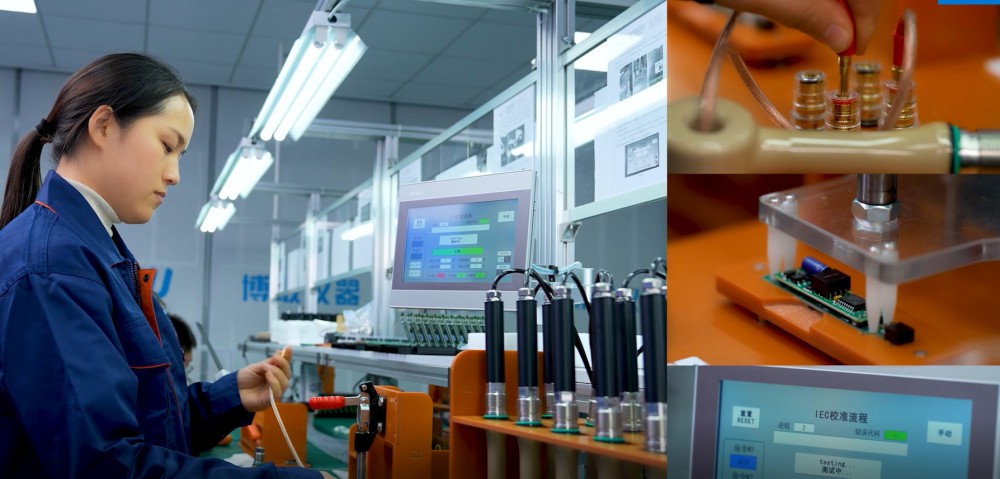
Analyzer Assembly Workshop
High-precision SMT lines and analyzer chassis integration delivering 100,000+ units annually.
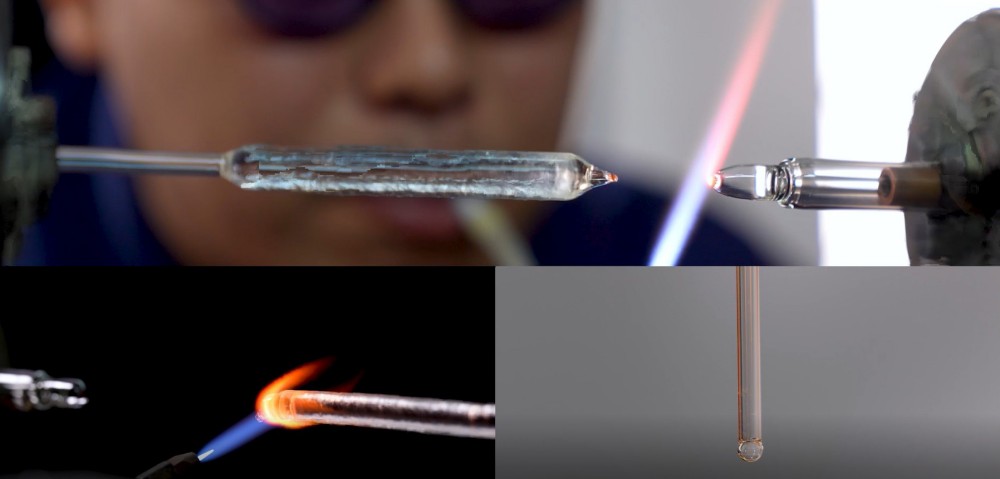
Electrode Production Workshop
Temperature-controlled clean workshops for glass blowing, reference gel filling, and S8 connector sealing.
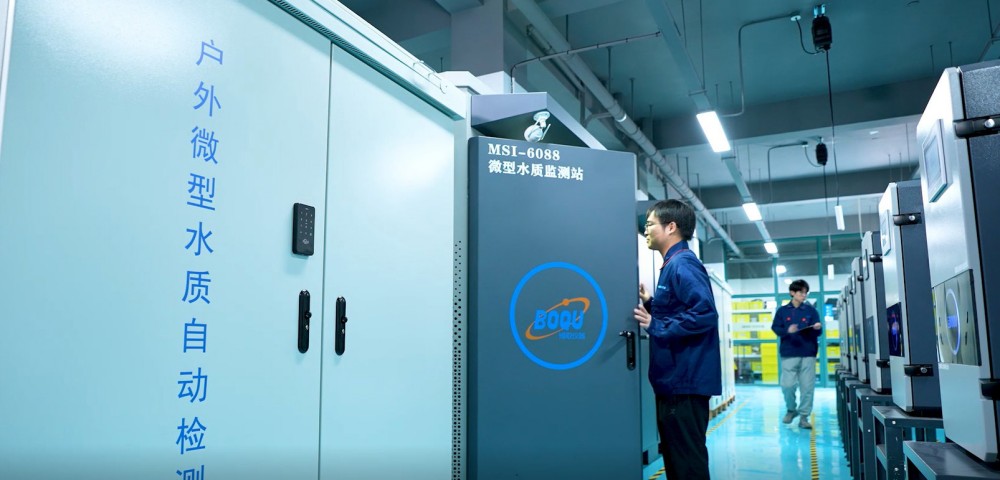
48-Hour Burn-in & Aging
100% multi-point buffer calibration and thermal shock testing before packaging and international dispatch.
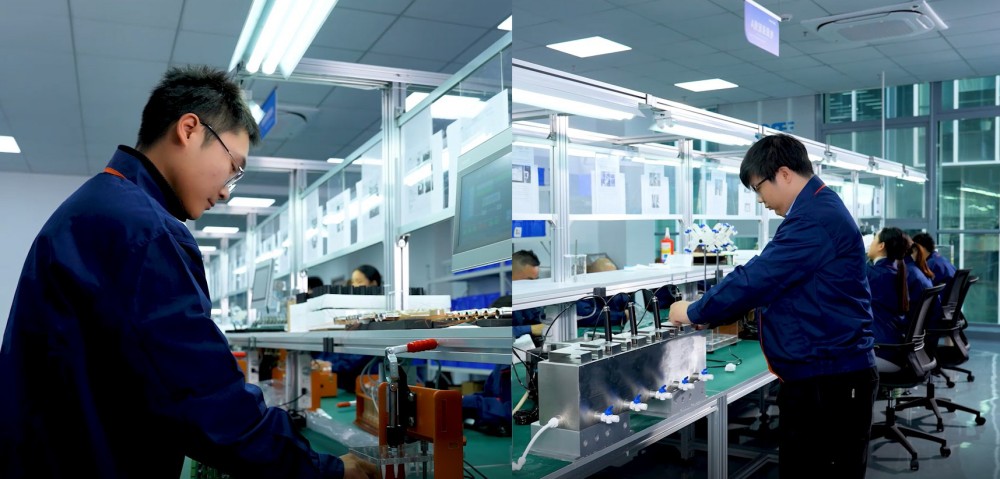
Electronics & Transmitter QC
EMC/EMI shielding tests and automated Modbus RTU telemetry verification for smart digital probes.
Technological Evolution: The Shift from Analog mV to Smart Digital PAT
How edge microprocessors, industrial Internet of Things (IoT), and advanced material polymers are transforming continuous process electrochemistry.
Edge Signal Digitization
Analog pH cables carry high impedance signals that attenuate over distances exceeding 10 meters and suffer from electromagnetic motor noise. Smart digital probes integrate the ADC directly into the sensor head, transmitting lossless RS485 Modbus RTU across up to 1,200 meters.
Offline Calibration & Hot Swapping
Technicians calibrate smart sensors in clean central laboratories with certified buffer solutions. Probes store calibration coefficients (zero point, slope) on internal EEPROMs, allowing true field plug-and-play installation without requiring on-site loop re-calibration.
Predictive Maintenance Life Profiling
Algorithms analyze continuous operating hours, operating temperature extremes, and glass/reference impedance dynamics. Distributed control systems receive real-time remaining useful life (RUL) warnings before batch-destroying sensor failures occur.
Engineered for Demanding Industrial Application Scenarios
Tailored electrochemical formulations addressing unique chemical and mechanical challenges across global processing plants.
1. Biopharma & Sterile Fermentation
Microbial and mammalian cell cultures are vulnerable to contamination and osmotic stress. BOQU's pH5806 features certified biocompatible electrolyte gels and survives repeated 130℃ steam-in-place (SIP) cycles without asymmetric potential drift, ensuring regulatory compliance with FDA cGMP criteria.
2. Thermal Power Generation SWAS
In boiler feedwater and condensate return lines, high-purity water exhibits extremely low electrical conductivity (< 0.1 µS/cm). This induces flow-dependent static streaming potentials. Our SWAS pH probes use specialized high-flow liquid KCl junctions and stainless steel flow chambers to stabilize potential readings.
3. Harsh Industrial Wastewater Treatment
From electroplating effluent to textile dyeing waste containing heavy metal precipitants, organic greases, and high fluoride concentrations. BOQU supplies HF-resistant glass membranes and large-area annular PTFE reference junctions that resist scaling, tar accumulation, and chemical fouling.
4. Chemical Synthesis & Acid/Alkali Control
Continuous chlor-alkali production, pigment neutralization, and fertilizer reactors operate at extreme pH ranges (0-14) under intense agitation. Solid polymer electrolytes prevent process back-flow into the sensor, maintaining stable electrochemical contact without external liquid electrolyte overpressure tanks.
5. Food, Beverage & Dairy CIP
Sensors deployed in milk processing and beverage lines must withstand rapid transitions between room temperature media, 85℃ hot water, 2% caustic soda (NaOH), and 1% nitric acid (HNO₃). BOQU's rapid-thermal-response glass resists cracking from thermal shock and recovers reading equilibrium in seconds.
6. Flue Gas Desulfurization (FGD) Slurries
Coal-fired boilers and waste incineration wet scrubbers generate abrasive gypsum slurries with high chloride contents. Our heavy-duty flat-glass pH probes use velocity-induced self-cleaning kinetics to sweep abrasive particles across the membrane, preventing buildup and mechanical abrasion.
Field Installations Across Global Process Leaders
Over 2,000 enterprise customers across 100+ countries rely on BOQU analytical instrumentation in mission-critical processing lines.
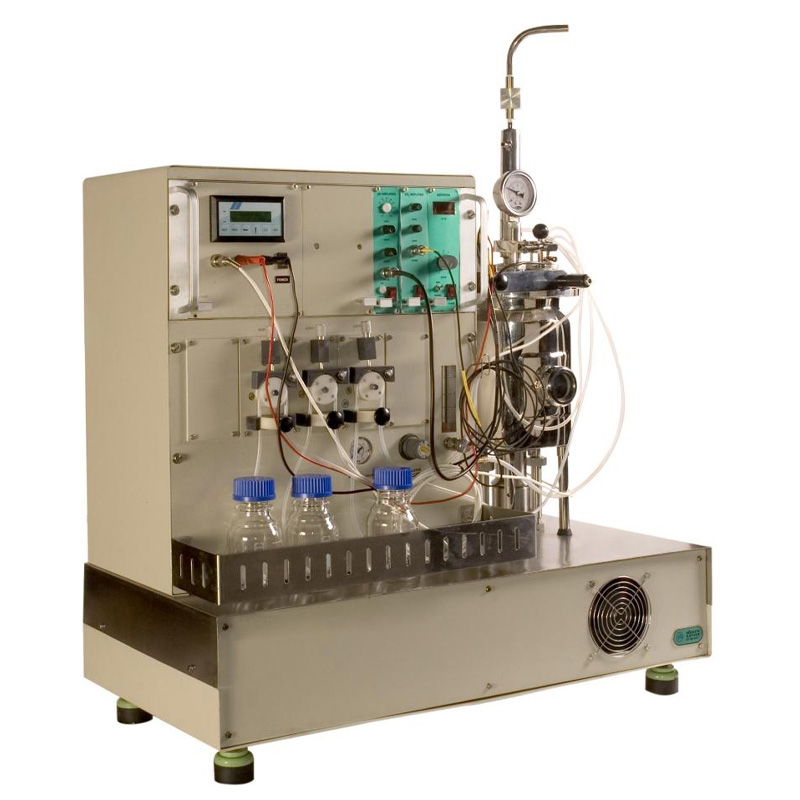
High-Temp Fermentation pH Control
Maintaining broth pH within ±0.05 pH units inside 50 m³ fermenters during 14-day continuous antibiotic synthesis campaigns.
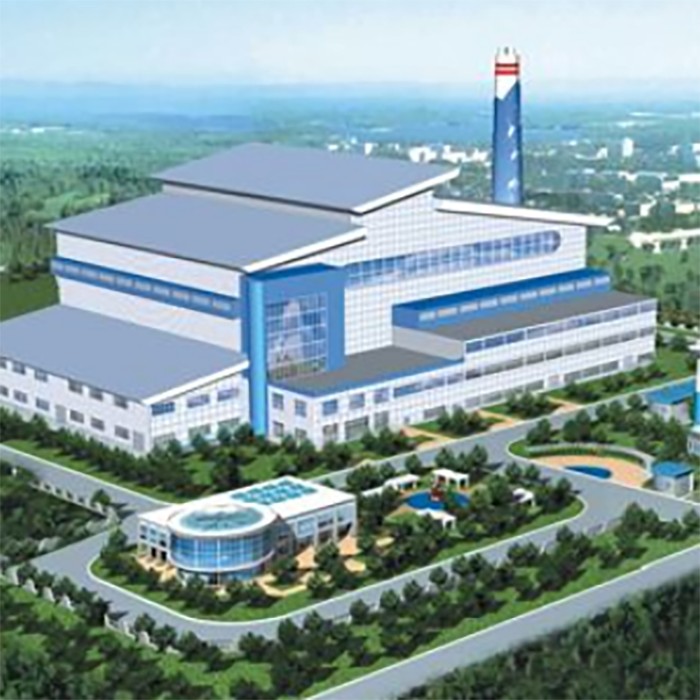
Waste Incineration Power SWAS
Continuous boiler feed pH and silicate monitoring protecting high-pressure steam turbines from silica scale and acid corrosion.
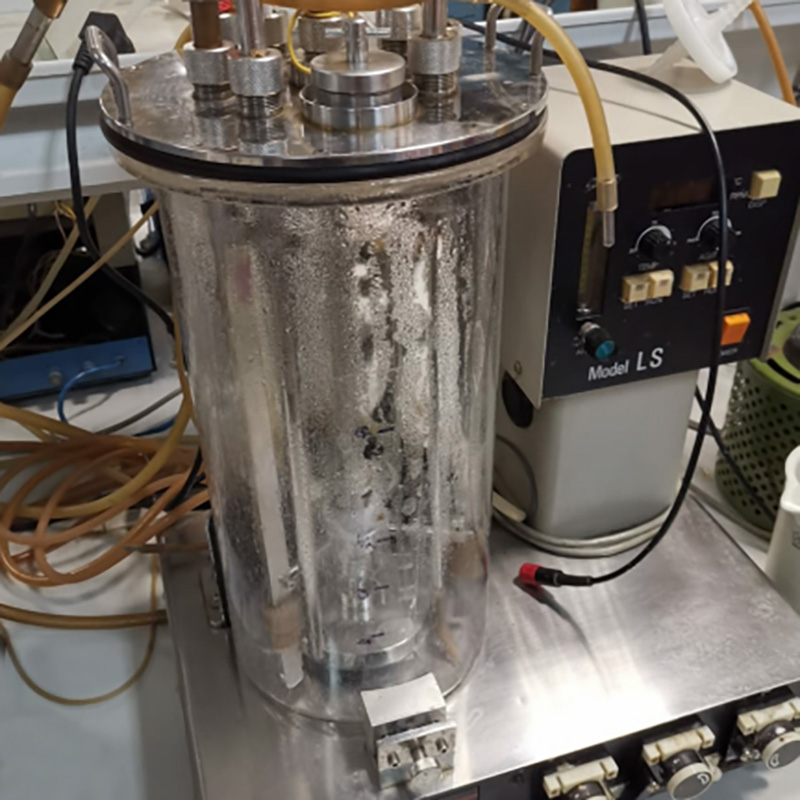
Amino Acid Production Facility
Sub-zero ambient resistance and robust resistance to repeated automated autoclaving cycles in food and feed bio-manufacturing.
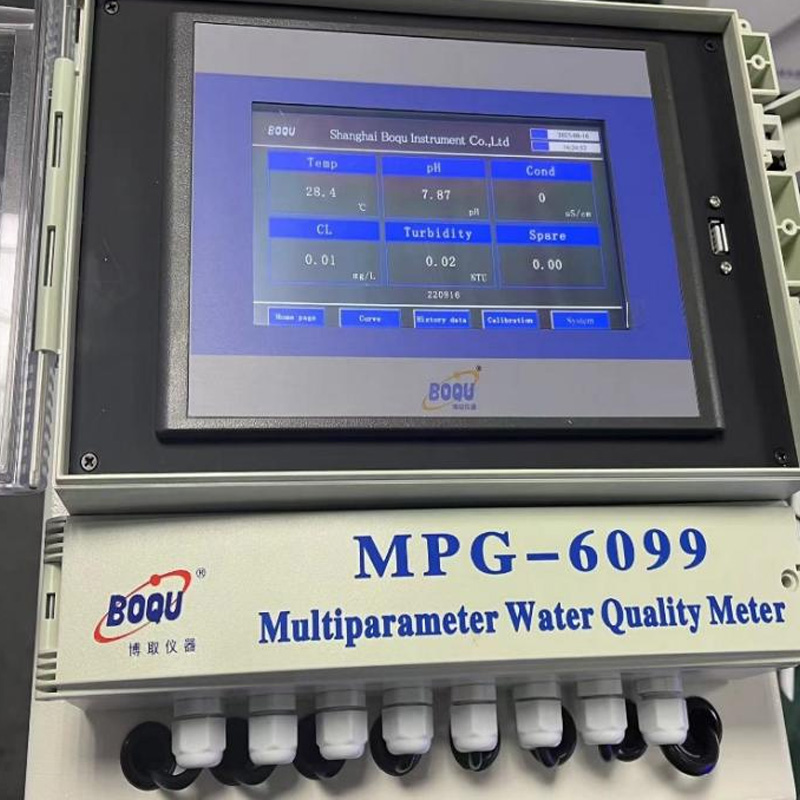
Automated Effluent Compliance
Managing a 200 m³/day plant meeting QCVN 40:2011/BTNMT Class A standards with closed-loop neutralization dosing control.
Total Cost of Ownership (TCO) & Engineering Integration Guide
Evaluating long-term calibration overhead, electrode service life, and integration with modern industrial control platforms.
The Hidden Costs of Low-Grade pH Electrodes
In continuous chemical and biopharmaceutical production, the purchase price of a pH electrode accounts for less than 15% of its total operating lifecycle cost. The overwhelming majority of expenditures stem from unexpected batch disposal caused by drift, unplanned maintenance shutdowns, frequent labor-intensive recalibrations, and premature junction failures. Selecting an industrial-grade process pH probe manufactured by a specialized China supplier like BOQU directly optimizes plant economics:
Reduced Calibration Frequency
By using polymerized non-flowing solid gel electrolytes and dual-chamber reference designs, BOQU probes demonstrate drift rates below 0.02 pH per month, extending calibration intervals from weekly to quarterly in non-fouling applications.
OEM / ODM Supply Chain Security
Global instrumentation manufacturers leverage BOQU's large-scale Pudong factories for private-label production. We offer custom laser branding, bespoke sensor lengths, and custom firmware mapping for frictionless brand expansion.
Fast International Dispatch
With thousands of core glass bulbs, S8/VP connectors, and pre-machined housings maintained in rolling inventory, typical order fulfillment spans only 5-10 working days, protecting global plants from critical sensor stockouts.
Frequently Asked Technical & Procurement Questions (FAQ)
In-depth responses compiled by BOQU electrochemical application engineers and export directors.
What differentiates an industrial process pH probe from a laboratory pH electrode?
How does the pH5806 survive repeated steam sterilization (SIP) and autoclaving?
What signal transmission options are available for automated DCS/PLC architectures?
Why is temperature compensation essential, and how is it implemented?
How do you prevent reference junction poisoning in media containing hydrogen sulfide?
What parameters should international buyers specify when requesting custom OEM probes?
Integrated Water Quality Sensors & Process Analyzers
Complete multi-parameter analytical instrumentation designed for continuous synchronization with our process pH probes across modern water treatment and manufacturing lines.

DOG-208FA High Temperature Dissolved Oxygen Sensor
Polarographic dissolved oxygen electrode built to withstand continuous 130℃ steam sterilization cycles in industrial aerobic fermenters.

ZDYG-2088-01QX Online Turbidity & TSS Sensor
Infrared 860nm scattered-light sensor equipped with mechanical self-cleaning wiper for continuous effluent and sludge blanket monitoring.

MPG-6099Plus Multi-parameter Water Quality Analyzer
Modular panel integration tracking pH, residual chlorine, turbidity, conductivity, and dissolved oxygen for municipal drinking networks.

SJG-2083CS Online Acid & Alkali Concentration Meter
Toroidal electrodeless conductivity sensor executing direct inline percentage concentration determination for CIP caustic and acid lines.

Online Free Residual Chlorine Analyzer
Continuous amperometric measurement with automated pH and temperature compensation, eliminating reagent waste in disinfection loops.

Online Silicate / Phosphate / Sodium SWAS Analyzer
Micro-fluidic colorimetric analyzer engineered for sub-ppb trace contamination detection in thermal power boiler feedwater systems.

TOC-3042 Online Total Organic Carbon Analyzer
High-precision UV persulfate oxidation system compliant with USP/EP standards for pharmaceutical purified water and WFI loops.

Online COD, TP, TN & Ammonia Nitrogen Analyzer
Automated wet-chemistry spectral digestion platform delivering verifiable environmental discharge compliance data to governmental networks.