
High-Precision Portable & Online Analytical Instrumentation
Explore field-tested, ISO 9001 and CE certified analyzers and digital IoT sensors engineered in our Shanghai production facilities for harsh chemical matrices and mission-critical fieldwork.

Wholesale High Temperature (0-130℃) pH Sensor
Specialized polymer gel electrolyte and pressurized reference junction resisting thermal shock and aggressive media fouling up to 130°C.
- 0–130°C Operability
- CIP/SIP Sterilizable

High Temp pH Sensor with Built-in RTD
Combines dual ceramic diaphragms with an integrated Pt100/Pt1000 RTD sensor for automatic dynamic temperature compensation.
- Dual Ceramic Diaphragm
- Pt100/Pt1000 RTD

High-Temperature S8 Connector pH Sensor
Universal standard S8 threaded PG13.5 connector engineered for bioreactor headplates and rapid field maintenance swap-outs.
- PG13.5 Quick Mount
- Low Noise Cable

Pharmaceutical Fermentation pH Electrode
Ultra-pure glass formulation designed for repeated autoclaving, resisting protein poisoning in antibiotic and vaccine broths.
- FDA Compliant Glass
- Poison-Resistant
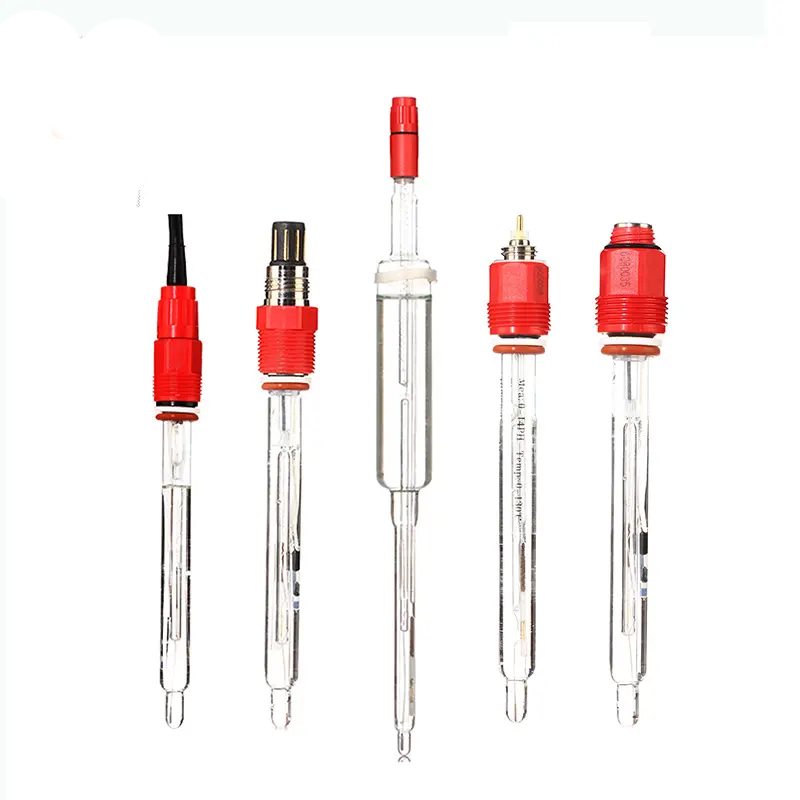
pH5806 Industrial pH Electrode
Awarded the prestigious 'Shanghai Brand' recognition. Certified for extreme process chemistry and high-pressure steam environments.
- 0–14 pH Range
- 6 Bar Overpressure
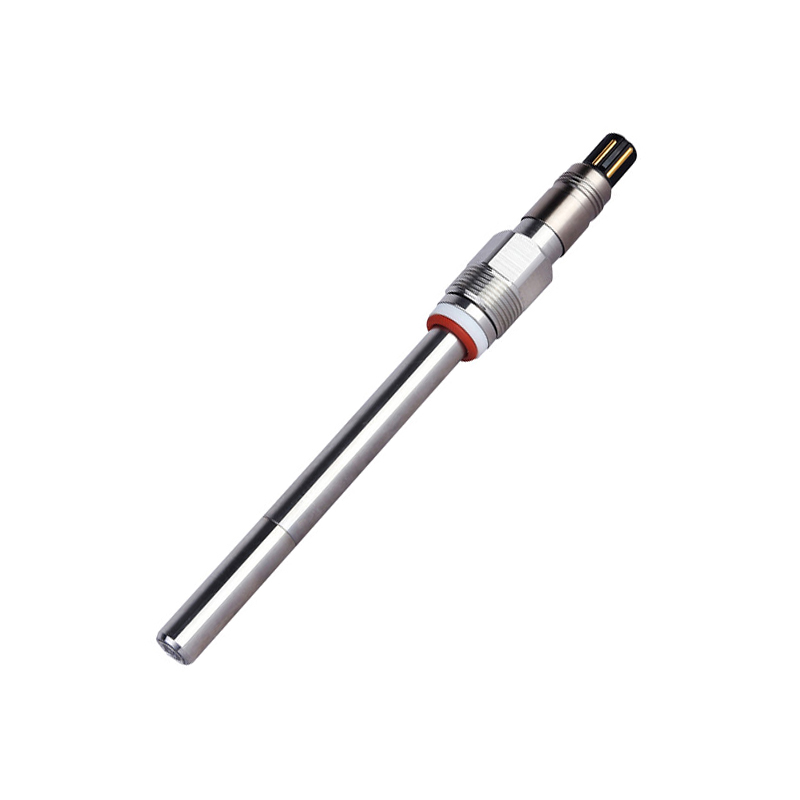
DOG-208FA High Temp DO Sensor
Polarographic dissolved oxygen electrode built to endure continuous steam sterilization in sanitary biopharma vessels.
- Fast Response Foil
- Steam Sterilizable
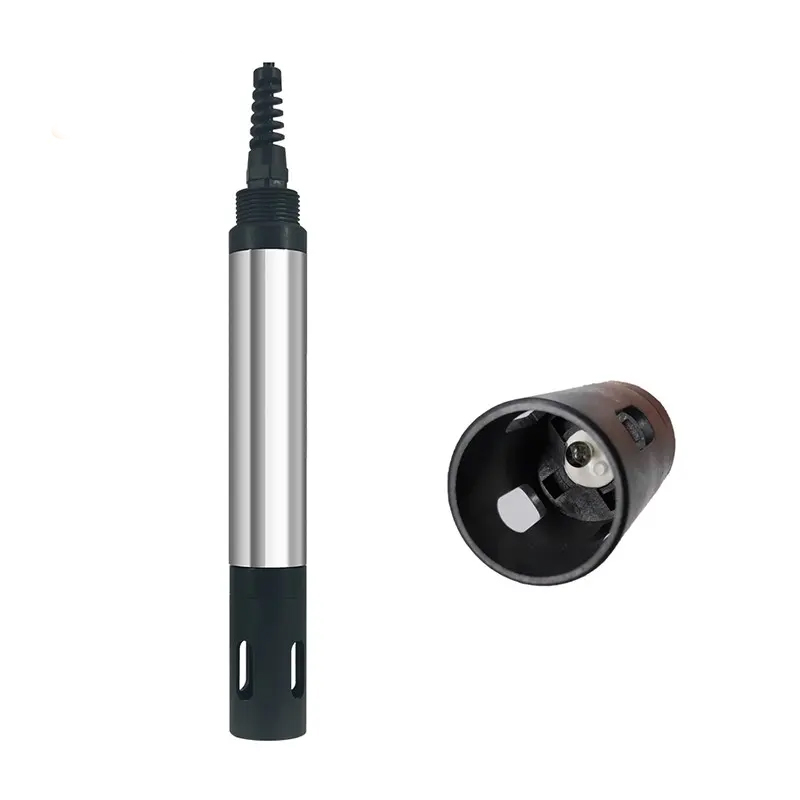
IOT-485-pH Digital Smart Probe
Direct-to-cloud RS485 Modbus RTU interface with embedded microprocessor. No transmitter required for PLC or edge gateway link.
- Native Modbus RTU
- Direct PLC Link
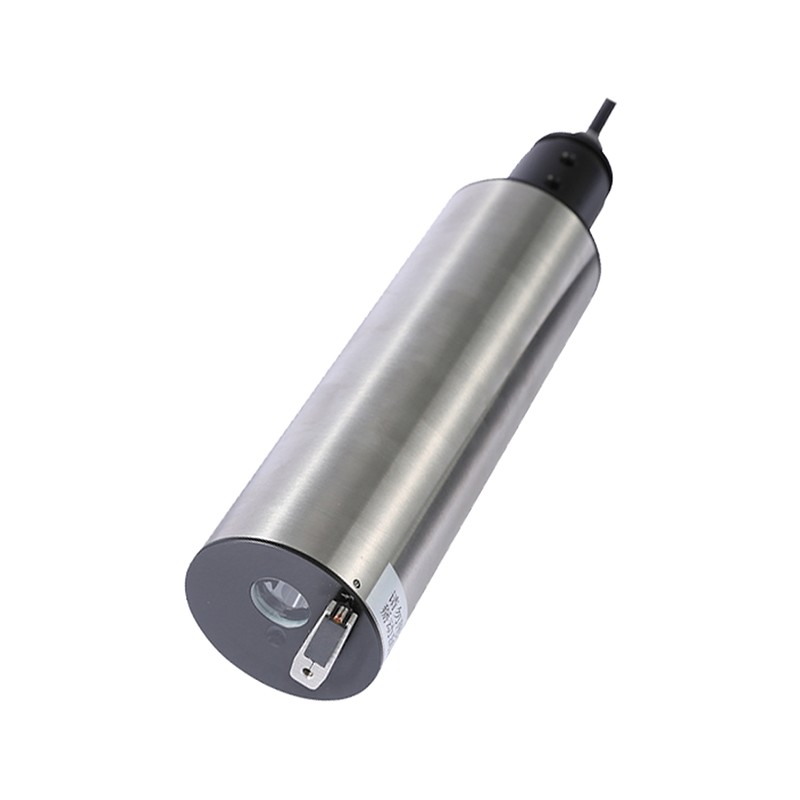
ZDYG-2088-01QX Turbidity Sensor
860nm NIR scattered light optical turbidity and suspended solids sensor equipped with automated mechanical cleaning wiper.
- ISO 7027 Compliant
- Integrated Wiper
Portable COD Analyzers: Mission-Critical Field Intelligence for Modern Water Systems
Chemical Oxygen Demand (COD) serves as the primary benchmark for organic pollutant loading across global industrial and municipal effluent systems. Portable COD analyzers provide laboratory-grade accuracy directly to outfalls, emergency response teams, and mobile treatment operators.
Industrial Effluent & Regulatory Outfall Compliance
Discharge permits enforce stringent, non-negotiable COD caps. Traditional dichromate reflux digestion can take 2 to 4 hours in fixed central labs, creating substantial operational risk. Portable field analyzers empower compliance directors and environmental technicians to execute rapid on-site screening within 15–20 minutes, preventing regulatory exceedance fines, unauthorized industrial discharges, and municipal sewer surcharges.
Surface Water Surveillance & Crisis Response
Sudden organic pollution spikes caused by illegal dumping, chemical run-off, or upstream stormwater bypass require instant on-site identification. Mobile emergency analysis units equipped with ruggedized portable COD spectrophotometers evaluate river basins, watershed reservoirs, and stormwater outlets in real time, bypassing sample degradation and preservation artifacts associated with remote sample transport.
Wastewater Treatment Plant (WWTP) Aeration Optimization
Process engineers utilize portable COD instruments to monitor biological treatment efficacy along aeration basins, primary settling tanks, and secondary clarifiers. Immediate organic load quantification facilitates precision dissolved oxygen (DO) blower modulation, coagulant polymer dosing control, and optimal carbon-to-nitrogen ratio tuning without waiting for delayed batch laboratory assays.
Established Year
Shanghai Facilities
Engineers & Specialists
Annual Instrument Output
Export Nations
Enterprise Clients
Technological Evolution: From Sealed Digestion to Optical AI Green Sensing
The portable COD instrumentation landscape is undergoing a profound paradigm shift driven by hazardous reagent reduction, miniature spectrometer integration, and edge algorithm compensation.
Generation I & II: Sealed Tube Colorimetry
Traditional portable COD meters utilize miniature multi-hole thermal digestors operating at 165°C for 15 to 20 minutes under potassium dichromate and sulfuric acid conditions. Colorimetric determination at 420 nm or 610 nm yields precise correlation to Standard ISO 15705 methods. While highly dependable across complex industrial pollutants, operators must handle hazardous mercury sulfate masking reagents and acidic waste vials.
Generation III: Direct UV254 Optical Spectrophotometry
Addressing zero-reagent environmental directives, state-of-the-art portable COD optical dip sensors utilize direct UV-Vis absorption at 254 nm. Aromatic organic compounds with double carbon bonds absorb ultraviolet energy proportionally to organic concentration. Dual-beam reference compensation at 530 nm or 860 nm automatically cancels turbidity interference, providing instant reagent-free readings in seconds.
Next-Gen: Multi-Spectral Neural Matrix Compensation
BOQU's Shanghai engineering team is pioneering deep multi-spectral array sensors spanning 200 nm to 750 nm combined with machine learning drift compensation. By continuously evaluating absorption curve curvature, smart micro-controllers identify sudden matrix composition shifts (such as surfactant blooms or industrial solvent influxes), autonomously switching calibration curves without manual re-zeroing.
Analytical Principles & Operational Comparison
Evaluating measurement mechanisms, testing cycle durations, reagent overheads, and regulatory compliance standards for municipal and industrial decision makers.
| Analytical Technology | Measuring Range (COD) | Analysis Cycle Time | Reagent Dependency | Turbidity Interference Compensation | Primary Compliance Standard | Ideal Field Use Case |
|---|---|---|---|---|---|---|
| Fast Sealed Digestion (Dichromate) | 5.0 to 15,000 mg/L (diluted) | 15 – 20 Minutes | Pre-dosed Reagent Vials | Physical digestion & zero-cell subtraction | ISO 15705:2002, US EPA 410.4 | Official regulatory outfalls, legal compliance defense |
| Direct UV-Vis Spectrophotometry (254nm) | 0.5 to 2,000 mg/L | < 5 Seconds (Instant) | Zero Reagents (Green Sensing) | Real-time 530nm/860nm dual optical beam | DIN 38404-3 (SAC254 correlation) | Surface water, aeration basin profiling, storm drains |
| Electrochemical / Hydroxyl Radical (OH•) | 2.0 to 3,000 mg/L | 3 – 5 Minutes | Electrolyte Buffer Solution | Electrochemical barrier filtration | Regional Industry Equivalent Method | Semi-automated mobile field kits, continuous skid setups |
| Multi-Wavelength Hybrid UV-VIS + Turbidity | 0.1 to 1,500 mg/L | < 3 Seconds | Zero Reagents | Full-spectrum array algorithm with baseline fit | Sensor-to-Lab Correlated Transfer Standard | IoT wireless monitoring nodes, mobile environmental drones |
China Industry 4.0: End-to-End Vertical Integration & Supply Resilience
Shanghai BOQU Instrument operates dedicated high-temperature sensor laboratories and analyzer assembly workshops across Kangqiao and Lingang, delivering uncompromised batch-to-batch repeatability.
Dedicated High-Temp Sensor Laboratory
Housing China's pioneering laboratory dedicated exclusively to extreme high-temperature water quality sensors. Every glass membrane and reference electrode undergoes thermal cyclic stress testing up to 130°C and 6 Bar backpressure to guarantee zero hairline fracturing during steam sterilization (SIP) runs.
Automated SMT & Digital Calibration Benches
Our Lingang facility utilizes automated Surface-Mount Technology (SMT) for controller electronics, optical LED driver boards, and isolated RS485 circuitry. Calibrations are logged via automated multi-point bath robotic systems, removing human manual bias from calibration certificates.
48-Hour Full-Burn-In Thermal Aging
Quality reliability is guaranteed through strict non-destructive quality screening. 100% of portable spectrophotometer electronics, optical sensor capsules, and transmitter units undergo continuous 48-hour operational aging in climate chambers before packaging to eliminate early component failure.
Tier-1 Component Sourcing & Redundancy
Critical optoelectronic components (pulsed xenon flashlamps, UV LEDs, photodiodes) and corrosion-resistant materials (Titanium Grade 2, PEEK, Hastelloy) are sourced through dual-supplier redundancy frameworks, shielding global partners from geopolitical logistics volatility.
Custom OEM / ODM Programs Tailored for Multinational Brands
Whether you are an international equipment distributor, an environmental engineering EPC contractor, or an IoT solution architect, BOQU provides full turnkey contract manufacturing services.
Private Labeling & Industrial Housing Customization
We deliver private-label white-box manufacturing, including custom injection mold color schemes, laser-etched stainless steel serial badges, localized exterior silk-screen branding, and heavy-duty field transport cases (IP67 waterproof Pelican-style cases) equipped with foam inserts for digesters and glassware.
Custom Firmware, Multilingual GUI & Protocol Stacks
Our in-house firmware development team configures intuitive graphical interfaces in English, Spanish, Russian, French, or Vietnamese. We program proprietary calibration curves, user security permissions, data logging exports via USB/Bluetooth, and direct protocol adaptations including RS485 Modbus RTU, 4-20mA, MQTT, or 4G NB-IoT.
Lifecycle TCO Optimization & Reagent Supply Kits
Unlike Western OEMs who enforce monopolistic consumable lock-ins, BOQU offers open-architecture reagent vial compatibility. Operators can utilize standard pre-formulated digestion vials or prepare bulk standard chemistries according to Standard Methods 5220 D, reducing recurring annual testing expenditures by up to 60%.
Global Metrology Standards, Traceability & Certification
Every BOQU analytical instrument is backed by comprehensive international conformity certifications, ensuring data defensibility in judicial, regulatory, and industrial audit settings.
ISO 9001 & ISO 14001 Audited Operations
Production facilities are strictly certified under ISO 9001 Quality Management Systems and ISO 14001 Environmental Management Systems. All incoming components, surface treatment processes, and final calibrations adhere to standardized standard operating procedures (SOPs) to guarantee zero defective shipments.
CE Mark, Electromagnetic EMC & LVD Compliance
Analyzers hold authentic European CE marks, fully tested in accredited third-party laboratories under EN 61326-1 for electromagnetic compatibility (EMC) in industrial environments and EN 61010-1 electrical safety directives, preventing electronic signal disturbance near heavy variable-frequency drive pumps.
NIST & National Primary Reference Traceability
Spectrophotometric wavelengths, photometric absorbance linearities, and high-temperature pH calibration buffers are systematically verified against National Metrology Institute and NIST-traceable reference standard solutions. Certificates of Calibration accompany every unit for audit compliance.
Proven Operational Resilience in Critical Global Facilities
Real-world deployment records across pharmaceutical plants, power generation stations, municipal works, and aquaculture facilities worldwide.
Vietnam: Industrial Park Outfall Compliance
In a 200 m³/day centralized chemical wastewater plant in Bac Ninh, BOQU online multi-parameter COD and ammonia analyzers operate continuously to meet strict Vietnamese QCVN 40:2011/BTNMT Class A standards, logging data to provincial environmental portals with 99.4% uptime.
India: Biotech Broth Steam Sterilization
A major fermentation API manufacturer in Gujarat relies on BOQU pH5806 electrodes. The probes withstand bi-weekly Clean-in-Place (CIP) and Steam-in-Place (SIP) cycles at 128°C without drift, safeguarding biological enzyme yields across 10,000-liter bioreactors.
Brazil: Precision Hydroponic Dosing Loops
In a massive commercial greenhouse facility in São Paulo, dual-channel DCA130 analyzers measure pH and electrical conductivity in closed-loop recirculation pipelines, regulating fertilizer dosing pumps in real time to prevent mineral precipitation and nutrient root burn.
China: SWAS Station at Incineration Power Plant
A flagship waste-to-energy plant in Beijing integrates BOQU online silicate, sodium, and trace dissolved oxygen analyzers into its high-pressure Steam and Water Analysis System (SWAS), preventing silica scaling across turbine blades and saving millions in boiler downtime.
Online Controllers, Optical Sensors & Wet Chemical Analyzers
Engineered for direct integration into SCADA panels, field flow cells, and automated outfall stations. Connect with our engineering division for wholesale quotes and project schedules.
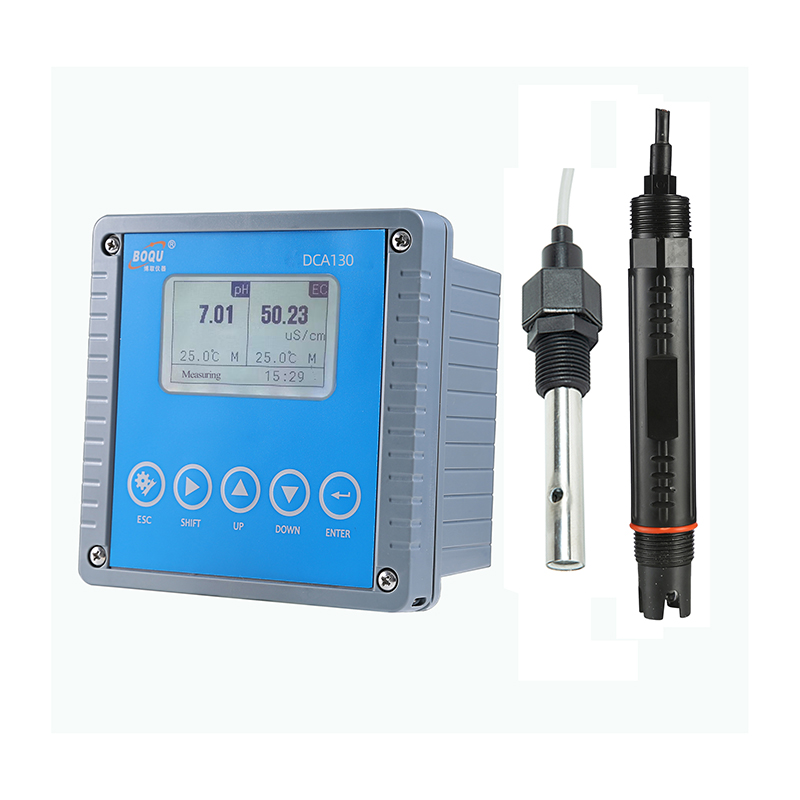
DCA130 Dual Channel pH & EC Analyzer
Compact wall-mounted analyzer monitoring pH and conductivity simultaneously, optimizing panel footprint for RO skids and hydroponics.
- Dual Sensor Inputs
- Programmable Relays
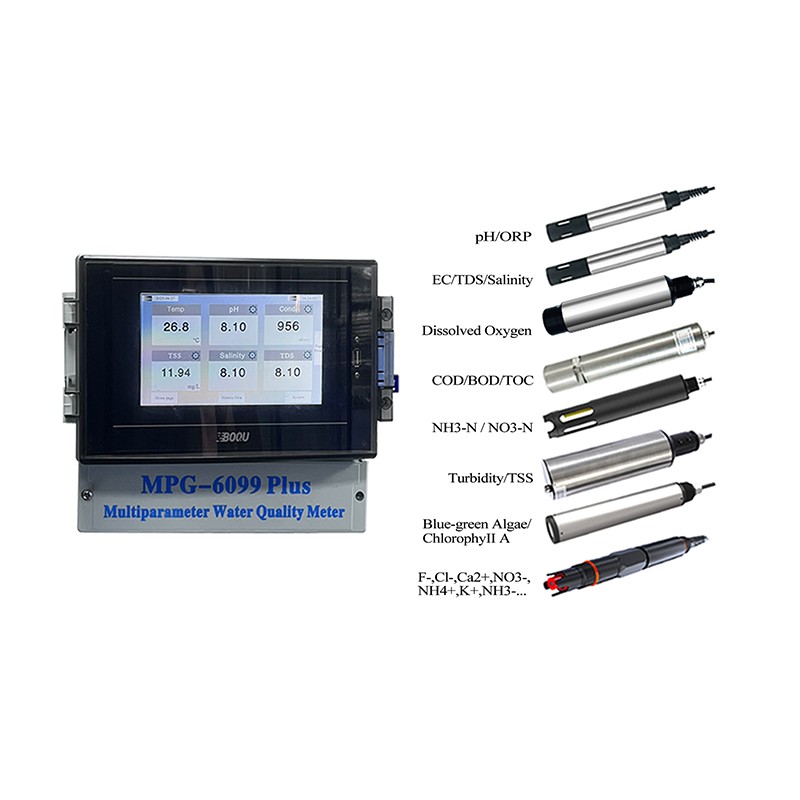
MPG-6099Plus Integrated Water Panel
Centralized multi-parameter telemetry station combining residual chlorine, turbidity, pH, conductivity, and DO on one pre-plumbed panel.
- Plug & Play Panel
- Touchscreen Interface
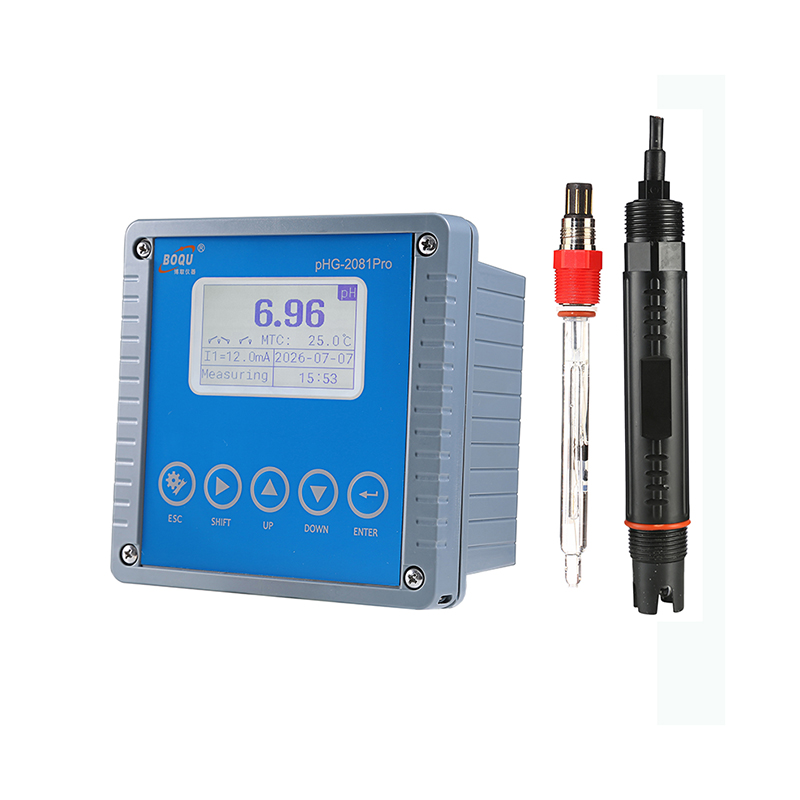
pHG-2081Pro Industrial pH Controller
Heavy-duty IP65 enclosure with dual 4-20mA current outputs, RS485 Modbus, and multi-mode alarm relays for chemical neutralization dosing.
- IP65 Rugged Casing
- Dual 4-20mA Outputs
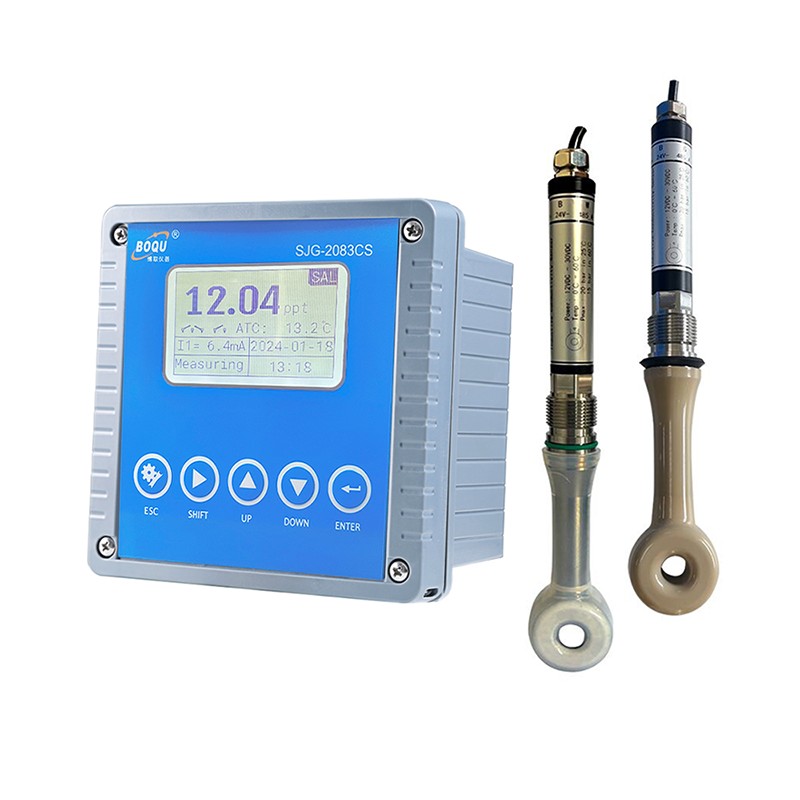
SJG-2083CS Acid & Alkali Meter
Toroidal inductive conductivity sensor measuring harsh percentage concentrations of HCl, H2SO4, NaOH, and HNO3 in CIP lines.
- Non-Contacting Toroid
- CIP Concentration
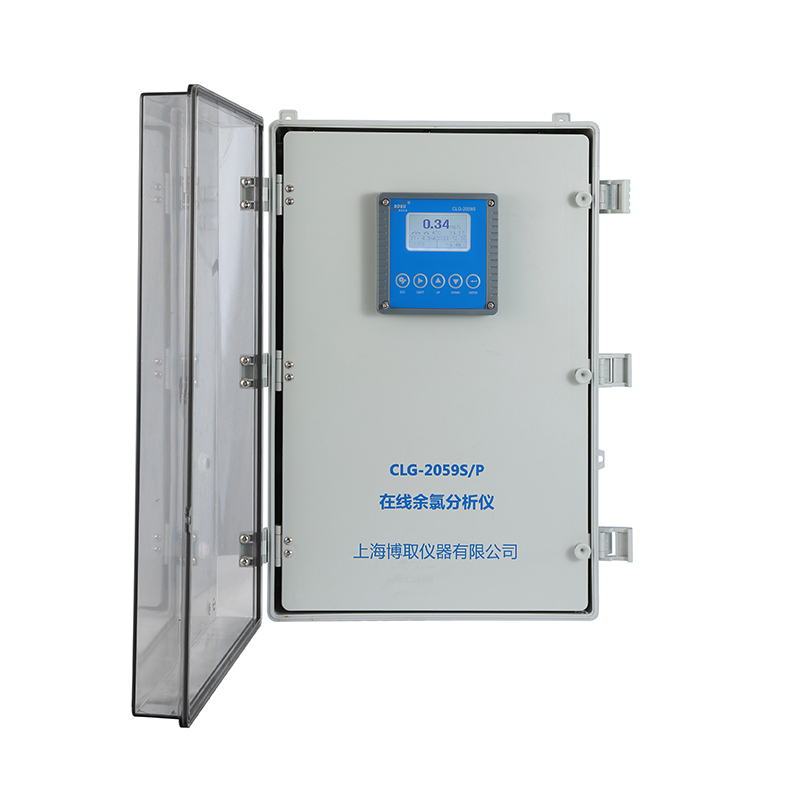
Online Residual Chlorine Analyzer
Continuous amperometric constant-voltage sensor measuring free chlorine down to 0.001 mg/L in municipal drinking water distribution networks.
- Amperometric Cell
- Zero Reagent Cost
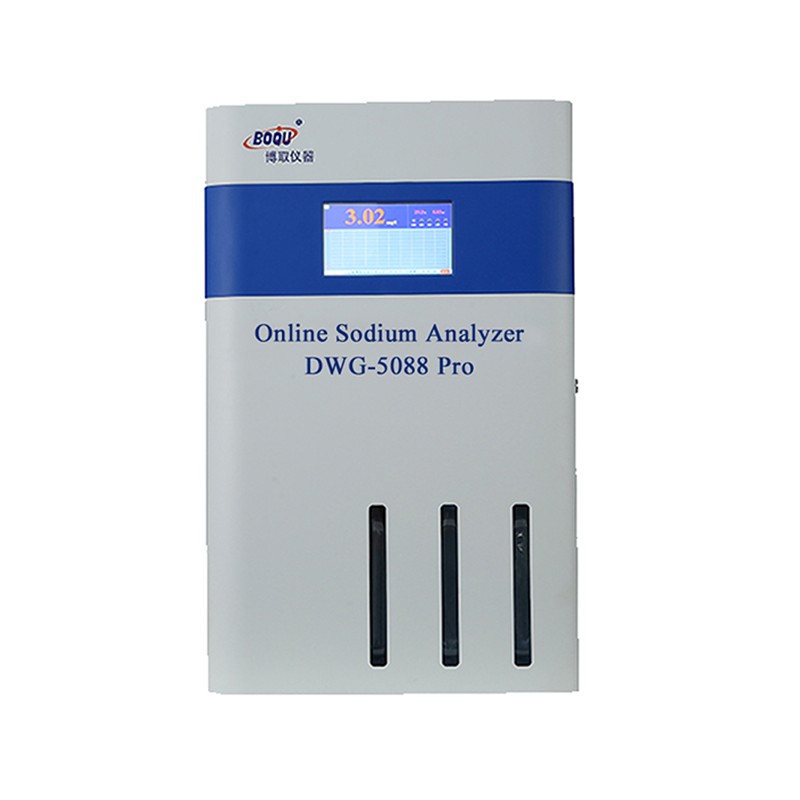
SWAS Trace Silicate & Sodium Analyzer
Sub-ppb ultra-trace colorimetric analyzer protecting thermal turbines and superheaters against silica volatilization and boiler corrosion.
- Sub-ppb Sensitivity
- Auto-Calibrating
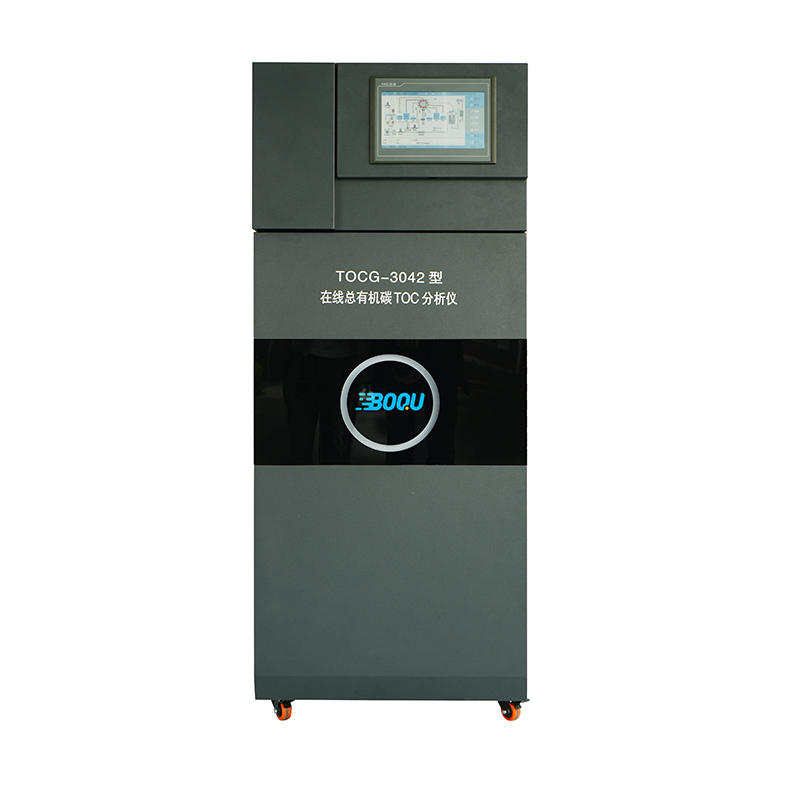
TOC-3042 Online TOC Analyzer
UV-persulfate oxidation with differential conductivity measurement, engineered for USP/EP compliant pharmaceutical WFI and Purified Water systems.
- USP/EP Compliant
- WFI Loop Validation
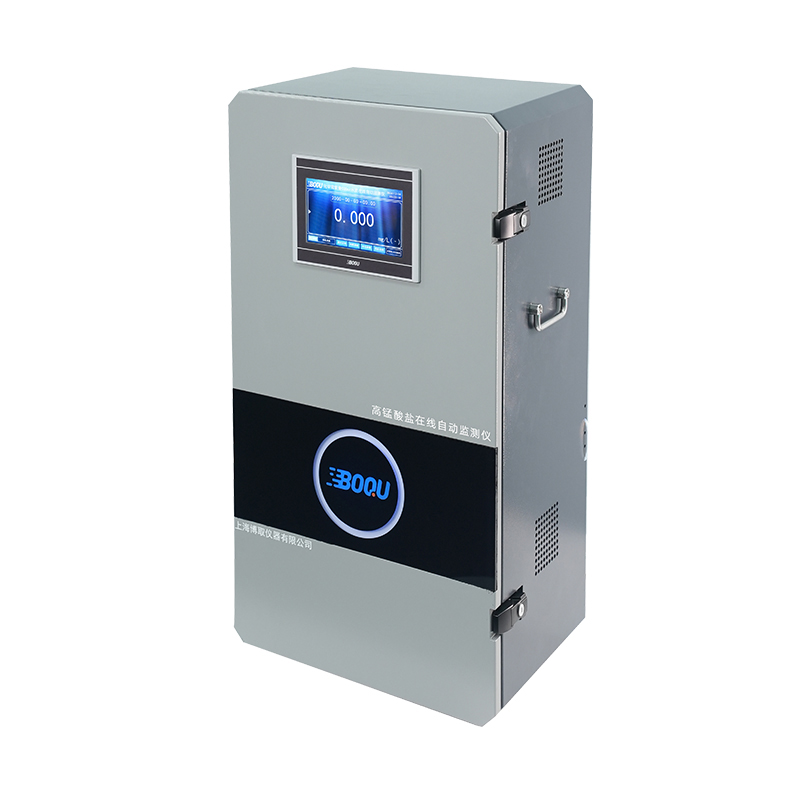
Online COD / TP / TN / NH3-N System
Automated cabinet-style wet chemistry analyzer equipped with high-precision peristaltic dosing syringes and self-cleaning digestion block.
- Full Wet Chemistry
- Automatic Dilution
Frequently Asked Technical & Commercial Questions
Detailed insights directly from BOQU’s application engineering and export compliance team to assist your procurement evaluations.
What is the fundamental difference between fast digestion COD and optical UV254 COD?
Fast digestion COD utilizes sealed glass vials containing potassium dichromate, silver catalyst, and sulfuric acid heated to 165°C. It oxidizes virtually all organic compounds, complying directly with ISO 15705 and EPA 410.4. Optical UV254 measures Spectral Absorption Coefficient (SAC254), which detects organic molecules containing aromatic rings and double bonds instantly without reagents. For regulatory outfall reporting, fast digestion is typically mandatory; for real-time process control and stream mapping, UV254 provides instantaneous, maintenance-free operational data.
How does high chloride concentration affect portable COD analysis, and how is it mitigated?
Chloride ions (Cl⁻) undergo catalytic oxidation by potassium dichromate, artificially elevating apparent COD results and precipitating silver ions as silver chloride. In our digestion-based test kits, mercury sulfate (HgSO4) is pre-formulated into the reagent vial to complex chloride up to 2,000 mg/L Cl⁻. For hypersaline industrial brines exceeding 2,000 mg/L, BOQU provides pre-treatment mercury-free dilution procedures or automated silver nitrate precipitation protocols.
Is BOQU a direct manufacturing facility or an export trading intermediary?
Shanghai BOQU Instrument Co., Ltd. is an authentic manufacturer established in 2007. Research, sensor glassblowing, optical assembly, surface-mount PCB assembly, temperature calibration, and final packaging take place across our two wholly-owned Shanghai facilities (Kangqiao and Lingang) covering 4,632 square meters. Overseas buyers are invited to audit our facilities in person or explore our 360-degree interactive virtual tour.
What minimum order quantities (MOQ) and lead times apply for OEM private labeling?
Standard catalog instruments feature flexible MOQs as low as 1 to 5 units for qualification testing. For full OEM private labeling (custom instrument colors, laser-engraved customer logos, branded carrying cases, and custom startup display firmware), the standard MOQ is 50 units. Prototype evaluations ship in 5 to 7 business days, while volume OEM container deliveries typically fulfill in 3 to 4 weeks.
How does temperature compensation operate in BOQU high-temperature pH sensors?
Under the Nernst equation, electrode slope varies by approximately 0.198 mV per pH unit per °C change. BOQU high-temperature sensors embed high-precision Pt100 or Pt1000 platinum RTDs inside the internal buffer chamber directly behind the glass bulb. Controllers run microsecond dynamic compensation curves up to 130°C, preventing signal drift during rapid thermal cycling between 25°C ambient and 121°C autoclave conditions.
What documentation accompanies export shipments for customs and engineering validation?
Every export instrument package includes a comprehensive Quality Inspection Report, Factory Calibration Certificate traceable to National Primary Standards, detailed English User Operation Manual, and Certificate of Conformity (CE). On request, we provide Certificate of Origin (CO, Form E, or Form A) to reduce regional customs import tariffs for international buyers.
Connect with an Application Engineer for Custom Water Quality Systems
Discuss measuring ranges, matrix chemistry, local compliance protocols, or private-label distributor terms directly with our Shanghai technical sales team.