
Core Inline Optical & Electrochemical Sensors
Factory-calibrated, IP68 immersion and pipeline flow-through instruments engineered in Shanghai for mission-critical process intelligence.
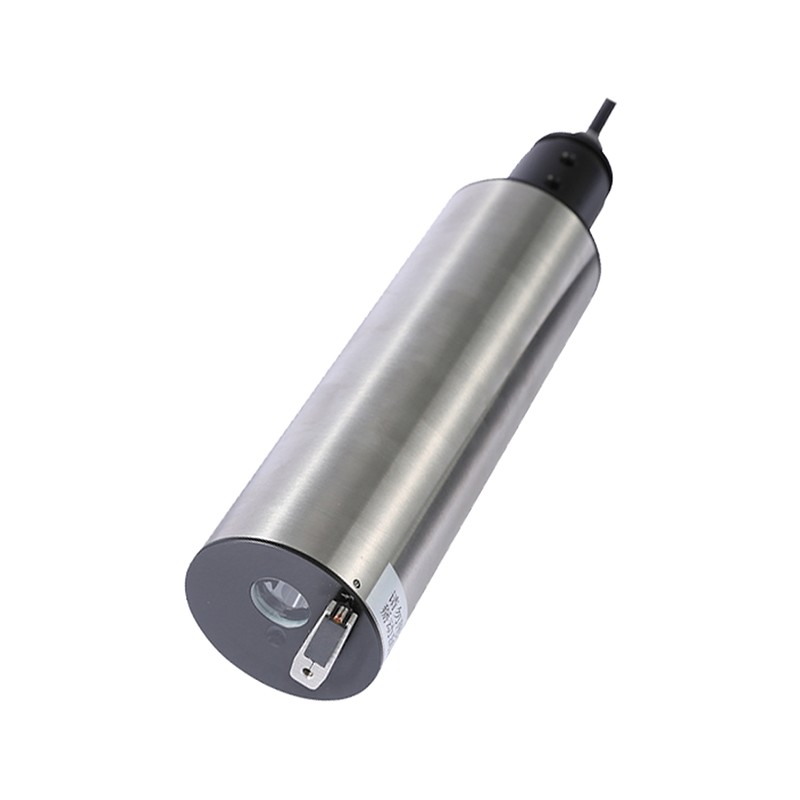
ZDYG-2088-01QX Online Turbidity Sensor
860nm ISO 7027 scattered light technology with automatic wiper cleaning for raw water, drinking filtration, and effluent discharge monitoring.
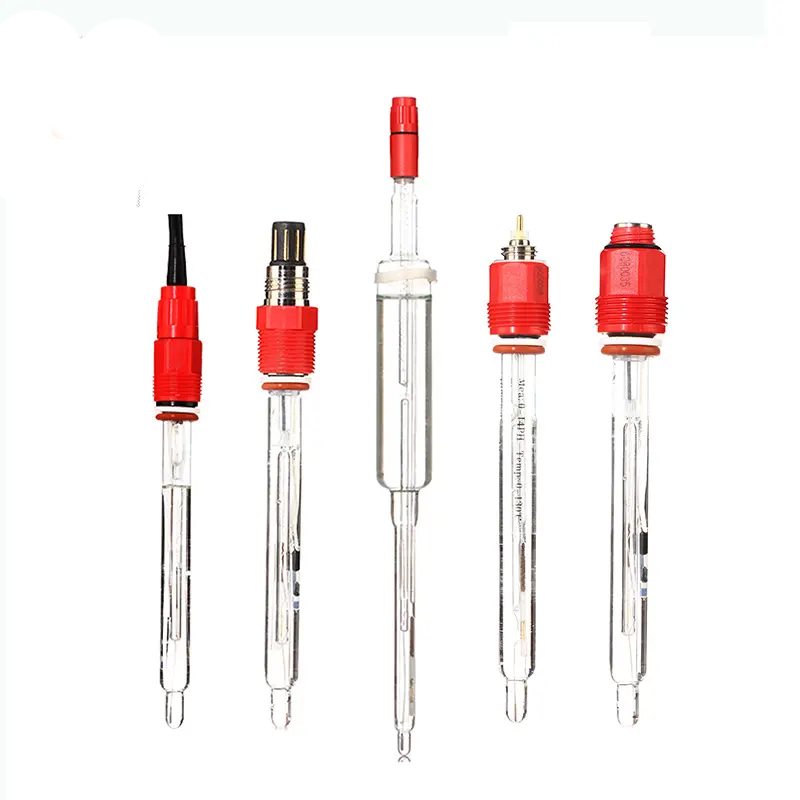
pH5806 High Temperature pH Sensor
Patented pressurised gel electrolyte designed for SIP/CIP steam sterilization cycles up to 130°C in pharma fermenters and reactors.
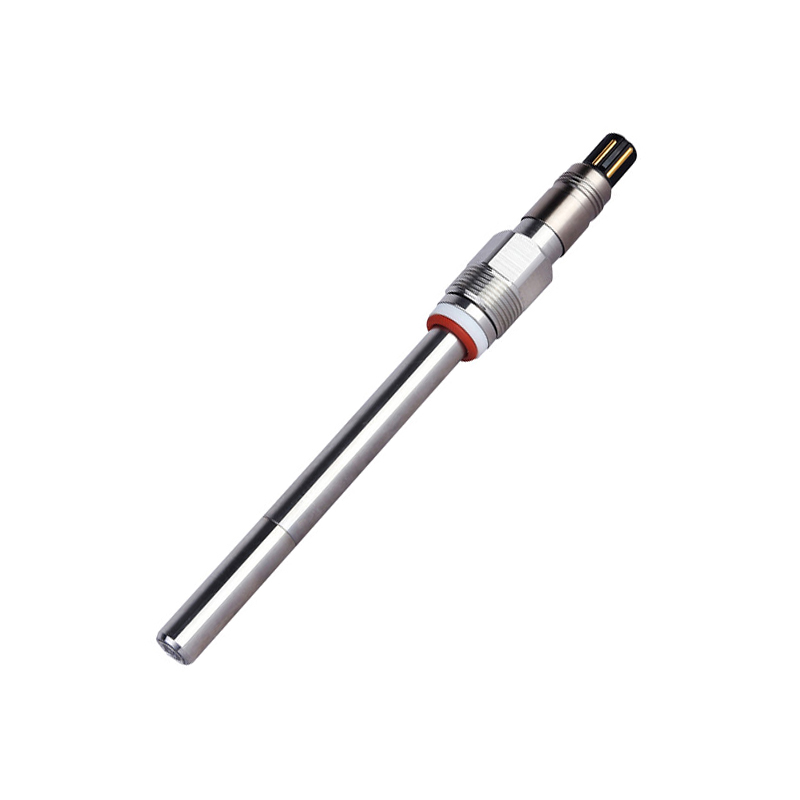
DOG-208FA High Temperature DO Sensor
Polarographic dissolved oxygen electrode built to withstand autoclave sterilization while supplying high-stability aerobic growth control.
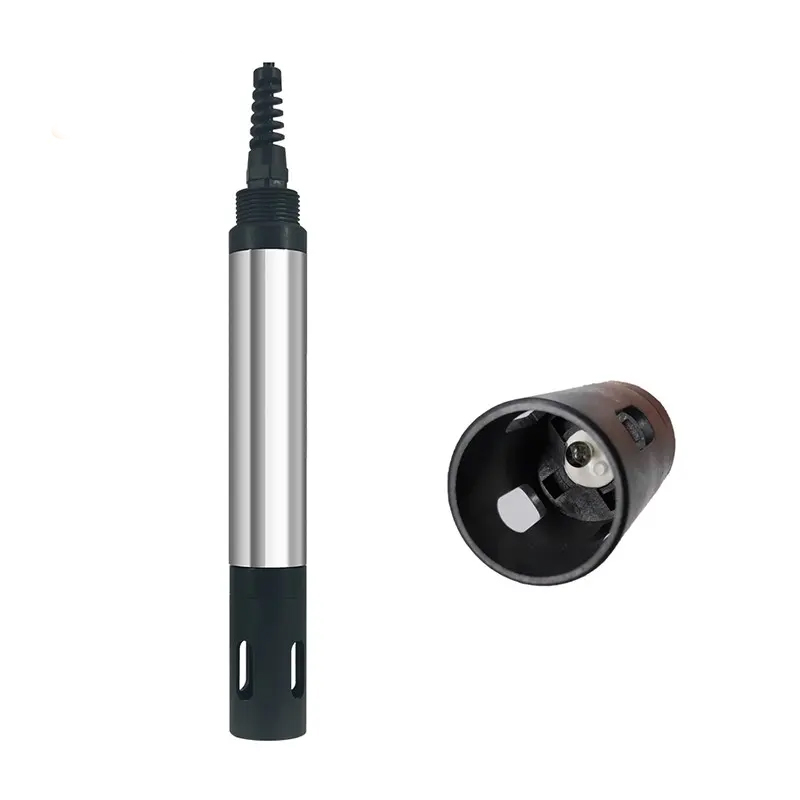
IOT-485-pH Digital Online pH Sensor
Integrated micro-transmitter with direct RS485 Modbus RTU communication for plug-and-play connection to SCADA and IoT cloud gateways.
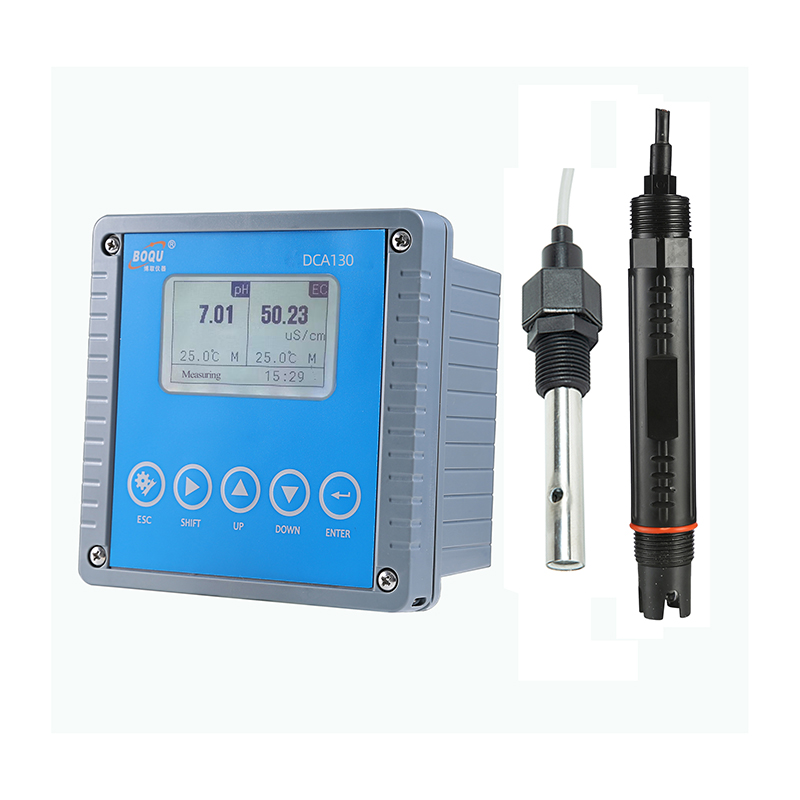
DCA130 Online pH & EC Dual Channel Analyzer
Simultaneous multiparameter measurement of pH and electrical conductivity on a single controller for hydroponics and RO skid monitoring.
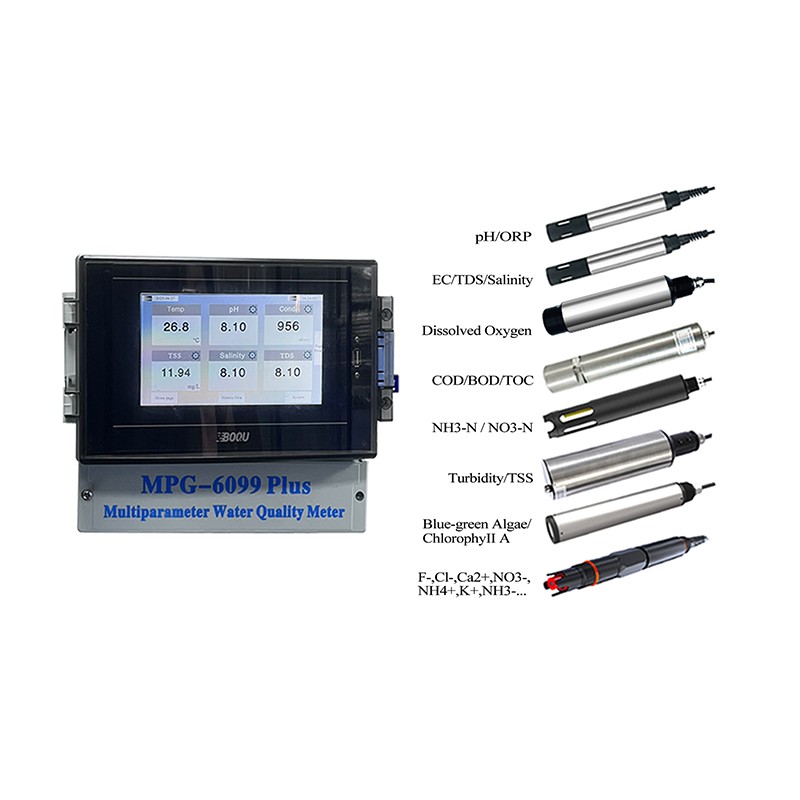
MPG-6099Plus Multi-parameter Panel System
Skid-mounted integration combining turbidity, residual chlorine, pH, conductivity, and dissolved oxygen with flow cell manifolds.
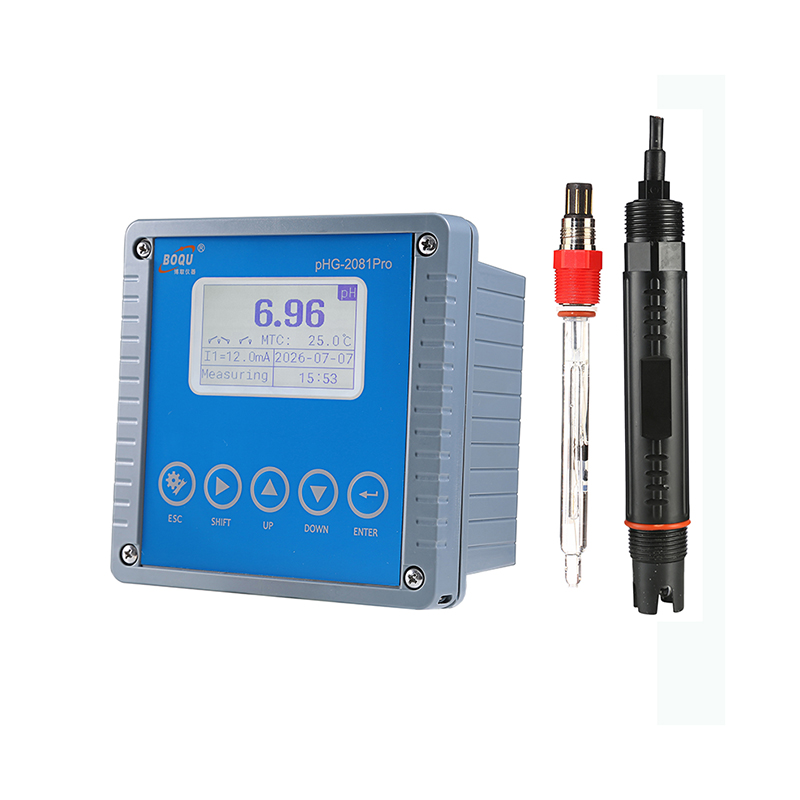
pHG-2081Pro Online pH Analyzer
Heavy-duty IP65 instrument housing with optical isolation, lightning suppression, dual 4-20mA loops, and automated chemical dosing relays.
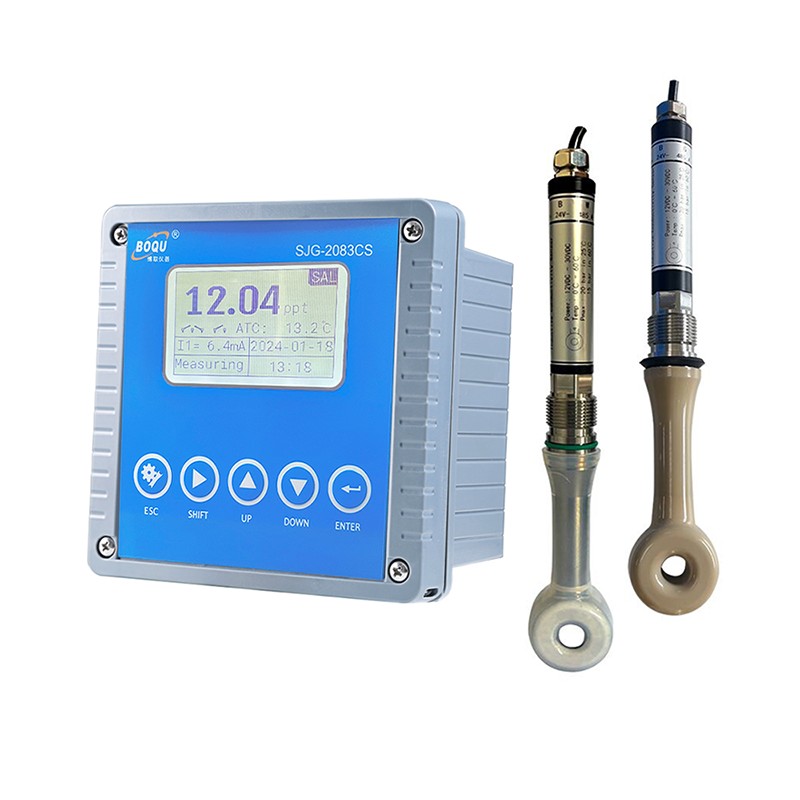
SJG-2083CS Acid & Alkali Concentration Meter
Non-contact electrodeless inductive toroidal probe for measuring high-concentration chemical streams (HCl, H2SO4, NaOH) in harsh CIP cycles.





The Mechanics of Inline Turbidity: ISO 7027 vs. EPA 180.1
Understanding optical scattering pathways, temperature compensation, bubble mitigation, and window fouling management for long-term process uptime.
ISO 7027 (860nm NIR Nephelometry)
Utilizing a near-infrared LED emitter at 860 nm ± 30 nm matched with a photodiode detector oriented at exactly 90 degrees. The monochromatic infrared spectrum prevents sample color absorption (such as humic acid or chemical dyes) from causing false turbidity readings, making it the dominant standard in municipal drinking water and industrial wastewater treatment worldwide.
Four-Beam Ratiometric Optical System
To eliminate optical drift caused by LED lamp aging and optical sapphire window staining, our advanced inline probes employ multi-beam alternating pulsing. Two light sources and two detectors generate four distinctive optical measurement paths. Ratiometric software calculation balances optical losses, maintaining continuous ±1% linearity across 0.001 to 4,000 FNU without recalibration.
High-Density Backscatter TSS/MLSS
When measuring concentrated process streams, high-density slurry, or activated sludge in aeration basins exceeding 4,000 NTU, 90-degree scattered light undergoes secondary and tertiary particle occlusion. Our inline sensors switch to dual-angle 135° backscatter and direct transmission attenuation, expanding total suspended solids (TSS) range to 0.1–100 g/L (100,000 mg/L).
| Turbidity Measuring Class | Standard Range | Optical Architecture | Pipeline Installation Types | Key Factory Advantage |
|---|---|---|---|---|
| Ultra-Trace Drinking Water | 0.001 – 10.00 NTU | 90° ISO 7027 NIR / Laser Diode | Bypass Debubbler Flow Cell | Sub-0.001 NTU resolution; bubble rejection baffle; continuous verification. |
| General Industrial / Filtration | 0.01 – 4000 NTU / FNU | Dual-Beam 860nm LED Nephelometry | DN50-DN200 In-line Flange / Clamp | Automatic motor-driven silicone wiper stops biofilm development. |
| Activated Sludge & MLSS | 0.1 – 50.0 g/L (100 g/L max) | Backscattered Light Absorption | Submersible Immersion / Retractable Ball Valve | Scratch-resistant synthetic sapphire window; unaffected by biological grease. |
| Sanitary Food / Fermentation | 0 – 200 EBC / 0-1000 NTU | Dual-Angle NIR Turbidity Flowmeter | Tri-Clamp Sanitary Ferrule 1.5" - 2" | 316L stainless housing (Ra < 0.4µm); FDA/USP Class VI EPDM o-rings; 130°C SIP steam safe. |
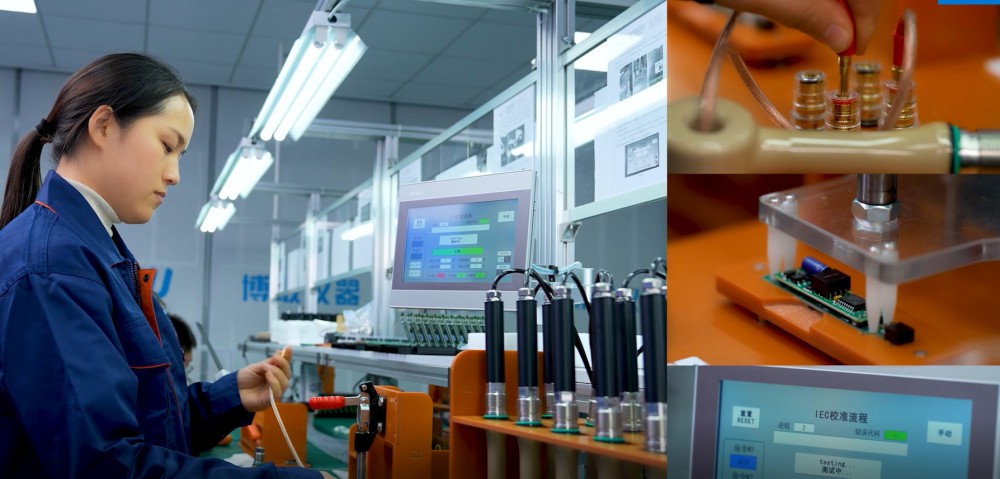
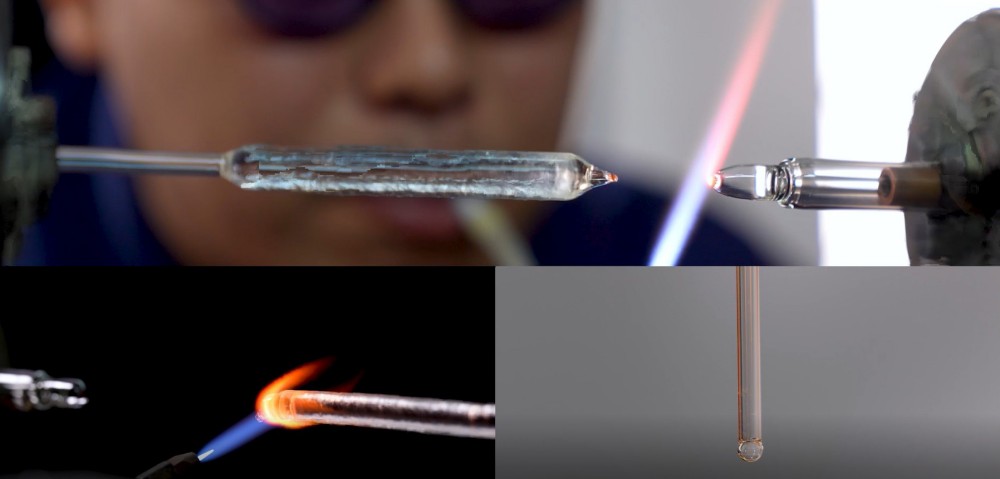
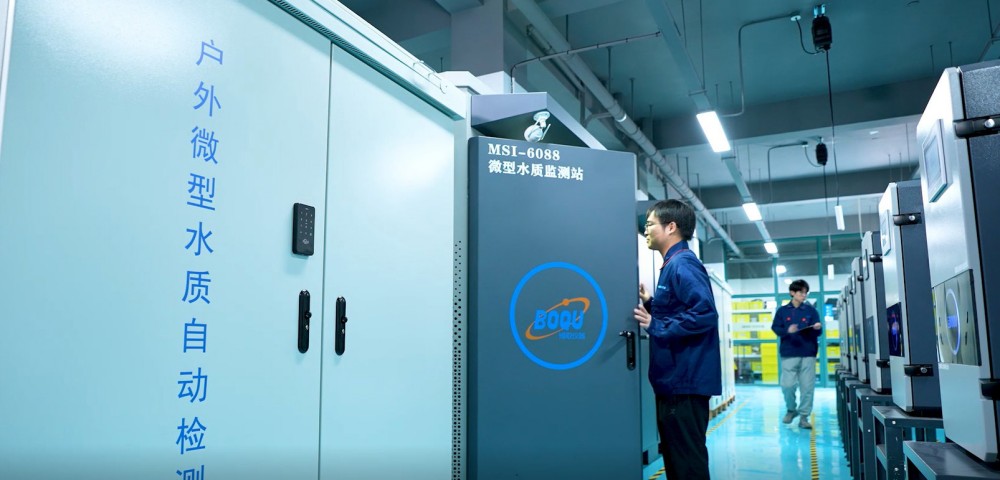
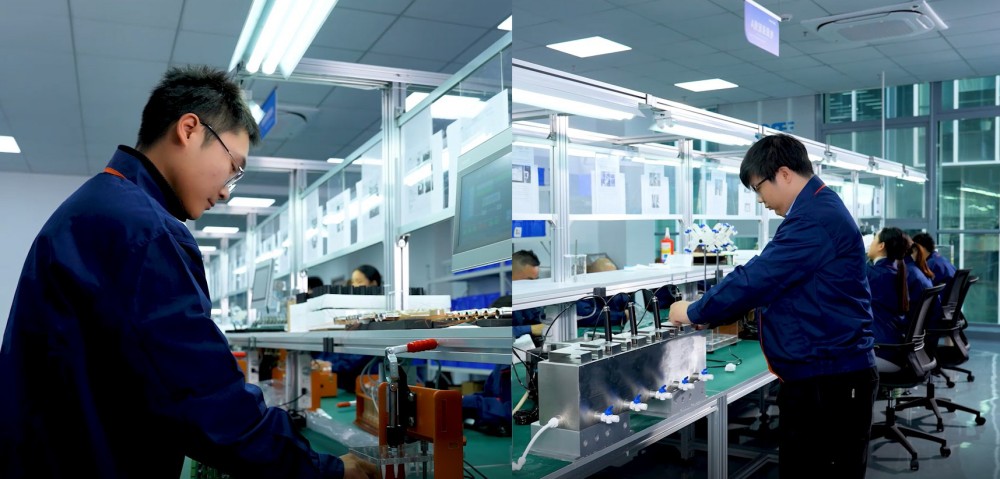
4,632 m² Dual-Facility Shanghai Manufacturing Base
Since 2007, Shanghai BOQU Instrument Co., Ltd. has deployed autonomous R&D, precision optical tooling, automated surface-mount PCB assembly, and multi-stage aging chambers.
Engineered For Tough Real-World Process Conditions
From thermal power plants in Europe to industrial aquaculture in Southeast Asia, our inline instruments guarantee continuous measurement without downtime.
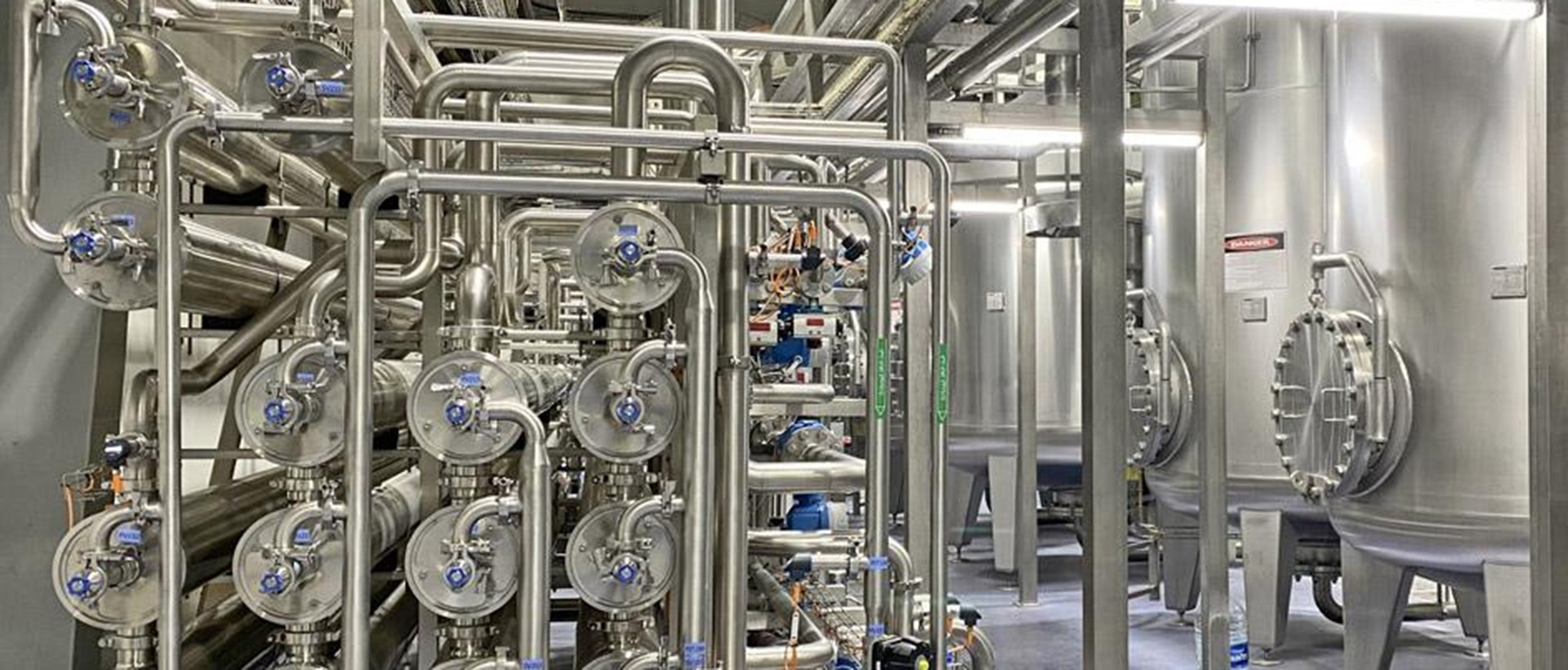
Municipal Potable Water Networks
Precise monitoring of coagulant dosing, clarifier overflow, and sand filter breakthrough. Ensures compliance with WHO drinking water turbidity mandates (< 0.5 NTU).
- ✓ Automated bubble rejection flow chambers
- ✓ Micro-turbidity sensing down to 0.001 NTU
- ✓ Direct integration with chlorination feedback

Wastewater & Sludge Dewatering
Continuous determination of Mixed Liquor Suspended Solids (MLSS) in biological aeration tanks, sequencing batch reactors, and polymer dosing loops in sludge filter presses.
- ✓ Mechanical wiper keeps optics clean from bioslime
- ✓ High-power 135° backscatter up to 50 g/L MLSS
- ✓ Corrosion-resistant POM/Titanium body options

Power Generation SWAS & Condensate
Detection of iron oxide hematite, rust ingress, and particulate contaminants in boiler feedwater, demineralizer polishing plants, and steam turbine return systems.
- ✓ High-pressure inline flow cells up to 1.6 MPa
- ✓ Detects trace suspended corrosion products
- ✓ Seamless SWAS panel rack integration
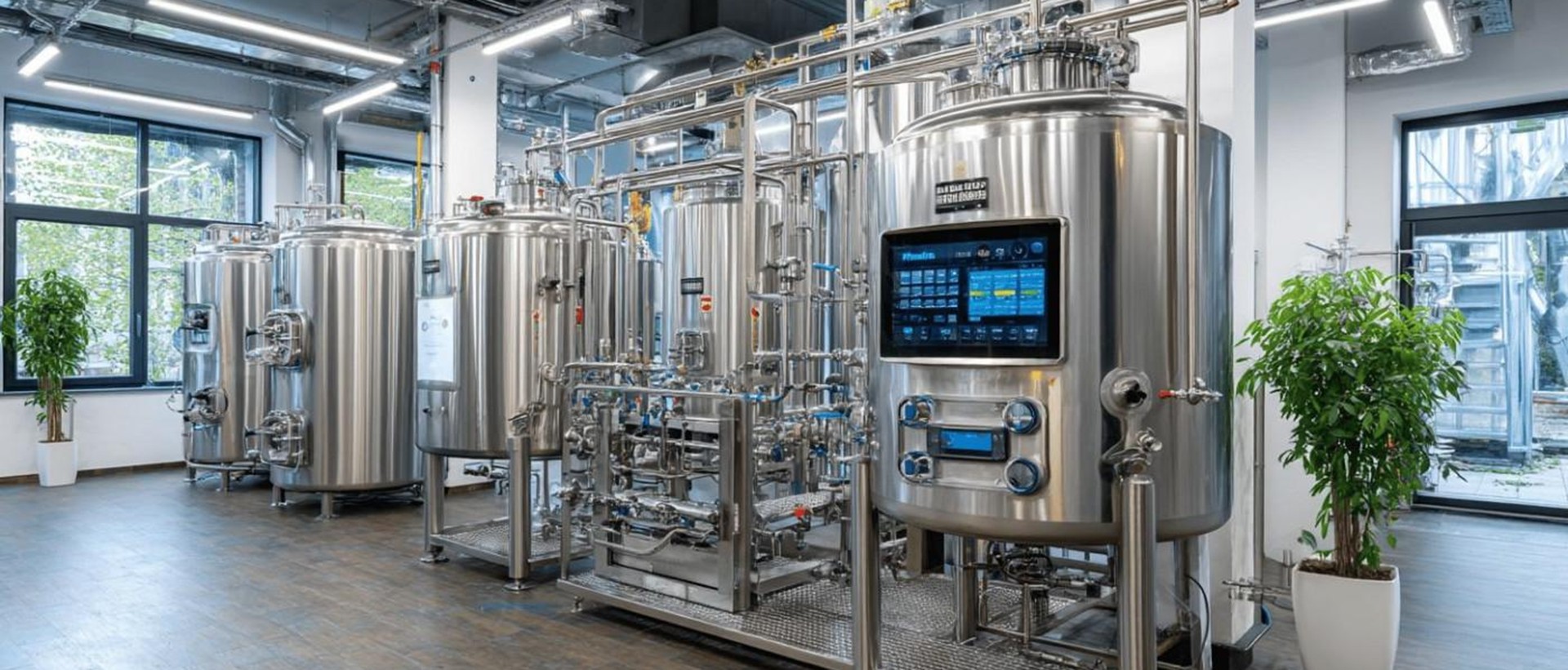
Biopharma & Dairy Process Piping
Phase separation between product, rinse water, and CIP caustic wash cycles in milk processing, brewing yeast separation, and biomass accumulation tracking.
- ✓ Hygienic Tri-Clamp fittings with FDA certifications
- ✓ High-temperature tolerance through 130°C SIP
- ✓ Eliminates food product loss during transfer
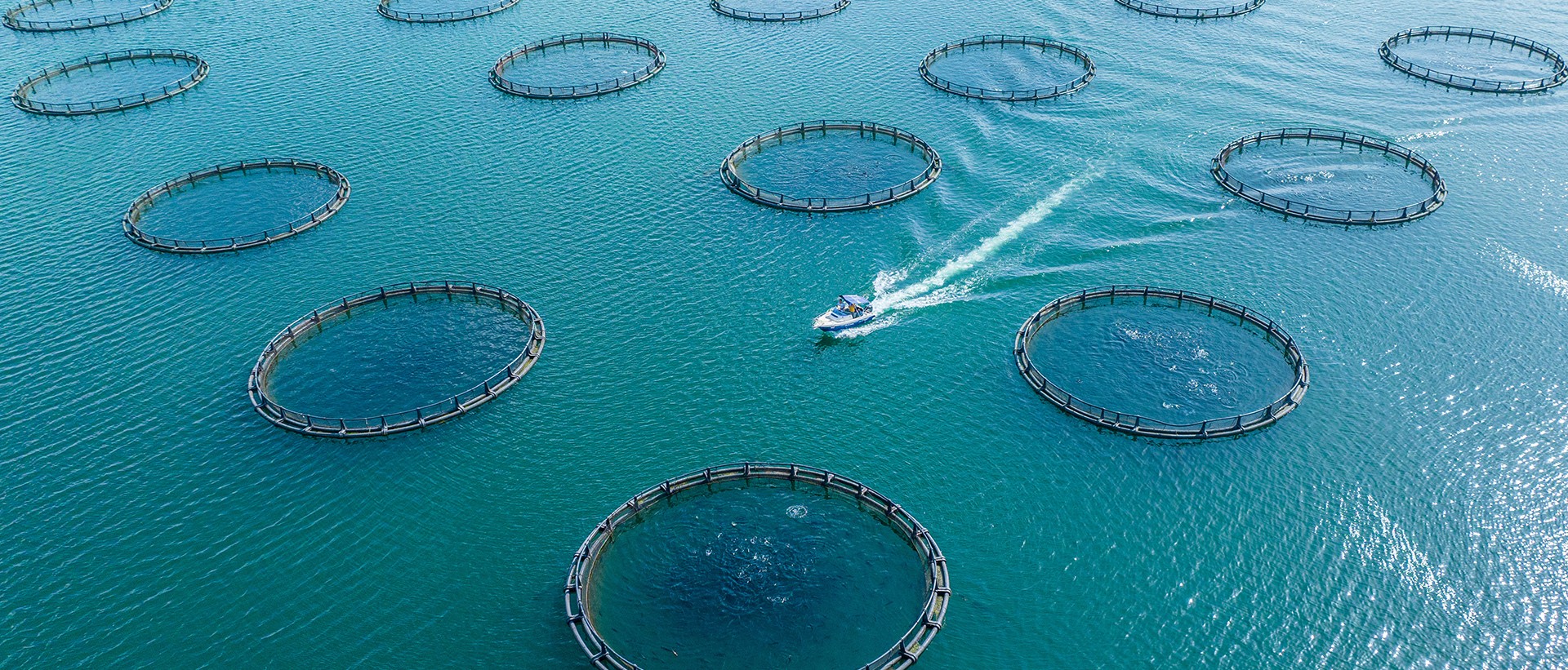
Industrial Aquaculture RAS & Hatcheries
Continuous water clarity measurement in Recirculating Aquaculture Systems (RAS) to avoid gill fouling, improve feed conversion, and trigger micro-drum screen backwashing.
- ✓ Seawater corrosion-proof titanium probe shell
- ✓ Ultra-low power consumption for solar stations
- ✓ Integrated DO, salinity, and pH cross-compensation

Commercial Pools & Water Parks
Real-time clarity verification to meet public health standards. Controls filter media backwash sequences to save thousands of cubic meters of treated water annually.
- ✓ Resists high chlorine and ozone concentrations
- ✓ Compact footprint for compact pump room skids
- ✓ Direct Modbus RTU telemetry to building SCADA
Full-Spectrum OEM / ODM & International Compliance
BOQU Instrument provides comprehensive supply chain, localization, and certification backing for equipment distributors, skid builders, and engineering contractors.
Global Metrology & Safety Compliance
Instruments fully comply with ISO 9001, ISO 14001, CE (EMC/LVD), SGS factory audit standards, and RoHS environmental directives. Wet components comply with FDA guidelines and USP requirements, enabling direct qualification in pharmaceutical water systems and regulated municipal waterworks.
Custom Mechanical & Firmware ODM
We tailor probe body materials (POM, PVDF, 316L, Hastelloy, Titanium), custom cable lengths up to 100 meters, unique communication protocols (Modbus RTU, 4-20mA, HART, Profibus-DP, NB-IoT, LoRaWAN), and white-label branding including customized laser etching, housings, and GUI firmware.
Regional Technical Support & Rapid Spares
Backed by experienced field engineers fluent in English and multilingual technical documentation, BOQU provides same-day technical consultation, rapid schematic reviews, remote commissioning assistance, and an extensive stock of standard optical replacement windows and wiper heads.
The Evolution of Smart Inline Turbidity Systems
Pioneering edge machine learning algorithms, multi-spectral UV-Vis absorption, and self-healing optical arrays to build the autonomous water treatment networks of tomorrow.
Predictive Biofouling Diagnostics
Embedded edge microcontrollers continuously observe photodiode baseline variations and wiper motor current signatures. By applying predictive degradation curves, the sensor warns plant DCS of biofilm growth before data integrity degrades, scheduling preventative cleanings proactively.
Multi-Spectrum Turbidity-COD Correlation
Merging 860nm near-infrared scatter with UV254nm absorption in a singular dual-path optical channel. The instrument delivers concurrent turbidity, UVT, COD, and TOC approximations without reagents, minimizing wet-chemistry operational overhead.
Zero-Cal Solid-State Optical Standards
Eliminating hazardous formazin chemical handling via factory-encoded optical solid-state calibration inserts and self-normalizing photodiode arrays. Enables site maintenance personnel to execute traceable single-step verification in less than 30 seconds.
Frequently Asked Questions by Overseas Buyers
Direct, technically rigorous answers compiled by BOQU application engineering and international trade directors.
Is Shanghai BOQU Instrument Co., Ltd. a direct manufacturer or a trading company?
BOQU Instrument is an authentic, independent industrial sensor and analyzer manufacturer founded in 2007 in Pudong, Shanghai. Our operations span two state-of-the-art facilities located in Kangqiao Town and Lingang Special Area, covering an aggregated floor area of 4,632 square meters. Our campus houses dedicated optical sensor assembly lines, precision CNC machining, SMT electronic circuit manufacturing, and a 48-hour continuous sensor burn-in laboratory. We employ over 200 staff, with over 35 dedicated R&D hardware, optical, and firmware engineers, generating an annual manufacturing output in excess of 100,000 instruments worldwide.
What are the key differences between 90-degree scattered light and 135-degree backscatter inline turbidity probes?
The 90-degree scattered light principle (governed by ISO 7027 and EPA 180.1) is the recognized global standard for clean, potable, and moderate-turbidity water ranging from 0.001 to 4,000 NTU/FNU. It captures single-particle scattering dynamics with optimal linearity. In contrast, in highly dense suspensions, sludge settling basins, or return activated sludge (RAS) lines where particle density causes multiple-scatter attenuation, light cannot easily penetrate to a 90-degree detector. In these applications (typically > 4,000 NTU up to 100 g/L TSS), 135-degree backscatter optics capture light immediately reflected near the probe surface, enabling accurate, unblinded measurements without saturation.
How do BOQU inline turbidity sensors overcome air bubble interference in pressurized pipelines?
Micro-air bubbles act as optical reflectors and can distort turbidity measurements upward. BOQU engineers address this using a three-tier mitigation system: First, our optional inline debubbler flow cell uses cyclonic flow and atmospheric degassing baffles to release entrained gases prior to optical presentation. Second, the digital sensor firmware features an intelligent impulse spike filtering algorithm that analyzes signal transients—micro-bubbles create sharp, narrow spikes, which the firmware discards while preserving true suspended solids baseline trends. Third, probes installed directly in pressurized lines are angled at 45 degrees into the flow vectors, sweeping bubbles away from the optical window continuously.
Can your turbidity sensors connect directly to an existing plant PLC without purchasing a separate transmitter?
Yes. BOQU's IOT and digital sensor series (such as the ZDYG-2088-01QX and IOT-485 series) feature integrated smart microprocessors inside the probe body. They output standard RS485 Modbus RTU signals directly over industrial shielded cables. You can wire the sensor straight to PLC RS485 communication cards, DCS input modules, SCADA servers, or wireless IoT cloud telemetry units without needing a local wall-mounted display transmitter. Calibration curves and addressing parameters are retained directly in internal non-volatile probe memory.
What international quality, safety, and hygiene certifications do your sensors hold?
Our manufacturing plant operates under certified ISO 9001 (Quality Management) and ISO 14001 (Environmental Management) standards. Our instruments hold CE marks for EMC immunity and Low Voltage Directives, SGS audited manufacturer credentials, and RoHS lead-free compliance. For specialized lines, our sanitary food and pharmaceutical sensors feature FDA-compliant elastomer seals (USP Class VI compliant), and our pH5806 high-temperature sensor holds the prestigious Shanghai Brand certification for engineering excellence.
What essential parameters should I supply to receive an optimal instrument selection quote?
To help our engineering team calculate the exact optical path length and flow cell configuration for your application, please provide: 1) Measuring parameter and anticipated dynamic range (e.g., 0-20 NTU drinking water vs. 0-10,000 mg/L MLSS); 2) Process medium properties (pH range, chemical content, corrosiveness, presence of oil/grease); 3) Process temperature and operating line pressure; 4) Mechanical mounting preference (submersible bracket, inline pipe flange, bypass flow chamber, or retractable insertion valve); and 5) Output requirements (RS485 Modbus RTU, 4-20mA, or alarm relay contacts).
Specialty Process & Discharge Compliance Systems
Preserving core factory URLs and button-styled access to specialized high-temperature bio-fermentation probes and automated wet chemical analyzers.

China High Temperature (0-130℃) pH Sensor With Temperature Wholesaler, Suppliers
Integrated PT100/PT1000 temperature sensor inside heavy-wall steam-proof glass bulb for continuous chemical process compensation.

China High-temperature pH Sensor Used Pharmaceutical Fermentation Wholesaler, Supplier
Certified for sanitary bioreactor installation. Withstands repeated in-situ autoclavable sterilization cycles with zero zero-point drift.

Wholesale High Temperature (0-130℃) pH Sensor Supplier, Factories
High-pressure gel reference system eliminating reference poisoning from sulfide and heavy metal ions in chemical synthesis reactors.

Wholesale High-temperature S8 Connector pH Sensor Manufacturers, Factory
Standardized S8 socket connection ensuring seamless replacement for international brand sensor housings in laboratory and pilot plant lines.
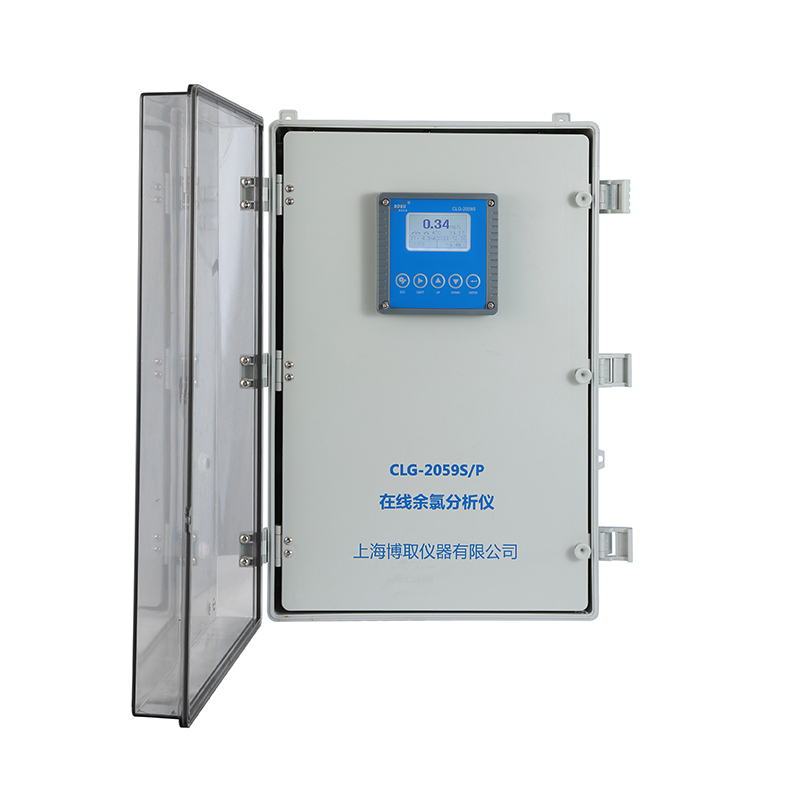
Online Residual Chlorine Analyzer
Amperometric constant voltage cell measuring free chlorine, hypochlorous acid, and chlorine dioxide without consuming chemical reagents.
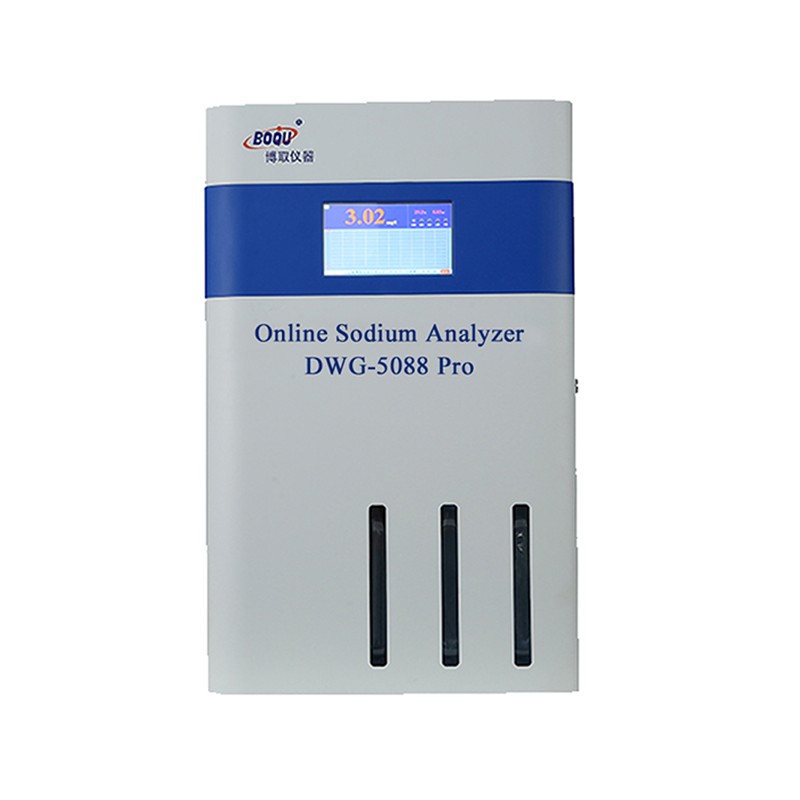
Online Silicate / Phosphate / Sodium Analyzer
Precision microfluidic colorimetric analyzer for thermal and nuclear power station water-steam cycle protection against corrosion.
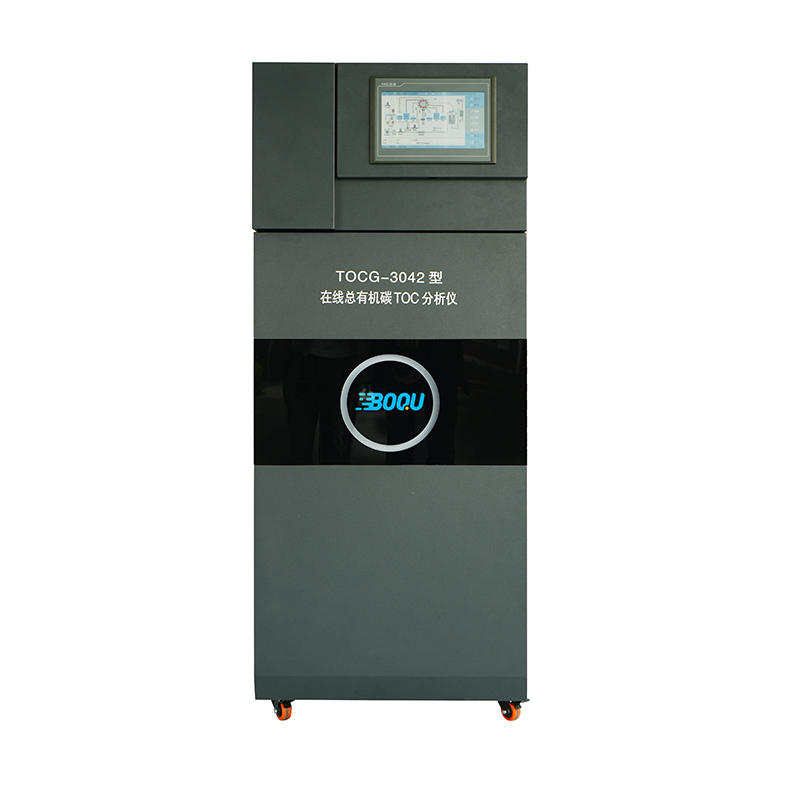
TOC-3042 Online Total Organic Carbon Analyzer
Continuous compliance monitor for pharmaceutical water for injection (WFI), purified water, and semiconductor ultra-pure rinse streams.
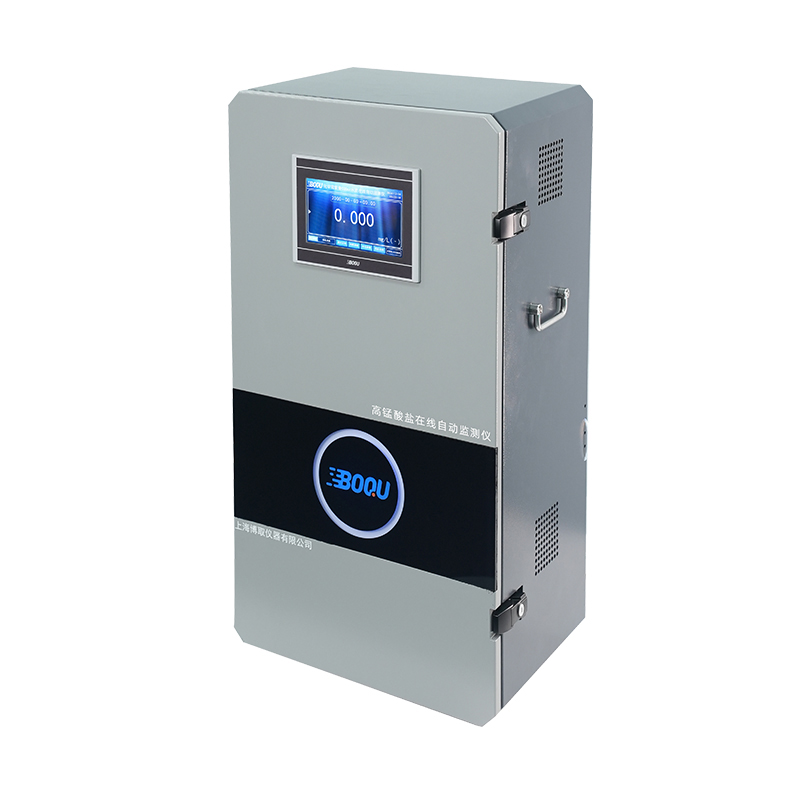
Online COD, TP, TN, NH3-N Analyzer
Automated wet-chemistry digestion analyzer with auto-calibration and EPA regulatory data-logging for municipal and industrial outfalls.
Connect Directly with Our Shanghai Instrumentation Engineers
Looking for a custom inline turbidity probe, OEM private labeling, or a complete SWAS project quotation?