
Precision Online Turbidity & Specialized Electrochemical Sensors
Engineered at BOQU's dual manufacturing plants in Shanghai, our analytical instruments provide real-time continuous feedback with pre-calibrated factory precision.
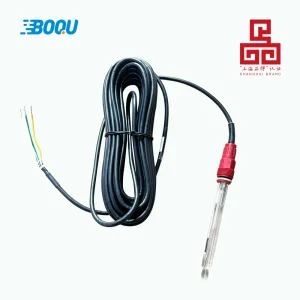
China High Temperature (0-130℃) pH Sensor With Temperature
Integrated Pt1000/Pt100 temperature compensation with pressurized polymeric electrolyte for continuous thermal process control.
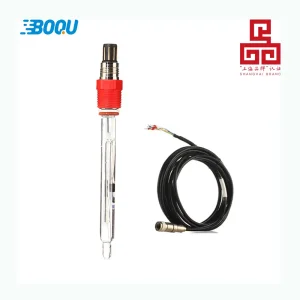
Wholesale High Temperature (0-130℃) pH Sensor Supplier
Designed for steam-in-place (SIP) sterilization and harsh chemical synthesis tanks, preventing reference poisoning.
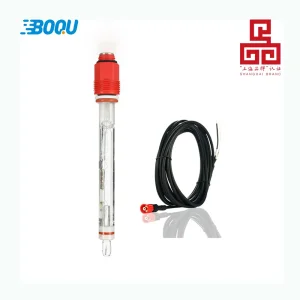
Wholesale High-temperature S8 Connector pH Sensor
Industrial PG13.5 mechanical thread with standard S8 coaxial interface for plug-and-play retrofit in global bioreactors.
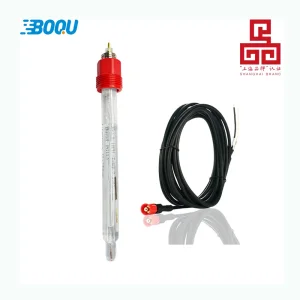
China High-temperature pH Sensor for Pharmaceutical Fermentation
USP Class VI certified glass membrane designed to resist protein fouling during extensive mammalian culture campaigns.
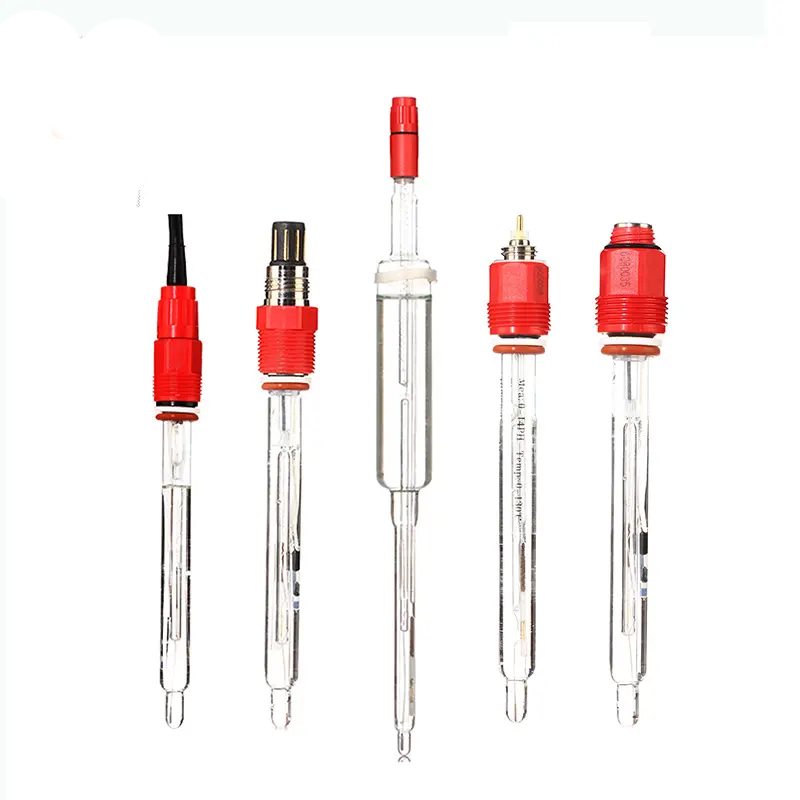
pH5806 High Temperature Shanghai Brand pH Sensor
Awarded Shanghai Brand status; features specialized solid gel electrolyte surviving repeated autoclaving at 130°C.
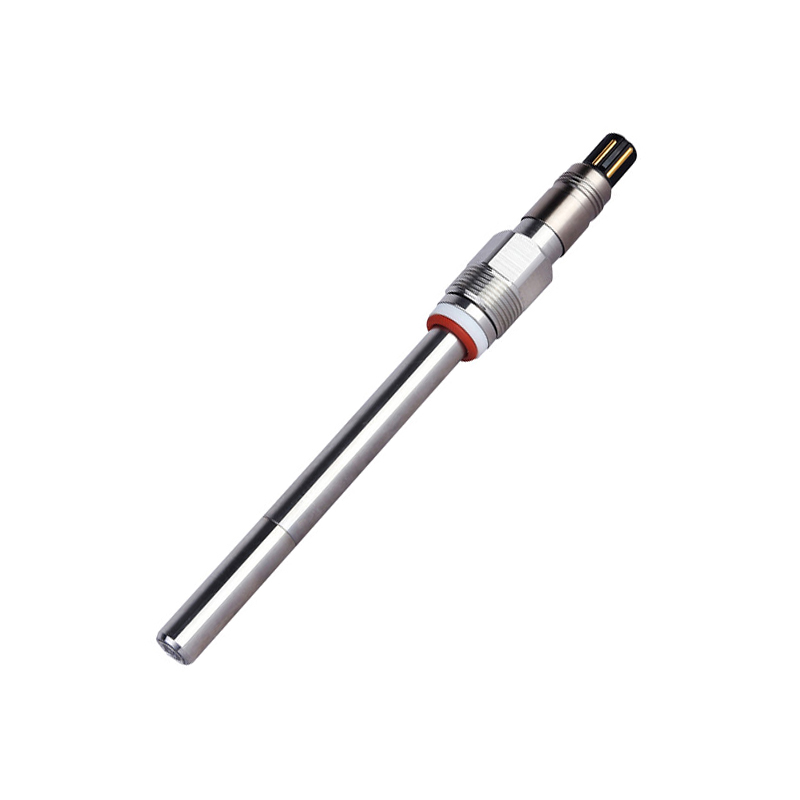
DOG-208FA Sterilizable Dissolved Oxygen Sensor
Polarographic micro-cathode DO sensor delivering rapid response and micro-bubble immunity for pure culture yields.
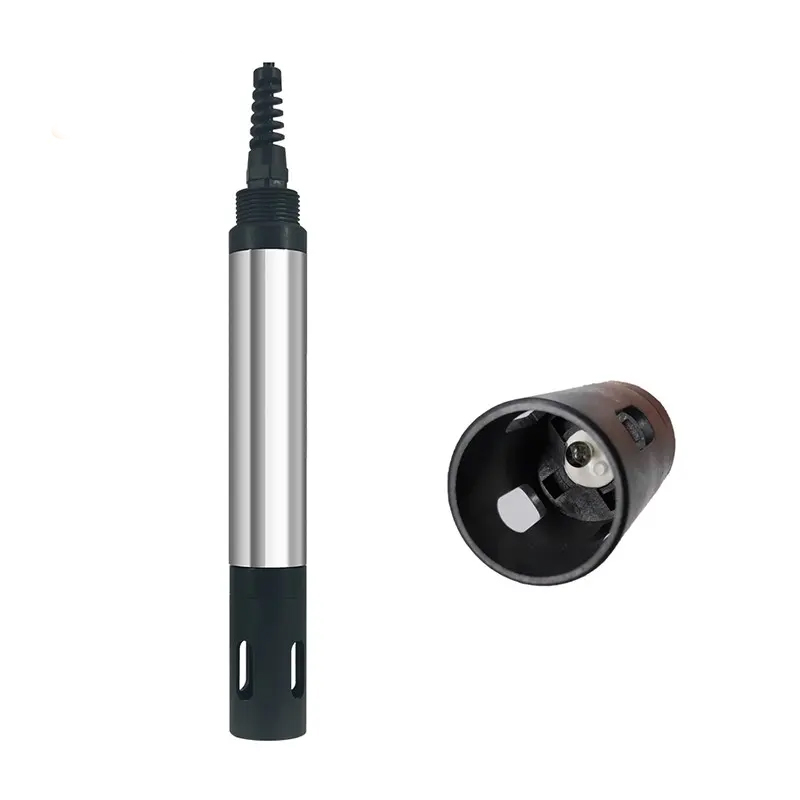
IOT-485-pH Smart Digital Water Quality Sensor
Internal microprocessor executing digital signal filtering with native RS485 Modbus RTU telemetry directly to PLC/SCADA.
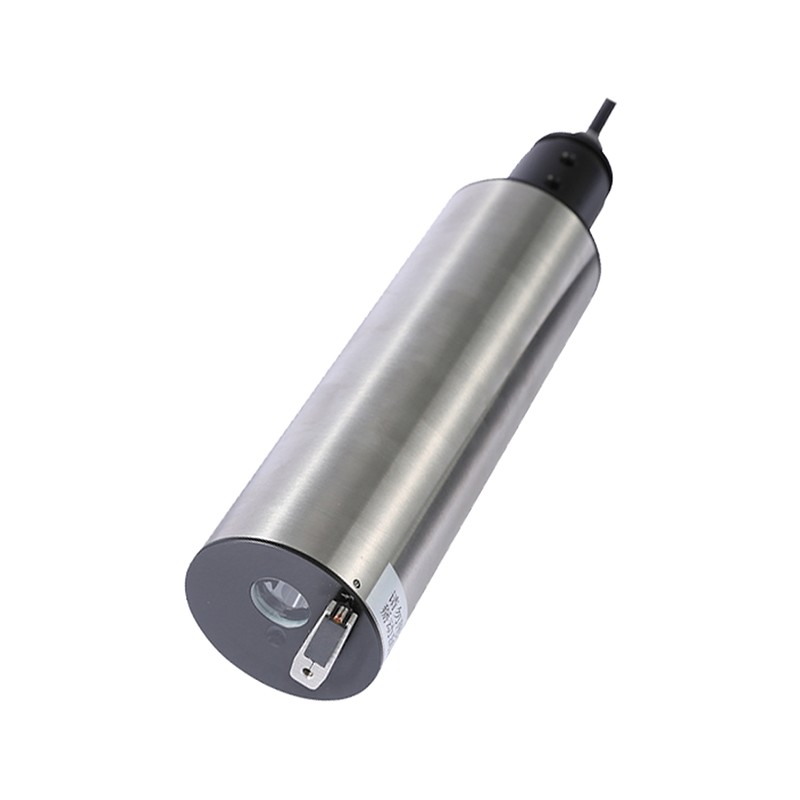
ZDYG-2088-01QX Inline Optical Turbidity / TSS Sensor
860nm ISO 7027 near-infrared 90° scattered light analyzer equipped with pneumatic or mechanical self-cleaning wiper.
Technological Evolution of Industrial Inline Turbidity Metrology
From single-beam photometers to dual-beam ratioing nephelometry: how Chinese manufacturers are redefining accuracy and drift suppression in harsh process loops.
ISO 7027 NIR (860 nm) vs. US EPA 180.1
Modern inline turbidity meters engineered by tier-one Chinese factories utilize monochromatic Near-Infrared LED emitters at 860 nm ± 30 nm. Unlike legacy tungsten filament lamps (EPA 180.1) that suffer from sample color interference and thermal burnout, 860 nm optical scattering renders the measurement completely insensitive to dissolved color chromophores, fulfilling global municipal drinking water and beverage clarification standards.
Multi-Beam & Four-Beam Ratio Architecture
To eliminate the primary pain point of optical process measurement—optical window scaling and source degradation—our sensors incorporate dual-light source and dual-photodiode detectors. By mathematically cross-calculating signals from alternating 90° scattered and 180° transmitted paths, the meter automatically compensates for optical fouling, window aging, and temperature-dependent LED output shifts without requiring recalibration.
Edge-AI Micro-Bubble Rejection Algorithms
In pressurized hydraulic systems, micro-bubbles frequently generate false turbidity spikes due to light diffraction. Embedded 32-bit ARM Cortex processing units execute continuous high-frequency digital sampling (100 Hz), utilizing statistical median filtering and bubble-pattern rejection routines to isolate genuine particulate scattering from transient entrained air pockets.
Global Enterprise Procurement Requirements: Minimizing Total Cost of Ownership (TCO)
International EPC contractors, municipal water directors, and industrial plant managers evaluate optical process analyzers on lifecycle expenditures rather than initial purchase price alone. A substandard inline turbidity meter introduces recurring calibration downtime, technician call-outs, and catastrophic compliance violations.
China's top instrumentation manufacturers have systematically addressed these procurement criteria by integrating robust sapphire optical windows, chemical-resistant body materials (PVDF, Titanium, 316L Stainless Steel), and universally accessible digital protocol stacks (RS485 Modbus-RTU, 4-20mA active current loops, Profibus-DP, and wireless LoRaWAN/NB-IoT).
Standard Enterprise Procurement Checklist
- Optical Compliance: Full conformance with ISO 7027 (0-4000 NTU/FNU) or US EPA 180.1 for regulatory reporting fidelity.
- Mechanical Pressure Boundary: Retractable ball-valve assemblies rated for PN10/PN16 continuous operation without pipe shutdown.
- Drift Immunity: Factory multi-point Formazin calibration curves pre-loaded into EEPROM with field single-point trim capability.
- Interchangeability: Modular sensor cable systems (VP6, S8, M12 quick-connects) with lightning surge and galvanic isolation.
China Industry 4.0: Supply Chain Resilience & Manufacturing Superiority
How Shanghai BOQU leverages vertically integrated fabrication, precision optical machining, and robotic calibration benches to deliver global instrumentation leadership.
Vertical Production
From sensor glass blowing and electrode formulation to CNC metal turning and SMT PCB assembly, 100% of core components are fabricated in-house across our 4,632 m² Kangqiao and Lingang workshops.
Automated Bench Calibration
Every turbidity and analytical sensor undergoes continuous 48-hour thermal aging and robotic 5-point primary Formazin standard calibration, guaranteeing documented traceability before export.
Strict Certified Quality
Governed by ISO 9001 and ISO 14001 frameworks, with CE, SGS, FDA credentials, and the prestigious "Shanghai Brand" certification for our proprietary pH5806 series.
OEM / ODM Flexibility
Dedicated R&D engineering teams customize optical path lengths, wavelength filters, mechanical housings (Hastelloy, Titanium, PEEK), and custom communication firmware within rapid lead times.
Global Industrial Landscape: Mission-Critical Operating Environments
Continuous inline turbidity monitoring protects capital equipment, optimizes reagent dosing, and guarantees environmental compliance worldwide.
Municipal Drinking Water Distribution
Installed immediately following dual-media sand filters and membrane ultrafiltration (UF) skids, inline turbidity meters serve as the primary early-warning defense against filter breakthrough, pathogen carriage (e.g., Cryptosporidium), and distribution sediment resuspension at sub-0.1 NTU resolutions.
Industrial Wastewater & MLSS Clarification
Monitoring mixed liquor suspended solids (MLSS) in biological aeration tanks and final discharge outfalls. Automated mechanical wiping prevents greasy bio-sludge blinding, allowing closed-loop flocculant dosing control that slashes coagulant polymer expenditure by up to 28%.
Biopharma Fermentation & Cell Biomass
Near-infrared backscattering turbidity meters monitor optical density (OD) and continuous biomass accumulation in sterilizable bioreactors. Operating in-situ at 0-130°C through repeated SIP cycles, these systems eliminate sterile-barrier violations caused by manual offline sampling.
Power Generation SWAS & Condensate
In thermal and nuclear steam-water analysis systems (SWAS), micro-particulate crud carryover damages turbine blading. Low-range nephelometers continuously detect iron oxides, silica precipitation, and resin bead carryover downstream of condensate polisher units.
Food, Beverage & Dairy CIP Phase Separation
Sanitary Tri-clamp optical sensors instantly differentiate between clean water, raw milk, product rinse, and caustic wash phases. This rapid optical detection slashes valuable product loss down sewer drains and cuts chemical wastewater treatment loads.
Mining Beneficiation & Slurry Separation
High-range backscatter probes survive heavy abrasive particulate flow in thickener overflow channels, copper flotation tails, and sand tailings filtration, preventing costly environmental settling pond breaches.
Localized Engineering: Installation Topologies & Hydraulic Configurations
Accurate turbidity metrology is fundamentally dependent on hydraulic mechanical design. Ambient bubbles, stray pipe-wall reflections, and gravitational settling can compromise optical accuracy if installation is improper.
Shanghai BOQU manufactures modular hardware assemblies engineered for specific industrial pipework dynamics, guaranteeing that the measurement chamber remains laminar, fully de-aerated, and maintenance-accessible.
1. Retractable Hot-Tap Assemblies (Ball Valve)
Enables continuous insertion and withdrawal of the optical sensor under full process pressure (up to 16 bar) without stopping production or emptying main pipelines.
2. Low-Turbidity Debubbler Flow Cells
For ultra-clean potable water lines (<0.1 NTU). Incorporates an engineered vortex degasser that vents micro-bubbles before the sample flows laminarly past the sapphire window.
Hydraulic Best-Practices for Inline Turbidity
Inline Turbidity Metrology Architecture Comparison
Match your process media, particulate concentration range, and regulatory framework to the optimal optical instrumentation method.
| Optical Method | Scattering Angle | Measuring Range | Primary Industrial Application | Core Strengths & Limitations |
|---|---|---|---|---|
| ISO 7027 Nephelometry | 90° Scattered Light (860 nm) | 0.001 to 400 NTU / FNU | Drinking Water, Filter Breakthrough, RO Pretreatment | High sensitivity in clean water; immune to color. Limited at extreme solids concentrations. |
| Direct Absorption / Transmission | 180° Attenuated Light | 100 to 10,000 FAU / mg/L | Sludge Thickening, Industrial Effluent, Flotation Cells | Linear at medium-to-high solids. Vulnerable to window fouling without integrated wiper cleaning. |
| Backscattering Metrology | 140° to 170° Backscatter | 1,000 to 100,000+ NTU / ppm (TSS) | Fermentation Broth, Biological MLSS, Mining Tailings | Extremely compact probe tip; excels in opaque, non-transmissive slurries where 90° light cannot penetrate. |
| Four-Beam Ratio Ratioing | Dual 90° & Dual 180° Balanced | 0.01 to 2,000 NTU | Chemical Synthesis, Pulp & Paper, High-Purity SWAS | Complete automatic drift and optical fouling compensation; higher electronic and optical cost structure. |
Field Installations Across International Industrial Hubs
Engineered for endurance in over 100 countries, safeguarding infrastructure from severe thermal spikes to corrosive chemical slurries.
Biopharma Fermentation India
Installed across 48 automated 2,000-liter bioreactors at a major active pharmaceutical ingredient (API) facility in Gujarat. BOQU pH5806 and DOG-208FA sensors demonstrated under 0.05 pH drift across 18 consecutive steam sterilization cycles (130°C for 45 min), eliminating mid-batch batch contamination risks.
Waste-to-Energy SWAS Beijing
Continuous monitoring of boiler condensate purity in a 1,200 ton/day municipal waste incineration plant. Online trace silicate and low-turbidity analyzers detected early demineralizer resin bed bleed, preventing high-pressure turbine blade corrosion and avoiding unplanned shutdowns.
Industrial Park Wastewater Vietnam
Meeting strict QCVN 40:2011/BTNMT Class A compliance for textile dyeing effluent. Multiparametric skids pairing ZDYG-2088-01QX TSS sensors with UV254 COD analyzers continuously transmit telemetry to provincial environmental monitoring authorities via RS485 Modbus networks.
Frequently Asked Questions: Inline Turbidity Instrumentation
Detailed engineering insights addressing the operational and procurement questions faced by plant engineers and instrumentation buyers.
What is the fundamental difference between NTU, FNU, FTU, and FAU units?
How does the self-cleaning mechanism handle heavy biofilm or mineral scaling?
Can inline turbidity meters directly output Suspended Solids (TSS / MLSS) in mg/L or ppm?
What pressure and temperature limitations apply to inline insertion probes?
How do Chinese factories support custom OEM/ODM protocol integration for SCADA/DCS?
Comprehensive Online Liquid Analytical Systems
Pairing optical turbidity instrumentation with precision physical-chemical analyzers to deliver unified control over water infrastructure.
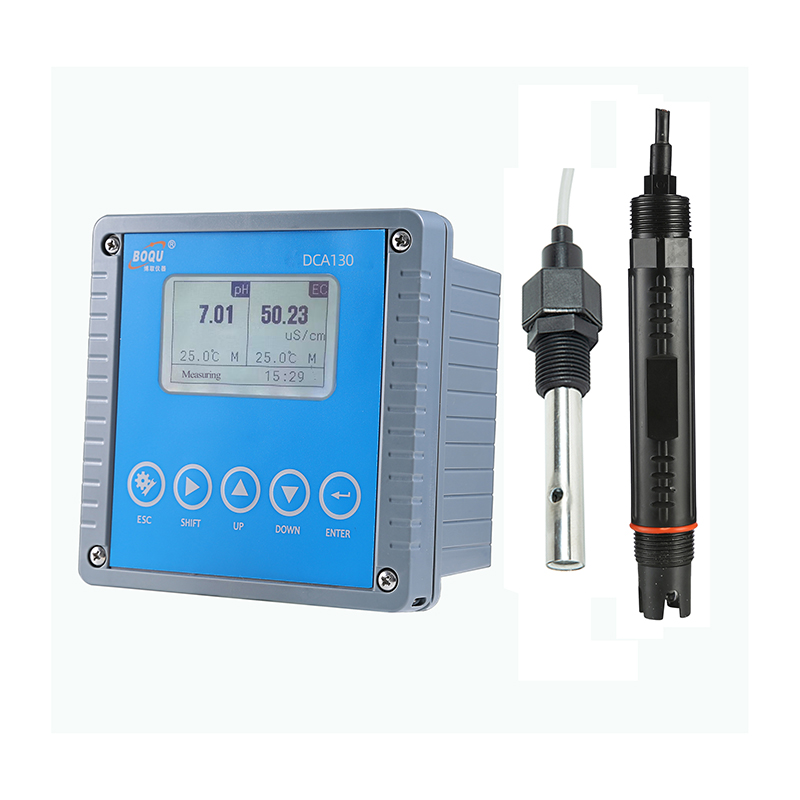
DCA130 Online Dual-Channel pH & Conductivity Analyzer
Compact multi-loop transmitter monitoring pH and electrical conductivity simultaneously on a single backlit graphical display.
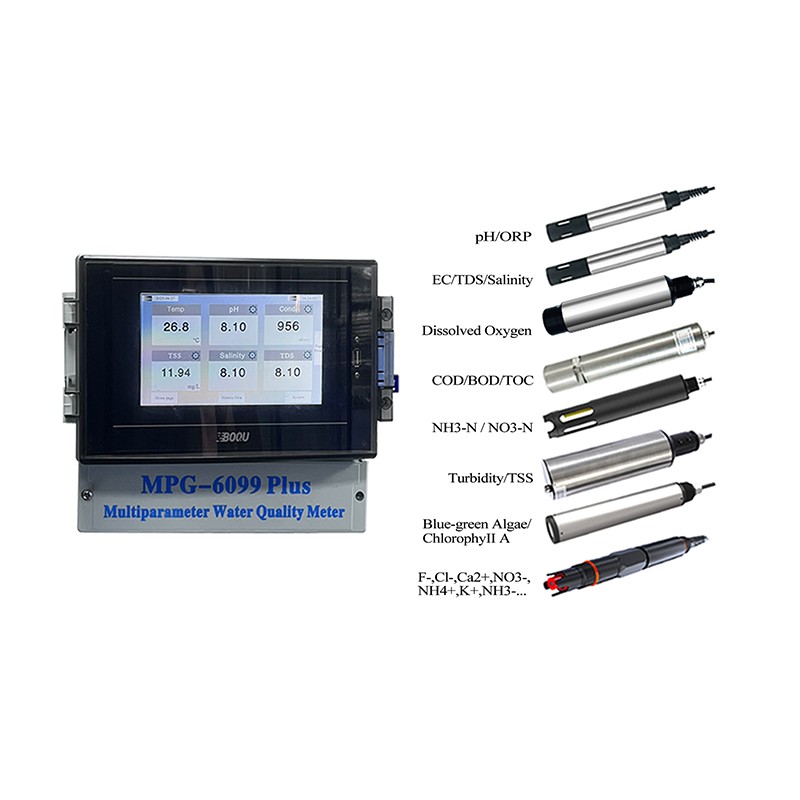
MPG-6099Plus Multi-Parameter Water Quality Station
Integrated skid integrating turbidity, residual chlorine, pH, conductivity, and dissolved oxygen with touch-panel telemetry.
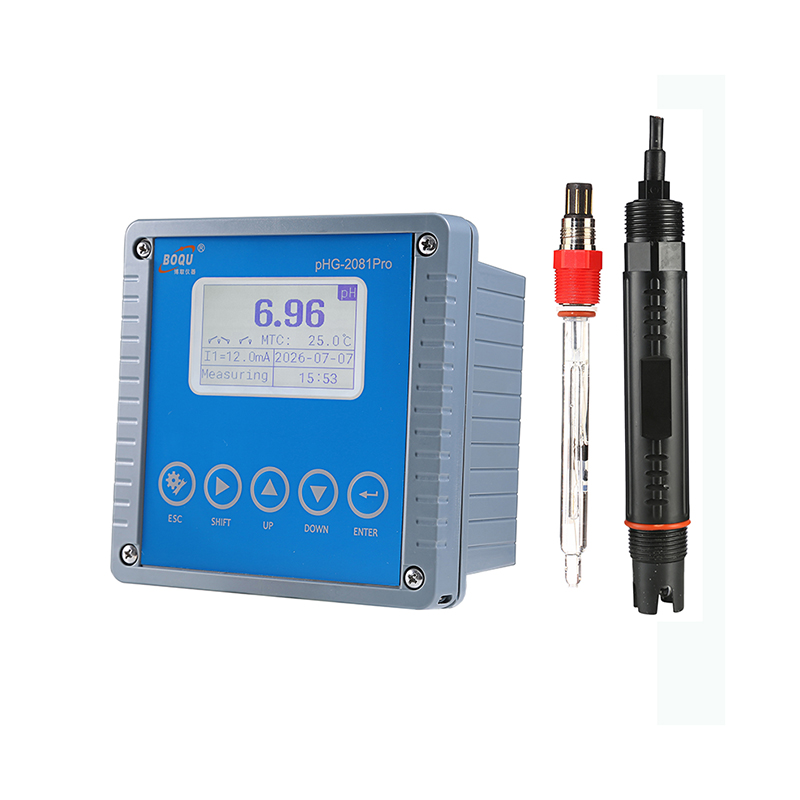
pHG-2081Pro Industrial Online pH/ORP Controller
Heavy-duty IP65 transmitter providing high-accuracy PID dosing relay contacts and dual isolated 4-20mA current outputs.
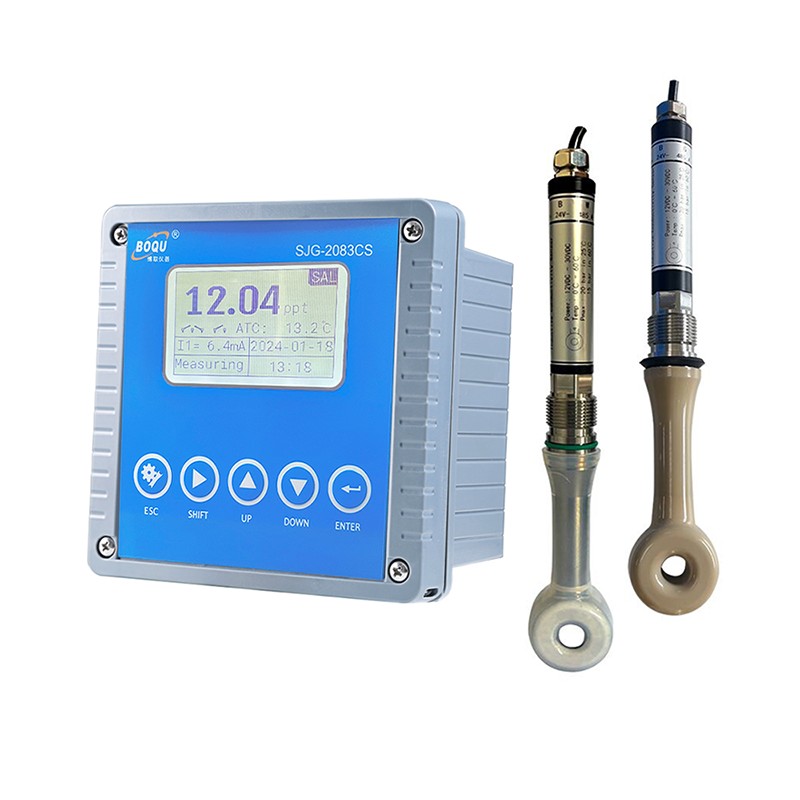
SJG-2083CS Inductive Acid/Alkali Concentration Meter
Toroidal electrodeless sensor technology measuring aggressive chemical concentrations (HCl, H2SO4, NaOH) without fouling.
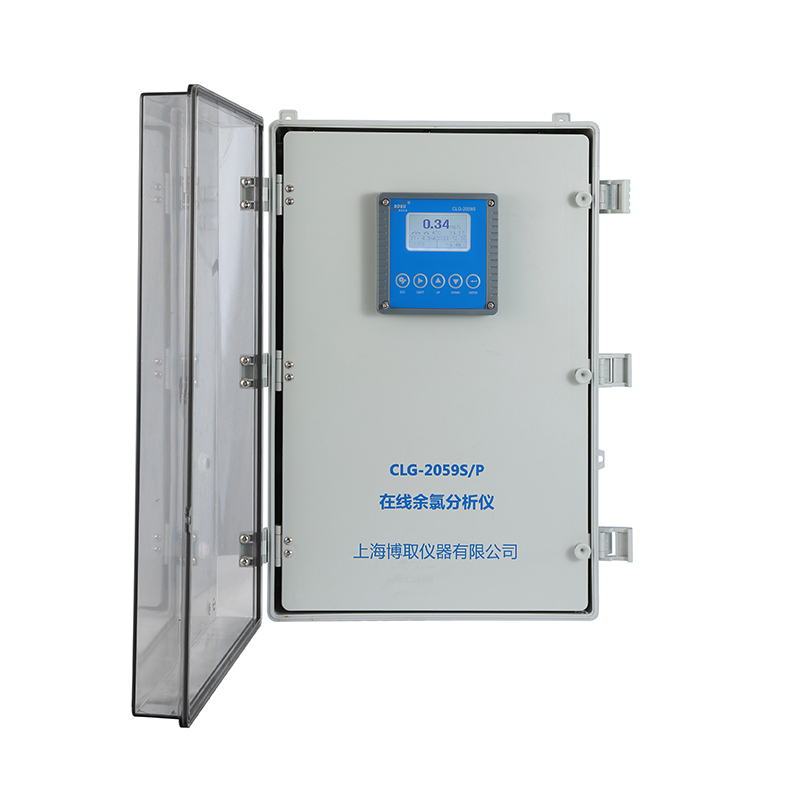
Online Constant-Voltage Free Chlorine Analyzer
Reagentless amperometric cell delivering continuous residual chlorine and hypochlorous acid quantification with pH compensation.
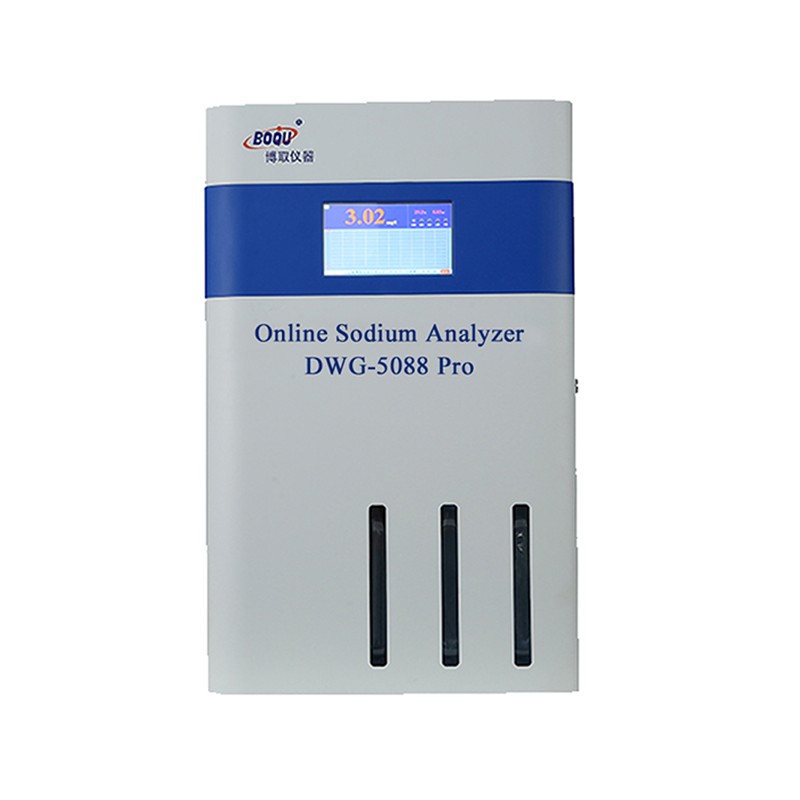
Online SWAS Trace Silicate & Sodium Analyzers
Colorimetric and ion-selective trace monitoring down to ppb levels, engineered for ultra-pure boiler feed and steam purity protection.
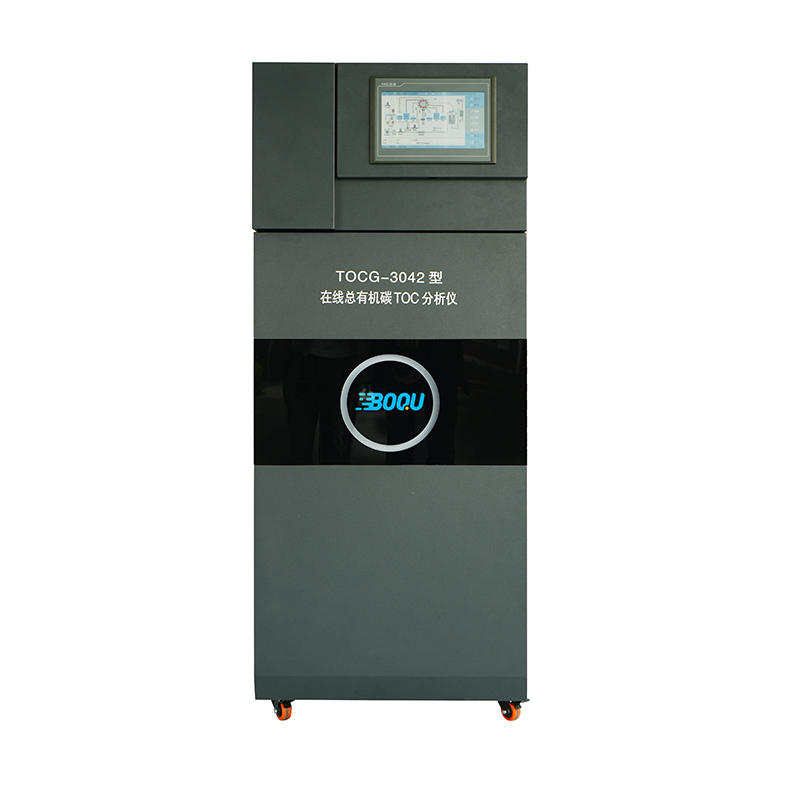
TOC-3042 Online Total Organic Carbon Analyzer
UV/persulfate oxidation method engineered for pharmaceutical purified water (WFI) validation and raw intake organic tracking.
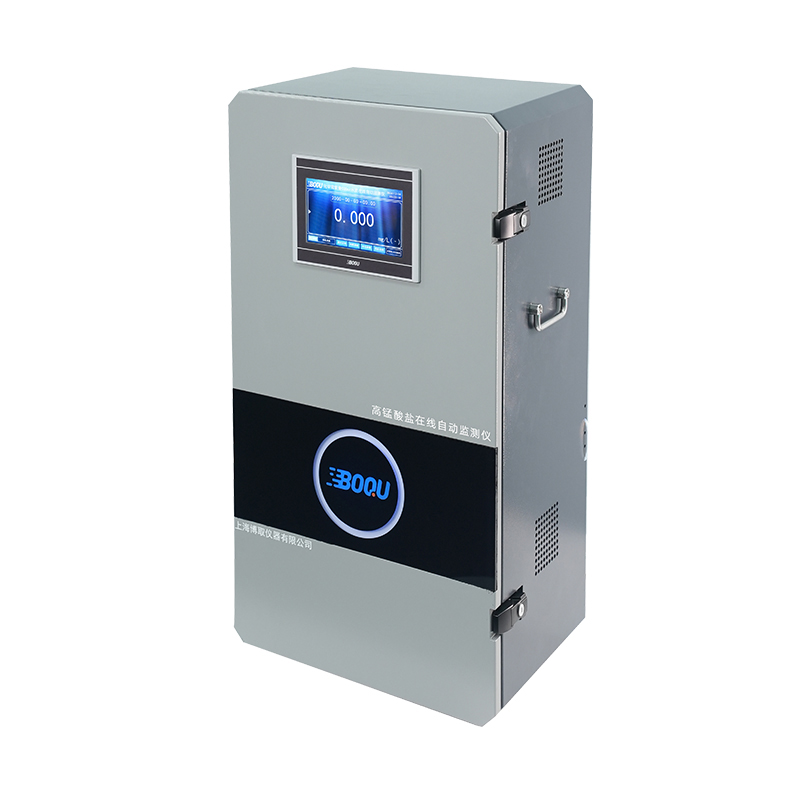
Online COD / TP / TN / NH3-N Environmental Analyzers
Automated wet-chemical digestion systems for municipal and industrial wastewater compliance with automatic self-cleaning.