High-Precision Dissolved Oxygen & Water Quality Hardware
Engineered for relentless immersion in freshwater ponds, marine cages, and biofloc RAS tanks. Explore our top 8 enterprise-grade analyzers and digital sensors manufactured by BOQU Instrument.

DOG-208FA High Temperature DO Sensor
Polarographic/optical dissolved oxygen sensor engineered for high-density nursery aeration and thermal bioprocesses.
View Specifications
pH5806 High Temperature pH Sensor
Solid gel electrolyte pH sensor resistant to sulfide poisoning in intensive shrimp ponds and biofilters.
View Specifications
IOT-485-pH Digital Online pH Sensor
Direct RS485 Modbus RTU communication without transmitters. Direct hookup to solar telemetry and aerator PLCs.
View Specifications
ZDYG-2088-01QX Online Turbidity Sensor
Infrared 860nm scattered light sensor detecting suspended solids, feed dust, and phytoplankton blooms in RAS systems.
View Specifications
DCA130 Online pH & EC Dual Analyzer
Dual-channel monitoring of pH and electrical conductivity/salinity for brackish shrimp farming and hatchery management.
View Specifications
MPG-6099Plus Multi-Parameter Panel
Integrates Optical DO, pH, Conductivity, Temperature, and Ammonia Nitrogen on an industrial touch-screen panel.
View Specifications
pHG-2081Pro Industrial DO/pH Controller
Dual 4-20mA isolated analog loops, programmable low/high relay alarms to trigger paddlewheel and root blower aerators.
View Specifications
SJG-2083CS Salinity & Concentration Meter
Toroidal electrodeless sensor measuring salinity and ionic conductivity in marine fish pens without polarization fouling.
View SpecificationsThe Paradigm Shift: From Electrochemical Drift to Optical Luminescence (LDO)
Modern intensive aquaculture operates on wafer-thin biological margins. Dissolved oxygen (DO) represents the single most volatile, life-critical water parameter in modern commercial fish farming.
Aeration Energy Optimization
Aeration accounts for 40% to 70% of the total electrical operating expense in commercial aquaculture farms. Traditional timer-based paddlewheels continuously consume power regardless of true oxygen demand. Implementing closed-loop DO controllers with automated variable frequency drives (VFDs) slashes power costs by up to 32% while eliminating midnight hypoxic mortality.
Metabolic FCR Acceleration
Sub-lethal hypoxic stress occurs when DO drops below 4.5 mg/L for finfish. In response, fish suppress appetite, elevating the Feed Conversion Ratio (FCR) by up to 25%. Precision continuous DO maintenance stabilizes voluntary feed ingestion, maximizing protein synthesis and ensuring uniform biomass sizing across harvesting cohorts.
Optical (LDO) Longevity
Traditional Clark-type polarographic and galvanic DO probes rely on sacrificial electrolytes, Teflon membranes, and continuous cathode oxygen consumption, mandating weekly manual calibration. Optical Luminescent Dissolved Oxygen (LDO) sensors utilize fluorescence quenching phase-shift detection, consuming zero oxygen and operating without recalibration for 12 to 18 months.
| Metrological Architecture | Measuring Principle | Flow Dependence | Fouling Vulnerability | Calibration Stability | Typical Maintenance Cycle |
|---|---|---|---|---|---|
| BOQU Optical Luminescence (LDO) | Ruthenium complex lifetime quenching (ASTM D888-12) | Zero Flow Required | Low (Protected by hydrophobic fluoropolymer cap) | < 0.5% drift per year | 6 - 12 Months (Wipe inspection) |
| Polarographic Clark Cell | Gold/Silver electrode polarization at -0.8V DC | High (Requires > 0.3 m/s flow past membrane) | Severe (Algal biofilm coats membrane within 72 hrs) | > 5% drift weekly | 7 - 14 Days (Membrane & electrolyte) |
| Galvanic Membrane Sensor | Lead anode sacrificial oxidation in KOH bath | High (Continuous O₂ chemical consumption) | High (Electrolyte depletion and oxide crusting) | > 8% drift weekly | 10 - 20 Days (Lead cathode scouring) |
What Aquaculture EPCs and Enterprise Farmers Demand from Chinese Factories
Sourcing water quality instrumentation for intensive aquaculture requires rigorous evaluation of engineering tolerances, materials compatibility, and field telemetry protocols.
Corrosion Immunity (POM/Titanium)
Marine fish farming and brackish shrimp ponds destroy 304/316 stainless steel housings via pitting corrosion within months. Industrial DO sensors must feature Polyoxymethylene (POM), PVDF, or Grade 2 Titanium bodies with IP68 hermetic double O-ring seals.
Auto Salinity & Pressure Offsets
Oxygen solubility declines steeply with rising water temperature and salinity (Henry's Law). Enterprise DO meters must possess integrated PT1000 temperature compensators and live manual/RS485 salinity and barometric pressure auto-compensation engines.
Integrated Mechanical Wiper
Unattended open ponds suffer from heavy diatom and cyanobacteria coating. Advanced optical DO probes integrate an ultra-low-power motor-driven silicone or fluoro-rubber wiper that mechanically brushes the sensing cap prior to measurement cycles.
Direct Modbus RTU Telemetry
Centralized SCADA and cloud telemetry systems require direct connection. RS485 Modbus RTU enables multi-drop bus topologies where up to 32 digital sensors interface with a single RTU, 4G cellular gateway, or local automated aerator controller.
Macro Industry Solutions: Tailored Water Quality Architectures
Different species and cultivation architectures experience unique biochemical dynamics. BOQU provides tailored dissolved oxygen automation architectures across global production environments.
Land-Based RAS Systems (Atlantic Salmon & Bass)
In high-density Recirculating Aquaculture Systems (up to 80 kg/m³ biomass), pure industrial liquid oxygen injection is modulated based on real-time DO data. Sensors placed in primary tank basins and biofilter sumps provide sub-second telemetry to oxygen dosing skids, maintaining saturation levels between 90% and 105% to avoid nitrogen super-saturation and gas bubble disease.
Intensive Marine & Biofloc Shrimp Ponds
Litopenaeus vannamei culture utilizing biofloc technology requires immense heterotrophic bacterial respiration alongside shrimp demand. Extreme fluctuations occur between daytime algal photosynthesis and midnight bacterial oxygen depletion. BOQU submersible optical DO sensors trigger automatic relay cascading of paddlewheel aerators when DO drops below 5.0 mg/L.
Deep Offshore Marine Net Pens (Tuna & Cobia)
Exposed to ocean swells, storm turbulence, and changing thermoclines, offshore cages require ruggedized submersible DO pods deployed at depths of 5m to 20m. Battery-powered, solar-supplemented telemetry buoys collect optical DO, salinity, and sea temperature data, beaming packetized alarms to onshore base stations via LoRaWAN or 4G LTE-M.
Closed-Loop Precision Aeration Control Architecture
By connecting BOQU optical DO probes via RS485 to an intelligent PLC, farmers establish hysteresis threshold triggers. When daytime algal photosynthesis supersaturates water (> 8 mg/L), aerators automatically power down, saving electricity. When midnight respiration drives DO below 4.8 mg/L, the system engages stages of blowers sequentially, safeguarding livestock while preserving power grid stability.
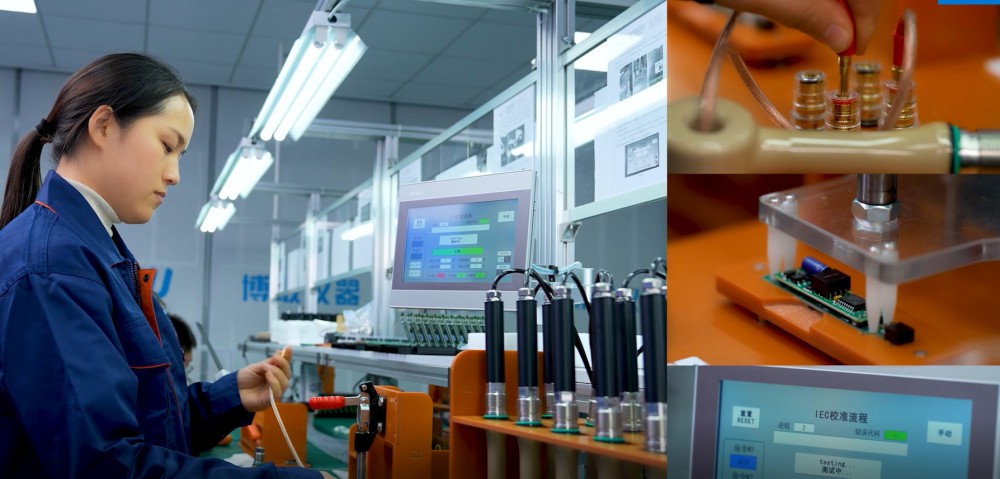
Integrated R&D, Cleanroom Fabrication & Factory Calibrations
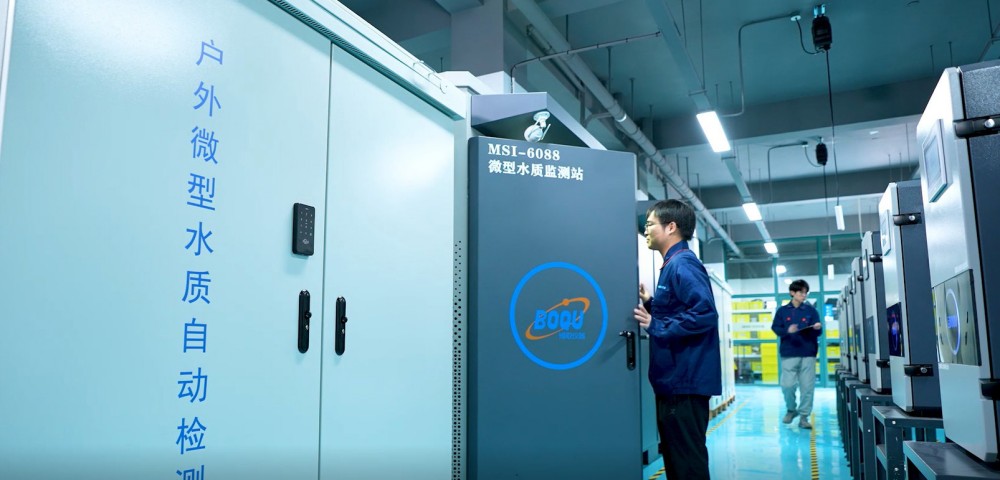
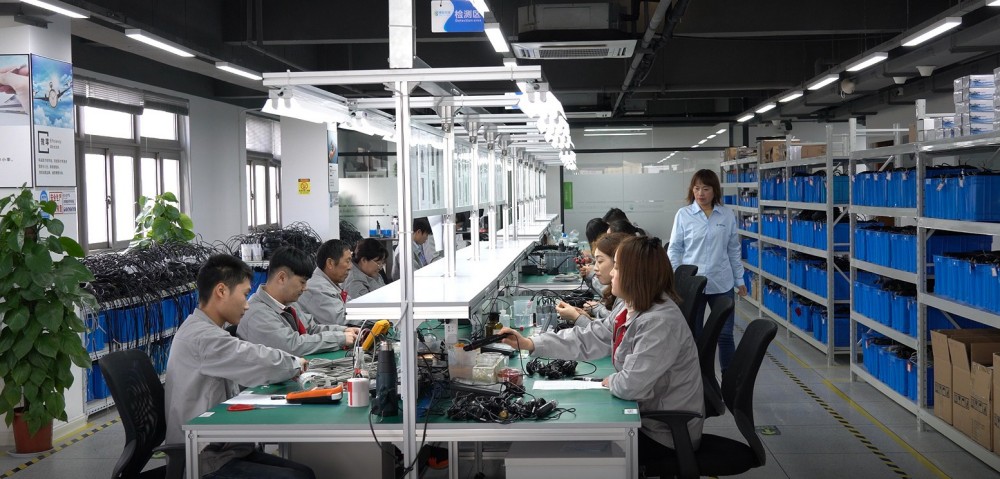
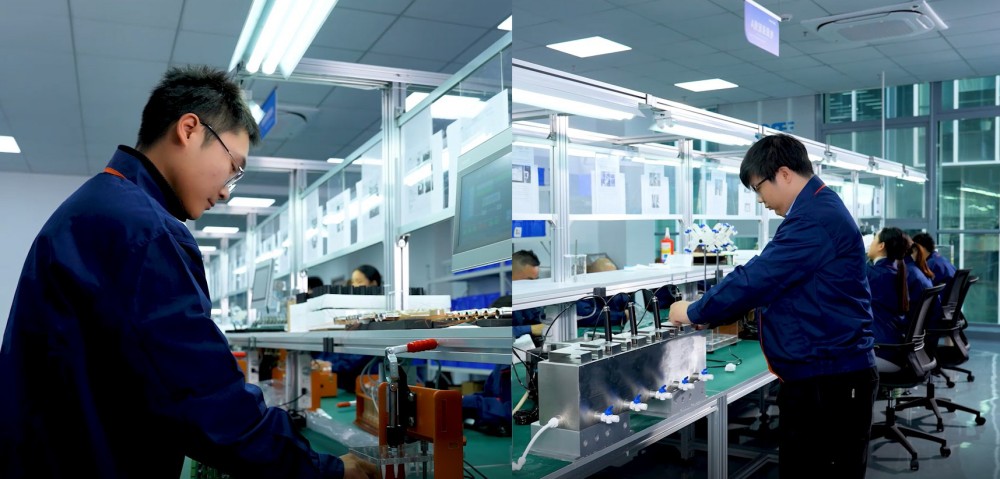
Operating two modern manufacturing facilities in Shanghai (Kangqiao and Lingang), BOQU maintains complete vertical control over sensor chemistry, optoelectronics, assembly, and automated calibration.
Year Founded
Square Meters (m²)
Engineers & Staff
Annual Instrument Units
Export Countries
Enterprise Clients
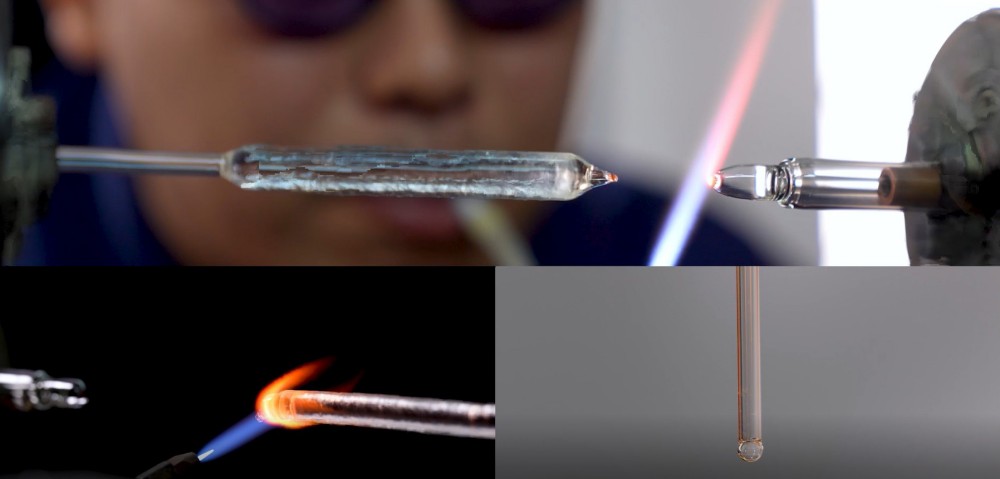
Specialized Optic Film Formulation
BOQU's sensor laboratories coat fluorescent ruthenium indicators on resilient sol-gel matrices. Each batch undergoes rigorous cyclic photobleaching testing to ensure optical caps retain linear sensitivity across multi-year operational regimes.
48-Hour Environmental Stress Screening
Every analyzer PCB, digital transmitter, and submersible probe undergoes a continuous 48-hour thermal aging cycle inside environmental chambers (-20°C to +65°C), burning out premature semiconductor failures before international freight packing.
Zero-Oxygen & Saturation Wet Bench
Factory calibration utilizes dual-point automated gas bubbling: zero-point calibration using analytical grade sodium sulfite (Na₂SO₃) or pure nitrogen sparging, paired with 100% water-vapor-saturated air calibration in precision-regulated thermal baths.
Cross-Border Logistics, Certification & Localization Support
Deploying instrumentation globally demands uncompromising regulatory compliance, electrical safety standards, and robust OEM customization capabilities.
ISO 9001, 14001 & CE Certified
Audited by SGS and compliant with European Electromagnetic Compatibility (EMC EN 61326-1) and Low Voltage (LVD EN 61010-1) directives, guaranteeing electromagnetic immunity near high-power pump motors.
Universal Power Ingestion
Engineered for unpredictable rural farm grids. Analyzers operate over wide AC inputs (90-260 VAC, 50/60Hz) or direct DC power (12-24 VDC), seamlessly interfacing with solar-battery setups on isolated farm levees.
OEM / ODM White Labeling
Full customization for global aquaculture equipment distributors: custom firmware register mapping, private branding silkscreens, bespoke immersion cable lengths (up to 100 meters), and tailored flange/bracket fixtures.
Rapid Factory Dispatch
Comprehensive standard inventory allows standard DO sensors and transmitters to dispatch within 48 to 72 hours via DHL/FedEx/air freight, accompanied by factory calibration certificates and 3.1 material test reports.
Proven Reliability in Demanding Aquaculture & Industrial Waters
Over 2,000 corporate clients rely on BOQU analytical hardware. Read verified operational histories across aquaculture ponds, hatcheries, and treatment loops.
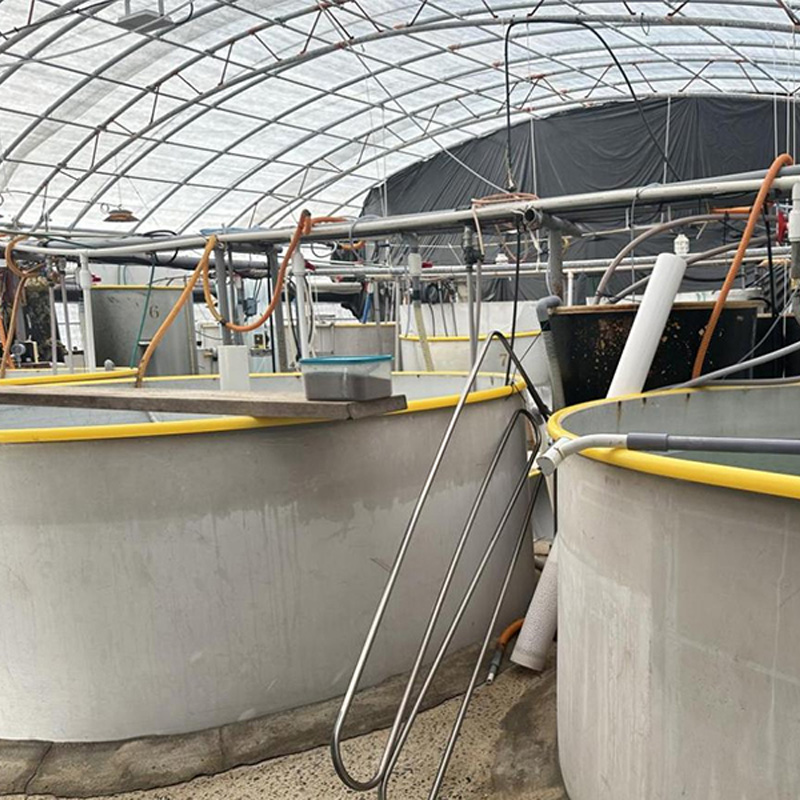
Automated Multi-Zone Marine Hatchery
Deployed 48 optical DO and pH sensors across flounder and abalone raceways. Real-time telemetry prevents localized stratification, cutting juvenile mortality by 18% during high-temperature summer feeding cycles.
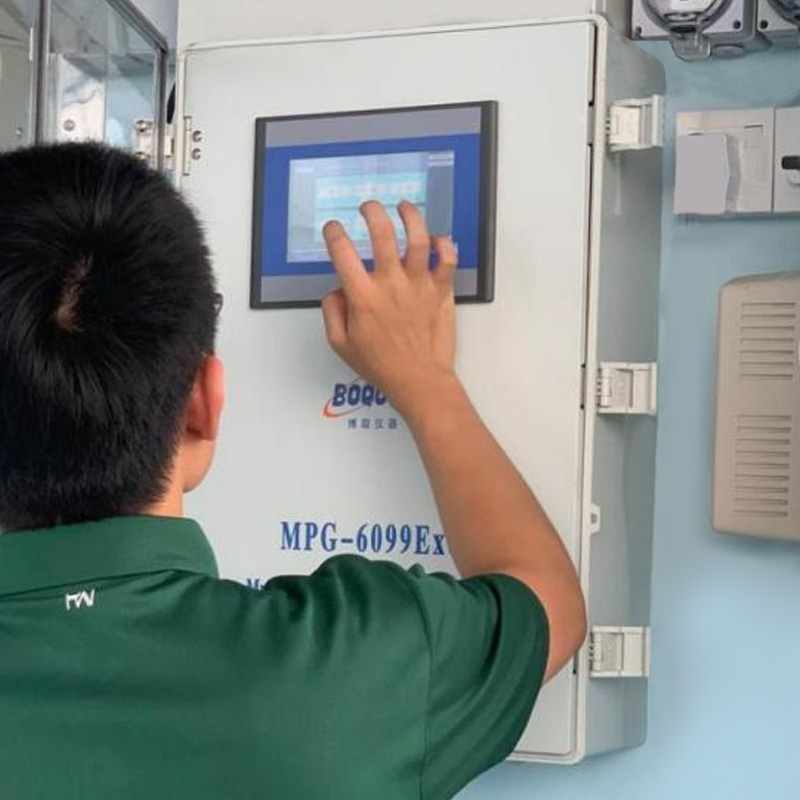
High-Density Indoor Tilapia RAS
Equipped a 30-tank recirculating system with DOG-208FA and digital pH controllers. Integrated Modbus relay outputs automate oxygen enrichment skids, sustaining steady 6.5 mg/L saturation under heavy stocking densities.
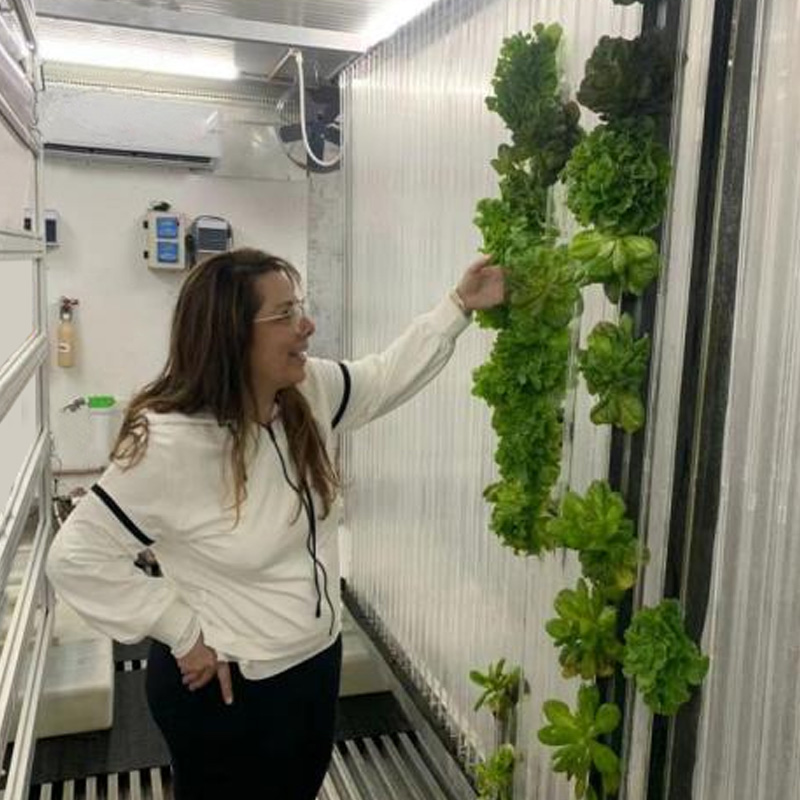
Commercial Aquaponics & Nutrient Tracking
Continuous dual-channel DCA130 analyzers track root zone conductivity and DO in tandem with pacu fish tanks, balancing nitrogen waste transformation and ensuring robust root aeration without algae fouling.
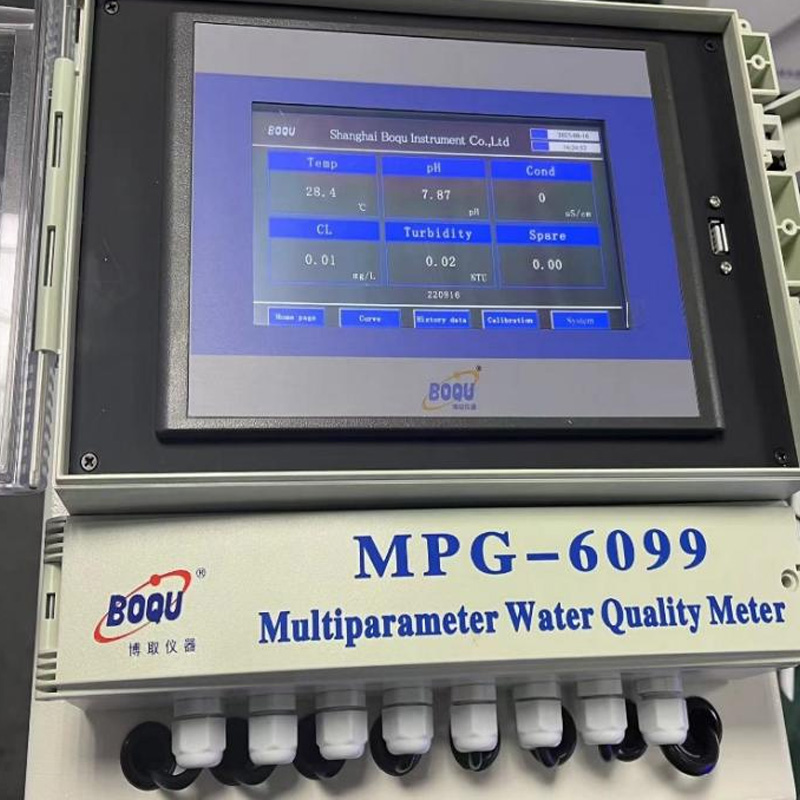
Shrimp Aquaculture Discharge Processing
Industrial park wastewater treatment monitoring in northern Vietnam complies with QCVN 40:2011/BTNMT Class A standards using BOQU multi-parameter racks measuring COD, ammonia, TSS, and residual chlorine.
Future Horizons: Edge AI Forecasting & Autonomous Aeration
As aquaculture scales towards automated offshore facilities and zero-waste land-based facilities, BOQU is actively deploying the next evolution of intelligent analytical platforms.
Edge AI Hypoxia Prediction
Rather than simply reacting to an oxygen crash that has already occurred, next-gen BOQU digital transmitters run lightweight predictive LSTM neural networks directly on edge microcontrollers. By analyzing solar radiation decay, water temperature trends, and real-time DO consumption rates over 3-hour windows, the system predicts nighttime oxygen drops 90 minutes before critical biological thresholds are crossed.
Multi-Parameter Solid-State Sondes
Consolidating maintenance footprints: forthcoming BOQU aquaculture sondes combine optical DO, four-electrode toroidal conductivity, flat-glass pH/ORP, and turbidity with a central mechanical wiper into a single compact housing. This eliminates multi-cable snarls in tanks and minimizes drag in open-ocean net cages.
Self-Powered Autonomous Micro-Sensing
Targeting extensive pond farming and lake cages, BOQU is developing integrated micro-sonde buoys featuring integrated nano-solar arrays, energy-harvesting thermoelectrics, and direct NB-IoT / satellite constellation connectivity, delivering zero-infrastructure, continuous water quality intelligence to smartphone dashboards.
Frequently Asked Questions by Aquaculture Engineers & Buyers
Comprehensive engineering guidance directly from BOQU application specialists.
Why is Optical Luminescence (LDO) preferred over Membrane Polarographic Sensors for fish farming?
How does salinity affect dissolved oxygen saturation, and how does BOQU handle it?
What is the recommended installation depth and placement for fish pond DO sensors?
Is Shanghai BOQU Instrument Co., Ltd. a true manufacturer or an export trading intermediary?
What communication protocols are available to link DO meters to farm aerators?
How often must the optical sensing cap be replaced?
Can BOQU sensors withstand chemical sterilization and CIP washing?
High-Temperature Sensors, Water Quality Analyzers & Process Probes
Explore our additional line of high-temperature pH sensors, optical instrumentation, and chemical analyzers engineered by Shanghai BOQU Instrument.

China High Temperature (0-130℃) pH Sensor With Temperature
Rugged high-temp pH sensor with integrated temperature element, designed for harsh industrial processing and aquaculture hatcheries.
View Product
Wholesale High-temperature S8 Connector pH Sensor
Precision pH electrode featuring industry-standard S8 connector head, optimized for hygienic bioprocesses and water treatment skids.
View Product
Wholesale High Temperature (0-130℃) pH Sensor
Factory-direct high temperature pH sensor with pressurized polymer reference, preventing contamination in aggressive media.
View Product
China High-temp pH Sensor for Pharma Fermentation
Engineered for clean biopharma tanks and bioreactors subject to repeated in-situ steam sterilization and autoclave cycles.
View Product
Online Residual Chlorine Analyzer
Continuous free chlorine monitoring for incoming hatchery water disinfection, protecting delicate post-larvae stocks.
View Product
Online Silicate / Phosphate / Sodium Analyzer
Trace-level colorimetric analyzer for power plant steam water analysis systems (SWAS) and critical cooling water loops.
View Product
TOC-3042 Online TOC Analyzer
Monitors total organic carbon load in source water, biopharma purified water, and advanced aquaculture effluent streams.
View Product
Online COD, Ammonia & Nutrient Analyzer
Automated wet-chemistry monitoring of chemical oxygen demand, ammonia nitrogen, and phosphorus for aquaculture compliance.
View ProductTrusted by Global Engineering Leaders & Aquaculture Operations