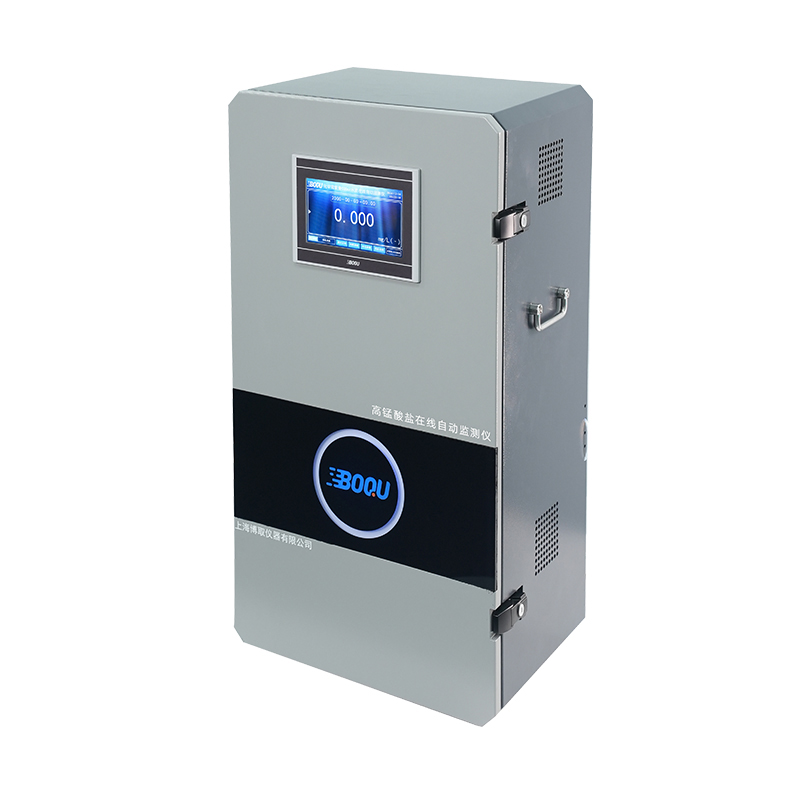
Direct Factory Catalog
Primary Process Analytics & Turbidity Sensing Assemblies
Explore high-accuracy optical and electrochemical process instruments directly produced, aged for 48 hours, and calibrated across our 4,632 m² Shanghai manufacturing facility.

S8 Connector High-Temp pH Sensor
Request Direct Quote
Pharma Fermentation High-Temp pH Sensor
Request Direct Quote
Integrated Temp pH Sensor (0-130℃)
Request Direct Quote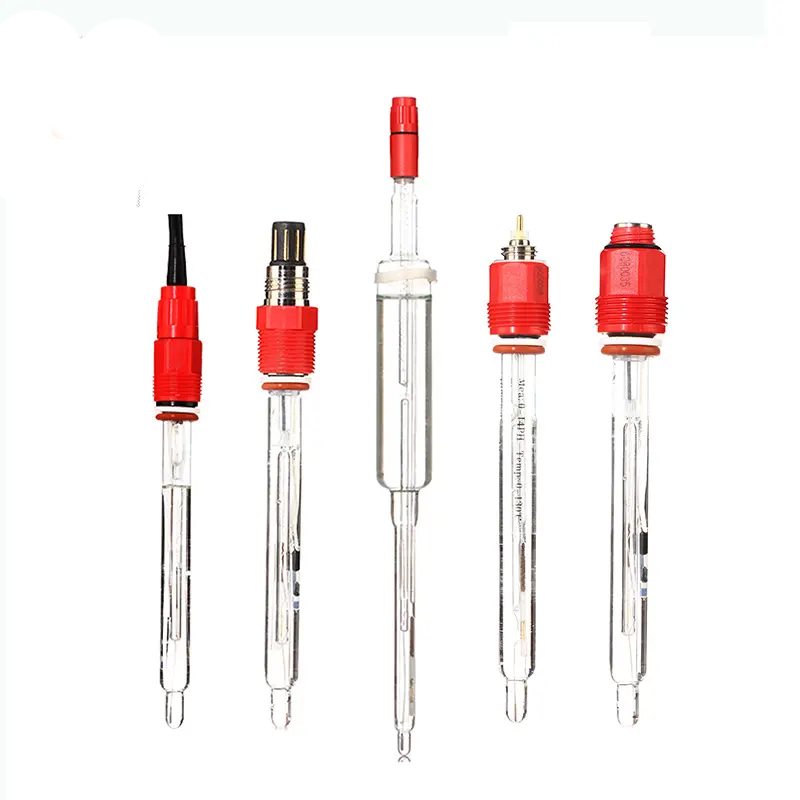
pH5806 Steam-Sterilizable pH Sensor
Request Direct Quote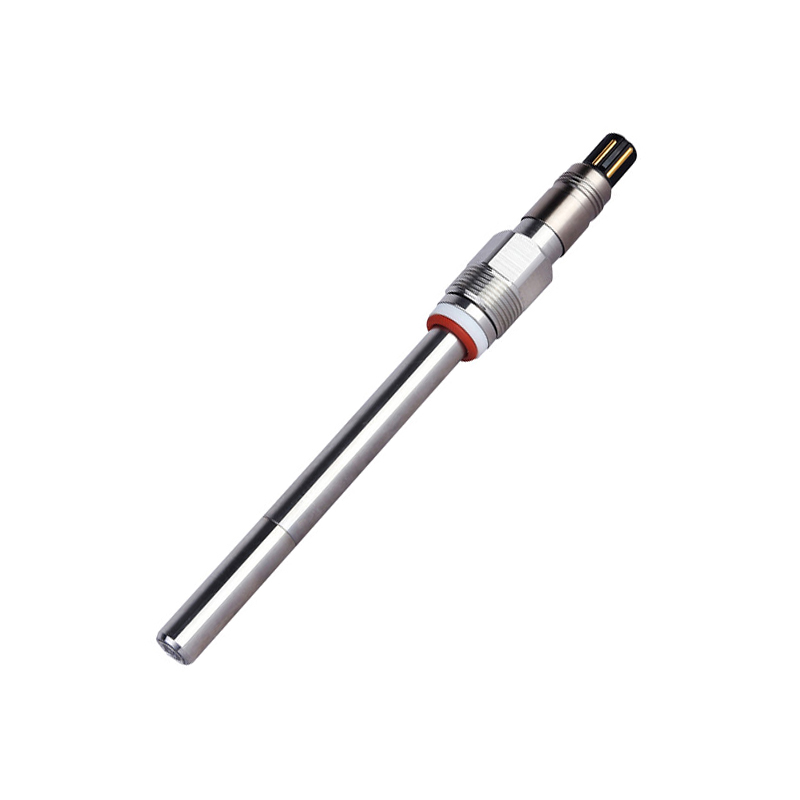
DOG-208FA Bioprocess High-Temp DO Sensor
Request Direct Quote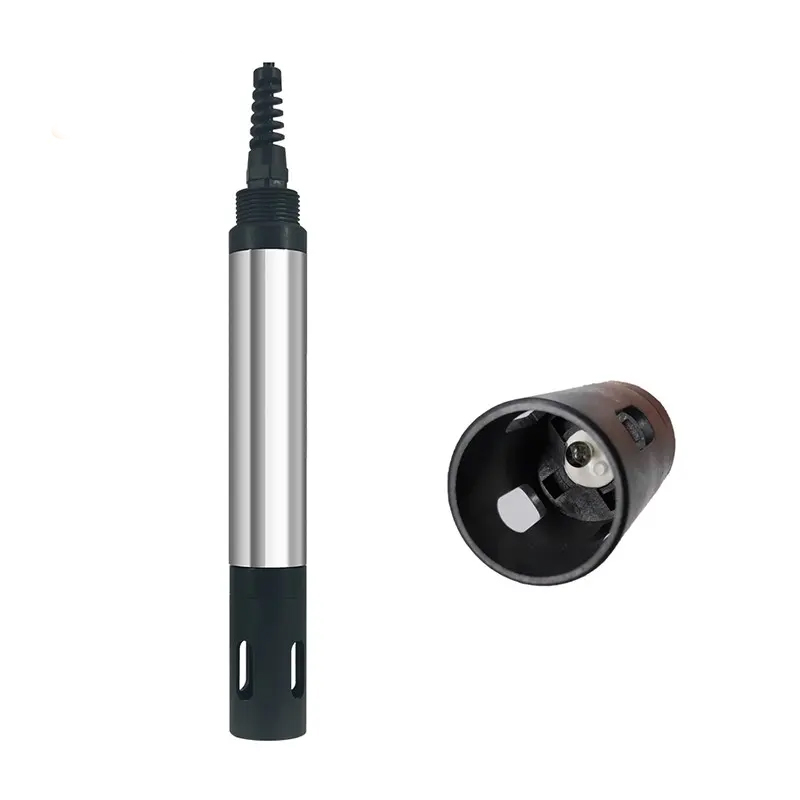
IOT-485 Smart Digital pH Sensor
Request Direct Quote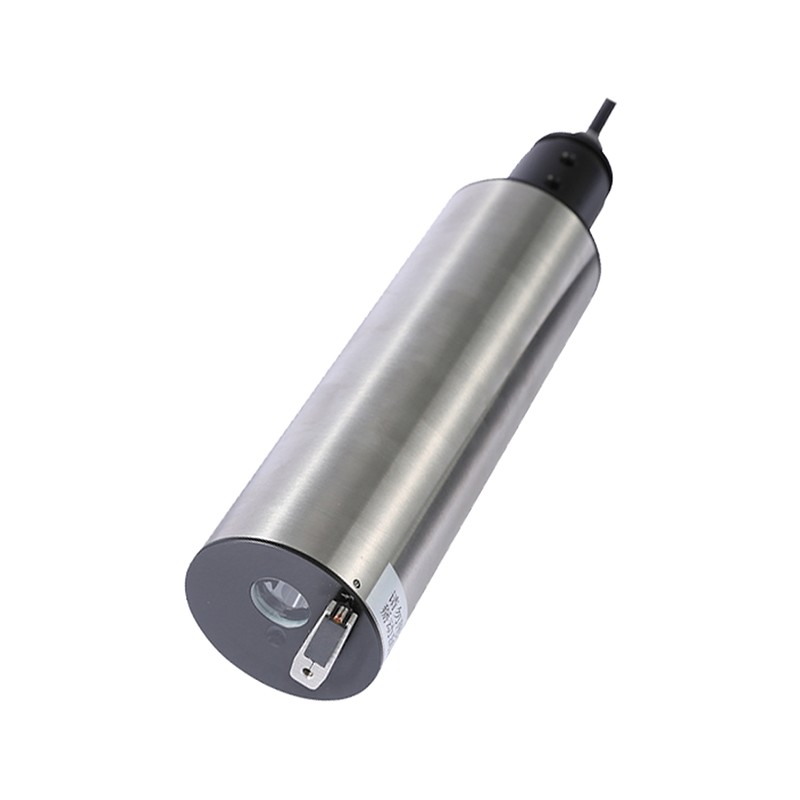
ZDYG-2088-01QX Digital Optical Turbidity Sensor
Request Direct Quote
Executive Technical Insight
Industrial Metrology & The Economics of Digital Turbidity Analytics
A rigorous review of nephelometric physics, scatter kinetics, and how decentralized digital sensors mitigate critical operating expense across global municipal and process networks.
ISO 7027 vs. USEPA 180.1 Nephelometry
Process streams characterized by natural color and organic tannins induce massive scatter variance under polychromatic tungsten sources. Our Shanghai facility specializes in solid-state 860 nm Near-Infrared (NIR) light-emitting diodes under ISO 7027 standards, eliminating dissolved color absorbance interference and providing stable baseline accuracy in harsh effluents down to ±1% FS repeatability.
Decentralized DSP Edge Architecture
Traditional legacy installations suffer from milliamp signal degradation, ground loops, and high-impedance cabling limits over long spans. BOQU digital turbidity sensors integrate micro-digital signal processors (DSP) within the IP68 probe body, converting analog photodiode micro-voltages to factory-calibrated RS485 Modbus RTU telemetry immediately at the sensing interface.
Surface Biofouling Mitigation
Biofilm accumulation and suspended sediment coatings represent up to 82% of field measurement drift in secondary wastewater and open-loop cooling loops. Engineering integral silicone wiping systems and sapphire optical windows eliminates zero-point displacement, drastically lowering preventive maintenance routines from weekly manual scrubs to quarterly visual inspections.
China Factory-Direct Tiered Pricelist Structure & Specifications
Procuring directly from our Shanghai manufacturing floor provides transparent pricing brackets based on integration scale, mechanical configuration, and optical wavelength specifications.
| Model / Sensor Tier | Optical Methodology | Standard Range | Wiping Mechanism | Wetted Material | Indicative FOB Tier (USD) |
|---|---|---|---|---|---|
| ZDYG-2088-01 Standard | 90° Scatter (ISO 7027 NIR) | 0.01 – 400.0 NTU | Integrated Mechanical Wiper | POM / 316L Stainless | $280 – $390 / unit |
| ZDYG-2088-02 High Range | Backscatter Analytics | 0 – 4,000 NTU / 0–20 g/L MLSS | Periodic Programmable Wiper | Titanium Alloy / POM | $340 – $480 / unit |
| IOT-Turb-Micro Ultra-Low | Dual-Beam 90° Nephelometric | 0.001 – 40.0 NTU | Flow-Through Chamber Degas | 316L SS / Quartz Optical | $450 – $620 / unit |
| SWAS Trace Turbidity System | Laser Scatter Absorption | 0.0001 – 10.0 NTU | Non-Contact Optical Path | Passivated 316L Stainless | $750 – $1,100 / unit |
*Note: Final pricing varies according to project quantity, custom private labeling, specialized cable runs up to 100m, and tailored firmware registers. Inquire with engineering for wholesale MOQs.
2007
Established in Shanghai, China
4,632 m²
Production Footprint (Kangqiao & Lingang)
100,000+
Analyzers & Probes Shipped Yearly
100+
Export Nations & Global EPC Deployments
Deployment Paradigms
Localized Application Solutions Across Critical Infrastructure
Turbidity represents far more than an optical clarity index; it serves as a critical surrogate metric for microbiological risk, suspended sedimentation, and chemical precipitation control.
Potable Water Treatment & Filter Rupture Alarms
In municipal water treatment plants, rapid gravity sand filters and membrane bioreactors must prevent protozoan (Cryptosporidium and Giardia) breakthrough. BOQU ultra-low digital turbidity sensors provide dynamic sensitivity down to 0.001 NTU, triggering rapid automated backwash sequence commands long before conventional laboratory grab-sampling detects sediment leakage.
Key Range: 0.001 – 10.0 NTU
Biological Wastewater MLSS & Sludge Bulking
Aeration basins in modern activated sludge systems demand real-time Mixed Liquor Suspended Solids (MLSS) surveillance to maintain optimal food-to-microorganism (F/M) kinetic balance. Utilizing calibrated multi-angle backscatter profiles, our probes track sludge blanket thresholds and prevent carryover to final clarifier weirs without sensor saturation.
Key Range: 0 – 20,000 mg/L TSS
High-Density Industrial RAS Aquaculture
Recirculating Aquaculture Systems (RAS) operate at extreme densities where unconsumed fish feed and biological excreta rapidly foul micro-screen drum filters. Directly interfaced RS485 turbidity sensors modulate drum rotation speed and biofiltration bypass loops, protecting fragile gill health and conserving pump energy automatically.
Key Range: 0 – 100 NTU
Compliance & Reliability
Global Regulatory Alignment & International Integration Assurance
Procuring analytical instrumentation across international borders requires stringent adherence to environmental directives, functional safety benchmarks, and uninterrupted spare supply.
ISO 9001 & ISO 14001
Dual-certified facility operation guaranteeing end-to-end component lot traceability, automated optoelectronic test jigs, and low-carbon manufacturing procedures for sustainability metrics.
CE & EMC Industrial Immunity
Fully compliant with EN 61326-1 electromagnetic immunity standards, ensuring reliable telemetry in high-interference environments adjacent to heavy variable frequency drives (VFDs).
SGS Quality Validated
Independently inspected and verified by SGS international auditors, verifying our stated production capacity, cleanroom assembly benches, and mechanical CNC tolerances.
FDA Registered Materials
Wetted polymer, silicone wiper elastomer, and optical window sealants comply with FDA food-contact directives for dairy, food processing, and pharmaceutical clean-in-place installations.
Future Horizon
Technical Roadmap: The Next Generation of Analytical Sensing
How BOQU Instrument is transitioning from isolated analog probes to predictive, cloud-synchronized optical diagnostic instruments.
Phase I: Active
Edge Diagnostic DSP
Autonomous detection of optical path transmittance loss, wiper stall resistance telemetry, and self-calibrating zero-point drift notification.
Phase II: Near-Term
Multi-Spectrum Fusion
Dual-wavelength UV-Vis & NIR co-processing arrays to decouple organic UV254 COD absorbance from physical inorganic particulate scatter.
Phase III: Integration
Direct Cloud NB-IoT
Embedded low-power wide-area modems inside probe caps, transmitting field data straight to cloud dashboards without intermediate RTU hardware.
Phase IV: AI Predictive
Predictive Maintenance
Machine learning edge models analyzing degradation curves to alert plant personnel of seal exhaustion 30 days before field breach.
Informed Purchasing
Frequently Asked Sourcing & Engineering Questions
Clear, direct answers regarding factory capabilities, Modbus communication, calibration standards, and wholesale deployment parameters.
How does buying directly from a China factory impact delivery and warranty?
Shanghai BOQU Instrument maintains complete end-to-end control from precision CNC probe machining to optoelectronic SMD assembly across two Shanghai facilities. This eliminates intermediary markups, cuts delivery times to 5–10 business days for standard models, and guarantees an unbroken 12-month factory warranty with direct access to senior design engineers.
Can BOQU digital turbidity sensors interface with third-party PLCs?
Yes. Every BOQU digital sensor outputs standard RS485 Modbus RTU using open, documented register tables. They connect seamlessly to Siemens, Rockwell Allen-Bradley, Schneider Electric, or Mitsubishi PLCs as well as regional IoT telemetry units without requiring proprietary transmitter gateways.
What calibration standard is recommended for field zero and span alignment?
We recommend Formazin primary stock standards (prepared under ISO 7027 specifications) or commercially stabilized AMCO Clear secondary standards. Because our sensors feature pre-configured multi-point linear curves stored in internal DSP memory, field operators only need to execute a simple two-point zero/span routine.
Do you support OEM private labeling and customized hardware designs?
Yes. We regularly supply international analytical instrument brands with white-label sensors. OEM options include custom laser-etched stainless bodies, customized Modbus vendor IDs and register maps, specialized subsea cabling lengths up to 100 meters, and custom mounting flanges (NPT, sanitary Tri-clamp, or bypass flow blocks).
Integrated Analytical Systems
Comprehensive Online Water Quality Analyzers & Transmitters
Pair digital sensors with industrial multi-parameter controllers and specialized SWAS wet-chemistry panels engineered for high uptime in severe industrial environments.
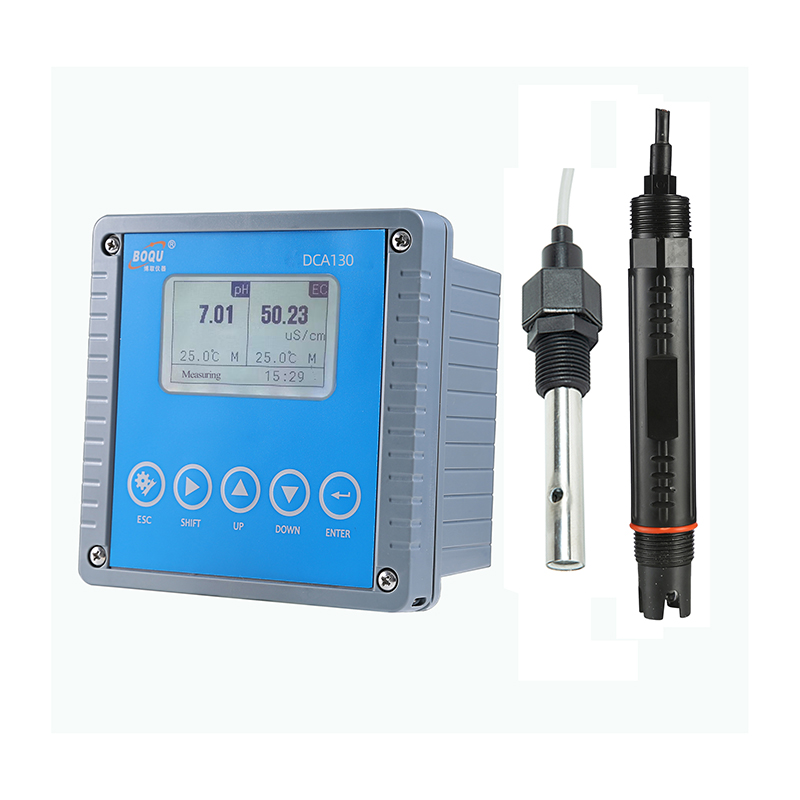
DCA130 Online pH & EC Dual Channel Controller
Request Direct Quote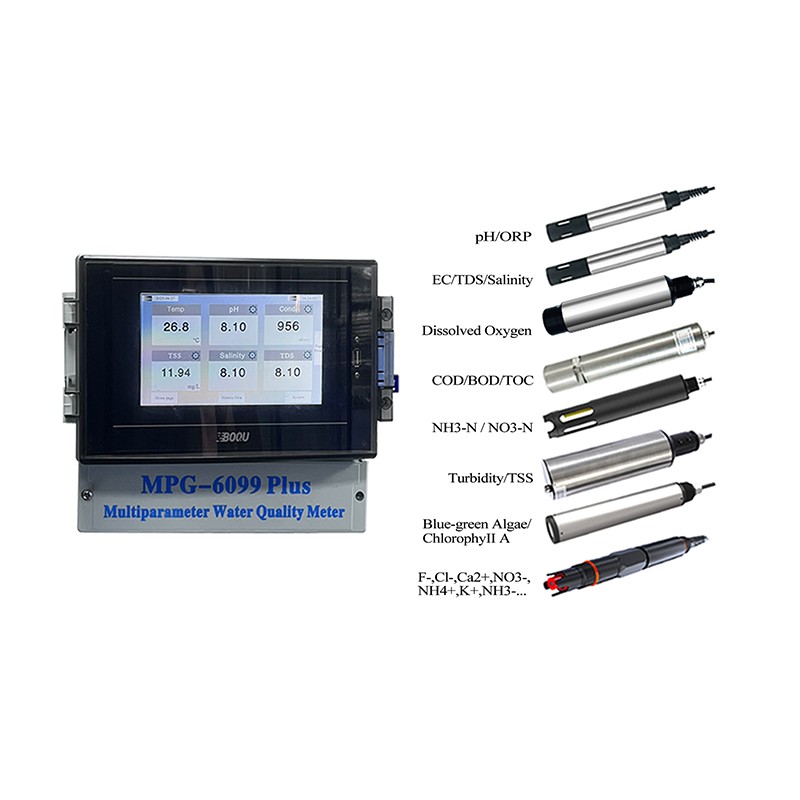
MPG-6099Plus Multi-Parameter Monitoring Panel
Request Direct Quote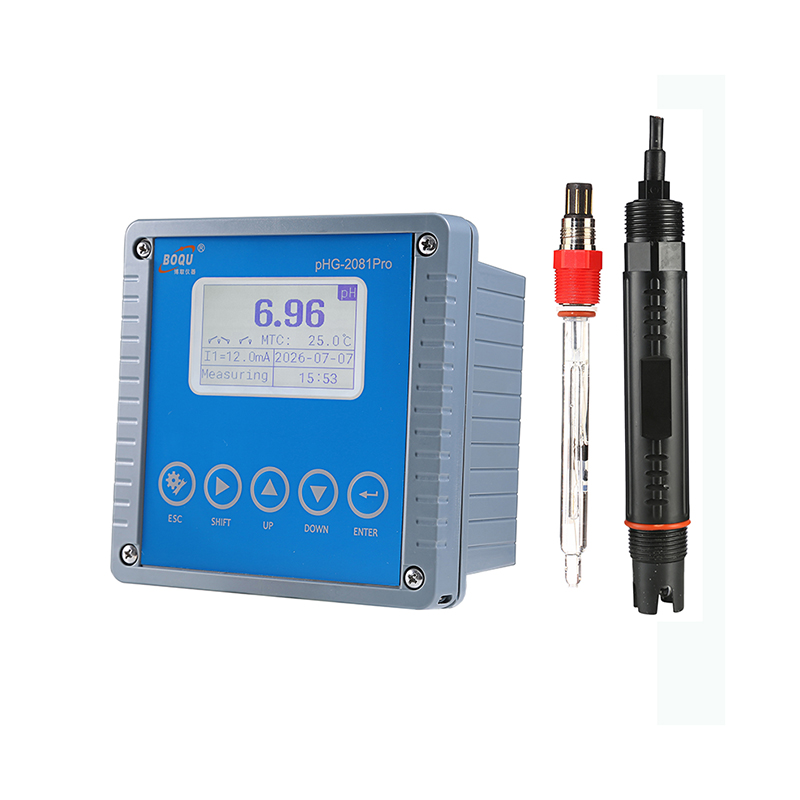
pHG-2081Pro Industrial Process pH/ORP Analyzer
Request Direct Quote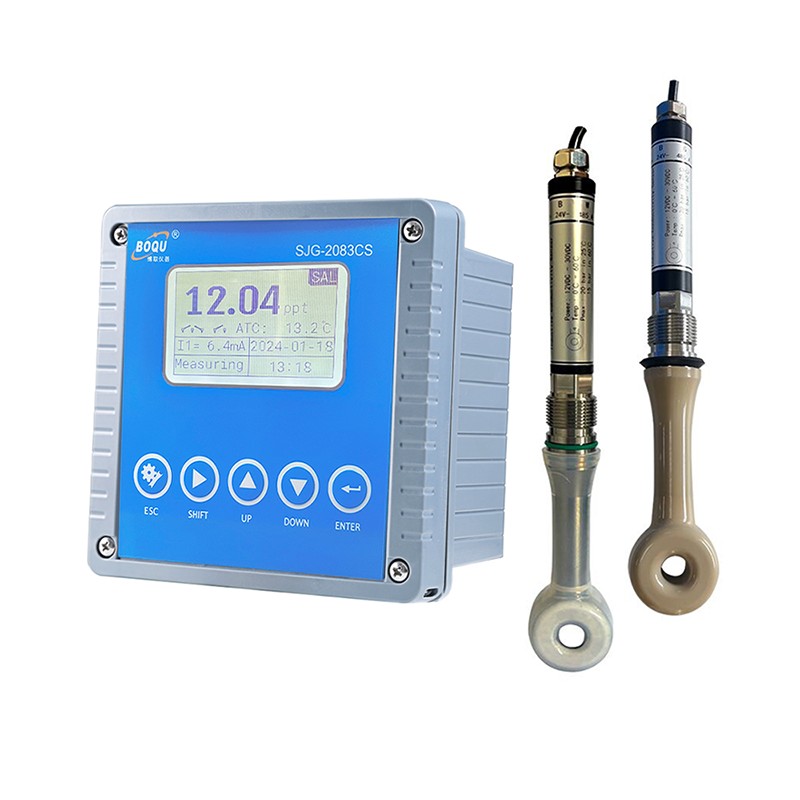
SJG-2083CS Online Toroidal Acid/Alkali Meter
Request Direct Quote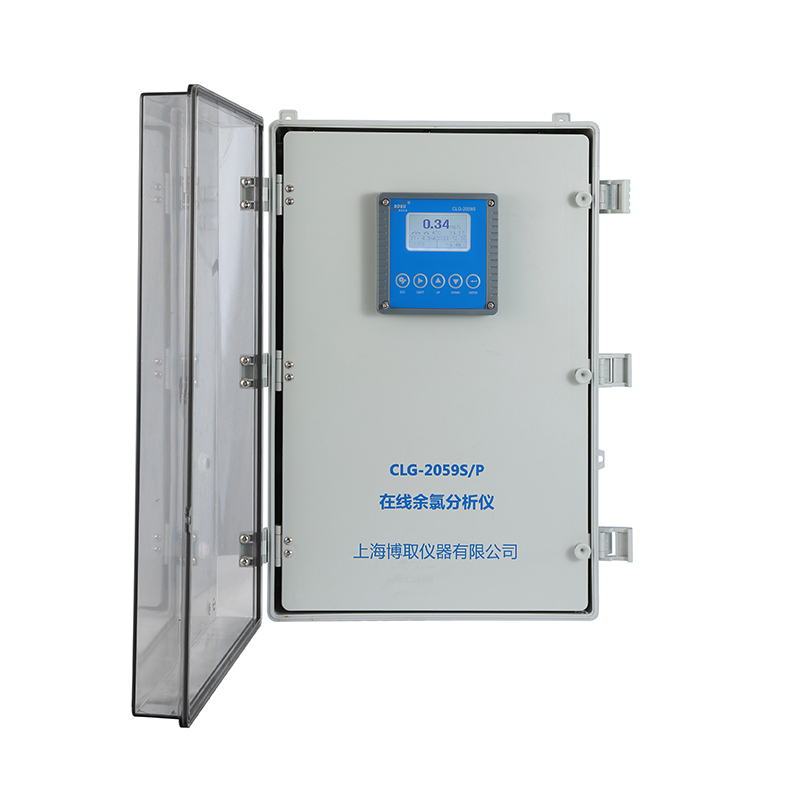
Constant-Voltage Online Residual Chlorine Monitor
Request Direct Quote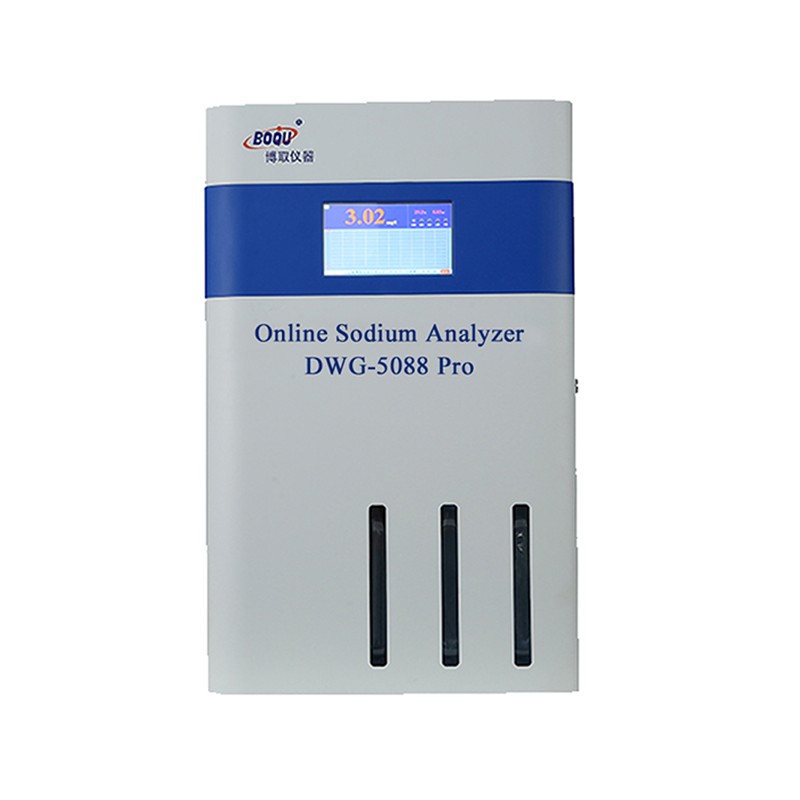
SWAS Trace Silicate & Phosphate Analyzer
Request Direct Quote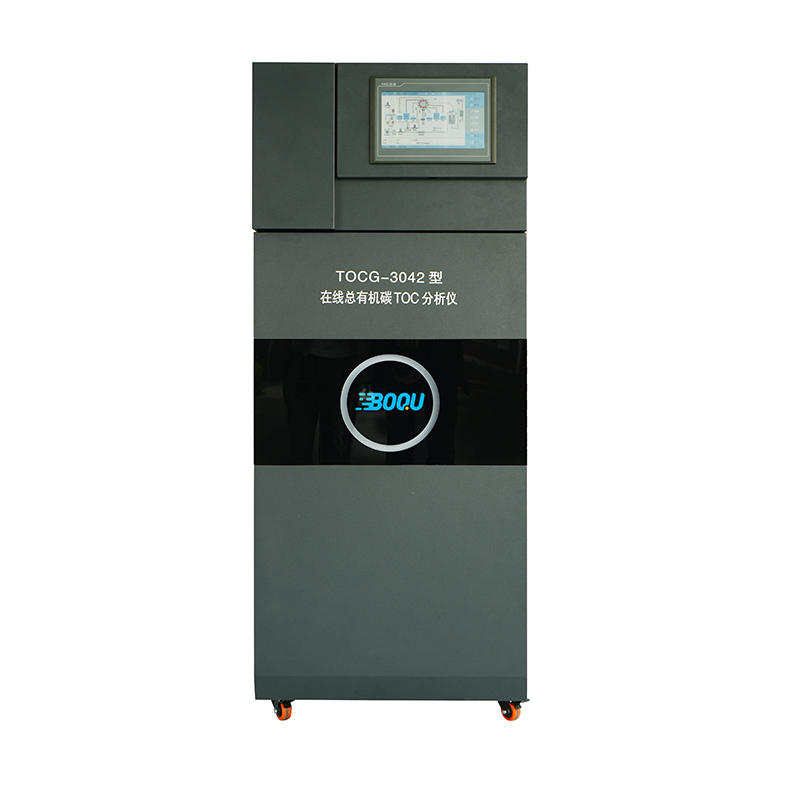
TOC-3042 Online Total Organic Carbon Analyzer
Request Direct Quote