
Choosing an ORP electrode for a hot industrial process takes more than checking its maximum temperature rating. The probe must also tolerate the process chemistry, pressure, and cleaning routine. A sensor that performs well in a warm tank may struggle in a heated reactor or recirculation line. Small details matter.
A High Temperature Environment Orp Electrode is designed for demanding conditions, but “high temperature” does not mean the same thing for every model. Review the manufacturer’s operating limits, recommended installation method, and maintenance guidance before selecting a probe. Pay close attention to the reference junction and wetted materials; these can affect stability and service life. Also confirm that the electrode suits the measurement system and process connection already in place.
This guide examines five high-temperature ORP electrode options for industrial use, focusing on practical selection factors rather than a single universal winner. The right choice depends on the fluid, operating cycle, and required measurement consistency. Even a suitable electrode can drift as surfaces foul or process conditions change. That is worth planning for. Routine checks and careful installation help, though they cannot eliminate every measurement problem. No model is perfect in every plant. Compare specifications against your actual operating conditions, and verify critical measurements using your site’s established procedures.
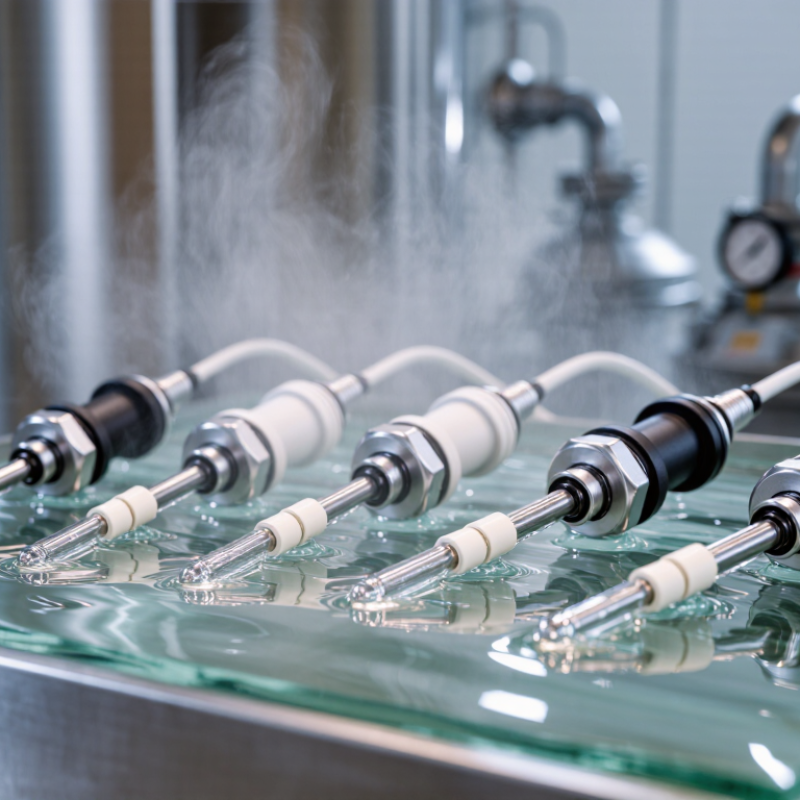
High-temperature ORP measurement is not simply a matter of placing a standard probe in a hot tank. The electrode senses a voltage difference, reported in millivolts, between its measuring element and reference system. Heat can shift both the process chemistry and the reference potential. Automatic temperature compensation cannot correct every chemistry-driven change. A reading may look stable and still misrepresent the process.
In practice, check the electrode’s rated temperature, pressure, and chemical compatibility against actual operating conditions. Pay attention to the reference junction and seals; hot, abrasive slurry can foul or damage them. Allow the sensor to reach thermal equilibrium before trusting a trend. Small detail, big consequence. ASTM D1498 describes ORP measurement in water, but that standard does not certify a sensor for every hot industrial process.
The U.S. Department of Energy’s 2022 Industrial Decarbonization Roadmap estimates that industry accounts for about 30% of U.S. primary energy use, underscoring why reliable process control matters. Still, a single ORP value cannot describe a whole vessel. Sampling location, mixing, and electrode condition all matter. That is easy to overlook during a fast troubleshooting shift.
Choosing a high-temperature ORP electrode starts with the actual process, not the highest temperature printed on a specification sheet. Record normal and peak temperatures, pressure, pH, oxidants, and cleaning cycles. Then check the complete assembly: glass or metal body, seal materials, reference electrolyte, and junction must all tolerate those conditions. A probe may survive a hot sample yet drift after repeated thermal cycling. Small detail, big consequence.
Look for a stated operating range and temperature compensation method, but do not assume compensation corrects every redox reaction. The Nernst equation gives about 59.16 mV per decade of activity ratio at 25°C for a one-electron redox couple; reaction chemistry changes the response. ASTM D1498-14(2022) provides a recognized method for measuring oxidation-reduction potential in water, while the USGS National Field Manual, chapter A6.5, emphasizes careful field measurement and documentation. Use these references to build a verification routine: record sample temperature, reference system, stabilization time, and calibration-check results. In a hot, fouling line, a replaceable junction can simplify maintenance. But it may not solve coating from deposits. Test the electrode in representative process samples before specifying it for continuous service.
High-temperature ORP electrodes differ in their sensing metal, body material, and reference design. A platinum-tip electrode is a common choice for oxidizing or reducing process streams, but coatings can slow its response. Gold sensing elements may perform better in some oxidizing solutions, though suitability depends on the chemistry. Neither metal is universally best.
A glass-bodied design can tolerate demanding process conditions when its temperature and pressure ratings match the installation. It is also relatively easy to inspect for cracks. Industrial polymer-bodied electrodes can be lighter and more impact-resistant, but confirm the exact polymer’s heat and chemical limits. Small details matter. A rating at one pressure may not apply at another.
Pressurized-reference designs help maintain electrolyte flow through the junction, which can reduce contamination in dirty process liquids. They require a compatible pressure supply and routine checks. For any of these five types, compare the stated maximum operating temperature, pressure, junction material, and process compatibility—not just the sensing tip. In field work, a sluggish reading may come from a fouled junction rather than a failing platinum or gold surface. That distinction is easy to miss, especially when the process temperature fluctuates. Check response against a suitable reference solution, and document the conditions; one test rarely tells the whole story.
| Electrode type | Typical construction | Best suited for | Strengths | Limitations and checks | High-temperature selection guidance |
|---|---|---|---|---|---|
| High-temperature sealed glass combination | Glass body with a platinum or gold ORP sensing element, reference system, and sealed electrolyte. | General-purpose process monitoring where low maintenance and a chemically resistant wetted surface are priorities. | Compact combination design; glass is suitable for many chemical services; no routine electrolyte refilling. | Glass can break. Sealed designs may be less serviceable, and fouling at the reference junction can cause slow or unstable readings. | Choose a model specifically rated for the process temperature and pressure. The temperature limit depends on the complete sensor, including its seal and reference system. |
| Refillable glass combination | Glass body with an ORP metal electrode and refillable reference electrolyte, commonly using a ceramic or other porous junction. | Applications requiring reference-system maintenance or extended service life in a compatible process. | Electrolyte can be replenished; the reference system can often be inspected and maintained. | Requires electrolyte checks and correct installation orientation where specified. Confirm that process pressure will not force sample into the reference system. | A refillable design is not automatically suitable for higher temperatures. Verify the rated temperature, pressure, and electrolyte compatibility for the specific model. |
| Open-junction or high-flow reference | Reference electrolyte contacts the process through a larger-area or open junction rather than only a small porous point. | Suspensions, slurries, and samples where a small junction is prone to plugging. | Greater resistance to junction blockage in many dirty or solids-bearing services; may provide a more stable reference connection. | Higher electrolyte consumption or process ingress can occur, depending on design and pressure. It may require more frequent inspection. | Confirm the junction design, pressure limits, and temperature rating together. An open junction alone does not establish high-temperature capability. |
| PTFE sleeve-junction combination | Combination sensor using a movable or annular PTFE sleeve as the reference junction, with a platinum or gold sensing element. | Services where a cleanable junction and dependable electrolyte contact are useful, including some process samples with suspended material. | The sleeve can often be moved or cleaned to restore contact; its larger junction area can be less prone to blockage than a fine porous junction. | The sleeve and seals need careful handling and maintenance. Compatibility depends on the process chemicals and the sensor’s construction. | Check the stated maximum temperature for the complete assembly, including PTFE components and seals; do not infer a rating from the junction material alone. |
| Double-junction combination | Reference system has an inner and outer junction, separating the reference electrolyte from the process more than a single-junction design. | Samples containing contaminants that may react with the reference electrolyte or shorten reference life. | Can reduce direct contamination of the primary reference system in suitable applications; the outer electrolyte can be selected for process compatibility. | More complex reference construction may require additional maintenance. It does not eliminate junction fouling or chemical-compatibility concerns. | Select a version explicitly rated for the operating temperature, pressure, and chemistry. Confirm the outer electrolyte and junction materials are suitable for the sample. |
Note: These are electrode construction types, not guaranteed temperature classes. There is no universal maximum temperature for each design; the sensor’s published limits, process pressure, chemical compatibility, and installation conditions determine suitability. Verify the exact model rating before use.
Choosing a high-temperature ORP electrode starts with the process, not a material list. Platinum sensing elements suit many oxidizing and reducing solutions, while gold can respond differently in specific chemistries. Neither metal is universally better. At a hot reactor outlet, check the fluid composition and expected deposits before selecting the sensing surface.
Heat changes everything. The electrode body, seals, and reference junction must also tolerate the actual temperature and pressure. Ceramic junctions can withstand demanding conditions, but solids may clog them. Polymer bodies can resist some chemicals, yet their temperature limits vary. Review the manufacturer’s ratings for continuous service, not only brief exposure.
Match construction to the failure risk. In a heated cleaning bath, chemical compatibility may matter more than abrasion resistance. In a slurry line, a robust junction and accessible mounting point can make maintenance easier. Keep the probe away from stagnant pockets where deposits collect. Not always possible. Record temperature alongside ORP readings, because temperature shifts can complicate comparisons even when the meter compensates for its own response. A practical trial in the real process often reveals issues that a material chart misses.
A high-temperature ORP electrode needs more than a suitable measuring tip. Check the temperature, pressure, and chemical limits of the complete assembly, including seals and cable. A sensor rated for heat may still fail if its connector or seal is not. Small details matter.
Install the electrode where liquid flows steadily, away from stagnant pockets, gas bubbles, and direct contact with a vessel wall. Follow the insertion-depth and mounting instructions for the sensor. Before removal, isolate and cool the process as required by site procedures. A common oversight is leaving the cable exposed to heat or moisture near the connection. It is easy to miss.
Maintenance should match the process, not a fixed calendar alone. Inspect the sensing surface and reference junction for deposits, then clean them with materials approved for that electrode. Avoid abrasive scrubbing; it can damage the surface and distort readings. Check response with a suitable ORP standard, following its handling and temperature guidance. If readings drift, compare them with process conditions and recent cleaning records before adjusting anything. A slow response may indicate a coated tip, but not always. Record checks, cleaning, and replacements so recurring problems are easier to spot.
These Celsius-to-Fahrenheit conversions are reference points for planning installation and maintenance in hot processes. They are not electrode operating limits: confirm the temperature rating of the specific electrode, cable, seals, and process connection, and avoid thermal shock during installation or cleaning.
Heat can change process chemistry and the reference potential. A stable millivolt reading may still misrepresent the vessel.
Record normal and peak temperatures, pressure, pH, oxidants, and cleaning cycles. Check the body, seals, electrolyte, and junction against them.
No. It cannot correct every chemistry-driven shift. Not by itself.
Wait until the sensor reaches thermal equilibrium. The article gives no fixed waiting time, so verify stability in your process.
Not always. Sampling location and mixing matter. A probe near a wall may not reflect conditions in the center.
It can foul the reference junction or damage seals. Small detail, big consequence.
It can make maintenance easier, but deposits may still coat the junction. Test the electrode with representative process samples.
No. A method for measuring ORP in water does not confirm suitability for every hot process. Check the complete assembly and operating limits.
High-temperature ORP measurement helps industrial operators monitor oxidation and reduction conditions in processes where heat, pressure, and aggressive chemicals can challenge sensor performance. Choosing a High Temperature Environment Orp Electrode requires considering operating temperature, chemical compatibility, pressure, installation style, response time, and the durability of the sensing element and reference junction. Different electrode types suit different process conditions, so material selection should reflect the fluid’s composition, expected temperature range, and cleaning requirements rather than relying on a single universal design.
Reliable readings also depend on correct installation and ongoing maintenance. Position the electrode where it receives representative process contact, follow the specified temperature and pressure limits, and avoid unnecessary mechanical stress. Regular inspection, cleaning, calibration, and timely replacement of worn components can help preserve measurement accuracy and reduce downtime. By matching electrode construction to the process and maintaining it consistently, facilities can support safer, more dependable ORP monitoring in demanding industrial applications.